About
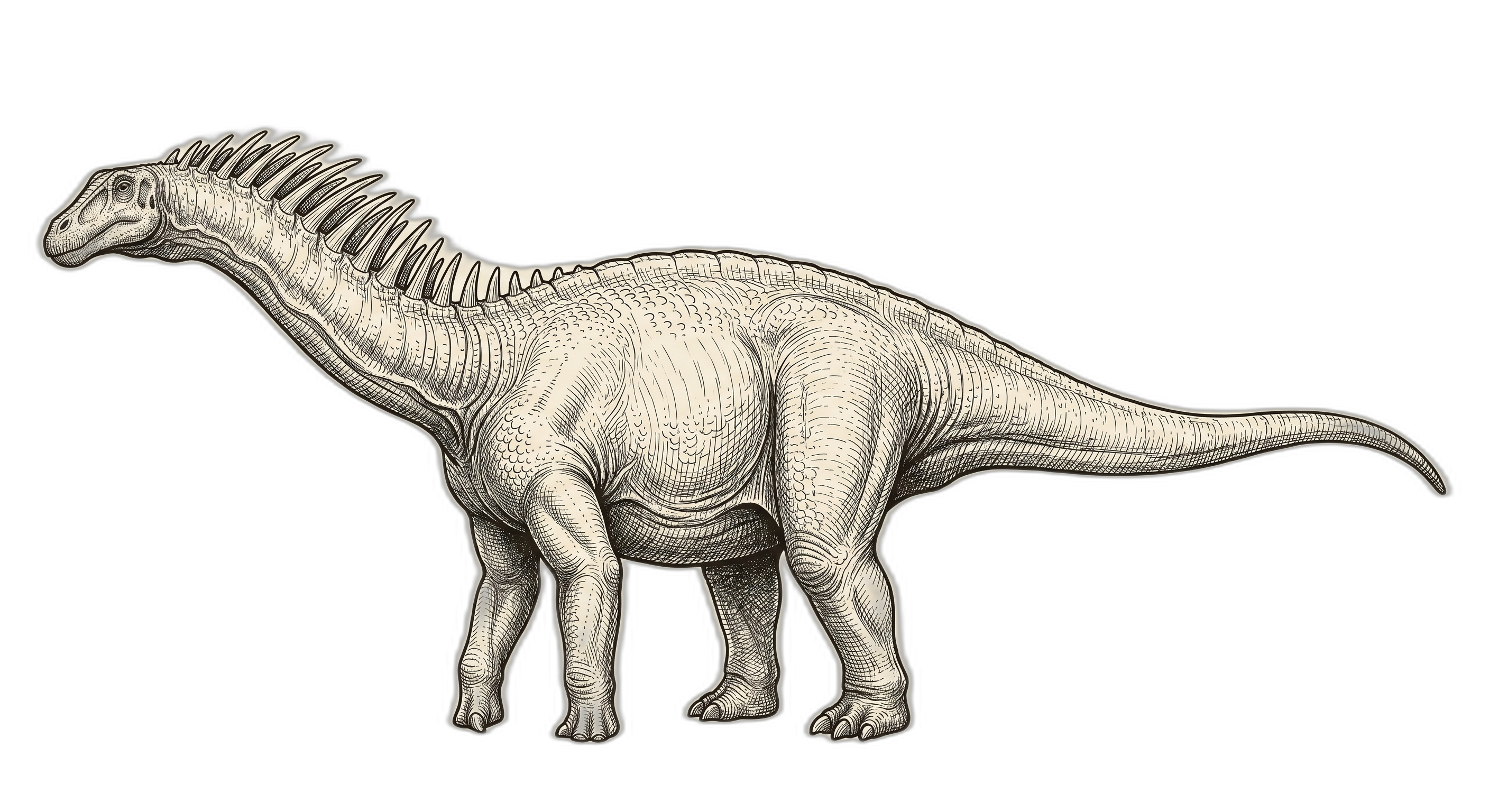
Amargasaurus was a distinctive dinosaur that roamed what is now Argentina during the Early Cretaceous period, approximately 129 to 122 million years ago. Though relatively small for a sauropod at around 9 to 13 meters long, it made up for its modest size with one of the most striking anatomical features ever seen in the dinosaur world: two parallel rows of extraordinarily tall running along its neck and back.
These remarkable spines, which were tallest along the neck and gradually decreased in height toward the tail, have sparked considerable scientific debate. Some researchers initially proposed they supported a sheath and stood as individual spike-like projections. However, the currently favored hypothesis suggests they formed a framework for a skin or paired sails. Whatever their exact form, these structures likely served multiple purposes — from species recognition and during mating rituals to or even defense against predators.
The only known skeleton of Amargasaurus was discovered in 1984 by Argentine paleontologist José Bonaparte and his team in the La Amarga Formation of Neuquén Province, Argentina. The remarkably complete specimen, including skull material, was formally described in 1991 by Leonardo Salgado and José Bonaparte. The genus name honors the La Amarga Arroyo where it was found, while the species name cazaui pays tribute to Luis Cazau, a geologist who contributed to the expedition.
As a member of the Dicraeosauridae family, Amargasaurus had a relatively short neck compared to many of its sauropod cousins — a characteristic of this group that may have allowed them to specialize in different feeding strategies than the towering diplodocids and brachiosaurs they lived alongside. This smaller, more compact body plan, combined with its spectacular spines, makes Amargasaurus one of the most unusual and instantly recognizable dinosaurs of the Cretaceous period.
Quick Facts
- Scientific name
- Amargasaurus cazaui
- Group
- Sauropodomorph · Dicraeosauridae
- Lived
- Early Cretaceous, 125.8–121.4 million years ago
- Diet
- Herbivore
- Movement
- Walked on four legs
- Fossils found in
- La Amarga Formation (Neuquén, Argentina)
- Discovery credited to
- 1984, José Bonaparte
- Holotype
- MACN-N 15 · Museo Argentino de Ciencias Naturales, Buenos Aires
- DinoVault record
- DVL-0005
Where fossils were found
La Amarga Formation
Neuquén · Argentina
125.8–121.4 million years ago(4.4m year span)
Where Amargasaurus Roamed
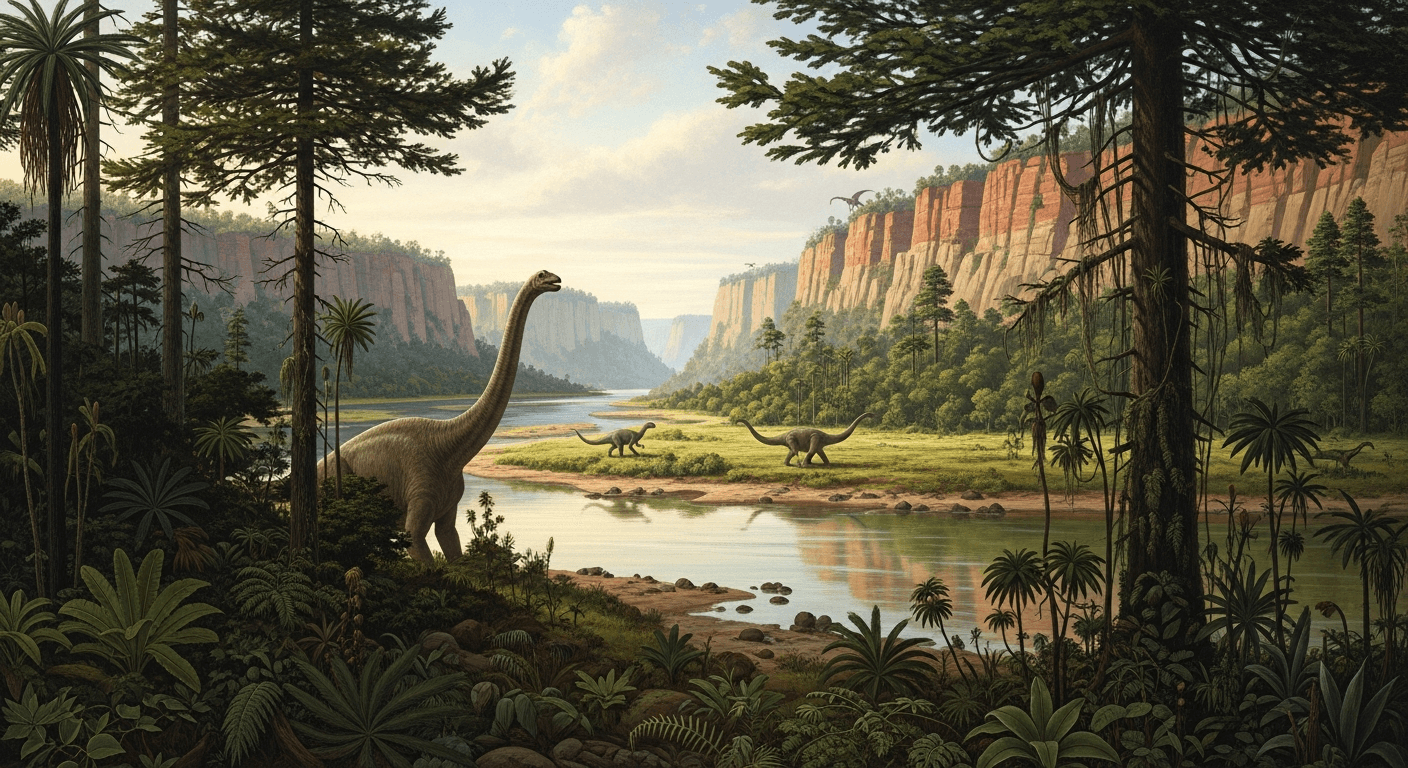
During the Early Cretaceous, Amargasaurus roamed the floodplains and river valleys of what is now Patagonia, Argentina—then part of the fragmenting supercontinent Gondwana—where a warm, semi-arid climate supported fern prairies and scattered conifer woodlands along meandering waterways.
Keep exploring the vault
Diplodocus
Diplodocus carnegii
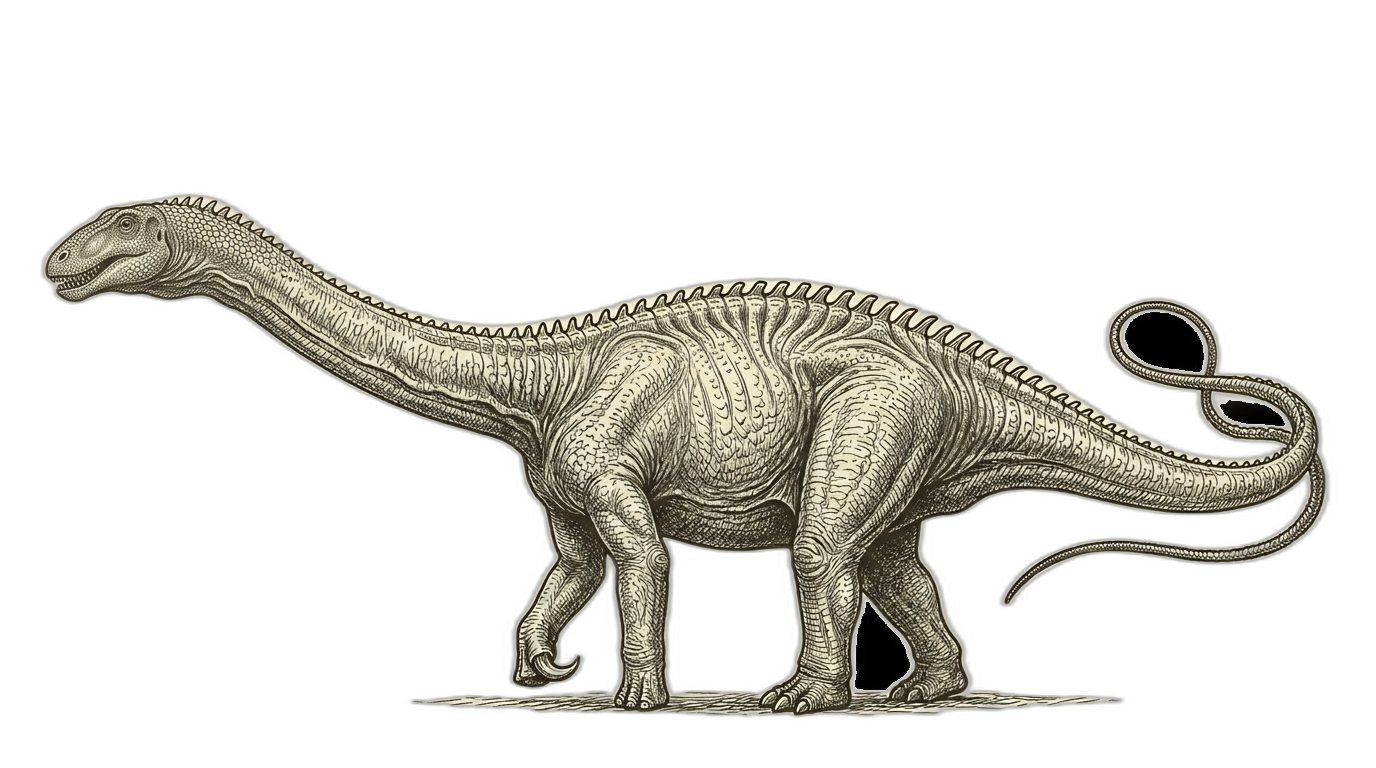
Both Amargasaurus and Diplodocus are diplodocoid sauropods that evolved elongated cervical vertebrae with bifurcated neural spines, though Amargasaurus took this to an extreme with its dramatically elongated paired spines forming sail-like structures.
Nigersaurus
Nigersaurus taqueti
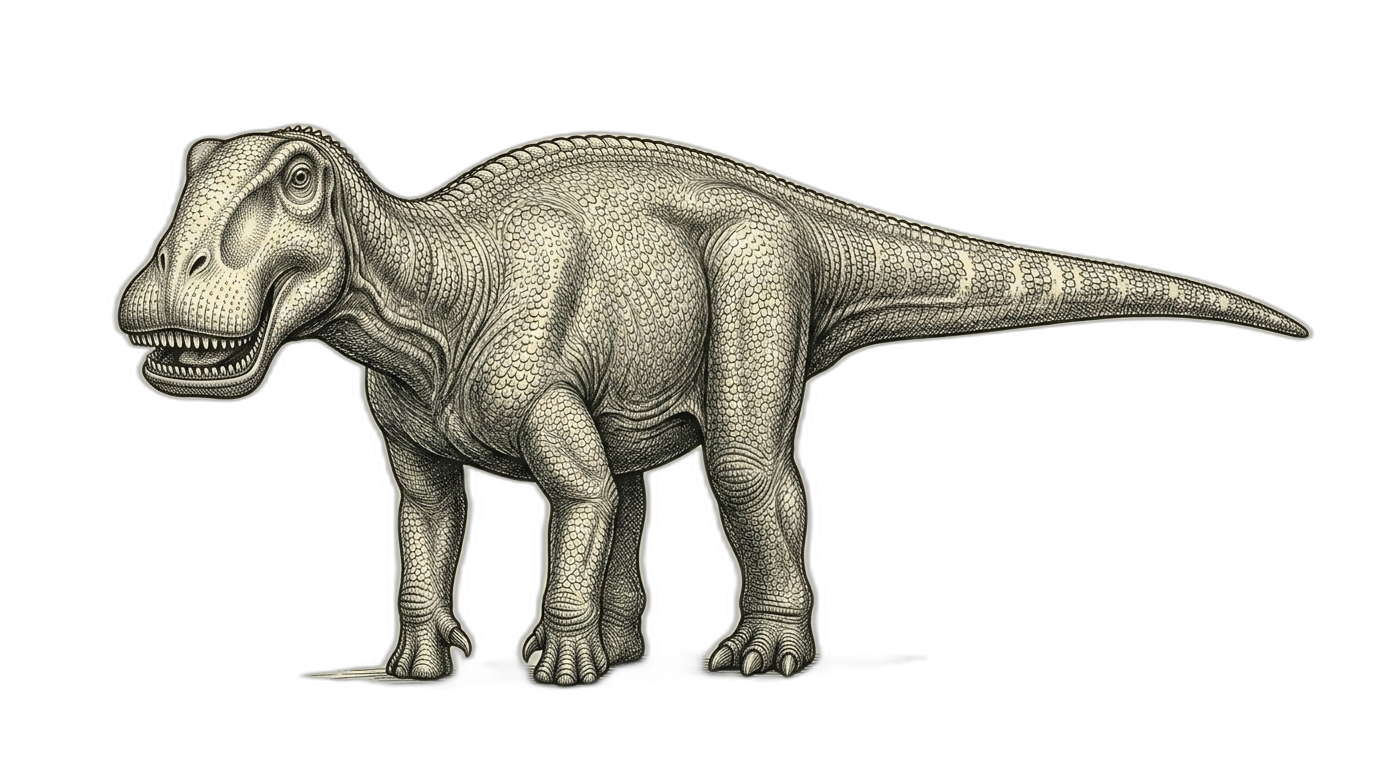
Both are diplodocoid sauropods (Amargasaurus in Dicraeosauridae, Nigersaurus in Rebbachisauridae) that evolved specialized feeding adaptations for low browsing.
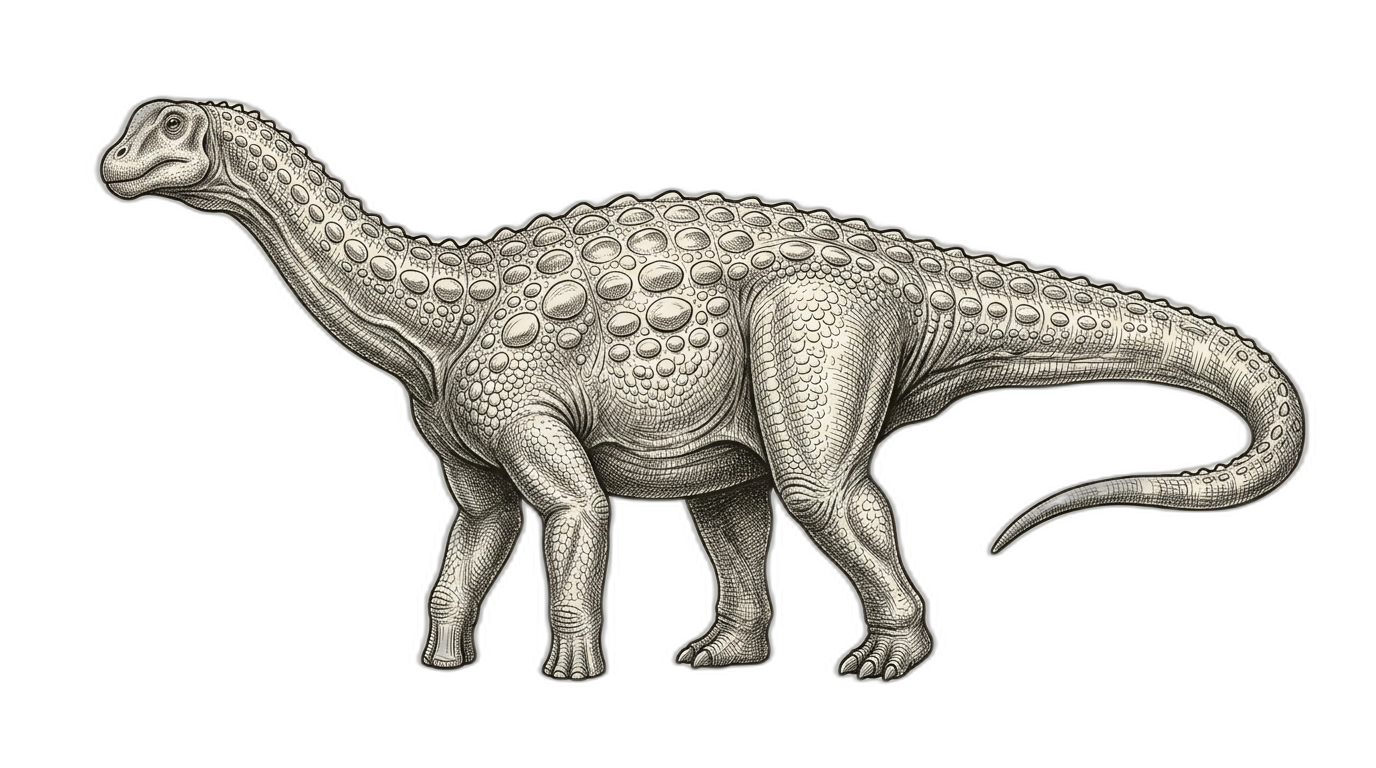
Saltasaurus
Saltasaurus loricatus
Both are South American sauropods that evolved defensive structures — Amargasaurus with its elongated neck spines possibly serving as defense or display, and Saltasaurus with dermal armor (osteoderms).
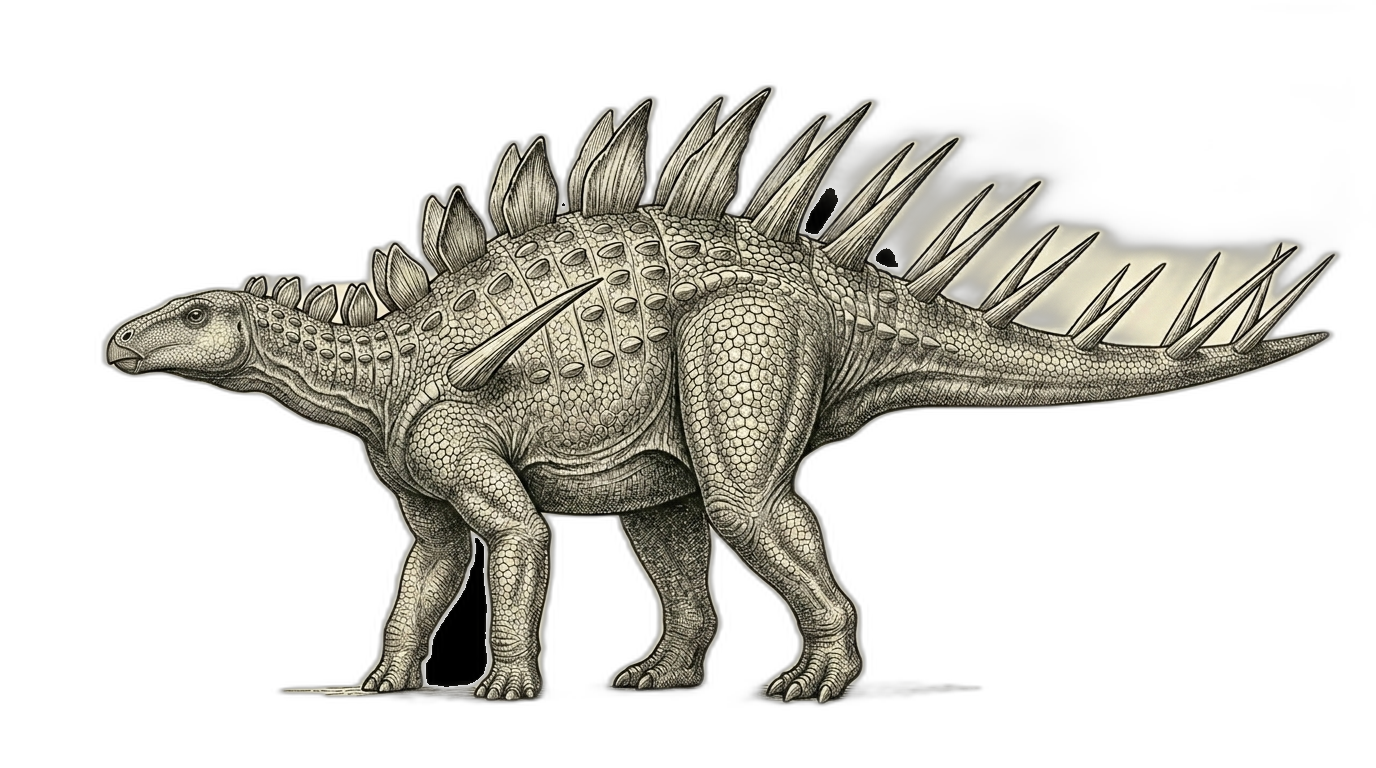
Kentrosaurus
Kentrosaurus aethiopicus
Both evolved paired elongated spines along the vertebral column — Amargasaurus on its cervical vertebrae and Kentrosaurus along its back and tail.
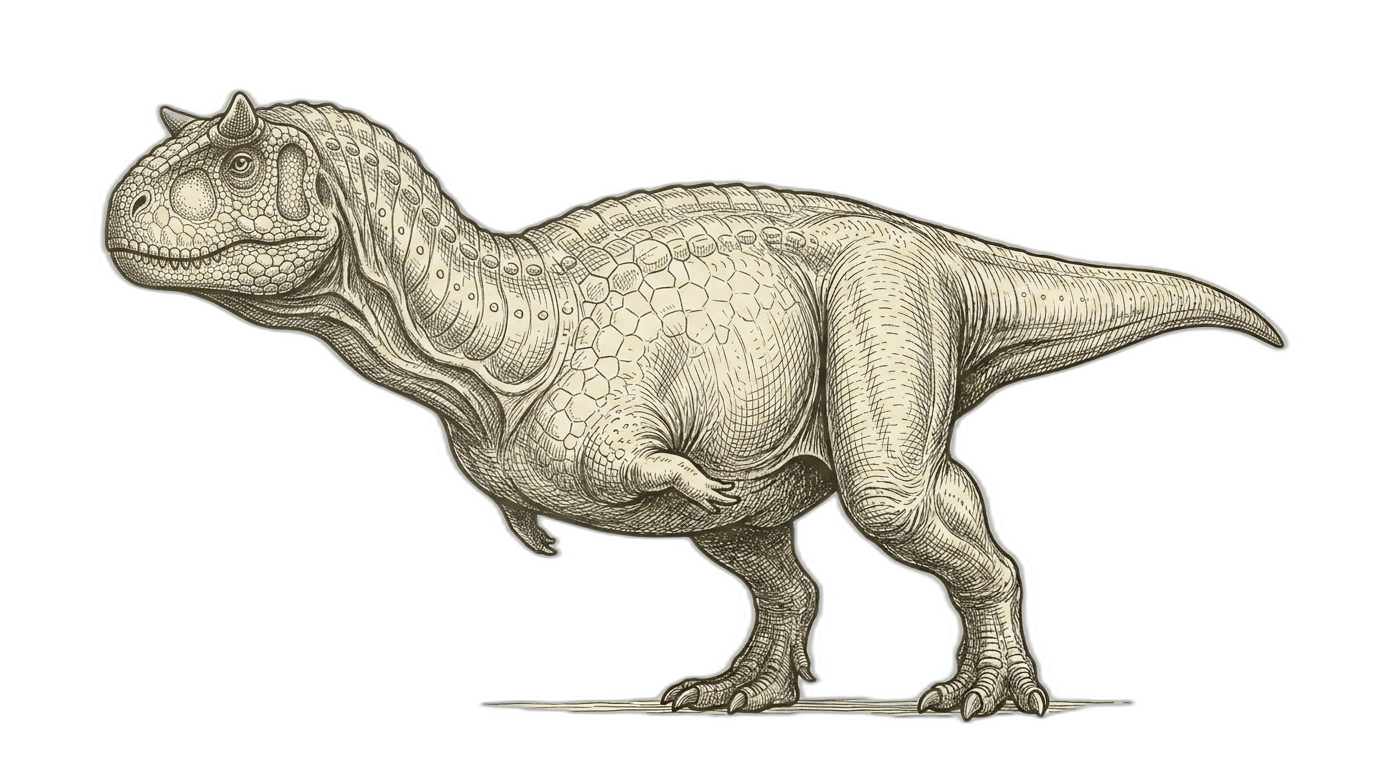
Carnotaurus
Carnotaurus sastrei
Both are distinctive South American dinosaurs, though separated by significant time (Amargasaurus Early Cretaceous, Carnotaurus Late Cretaceous).
Sources & Citation
- Length estimates
- Salgado & Bonaparte 1991; single well-preserved specimen
- Height estimates
- Estimated shoulder height based on limb proportions; Salgado & Bonaparte 1991
- Weight estimates
- Mass estimates based on skeletal reconstructions; various authors
- Speed estimates
- Inferred from general sauropod locomotion studies; no direct evidence