By the numbers
Fossil Record
Partial
Known from partial skeletal remains.
How big is that, really?
about as heavy as 8.5 African elephants
an adult African bush elephant · weighs 6.0t
about as long as 7 rhinoceroses
an adult white rhinoceros · 3.8m long
about as tall as 4.5 horses
an average adult horse · 1.6m tall
Size comparisons use best current estimates. Some measurements are based on fragmentary fossil material.
Did you know?
- 1
Sauroposeidon's neck vertebrae were initially mistaken for fossilized tree trunks due to their enormous size
- 2
A single neck bone from Sauroposeidon measures 1.4 meters (4.6 feet) long—the longest cervical vertebra of any known dinosaur
- 3
Its fossils were discovered by inmates working on a prison work detail in Oklahoma in 1994
- 4
Standing with neck extended, Sauroposeidon could reach heights of 17-18 meters, roughly as tall as a six-story building
- 5
The internal structure of its vertebrae was honeycomb-like, making them surprisingly lightweight despite their massive size—some were up to 85% air space
More from the vault
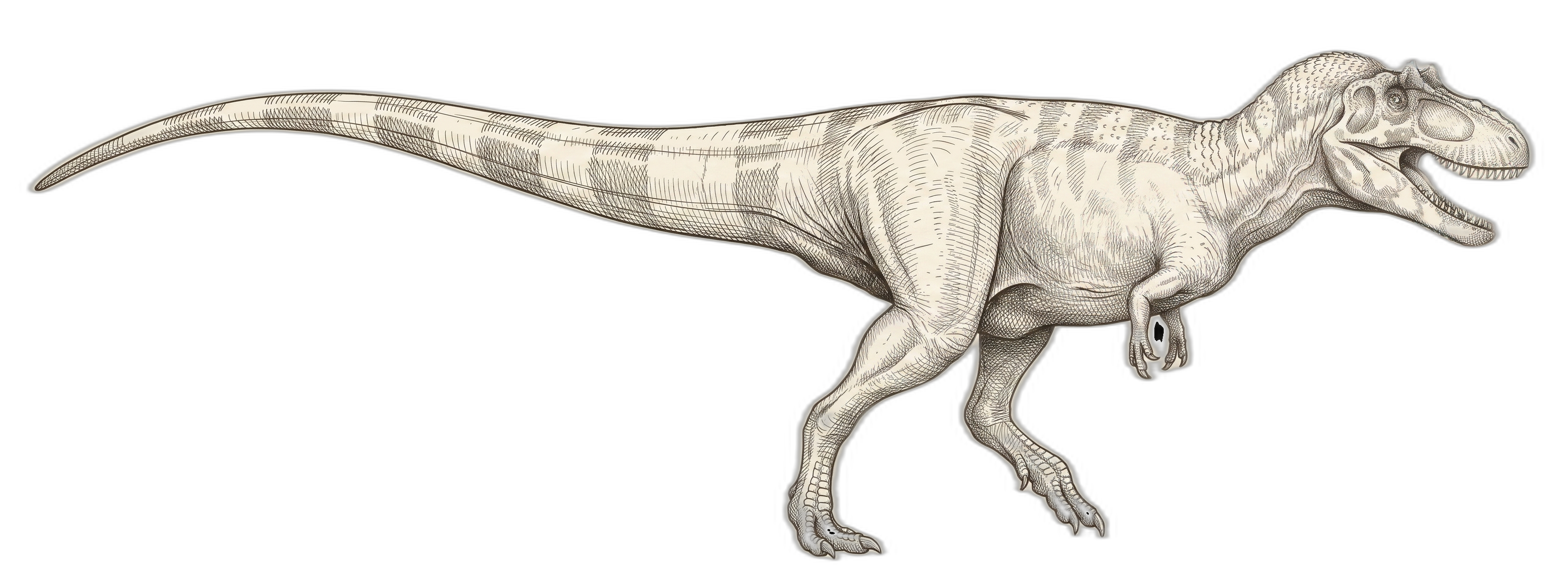
View all →Allosaurus
Allosaurus fragilis
●Late Jurassic163.5–145 myaThe lion of the Jurassic, Allosaurus was a swift, blade-toothed predator that dominated North America 150 million years ago — and we know it better than almost any other meat-eating dinosaur.
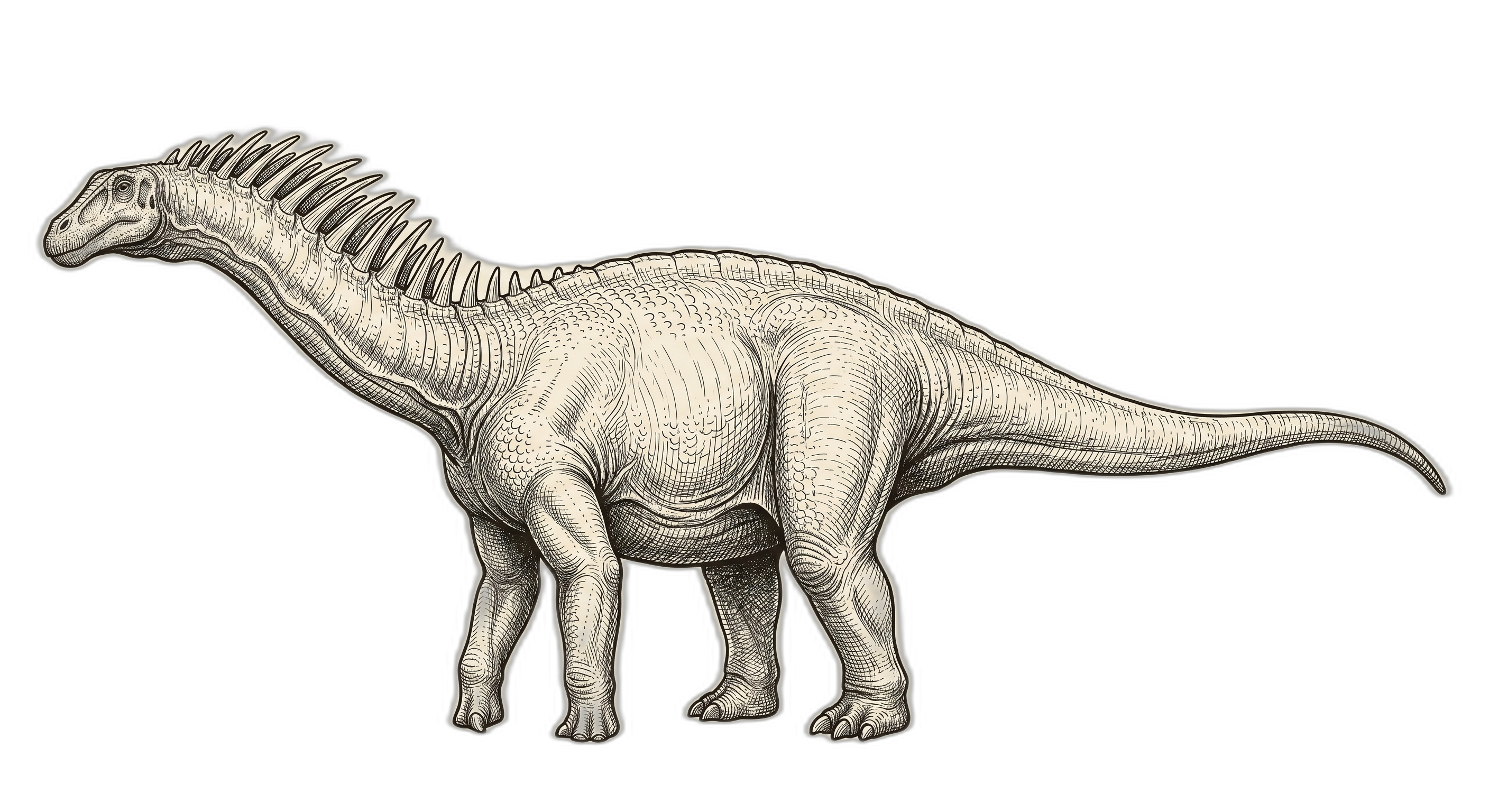
Amargasaurus
Amargasaurus cazaui
●Early Cretaceous145–100.5 myaThis punk-rock sauropod sported two rows of dramatic spines running down its neck and back — the tallest of any known sauropod dinosaur.
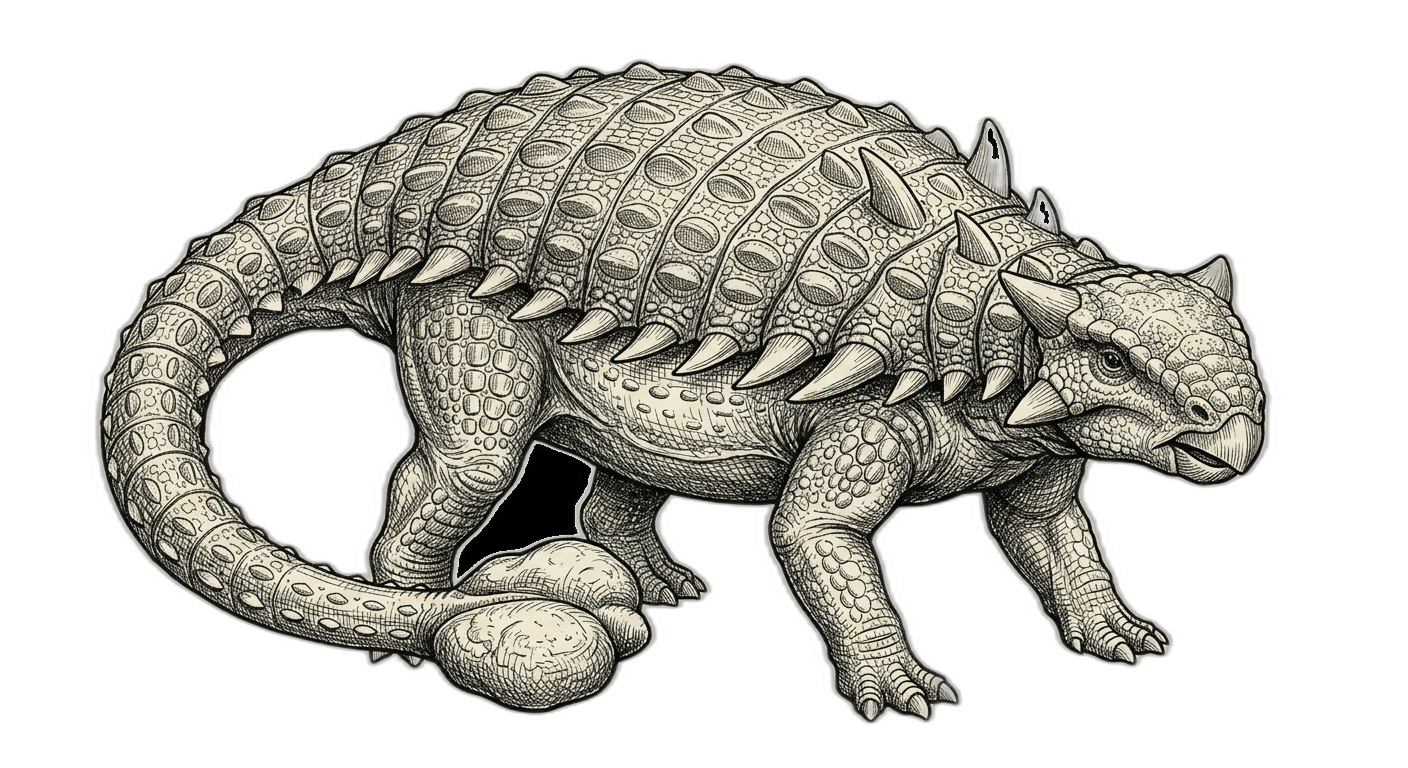
Ankylosaurus
Ankylosaurus magniventris
●Late Cretaceous100.5–66 myaA living tank. Ankylosaurus was covered head-to-tail in armored plates fused to its skin, and its club tail could shatter bone — making it one of the most formidably defended animals in the history of life.
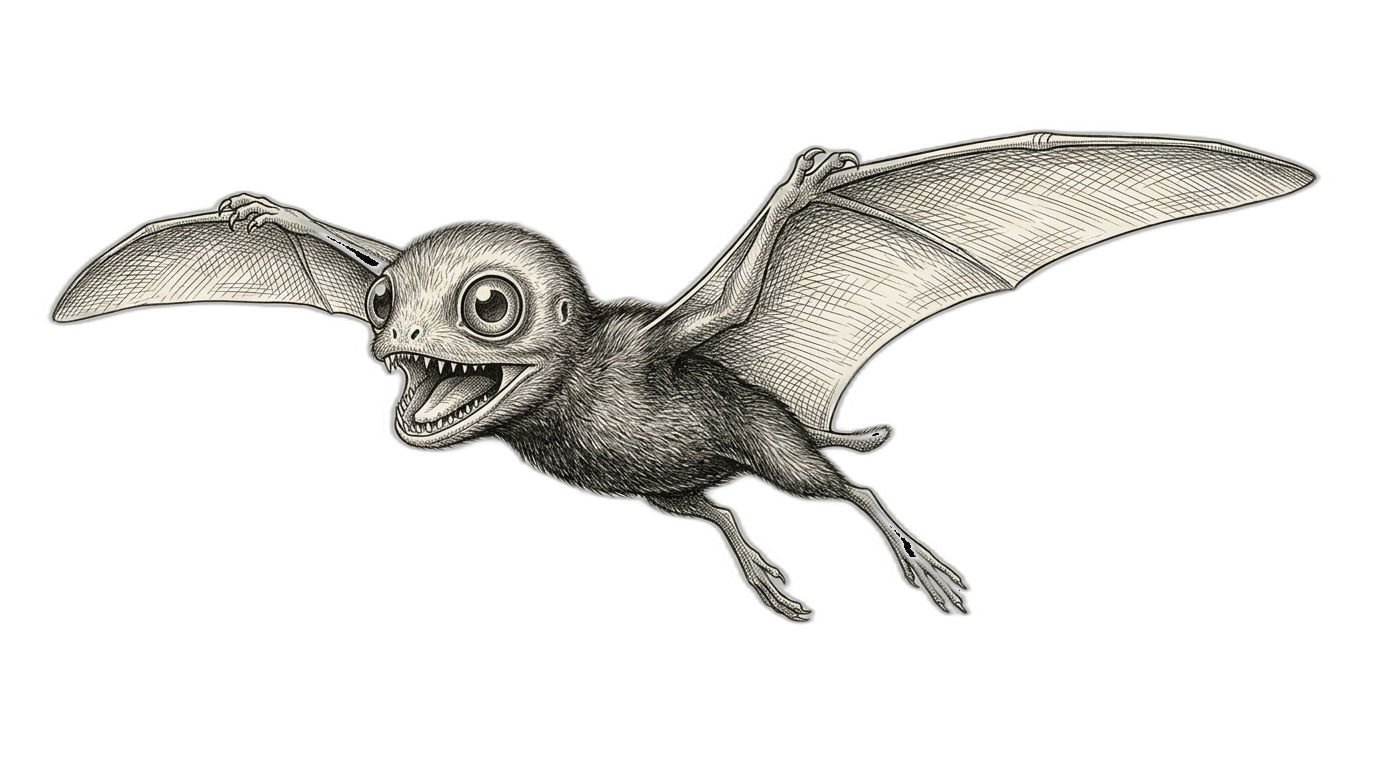
Archaeopteryx
●Late Jurassic163.5–145 myaThe fossil that changed everything. Archaeopteryx is the earliest known bird — or the most bird-like dinosaur, depending on how you look at it. Discovered just two years after Darwin published On the Origin of Species, it was evolution made visible in stone.
Argentinosaurus
Argentinosaurus huinculensis
●Late Cretaceous100.5–66 myaOne of the largest animals to ever walk the Earth, this titanosaur was so massive that a single vertebra was taller than a human adult.
Baryonyx
Baryonyx walkeri
●Early Cretaceous145–100.5 myaThis fish-eating predator had a massive hooked claw and crocodile-like snout — and was discovered by an amateur fossil hunter exploring a clay pit in England.