About
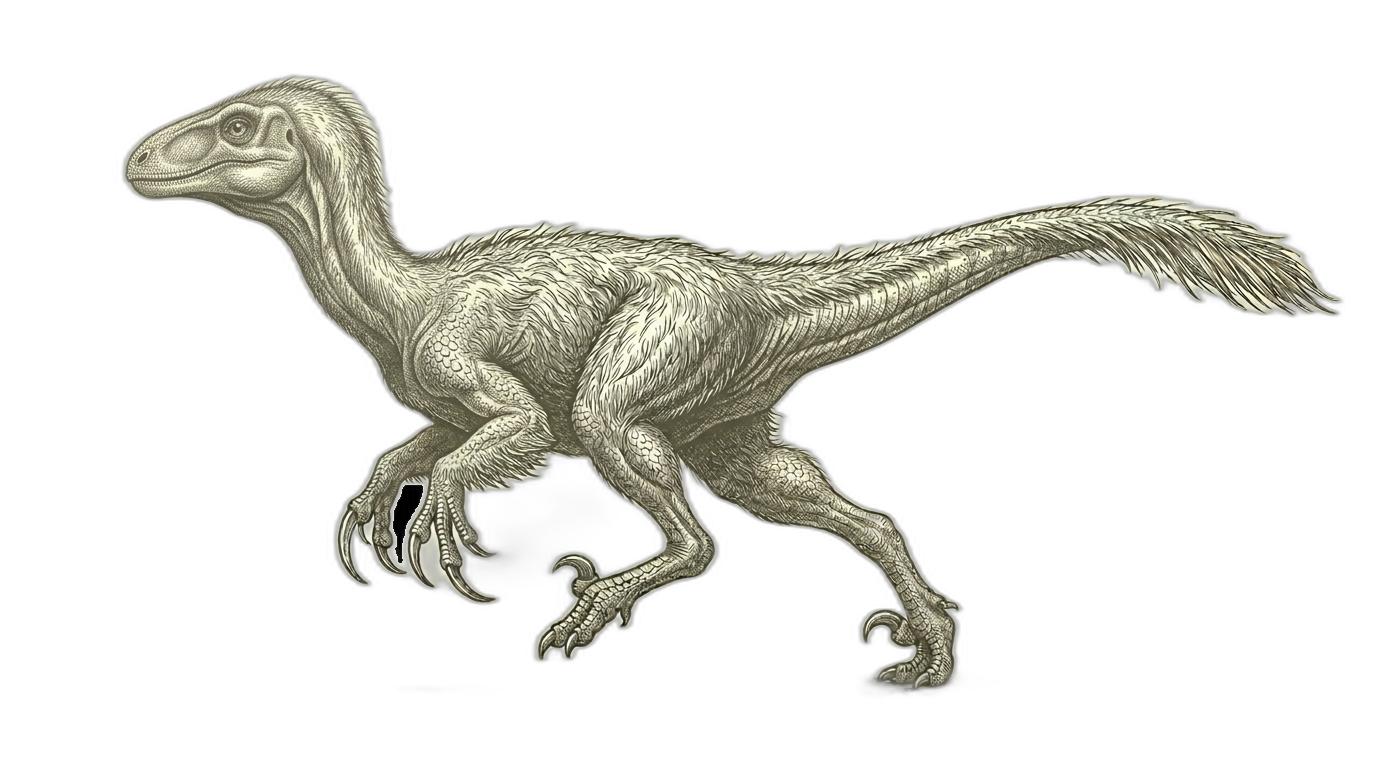
Troodon was a small, lightly built dinosaur that prowled the forests and floodplains of Late Cretaceous North America. Standing roughly waist-high to a human, this agile predator possessed unusually large eyes that faced partially forward, granting it well-suited for hunting in low-light conditions. Its slender build, long legs, and grasping hands made it an efficient pursuit predator, likely feeding on small mammals, lizards, and perhaps eggs.
What truly sets Troodon apart is its remarkably large brain relative to its body size—among the highest ratios of any known dinosaur. While we cannot directly measure intelligence in extinct animals, this brain-to-body ratio has led to considerable speculation about Troodon's cognitive abilities. Its large, forward-facing eyes and specialized inner ear structure suggest sophisticated sensory processing that would have made it a formidable hunter, particularly at dawn and dusk.
Troodon holds a special place in paleontological history. Discovered in October 1855 by Ferdinand Hayden in Montana, it was among the first dinosaurs found in North America. However, the specimen—a single tooth—was initially misidentified as belonging to a lizard. It wasn't until 1877 that Joseph Leidy recognized its dinosaurian nature, though the has made Troodon's taxonomy controversial ever since.
The genus has become something of a "," with many specimens from across North America historically assigned to Troodon based on limited material. Recent studies have questioned whether these specimens truly represent a single genus, and some paleontologists now consider Troodon formosus a dubious name that should be restricted only to the original tooth specimen, with other material reassigned to different genera like Stenonychosaurus or Latenivenatrix.
Quick Facts
- Scientific name
- Troodon formosus
- Group
- Theropod · Troodontidae
- Lived
- Late Cretaceous, 72.2–66 million years ago
- Diet
- Carnivore
- Movement
- Walked on two legs
- Fossils found in
- Two Medicine Formation, Judith River Formation, Dinosaur Park Formation and Horseshoe Canyon Formation (Montana, Alberta, United States, Canada)
- Discovery credited to
- 1855, Ferdinand Vandeveer Hayden
- Holotype
- ANSP 9259 · Academy of Natural Sciences of Drexel University, Philadelphia
- DinoVault record
- DVL-0139
Where fossils were found
Two Medicine Formation
+3 more formations
Montana, Alberta · United States, Canada
72.2–66 million years ago(6.2m year span)
Where Troodon Roamed
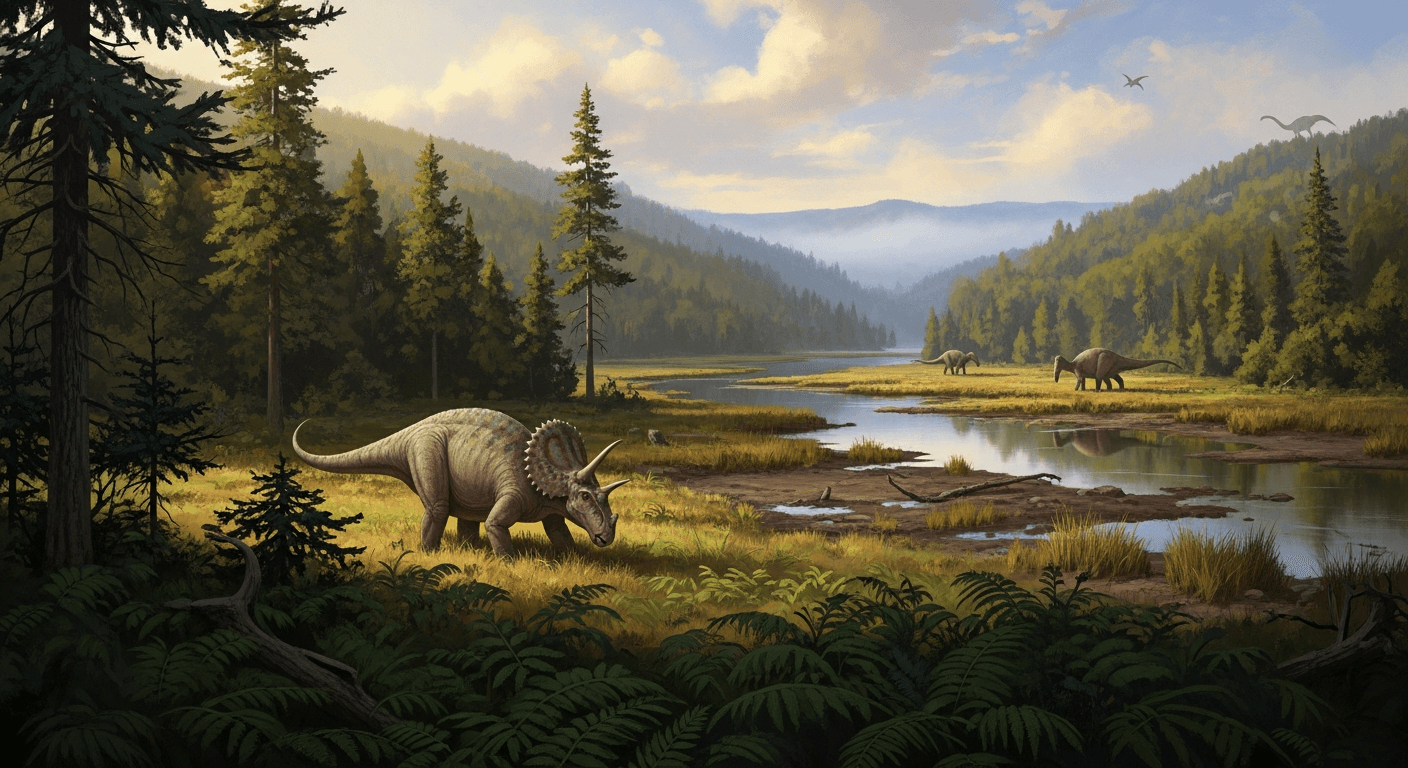
During the late Cretaceous period, Troodon formosus inhabited the coastal plains and river deltas of western Laramidia, a landmass separated from eastern North America by the vast Western Interior Seaway that stretched from the Gulf of Mexico to the Arctic Ocean. This warm, humid environment supported lush subtropical forests and diverse ecosystems where this sharp-eyed predator hunted small prey beneath towering conifers and flowering plants.
Keep exploring the vault
Maiasaura
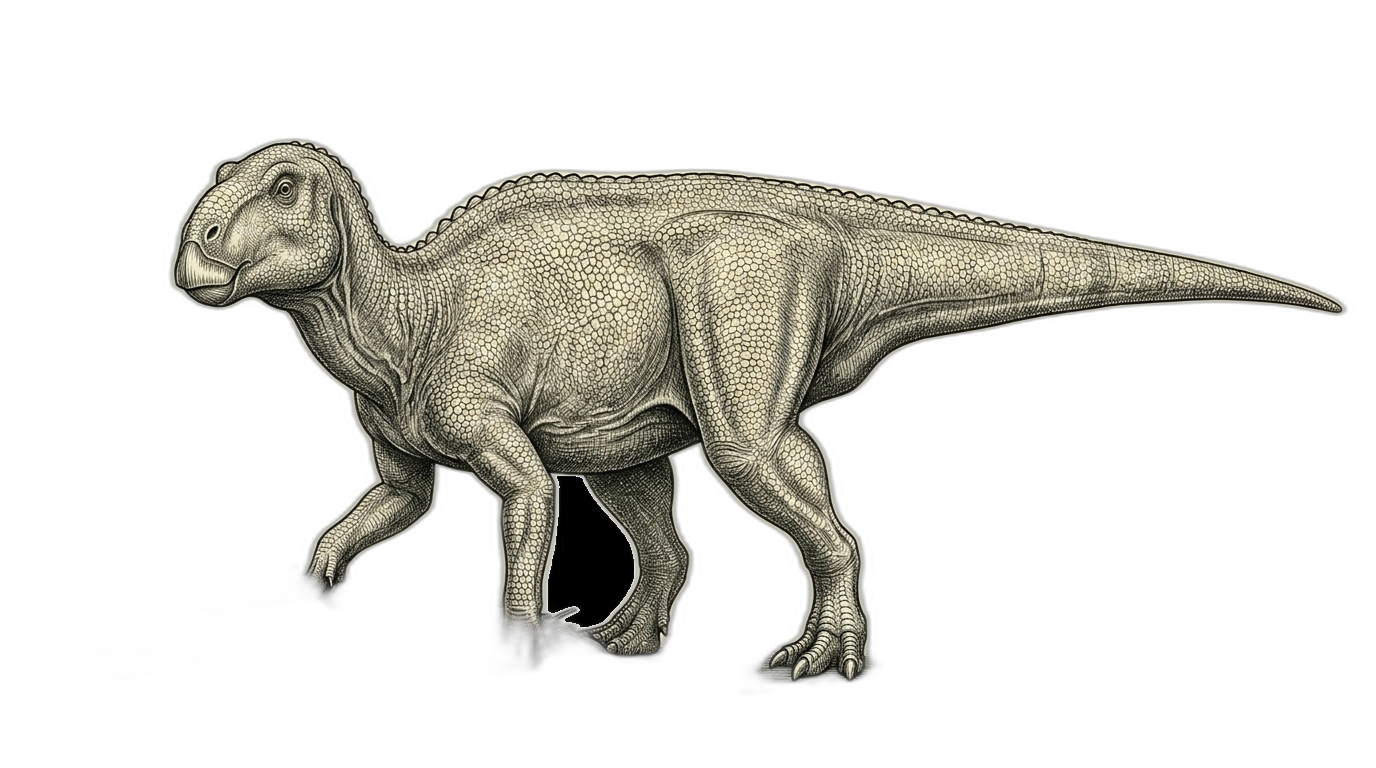
Maiasaura peeblesorum
Troodon eggs and nests have been found in close association with Maiasaura nesting grounds in the Two Medicine Formation.
Edmontosaurus
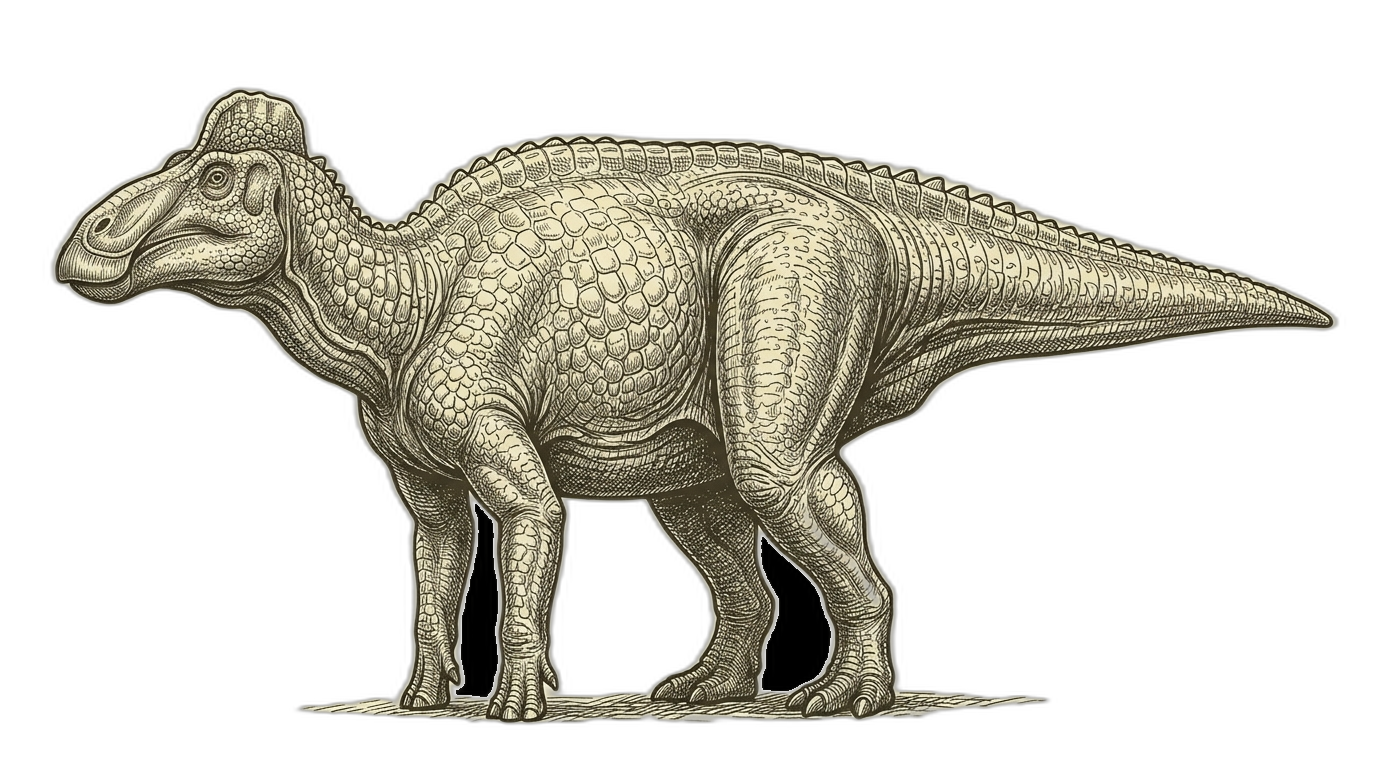
Edmontosaurus regalis
Troodon co-occurs with Edmontosaurus in the Horseshoe Canyon Formation.
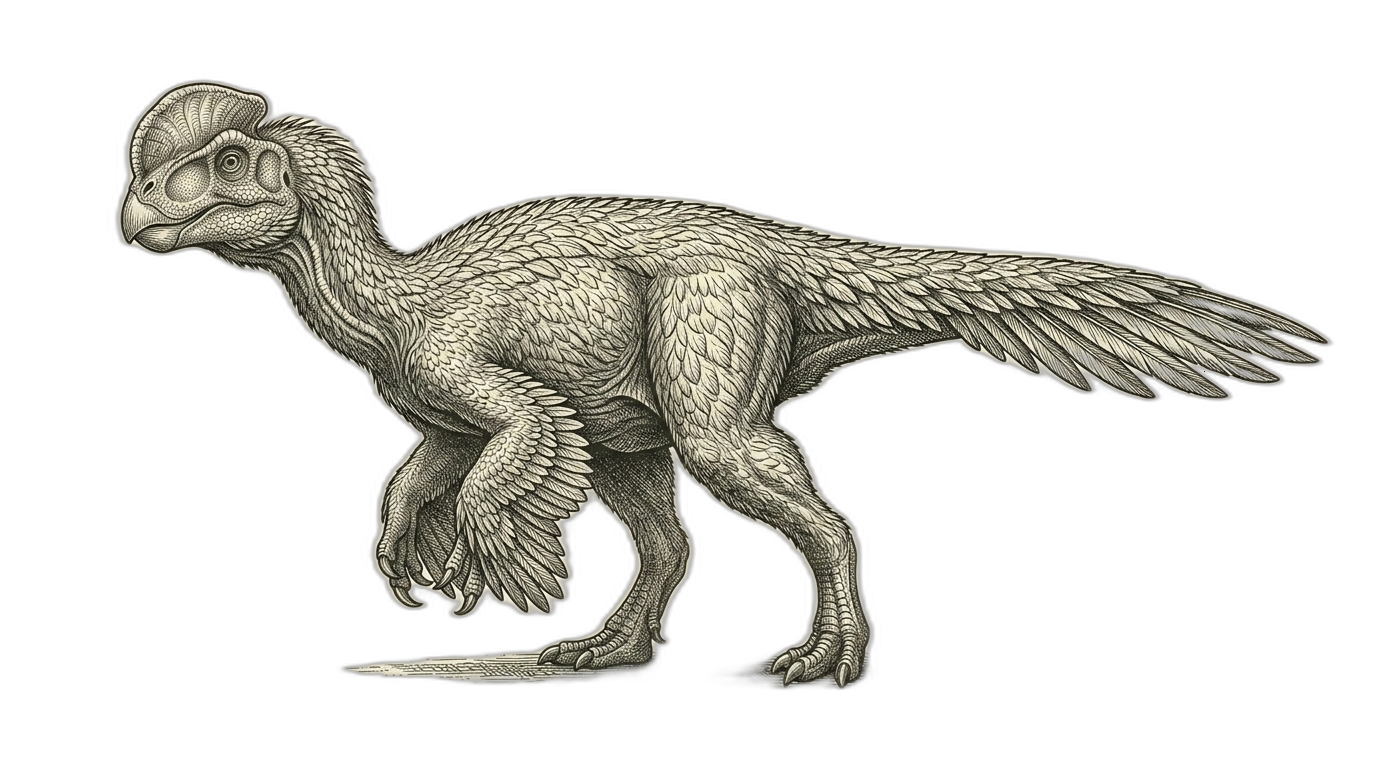
Oviraptor
Oviraptor philoceratops
Both Troodon and oviraptorosaurs were small, intelligent theropods known to inhabit nesting grounds and consume eggs.
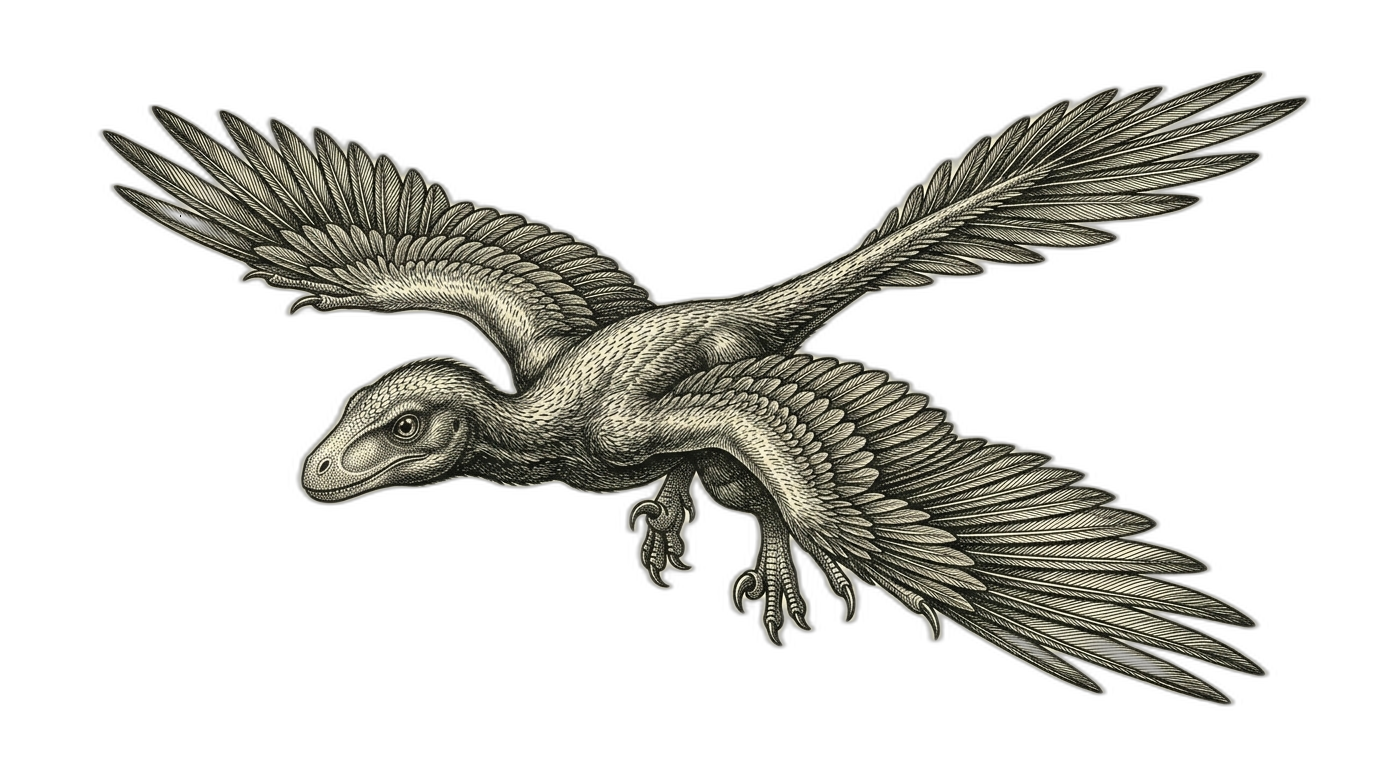
Microraptor
Microraptor gui
Both are small, feathered maniraptorans representing the evolutionary experimentation with intelligence, agility, and possibly nocturnal/crepuscular activity.
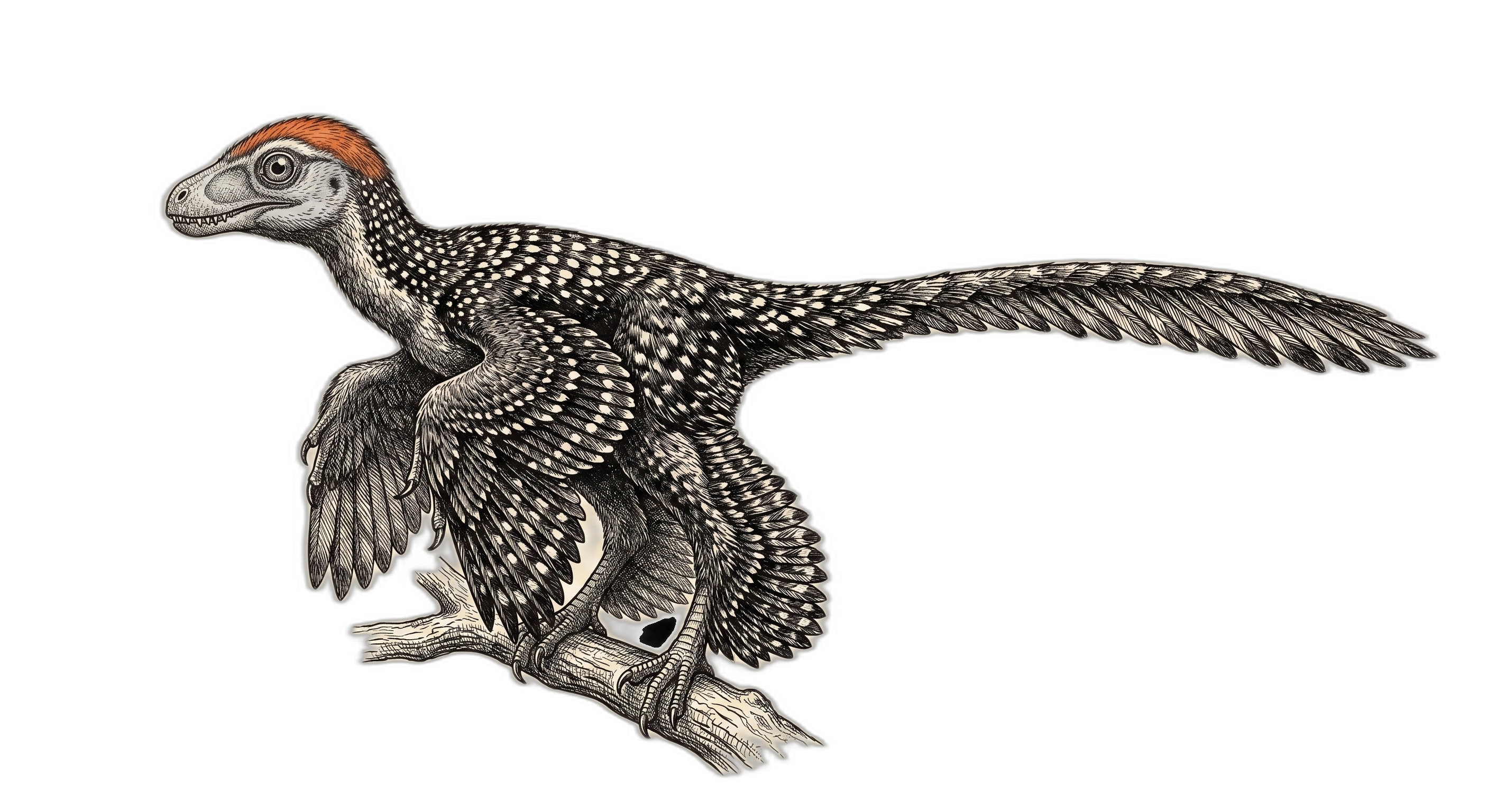
Anchiornis
Same family: Troodontidae
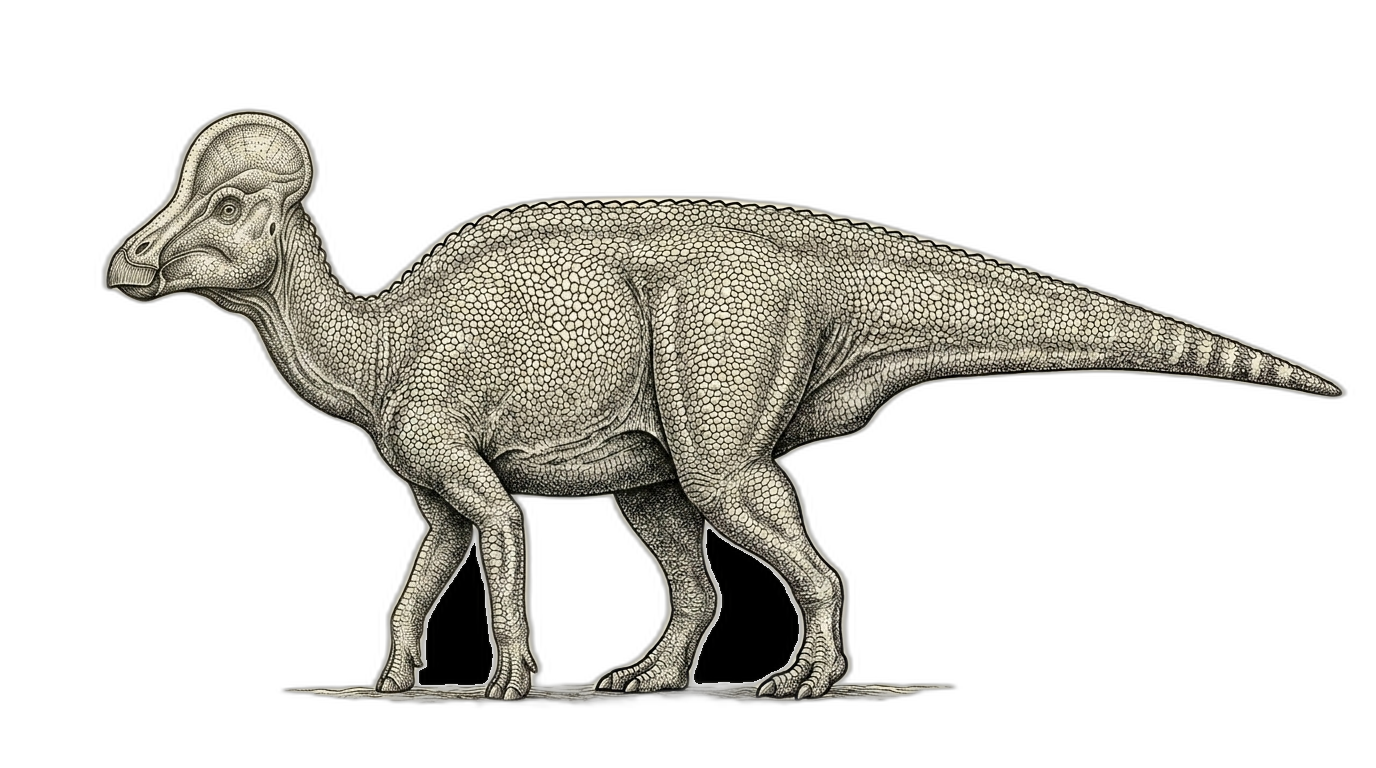
Corythosaurus
Corythosaurus casuarius
Both occur in the Dinosaur Park and Two Medicine Formations.
Sources & Citation
- Length estimates
- Holtz 2004; Russell & Séguin 1982; composite estimates from associated troodontid material
- Height estimates
- Russell & Séguin 1982; hip height estimates from limb proportions
- Weight estimates
- Paul 2010; Therrien & Henderson 2007
- Speed estimates
- Biomechanical estimates based on limb proportions; no direct trackway evidence