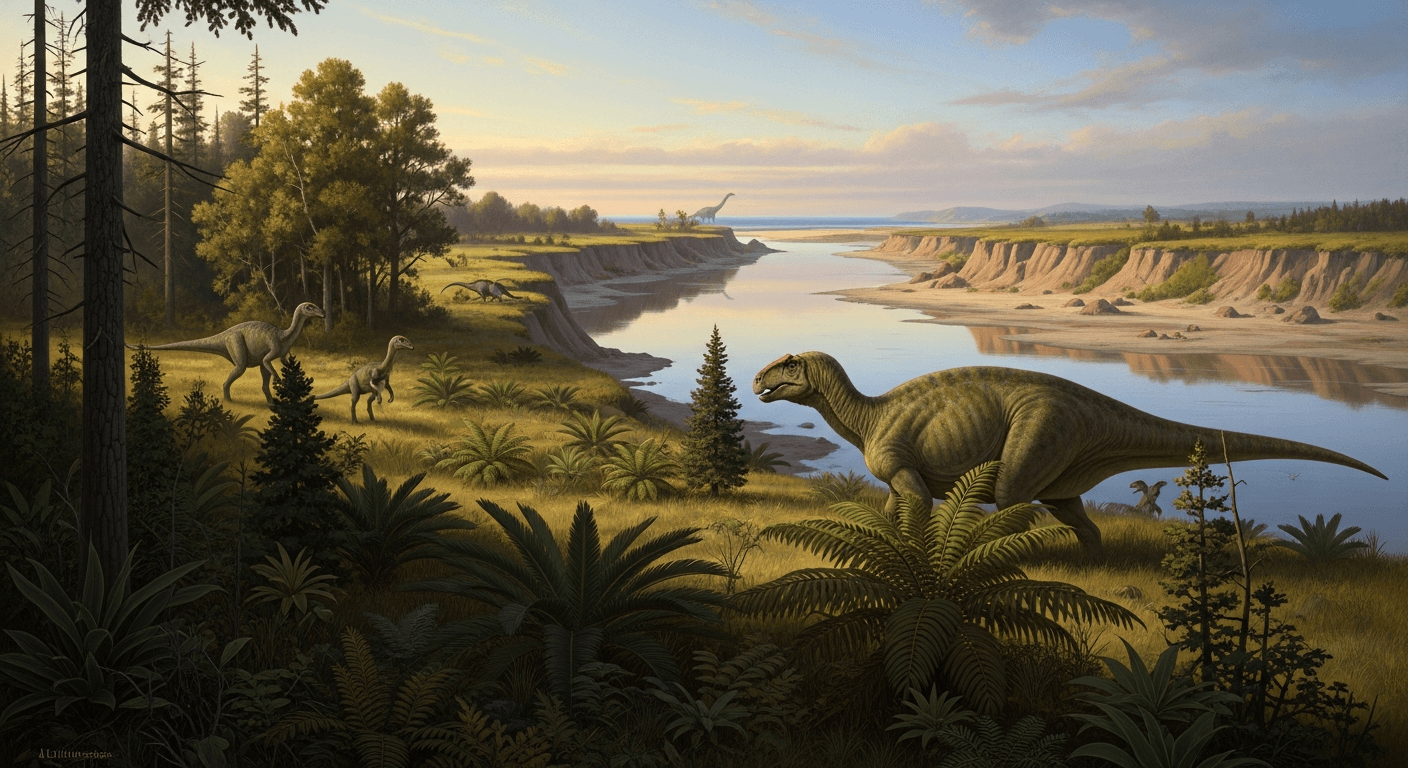
Dinosaur Park Formation
Alberta, Canada
Why It Matters
The Dinosaur Park Formation, exposed dramatically in Alberta's Badlands, is one of the most diverse dinosaur-bearing formations in the world, preserving over 35 species within a remarkably short geological timespan of roughly 1.5 million years. It captures a complete Late Cretaceous lowland ecosystem with ceratopsians, hadrosaurs, ankylosaurs, pachycephalosaurs, and tyrannosaurids all represented. The UNESCO World Heritage Site of Dinosaur Provincial Park sits within these outcrops.
How Fossils Survived
Deposited on a low-lying coastal plain bordering the Western Interior Seaway, the formation preserves a mix of river channel sandstones and mudstone floodplains colonised by a lush subtropical forest. The high diversity of the reflects a productive, warm ecosystem with abundant plant food for large herbivores. The dry climate of the modern Alberta Badlands has eroded the soft sediments to expose bone-bearing horizons continuously, making the area one of the most productive collecting grounds on Earth.
Discovery History
Charles Sternberg and his sons began systematic collection in the Alberta Badlands in the early 1900s, shipping specimens to museums in North America and Europe. The Canadian government established Dinosaur Provincial Park in 1955 to protect the fossil heritage, and it was designated a UNESCO World Heritage Site in 1979. Ongoing work by the Royal Tyrrell Museum continues to produce new species, with discoveries announced almost every year.
Dinosaurs in the Vault
13 species in our database · sorted by size
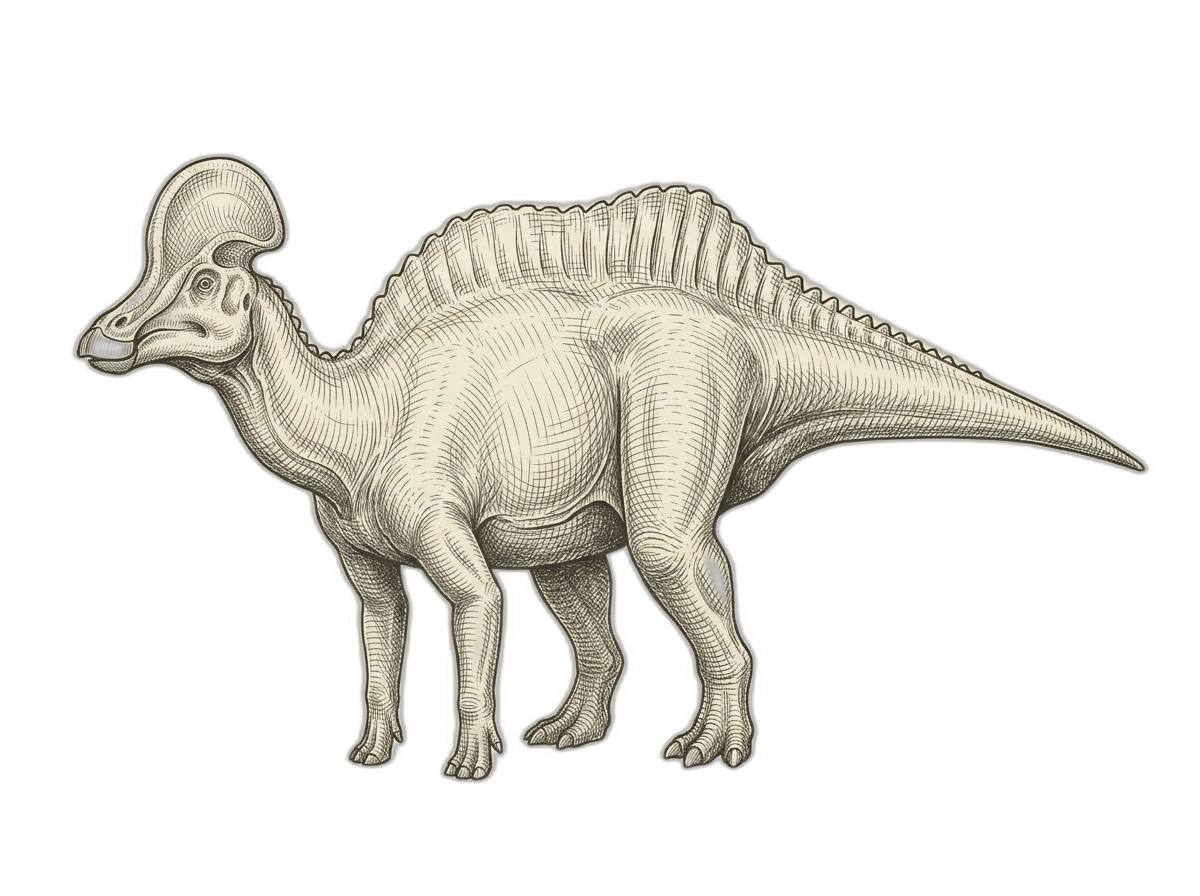
Hypacrosaurus
🌿Hypacrosaurus altispinus
9m · 4.0t
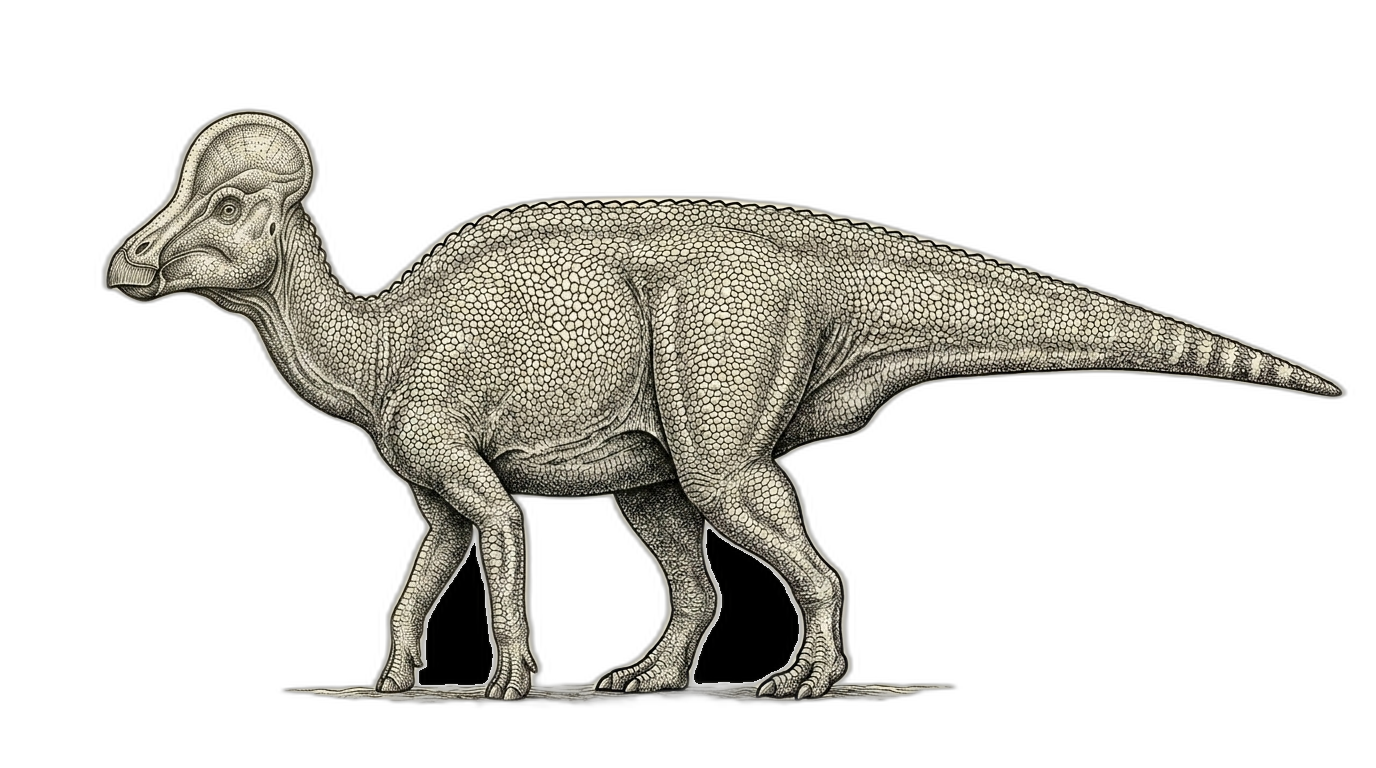
Corythosaurus
🌿Corythosaurus casuarius
8.5m · 3.8t
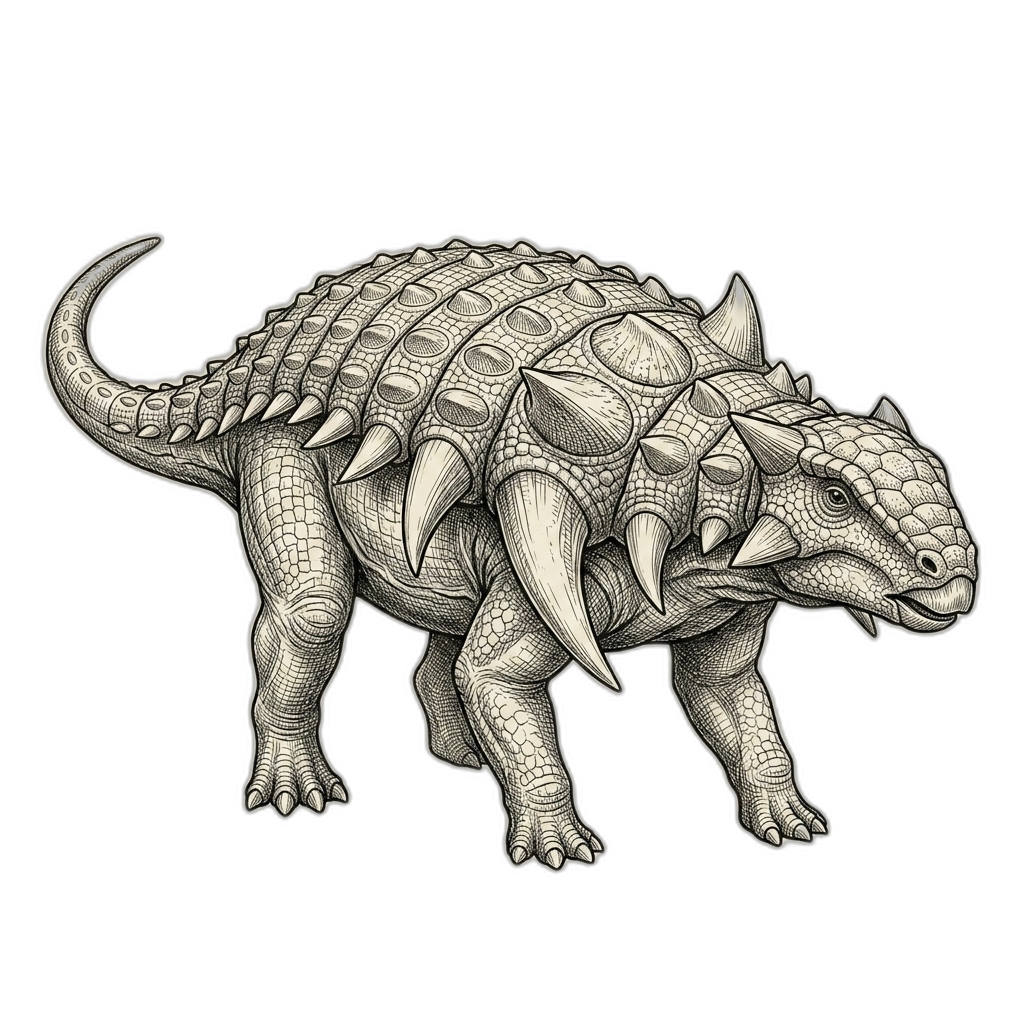
Edmontonia
🌿Edmontonia rugosidens
6.6m · 3.0t
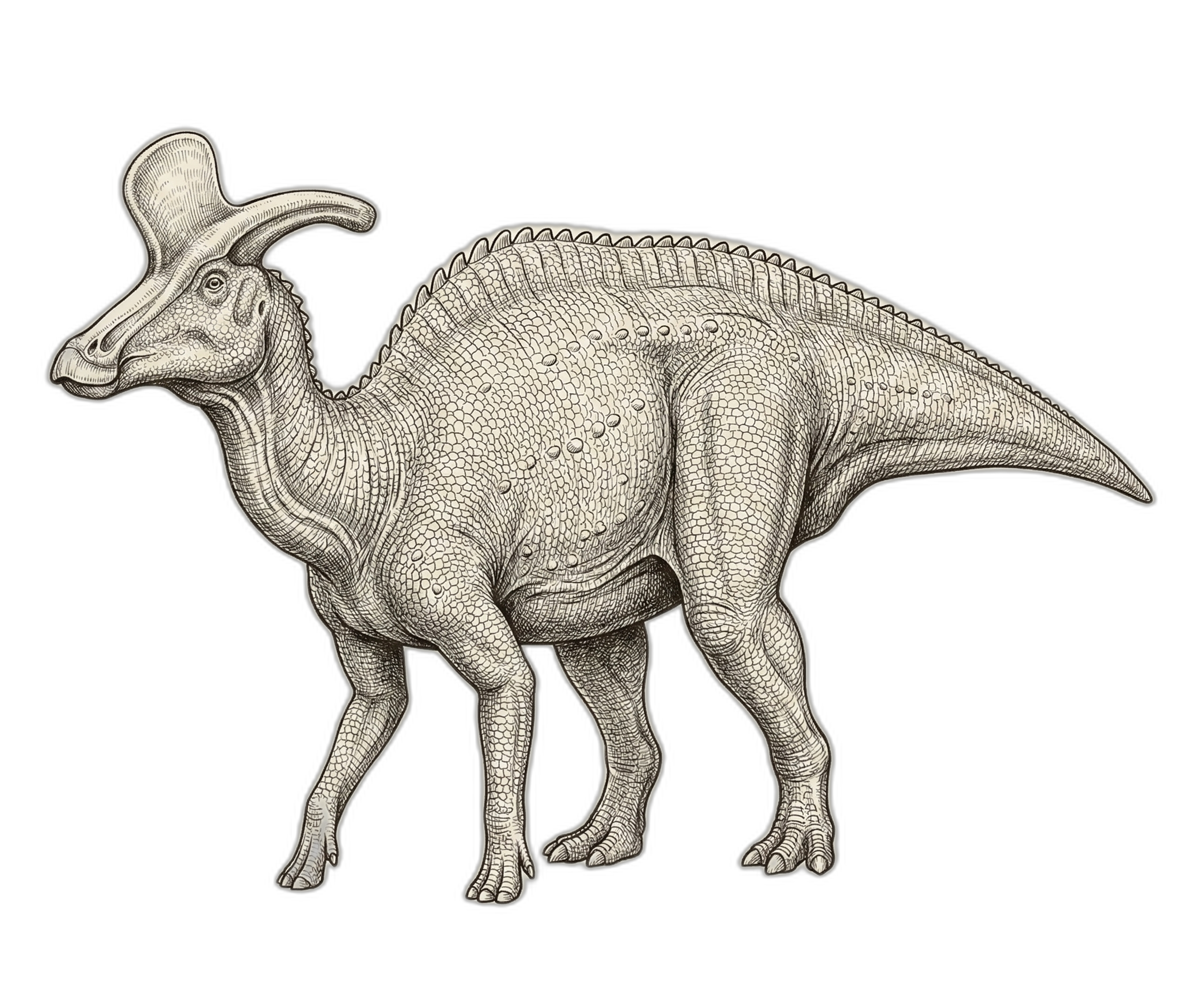
Lambeosaurus
🌿Lambeosaurus lambei
9m · 2.8t
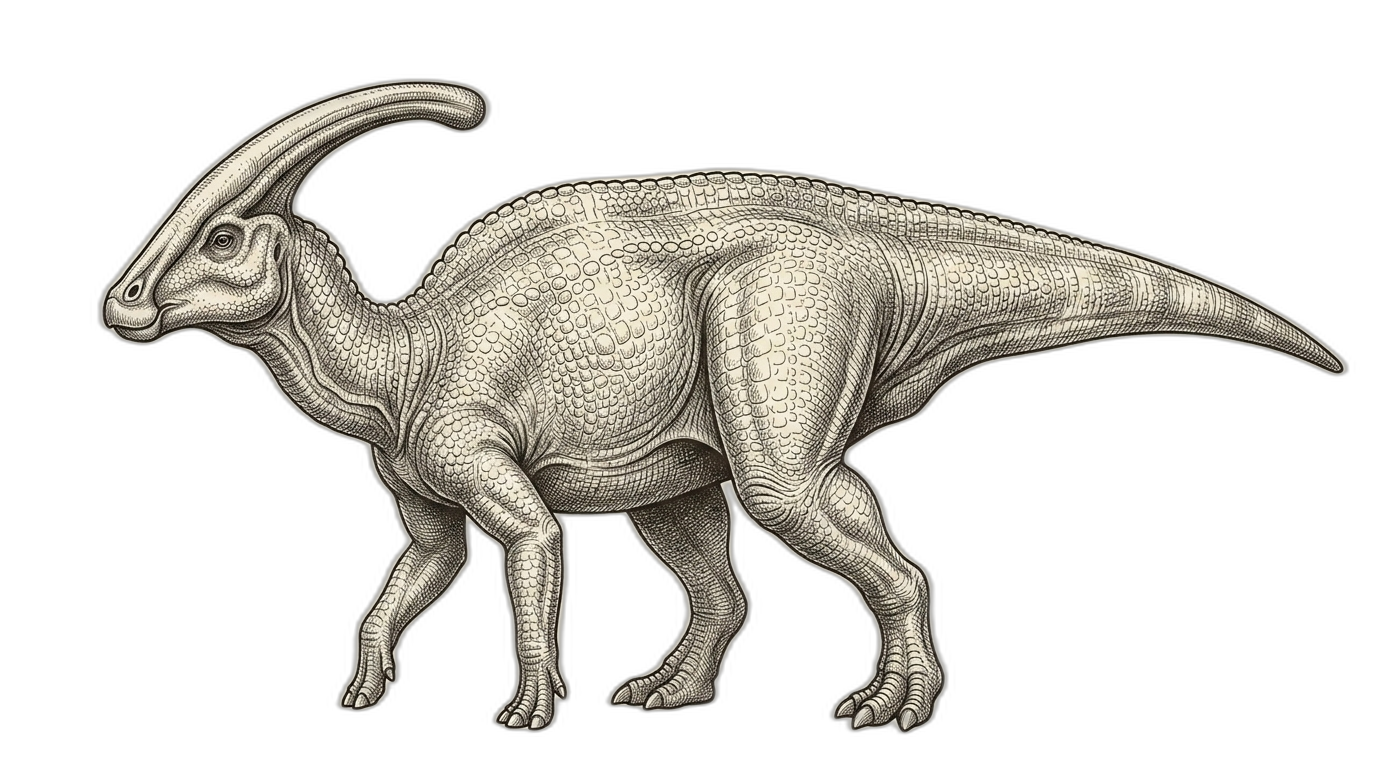
Parasaurolophus
🌿Parasaurolophus walkeri
9.5m · 2.8t
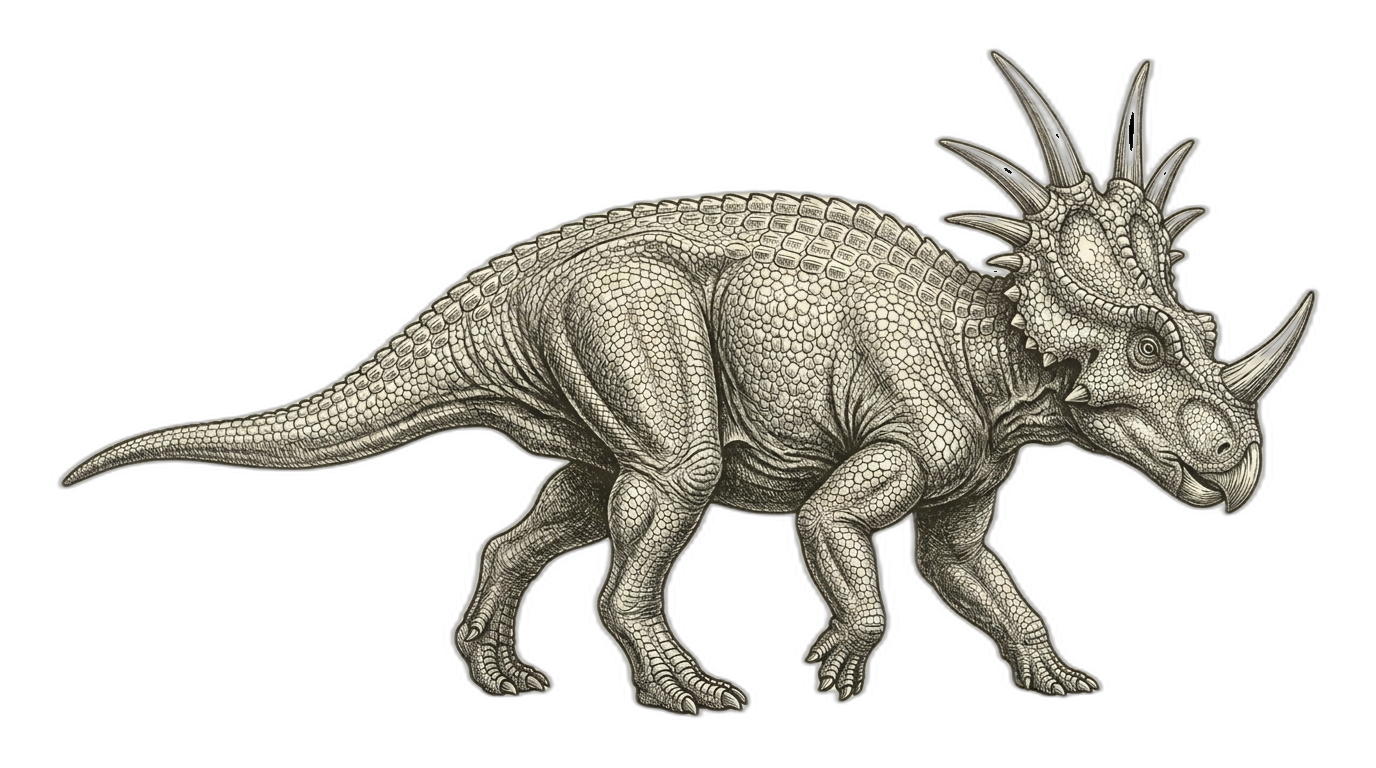
Styracosaurus
🌿Styracosaurus albertensis
5.5m · 2.7t
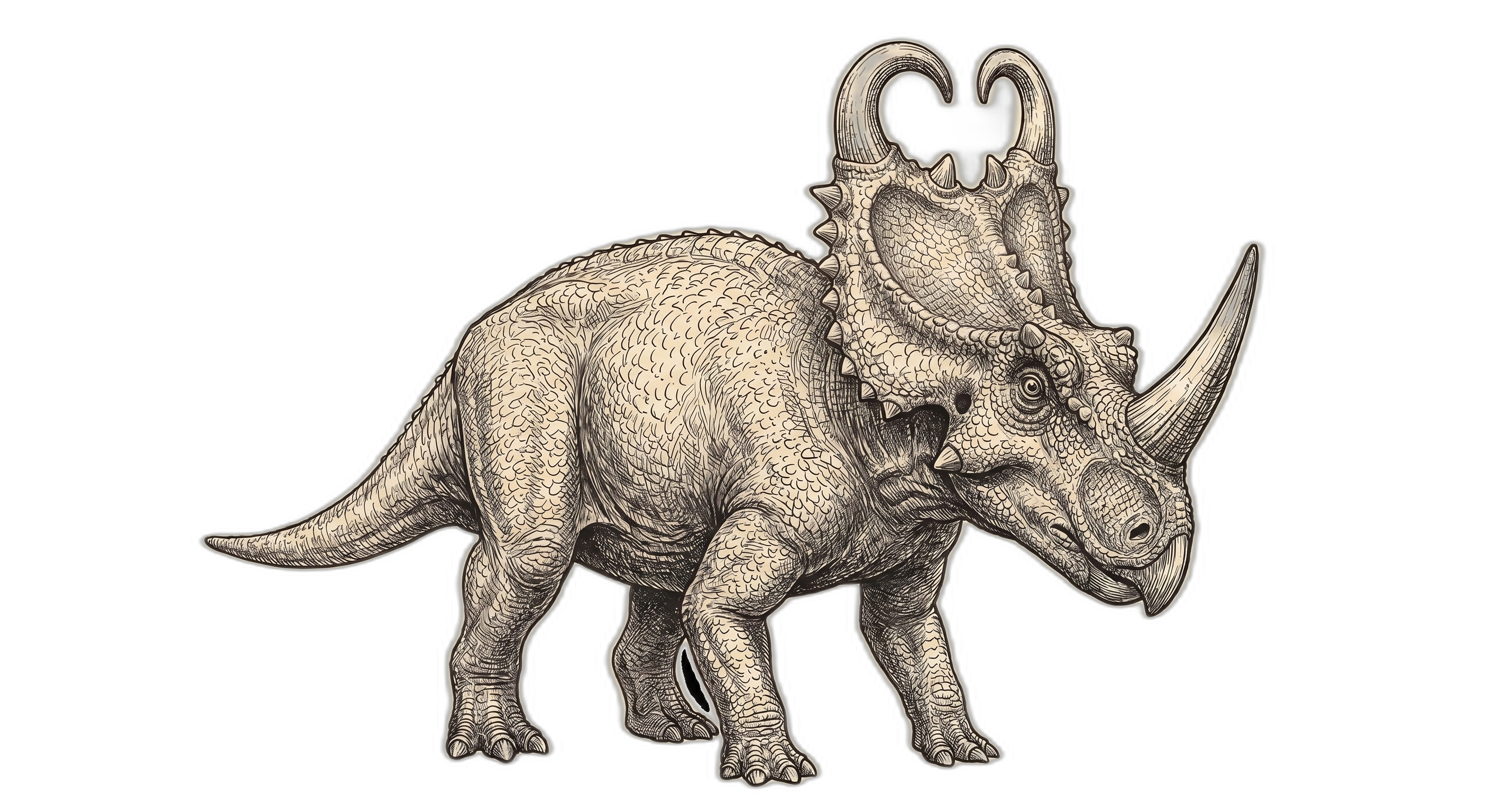
Centrosaurus
🌿Centrosaurus apertus
5.5m · 2.5t
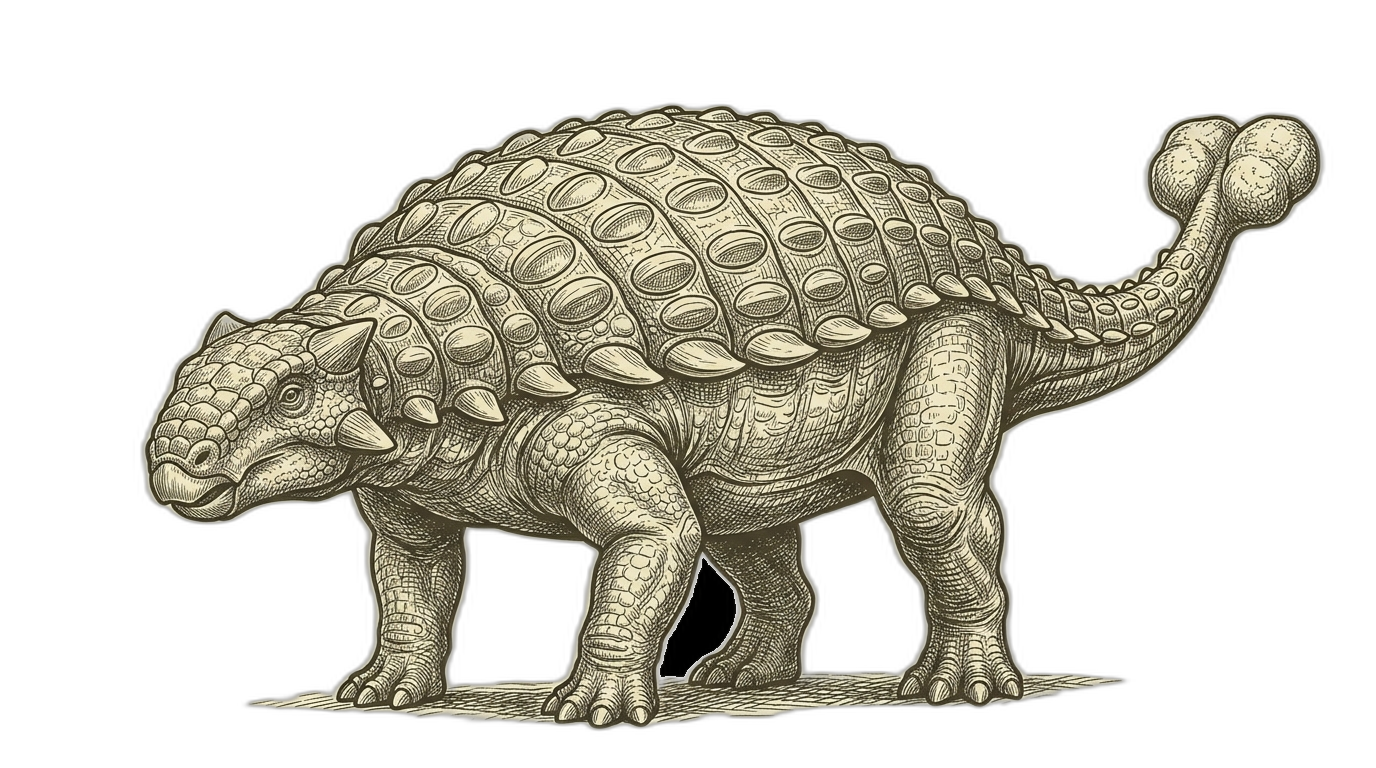
Euoplocephalus
🌿Euoplocephalus tutus
5.5m · 2.5t
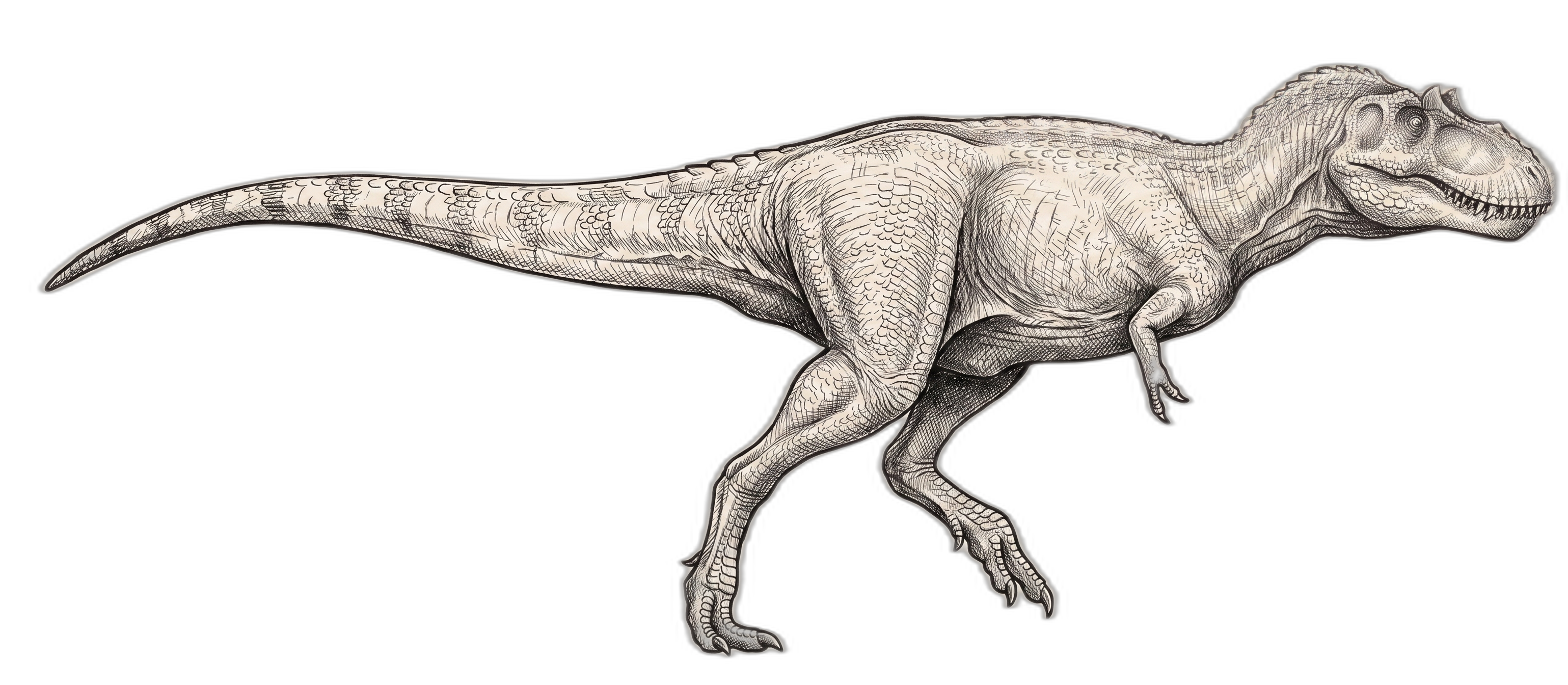
Gorgosaurus
🥩Gorgosaurus libratus
8.5m · 2.5t
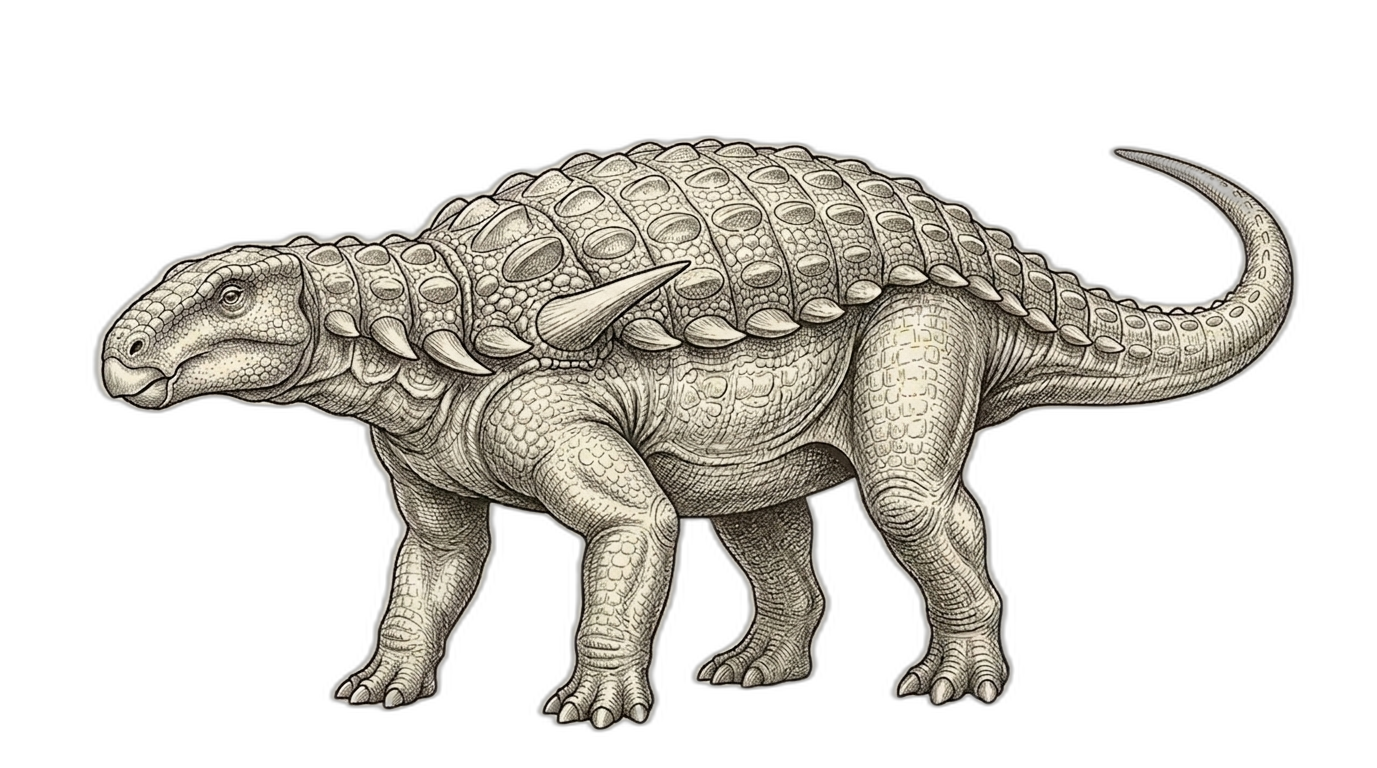
Panoplosaurus
🌿Panoplosaurus mirus
5.5m · 1.5t
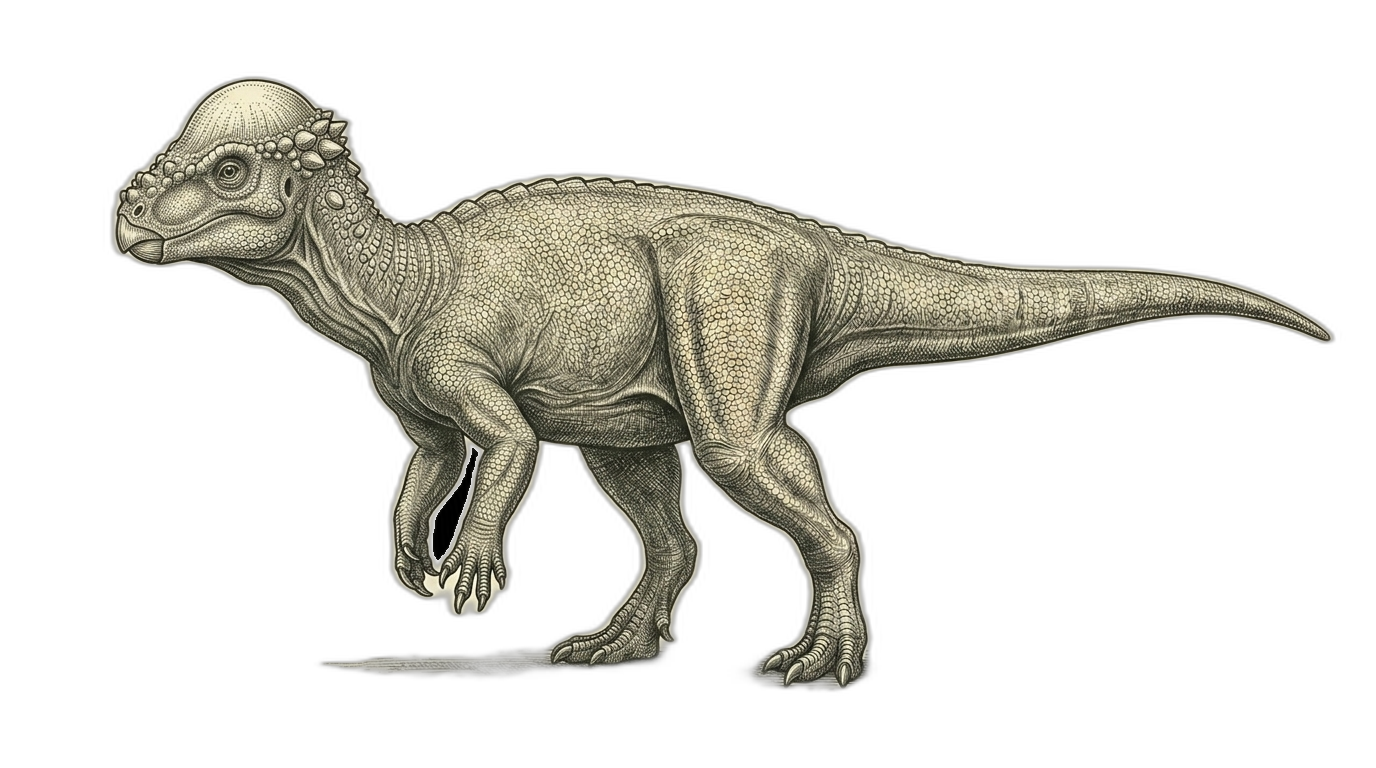
Pachycephalosaurus
🌿Pachycephalosaurus wyomingensis
4.5m · 0.4t
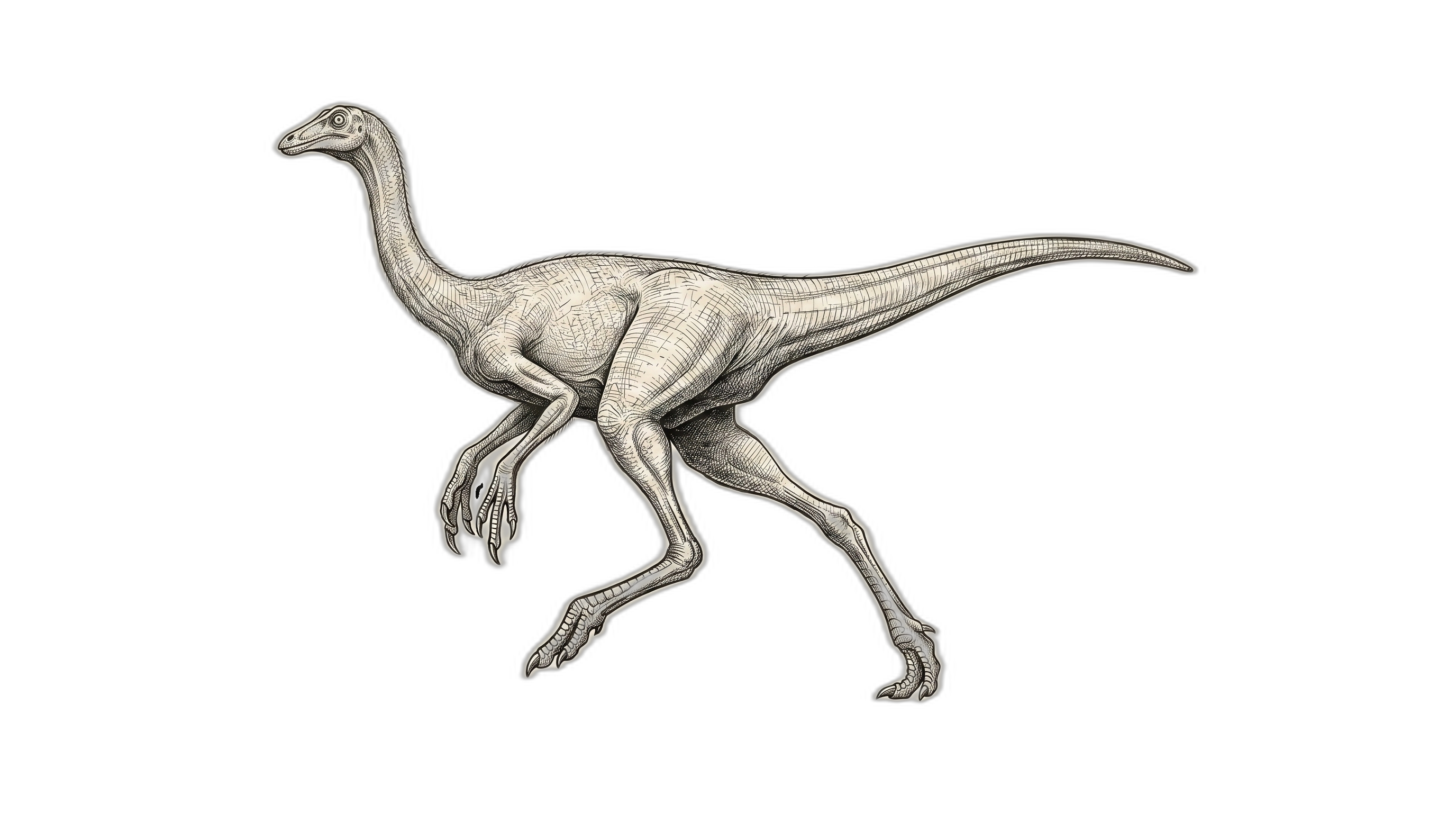
Ornithomimus
🍽️Ornithomimus edmontonicus
3.8m · 0.2t
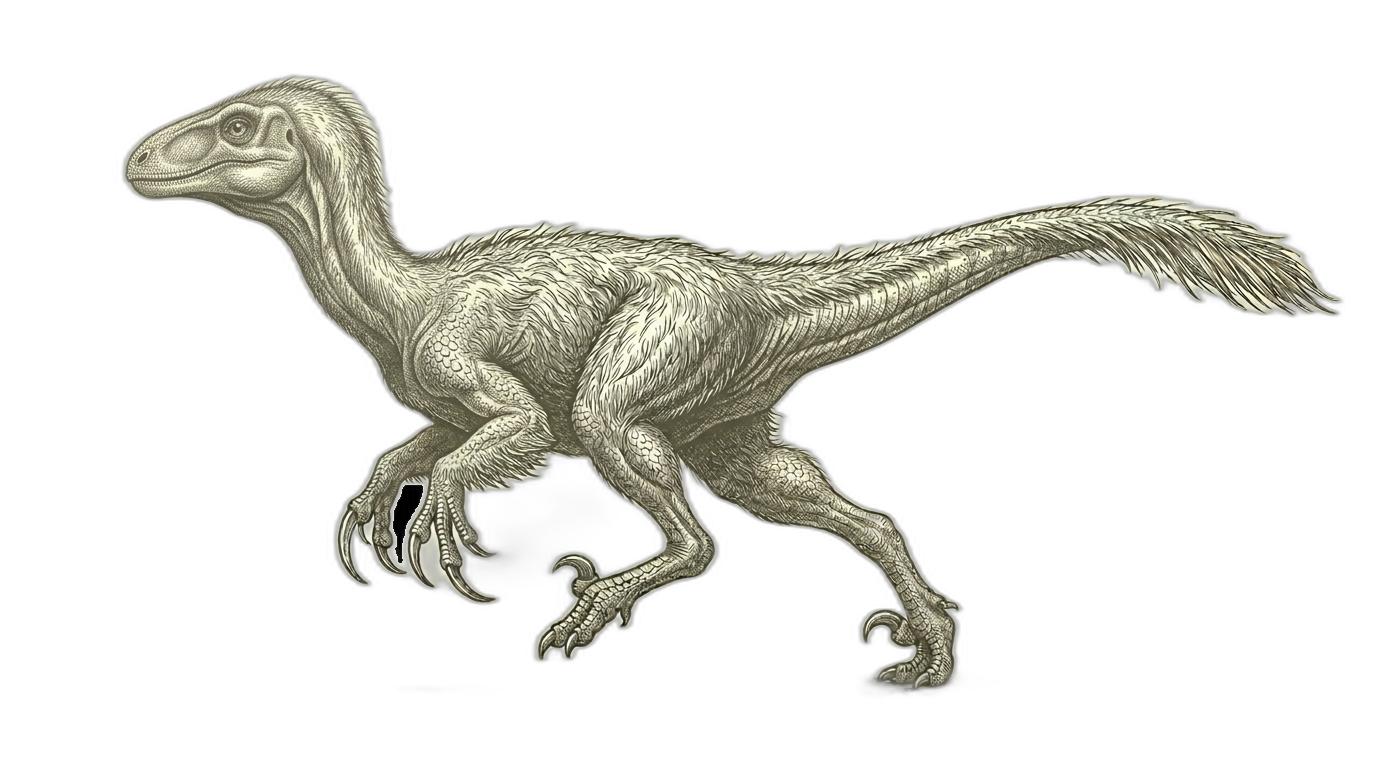
Troodon
🥩Troodon formosus
2.4m · 0.1t
- Dinosaur Provincial Park has yielded over 500 museum-quality specimens and fragments of 35+ dinosaur species — a density unmatched anywhere on Earth.