About
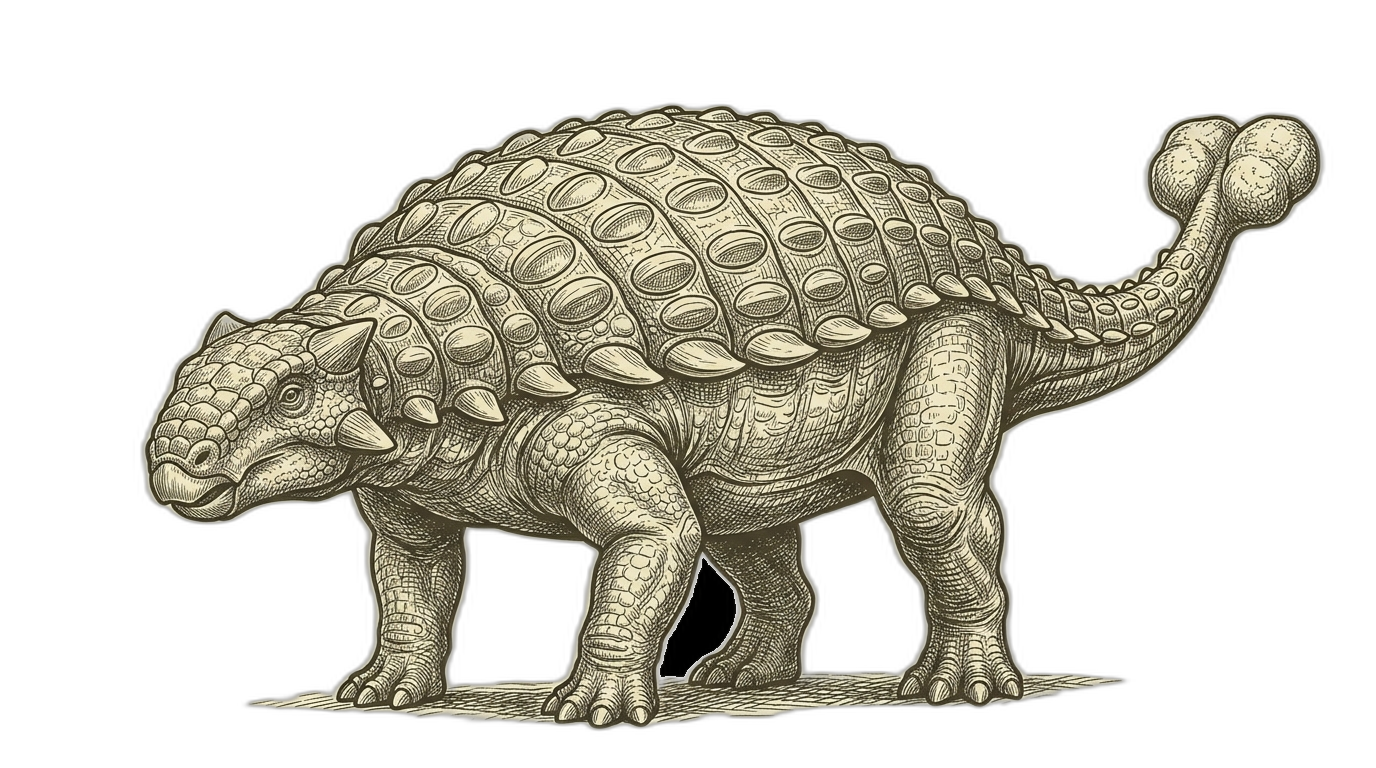
Euoplocephalus was one of the most heavily armored dinosaurs ever to walk the Earth, a true biological fortress that roamed the forests and floodplains of Late Cretaceous Alberta around 76-67 million years ago. This stocky, four-legged herbivore was encased in a mosaic of bony plates called , embedded directly into its skin and covering nearly every vulnerable surface of its body. Even potential weak points were protected—its eyelids contained bone.
The most formidable weapon in Euoplocephalus's arsenal was its , a mass of fused tipped with large bony knobs. Biomechanical studies suggest this club could be swung with enough force to fracture the leg bones of attacking tyrannosaurs. The dinosaur's low, wide stance and powerful muscles would have allowed it to brace and deliver devastating defensive blows while keeping its vulnerable underside protected.
Euoplocephalus was first described by Lawrence Lambe in 1910, based on fossils discovered in Alberta's Dinosaur Park Formation. The name means "well-armored head," a reference to the extensive armor. For decades, many specimens from Alberta were lumped into this genus, making it appear common. However, recent taxonomic revisions have split off several species into other genera, leaving Euoplocephalus tutus as the sole valid species.
Despite being one of the most frequently illustrated ankylosaurs, complete Euoplocephalus skeletons are surprisingly rare. Most specimens consist of isolated skulls, armor fragments, or partial skeletons, because the armor plates often scattered after death. This has made reconstructing its exact appearance an ongoing scientific puzzle.
Quick Facts
- Scientific name
- Euoplocephalus tutus
- Group
- Ankylosaur · Ankylosauridae
- Lived
- Late Cretaceous, 100–66 million years ago
- Diet
- Herbivore
- Movement
- Walked on four legs
- Fossils found in
- Dinosaur Park Formation (Alberta, Canada)
- Discovery credited to
- 1902, Lawrence Lambe
- Holotype
- CMN 210 · Canadian Museum of Nature, Ottawa
- DinoVault record
- DVL-0053
Where fossils were found
Dinosaur Park Formation
Alberta · Canada
100–66 million years ago(34m year span)
Where Euoplocephalus Roamed
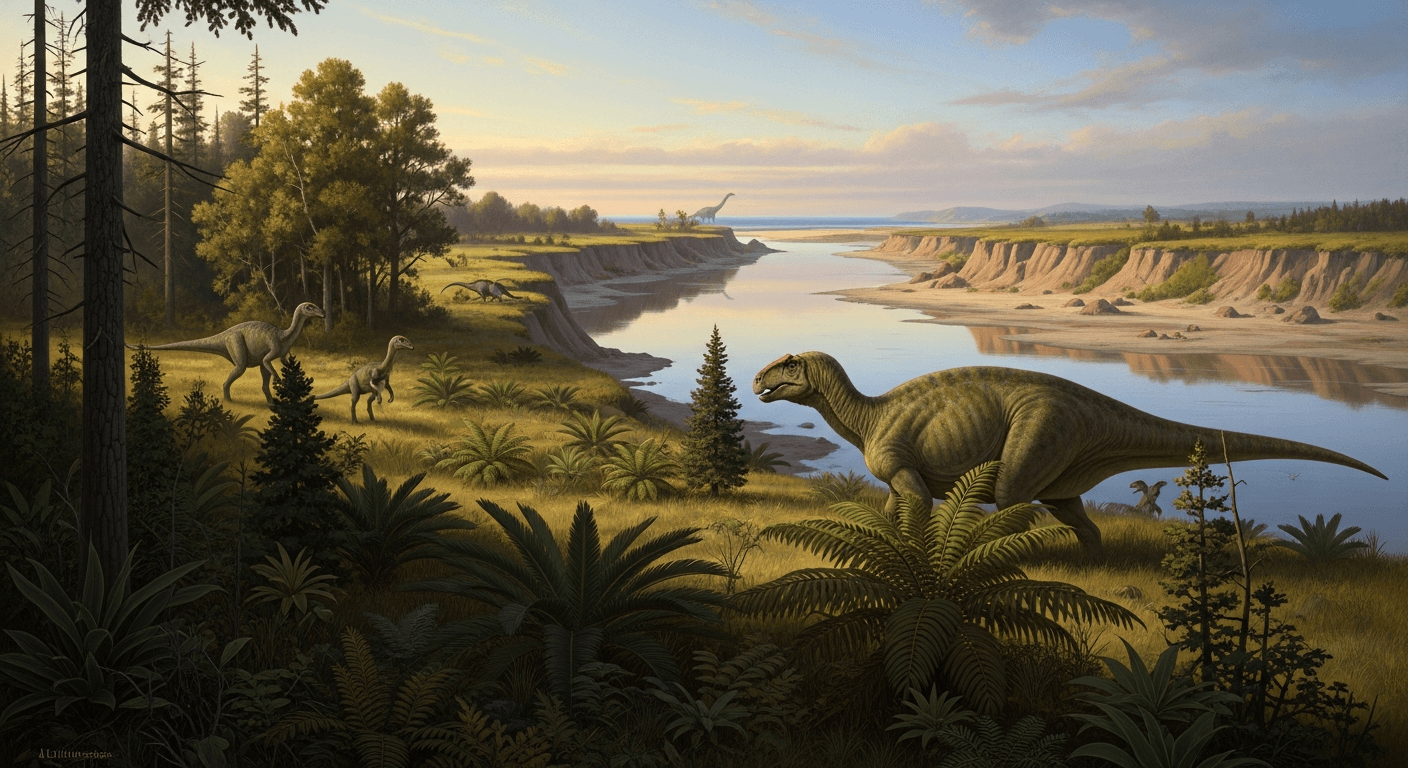
During the late Cretaceous period, Euoplocephalus tutus roamed the lush, subtropical coastal plains along the western shores of the Western Interior Seaway, a vast inland sea that divided North America into two landmasses. This armored dinosaur inhabited a warm, humid environment characterized by dense conifer forests, fern-covered lowlands, and meandering river systems that drained eastward toward the shallow, warm waters of this great continental waterway.
Keep exploring the vault
Gorgosaurus
Gorgosaurus libratus
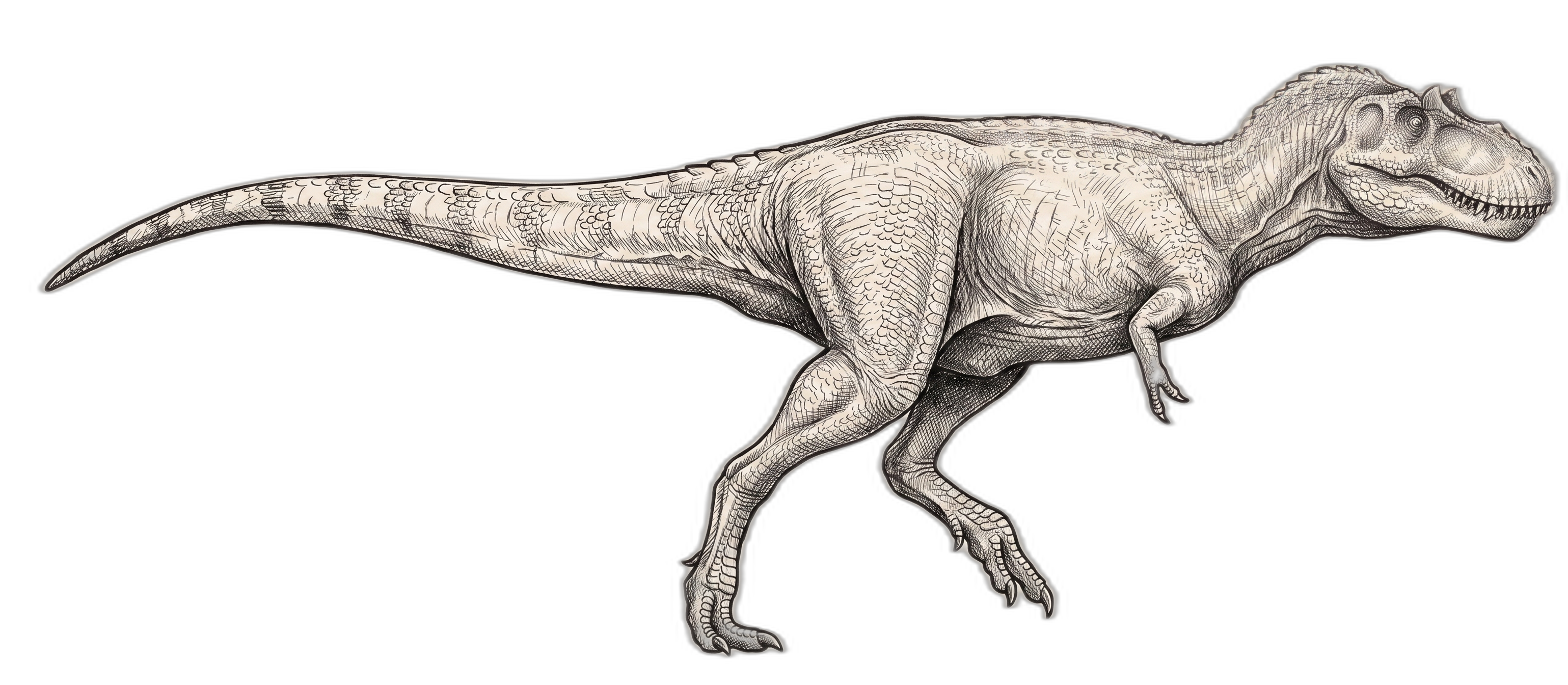
Gorgosaurus was the apex predator of the Dinosaur Park Formation where Euoplocephalus lived.
Centrosaurus
Centrosaurus apertus
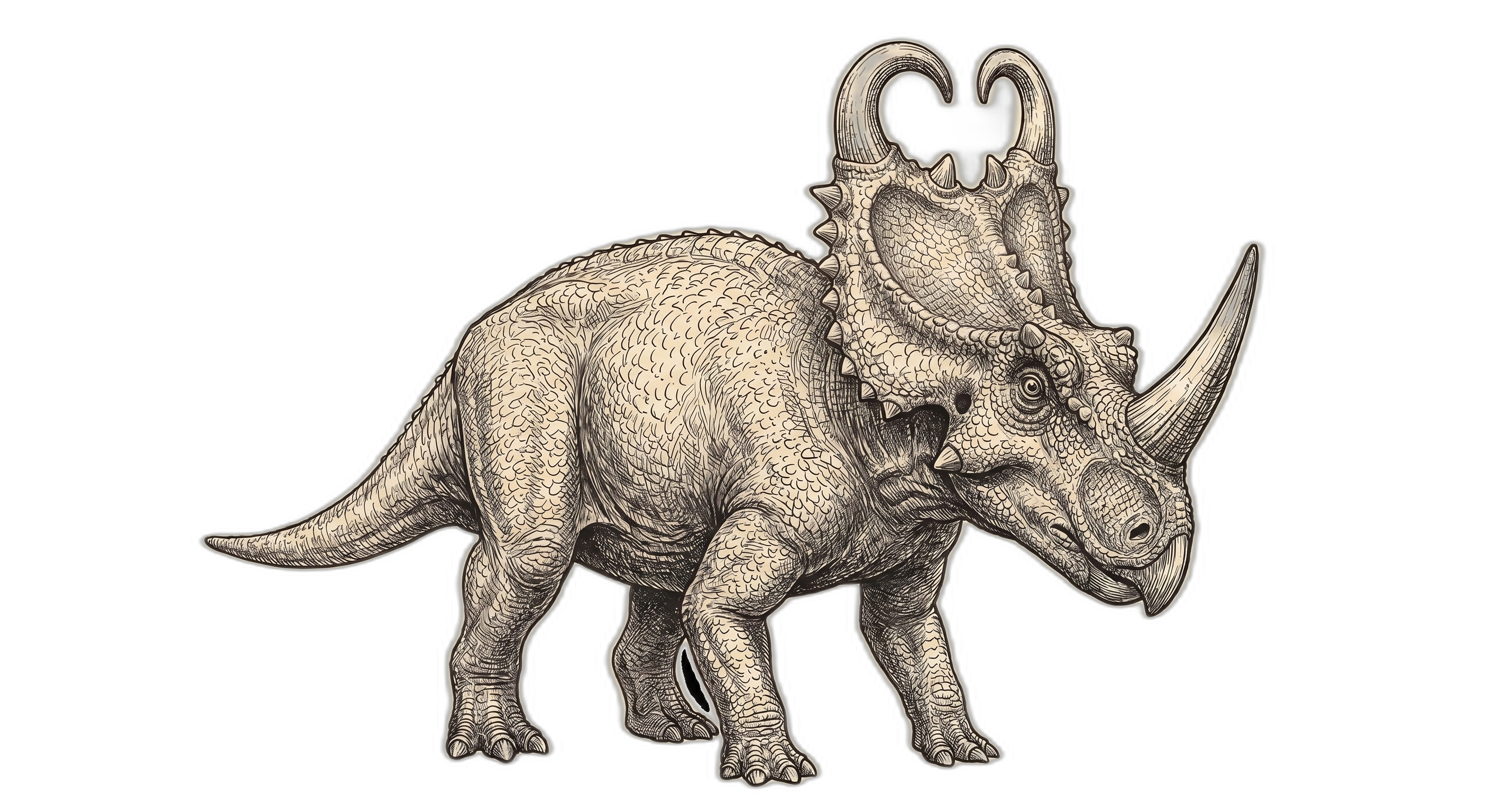
Both were medium-sized herbivores (~2500kg) in the Dinosaur Park Formation feeding on low-growing vegetation.
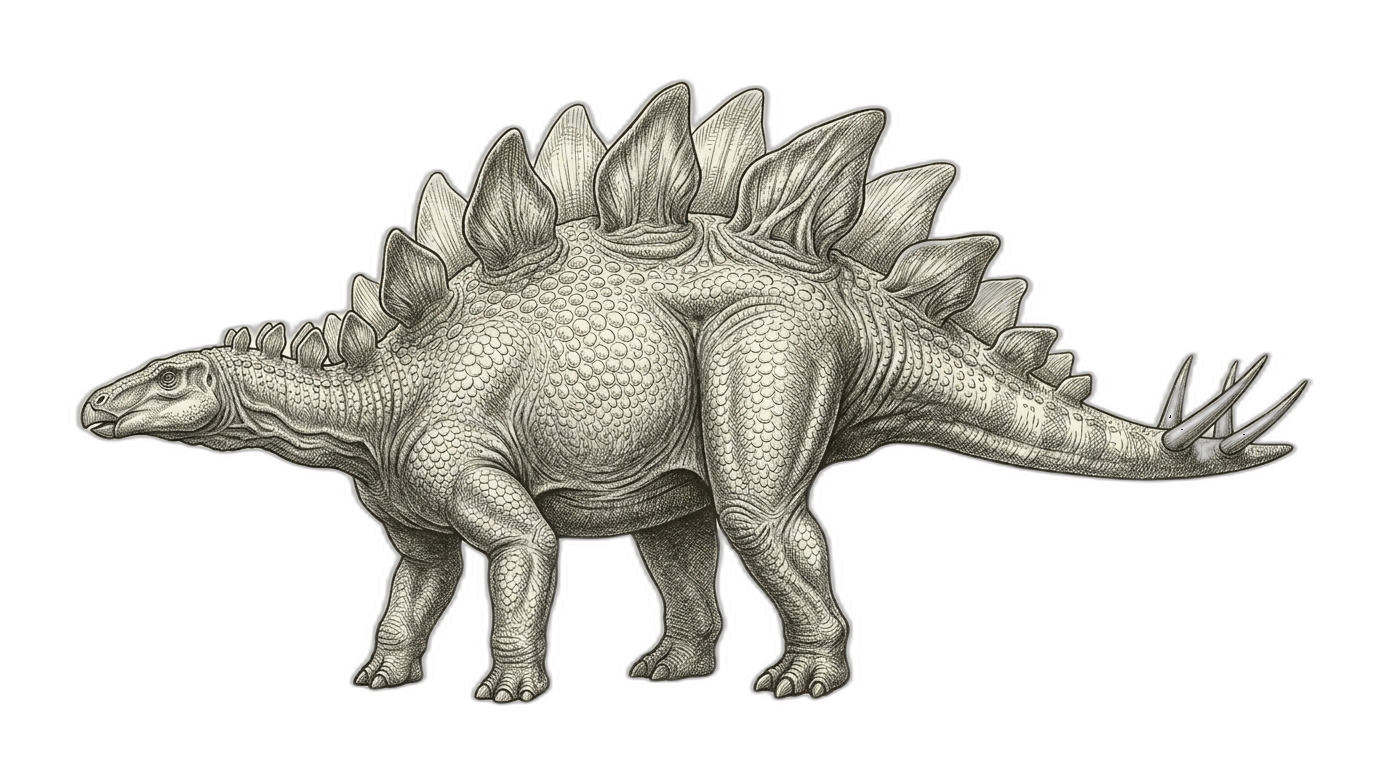
Stegosaurus
Stegosaurus stenops
Both Stegosaurus (Jurassic) and Euoplocephalus (Cretaceous) represent armored herbivore solutions from Thyreophora, independently developing defensive weaponry - Stegosaurus with tail spikes (thagomizer), Euoplocephalus with a tail club.
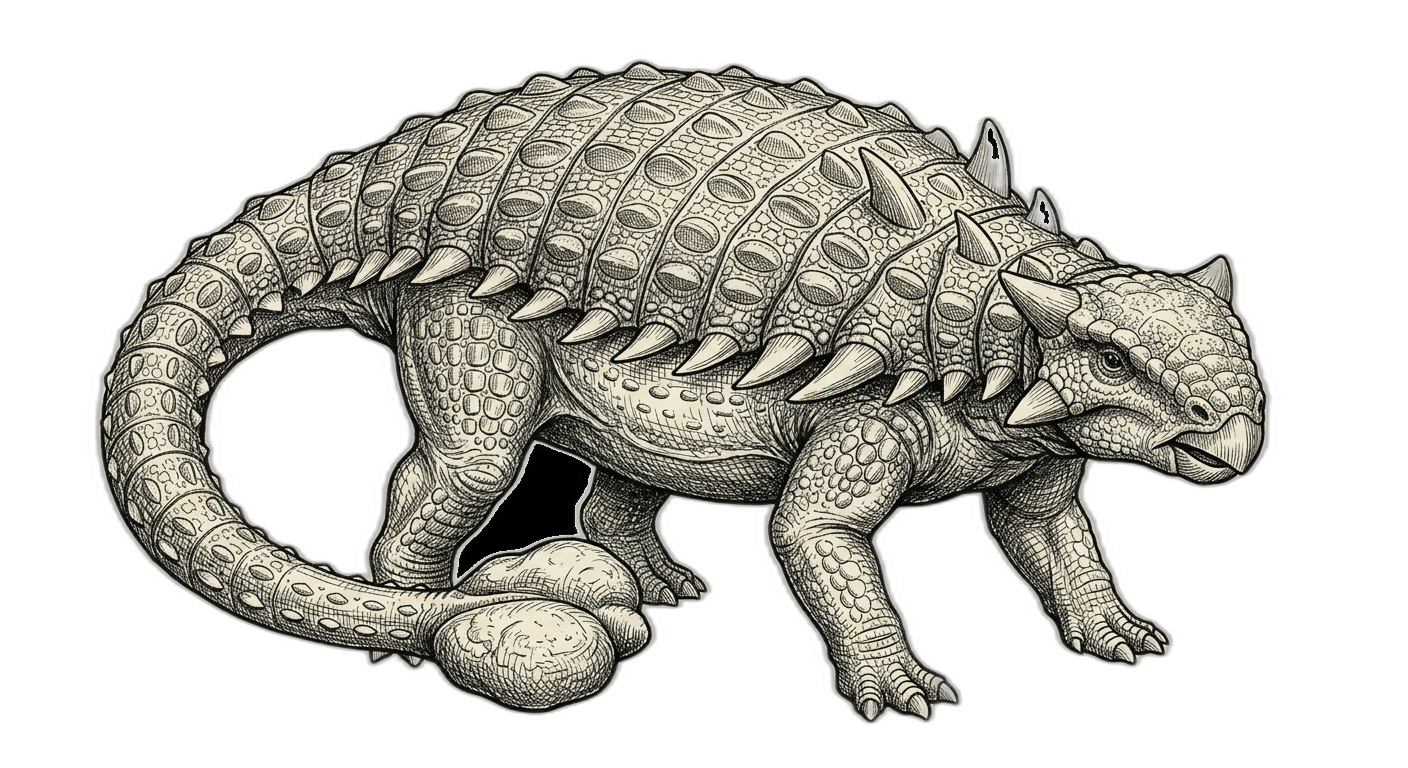
Ankylosaurus
Ankylosaurus magniventris
Same family: Ankylosauridae
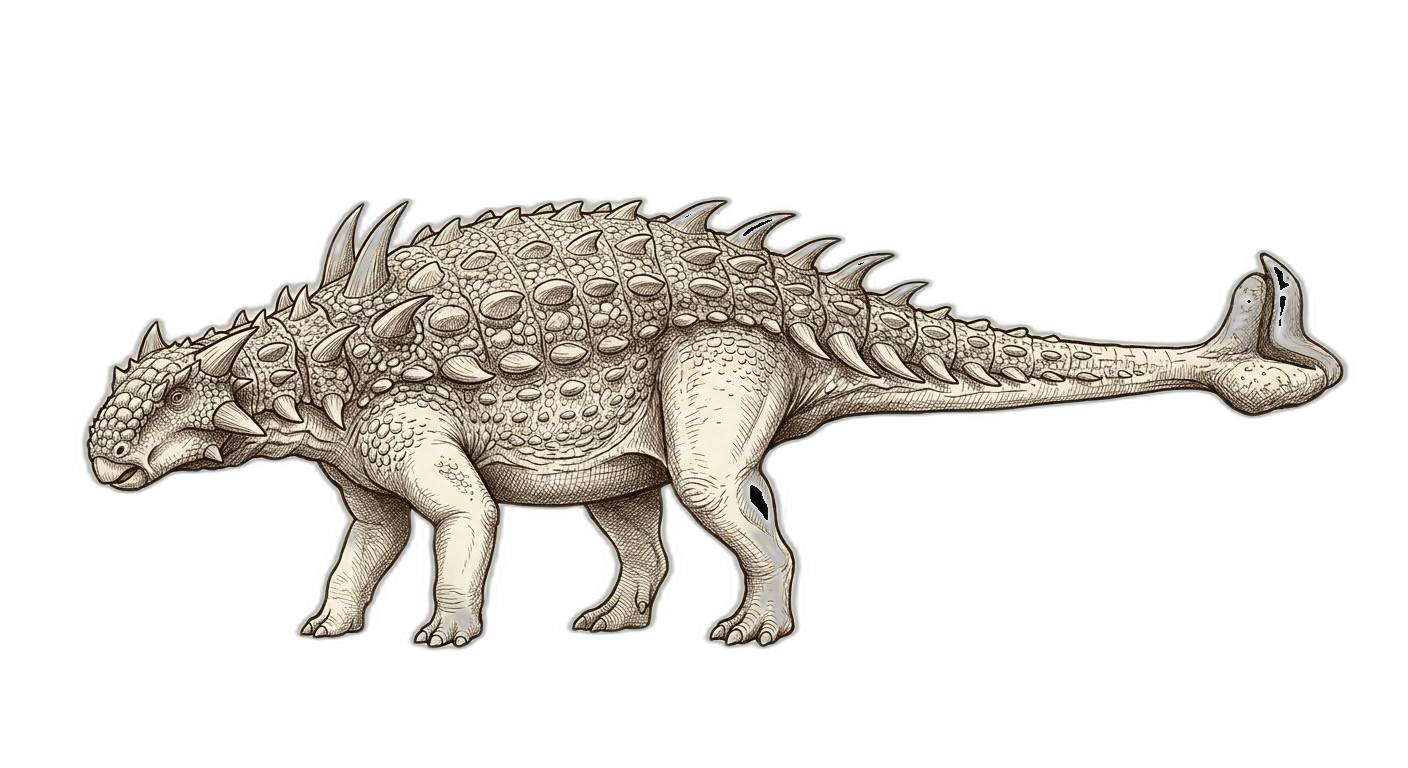
Zuul
Zuul crurivastator
Same family: Ankylosauridae
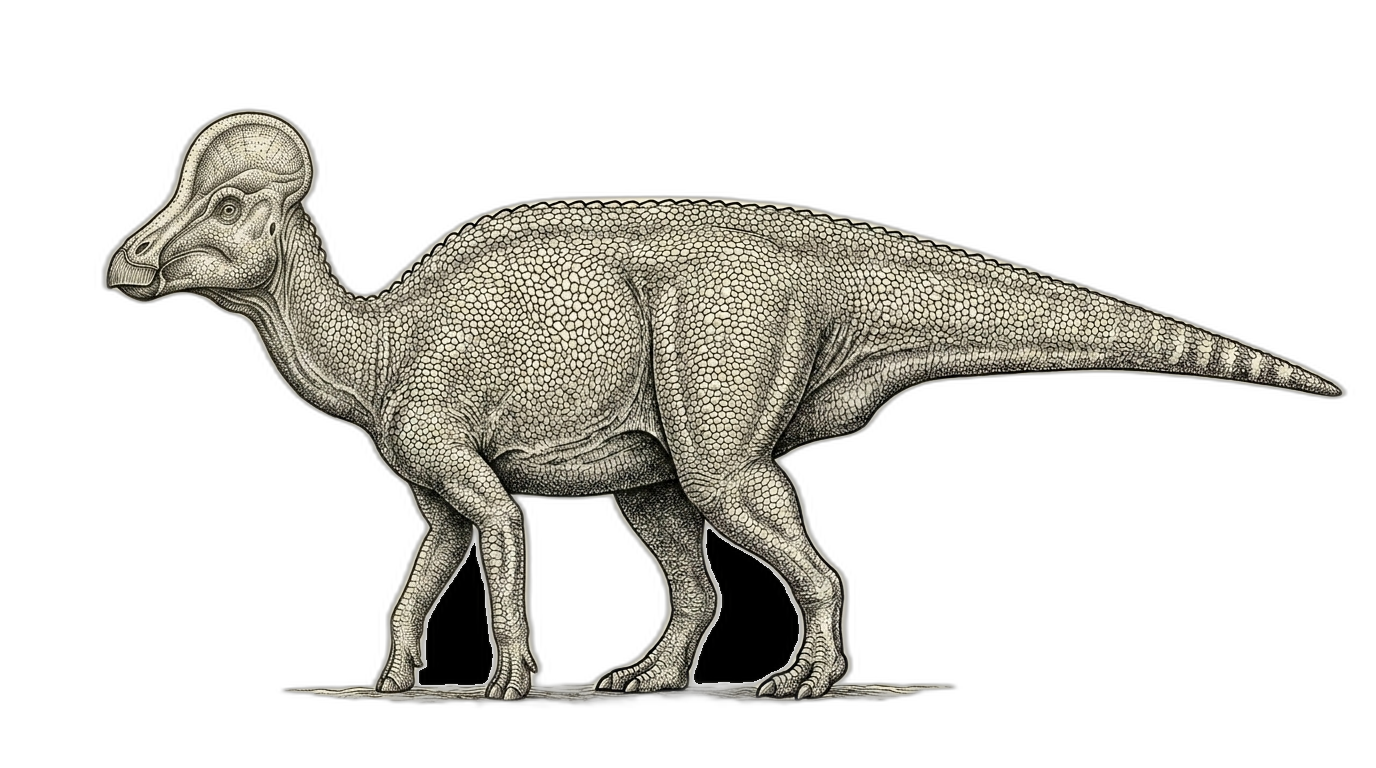
Corythosaurus
Corythosaurus casuarius
Both abundant in the Dinosaur Park Formation, representing dramatically different herbivore strategies - Corythosaurus as a tall, bipedal browser capable of reaching higher vegetation, versus the low-slung, heavily armored Euoplocephalus.
Sources & Citation
- Length estimates
- Arbour & Currie 2013; composite estimates from partial specimens
- Height estimates
- Carpenter 2004; shoulder height estimate from skeletal reconstructions
- Weight estimates
- Paul 2010; Arbour & Currie 2013
- Speed estimates
- Coombs 1978; general ankylosaur locomotion estimates