About
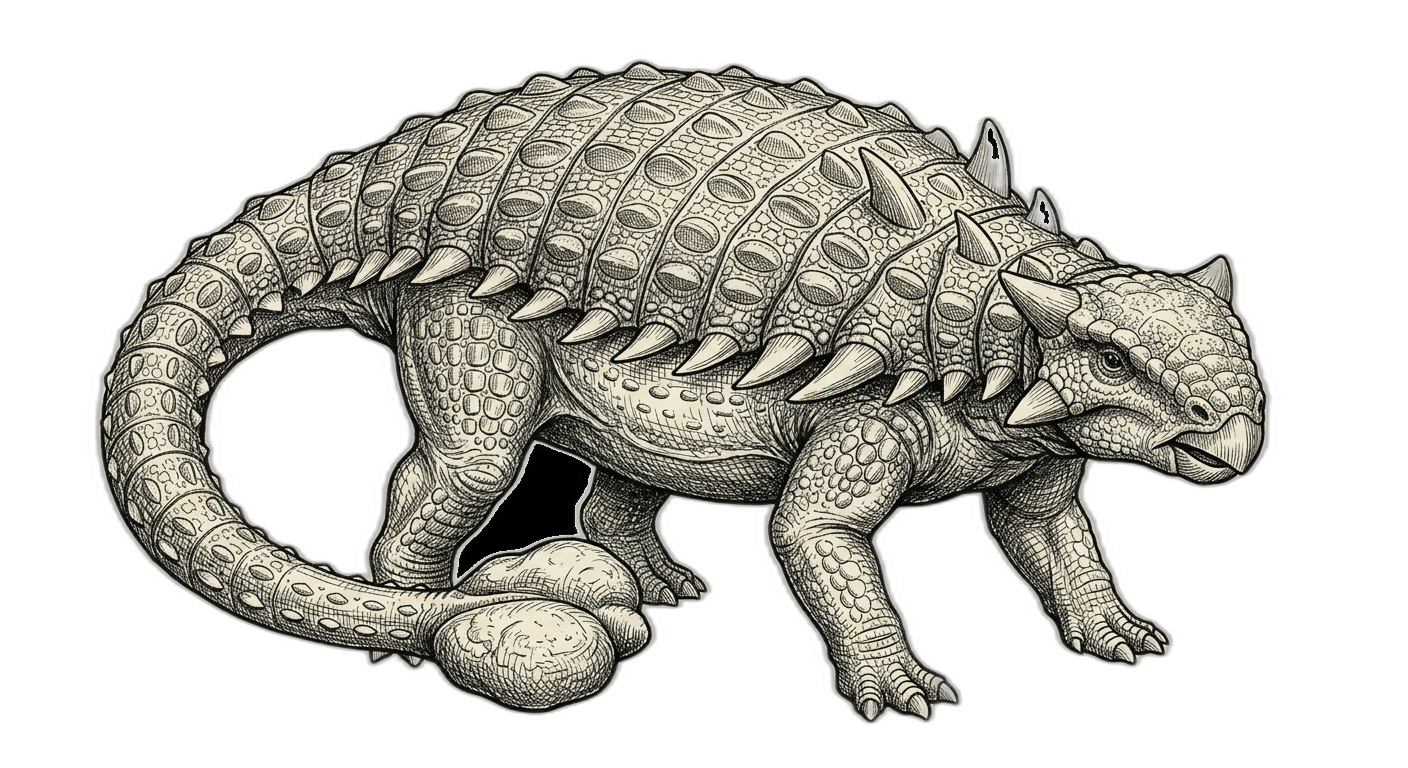
Ankylosaurus was the ultimate defensive machine. Its entire back was covered in — bony plates fused directly to the skin — arranged like a natural suit of armor. Even its eyelids were armored. The only vulnerable part of the animal was its underside.
But Ankylosaurus wasn't purely passive. The massive club at the end of its tail — formed from several fused and bony knobs — could be swung with enough force to break the leg bones of a T-Rex. Predators attacking from behind faced a genuinely dangerous weapon.
Ankylosaurus lived in the same time and place as T-Rex and Triceratops — the very end of the Cretaceous. It was one of the last dinosaurs. Its fossils are surprisingly rare, which is unusual given how robust its armor was. No complete skeleton has ever been found.
The nasal passages of Ankylosaurus were elaborate, winding through the skull in a complex network. These passages may have warmed and humidified air, or possibly amplified sounds for communication — though this remains speculative.
Quick Facts
- Scientific name
- Ankylosaurus magniventris
- Group
- Ankylosaur · Ankylosauridae
- Lived
- Late Cretaceous, 72.2–66 million years ago
- Diet
- Herbivore
- Movement
- Walked on four legs
- Fossils found in
- Hell Creek Formation (Montana, North Dakota, South Dakota, Wyoming, United States)
- Discovery credited to
- 1906, Barnum Brown
- Holotype
- AMNH 5895 · American Museum of Natural History, New York
- DinoVault record
- DVL-0007
Where fossils were found
Hell Creek Formation
Montana, North Dakota, South Dakota, Wyoming · United States
72.2–66 million years ago(6.2m year span)
Where Ankylosaurus Roamed
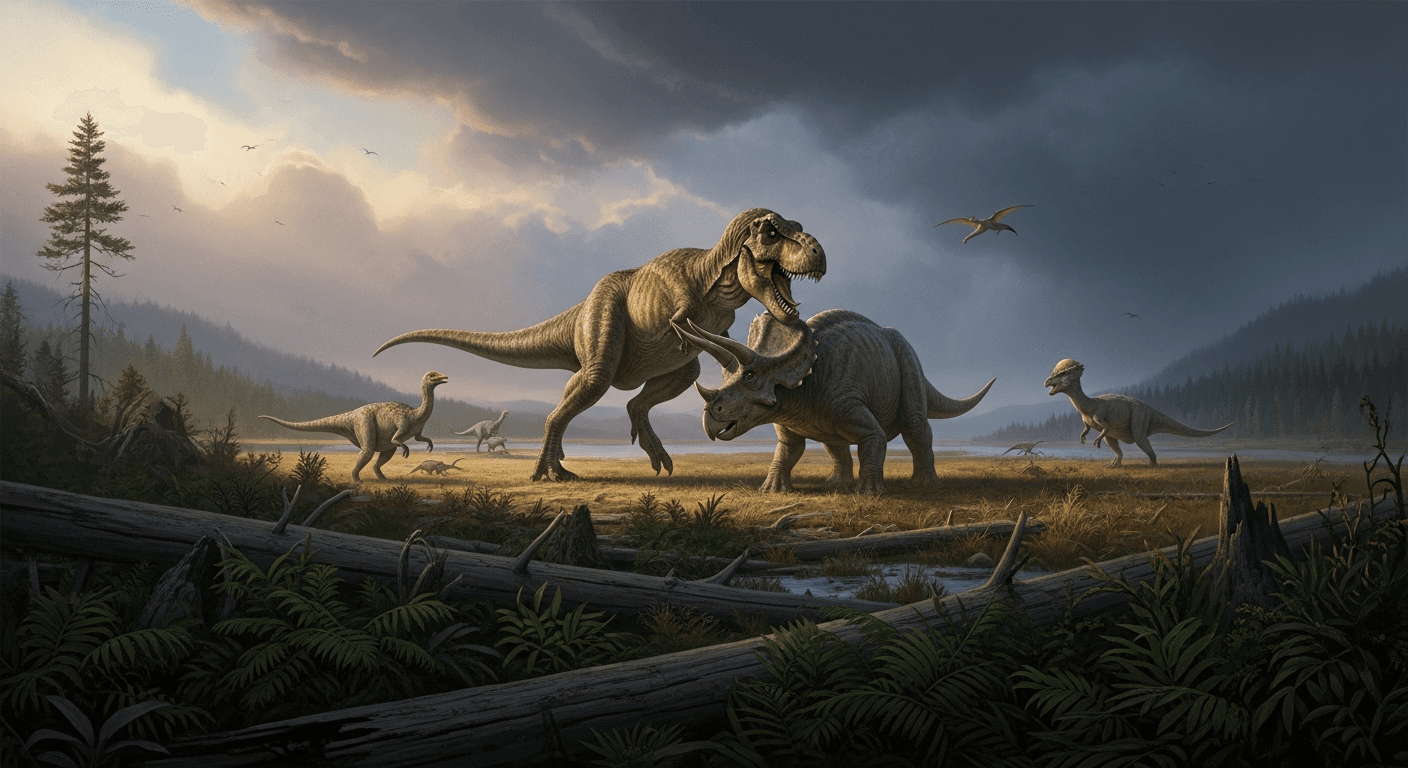
During the late Maastrichtian, approximately 69 million years ago, Ankylosaurus magniventris inhabited the coastal lowlands and floodplains of western North America, where the retreating Western Interior Seaway had created a mosaic of swampy deltas, meandering rivers, and lush subtropical forests stretching across what is now Montana, Wyoming, and Alberta.
Keep exploring the vault
T-Rex
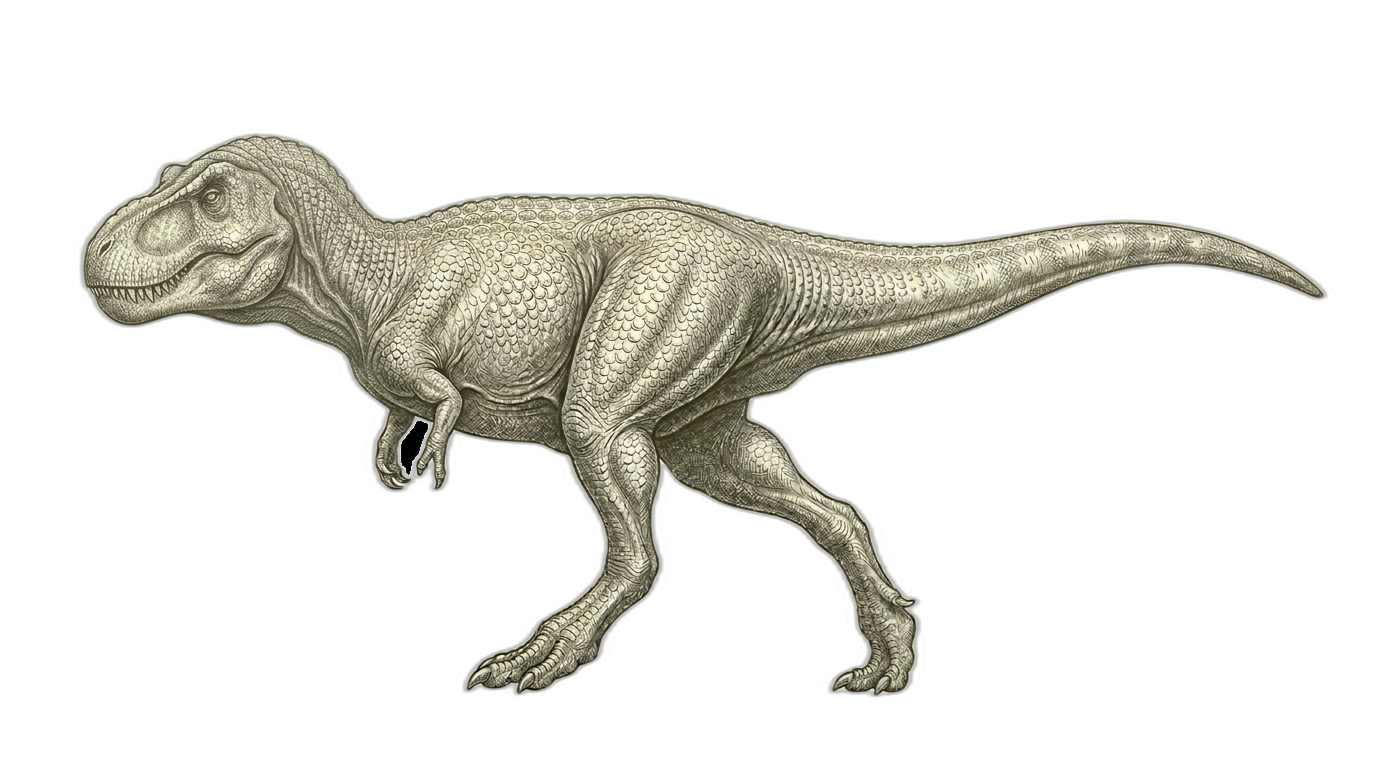
Tyrannosaurus rex
T. rex was the apex predator of the Hell Creek Formation where Ankylosaurus lived.
Triceratops
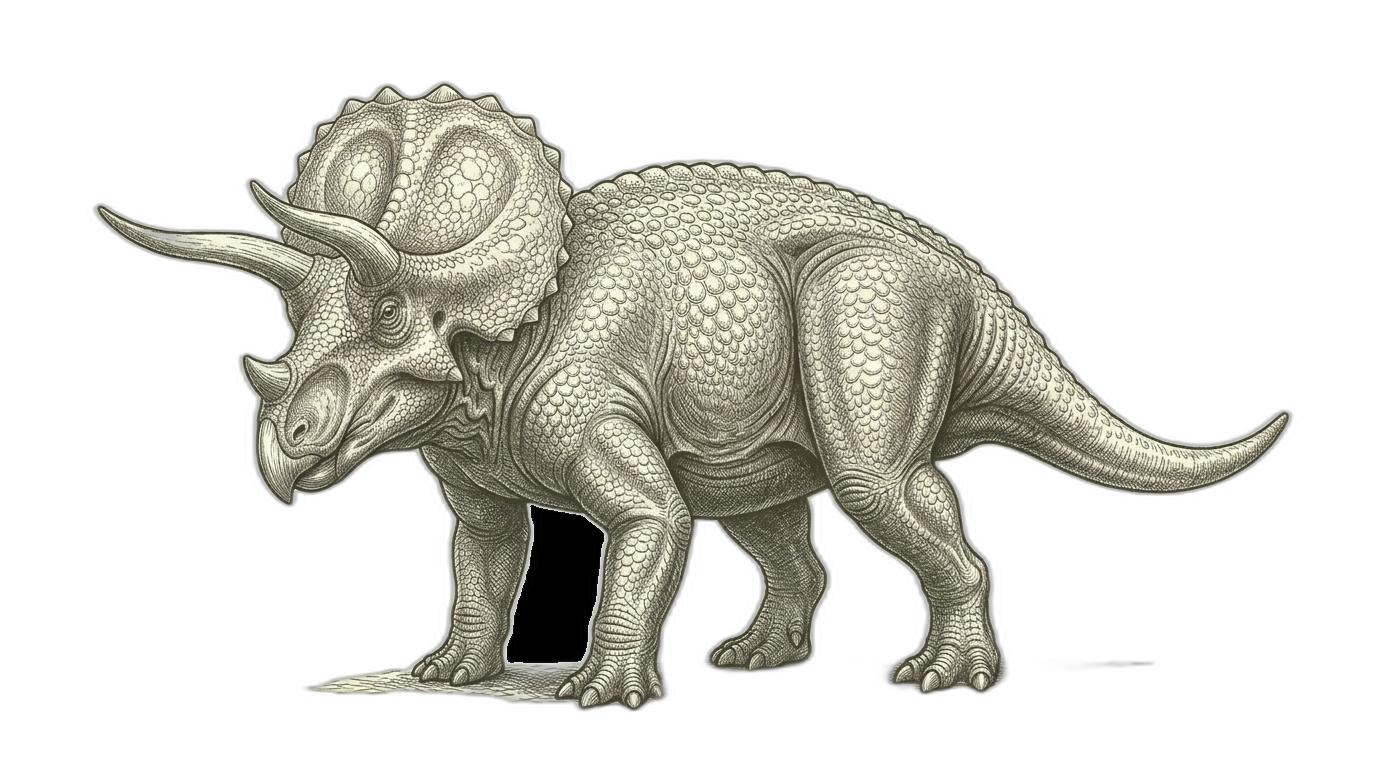
Triceratops horridus
Both were large-bodied herbivores in the Hell Creek Formation competing for low-to-mid level vegetation.
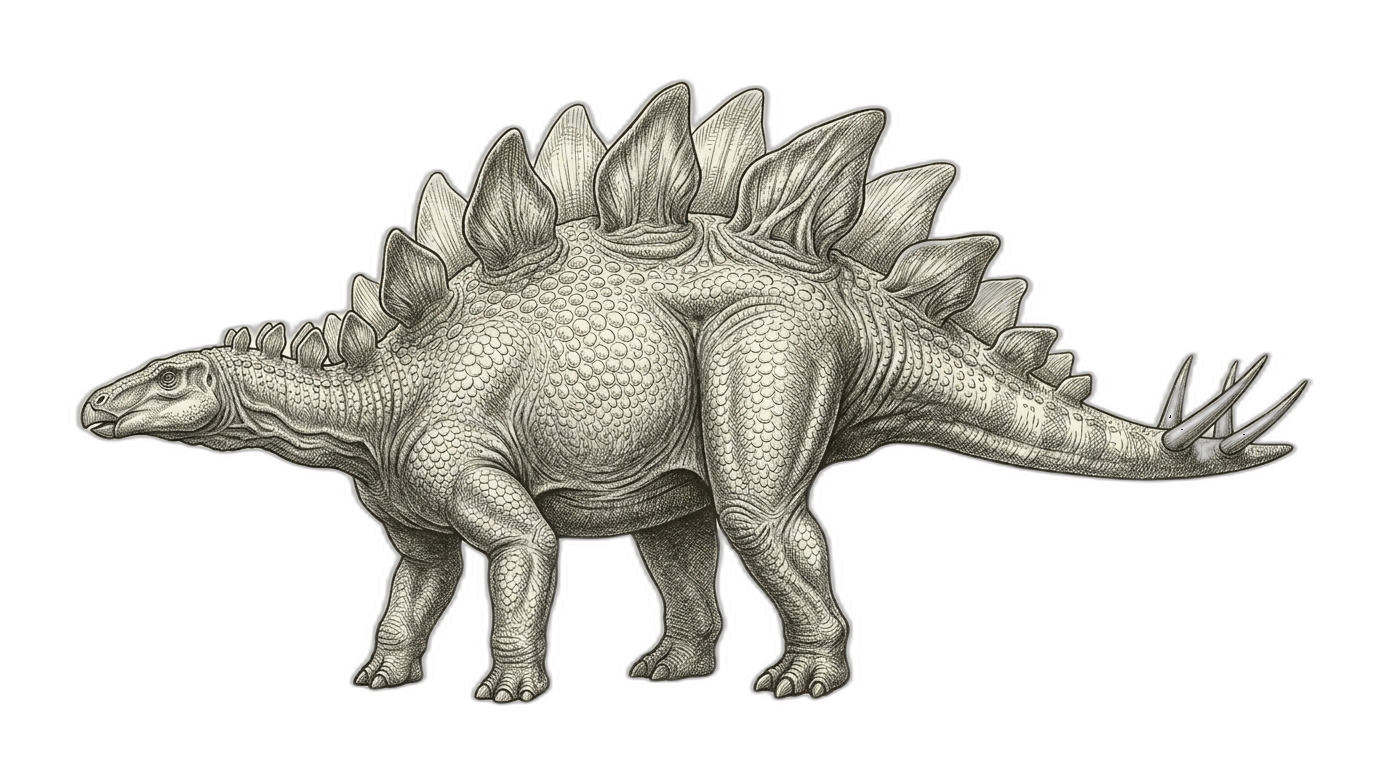
Stegosaurus
Stegosaurus stenops
Both represent armored ornithischians (Thyreophora) that independently evolved elaborate defensive structures—Stegosaurus with dorsal plates and tail spikes (thagomizer), Ankylosaurus with full-body osteoderms and a tail club.
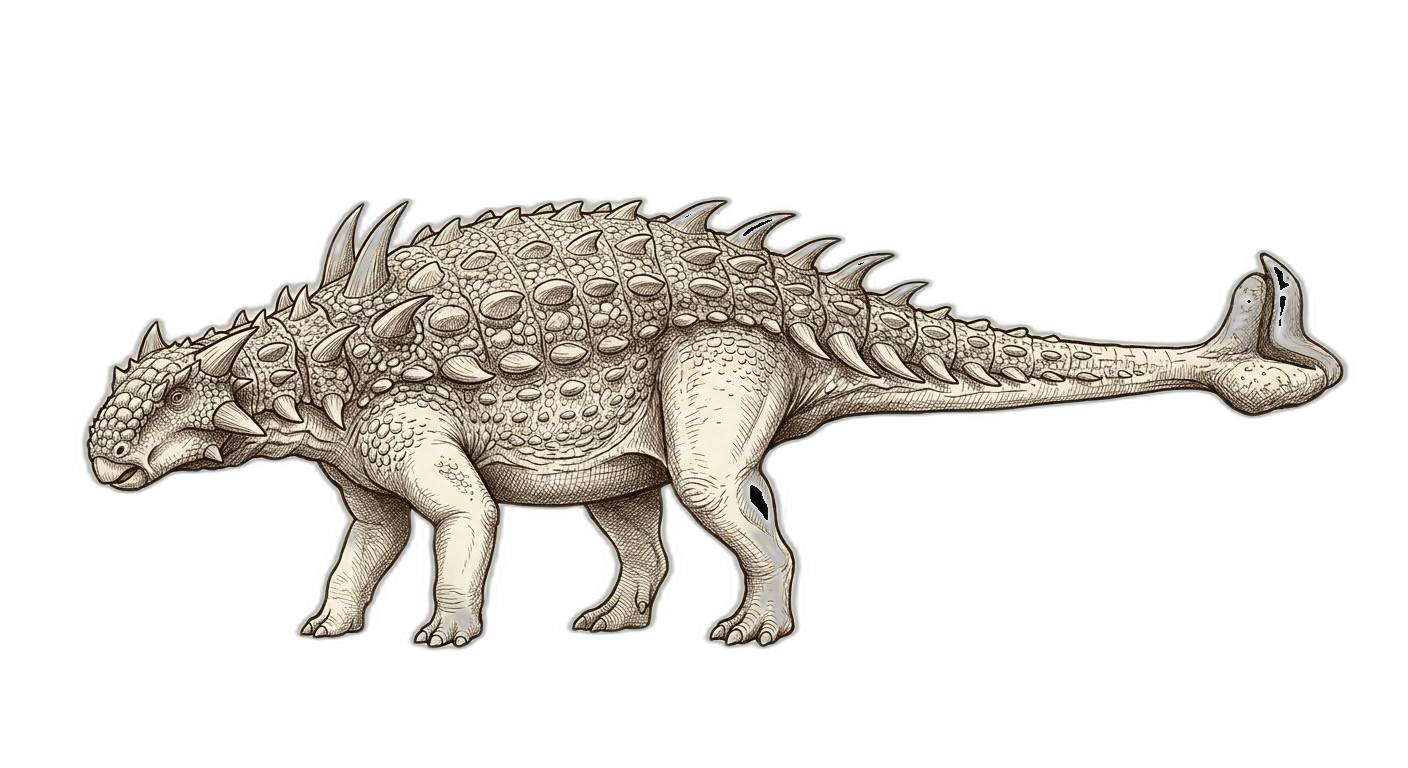
Zuul
Zuul crurivastator
Same family: Ankylosauridae
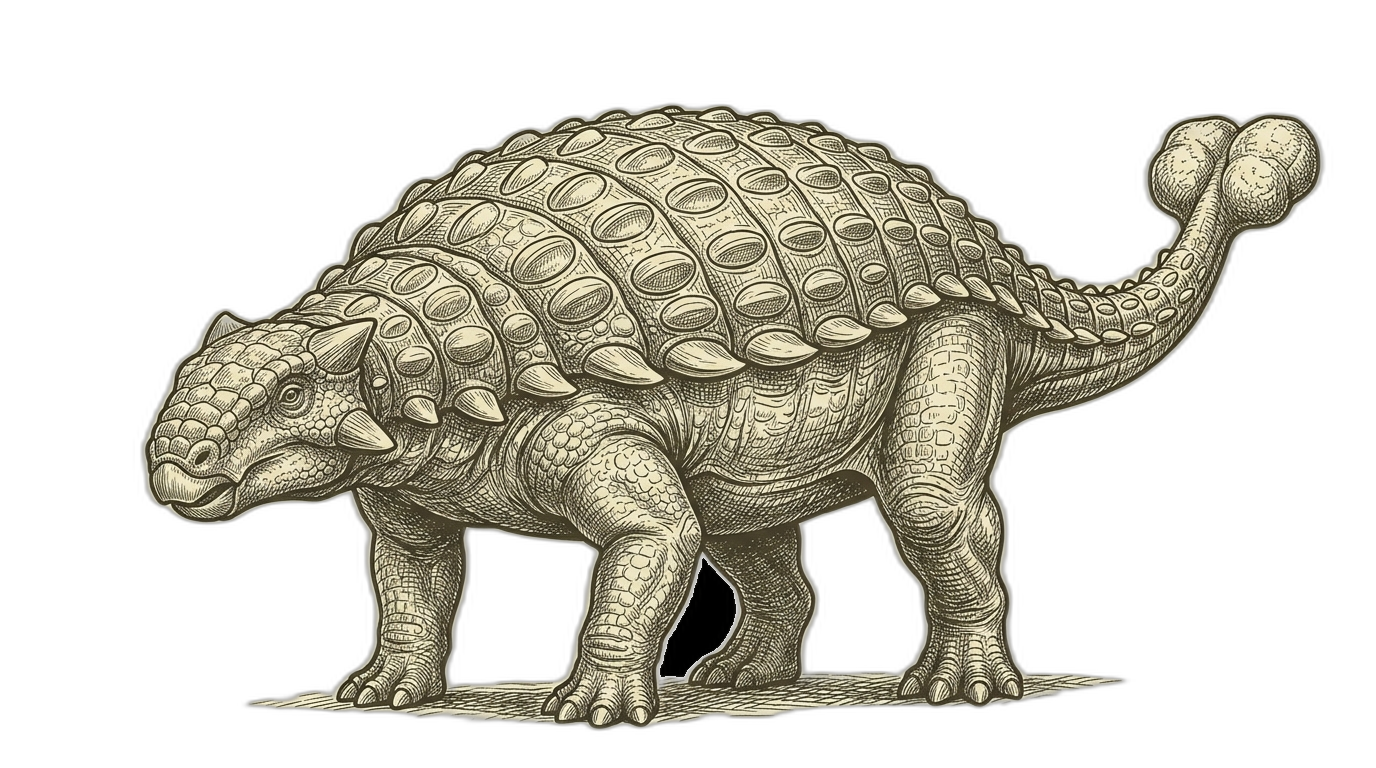
Euoplocephalus
Euoplocephalus tutus
Same family: Ankylosauridae
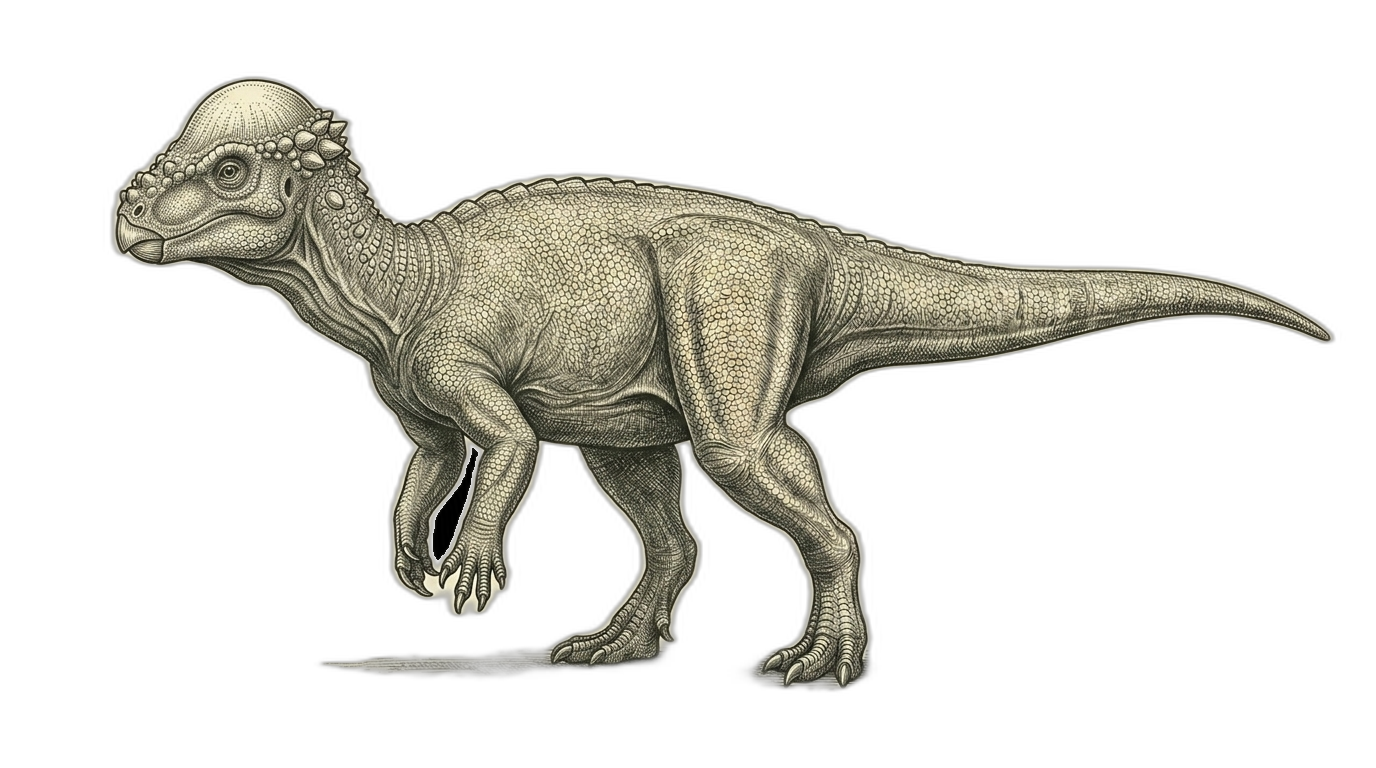
Pachycephalosaurus
Pachycephalosaurus wyomingensis
Both were ornithischian dinosaurs in the Hell Creek Formation but occupied very different ecological niches—Ankylosaurus as a low-browsing armored tank, Pachycephalosaurus as a more agile bipedal herbivore with its distinctive domed skull.
Sources & Citation
- Length estimates
- Estimated from fragmentary material; no complete skeleton known
- Height estimates
- Estimated at shoulder
- Weight estimates
- Estimated; no complete skeleton available for precise calculation