About
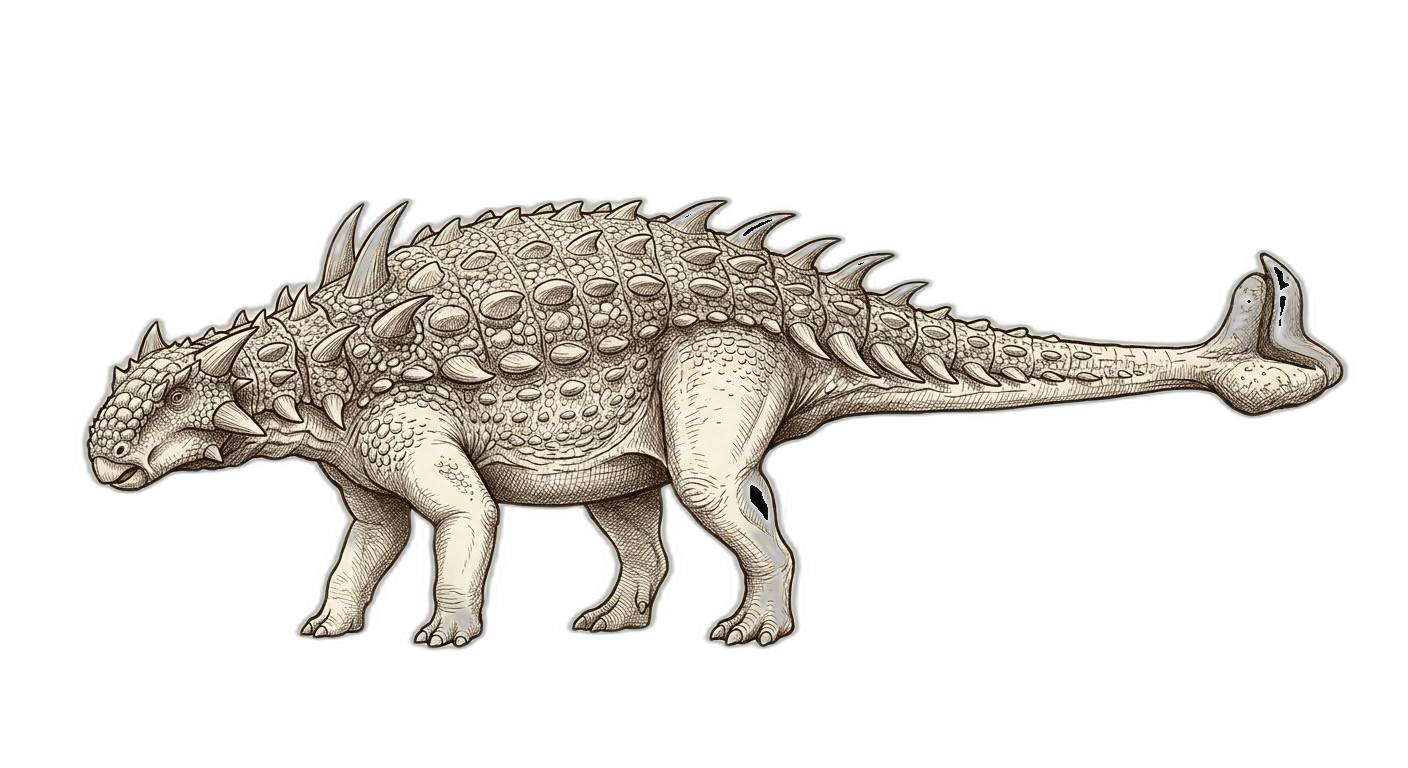
Zuul crurivastator was a heavily armored ankylosaurid dinosaur that roamed what is now Montana during the Late Cretaceous period, roughly 75 million years ago. Its species name, meaning "destroyer of shins," refers to the devastating positioned at the perfect height to shatter the leg bones of attacking tyrannosaurs. This biological wrecking ball combined thick bony armor, rows of menacing spikes, and one of the most formidable defensive weapons in dinosaur history.
The specimen, nicknamed "Zuul" after the demonic entity from the 1984 film Ghostbusters due to its fearsome horned skull, represents one of the most complete ankylosaurid fossils ever discovered in North America. Remarkably, the specimen preserved not only the complete skull and tail club, but also extensive soft tissue remains including skin impressions, sheaths over the , and the arrangement of armor in its original life position. This exceptional preservation has provided unprecedented insight into how ankylosaurs actually looked in life.
Discovered in the Judith River Formation and described in 2017 by Victoria Arbour and David Evans, Zuul has revolutionized our understanding of ankylosaurid anatomy and behavior. The specimen shows evidence of healed injuries on its flanks, possibly from combat with other Zuul individuals—suggesting these animals may have used their tail clubs not just for defense against predators, but also in battles with rivals over territory or mates.
As an herbivore, Zuul would have spent its days browsing on low-growing vegetation, its wide skull adapted for cropping plants while its fermentation-chamber gut processed tough plant material. Despite its formidable appearance, this was a peaceful plant-eater that relied on its impressive arsenal purely for defense—though any predator foolish enough to approach from behind would quickly learn why this dinosaur earned its fearsome name.
Quick Facts
- Scientific name
- Zuul crurivastator
- Group
- Ankylosaur · Ankylosauridae
- Lived
- Late Cretaceous, 76.4–75.5 million years ago
- Diet
- Herbivore
- Movement
- Walked on four legs
- Fossils found in
- Judith River Formation (Montana, Alberta, United States, Canada)
- Discovery credited to
- 2017, Victoria Arbour and David Evans
- Holotype
- ROM 75860 · Royal Ontario Museum, Toronto
- DinoVault record
- DVL-0151
Where fossils were found
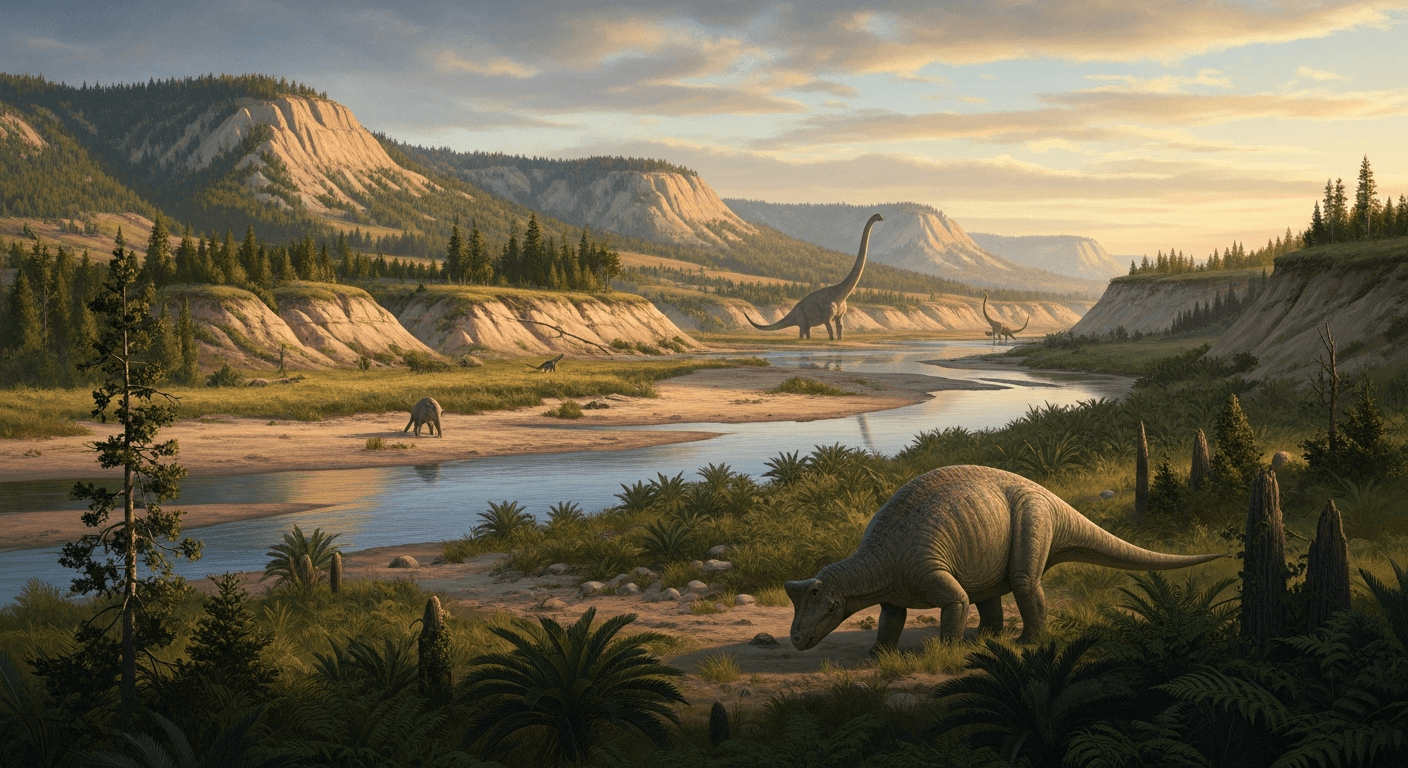
Judith River Formation
Montana, Alberta · United States, Canada
76.4–75.5 million years ago(0.9m year span)
Where Zuul Roamed
During the late Cretaceous period, Zuul crurivastator roamed the lush coastal plains along the western shores of the Western Interior Seaway, a vast inland sea that divided North America into two landmasses. This warm, humid environment supported dense vegetation and diverse ecosystems where armored ankylosaurs like Zuul thrived alongside tyrannosaurs, hadrosaurs, and countless other prehistoric creatures.
Keep exploring the vault
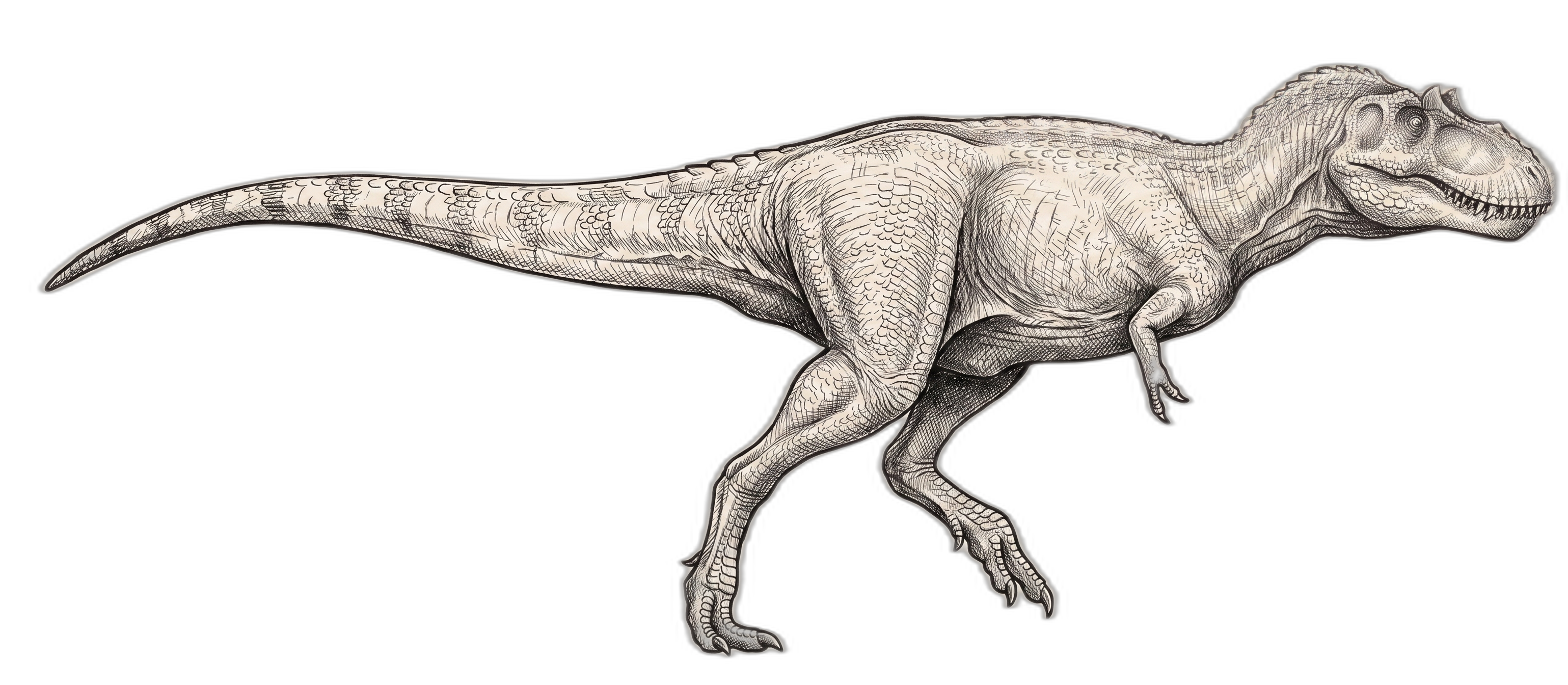
Gorgosaurus
Gorgosaurus libratus
Gorgosaurus was a large tyrannosaurid predator sharing the Judith River Formation with Zuul.
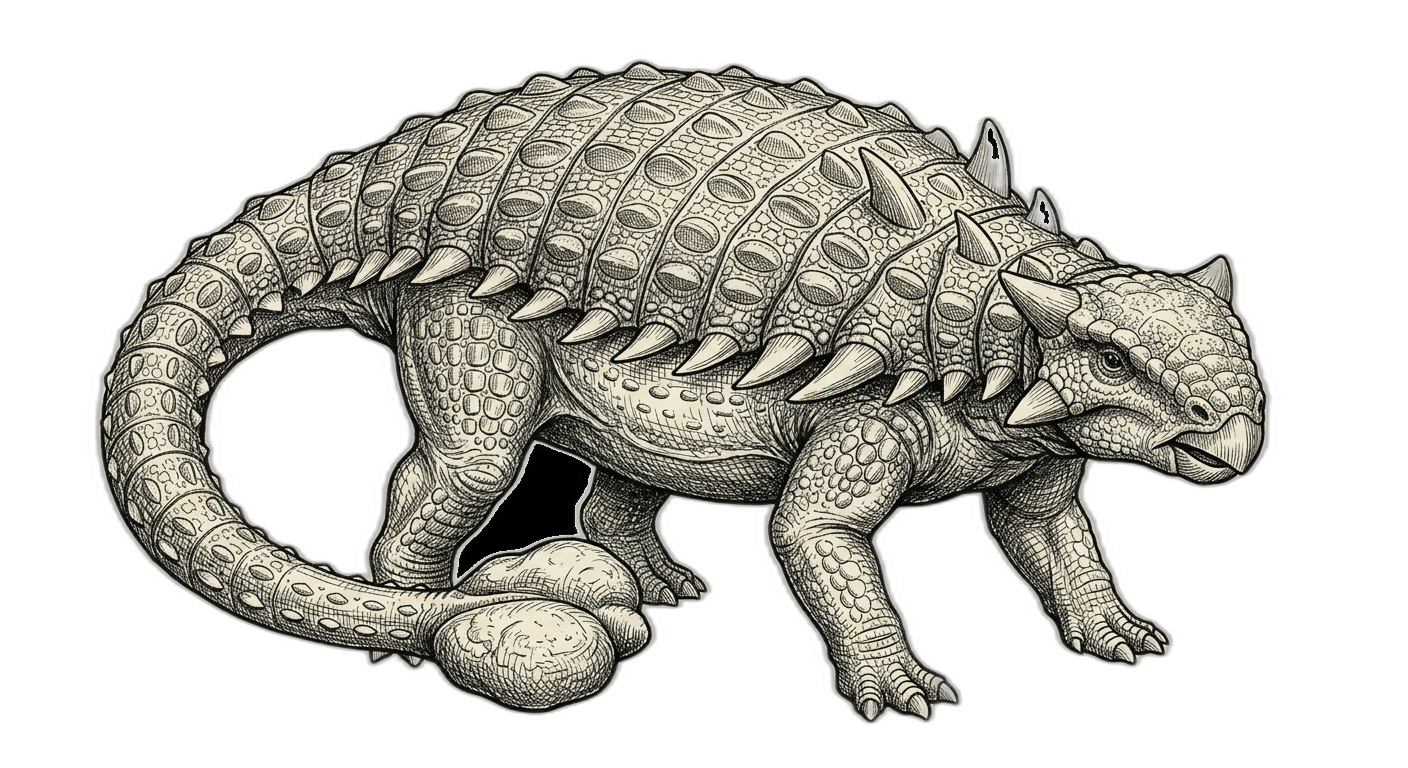
Ankylosaurus
Ankylosaurus magniventris
Both are members of Ankylosauridae representing the pinnacle of ankylosaur evolution in North America.
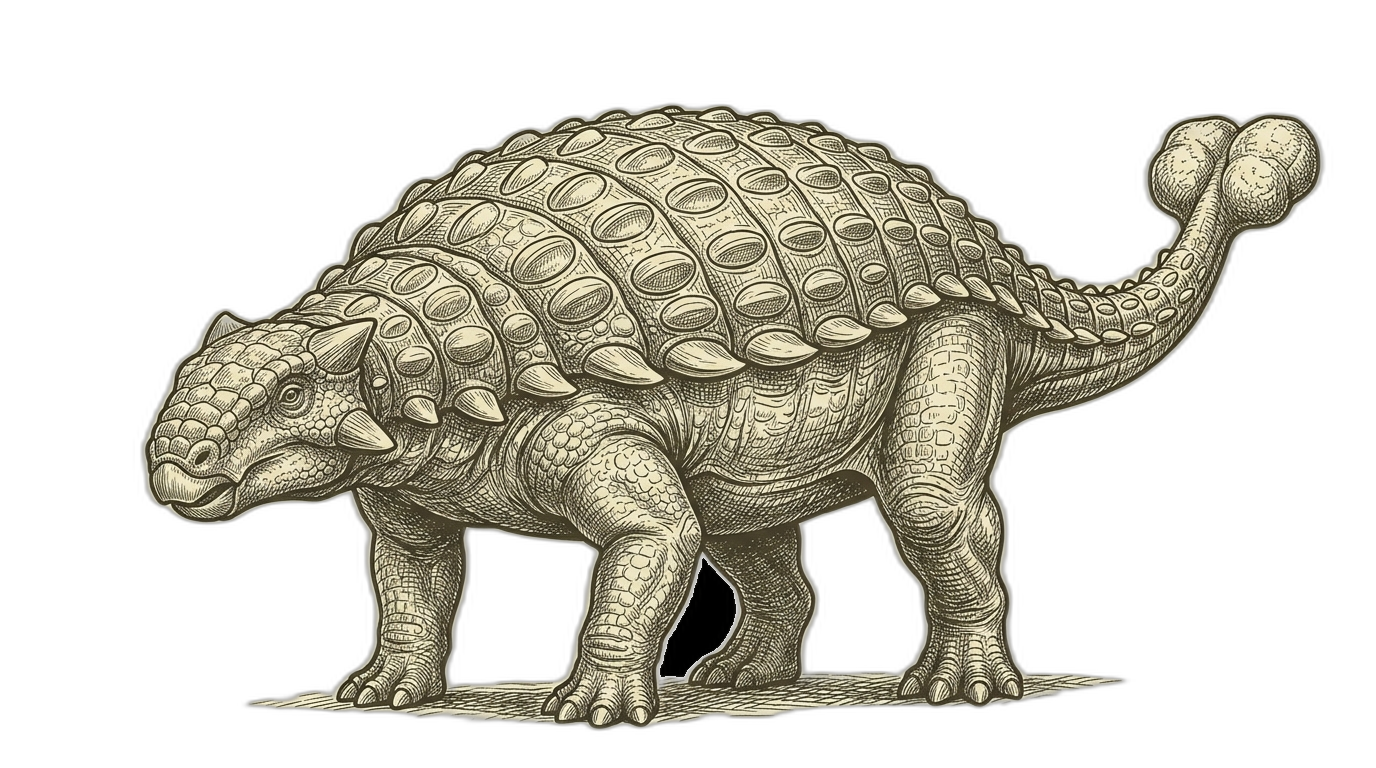
Euoplocephalus
Euoplocephalus tutus
Same family: Ankylosauridae
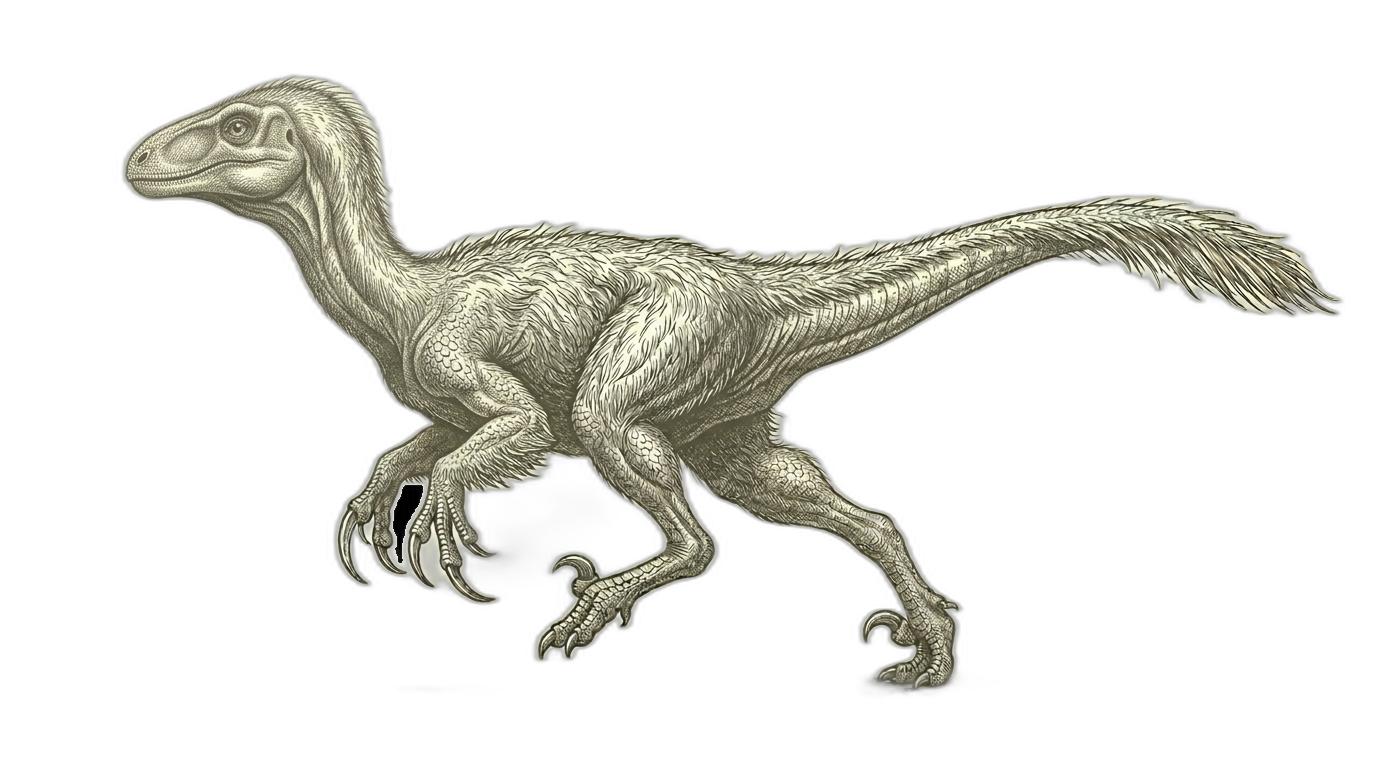
Troodon
Troodon formosus
Troodon is documented from the Judith River Formation alongside Zuul, representing a small intelligent predator in the same ecosystem.
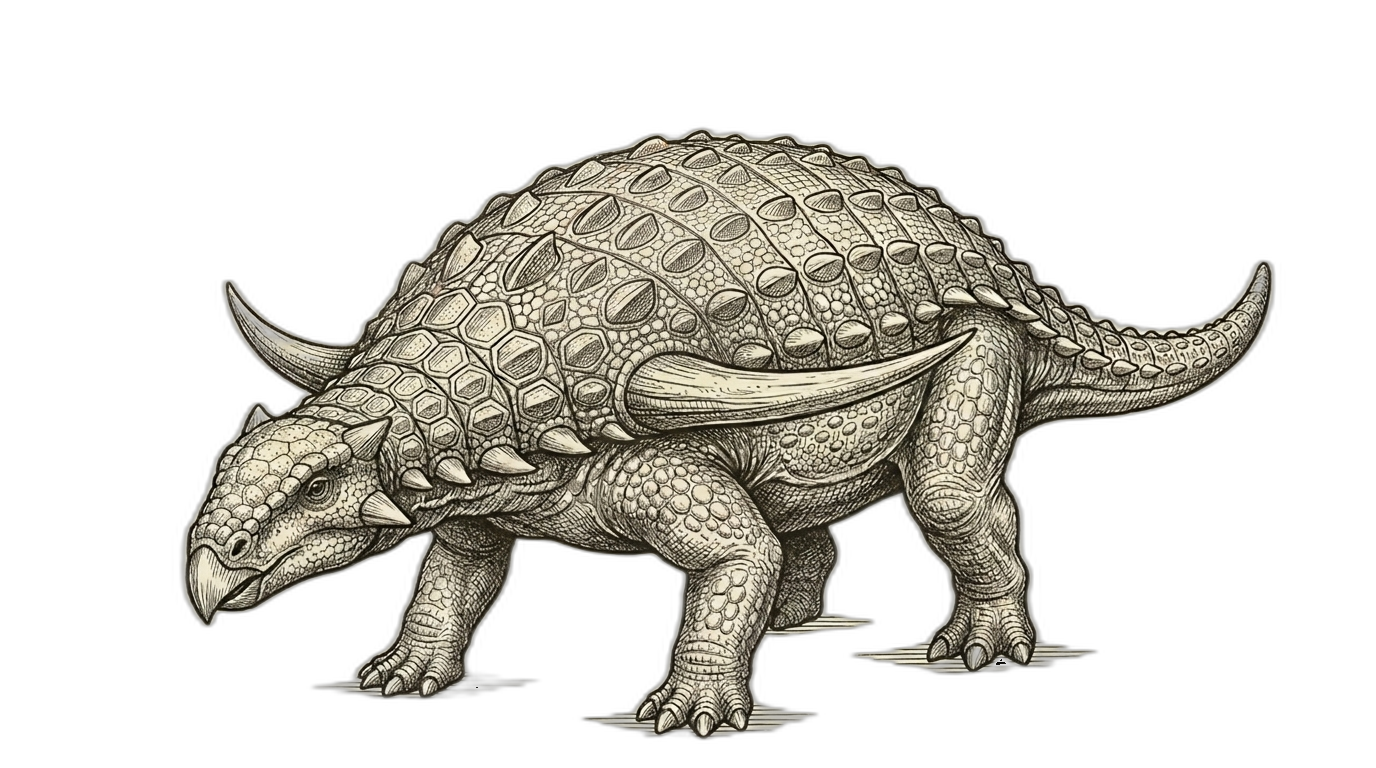
Borealopelta
Borealopelta markmitchelli
Both represent armored dinosaurs (Thyreophora) that independently evolved extensive body armor as anti-predator defense.
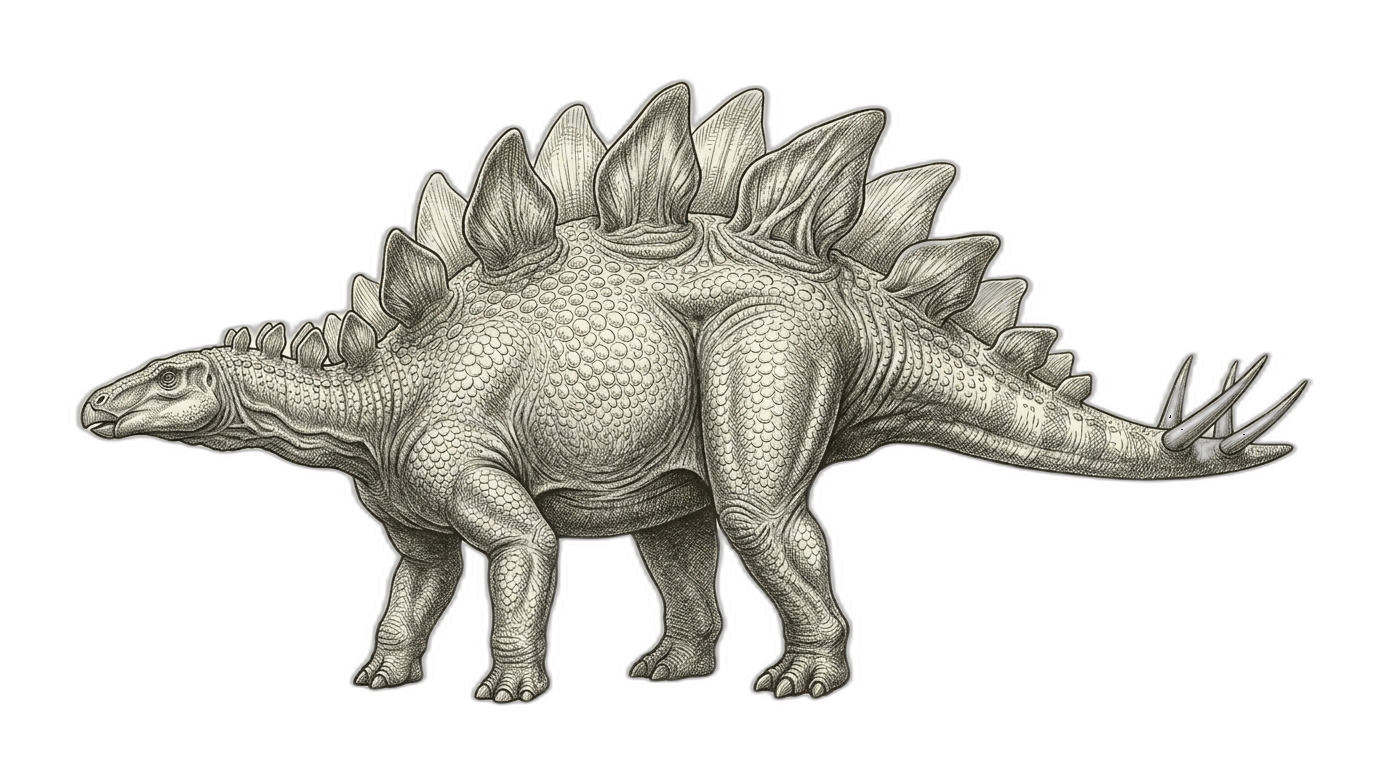
Stegosaurus
Stegosaurus stenops
Both are armored thyreophorans that evolved defensive tail weapons - Stegosaurus with its thagomizer spikes, Zuul with its bony tail club.
Sources & Citation
- Length estimates
- Arbour & Evans 2017; based on nearly complete holotype specimen
- Height estimates
- Estimated from holotype proportions; Arbour & Evans 2017
- Weight estimates
- Estimated based on body proportions; Arbour & Evans 2017
- Speed estimates
- General ankylosaurid locomotion estimates; no direct evidence for Zuul