About
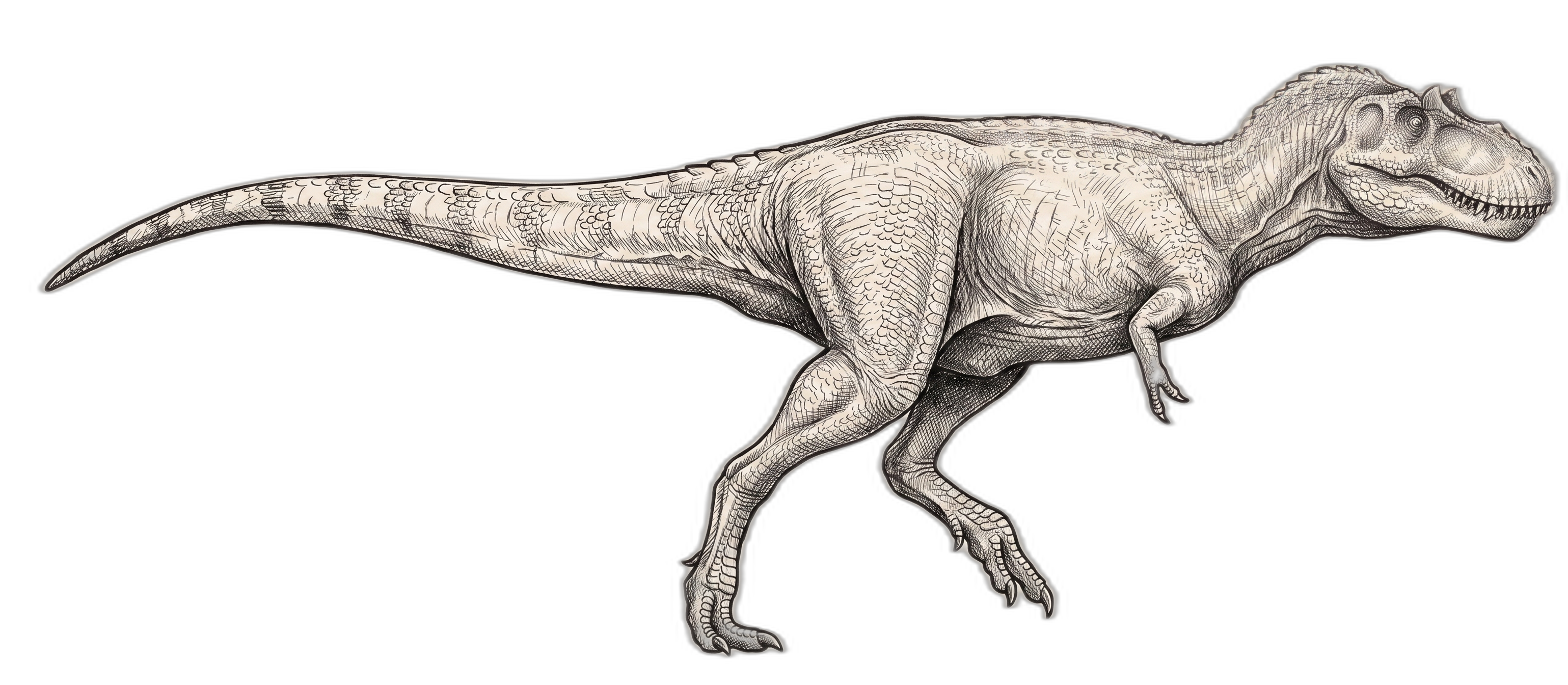
Gorgosaurus was a formidable tyrannosaurid predator that stalked the lush river valleys and coastal plains of Late Cretaceous North America approximately 76 to 75 million years ago. Slightly smaller and more lightly built than its famous relative Tyrannosaurus rex, Gorgosaurus was nonetheless an equipped with powerful jaws lined with teeth designed for crushing bone and tearing flesh. Its name, meaning "fierce lizard," aptly captures the terror it must have inspired in the hadrosaurs, ceratopsians, and other herbivores that shared its ecosystem.
The first Gorgosaurus remains were discovered in 1913 by Charles M. Sternberg along the Red Deer River in Alberta, Canada. Paleontologist Lawrence Lambe formally described the species in 1914, establishing it as a distinct member of the family. Since then, Gorgosaurus has become one of the best-known large theropods from the Campanian stage, with numerous specimens—including nearly complete skeletons—recovered from the Dinosaur Park Formation.
What makes Gorgosaurus particularly valuable to science is the range of specimens representing different growth stages. Paleontologists have been able to study juveniles, subadults, and fully mature individuals, revealing that these dinosaurs grew rapidly during their teenage years and underwent significant changes in skull shape and body proportions as they matured. Some specimens even preserve evidence of injuries, diseases, and healed bite wounds from conflicts with other tyrannosaurs.
Recent studies suggest Gorgosaurus may have been a more agile hunter than the later, heavier tyrannosaurs, possibly capable of pursuing prey with greater speed. Its slightly longer legs relative to body size and lighter build hint at a predatory style suited to the diverse megafauna of Campanian Alberta, where it likely competed with or avoided the slightly larger Daspletosaurus in overlapping territories.
Quick Facts
- Scientific name
- Gorgosaurus libratus
- Group
- Tyrannosaur · Tyrannosauridae
- Lived
- Late Cretaceous, 76.6–75.1 million years ago
- Diet
- Carnivore
- Movement
- Walked on two legs
- Fossils found in
- Dinosaur Park Formation and Judith River Formation (Alberta, Montana, Canada, United States)
- Discovery credited to
- 1913, Charles M. Sternberg
- Holotype
- NMC 2120 · Canadian Museum of Nature, Ottawa
- DinoVault record
- DVL-0060
Where fossils were found
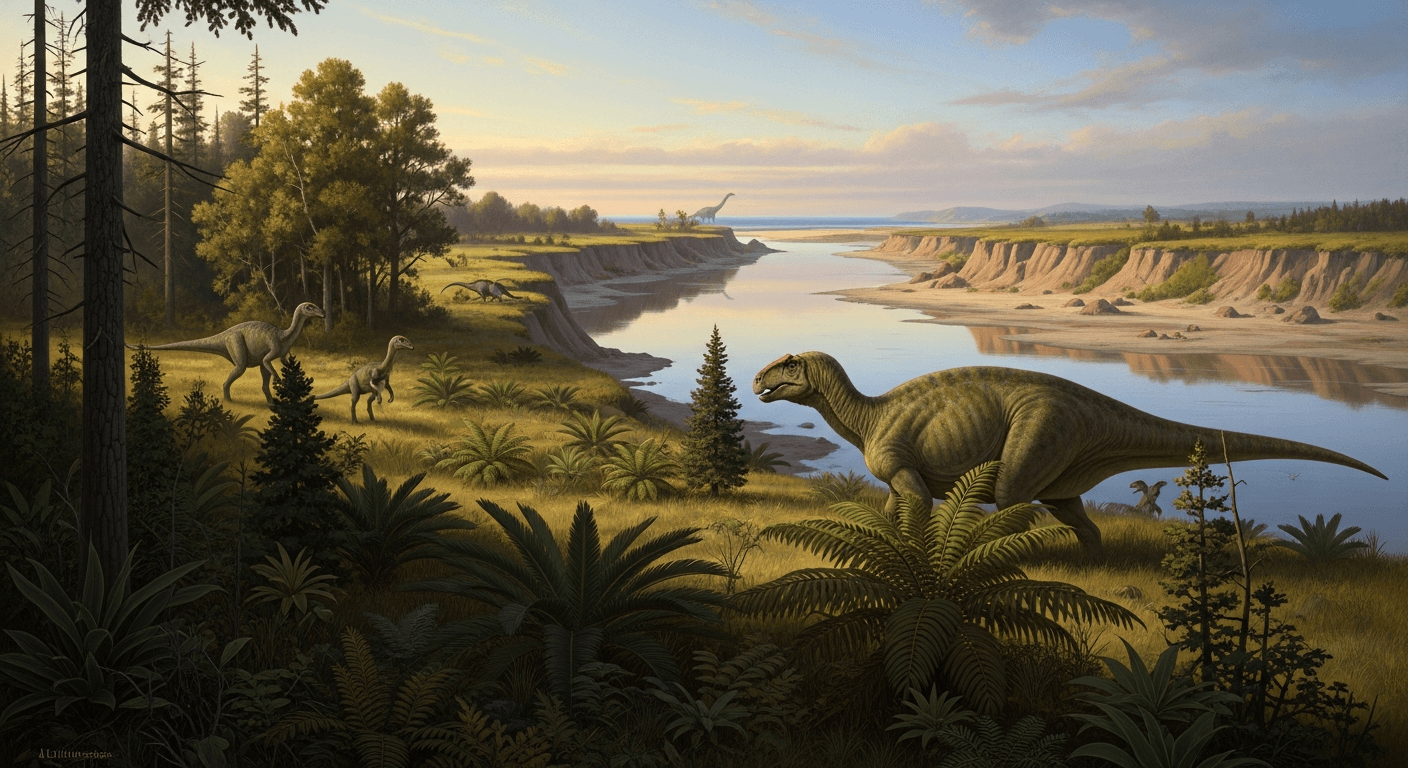
Dinosaur Park Formation
+1 more formation
Alberta, Montana · Canada, United States
76.6–75.1 million years ago(1.5m year span)
Where Gorgosaurus Roamed
Gorgosaurus libratus roamed the lush coastal plains of Laramidia, the western island continent created by the shallow Western Interior Seaway that divided North America during the Late Cretaceous. This warm, humid environment featured meandering rivers, swampy lowlands, and dense forests of conifers and flowering plants that supported a rich ecosystem of dinosaurs and other prehistoric life.
Keep exploring the vault
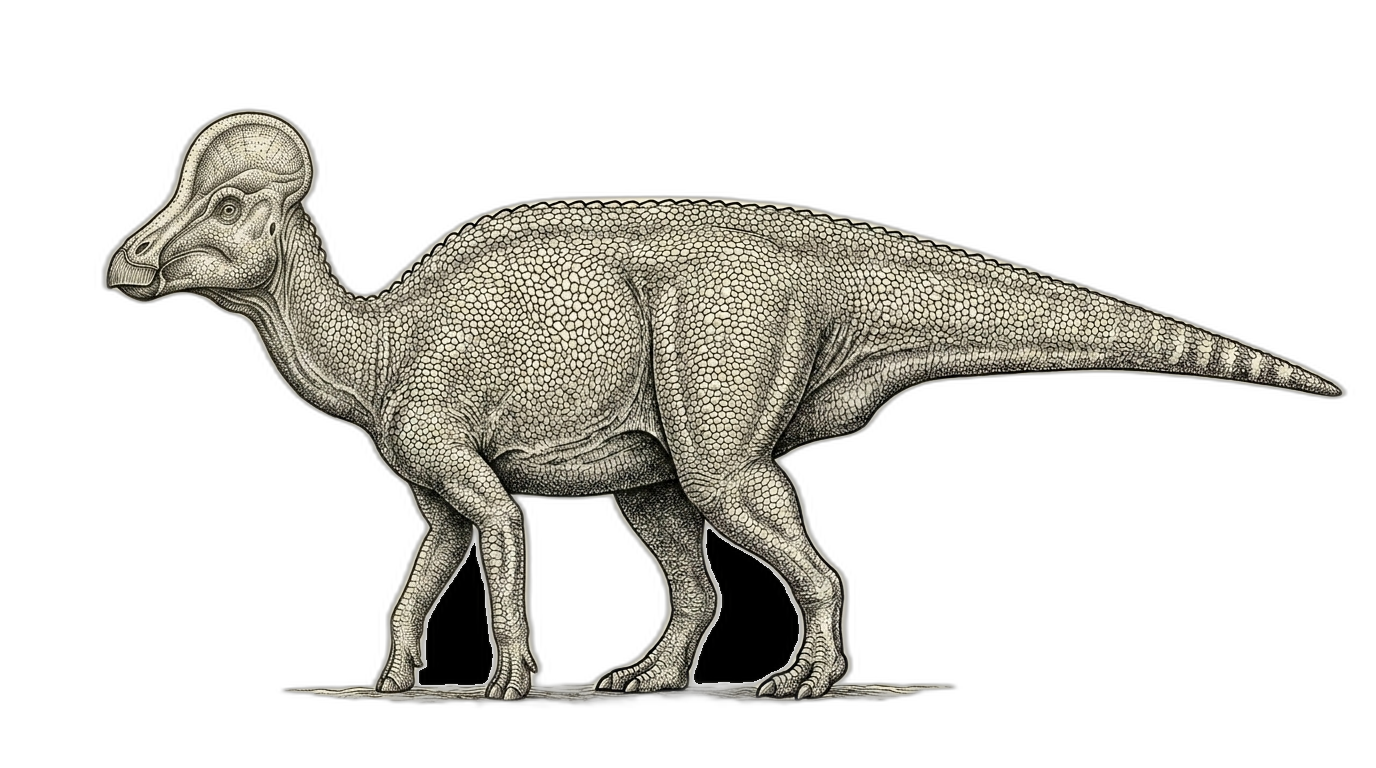
Corythosaurus
Corythosaurus casuarius
Gorgosaurus and Corythosaurus co-occur in the Dinosaur Park Formation.
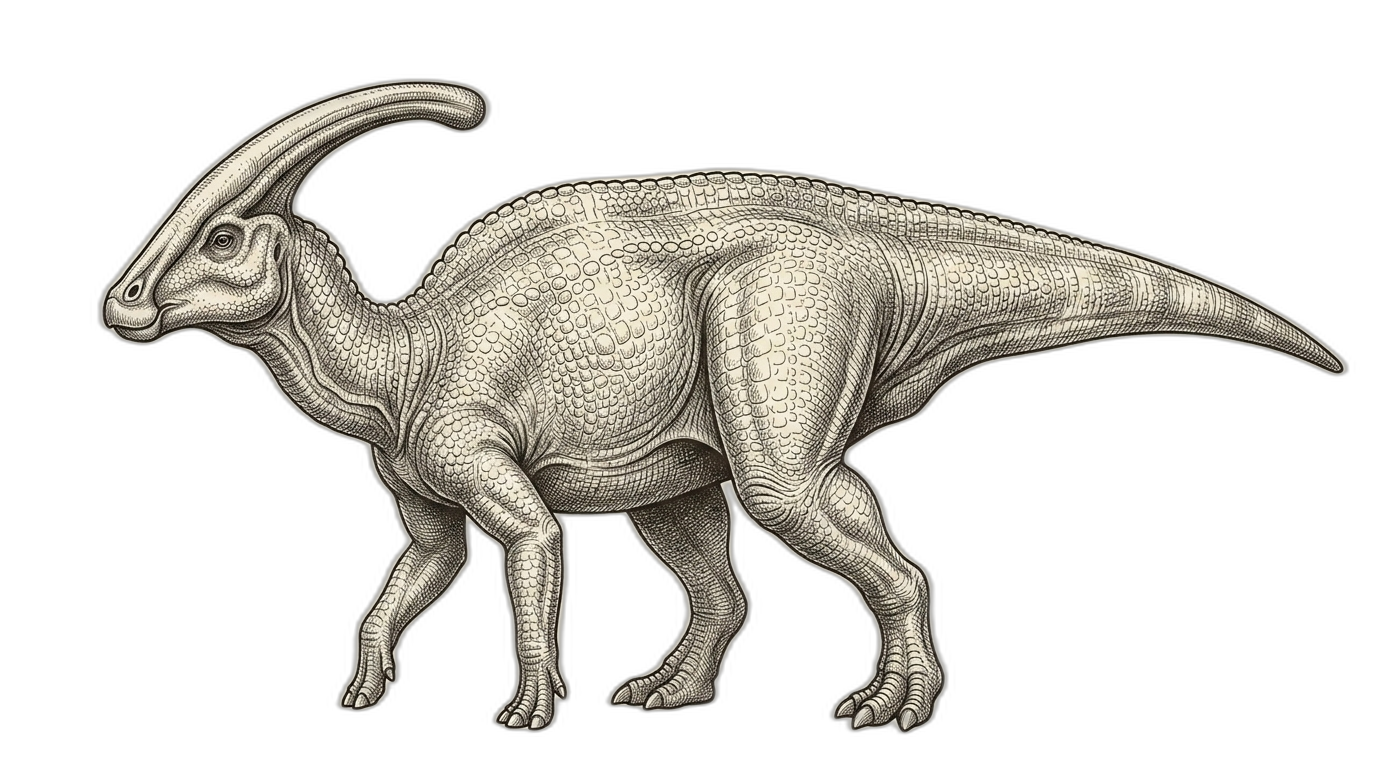
Parasaurolophus
Both species occur in the Dinosaur Park Formation.
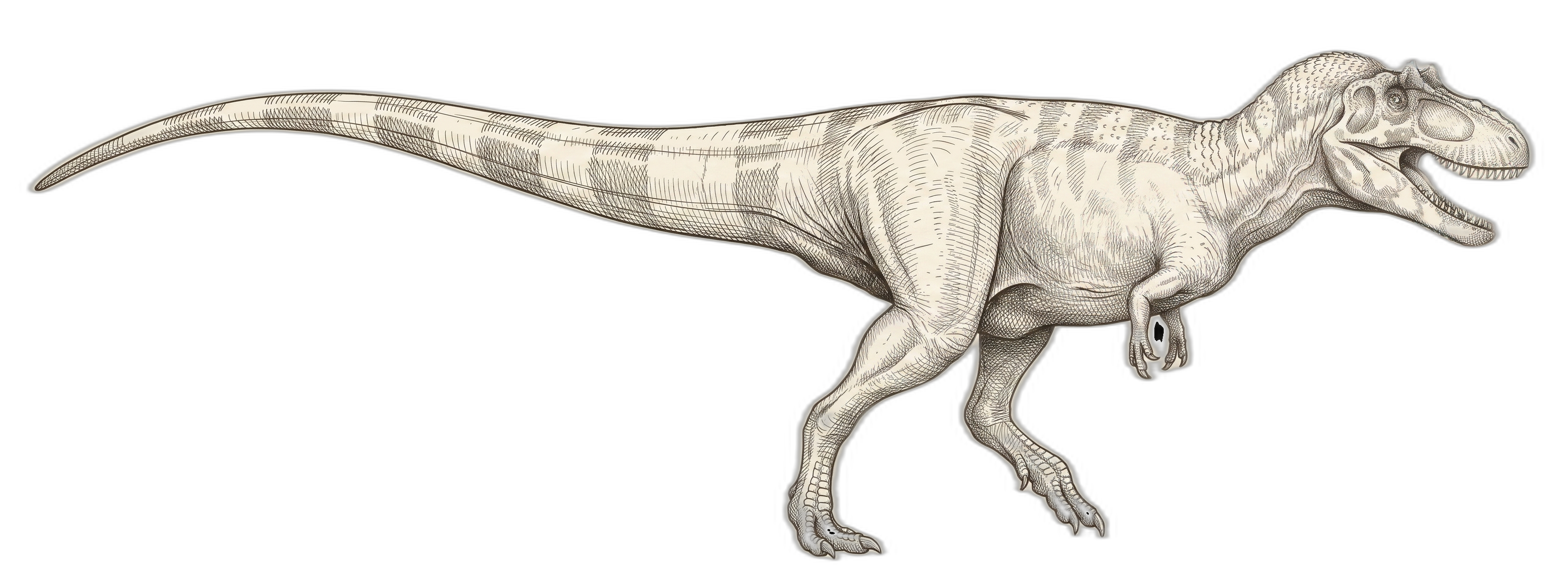
Albertosaurus
Albertosaurus sarcophagus
Though Albertosaurus is primarily known from slightly younger deposits (Horseshoe Canyon), both tyrannosaurids occupied similar apex predator niches in Late Cretaceous Alberta.
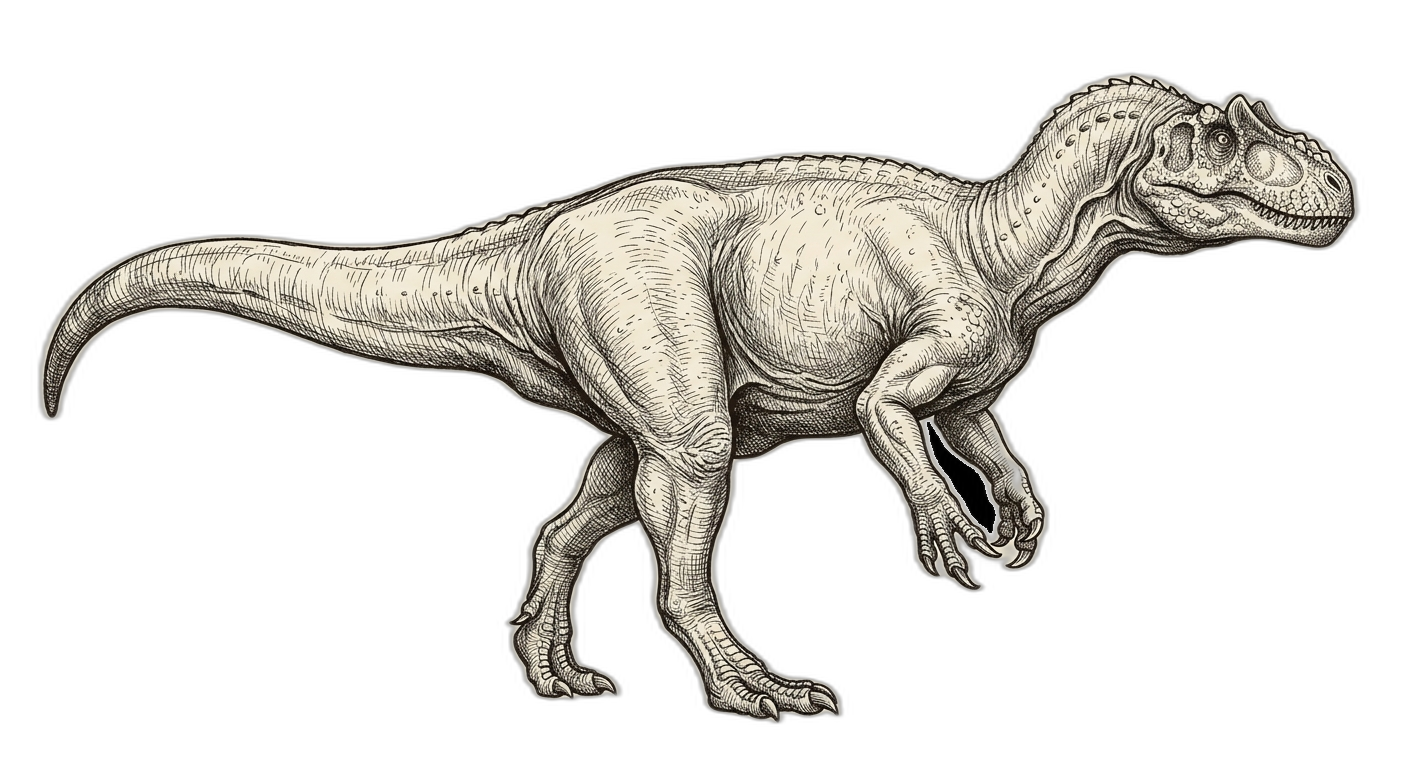
Allosaurus
Allosaurus fragilis
Both represent apex theropod predators of their respective eras, showing convergent adaptations for megapredation including powerful jaws, reduced forelimbs, and robust hindlimbs.
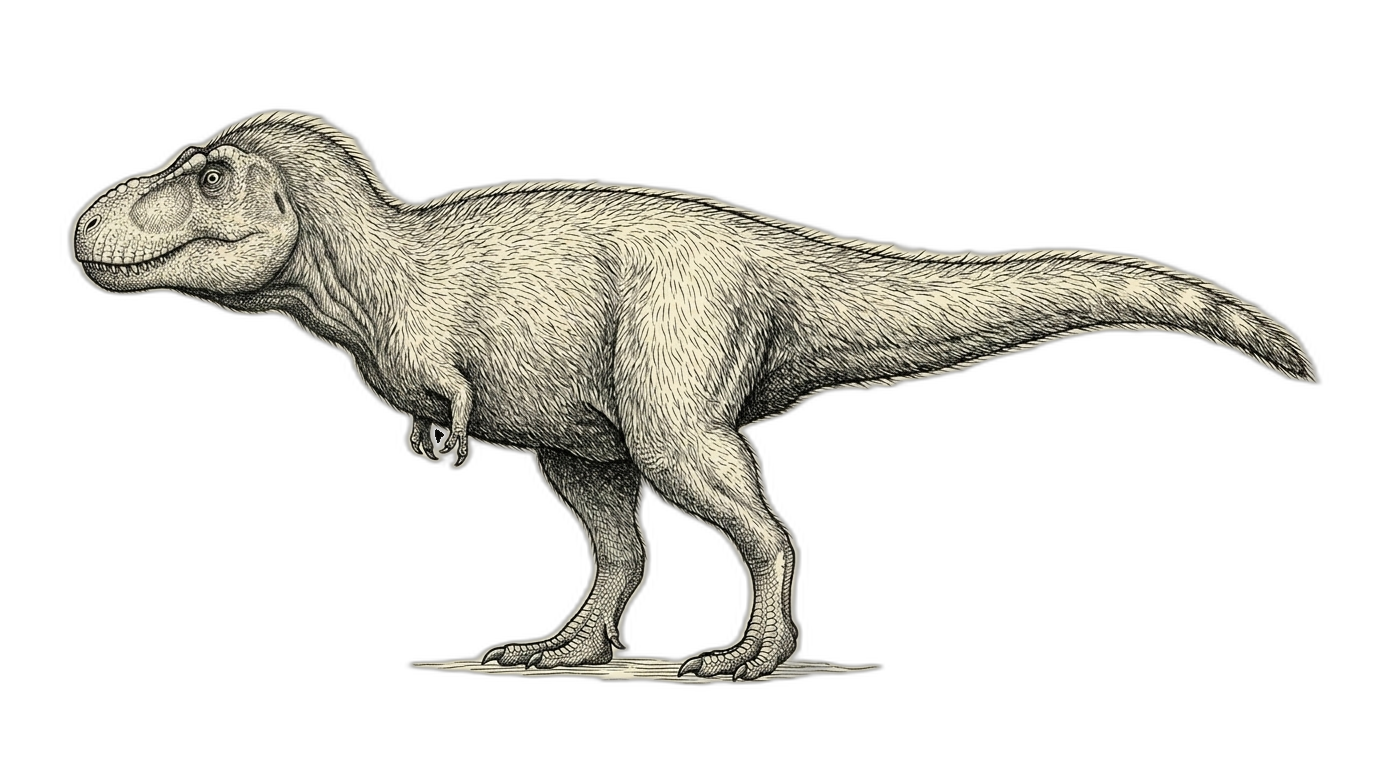
Nanuqsaurus
Nanuqsaurus hoglundi
Same family: Tyrannosauridae
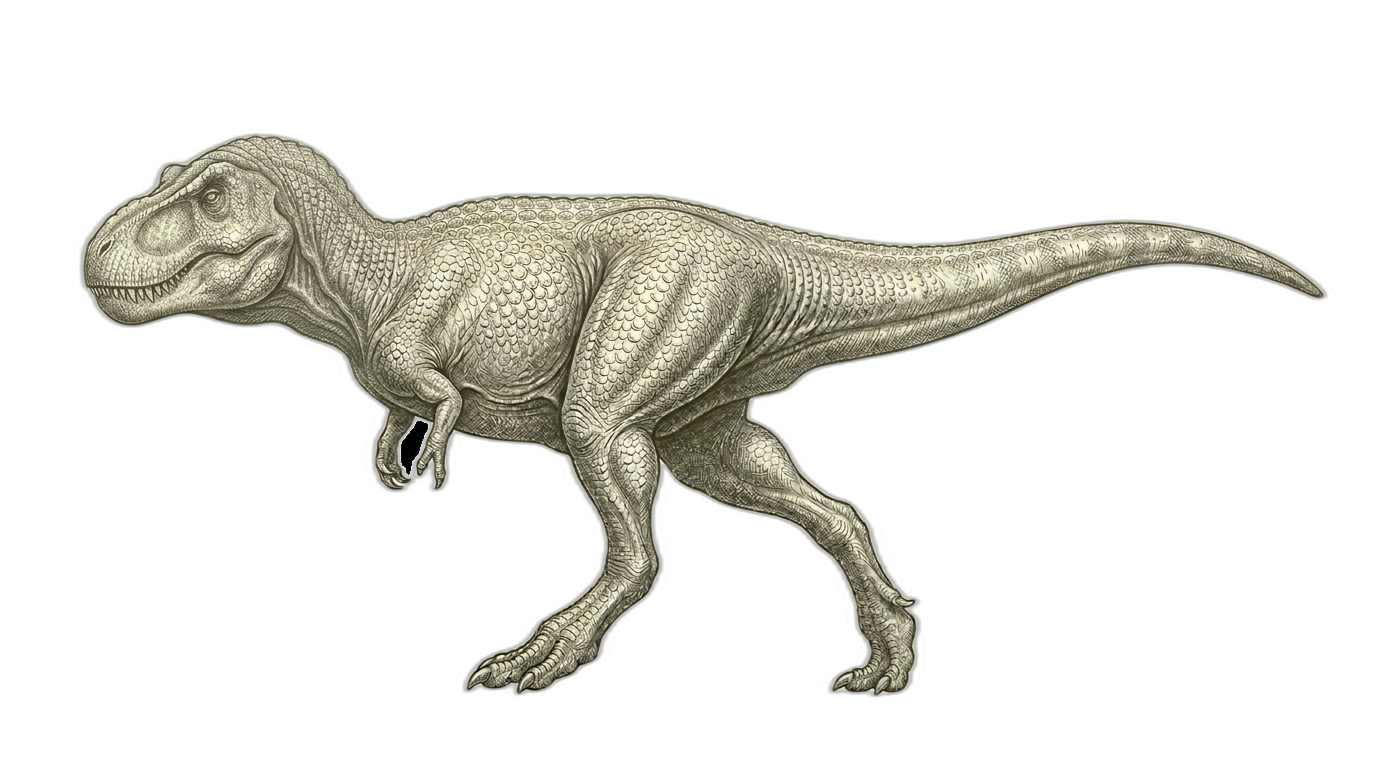
T-Rex
Tyrannosaurus rex
Same family: Tyrannosauridae
Sources & Citation
- Length estimates
- Currie 2003; multiple complete specimens from Dinosaur Park Formation
- Height estimates
- Estimated hip height from complete skeletal mounts; Currie 2003
- Weight estimates
- Mass estimates vary; Therrien & Henderson 2007; Persons et al. 2020
- Speed estimates
- Biomechanical estimates for large tyrannosaurids; Hutchinson 2004