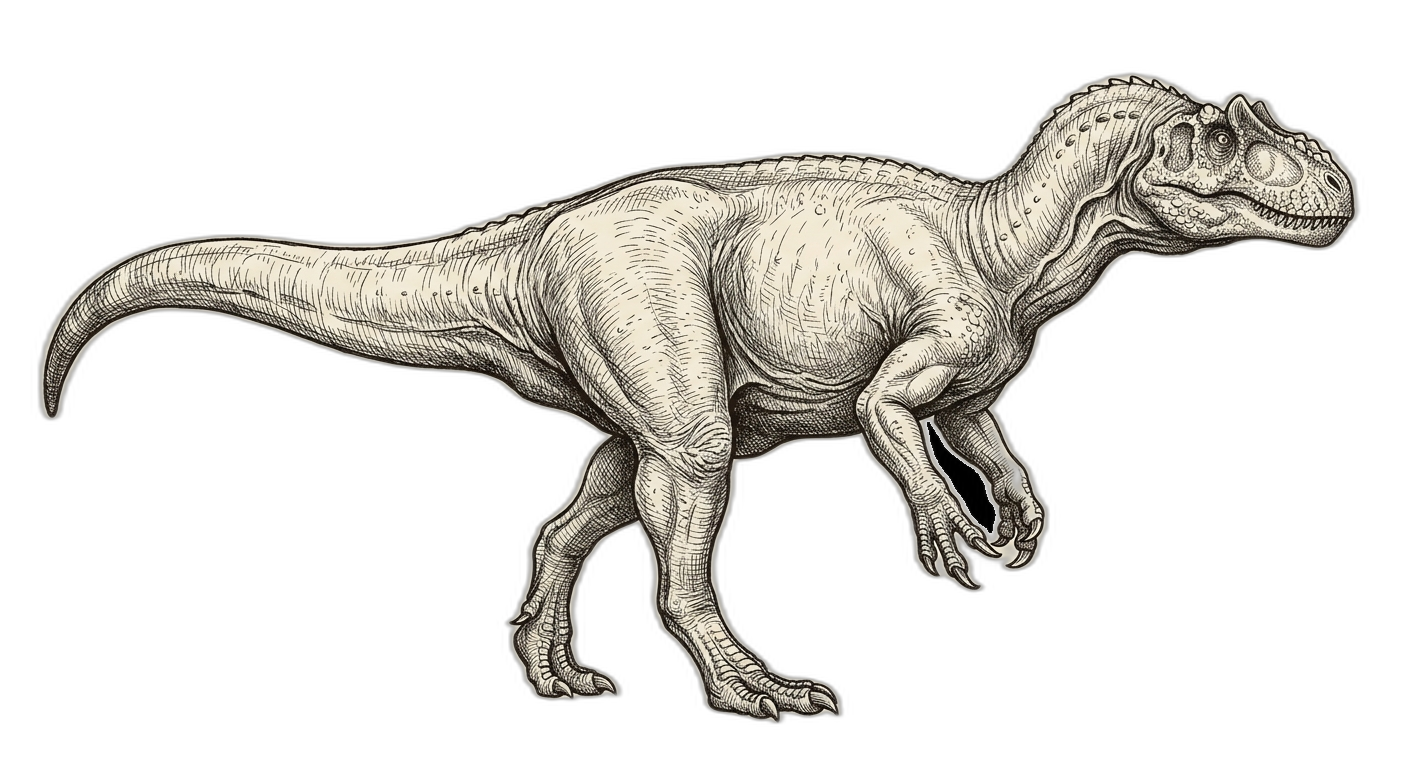
About
Allosaurus fragilis was the of Late Jurassic North America, a powerful built for active hunting. With a massive skull armed with dozens of , blade-like teeth and powerful three-fingered arms tipped with sharp claws, it was superbly equipped to take down the giant sauropods and stegosaurs that shared its world. Its name, meaning "different lizard," refers to the distinctive hollowed-out that made its skeleton surprisingly lightweight for its size.
Allosaurus holds a special place in paleontology as one of the best-understood large theropods thanks to an extraordinary abundance of fossil material. The Cleveland-Lloyd Dinosaur Quarry in Utah alone has yielded remains from at least 46 individual Allosaurus, ranging from juveniles to full-grown adults. This wealth of specimens has allowed scientists to study its growth patterns, individual variation, and even pathologies — including healed injuries that tell stories of violent lives.
The genus was first described by Othniel Charles Marsh in 1877 during the "Bone Wars," the famous rivalry between Marsh and Edward Drinker Cope that unearthed so many American dinosaurs. For much of the 20th century, the name Antrodemus was mistakenly used for this animal, but detailed study of the Cleveland-Lloyd material in the 1970s restored Allosaurus to its rightful prominence.
Beyond North America's Morrison Formation, Allosaurus fossils have been found in Portugal, suggesting these predators ranged across a much larger territory when shallow seas didn't separate the continents. Some specimens show evidence of infected bite wounds, broken ribs, and stress fractures — testament to the dangerous business of being a Jurassic apex predator.
Quick Facts
- Scientific name
- Allosaurus fragilis
- Group
- Theropod · Allosauridae
- Lived
- Late Jurassic, 155.7–145 million years ago
- Diet
- Carnivore
- Movement
- Walked on two legs
- Fossils found in
- Morrison Formation (United States)
- Discovery credited to
- 1877, Othniel Charles Marsh
- Holotype
- YPM 1930 · Yale Peabody Museum, New Haven
- DinoVault record
- DVL-0004
Where fossils were found
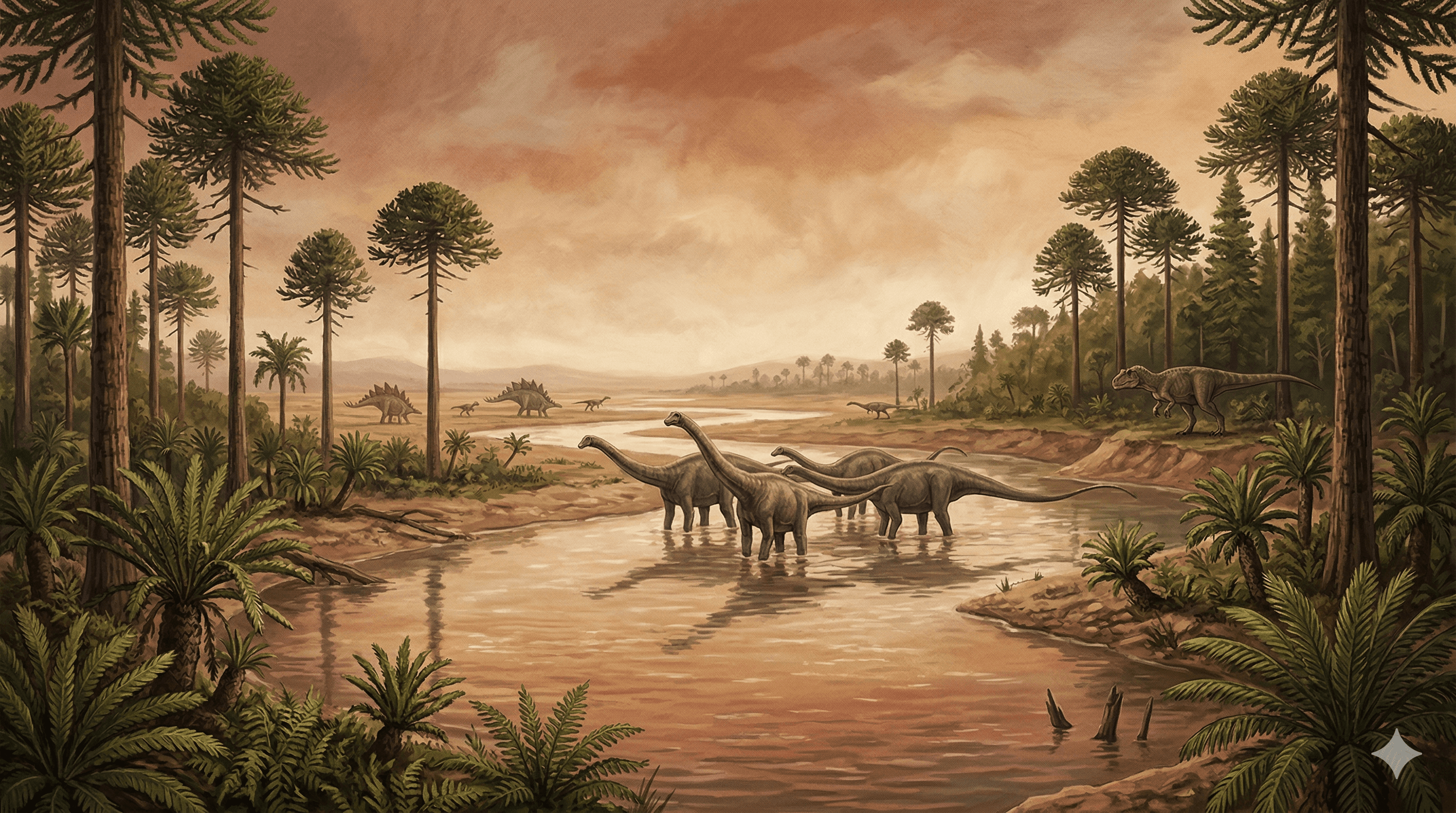
Morrison Formation
Colorado, Utah, Wyoming, Montana +6 more · United States
155.7–145 million years ago(10.7m year span)
Where Allosaurus Roamed
During the Late Jurassic, *Allosaurus fragilis* roamed the semi-arid floodplains and river channels of the Morrison Formation across western Laurasia, a landscape characterized by seasonal wetlands, conifer forests, and fern-lined waterways nestled between ancient mountain ranges and vast interior basins far from the retreating Sundance Sea.
Keep exploring the vault
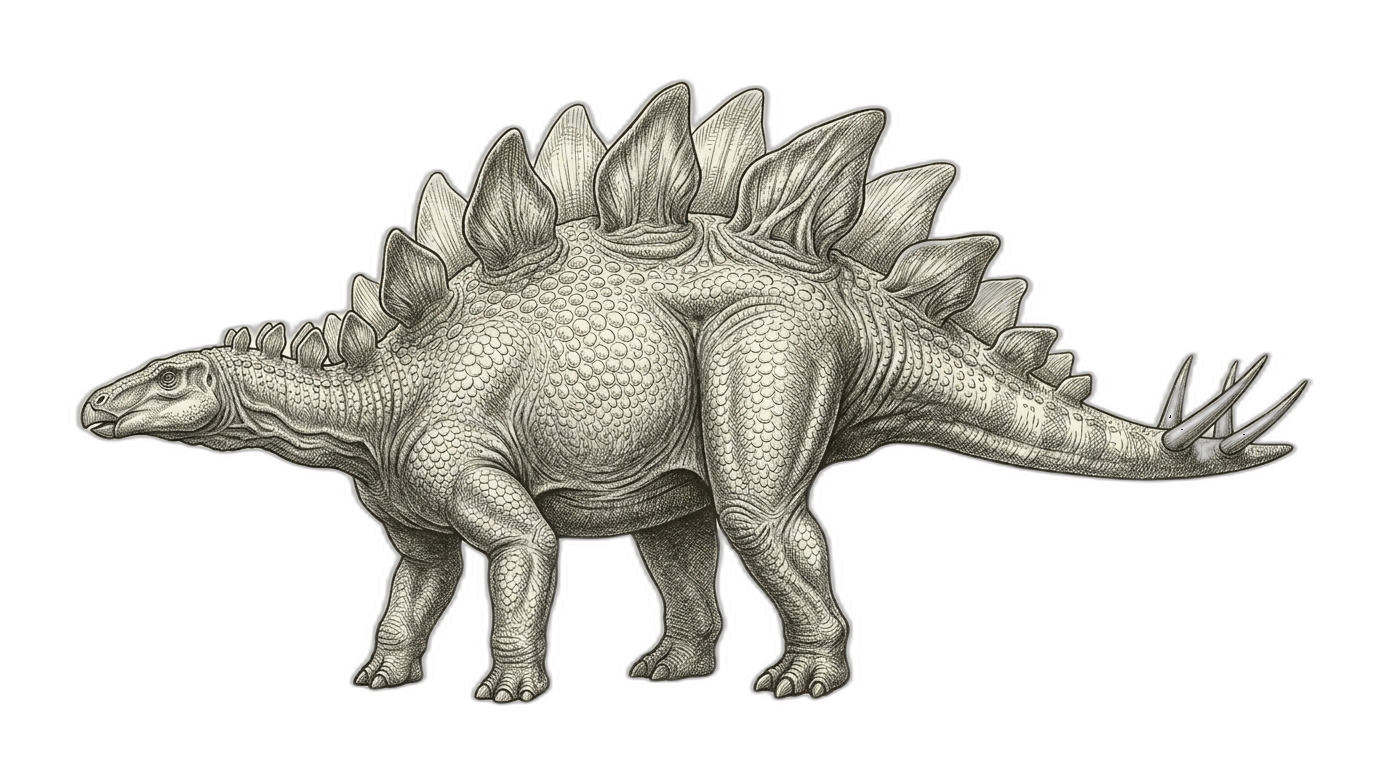
Stegosaurus
Stegosaurus stenops
An Allosaurus caudal vertebra shows a pathological wound matching the dimensions and shape of a Stegosaurus tail spike (thagomizer), indicating direct combat.
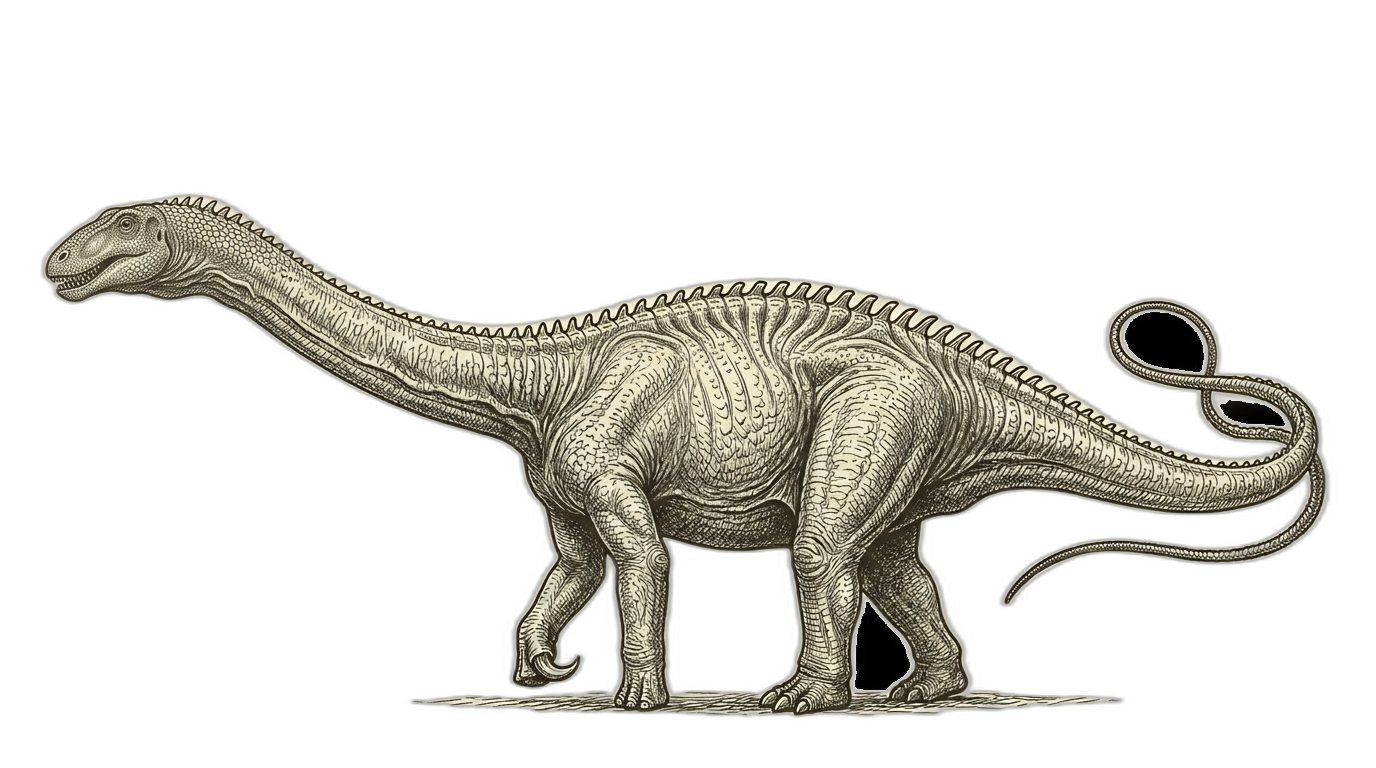
Diplodocus
Diplodocus carnegii
Diplodocus vertebrae and bones from the Morrison Formation show theropod bite marks consistent with Allosaurus-sized predators.
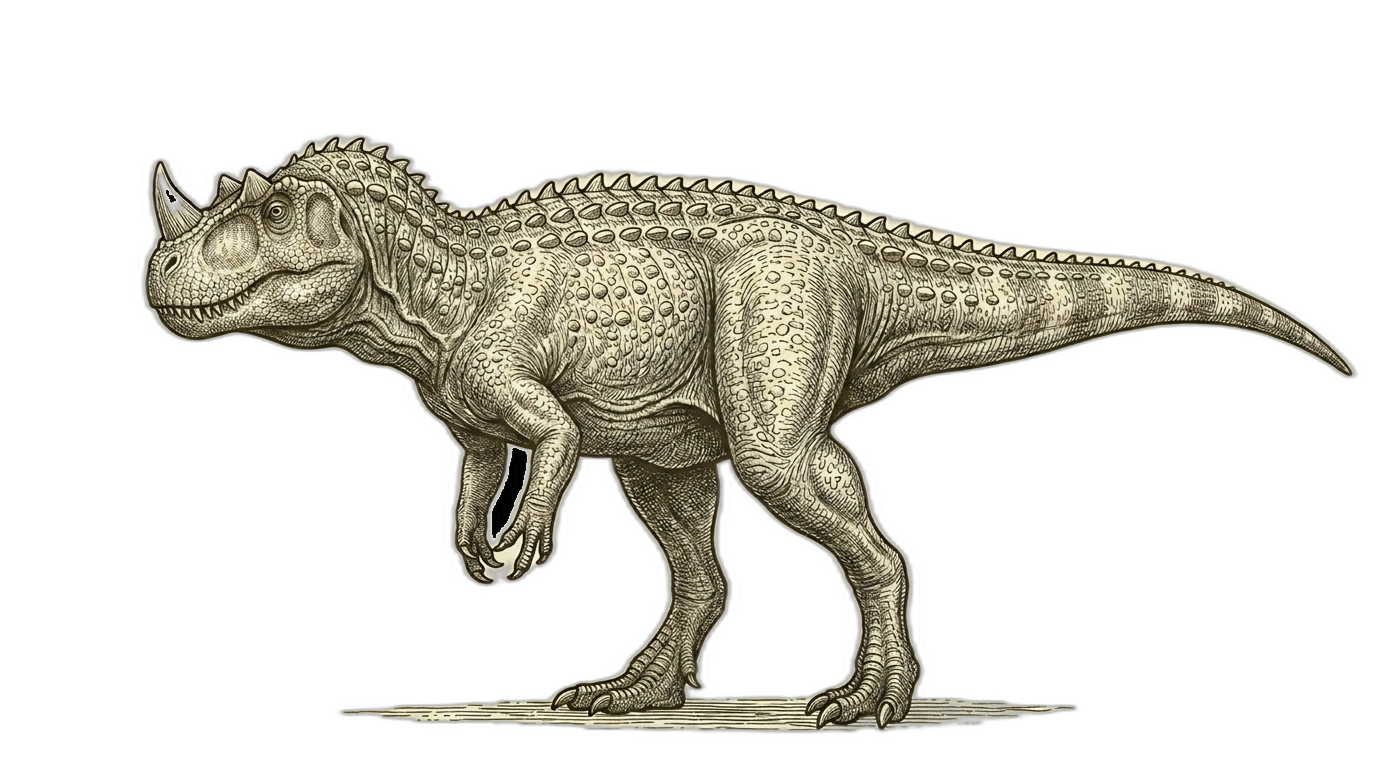
Ceratosaurus
Ceratosaurus nasicornis
Both large theropod carnivores from the same Morrison Formation deposits, often found at the same quarry sites.
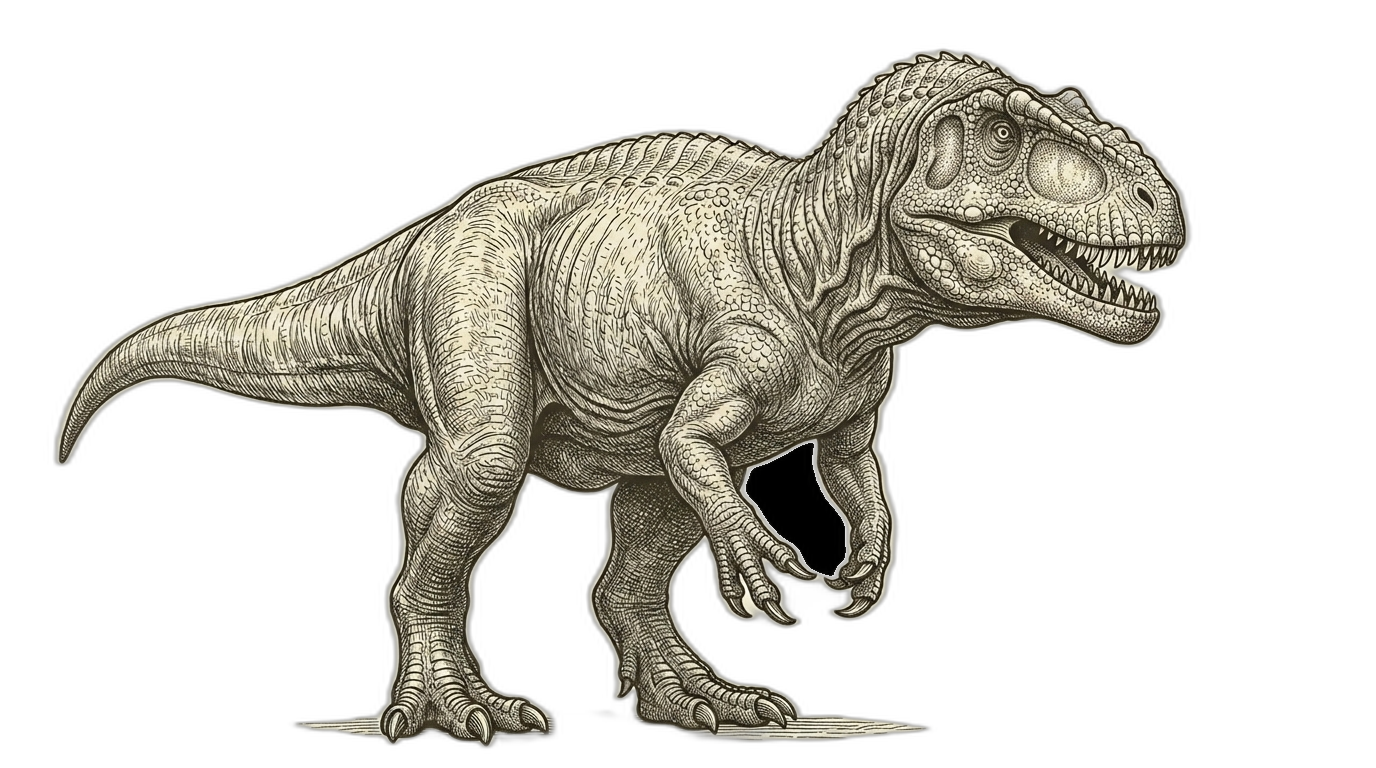
Giganotosaurus
Giganotosaurus carolinii
Both are large allosauroid theropods that convergently evolved into apex predators of their respective sauropod-dominated ecosystems—Allosaurus in Late Jurassic North America, Giganotosaurus in mid-Cretaceous South America.
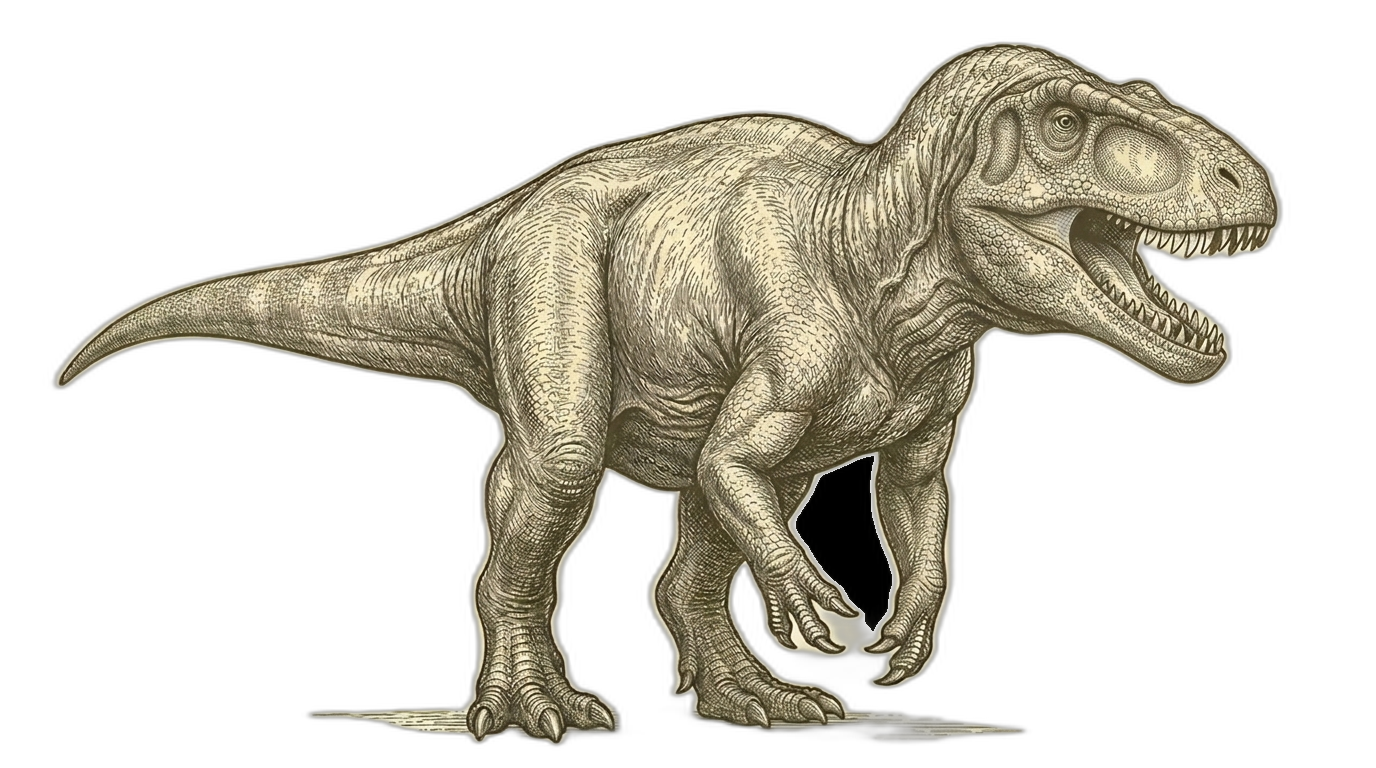
Carcharodontosaurus
Carcharodontosaurus saharicus
Carcharodontosaurus is a descendant lineage within Allosauroidea, representing the continuation of the large slashing-predator body plan Allosaurus pioneered.
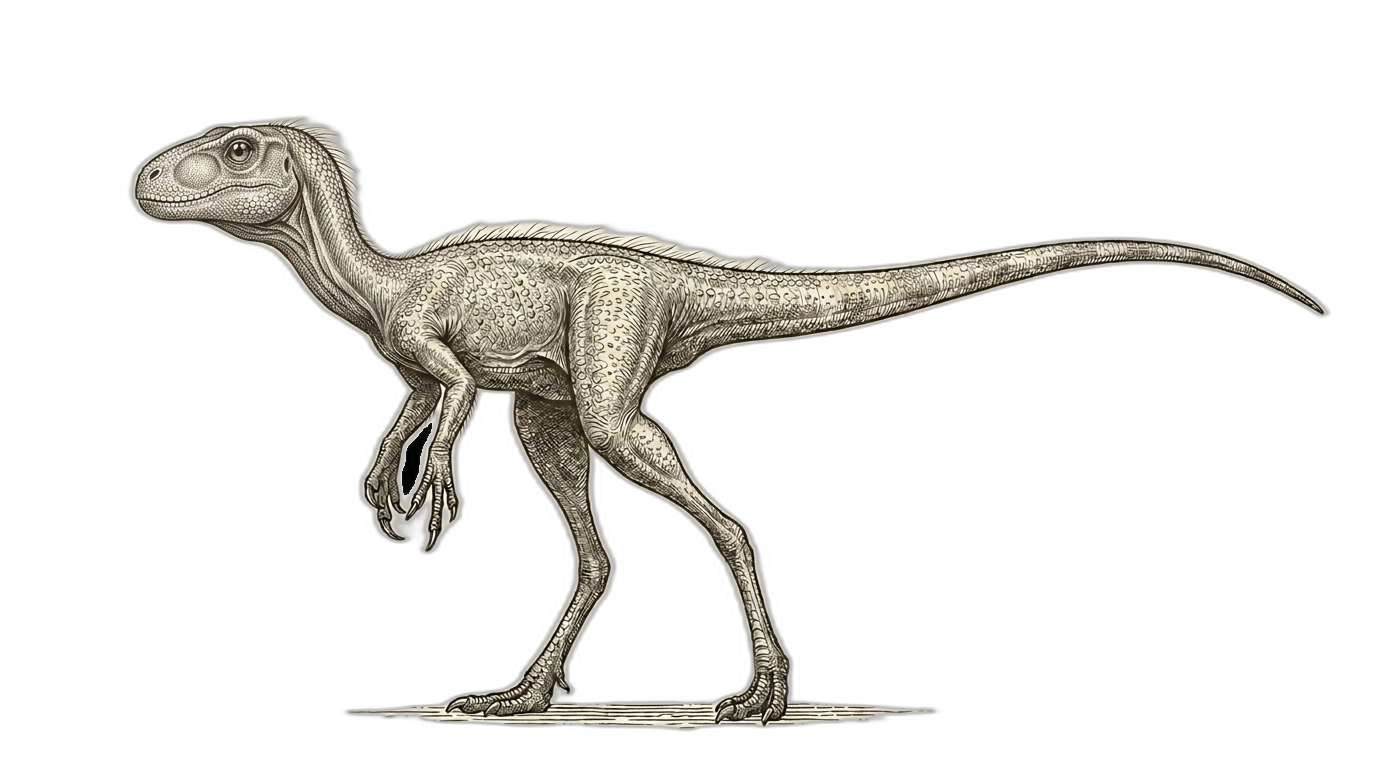
Compsognathus
Compsognathus longipes
Allosaurus was the apex predator of Late Jurassic ecosystems and would opportunistically prey on any small vertebrate including Compsognathus-sized theropods, though such small prey was likely not a primary food source.
Sources & Citation
- Length estimates
- Madsen 1976; Paul 2010; multiple complete specimens
- Height estimates
- Madsen 1976; hip height from mounted specimens
- Weight estimates
- Bates et al. 2009; Paul 2010; varies with methodology
- Speed estimates
- Sellers & Manning 2007; biomechanical modeling estimates