About
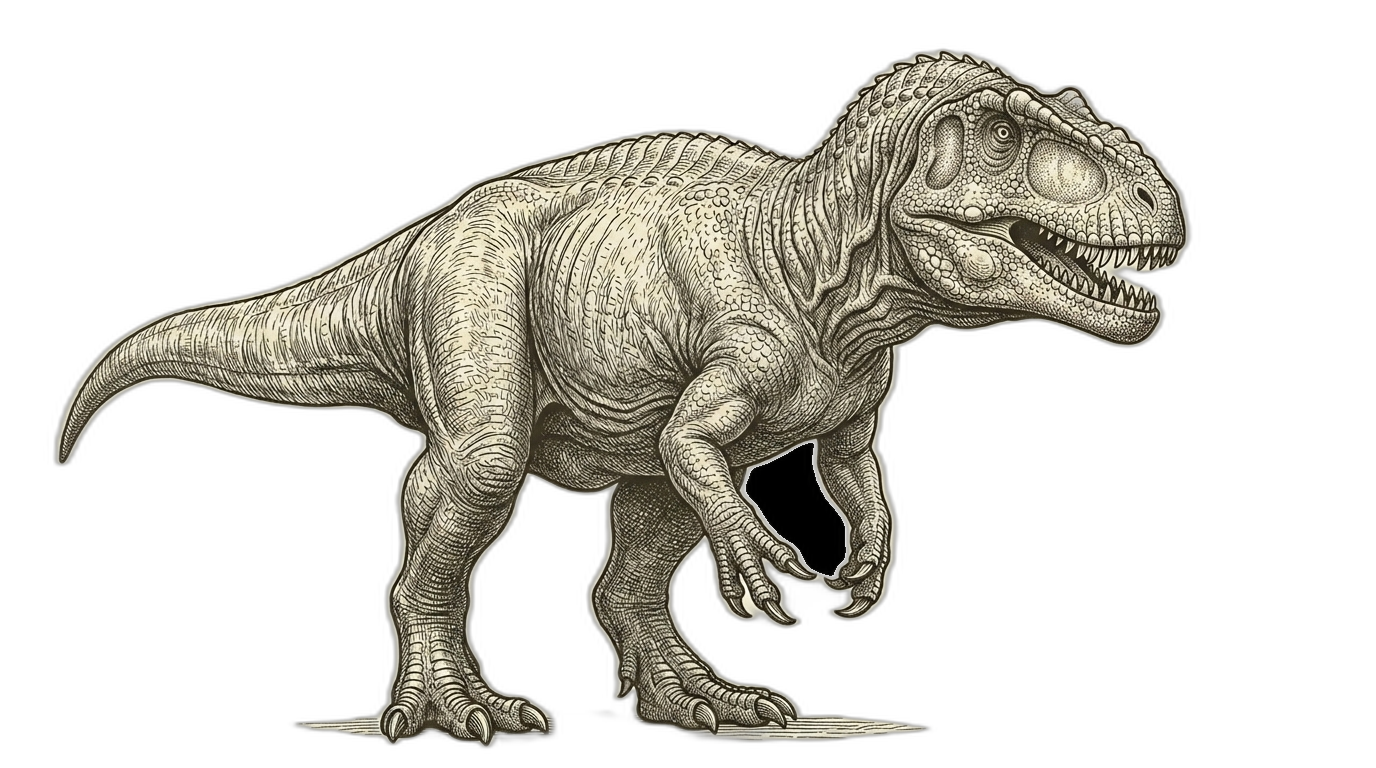
Giganotosaurus carolinii was a colossal predator that stalked the floodplains of Patagonia during the early Late Cretaceous, roughly 99 to 95 million years ago. As a member of the — the "shark-toothed lizards" — it possessed blade-like, teeth designed for slicing through flesh rather than crushing bone like its distant cousin Tyrannosaurus rex. Its skull alone measured over 1.5 meters long, housing relatively small eyes positioned for that would have helped it judge distances when attacking prey.
This shared its environment with enormous dinosaurs like Andesaurus and the Argentinosaurus, which may have been among its prey. Some paleontologists have speculated that Giganotosaurus might have hunted in groups to bring down such massive animals, though direct evidence for remains elusive. Its powerful hind legs and relatively light build for its size suggest it was capable of pursuing prey with surprising speed for an animal of its dimensions.
The specimen was discovered in 1993 by amateur fossil hunter Rubén Carolini in the Candeleros Formation of Neuquén Province, Argentina. Paleontologists Rodolfo Coria and Leonardo Salgado formally described and named the species in 1995, honoring its discoverer with the species name. The skeleton, approximately 70% complete, caused a sensation because initial measurements suggested it might be larger than Tyrannosaurus rex, igniting debates about theropod gigantism that continue today.
Despite its fearsome reputation, Giganotosaurus had a proportionally smaller brain than T. rex, with an elongated shape more similar to a banana than the robust of tyrannosaurs. This doesn't mean it was unintelligent — it was clearly a successful predator — but it hints at different hunting strategies and sensory capabilities between these two lineages of giant carnivores that evolved on separate continents.
Quick Facts
- Scientific name
- Giganotosaurus carolinii
- Group
- Theropod · Carcharodontosauridae
- Lived
- Late Cretaceous, 93.9–89.8 million years ago
- Diet
- Carnivore
- Movement
- Walked on two legs
- Fossils found in
- Candeleros Formation and Huincul Formation (Neuquén, Argentina)
- Discovery credited to
- 1993, Rubén Carolini
- Holotype
- MUCPv-Ch1 · Museo de la Universidad Nacional del Comahue, Neuquén
- DinoVault record
- DVL-0057
Where fossils were found
Candeleros Formation
+1 more formation
Neuquén · Argentina
93.9–89.8 million years ago(4.1m year span)
Where Giganotosaurus Roamed
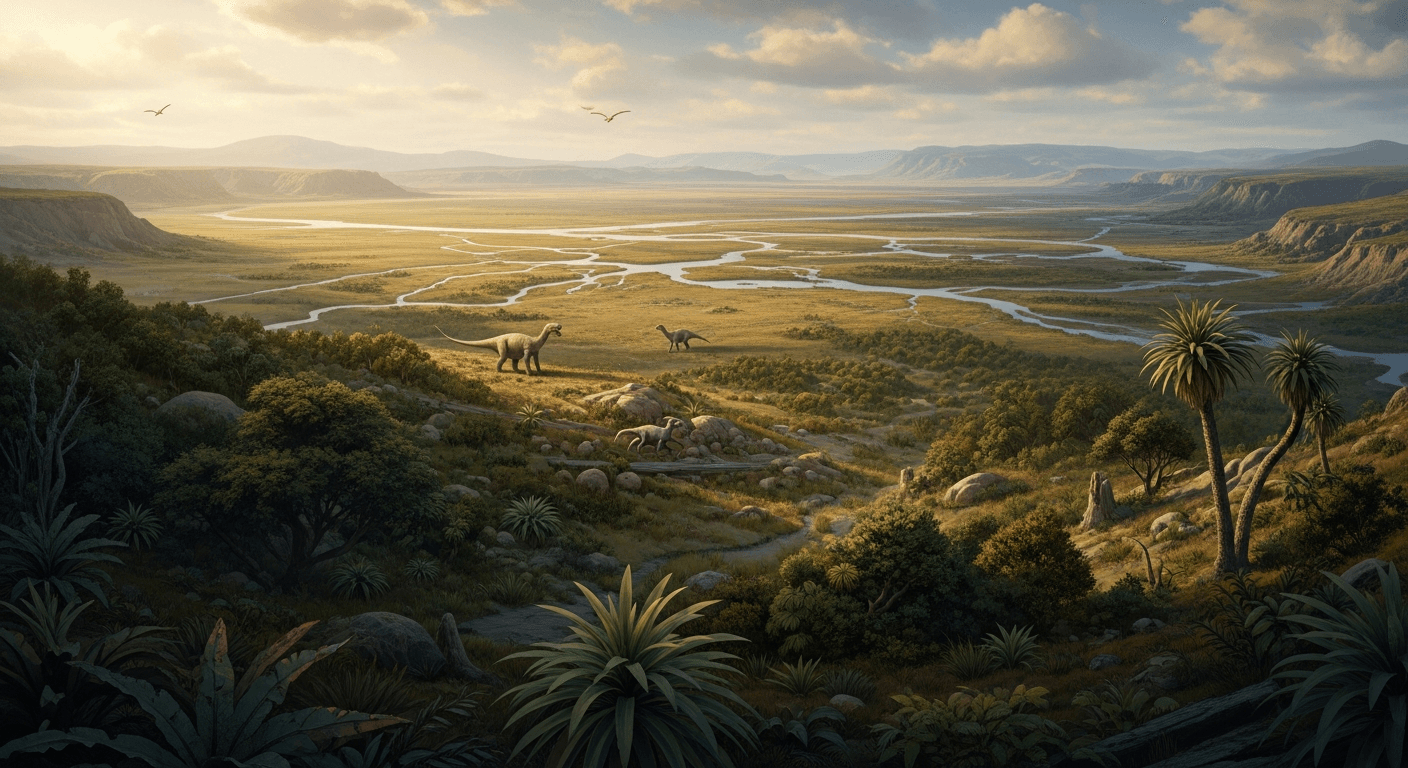
During the Late Cretaceous, approximately 92 million years ago, *Giganotosaurus carolinii* roamed the river-crossed floodplains of what is now Patagonia, Argentina—then part of the fragmenting supercontinent Gondwana. This warm, semi-arid landscape supported lush vegetation along waterways, where massive sauropods grazed and apex predators like *Giganotosaurus* hunted across a South America still connected to Antarctica and Australia.
Keep exploring the vault
Argentinosaurus
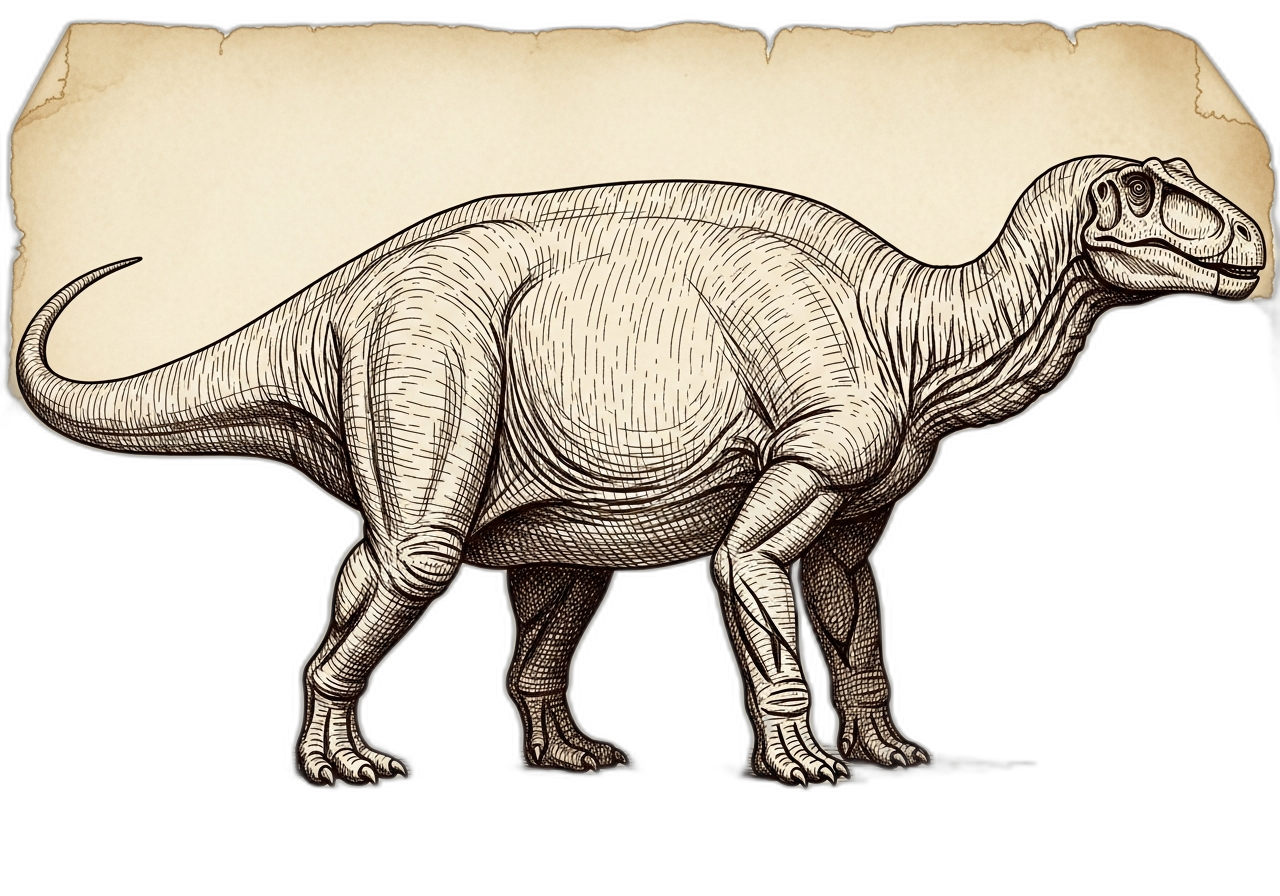
Argentinosaurus huinculensis
Both species are found in the Huincul Formation of Patagonia.
Patagotitan
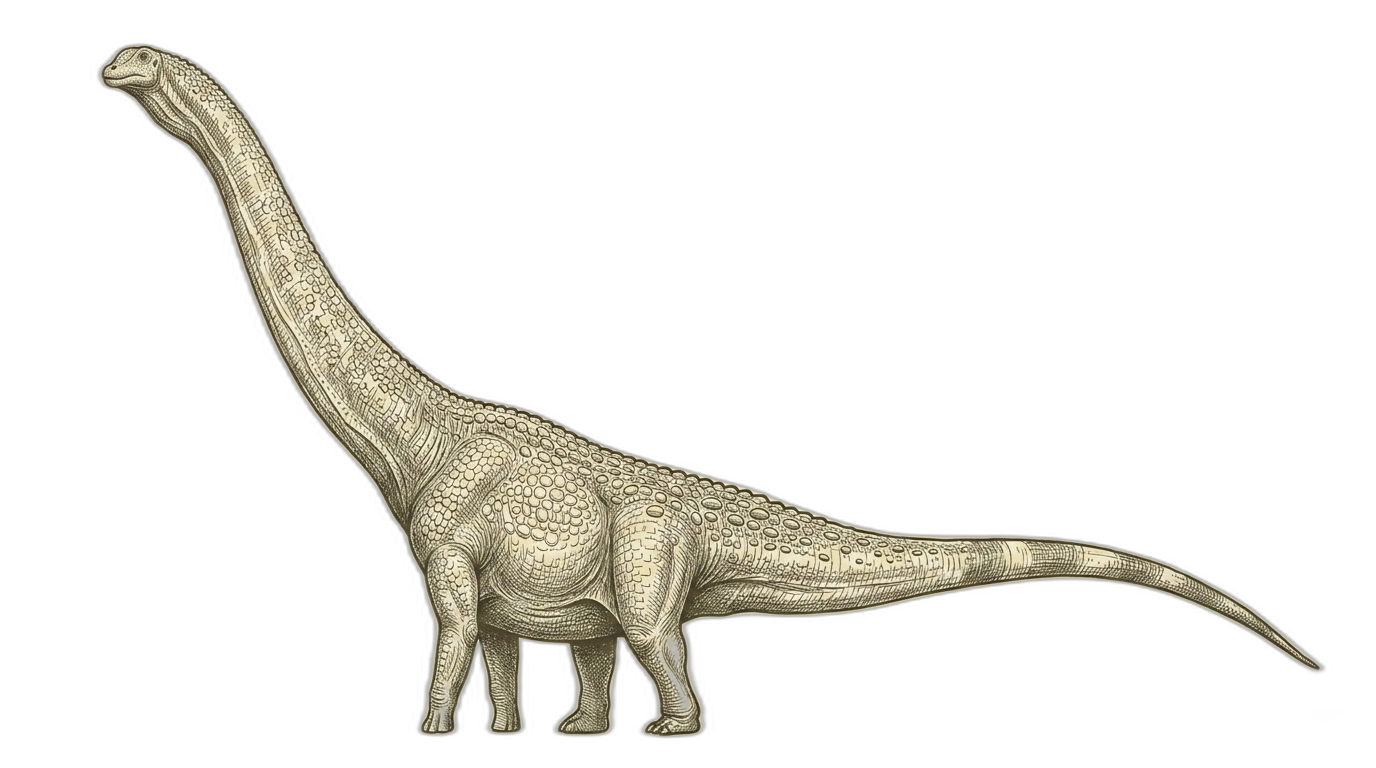
Giganotosaurus and Patagotitan co-occur in the Candeleros Formation.
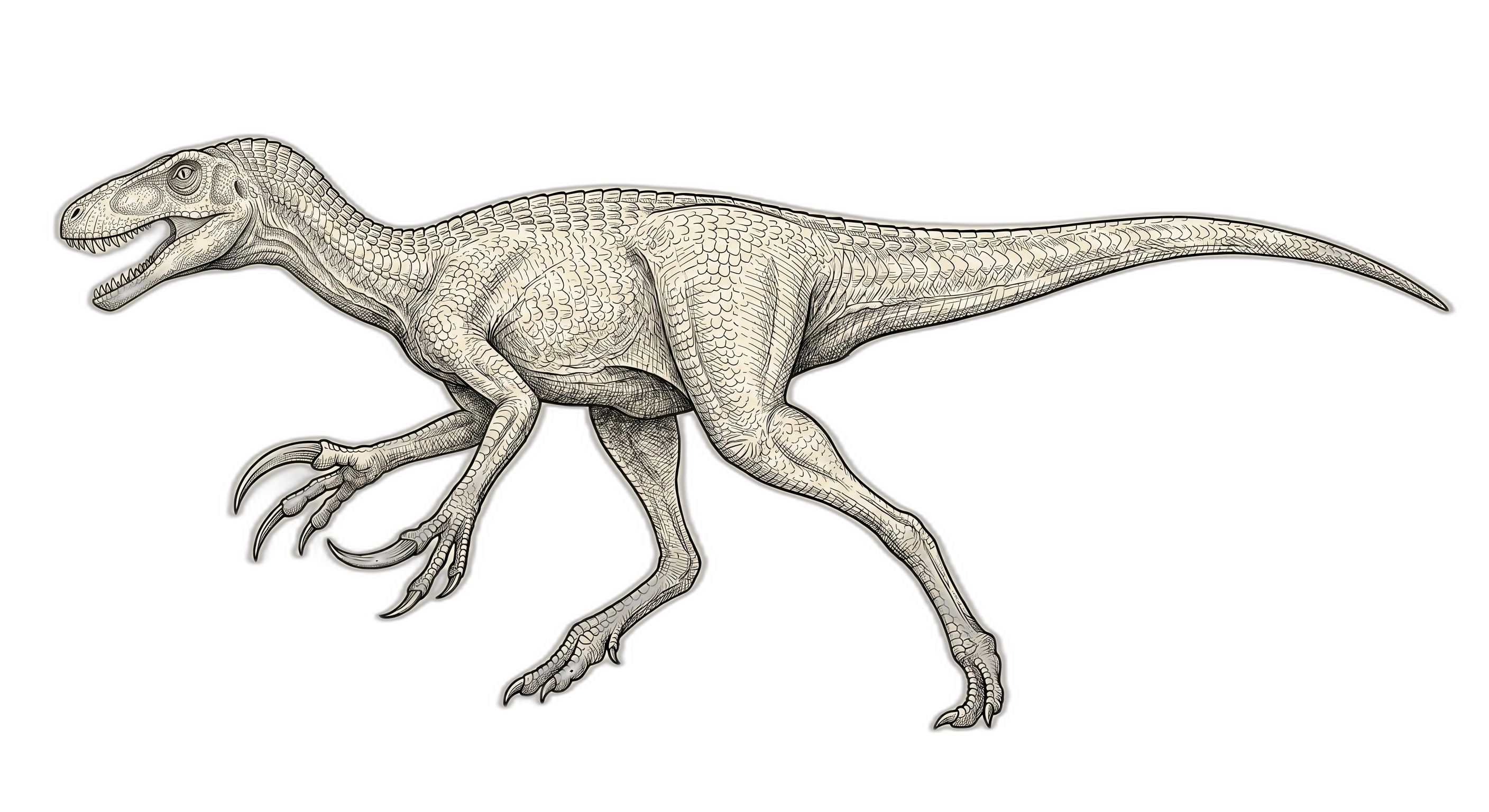
Megaraptor
Megaraptor namunhuaiquii
Both were large theropod predators from Cretaceous Patagonia, though Giganotosaurus was earlier (Cenomanian).
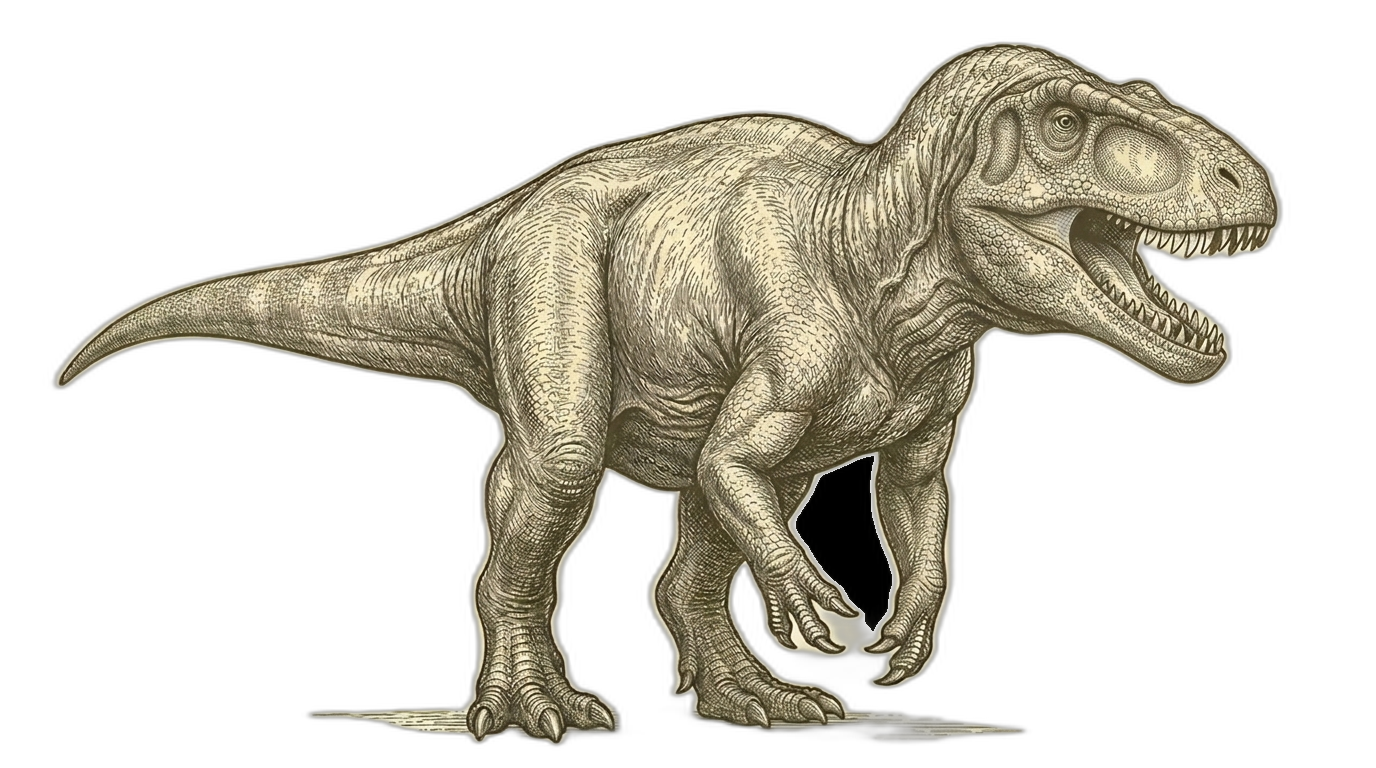
Carcharodontosaurus
Carcharodontosaurus saharicus
Both are carcharodontosaurids that independently evolved into apex predators on separate Gondwanan landmasses — Giganotosaurus in South America and Carcharodontosaurus in Africa.
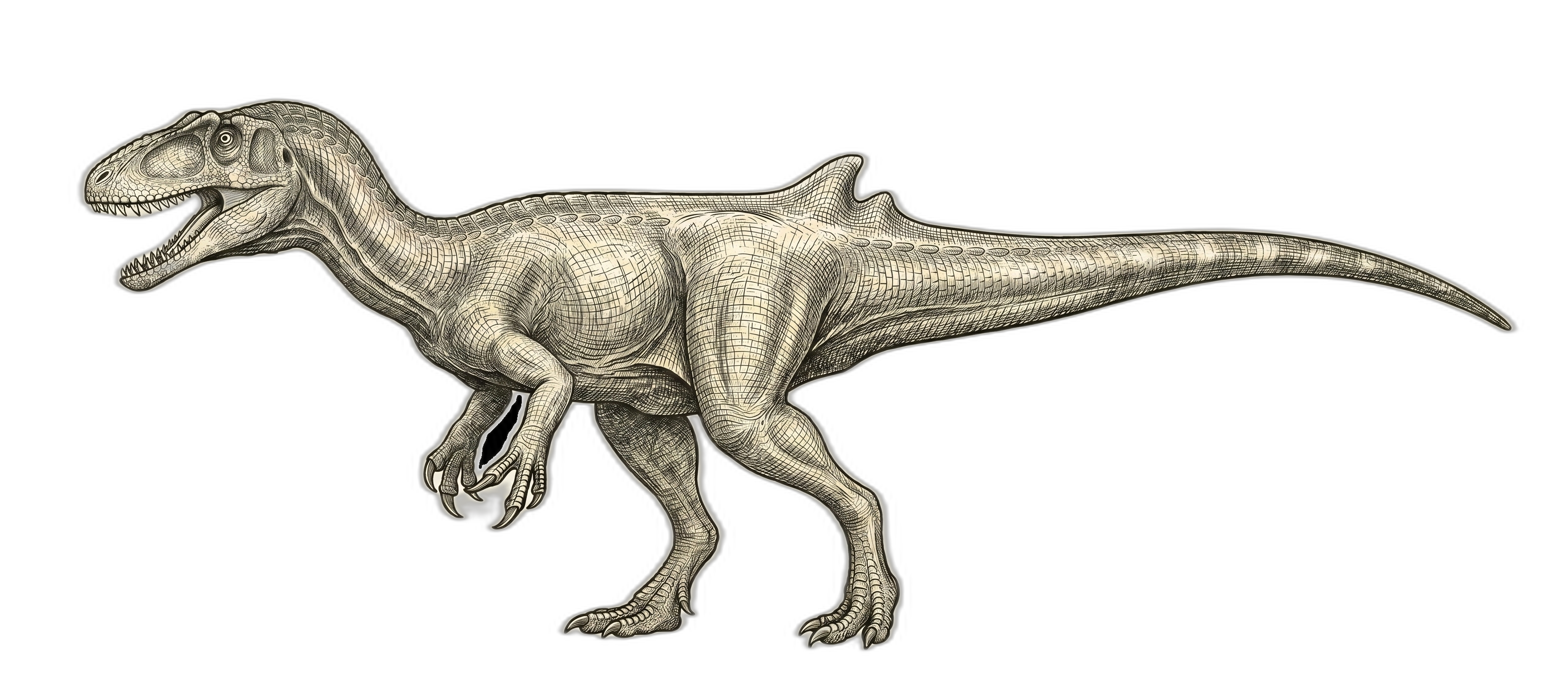
Concavenator
Concavenator corcovatus
Same family: Carcharodontosauridae
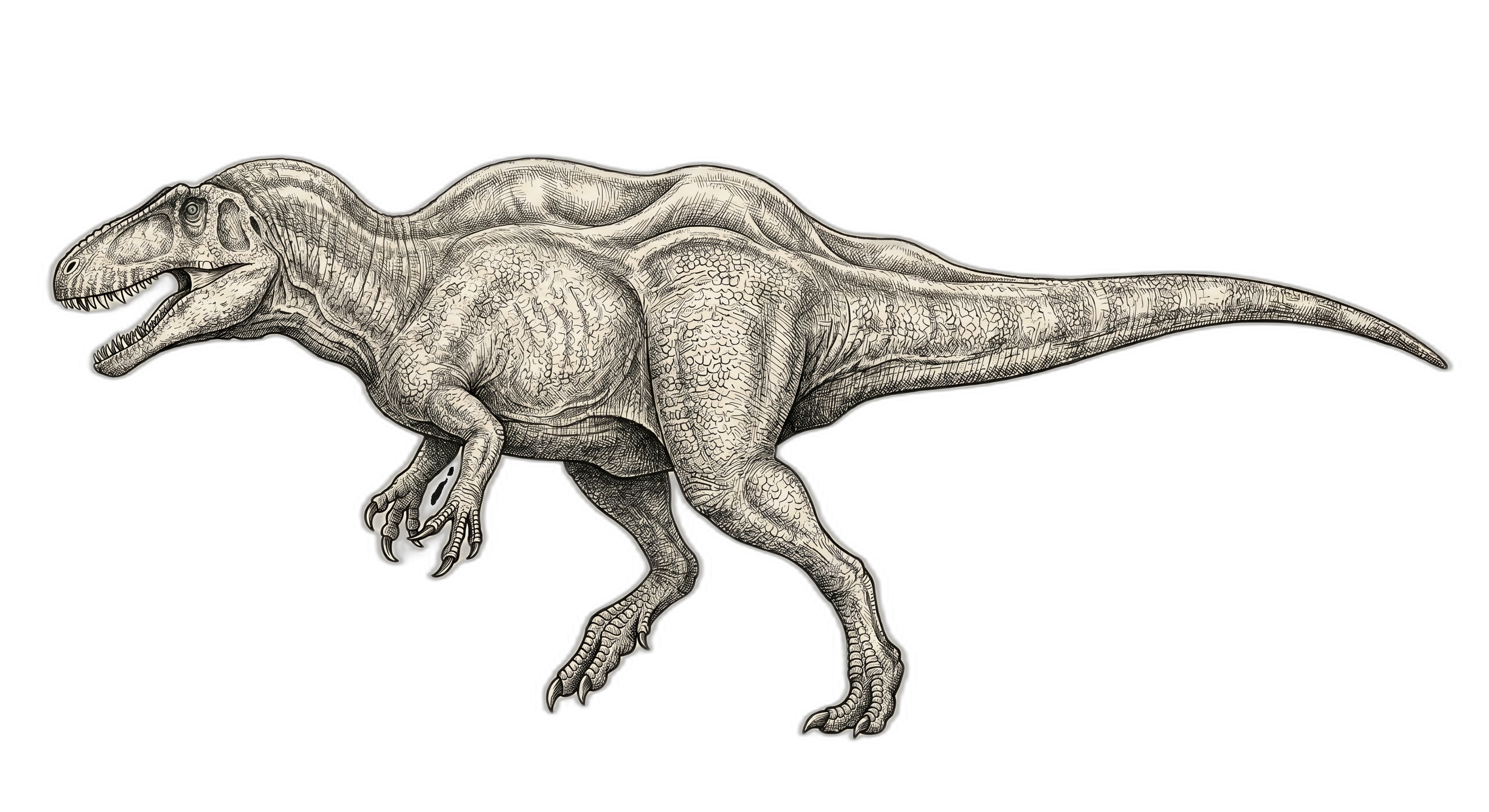
Acrocanthosaurus
Acrocanthosaurus atokensis
Same family: Carcharodontosauridae
Sources & Citation
- Length estimates
- Coria & Salgado 1995; Calvo & Coria 1998; revised estimates by Therrien & Henderson 2007
- Height estimates
- Hip height extrapolated from limb proportions; Coria & Salgado 1995
- Weight estimates
- Mass estimates vary widely; Therrien & Henderson 2007; Benson et al. 2014
- Speed estimates
- Biomechanical modeling; Blanco & Mazzetta 2001