About
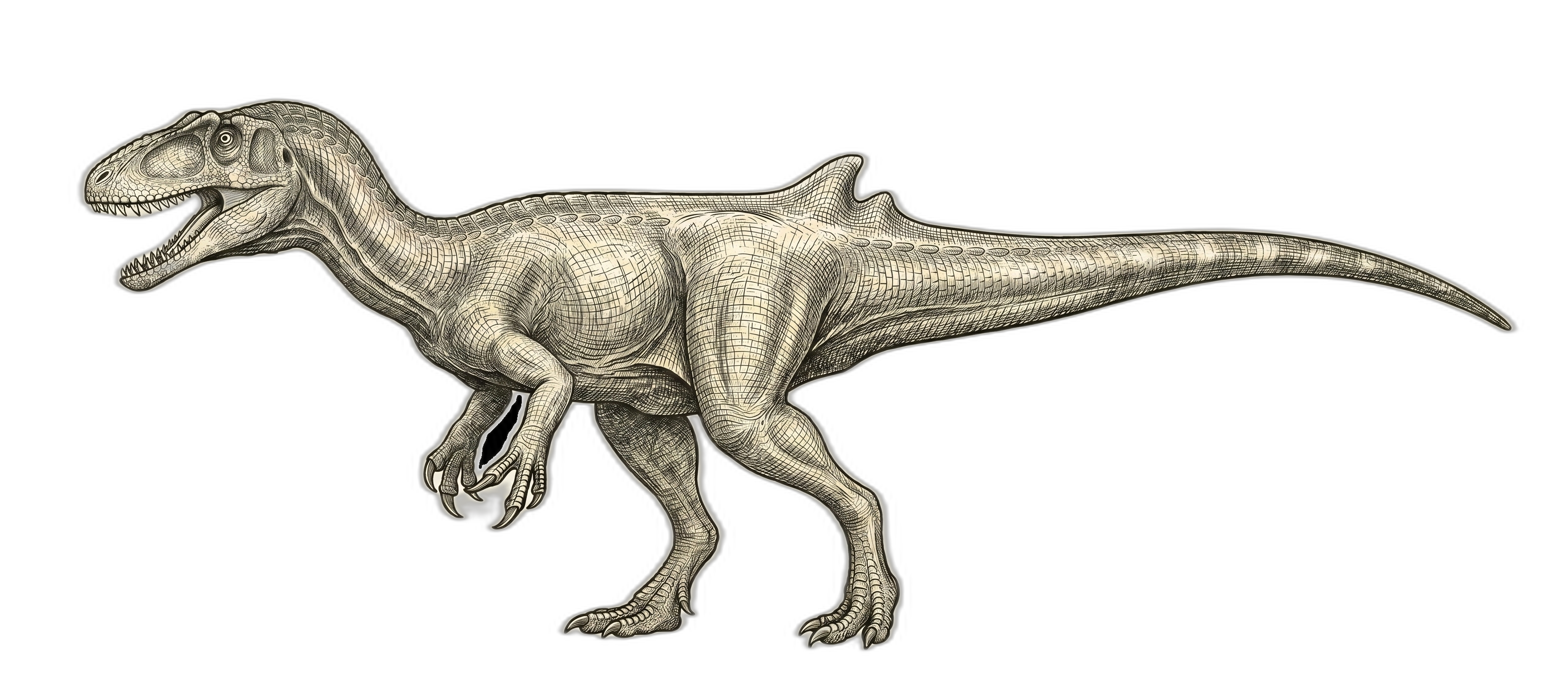
Concavenator was a medium-sized meat-eating dinosaur that prowled the wetlands of Early Cretaceous Spain around 125 million years ago. As a member of the family—the same lineage that would later produce giants like Giganotosaurus—Concavenator gives us a rare glimpse at these fearsome predators before they reached their enormous sizes. With powerful jaws, sharp teeth, and strong legs, it was clearly an of its ecosystem.
The most striking feature of Concavenator is the dramatic triangular hump formed by extremely tall on two just in front of its hips. This -like structure remains a mystery—scientists have proposed it could have been used for , temperature regulation, fat storage, or species recognition. Whatever its purpose, nothing quite like it has been found in any other dinosaur.
Equally intriguing are the small bumps, called , found along its forearm bones. In modern birds, similar structures anchor large feathers. If these bumps served the same function in Concavenator, it would suggest that even large carnivorous dinosaurs outside the direct bird lineage may have sported some feathery covering—though this interpretation remains debated among paleontologists.
Concavenator was discovered at the Las Hoyas fossil site in Spain's Cuenca Province, a location famous for its exceptionally preserved Early Cretaceous fossils. The nearly complete skeleton was described in 2010 by paleontologists Francisco Ortega, Fernando Escaso, and José Luis Sanz. The name means 'hunchback hunter from Cuenca,' perfectly capturing both its distinctive anatomy and its Spanish homeland.
Quick Facts
- Scientific name
- Concavenator corcovatus
- Group
- Theropod · Carcharodontosauridae
- Lived
- Early Cretaceous, 130–125 million years ago
- Diet
- Carnivore
- Movement
- Walked on two legs
- Fossils found in
- Las Hoyas Formation, Cuenca, Spain
- Discovery credited to
- 2010, Francisco Ortega, Fernando Escaso, José Luis Sanz
- Holotype
- MCCM-LH 6666 · Museo de las Ciencias de Castilla-La Mancha, Cuenca
- DinoVault record
- DVL-0034
Where Concavenator Roamed
During the Early Cretaceous, Concavenator roamed the humid wetlands and seasonal floodplains of what is now central Spain, then part of the Iberian landmass situated along the western margins of the ancient Tethys Sea. This semi-tropical environment featured lush vegetation, meandering rivers, and freshwater lakes that supported a diverse ecosystem of dinosaurs, crocodilians, and fish.
Keep exploring the vault
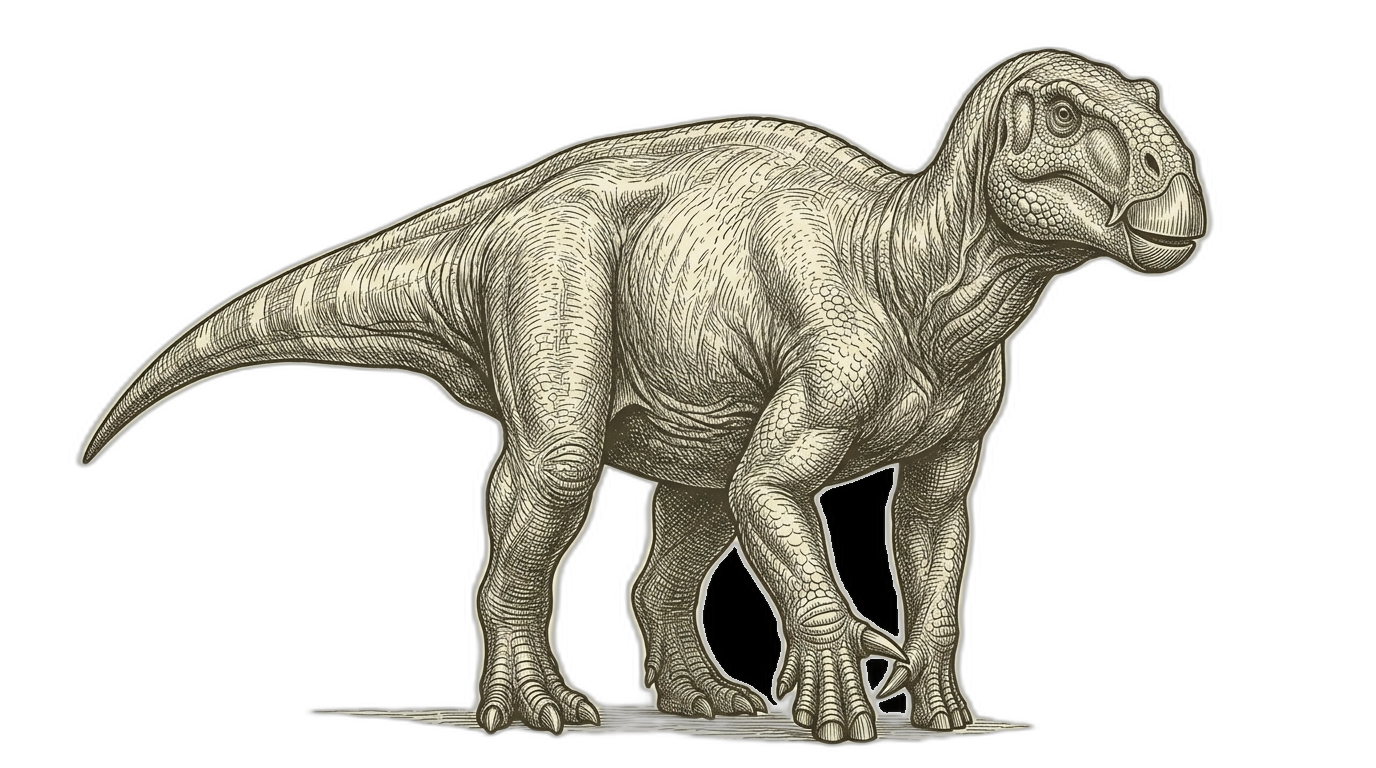
Iguanodon
Iguanodon bernissartensis
Iguanodon lived in Early Cretaceous Europe (Barremian) overlapping temporally with Concavenator (Barremian of Spain).
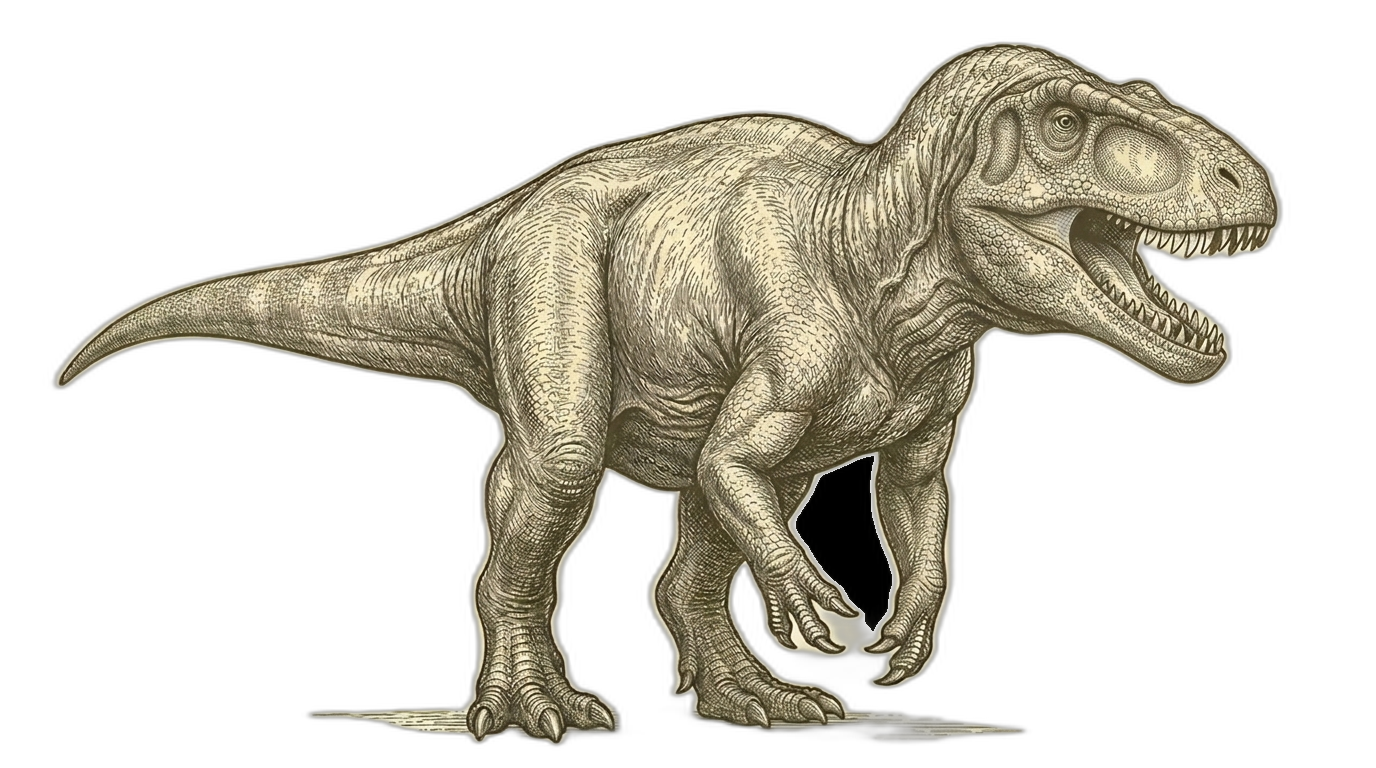
Carcharodontosaurus
Carcharodontosaurus saharicus
Both are carcharodontosaurids that independently evolved large size and similar predatory adaptations.
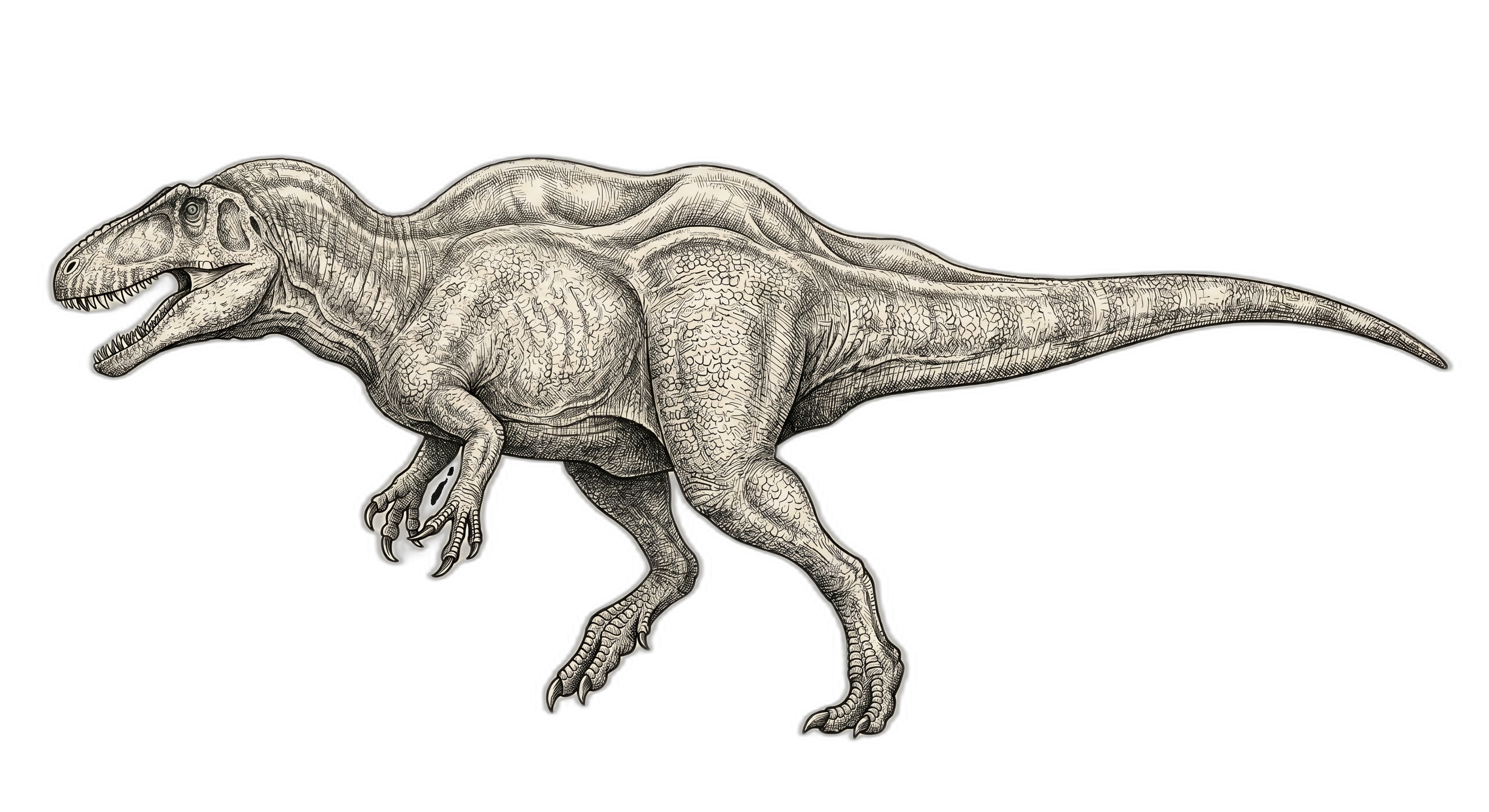
Acrocanthosaurus
Acrocanthosaurus atokensis
Same family: Carcharodontosauridae
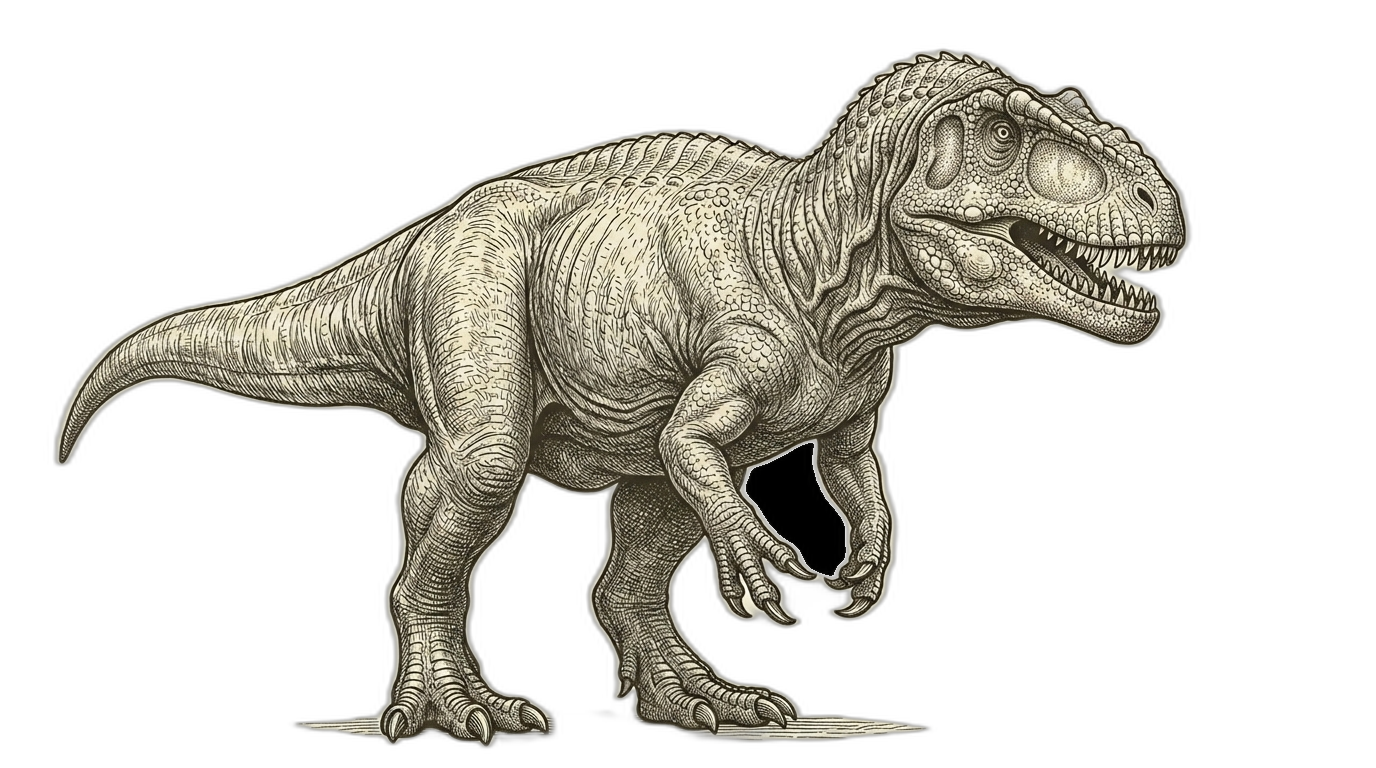
Giganotosaurus
Giganotosaurus carolinii
Fellow carcharodontosaurids exploring parallel paths to apex predator status on different continents.
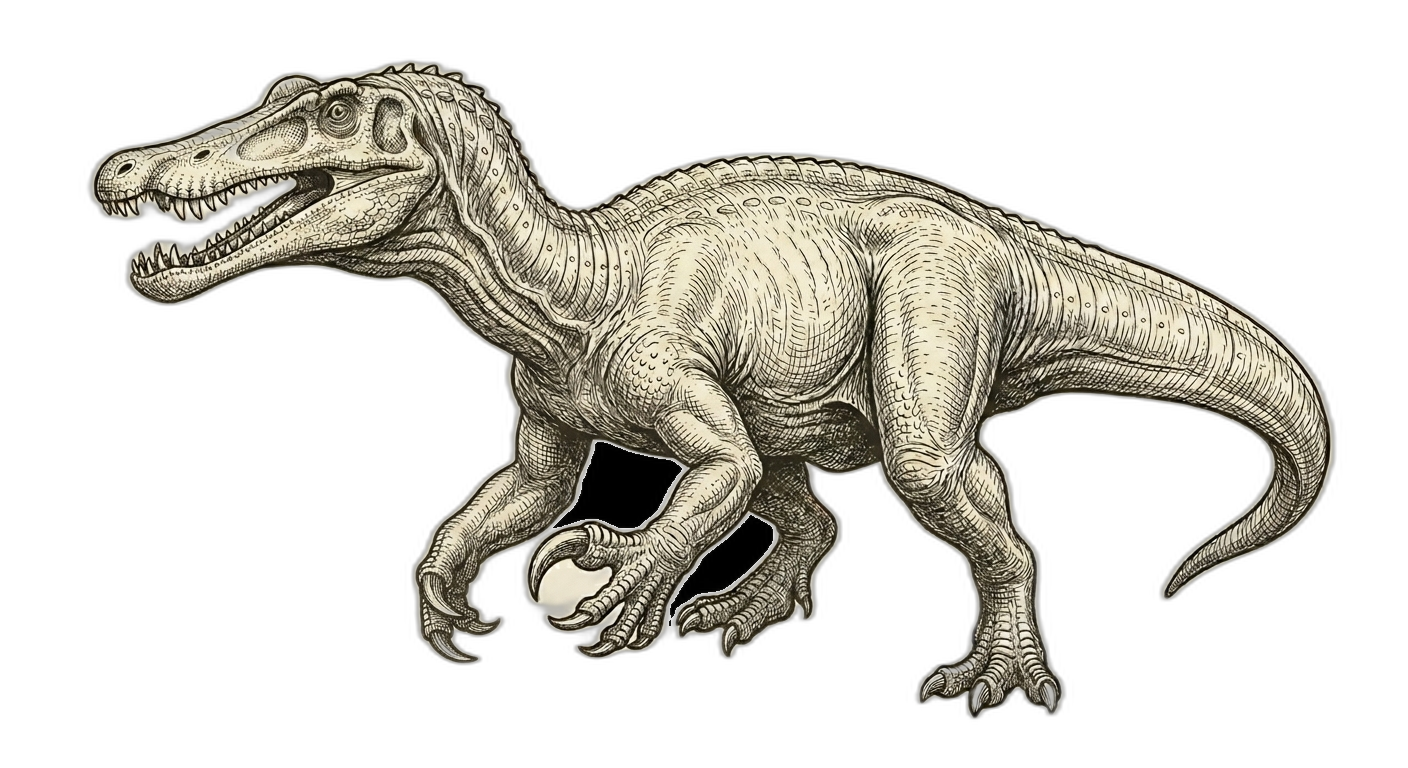
Baryonyx
Baryonyx walkeri
Baryonyx lived in Early Cretaceous Europe (Barremian, ~130-125 mya) contemporaneously with Concavenator.
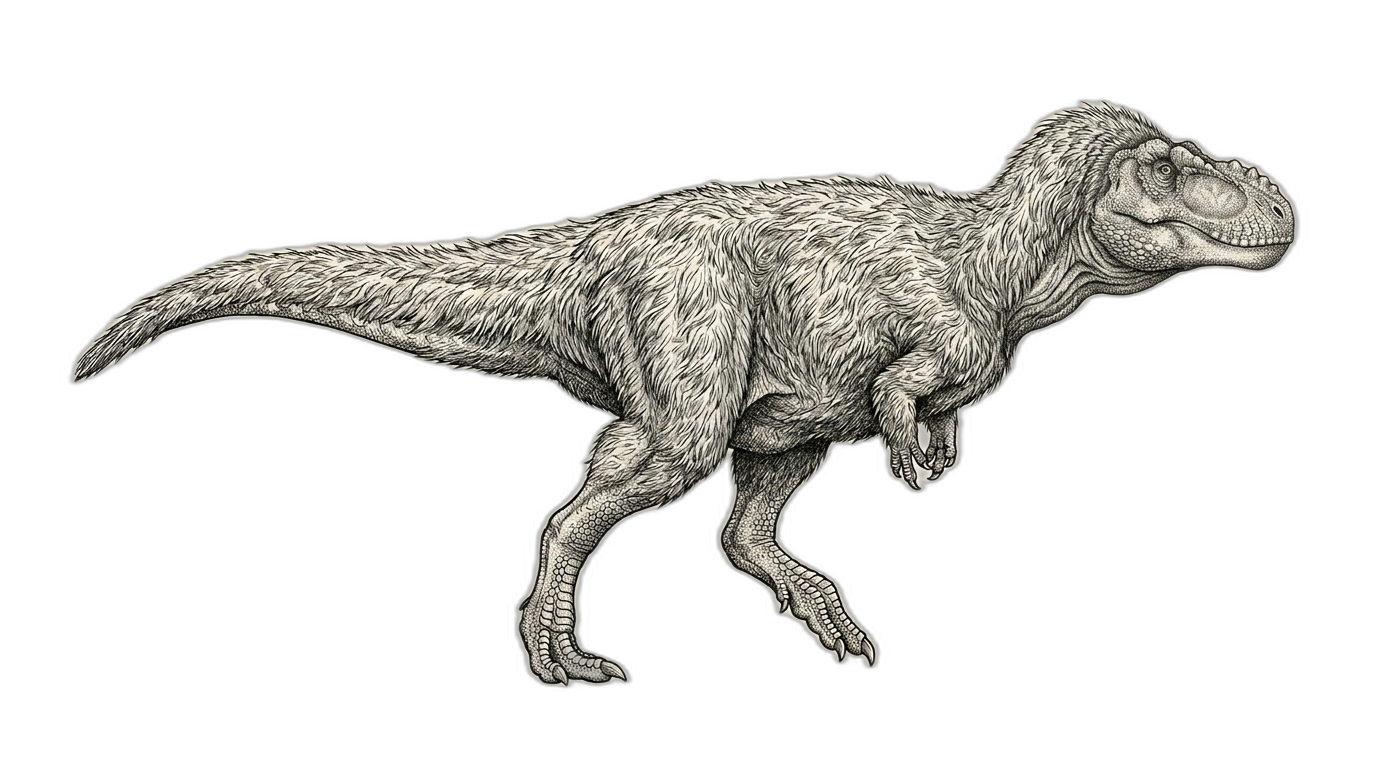
Yutyrannus
Yutyrannus huali
Both Early Cretaceous theropods show evidence of integumentary structures—Concavenator has ulnar quill knobs suggesting feathers or quills, while Yutyrannus preserves direct feather impressions.
Sources & Citation
- Length estimates
- Ortega et al. 2010; based on nearly complete holotype specimen
- Height estimates
- Estimated hip height from holotype limb proportions; Ortega et al. 2010
- Weight estimates
- Mass estimates based on skeletal dimensions; various analyses post-2010
- Speed estimates
- Inferred from theropod locomotion studies; no direct biomechanical analysis published