About
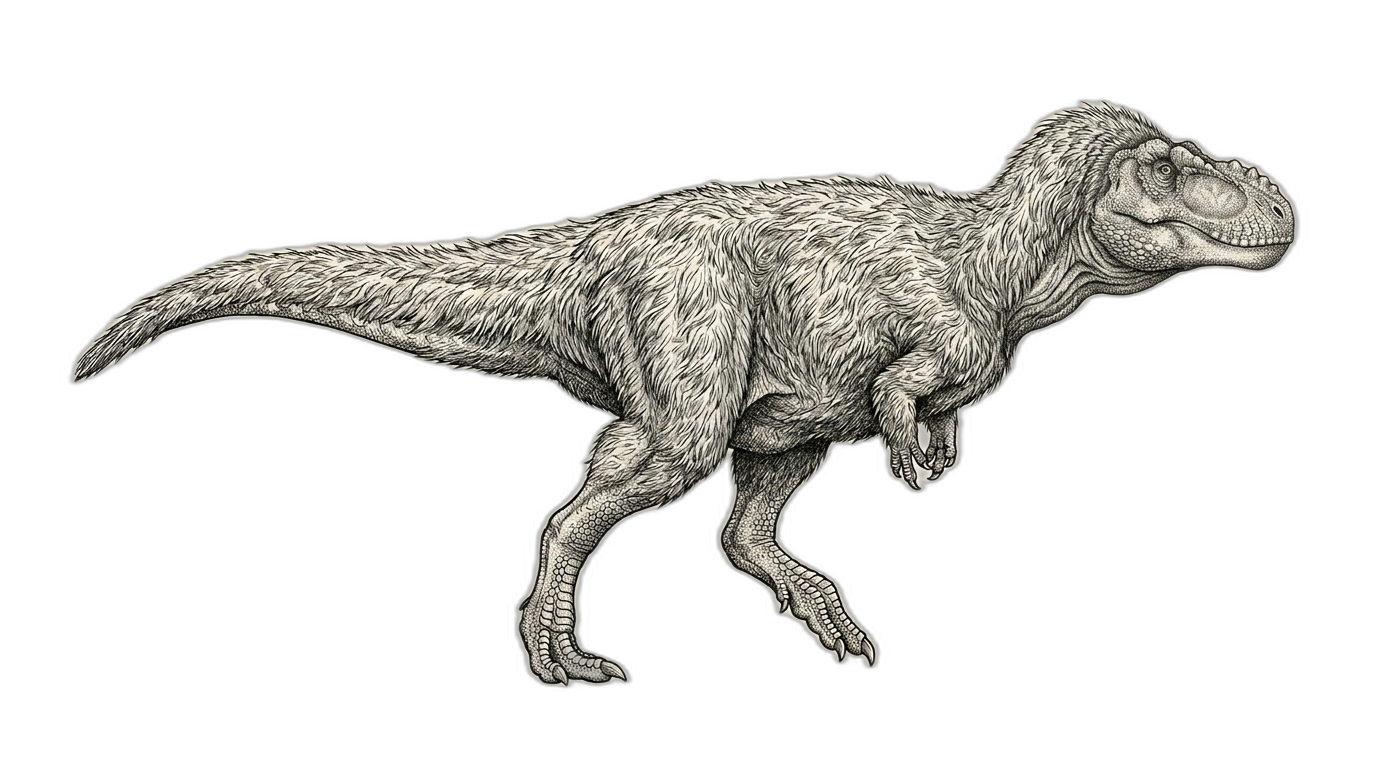
Yutyrannus huali, whose name means "beautiful feathered tyrant," stands as one of paleontology's most thrilling discoveries of the past two decades. This massive predator prowled the forests of northeastern China approximately 125 million years ago during the Early Cretaceous, and it forever changed our understanding of the family.
Stretching nearly nine meters in length and weighing over a ton, Yutyrannus represents the largest feathered animal ever discovered. Its body was draped in filamentous plumage—not the structured flight feathers of birds, but simpler, hair-like coverings that likely provided crucial insulation against the cool temperatures of its environment. Imagine a creature built like a smaller Tyrannosaurus rex, yet cloaked in a shaggy coat of primitive down.
This hunter moved on powerful hind legs, its small forelimbs bearing three clawed fingers. Its skull, elongated and equipped with dozens of teeth, marked it as an capable of taking substantial prey. Scientists believe Yutyrannus hunted the abundant sauropods and ornithopods sharing its forested lakeland habitat—an ecosystem preserved magnificently in the Yixian Formation's volcanic ash deposits.
The species burst into scientific awareness in 2012 when paleontologist Xu Xing and colleagues described three remarkably complete specimens from Liaoning Province. The exceptional preservation revealed direct evidence of extensive feathering across multiple body regions, providing undeniable proof that even giant tyrannosaurs could bear plumage.
Yutyrannus matters profoundly because it demolished the assumption that large dinosaurs were necessarily scaly. It suggests feathers may have been far more widespread among tyrannosaurs than previously imagined, with later giants like T. rex potentially losing their covering as climates warmed. This magnificent predator reminds us that the ancient world held wonders stranger and more beautiful than we once dared imagine.
Quick Facts
- Scientific name
- Yutyrannus huali
- Group
- Theropod · Proceratosauridae
- Lived
- Early Cretaceous, 125–122 million years ago
- Diet
- Carnivore
- Movement
- Walked on two legs
- Fossils found in
- Yixian Formation (Liaoning, China)
- Discovery credited to
- 2012, Xu Xing, Wang Kebai, Zhang Ke, Ma Qingyu, Xing Lida, Sullivan Corwin, Hu Dongyu, Cheng Shuqing, Wang Shuo
- Holotype
- ZCDM V5000, Zhucheng Dinosaur Museum
- DinoVault record
- DVL-0150
Where fossils were found
Yixian Formation
Liaoning · China
125–122 million years ago(3m year span)
Where Yutyrannus Roamed
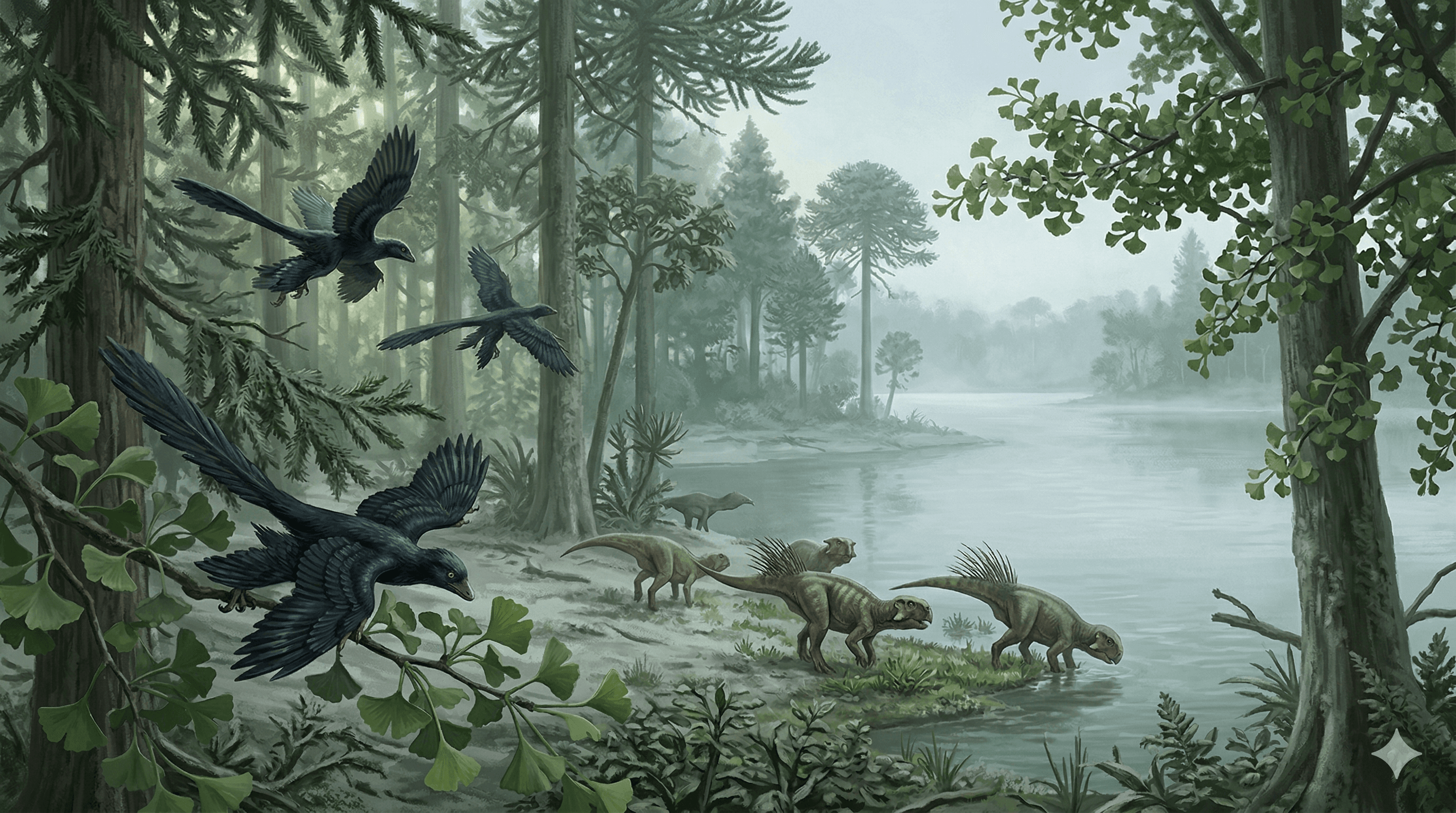
Yutyrannus huali roamed the lush, temperate forests of the Yixian Formation in what is now northeastern China, a region of eastern Laurasia characterized by volcanic lakes, dense coniferous woodlands, and a surprisingly cool climate that may have driven the evolution of its remarkable feathered coat. This ancient landscape, preserved in exceptional detail, reveals a vibrant ecosystem teeming with feathered dinosaurs, early birds, and flowering plants during the Early Cretaceous.
Keep exploring the vault
Psittacosaurus
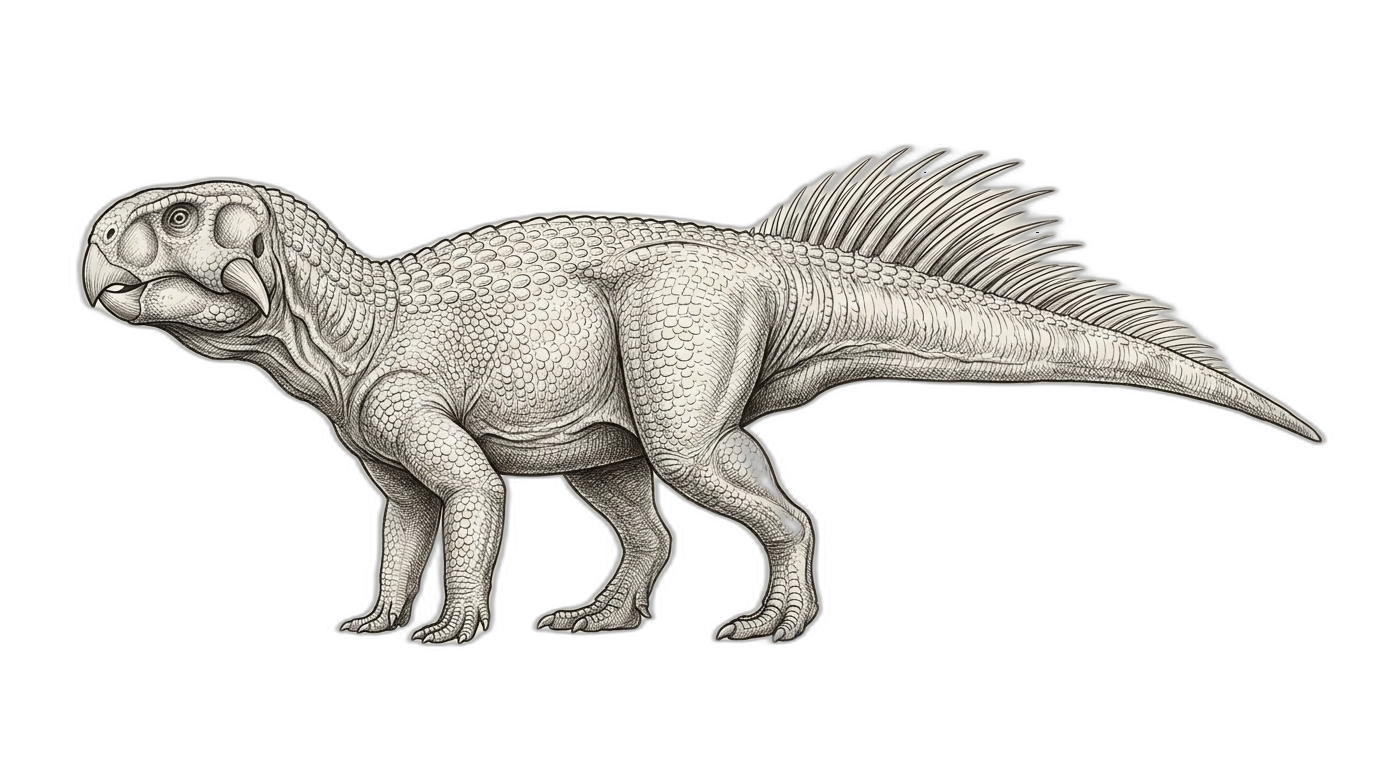
Psittacosaurus mongoliensis
Psittacosaurus was abundant in the Yixian Formation and at ~20kg would have been suitable prey for the 1400kg Yutyrannus.
Caudipteryx
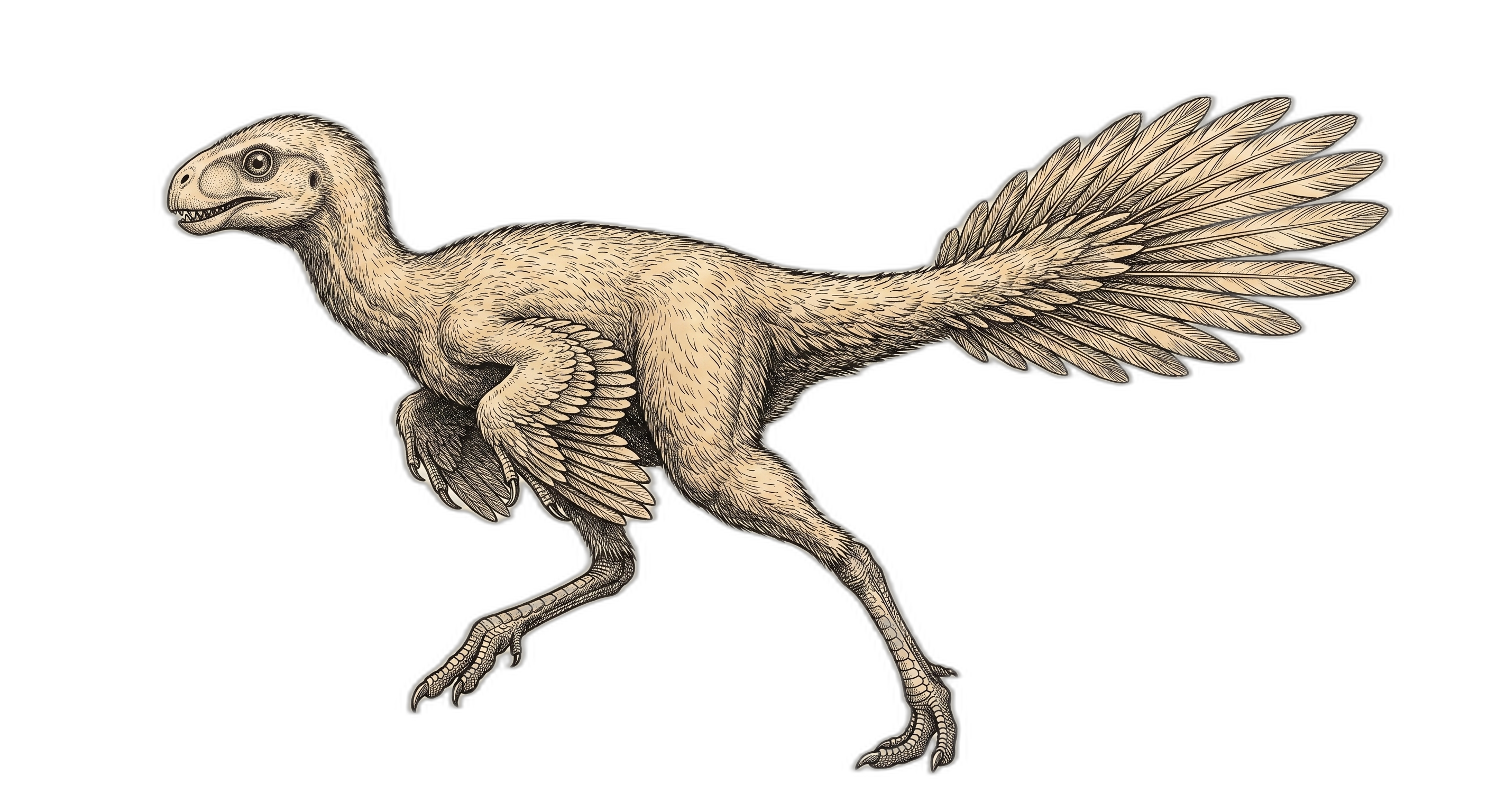
Yutyrannus was a 9-meter, 1400kg apex predator in the Yixian Formation, while Caudipteryx was only 0.9m and 7kg.
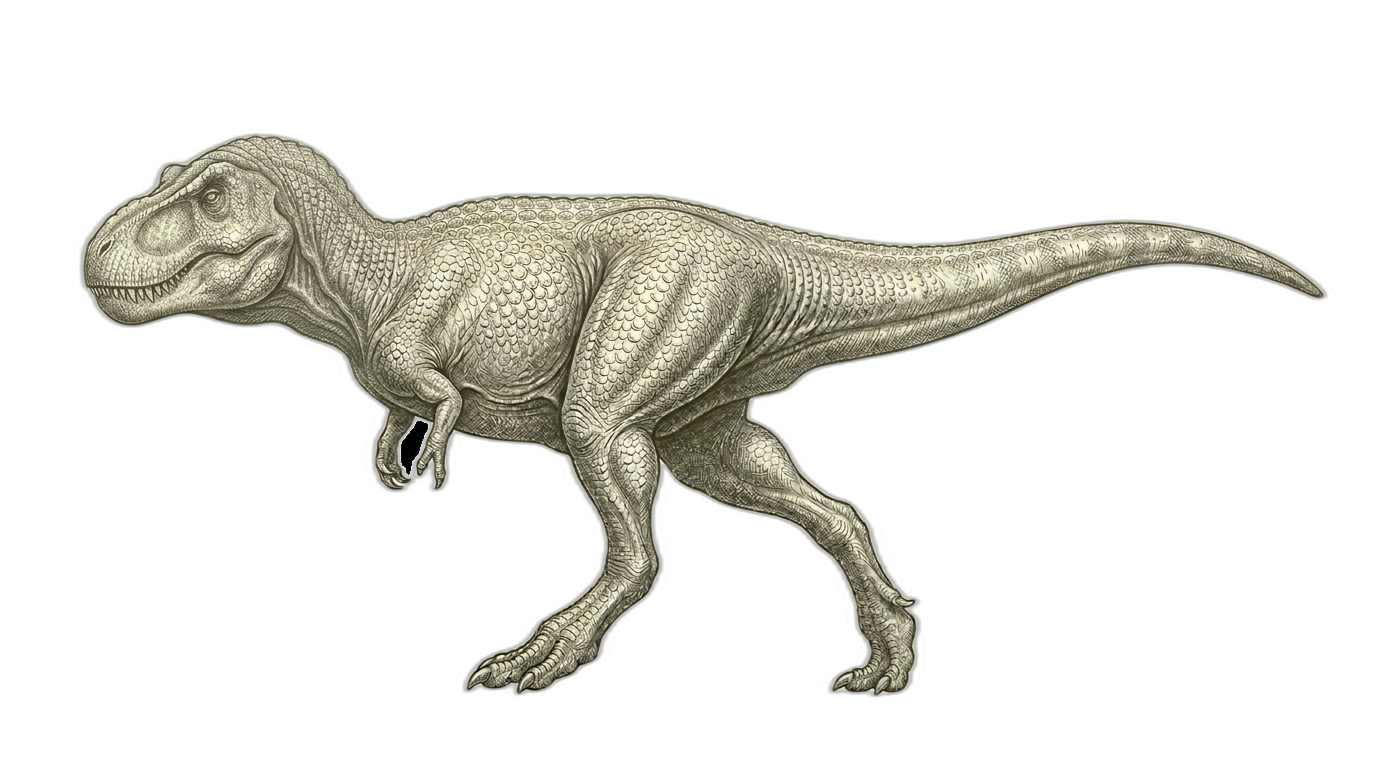
T-Rex
Tyrannosaurus rex
Both are large-bodied tyrannosauroids representing parallel trends toward gigantism in the lineage.
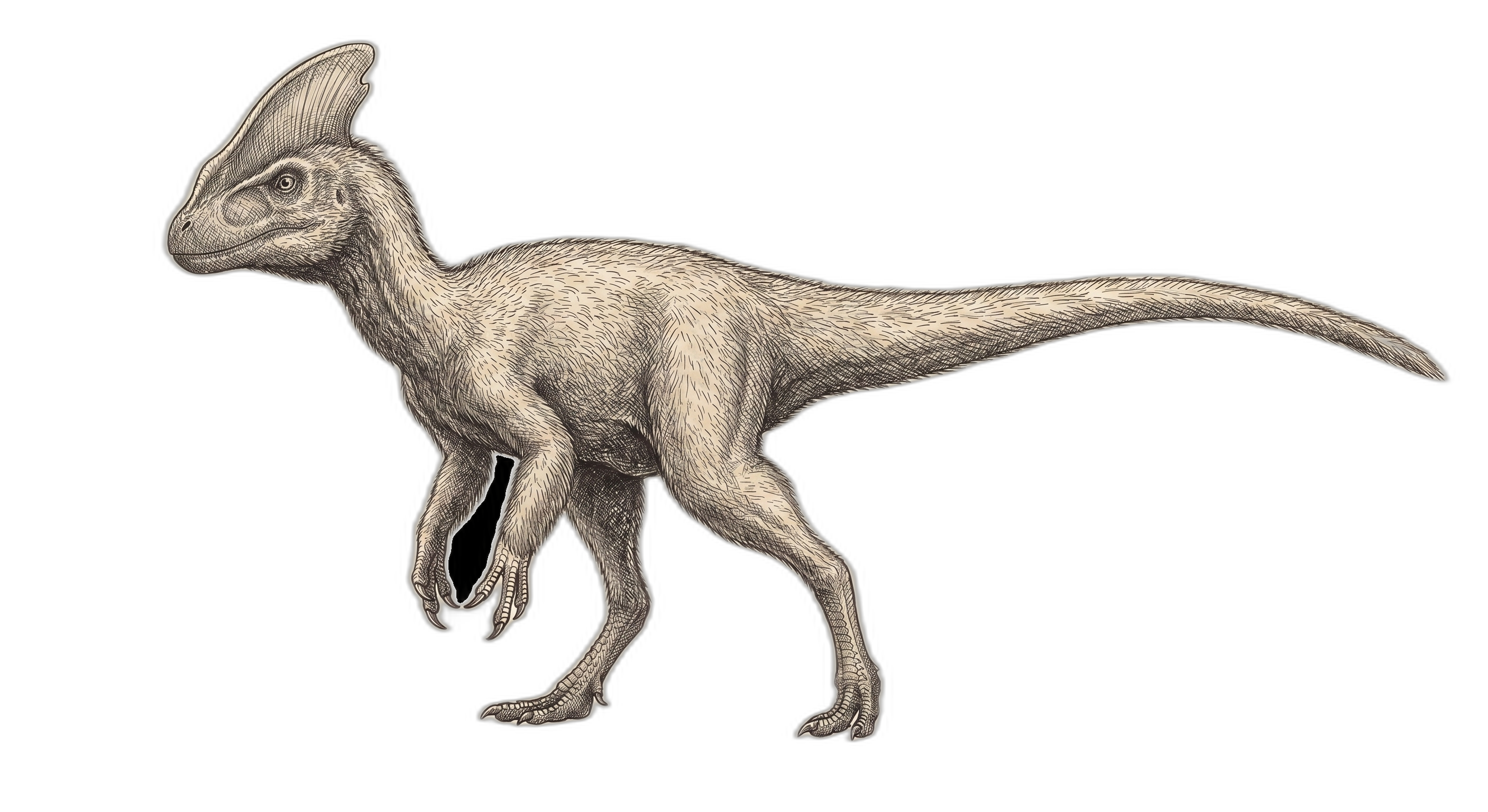
Guanlong
Same family: Proceratosauridae
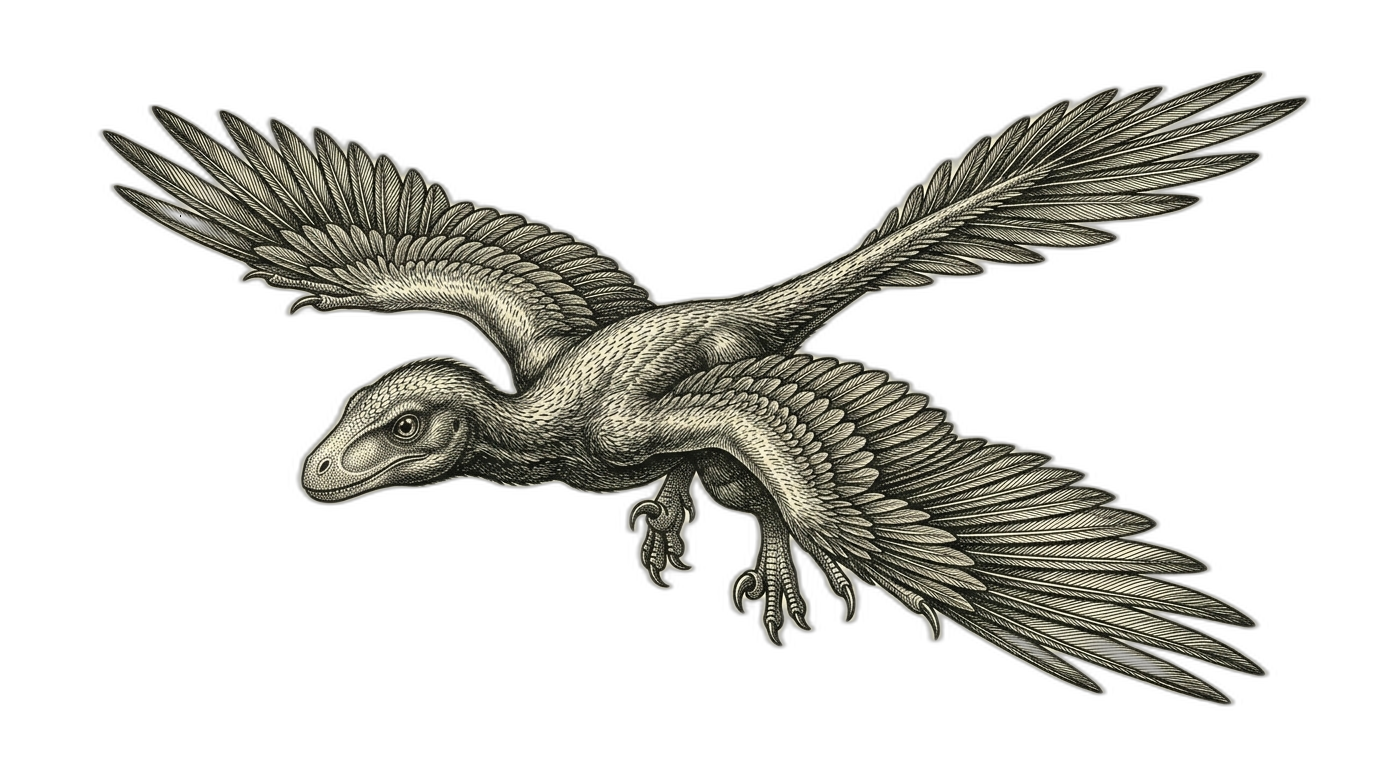
Microraptor
Microraptor gui
Both are feathered theropods from the Yixian Formation, representing dramatically different body sizes and ecological strategies within the same feathered dinosaur ecosystem.
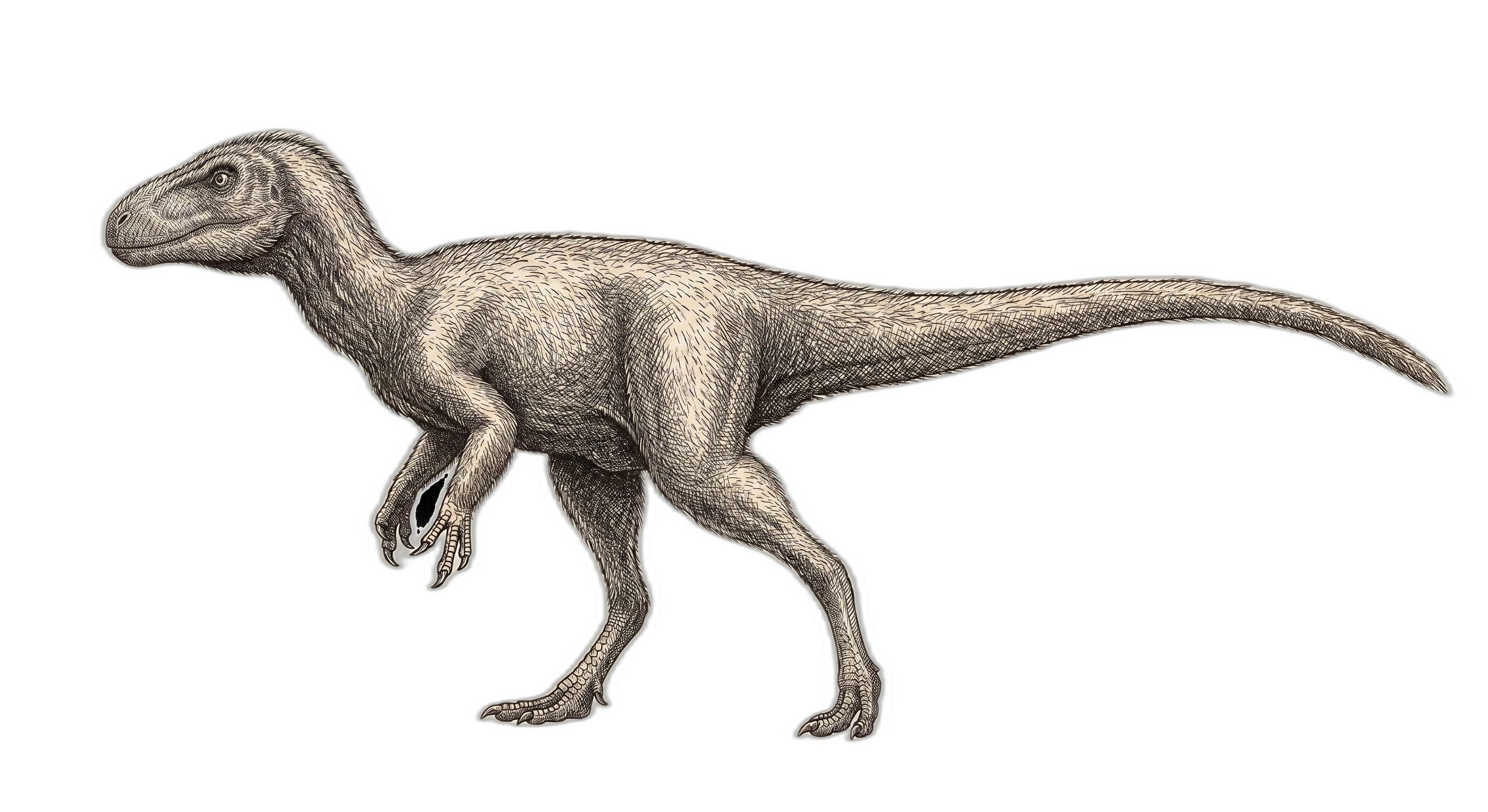
Dilong
Yutyrannus (9m, 1414kg) was a massive feathered tyrannosauroid that shared the Yixian Formation with Dilong.
Sources & Citation
- Length, Weight estimates
- Xu et al. 2012, Nature 484:92-95
- Height estimates
- Estimated from skeletal proportions, Xu et al. 2012
- Speed estimates
- Biomechanical estimate based on tyrannosauroid limb proportions