Yixian Formation
Liaoning, China
Why It Matters
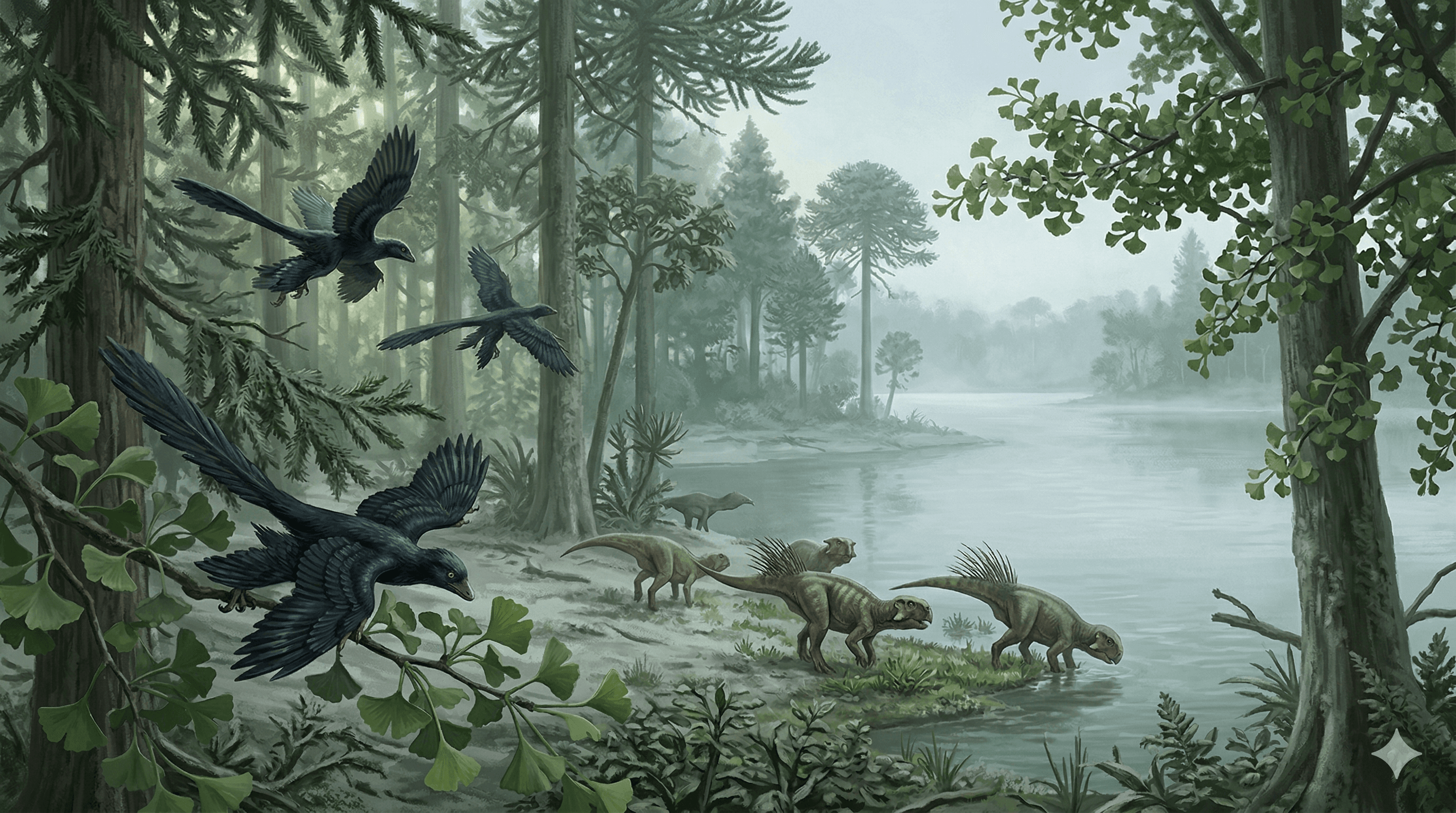
The Yixian Formation of Liaoning Province, China, is the world's premier site for feathered dinosaurs, producing dozens of species that have transformed our understanding of the dinosaur-bird transition. Microraptor, Sinosauropteryx, and scores of other taxa preserve their feathers as carbonised films in fine volcanic sediment, providing direct evidence that feathers evolved long before flight. The formation has produced more feathered non-avian dinosaur species than anywhere else on Earth.
How Fossils Survived
The Yixian was deposited in a series of freshwater lakes and surrounding forest environments that periodically received volcanic ashfall from nearby volcanoes. The fine volcanic ash that settled to lake floors created an anoxic burial environment ideal for soft-tissue preservation. Feather impressions, scales, fur, and even colour-producing have survived in these conditions, making the Yixian a window into the appearance and biology of Early Cretaceous animals.
Discovery History
The rich fossil of Liaoning became widely known in the 1990s after a string of sensational discoveries by Chinese researchers and farmers. Sinosauropteryx, the first non-avian dinosaur found with direct evidence of feathers, was described in 1996 and immediately attracted global attention. The subsequent flood of feathered dinosaur discoveries — Microraptor, Yuanchuavis, Zhenyuanlong — has transformed paleontology and confirmed the ancestry of birds beyond reasonable doubt.
Dinosaurs in the Vault
9 species in our database · sorted by size
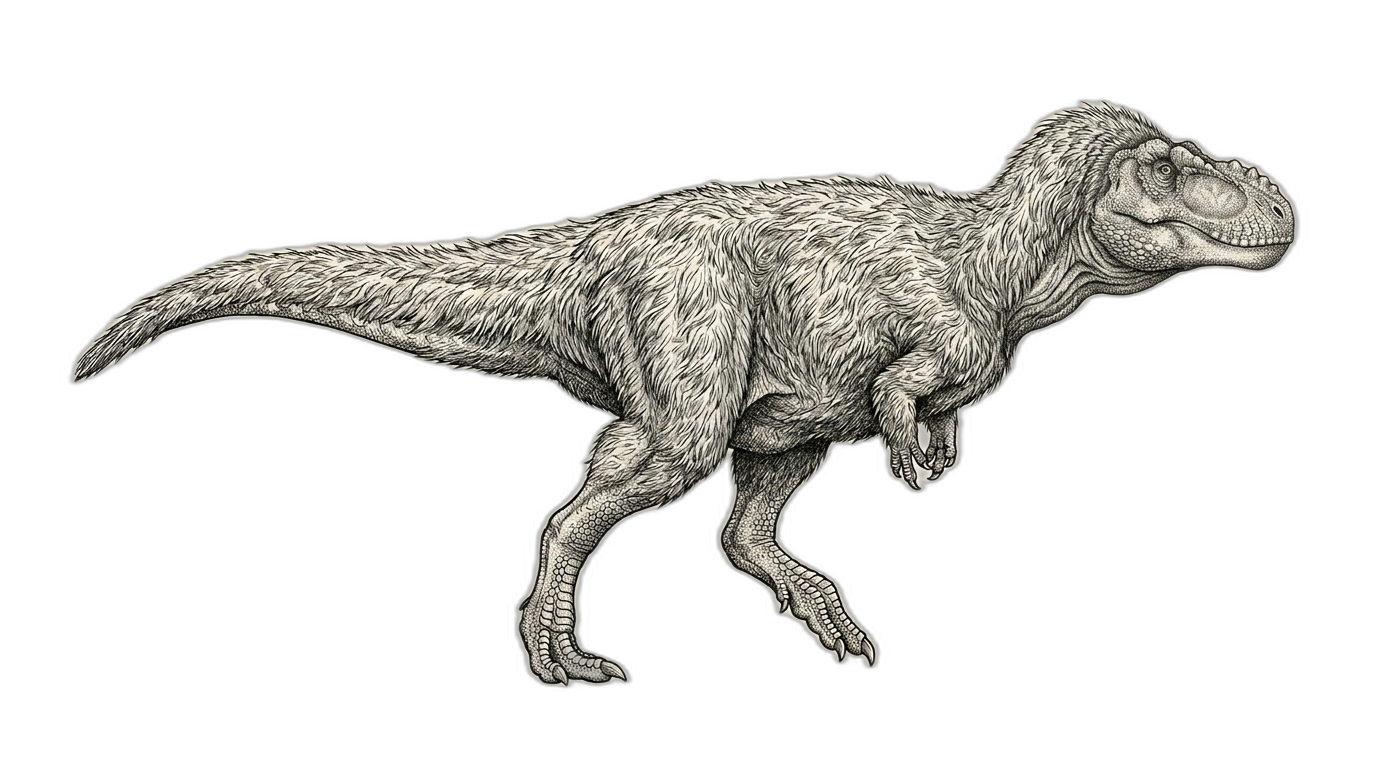
Yutyrannus
🥩Yutyrannus huali
9m · 1.4t
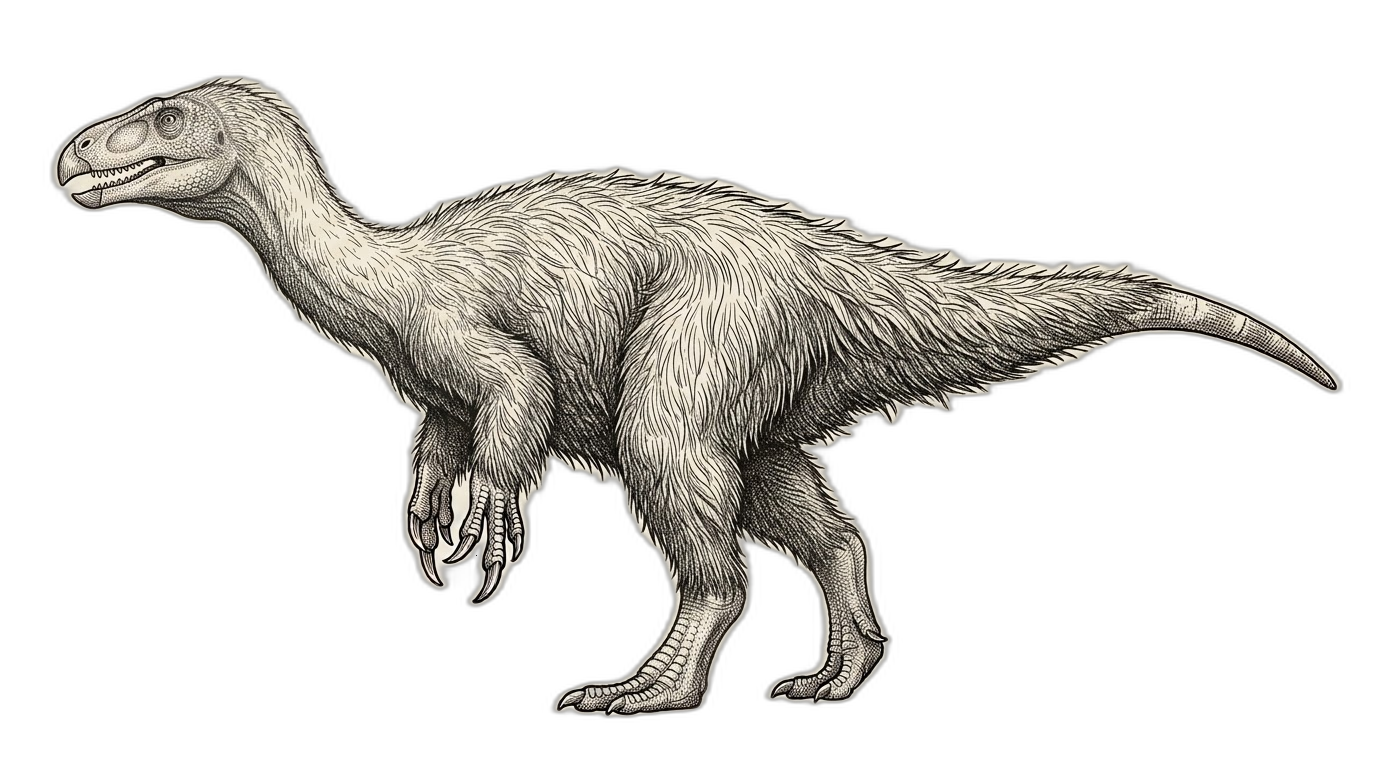
Kayrasaurus
🌿Kayrasaurus changliensis
3.6m · 0.2t
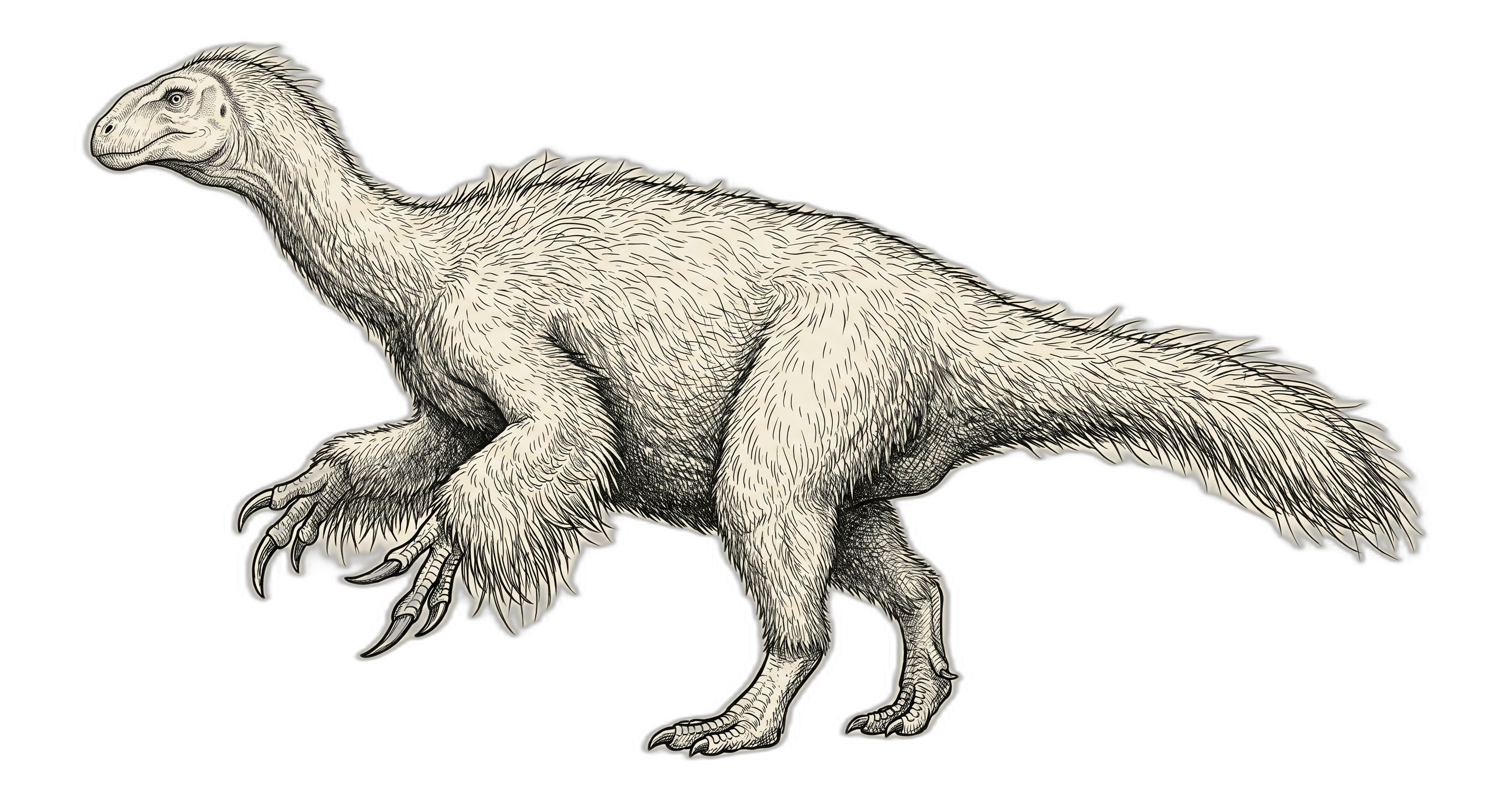
Beipiao Lizard
🌿Beipiaosaurus inexpectus
2.2m · 0.1t
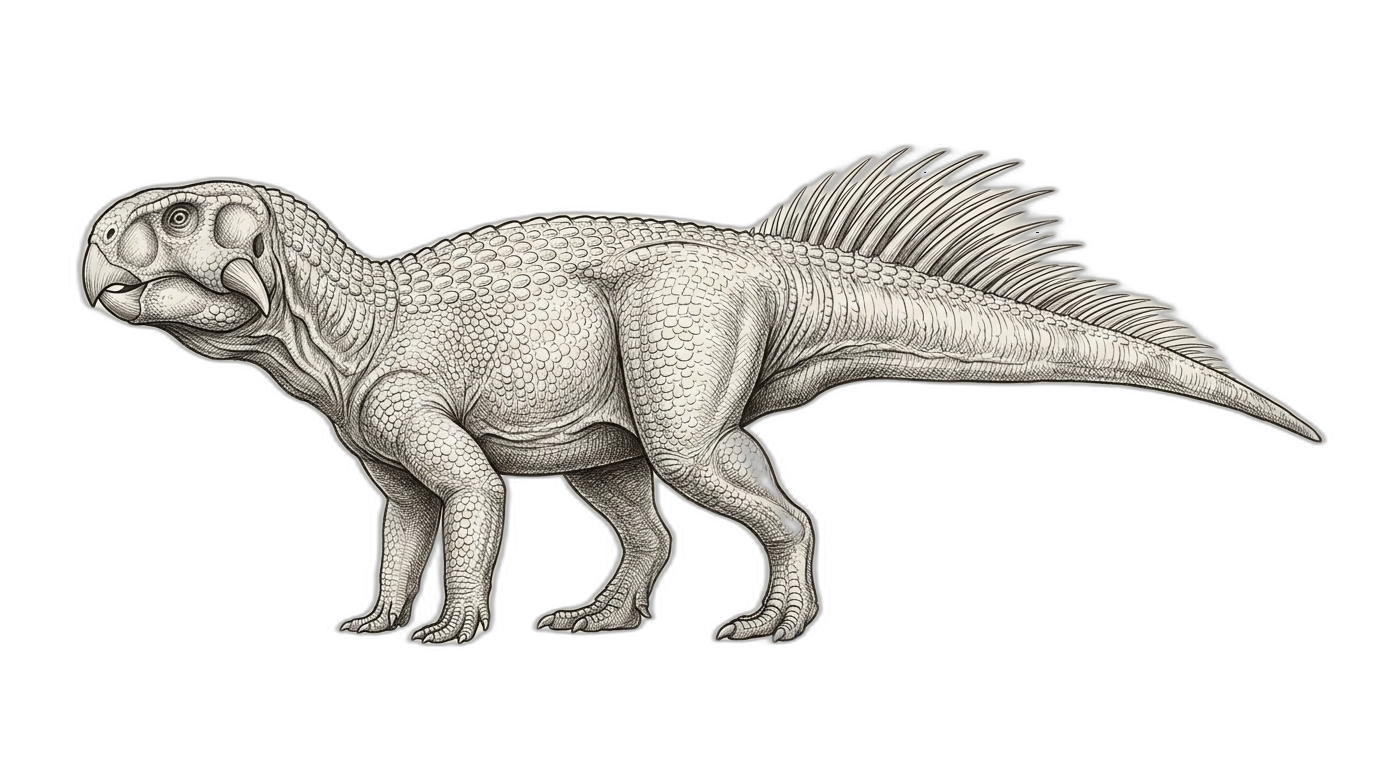
Psittacosaurus
🌿Psittacosaurus mongoliensis
2m · 0.0t
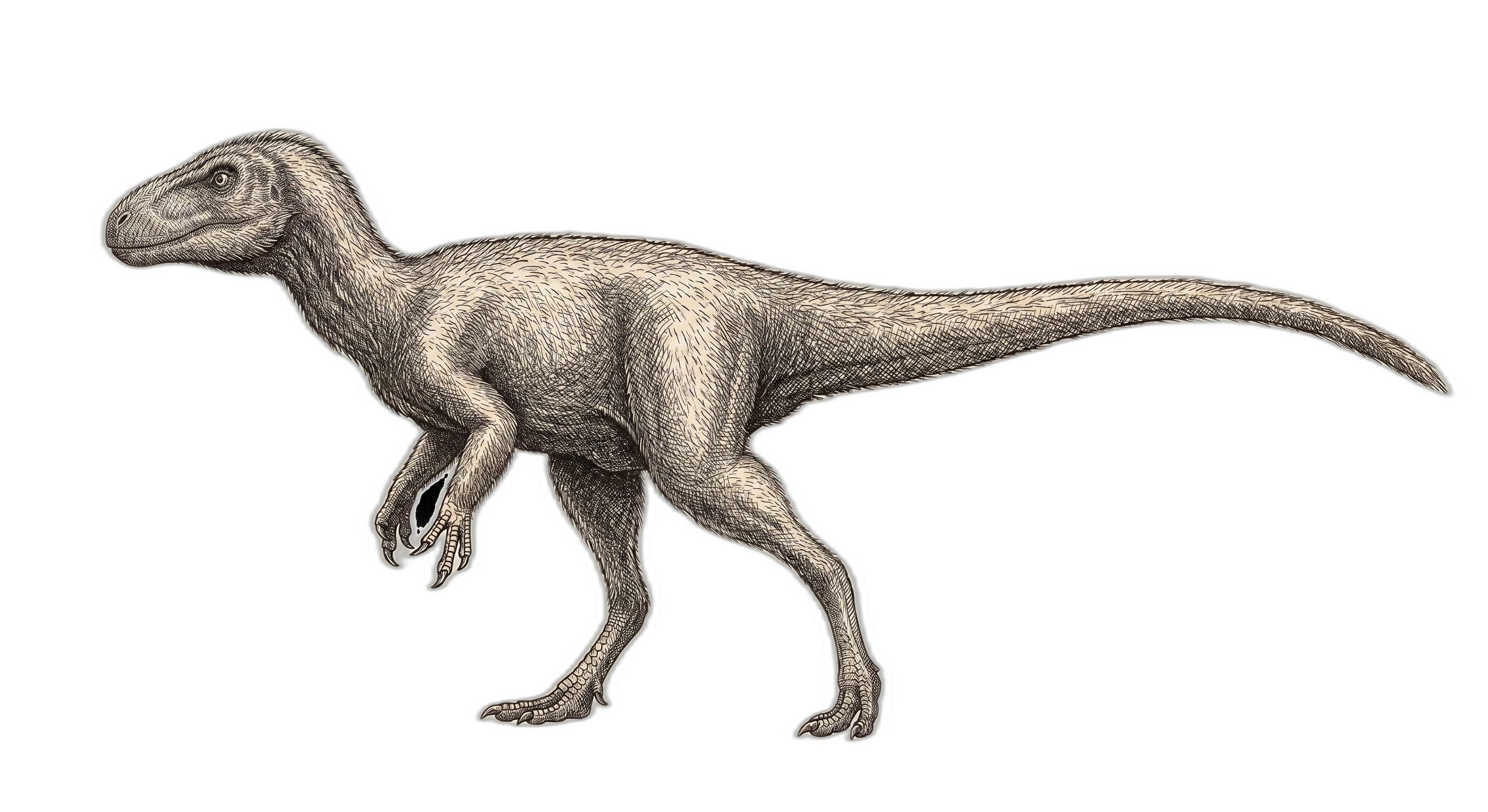
Dilong
🥩Dilong paradoxus
1.6m · 0.0t
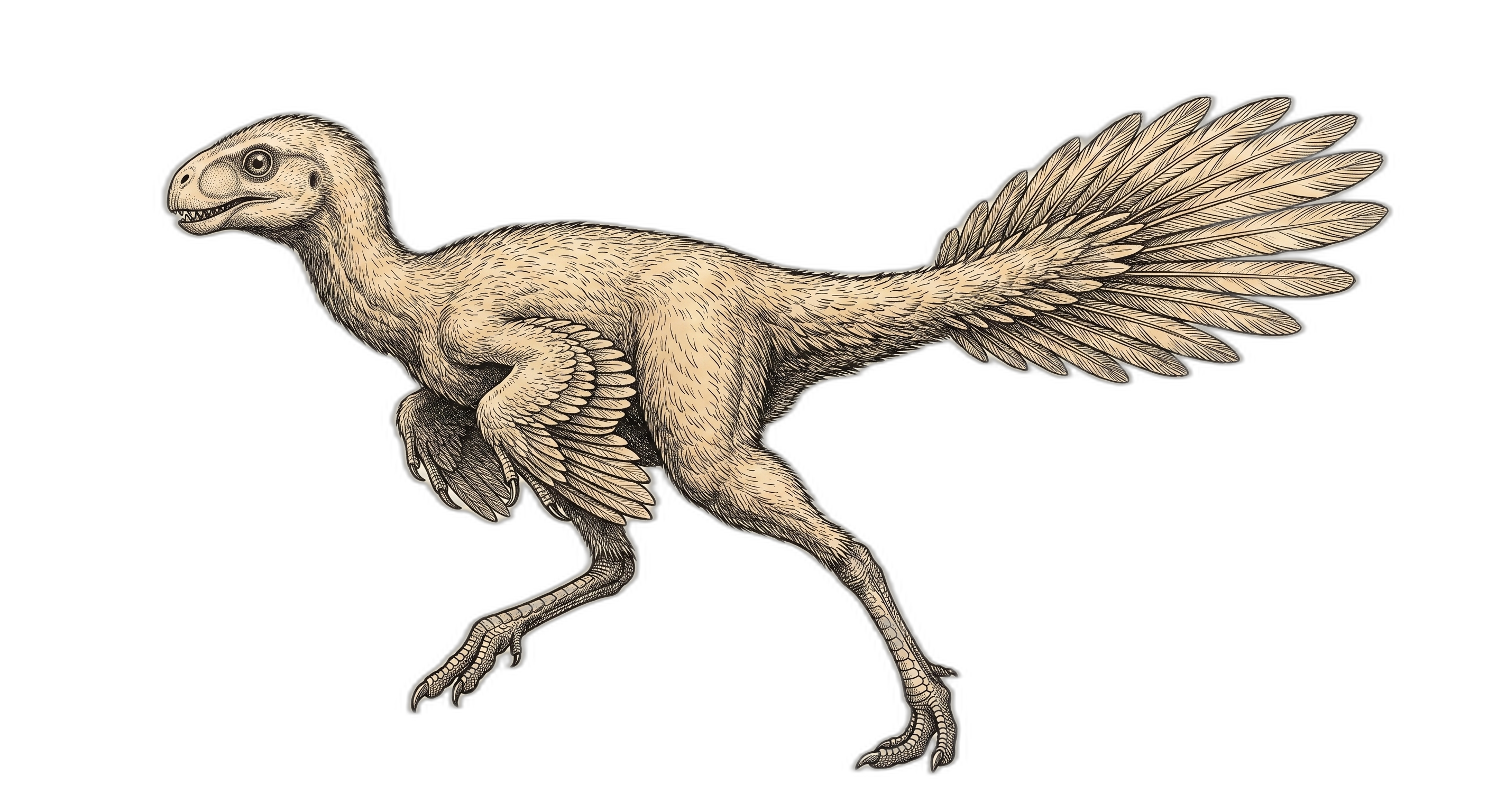
Caudipteryx
🍽️Caudipteryx zoui
0.9m · 0.0t
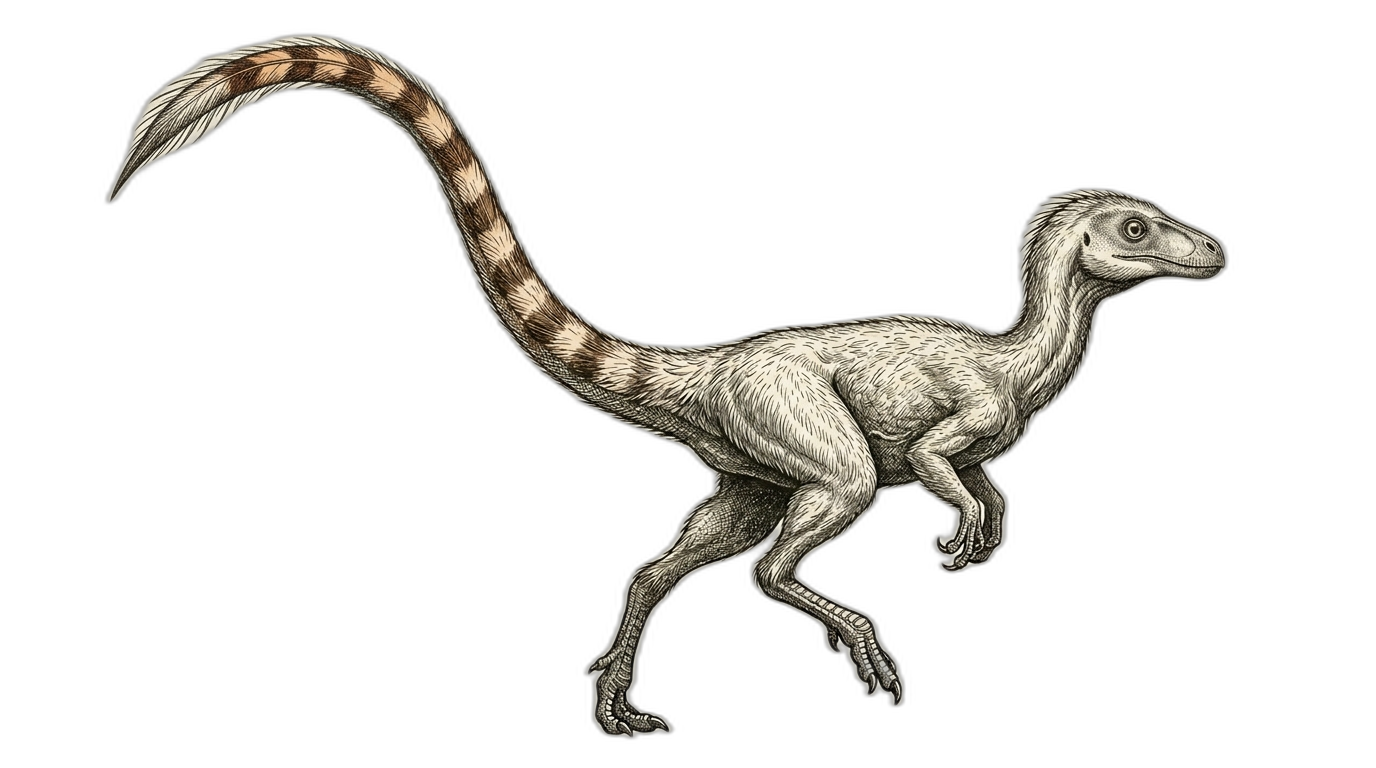
Sinosauropteryx
🥩Sinosauropteryx prima
1m · 0.0t
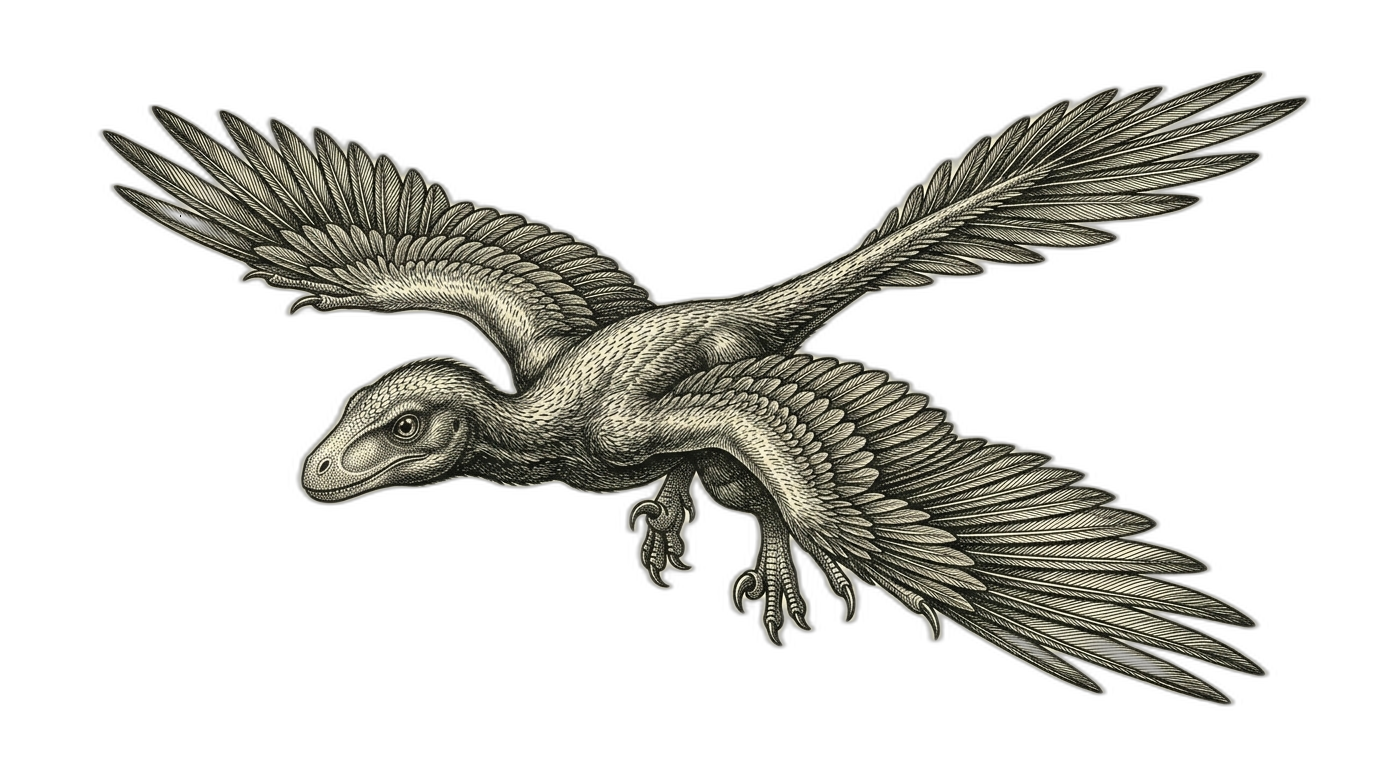
Microraptor
🥩Microraptor gui
0.65m · 0.0t
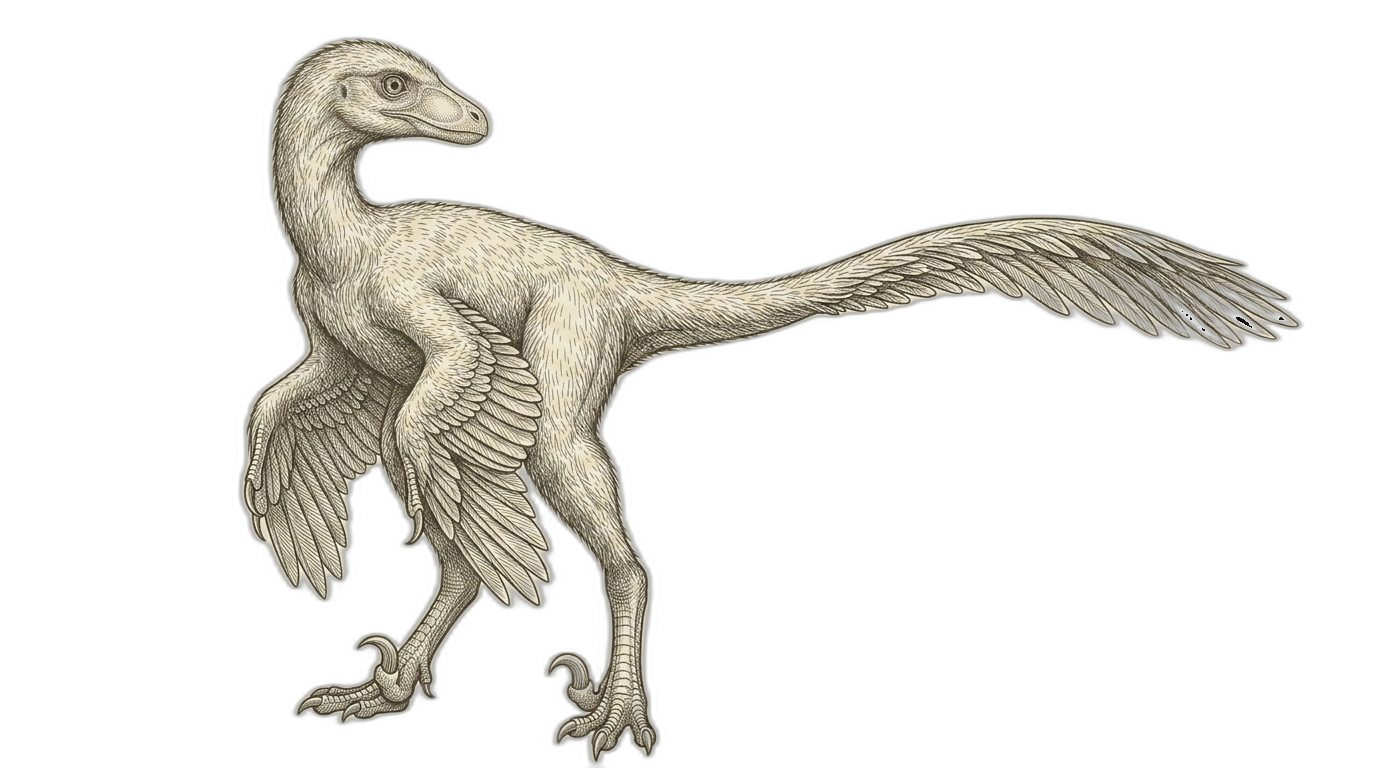
Sleeping Dragon
🥩Mei long
0.53m · 0.0t
- Melanosomes — the tiny structures that give feathers their colour — have been identified in Yixian specimens, allowing scientists to reconstruct that Sinosauropteryx had a striped, reddish-brown tail.