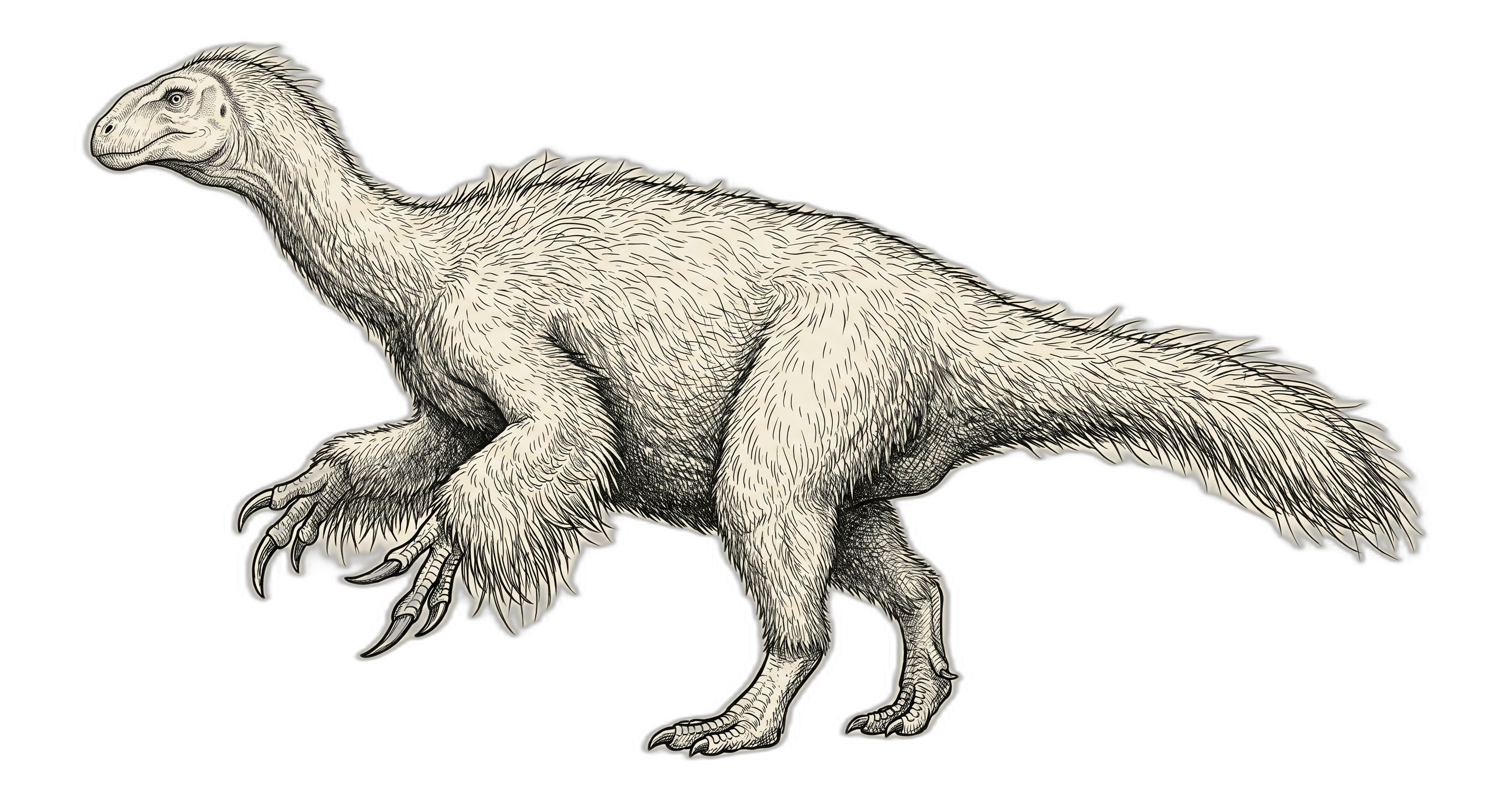
About
Beipiaosaurus represents one of the most important discoveries in understanding the evolution of feathers among dinosaurs. This medium-sized therizinosaur inhabited the lush lakeside environments of what is now Liaoning Province, China, approximately 125 million years ago. Standing about a meter tall at the hip, it possessed the characteristic features of its family: a small head with leaf-shaped teeth adapted for herbivory, a long neck, robust forelimbs with large curved claws, and a pot-bellied body plan suited to processing plant matter.
The most remarkable aspect of Beipiaosaurus is its preserved integumentary structures. Fossils reveal two distinct types of feathers: shorter, downy filaments covering the body and uniquely elongated, unbranched feathers called EBFFs (elongated broad filamentous feathers) that reached up to 15-20 centimeters in length. These unusual structures, discovered in 2009, represented a previously unknown feather type and suggested feathers served functions even in early evolution.
As one of the most basal therizinosaurs known, Beipiaosaurus bridges the gap between smaller, more primitive forms and the massive later therizinosaurs like Therizinosaurus. Its discovery in the exceptionally preserved Yixian Formation volcaniclastic sediments provided unprecedented insights into soft tissue preservation and demonstrated that feathered was widespread among diverse theropod lineages, not just those closely related to birds.
Quick Facts
- Scientific name
- Beipiaosaurus inexpectus
- Also known as
- Beipiao Lizard
- Group
- Theropod · Therizinosauridae
- Lived
- Early Cretaceous, 125–121 million years ago
- Diet
- Herbivore
- Movement
- Walked on two legs
- Fossils found in
- Yixian Formation (Liaoning, China)
- Discovery credited to
- 1996, Xu Xing, Tang Zhilu, and Wang Xiaolin
- Holotype
- IVPP V11559, Institute of Vertebrate Paleontology and Paleoanthropology, Beijing
- DinoVault record
- DVL-0017
Where fossils were found
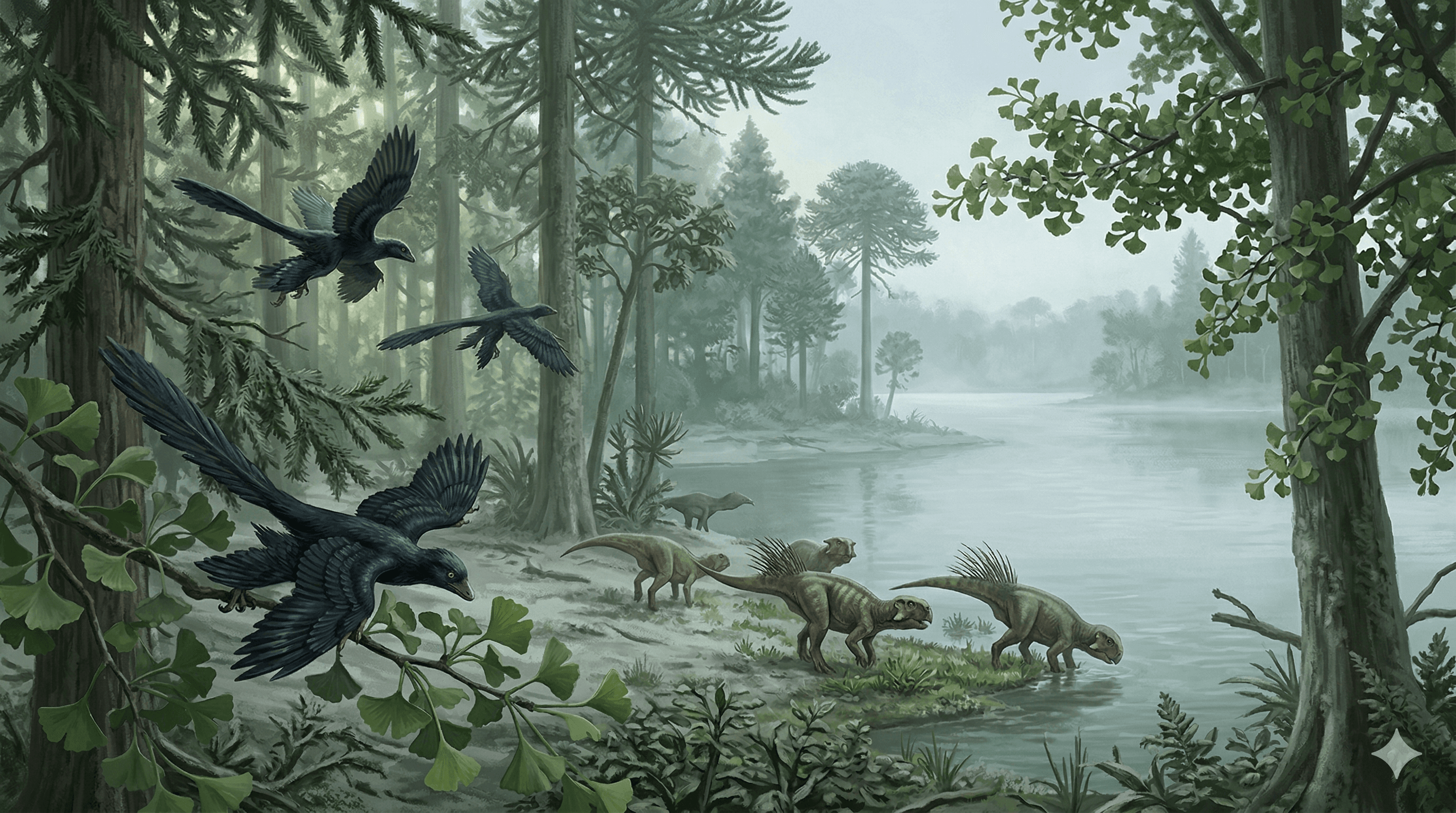
Yixian Formation
Liaoning · China
125–121 million years ago(4m year span)
Keep exploring the vault
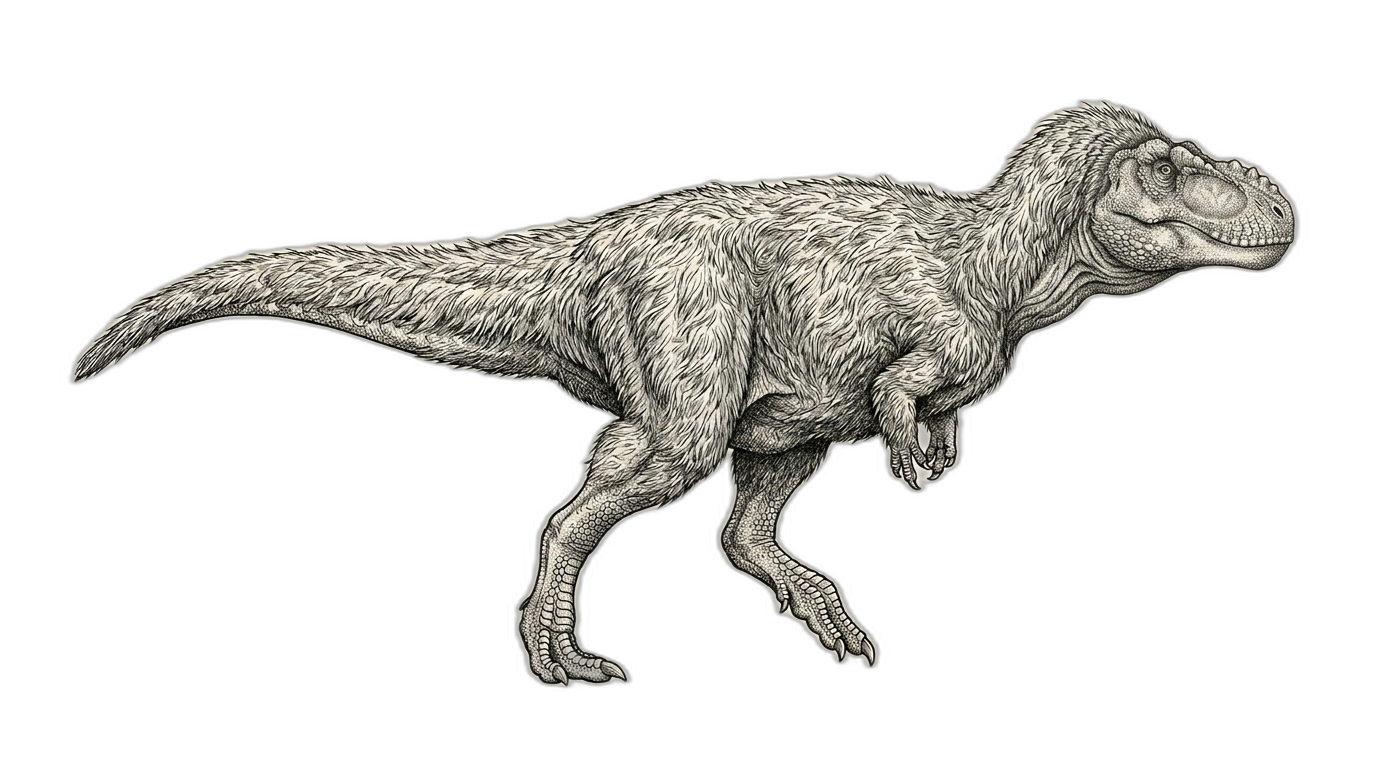
Yutyrannus
Yutyrannus huali
Yutyrannus huali was a 9-meter apex predator from the same Yixian Formation.
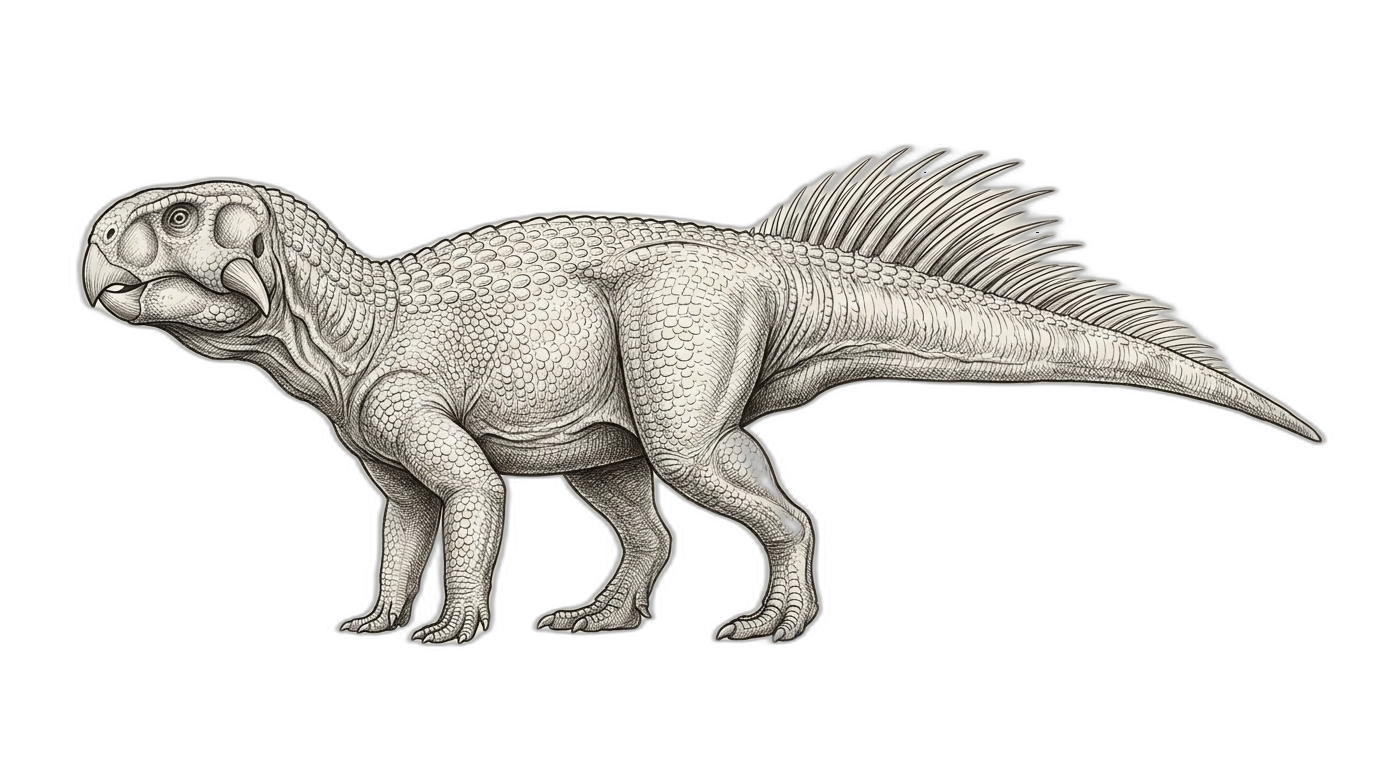
Psittacosaurus
Psittacosaurus mongoliensis
Both Psittacosaurus and Beipiaosaurus were medium-sized herbivores in the Yixian Formation ecosystem.
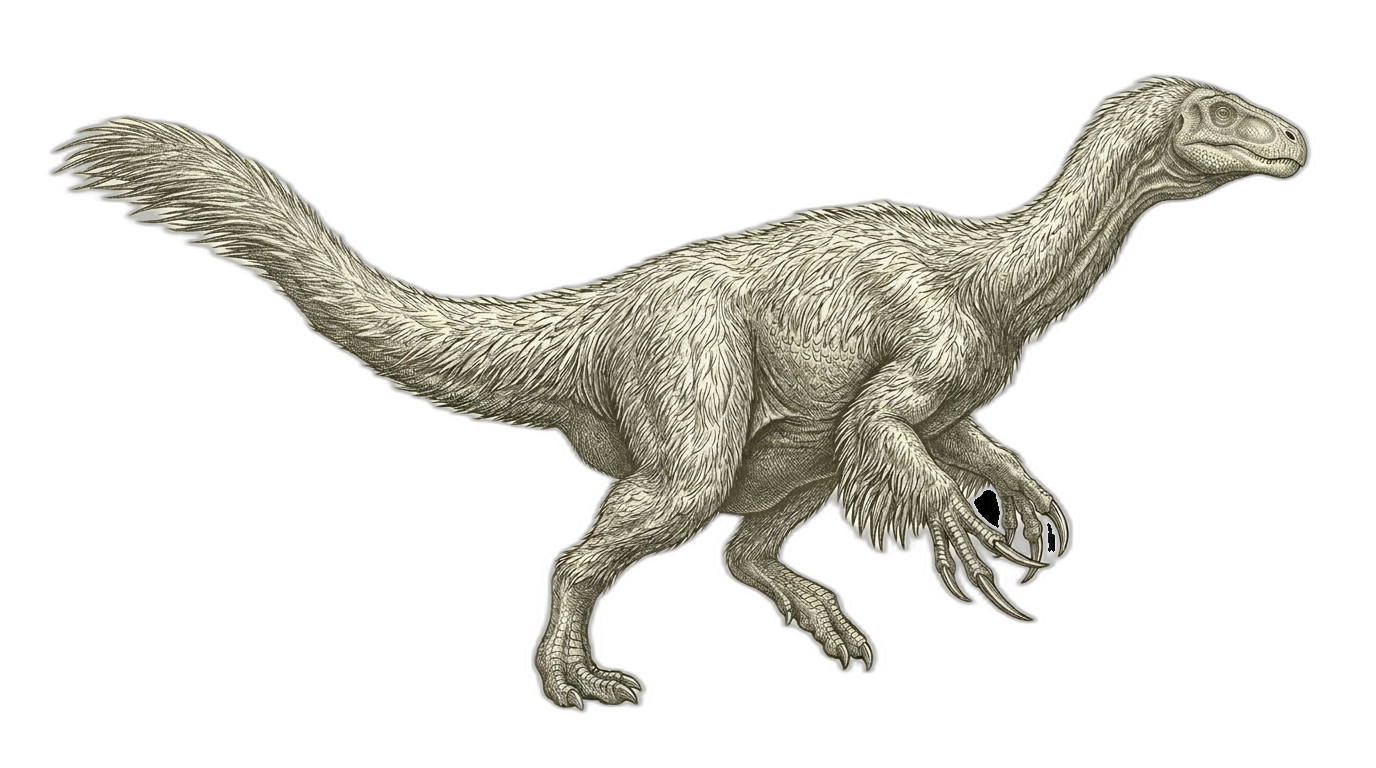
Therizinosaurus
Therizinosaurus cheloniformis
Beipiaosaurus is one of the earliest known therizinosaurids, dating to 125-121 mya.
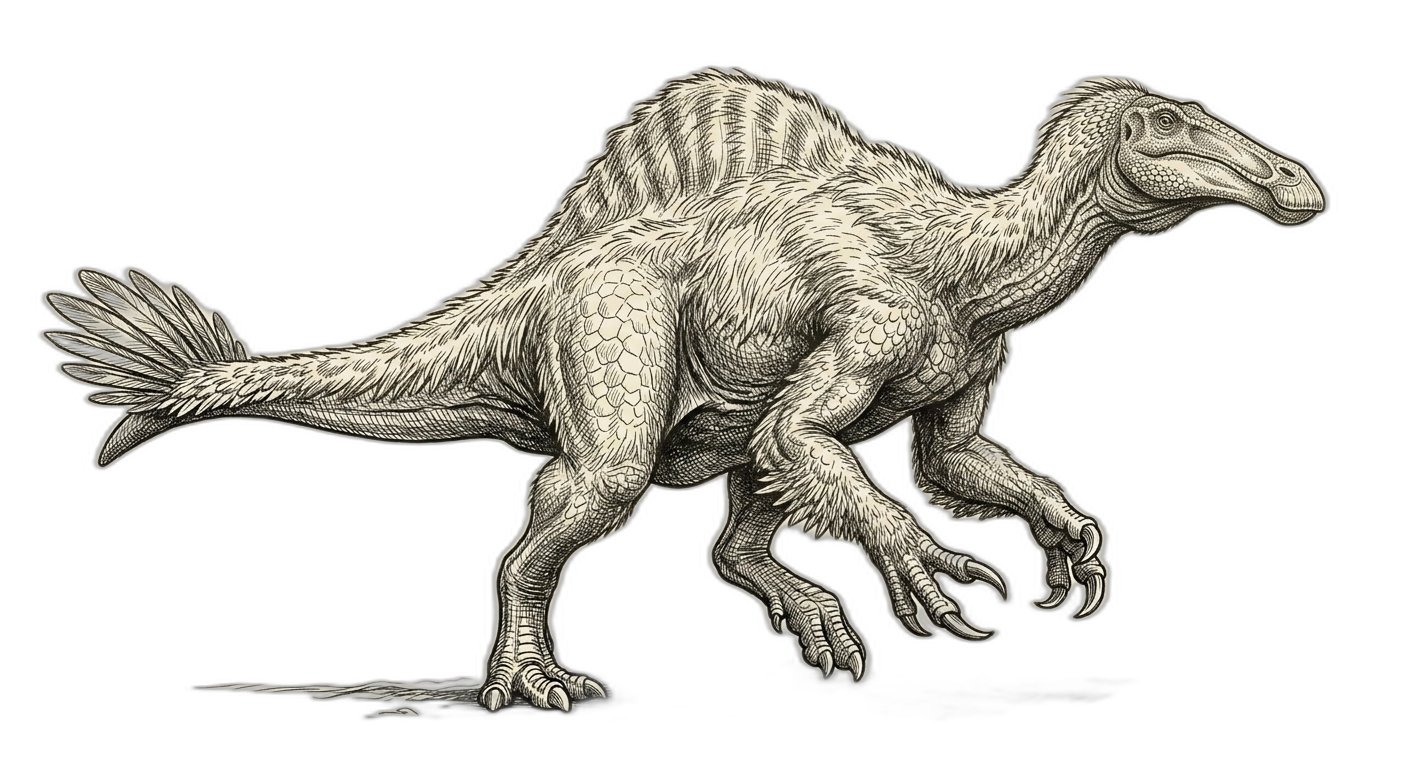
Deinocheirus
Deinocheirus mirificus
Both Beipiaosaurus and Deinocheirus represent theropod lineages that independently evolved herbivory and developed elongated claws on enlarged forelimbs.
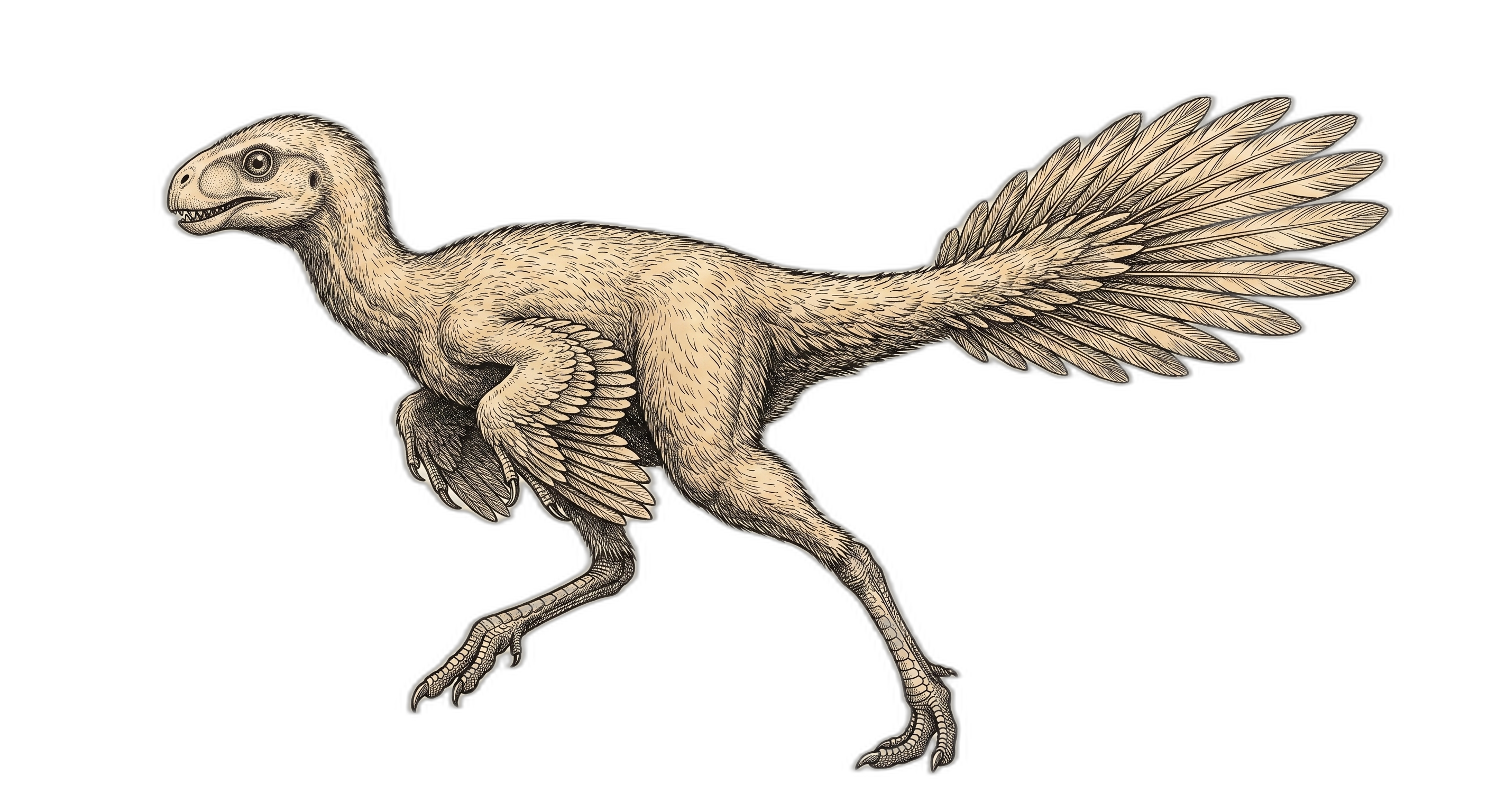
Caudipteryx
Both species are feathered maniraptorans from the Yixian Formation, with Caudipteryx being one of the most completely known feathered dinosaurs.
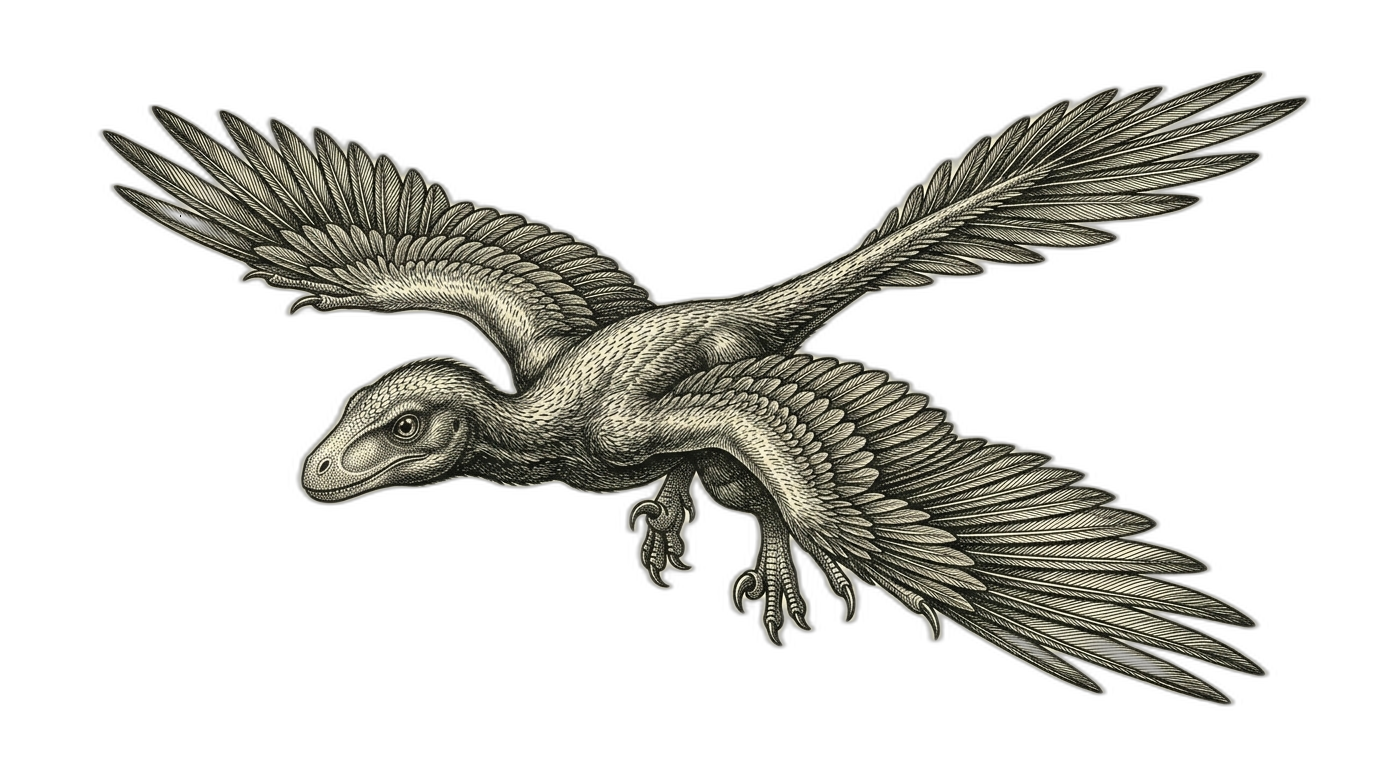
Microraptor
Microraptor gui
Microraptor and Beipiaosaurus coexisted in the Yixian Formation forests.
Sources & Citation
- Length estimates
- Xu et al., 1999, Nature
- Height estimates
- Estimated from skeletal proportions, Xu et al., 1999
- Weight estimates
- Estimated based on body dimensions, Xu et al., 1999
- Speed estimates
- Biomechanical estimate based on limb proportions