About
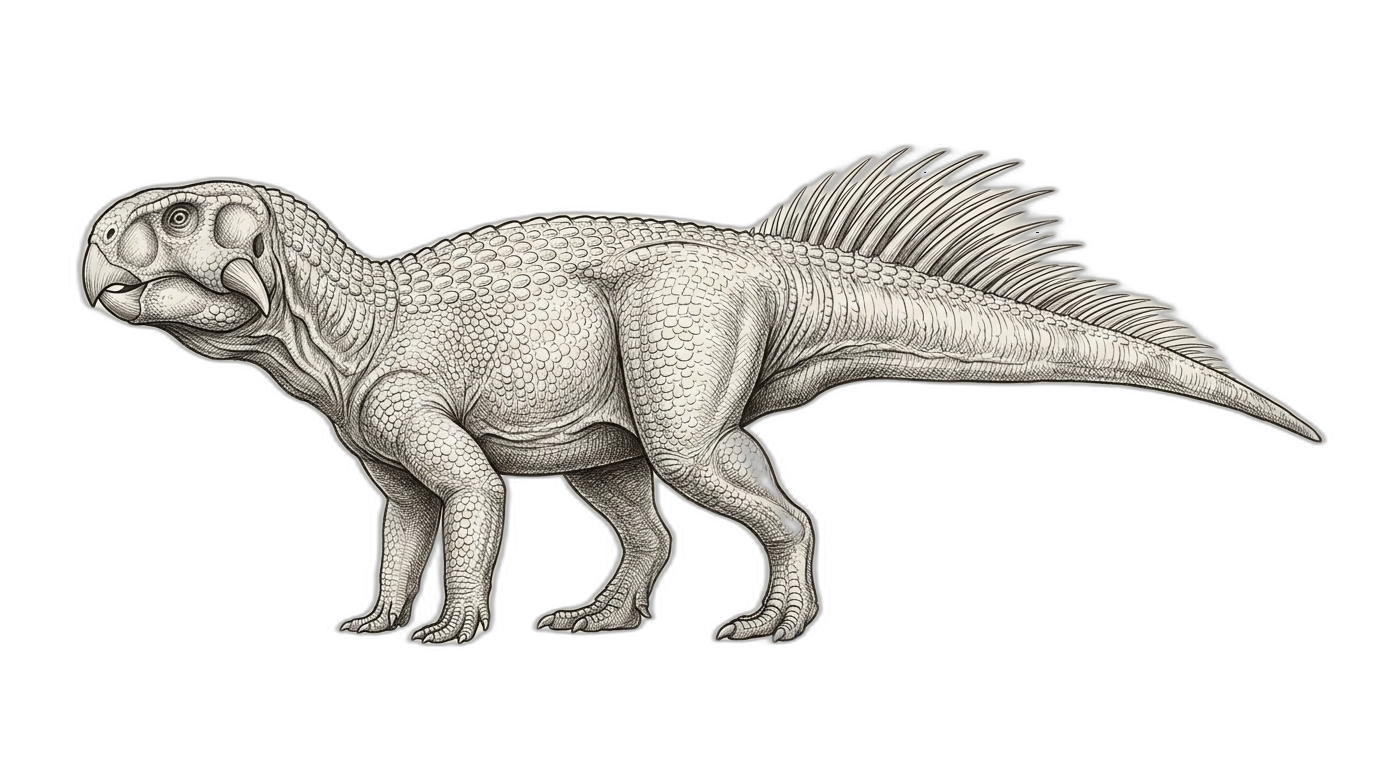
Psittacosaurus mongoliensis stands among the most completely understood dinosaurs ever discovered, a small whose name means "parrot lizard from Mongolia." This remarkable creature roamed the lush floodplains and forests of Early Cretaceous Asia approximately 120 million years ago, leaving behind a fossil record so abundant that scientists have been able to study its biology from to adult with extraordinary precision.
In life, Psittacosaurus presented a striking figure despite its modest size. Adults measured roughly two meters in length and stood about waist-high to a modern human. The skull bore the distinctive parrot-like beak that inspired its name—a powerful, curved structure perfectly adapted for cropping tough vegetation and cracking seeds. Large eyes set high on the head suggest keen vision, while prominent jugal horns flared outward from the cheeks, likely serving both defensive purposes and species recognition.
This dinosaur spent much of its time walking bipedally on strong hind legs, though it could drop to all fours when feeding on low-growing plants. Evidence suggests behavior, with multiple individuals sometimes found preserved together. One extraordinary fossil captures an adult surrounded by thirty-four juveniles, hinting at possible communal nesting or parental care.
The first specimens emerged from Mongolia's Gobi Desert in the 1920s during American Museum expeditions. Since then, hundreds of individuals have been recovered across China and Mongolia, making Psittacosaurus one of the most specimen-rich dinosaur genera known. This abundance has revealed details rarely preserved elsewhere, including skin texture showing scales of varying sizes and, most remarkably, long bristle-like structures along the tail that challenge assumptions about dinosaur .
Psittacosaurus offers paleontologists an invaluable window into ceratopsian evolution, representing an early chapter in the lineage that would eventually produce Triceratops.
Quick Facts
- Scientific name
- Psittacosaurus mongoliensis
- Group
- Ceratopsian · Psittacosauridae
- Lived
- Early Cretaceous, 126–101 million years ago
- Diet
- Herbivore
- Movement
- Walked on two legs
- Fossils found in
- Yixian Formation (Liaoning, China)
- Discovery credited to
- 1922, Henry Fairfield Osborn
- Holotype
- AMNH 6254, American Museum of Natural History
- DinoVault record
- DVL-0113
Where fossils were found
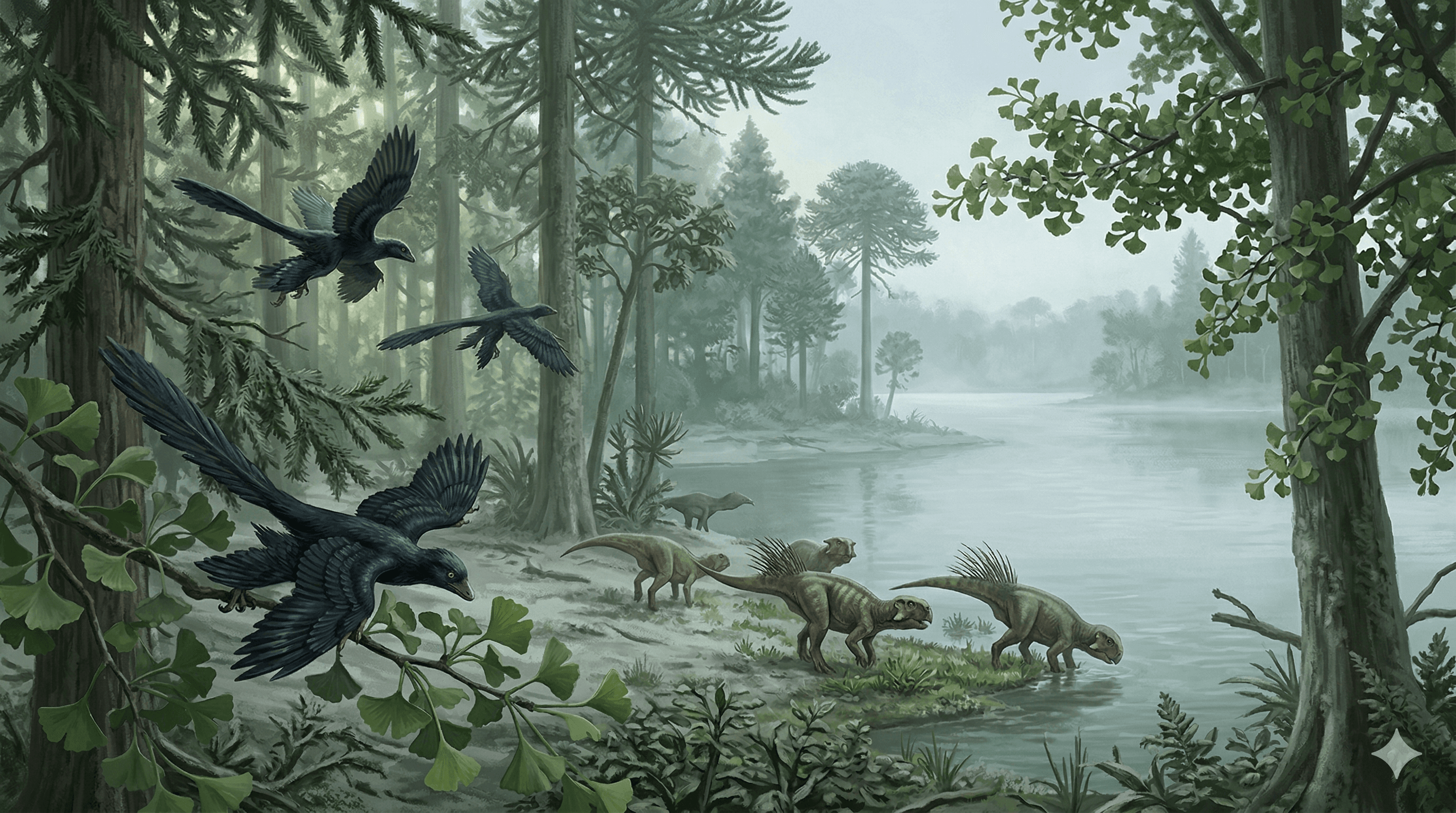
Yixian Formation
Liaoning · China
126–101 million years ago(25m year span)
Where Psittacosaurus Roamed
During the Early Cretaceous, *Psittacosaurus mongoliensis* inhabited the semi-arid floodplains and lake-dotted basins of eastern Laurasia, in a region that would become the Gobi Desert of modern Mongolia and northern China. This interior continental landscape featured seasonal rivers, dense stands of conifers and ferns, and a warm temperate climate far removed from the shallow seas that bordered the Asian landmass.
Keep exploring the vault
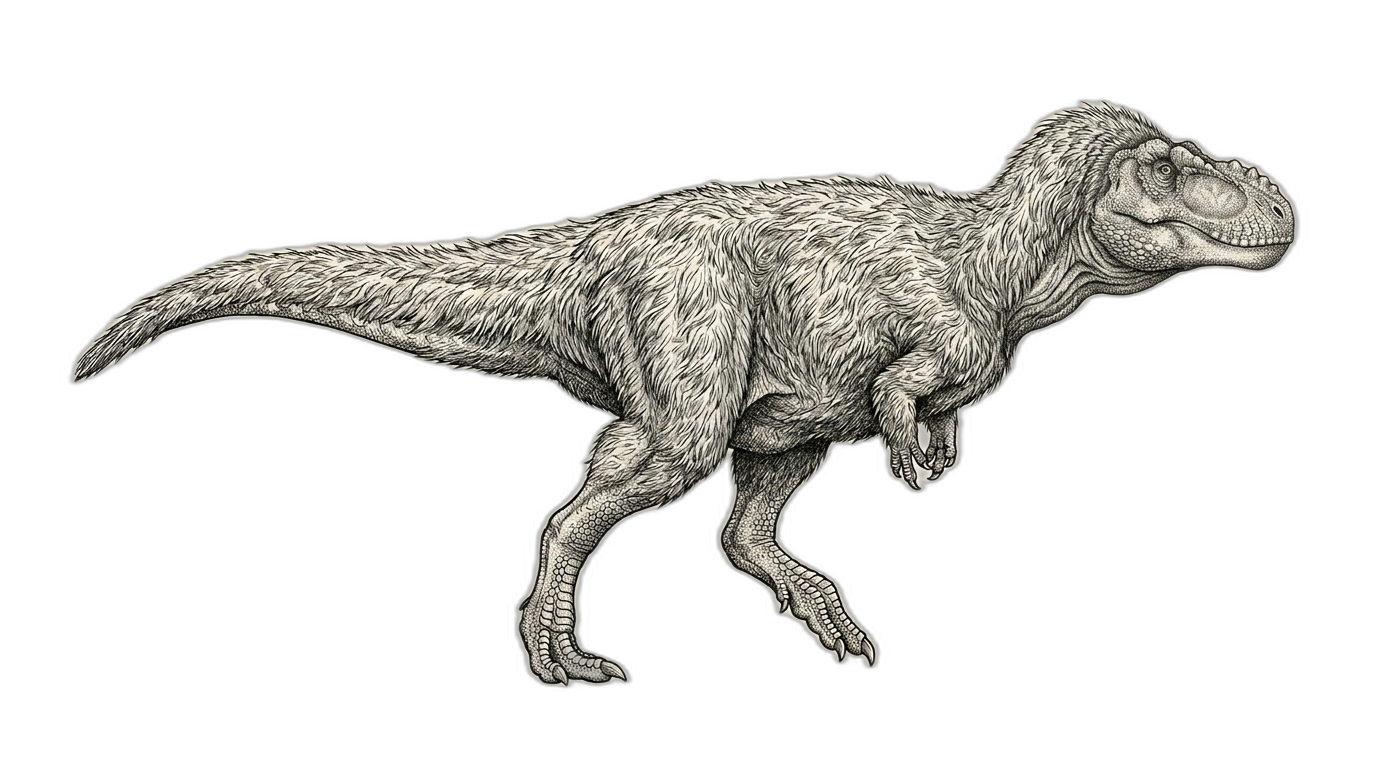
Yutyrannus
Yutyrannus huali
Yutyrannus was a large tyrannosaur (9m, 1414kg) sharing the Yixian Formation with Psittacosaurus.
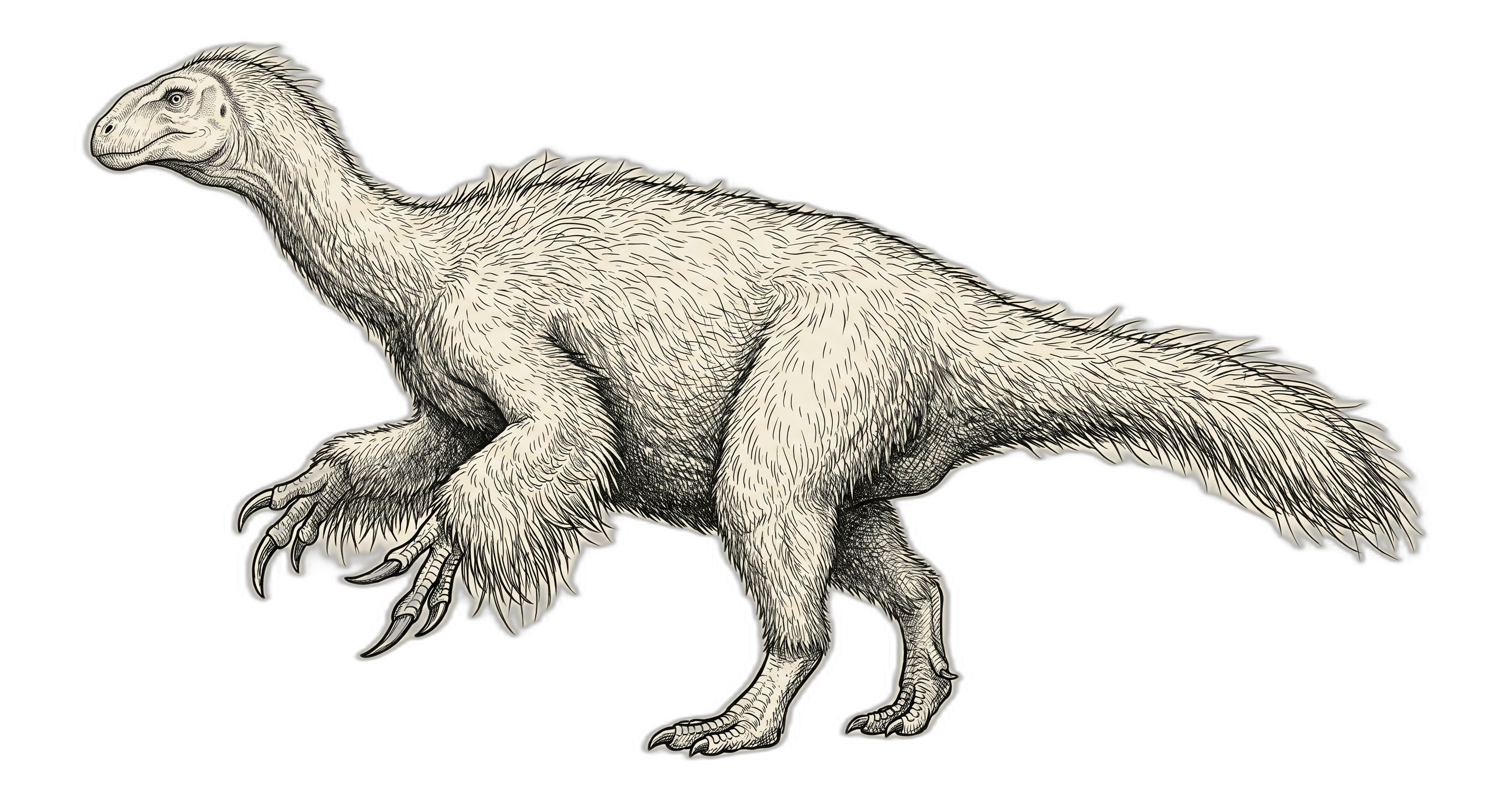
Beipiao Lizard
Beipiaosaurus inexpectus
Both Psittacosaurus and Beipiaosaurus were medium-sized herbivores in the Yixian Formation ecosystem.
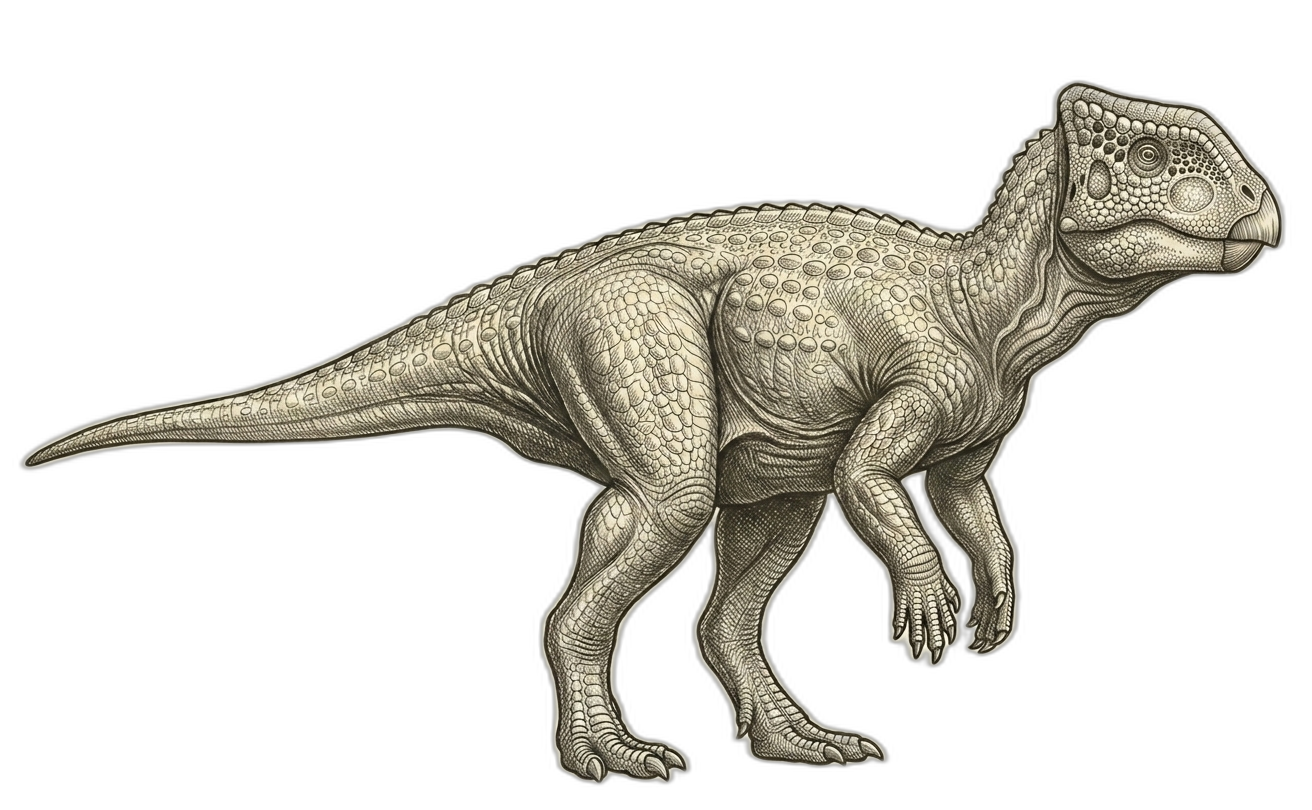
Hidden Dragon
Yinlong downsi
Yinlong is the most basal known ceratopsian, retaining primitive features while showing early ceratopsian characteristics.
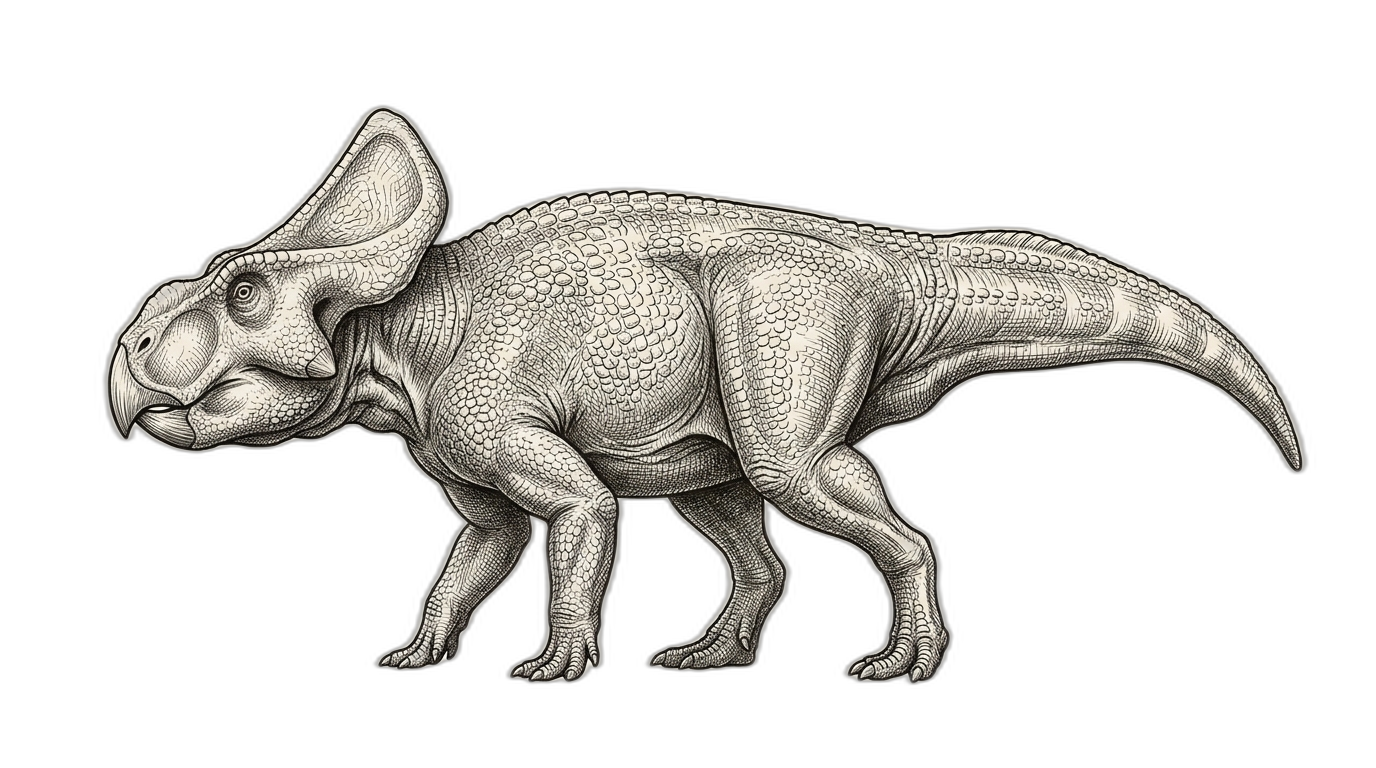
Protoceratops
Protoceratops andrewsi
Both are basal ceratopsians that represent the small-bodied, bipedal/facultatively quadrupedal body plan before the evolution of large horned ceratopsids.
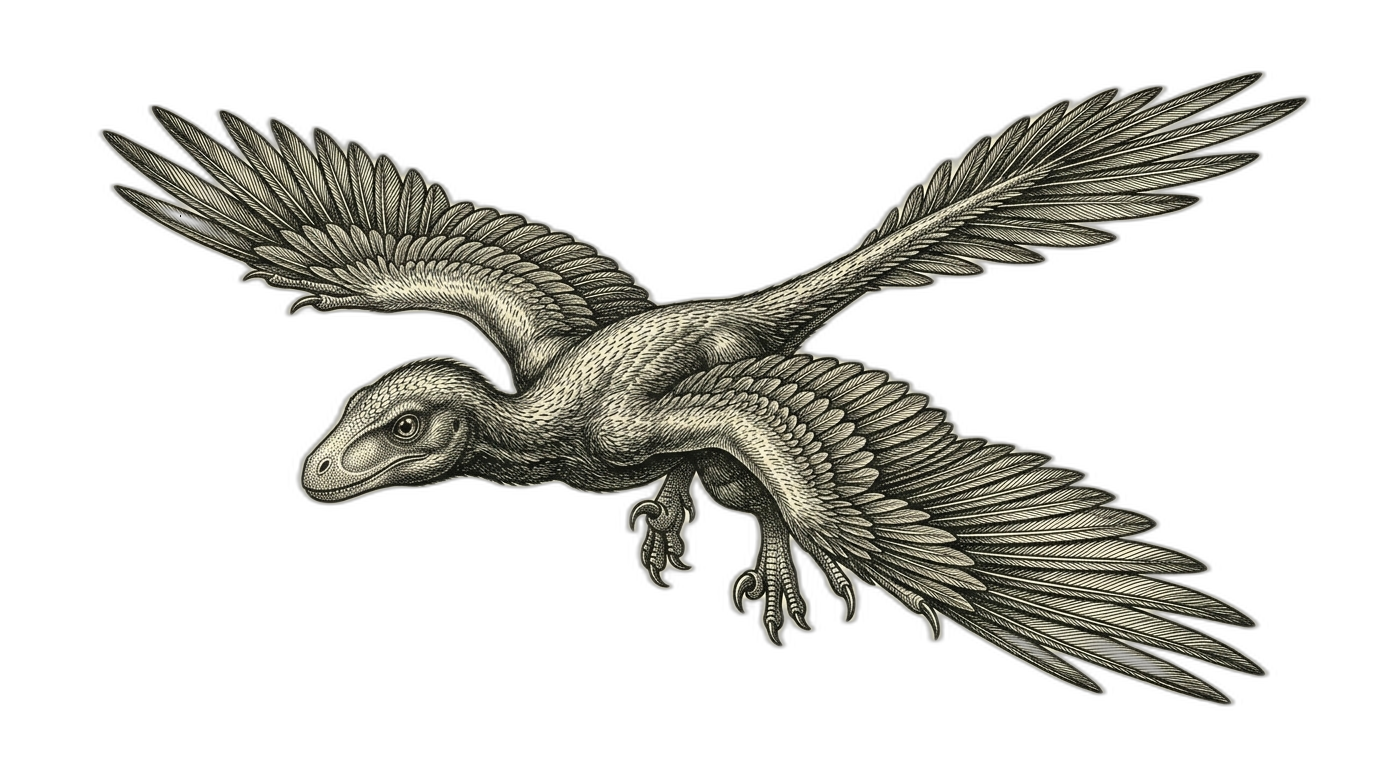
Microraptor
Microraptor gui
Both species are exceptionally well-preserved in the Yixian Formation lagerstätte, with soft tissue preservation including Microraptor's four-winged plumage and Psittacosaurus's tail bristles and skin textures.
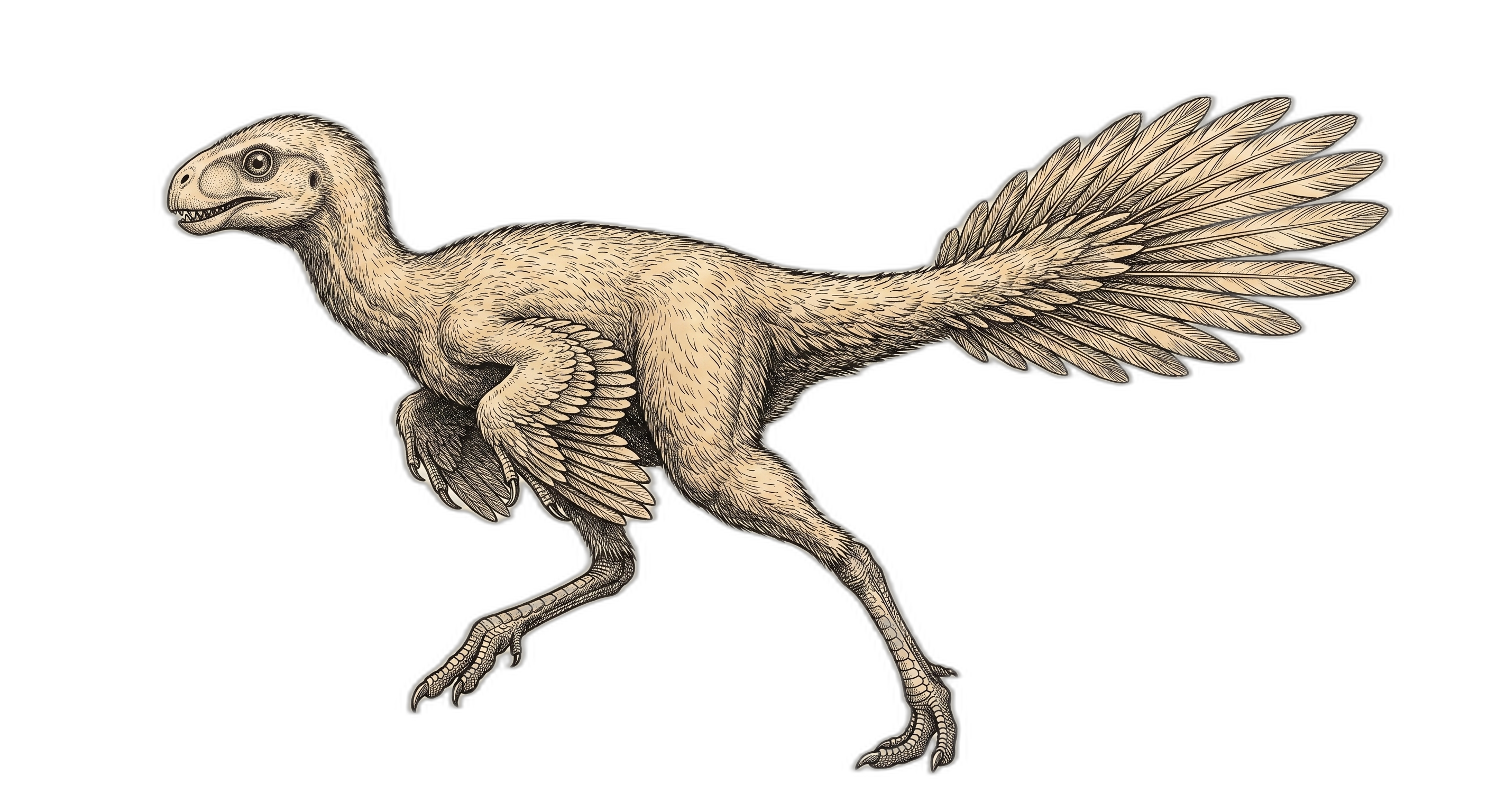
Caudipteryx
Both common members of the Yixian Formation fauna.
Sources & Citation
- Length estimates
- Sereno, 1987; Erickson & Tumanova, 2000
- Height estimates
- Estimated from skeletal reconstructions; Sereno et al., 2010
- Weight estimates
- Erickson & Tumanova, 2000; Zhao et al., 2013
- Speed estimates
- Biomechanical estimate based on limb proportions