About
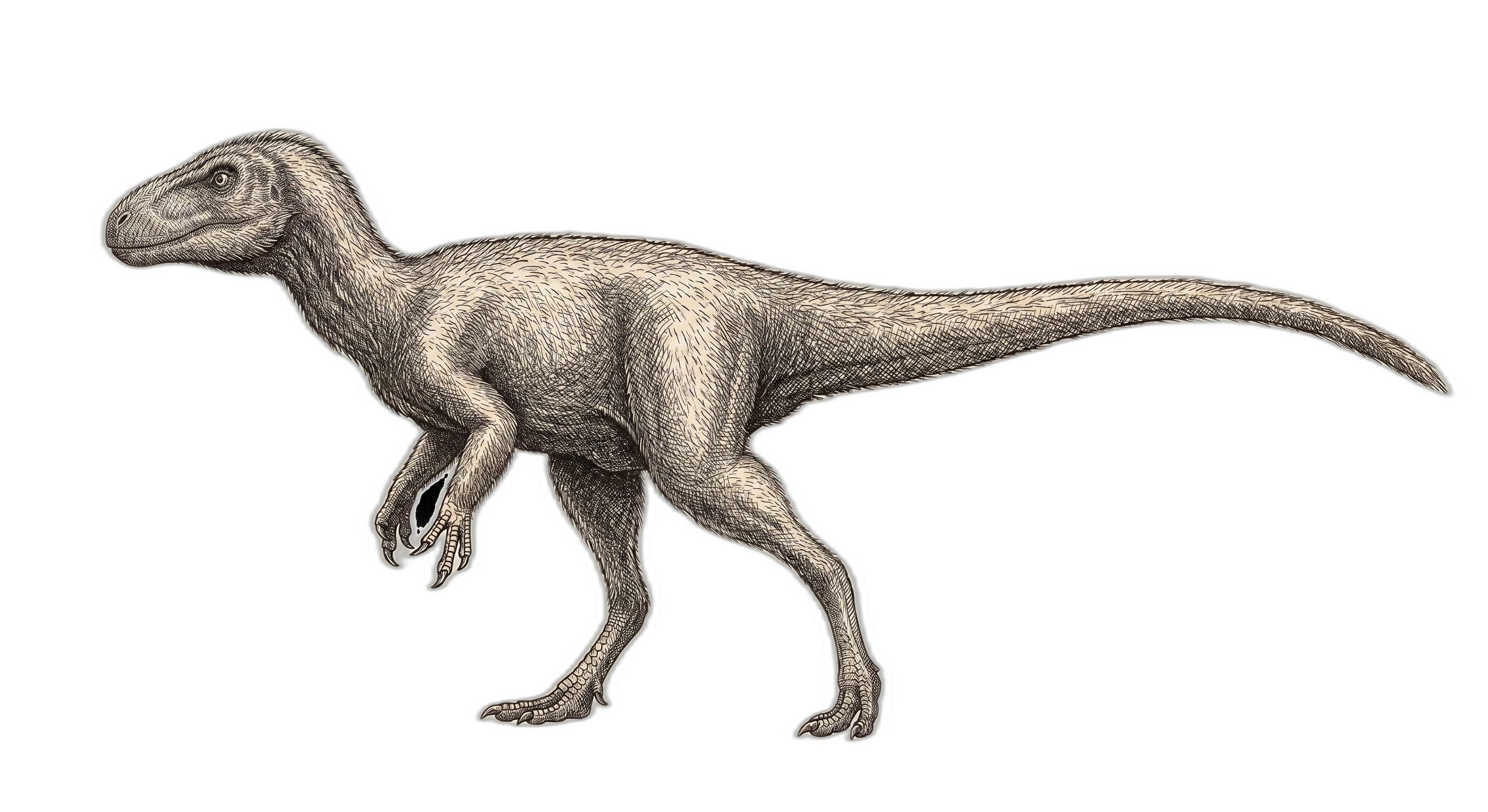
Dilong paradoxus was a small, agile predator that roamed the forests of what is now northeastern China approximately 126 million years ago. At just 1.6 meters long, this Early Cretaceous carnivore was a far cry from its famous descendant Tyrannosaurus rex, but it shared the same basic body plan: powerful hind legs, small forelimbs, and a skull built for biting.
The discovery of Dilong in 2004 by Xu Xing and colleagues sent shockwaves through the paleontological community. The remarkably well-preserved specimens from the Yixian Formation revealed something extraordinary: filamentous feathers covering parts of the body. This was the first direct evidence that tyrannosaurs—the lineage that would eventually produce the most famous predator of all time—were feathered, at least in their smaller, earlier forms.
Dilong's name means "emperor dragon" in Mandarin Chinese, while "paradoxus" refers to its unexpected combination of primitive and advanced features. Despite its small size, Dilong already possessed the distinctive tyrannosauroid skull shape and tooth structure that would characterize its later relatives. It likely hunted small , lizards, and mammals in the lush Cretaceous forests.
The exceptional preservation of the Yixian Formation, created by volcanic ash that buried animals rapidly, allowed scientists to see details rarely preserved in fossils. Dilong's discovery fundamentally changed how we imagine the tyrannosauroid family tree—not as a lineage of perpetually scaly giants, but as feathered animals whose largest members may have lost their plumage as they evolved to massive sizes.
Quick Facts
- Scientific name
- Dilong paradoxus
- Group
- Tyrannosaur · Tyrannosauridae
- Lived
- Early Cretaceous, 145–100 million years ago
- Diet
- Carnivore
- Movement
- Walked on two legs
- Fossils found in
- Yixian Formation (Liaoning, China)
- Discovery credited to
- 2004, Xu Xing, Mark Norell, et al.
- Holotype
- IVPP V14243 · Institute of Vertebrate Paleontology and Paleoanthropology, Beijing
- DinoVault record
- DVL-0040
Where fossils were found
Yixian Formation
Liaoning · China
145–100 million years ago(45m year span)
Where Dilong paradoxus Roamed
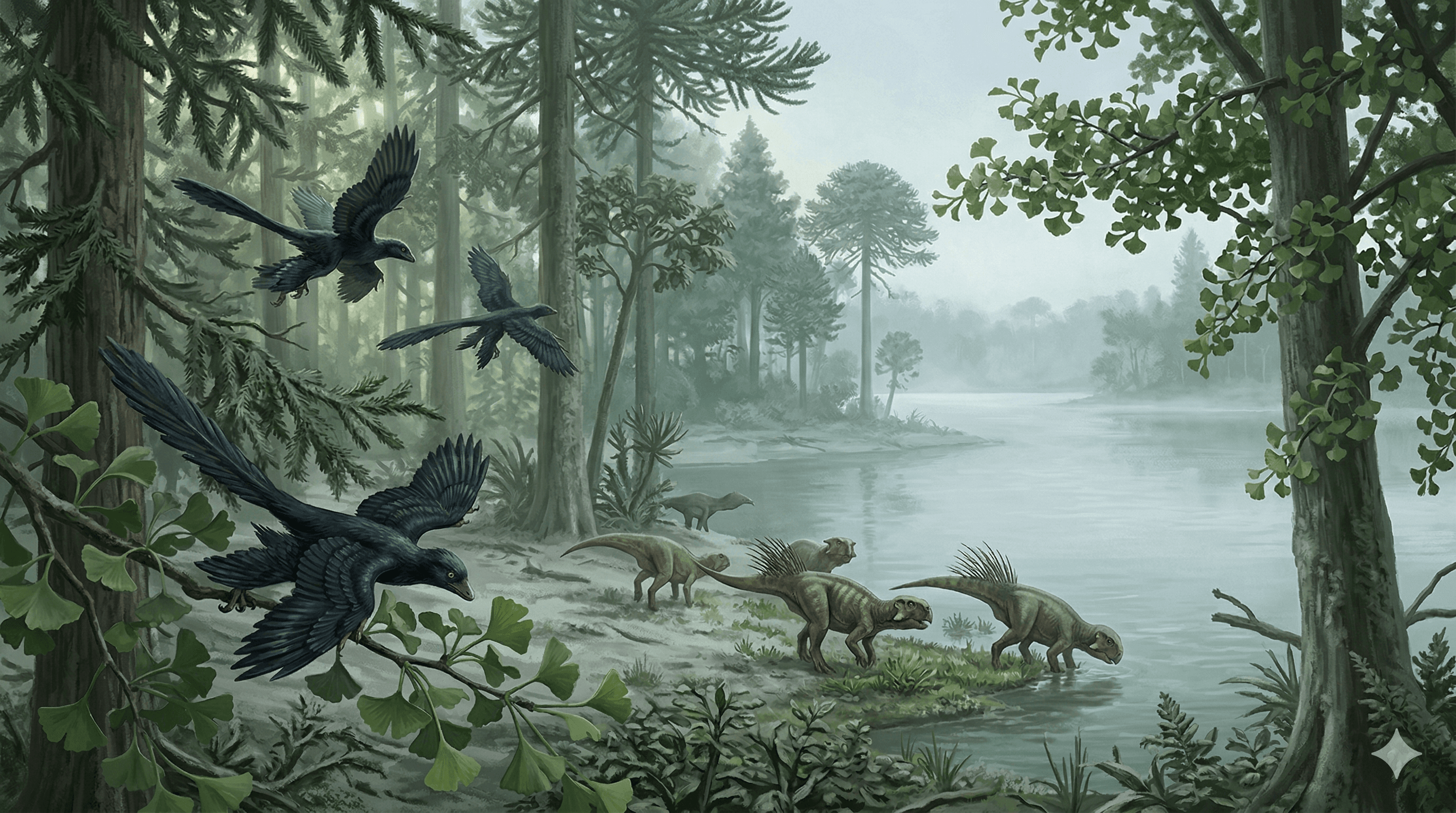
Dilong paradoxus inhabited the lush lakeland ecosystems of Early Cretaceous northeastern China, where volcanic highlands gave way to temperate forests of conifers and ginkgoes surrounding calm freshwater lakes. This region of the eastern Asian landmass experienced a relatively mild, humid climate, creating an environment where feathered tyrannosaurs prowled alongside diverse communities of early birds, small mammals, and abundant fish.
Keep exploring the vault
Yutyrannus
Yutyrannus huali
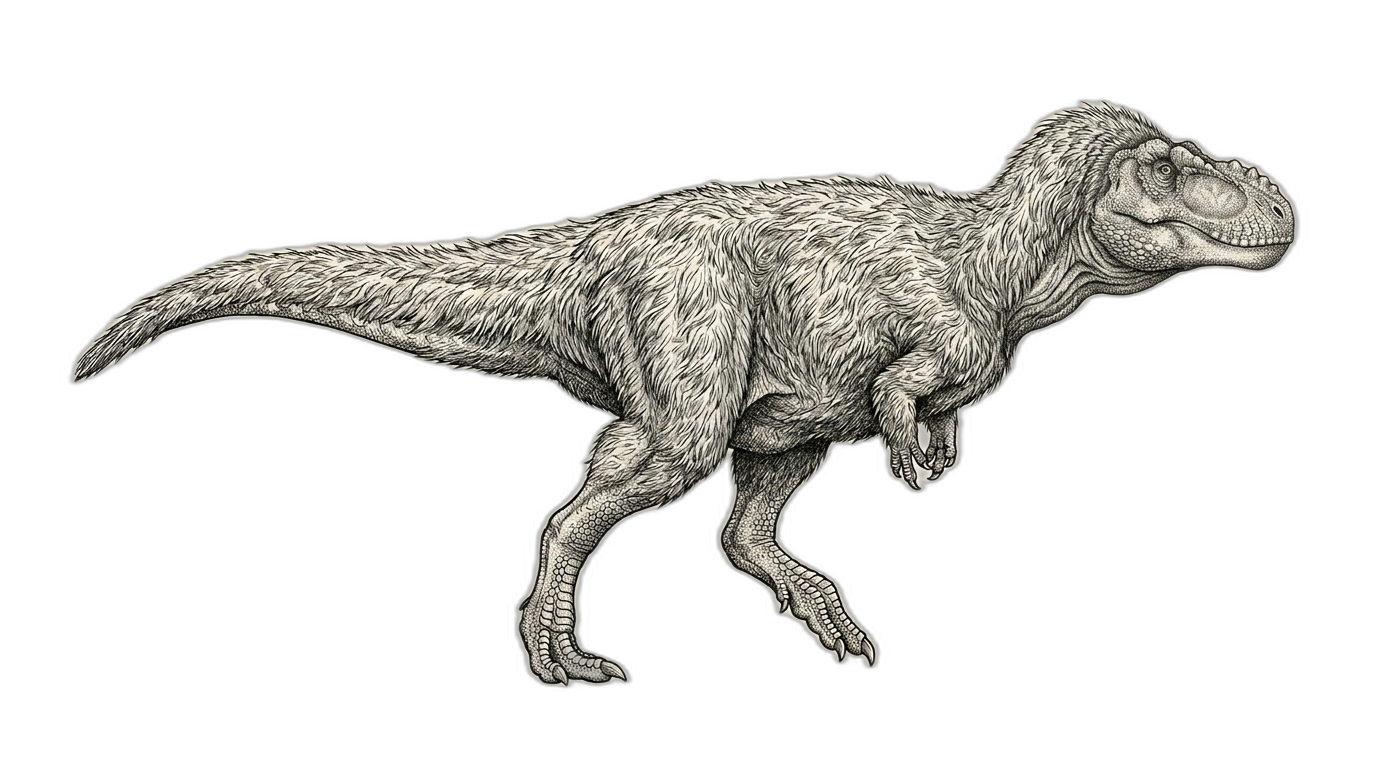
Yutyrannus (9m, 1414kg) was a massive feathered tyrannosauroid that shared the Yixian Formation with Dilong.
Sinosauropteryx
Sinosauropteryx prima
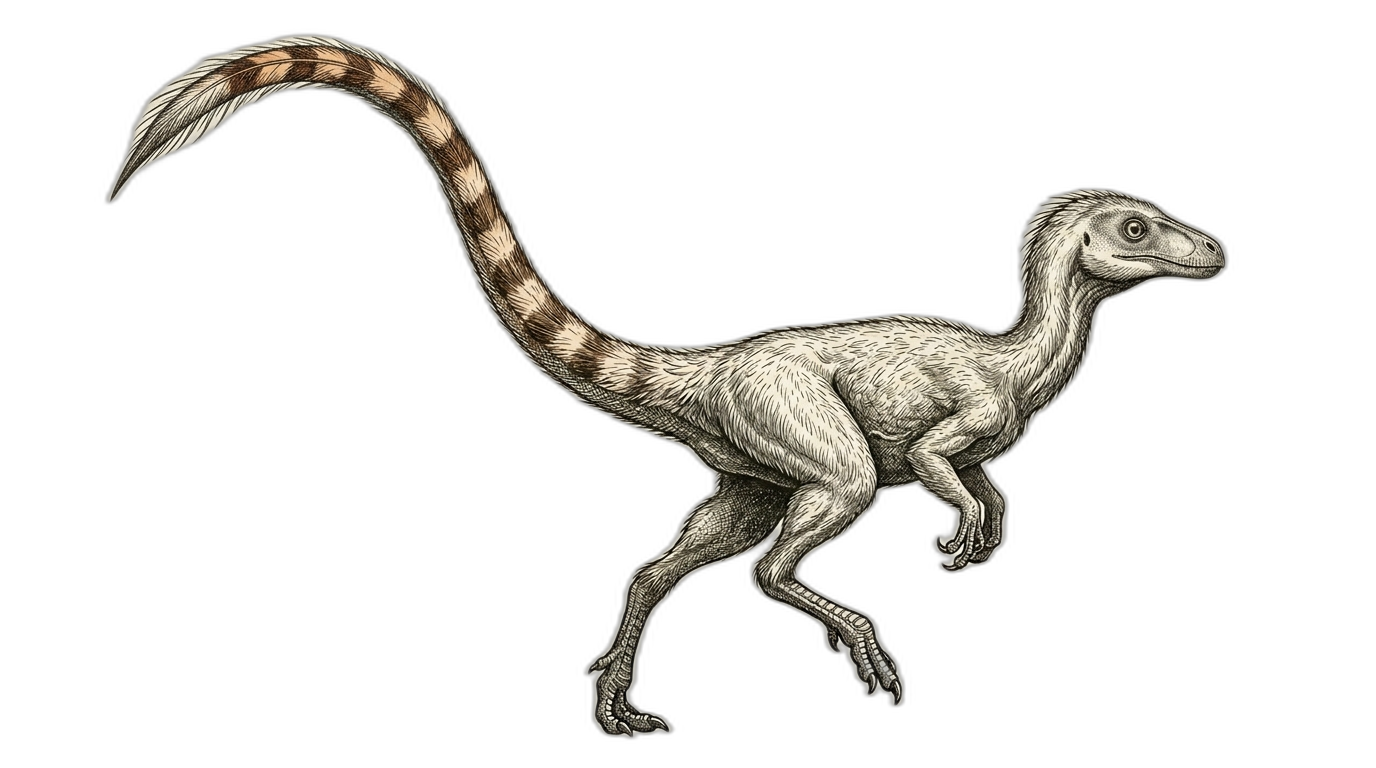
Dilong at 1.6m and 11kg was significantly larger than Sinosauropteryx (1m, 1kg).
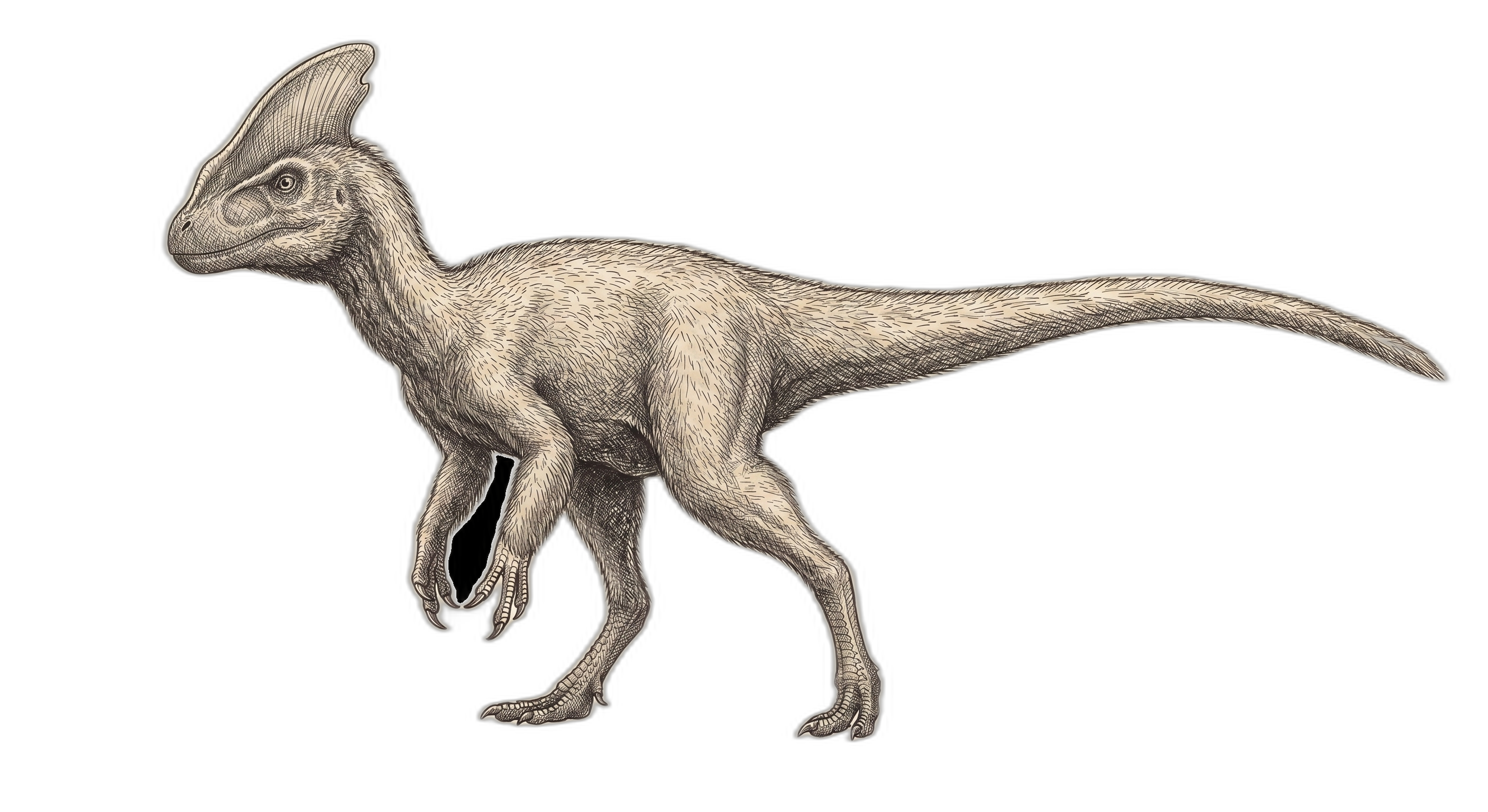
Guanlong
Both are early tyrannosauroids with similar body plans—small, agile, feathered predators with elongated skulls.
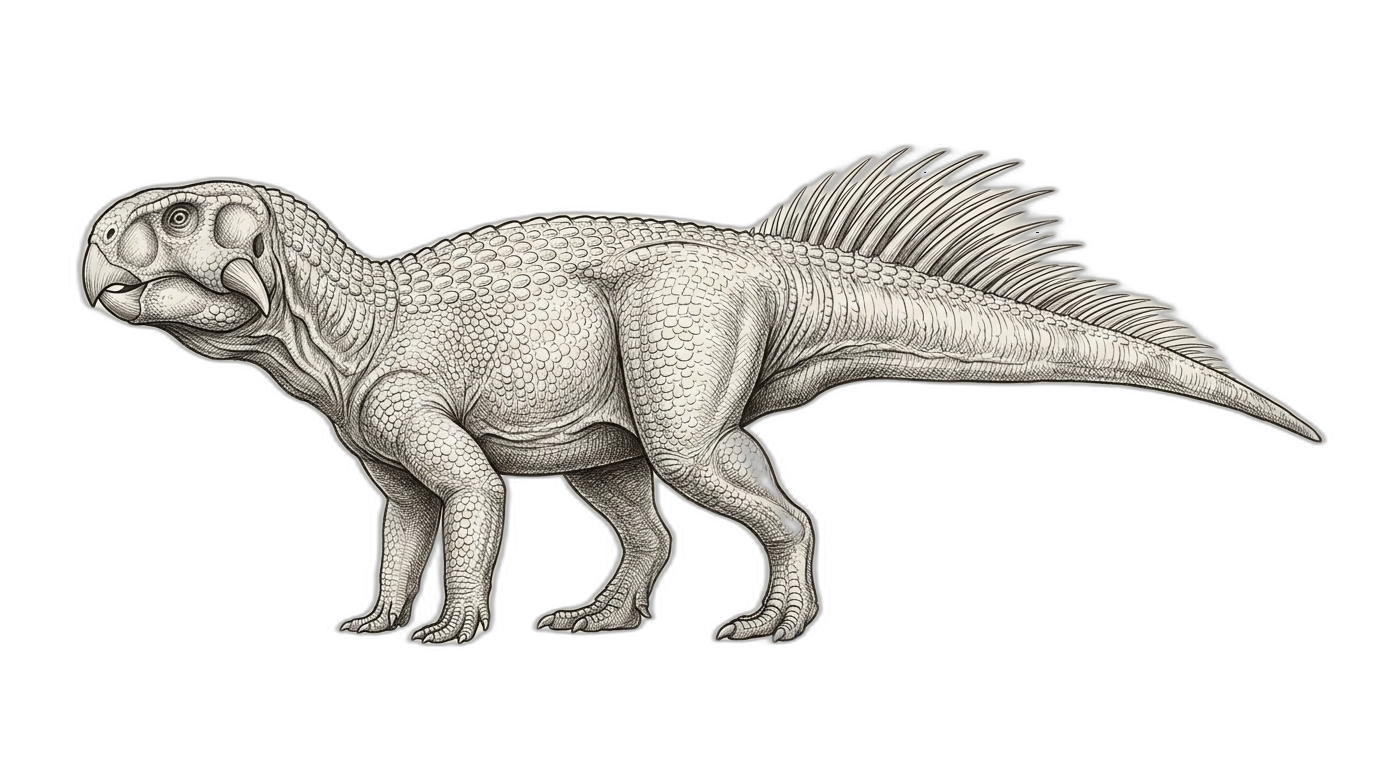
Psittacosaurus
Psittacosaurus mongoliensis
Both shared the Yixian Formation ecosystem.
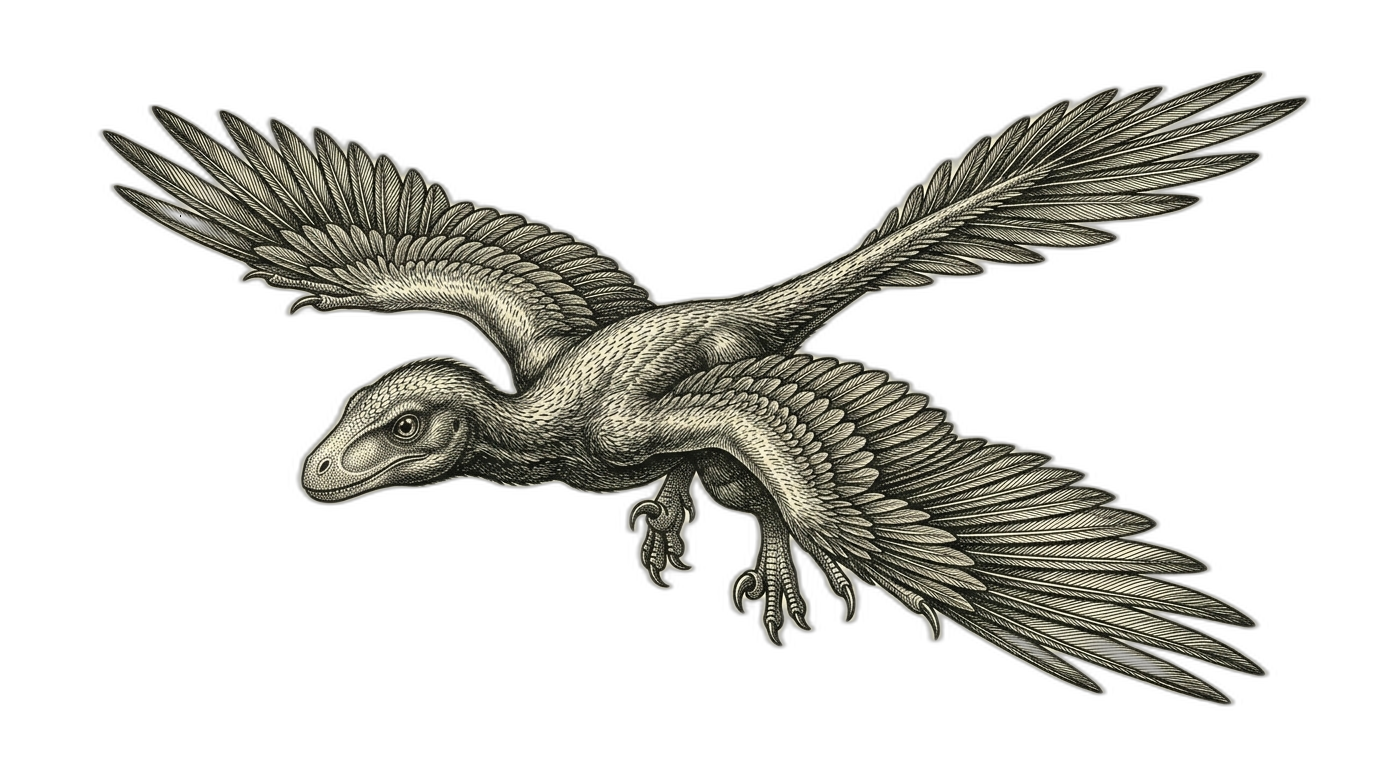
Microraptor
Microraptor gui
Microraptor at 0.65m and 0.6kg was much smaller than Dilong (1.6m, 11kg).
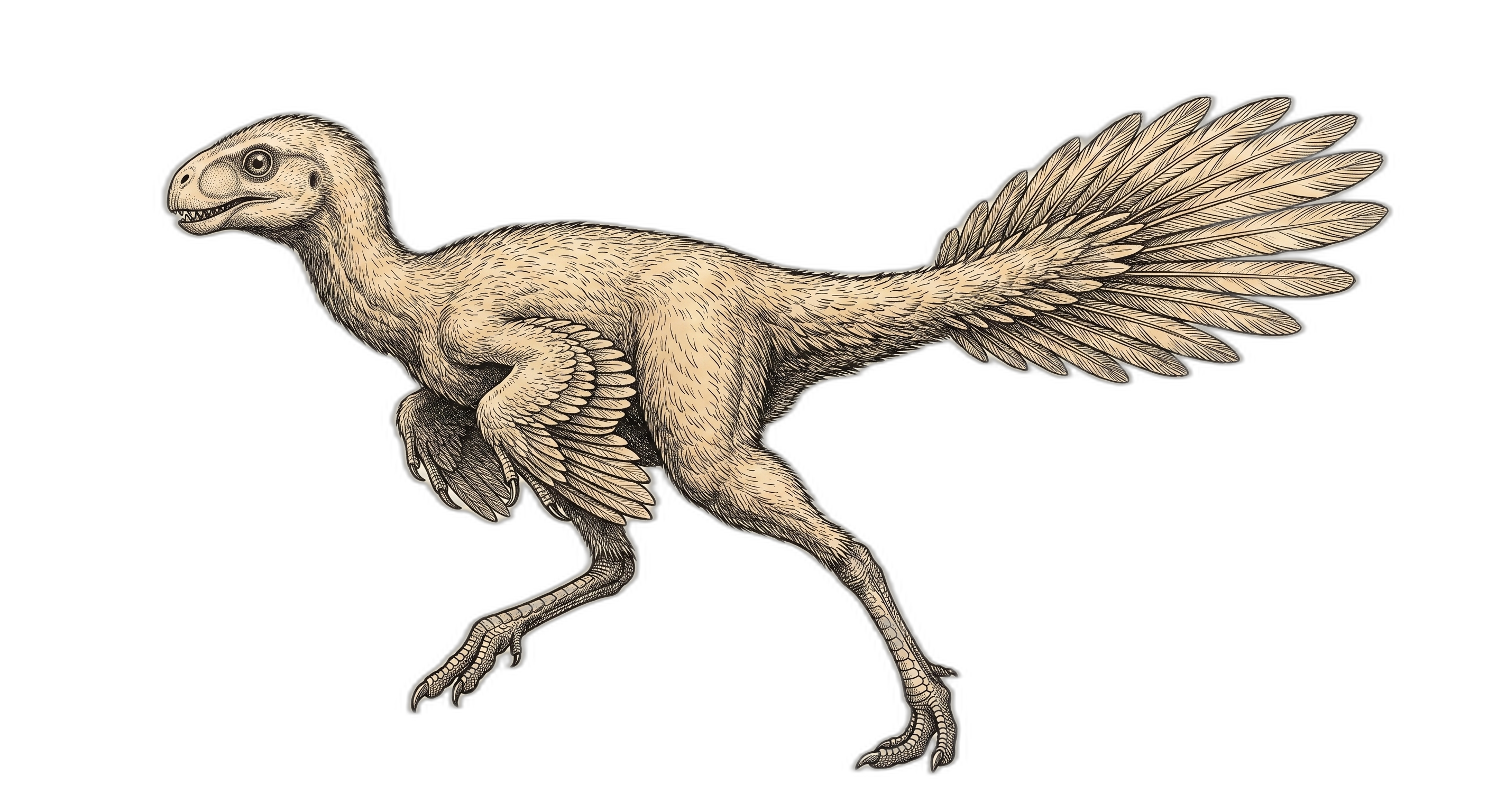
Caudipteryx
Caudipteryx (0.9m, 7kg) was smaller than Dilong and shared the Yixian Formation.
Sources & Citation
- Length estimates
- Xu et al. 2004; based on relatively complete holotype specimen
- Height estimates
- Estimated hip height from limb proportions; Xu et al. 2004
- Weight estimates
- Xu et al. 2004; mass estimates from skeletal dimensions
- Speed estimates
- Inferred from limb proportions suggesting cursorial capability; no direct evidence