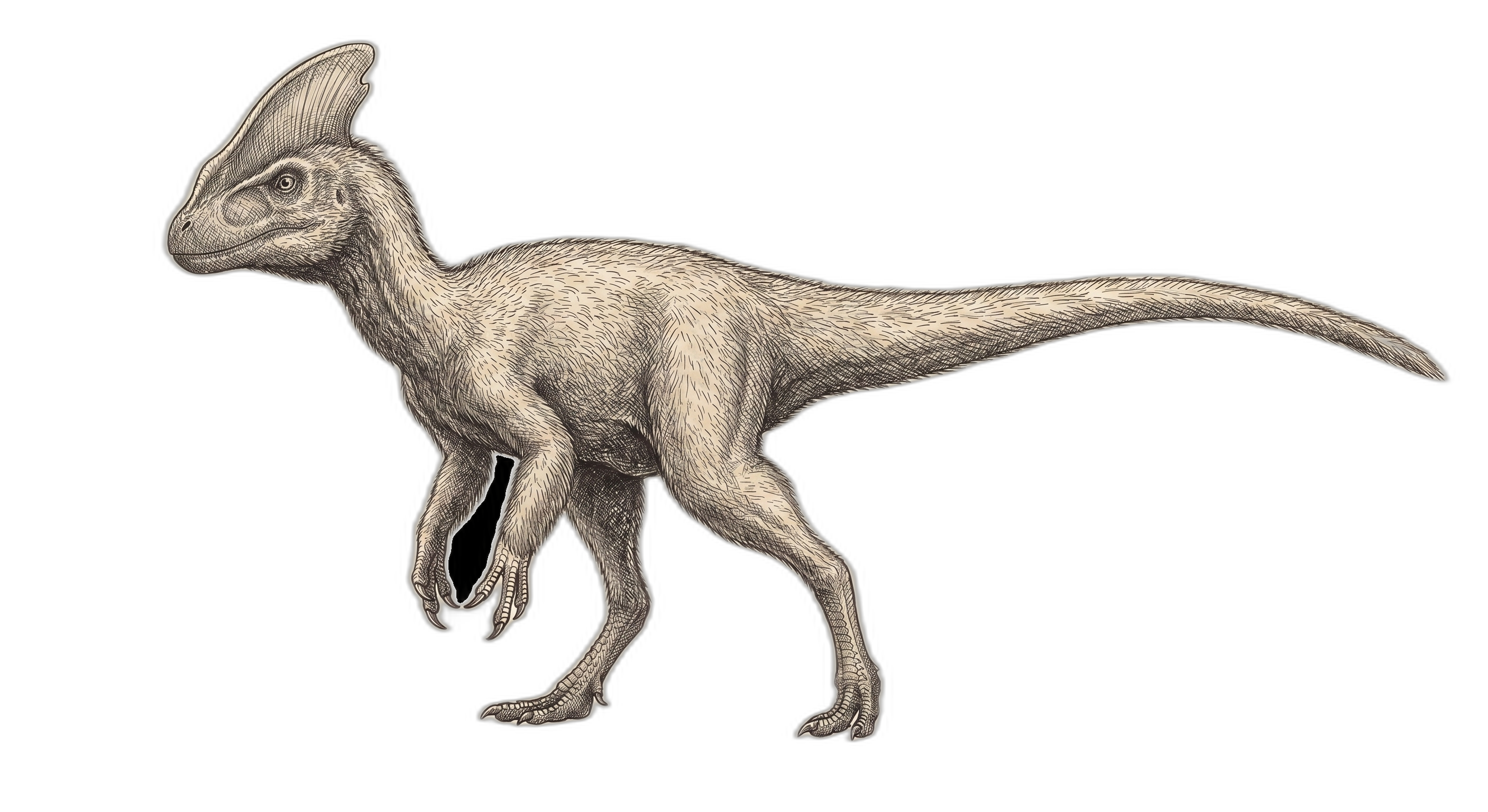
About
Guanlong was a small, early that lived approximately 160 million years ago in what is now northwestern China. Despite being an ancestor of the mighty Tyrannosaurus rex, Guanlong was a modest predator standing only about waist-high to a human. Its most striking feature was a large, fragile running along the top of its skull — so thin and delicate it couldn't have been used for combat, suggesting it was purely for or species recognition.
This dinosaur was a nimble, carnivore with relatively long arms tipped with three-fingered hands — quite different from the stubby two-fingered arms that would later evolve in its giant descendants. Guanlong likely hunted small prey in the lush Jurassic forests and lakesides of the Shishugou Formation, an ecosystem that also harbored early mammals, pterosaurs, and other theropods.
Guanlong was described in 2006 by renowned Chinese paleontologist Xu Xing and colleagues, based on two remarkably complete specimens discovered in the Junggar Basin of Xinjiang, China. The fossils include an adult found lying atop a juvenile in a death assemblage, possibly victims of a muddy trap. This dramatic discovery gave scientists rare insight into how these animals grew.
The name Guanlong means 'crowned dragon,' referring to its elaborate head crest, while the species name 'wucaii' honors the colorful Wucaiwan locality where it was found — the name meaning 'five colors' in Chinese.
Quick Facts
- Scientific name
- Guanlong wucaii
- Group
- Theropod · Proceratosauridae
- Lived
- Late Jurassic, 163–145 million years ago
- Diet
- Carnivore
- Movement
- Walked on two legs
- Discovery credited to
- 2006, Xu Xing
- Holotype
- IVPP V14531 · Institute of Vertebrate Paleontology and Paleoanthropology, Beijing
- DinoVault record
- DVL-0061
Where Guanlong wucaii Roamed
During the Late Jurassic, Guanlong wucaii inhabited the lush floodplains of what is now northwestern China's Junggar Basin, a region characterized by seasonal wetlands, meandering rivers, and dense vegetation thriving under a warm, semi-arid climate within the eastern margins of the vast Laurasian landmass.
Keep exploring the vault
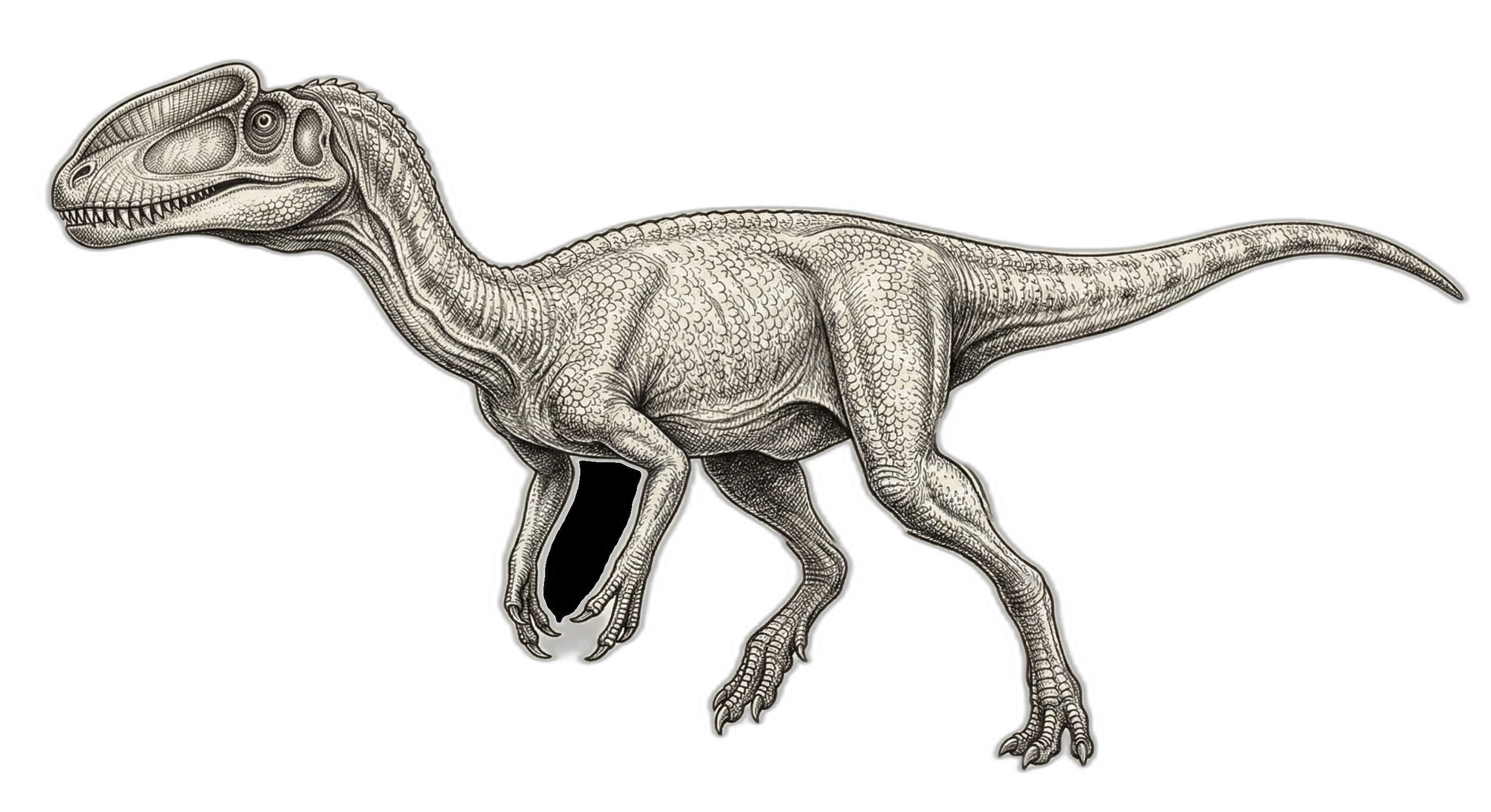
Monolophosaurus
Monolophosaurus jiangi
Both theropods from the Shishugou Formation would have competed for similar small to medium-sized prey.
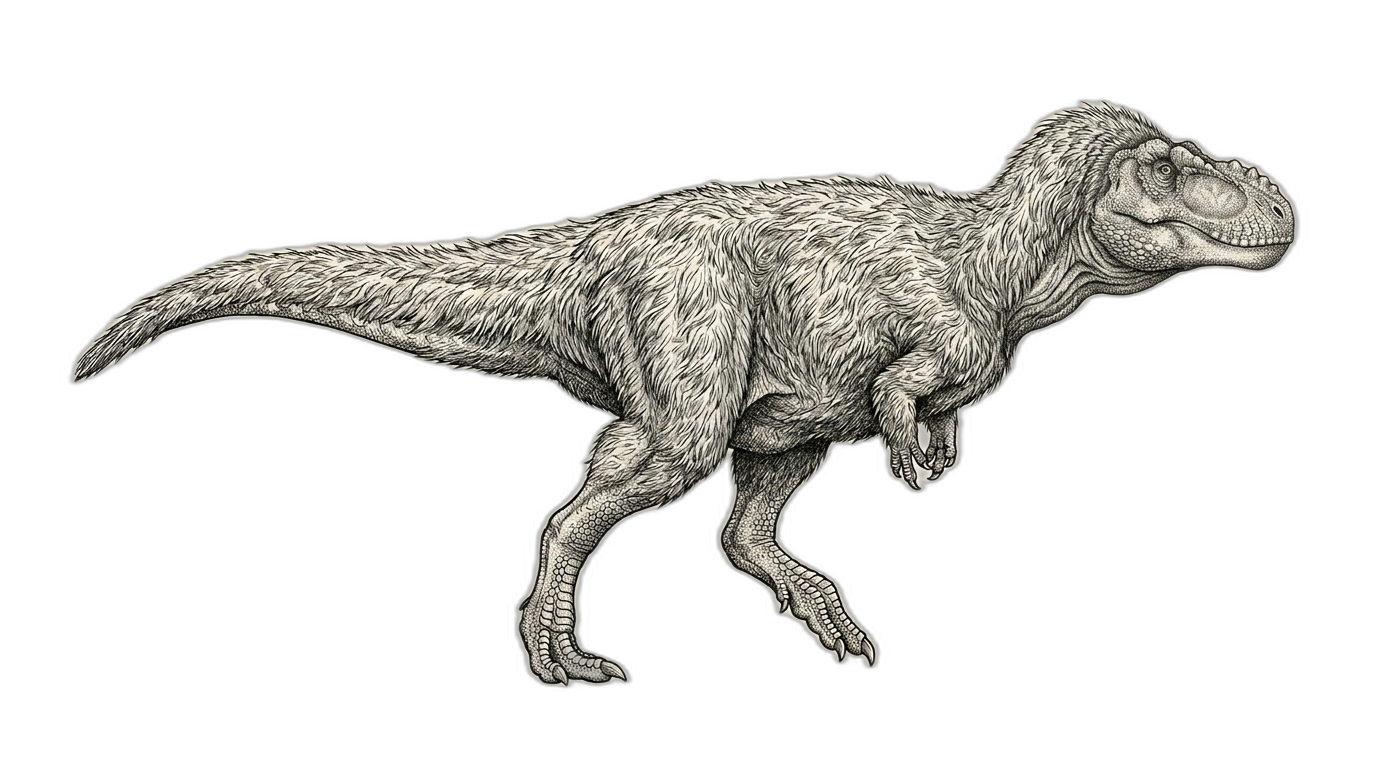
Yutyrannus
Yutyrannus huali
Yutyrannus is a later proceratosaurid from the Early Cretaceous (~125 mya), belonging to the same family as Guanlong.
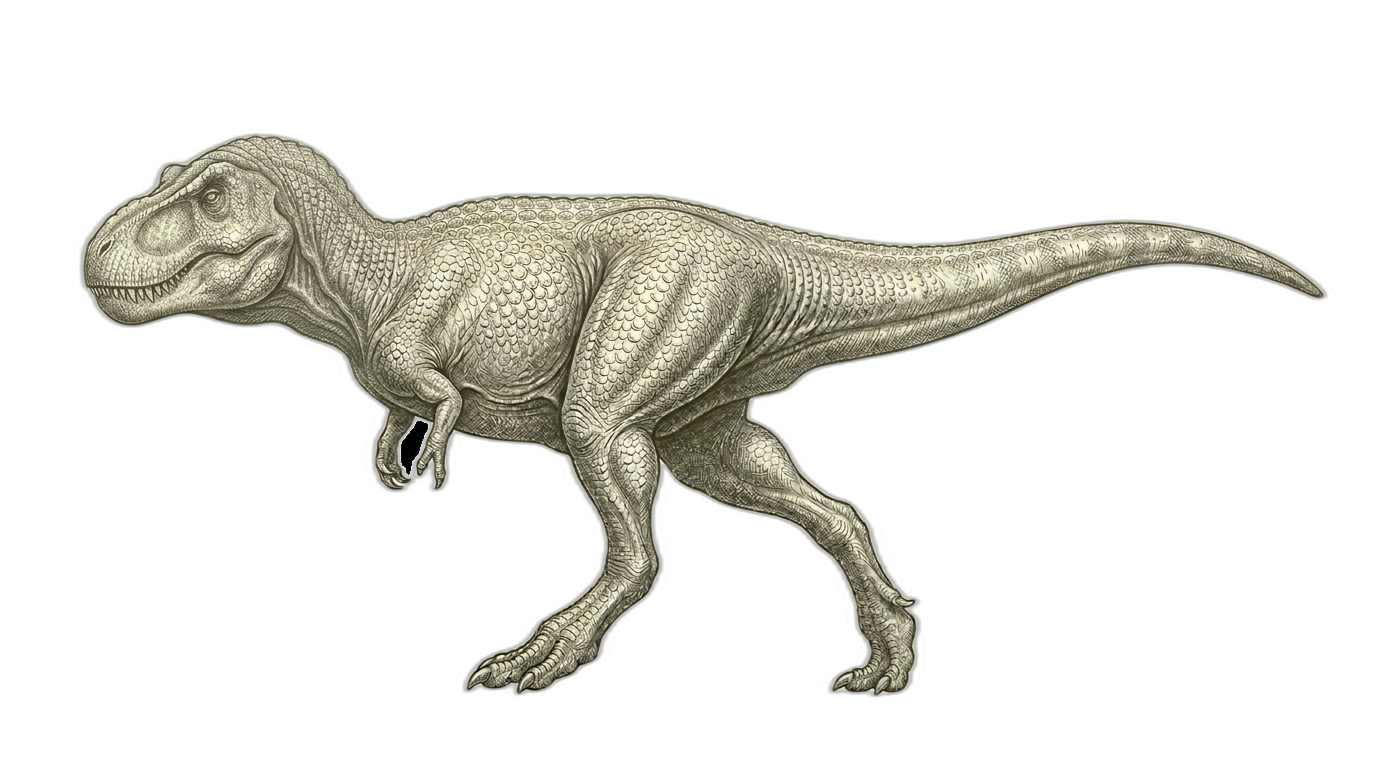
T-Rex
Tyrannosaurus rex
Guanlong and T. rex represent the bookends of tyrannosauroid evolution — Guanlong as a small, crested, early tyrannosauroid from the Jurassic, and T. rex as the massive apex predator 90+ million years later.
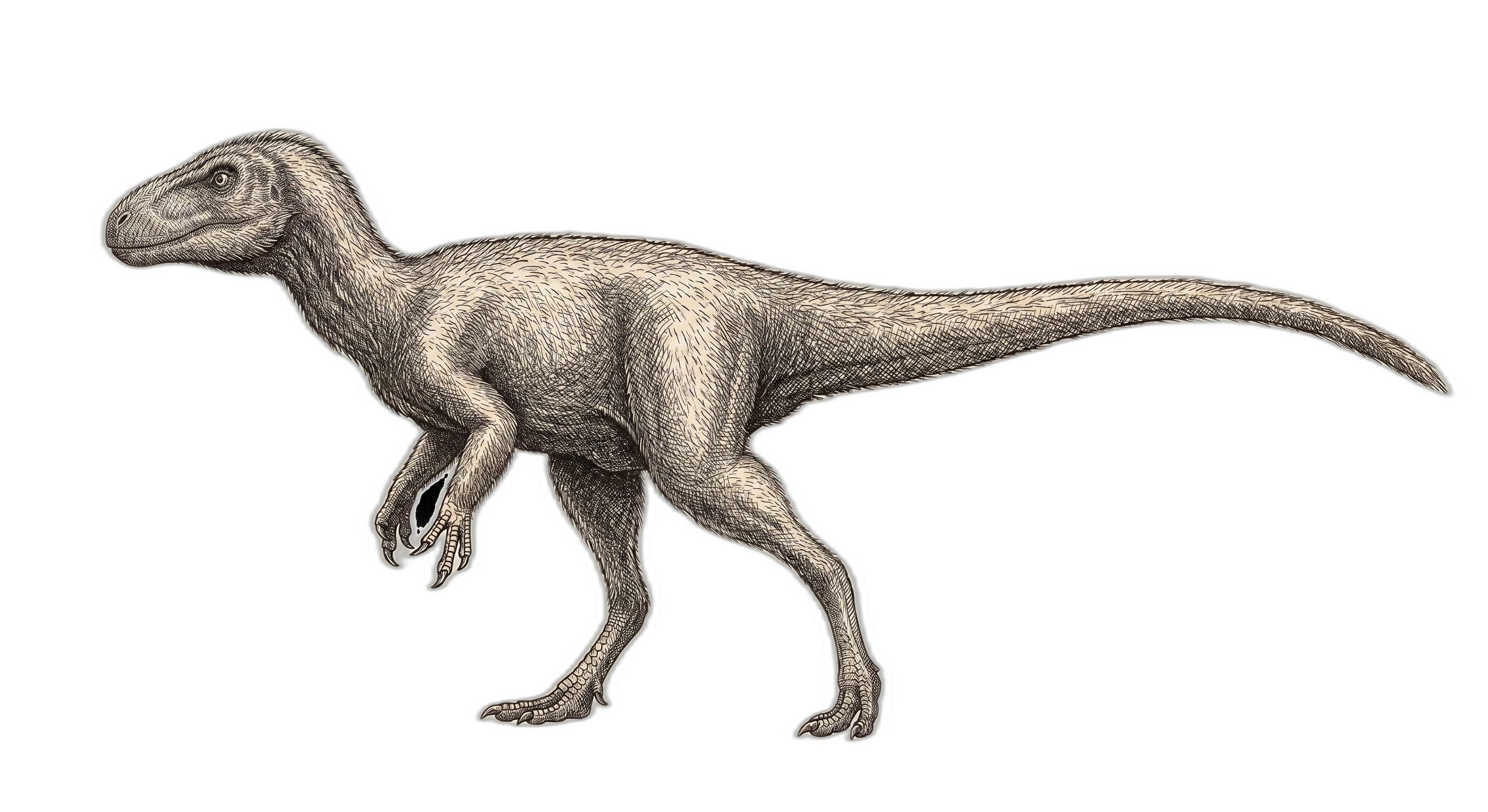
Dilong
Both Guanlong and Dilong are small, early tyrannosauroids that illustrate the basal condition of this lineage before the evolution of giant body size.
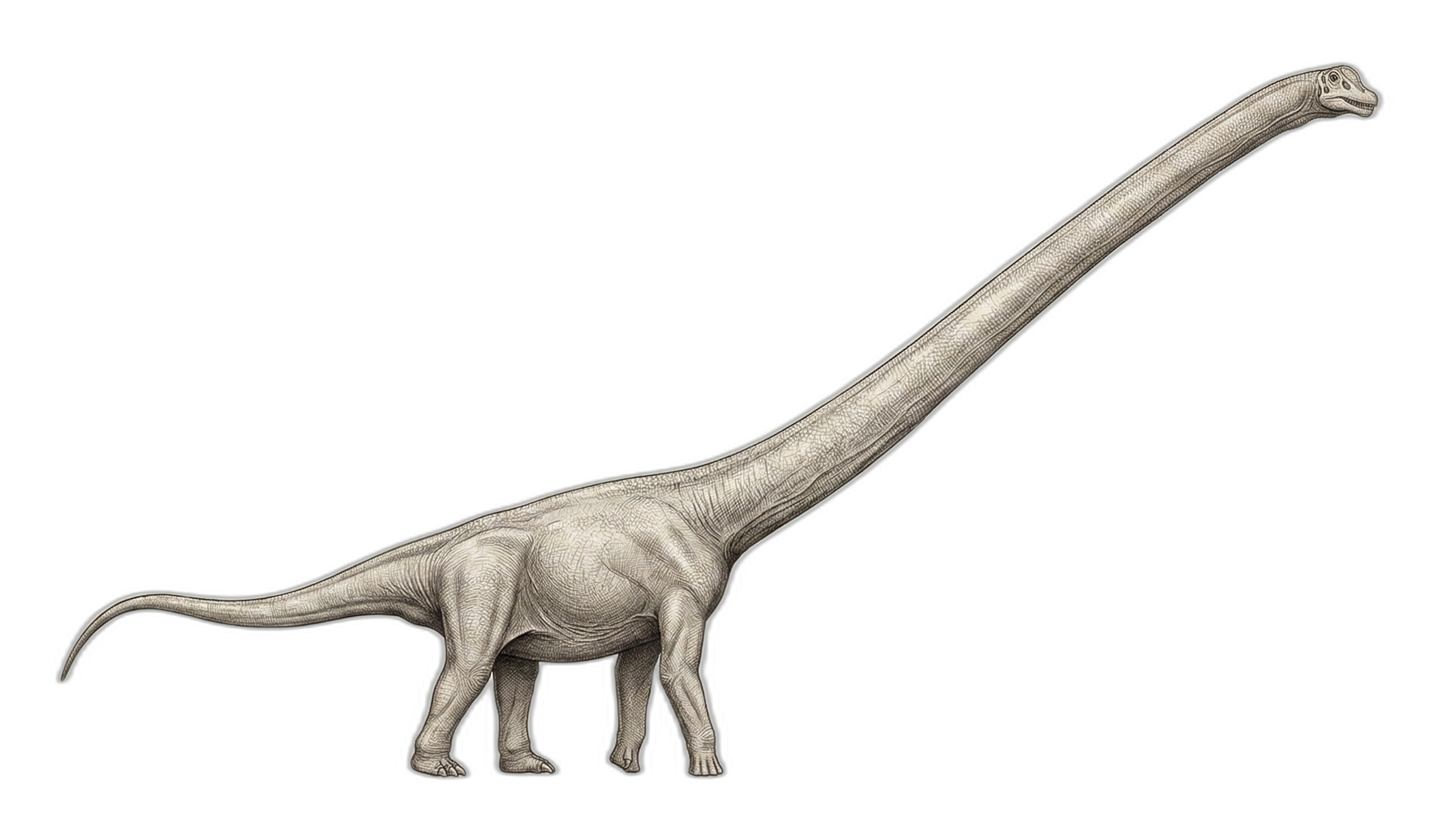
Mamenchisaurus
Mamenchisaurus sinocanadorum
Both are known from the Shishugou Formation of China's Late Jurassic.
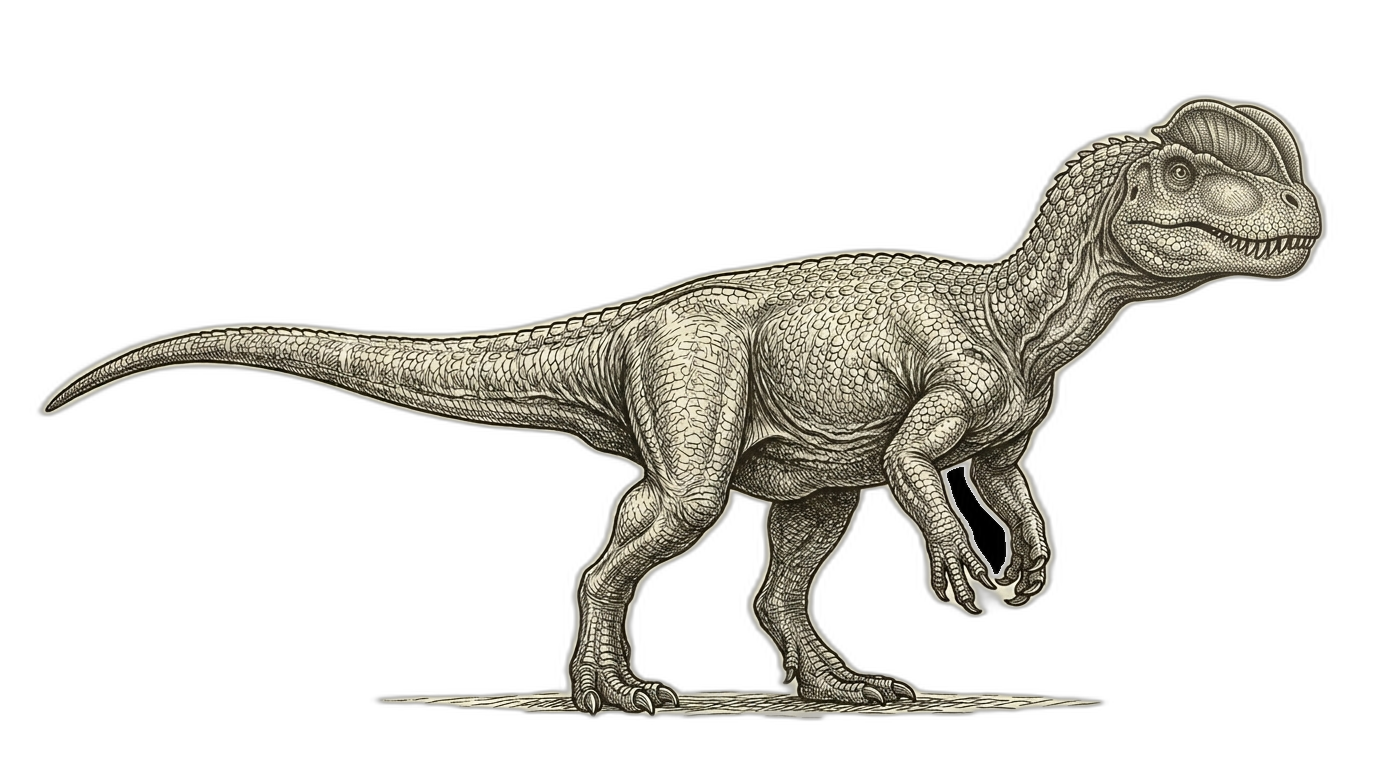
Dilophosaurus
Dilophosaurus wetherilli
Both Guanlong and Dilophosaurus are early theropods that independently evolved prominent cranial crests as display structures.
Sources & Citation
- Length estimates
- Xu et al. 2006; based on nearly complete specimens
- Height estimates
- Xu et al. 2006; hip height estimate from skeletal proportions
- Weight estimates
- Benson et al. 2014; mass estimates for basal tyrannosauroids
- Speed estimates
- Inferred from limb proportions; no direct evidence