About
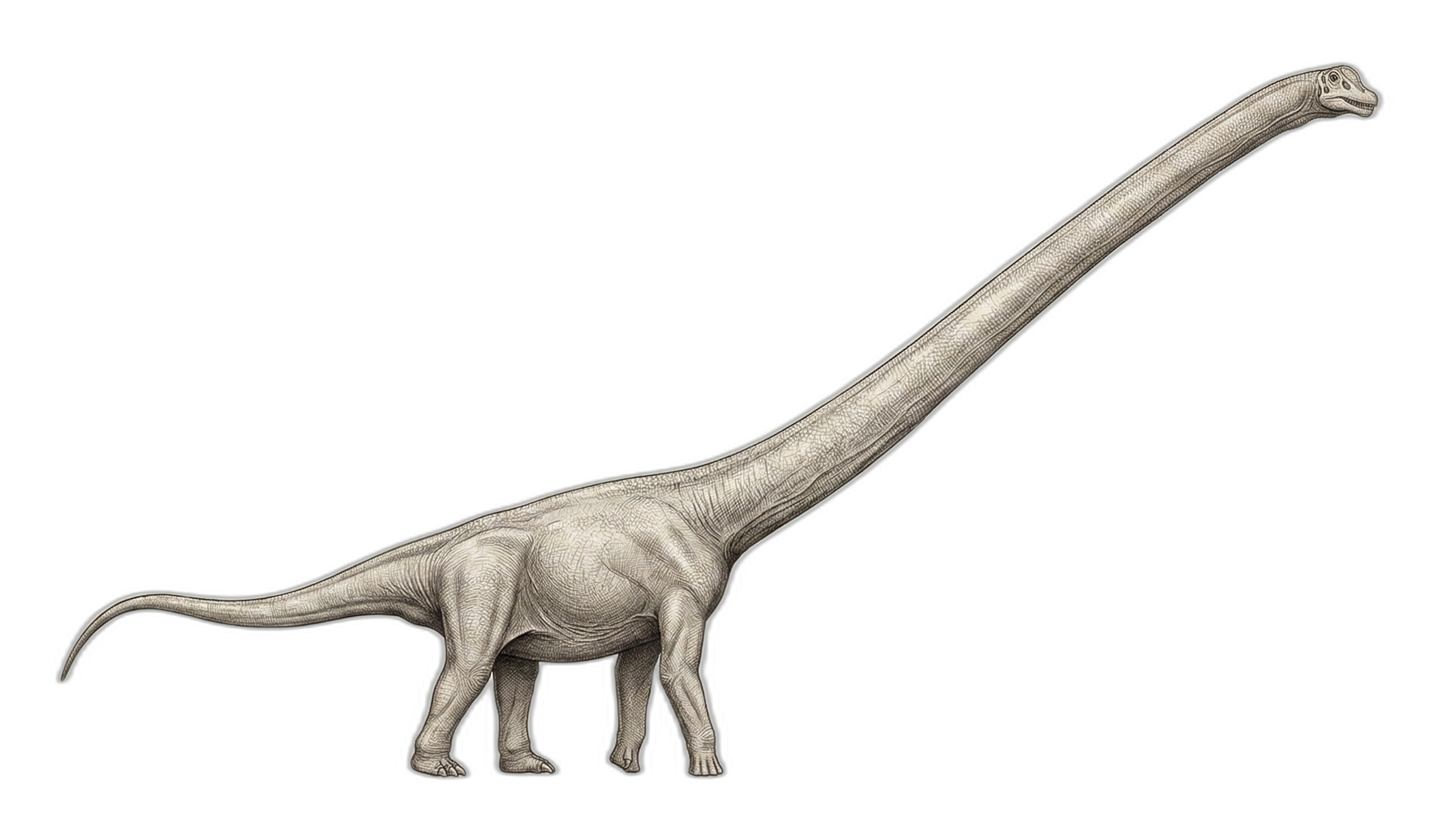
Mamenchisaurus sinocanadorum was a colossal dinosaur that roamed what is now China during the Late Jurassic period, approximately 160 million years ago. This magnificent herbivore is celebrated for possessing one of the longest necks ever to evolve in the animal kingdom — a sweeping, seemingly impossible structure that could extend up to 15 meters, nearly half its entire body length.
Discovered in 1987 through a Sino-Canadian collaboration (hence its species name), M. sinocanadorum was described based on but impressive remains from China's Shishugou Formation. The discovery emerged from joint expeditions between Chinese and Canadian paleontologists, representing an important moment in international scientific cooperation during the 1980s.
Like all sauropods, this giant was a dedicated plant-eater, using its extraordinary neck to access vegetation that other herbivores couldn't reach. Its neck contained an estimated 18 elongated cervical — more than almost any other dinosaur — supported by a complex system of air sacs that reduced weight while maintaining structural integrity. Recent CT scanning of related specimens has revealed that these vertebrae were remarkably hollow, making the neck lighter than it appears.
Despite its fame, M. sinocanadorum remains known from incomplete material, and size estimates continue to be refined. Some researchers have suggested it could rank among the longest dinosaurs ever discovered, though more complete specimens would be needed to confirm its true dimensions.
Quick Facts
- Scientific name
- Mamenchisaurus sinocanadorum
- Group
- Sauropodomorph · Mamenchisauridae
- Lived
- Late Jurassic, 159–154 million years ago
- Diet
- Herbivore
- Movement
- Walked on four legs
- Fossils found in
- Upper Shaximiao Formation, Sichuan, China
- Discovery credited to
- 1987, Dale Russell and Zheng Zhong
- Holotype
- IVPP V10603 · Institute of Vertebrate Paleontology and Paleoanthropology, Beijing
- DinoVault record
- DVL-0084
Where Mamenchisaurus Roamed
During the Late Jurassic, the Sichuan Basin of eastern Asia where Mamenchisaurus sinocanadorum roamed was a vast, low-lying floodplain characterized by meandering rivers, lush fern prairies, and dense conifer forests thriving under a warm, humid subtropical climate. This region of the ancient Laurasian landmass supported an abundance of vegetation that sustained some of the longest-necked dinosaurs ever to walk the Earth.
Keep exploring the vault
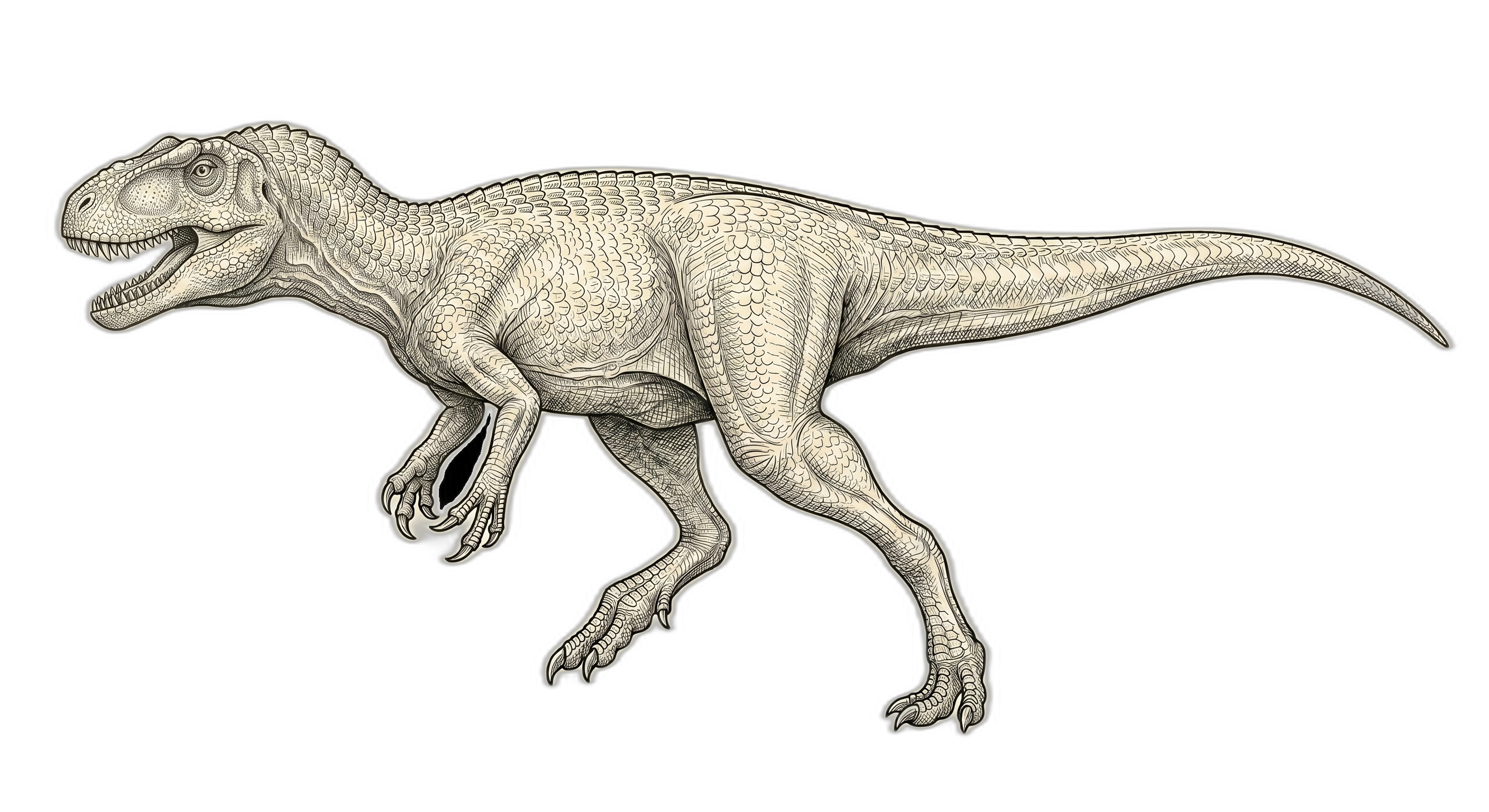
Yangchuanosaurus
Yangchuanosaurus shangyouensis
Yangchuanosaurus and Mamenchisaurus are both known from the Upper Shaximiao Formation of China's Sichuan Basin.
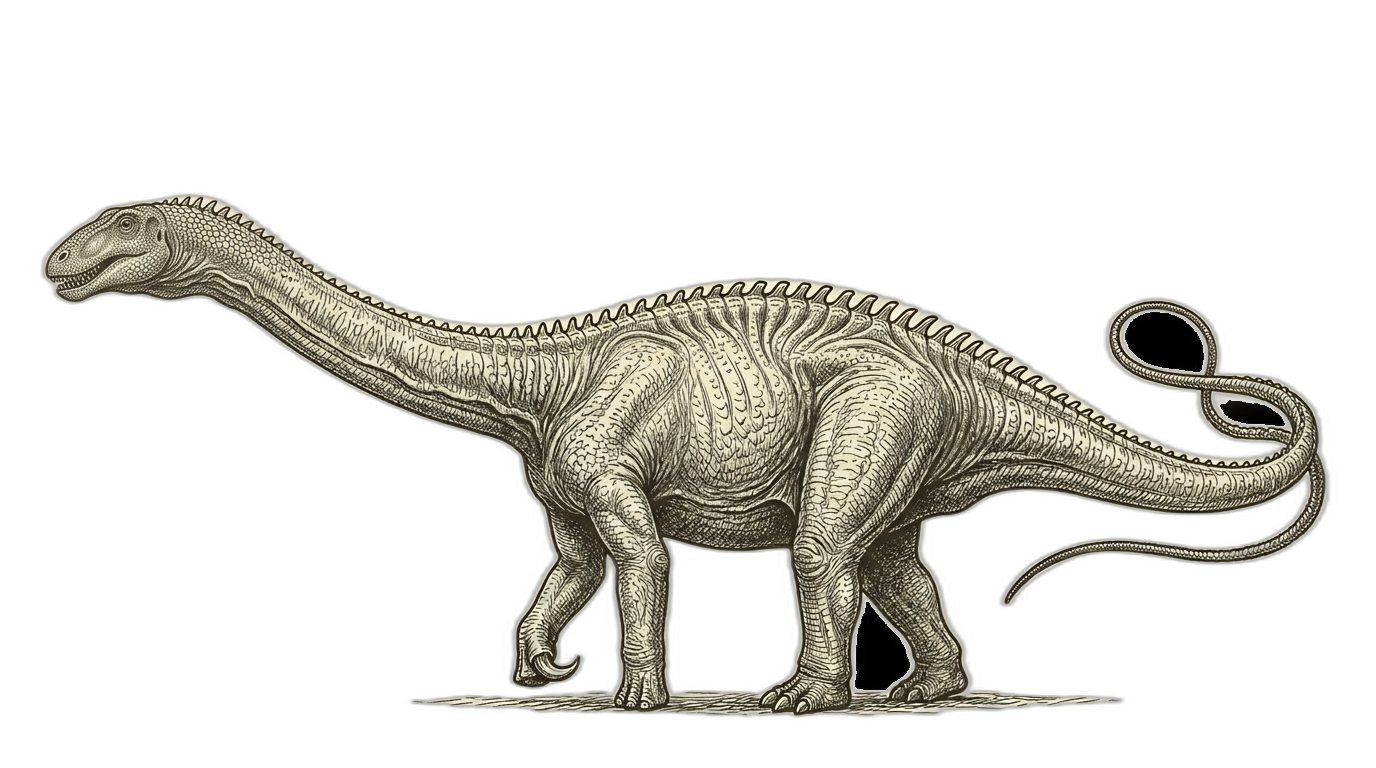
Diplodocus
Diplodocus carnegii
Both represent independent sauropod lineages that evolved extremely elongated necks for high-browse feeding strategies during the Late Jurassic.
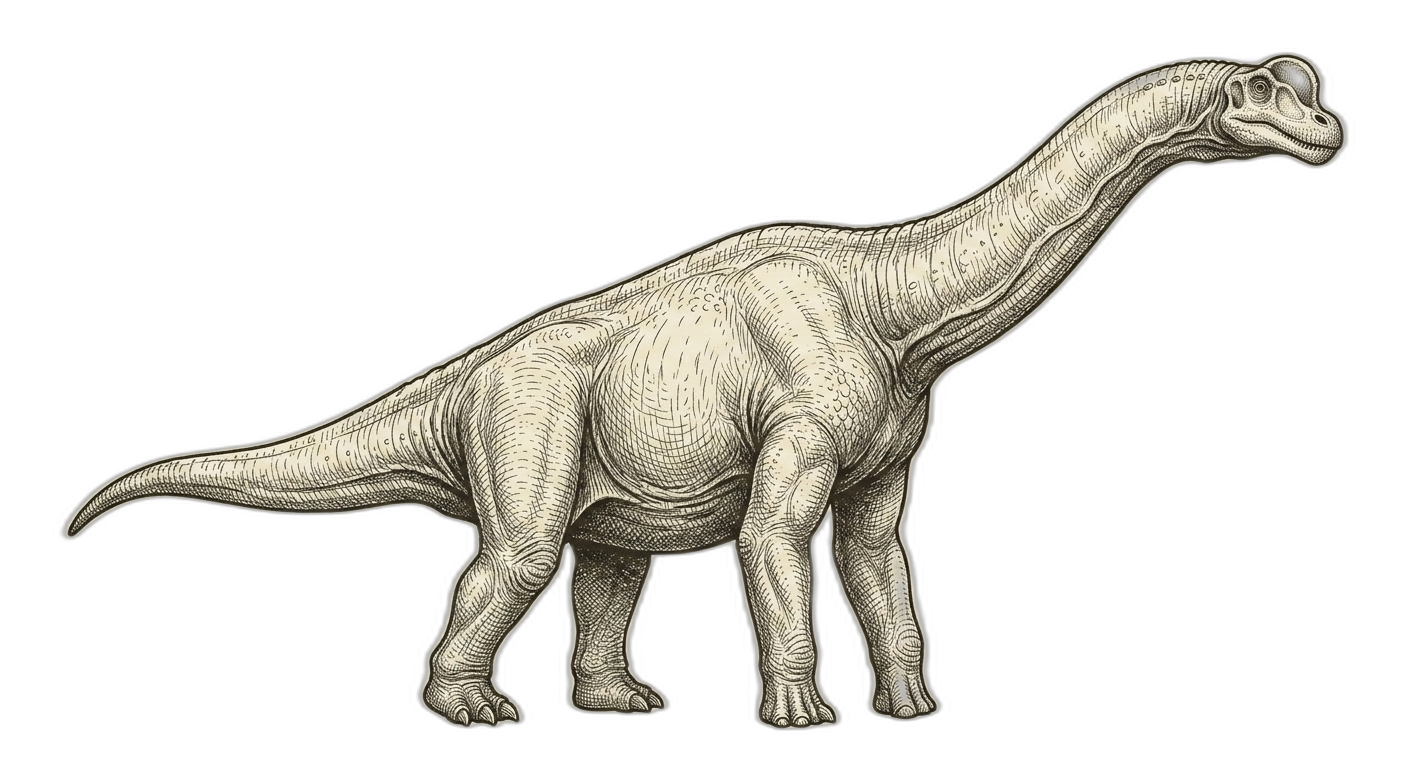
Brachiosaurus
Brachiosaurus altithorax
Both are gigantic Late Jurassic sauropods representing parallel evolutionary experiments in reaching high vegetation.
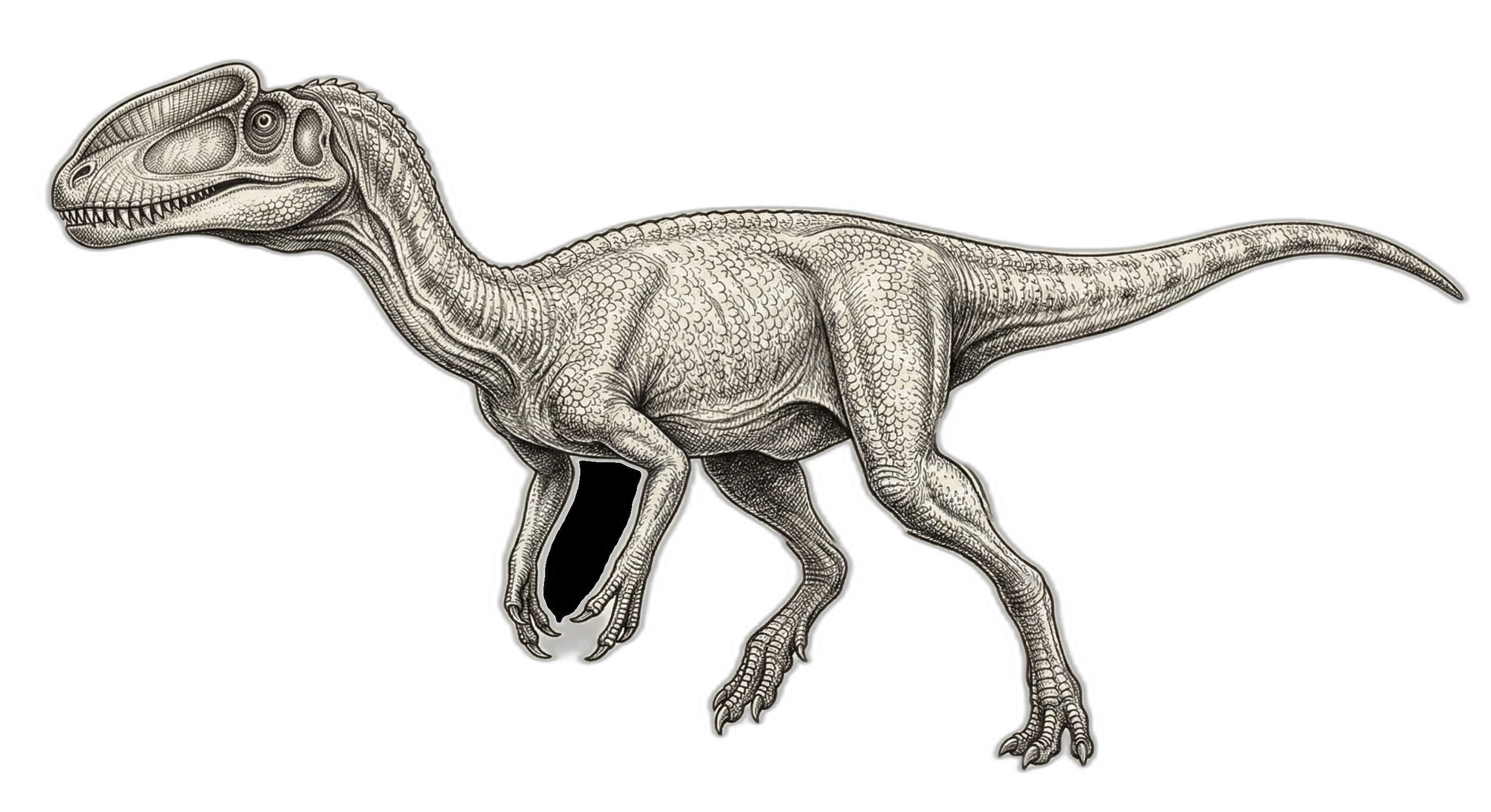
Monolophosaurus
Monolophosaurus jiangi
Monolophosaurus was a medium-sized theropod from the Middle-Late Jurassic of China (Shishugou Formation), overlapping temporally and geographically with Mamenchisaurus.
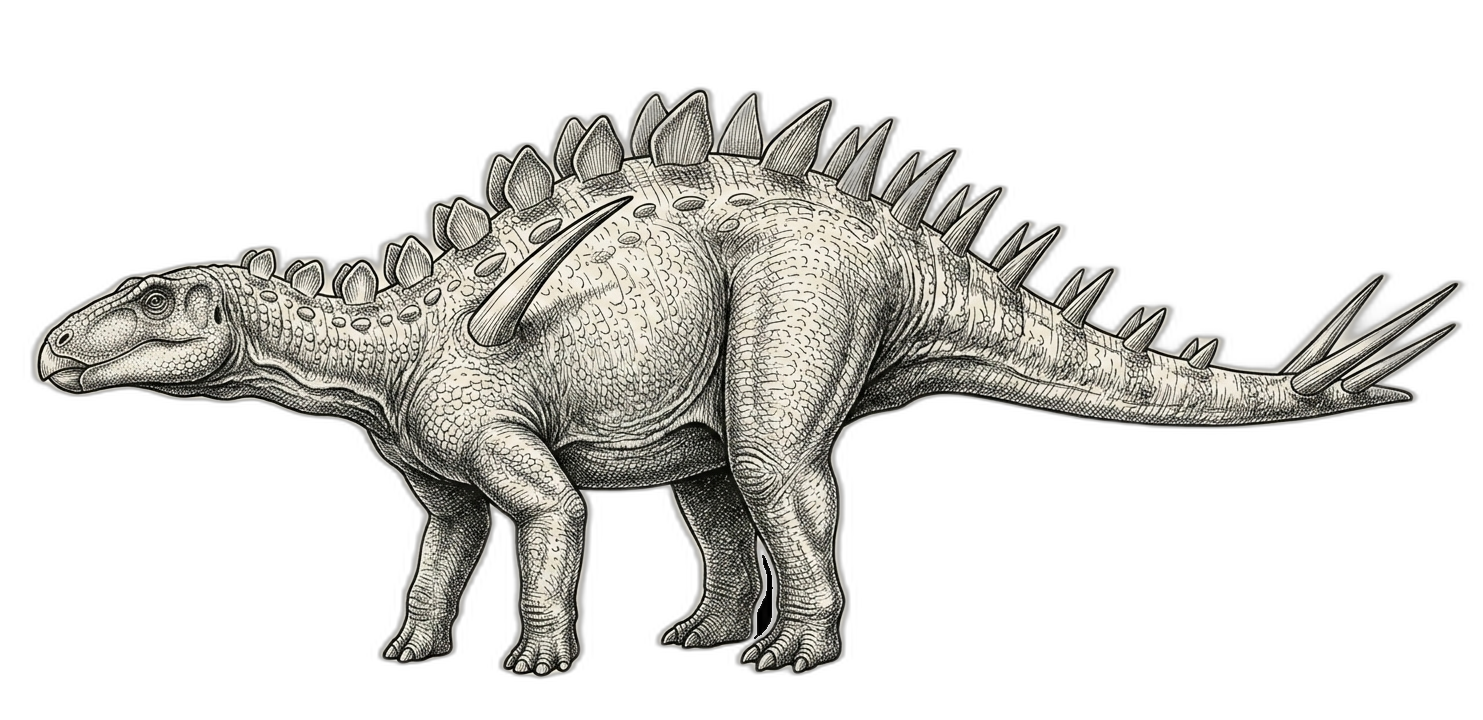
Huayangosaurus
Huayangosaurus taibaii
Huayangosaurus is from the Middle Jurassic of China (Shaximiao Formation), representing a temporal and geographic overlap with early Mamenchisaurus species in the same Chinese formations.
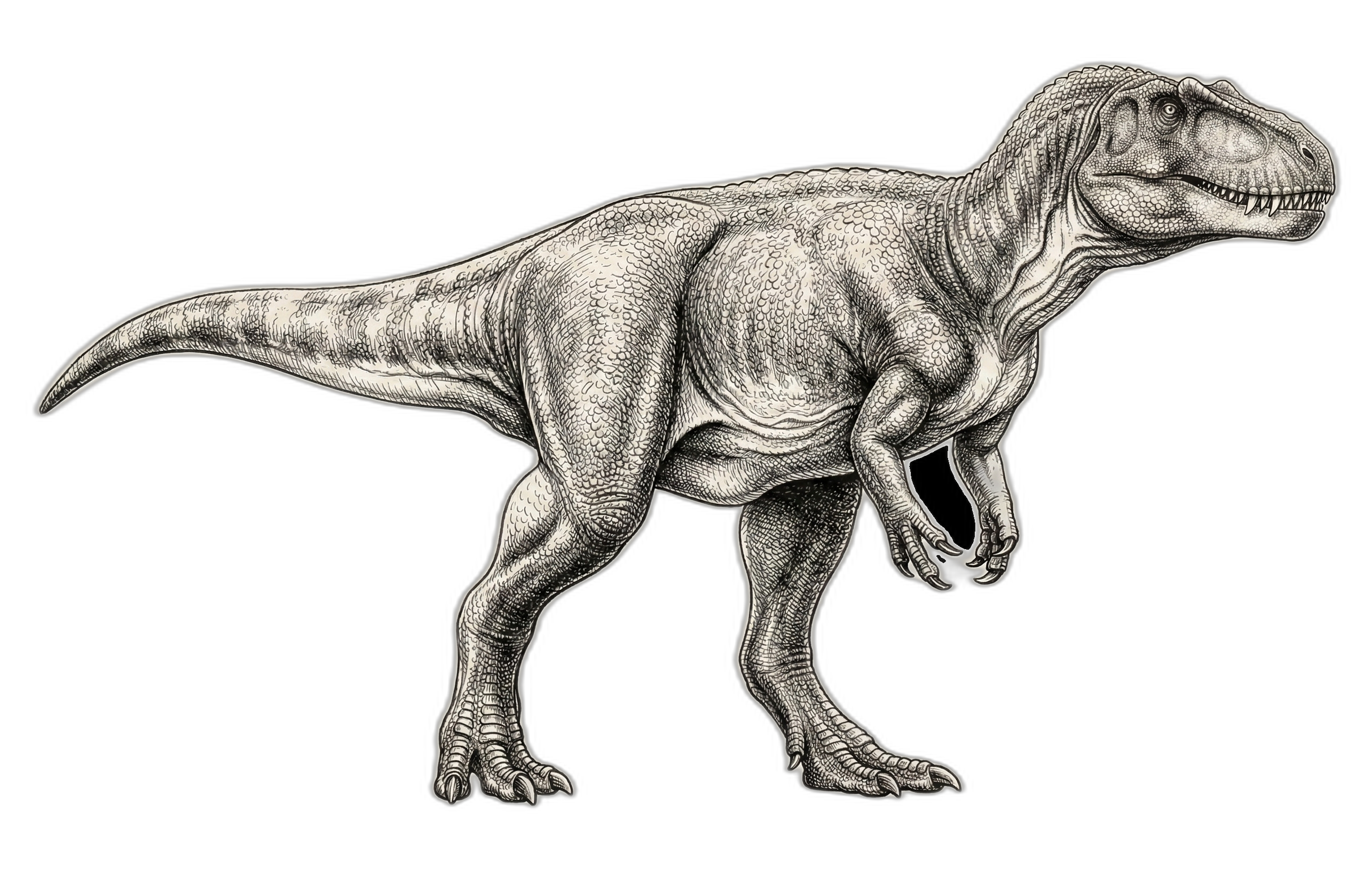
Megalosaurus
Megalosaurus bucklandii
Mamenchisaurus is a Middle-to-Late Jurassic sauropod that represents the type of large herbivore fauna that coexisted with megalosaurid predators during this period, illustrating the ecological context of Megalosaurus as a predator of large prey.
Sources & Citation
- Length estimates
- Moore et al. 2023; Russell & Zheng 1993; extrapolated from fragmentary remains
- Height estimates
- Estimated from related mamenchisaurid proportions; no complete shoulder material
- Weight estimates
- Extrapolated from body length estimates; highly uncertain due to incomplete material