About
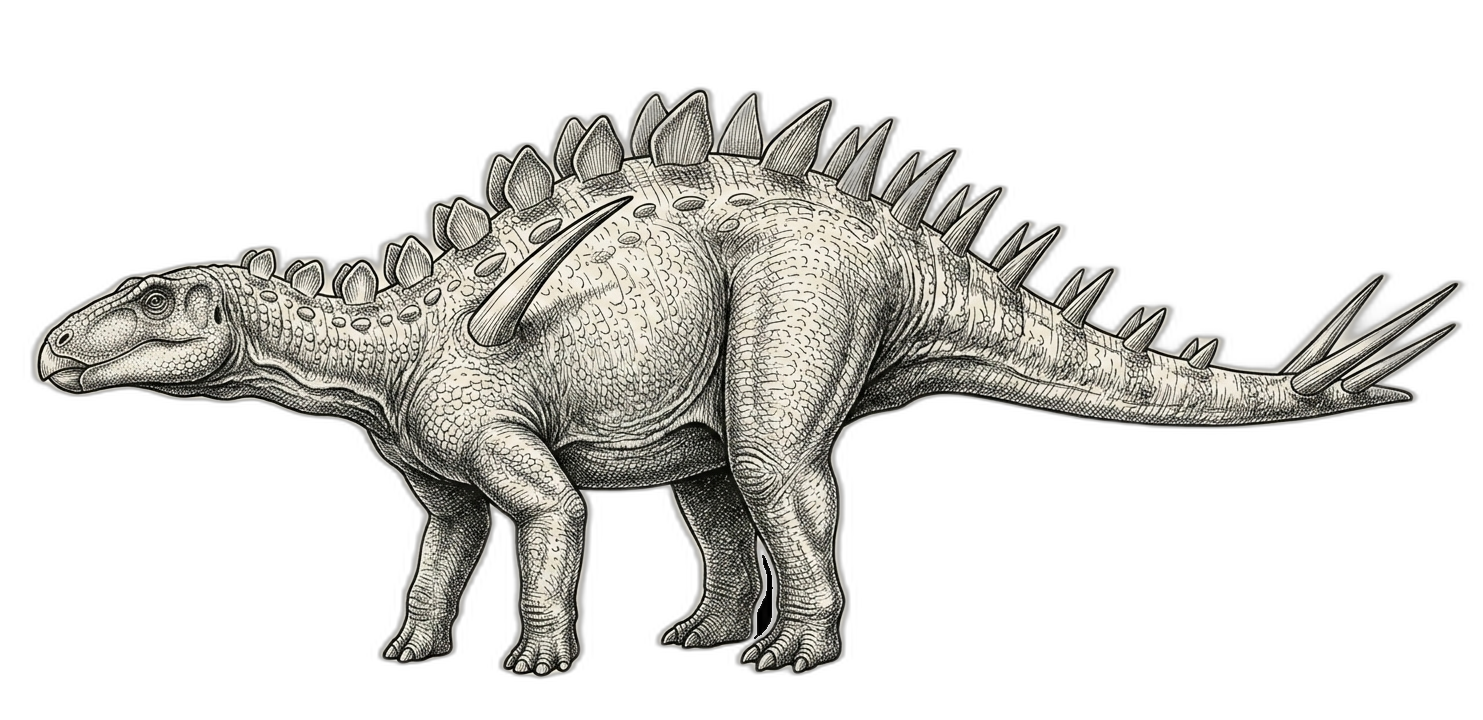
Huayangosaurus was a small, heavily armored stegosaurian that lived in what is now Sichuan Province, China, during the Middle Jurassic period. At only about 4 meters long, it was considerably smaller than its famous relative Stegosaurus, but it possessed the distinctive double row of plates and spikes along its back that would become the hallmark of its family. Unlike later stegosaurs, Huayangosaurus retained teeth in the front of its upper jaw — a primitive feature lost in more derived members of the group.
This herbivore shared its lush Jurassic environment with an impressive cast of dinosaurs, including the long-necked sauropods Shunosaurus and Omeisaurus, as well as the predatory Gasosaurus. The Lower Shaximiao Formation where it was found preserves a remarkable snapshot of Middle Jurassic ecosystems, with Huayangosaurus filling the niche of a medium-sized, armored plant-eater.
Huayangosaurus was described in 1982 by Chinese paleontologists Dong Zhiming, Tang Zilu, and Zhou Shiwu based on remarkably complete specimens from Zigong, Sichuan. The discovery was significant because it pushed the lineage back much further in time than previously known, demonstrating that these iconic plated dinosaurs had already diversified by the Middle Jurassic.
One particularly notable feature of Huayangosaurus is its relatively large head compared to later stegosaurs, along with shoulder spines similar to those seen in other primitive armored dinosaurs. These features suggest that the characteristic tiny-headed, plate-backed body plan of Stegosaurus evolved gradually over millions of years.
Quick Facts
- Scientific name
- Huayangosaurus taibaii
- Group
- Armored dinosaur · Huayangosauridae
- Lived
- Middle Jurassic, 169.3–163.5 million years ago
- Diet
- Herbivore
- Movement
- Walked on four legs
- Fossils found in
- Lower Shaximiao Formation, Sichuan, China
- Discovery credited to
- 1982, Dong Zhiming, Tang Zilu, and Zhou Shiwu
- Holotype
- IVPP V6728 · Institute of Vertebrate Paleontology and Paleoanthropology, Beijing
- DinoVault record
- DVL-0065
Where Huayangosaurus Roamed
During the Middle Jurassic, Huayangosaurus roamed the lush, subtropical lowlands of the Sichuan Basin in what is now south-central China, a region characterized by extensive river systems, floodplains, and freshwater lakes nestled within the eastern margins of the vast Asian landmass. This warm, humid environment supported dense fern prairies and conifer forests, providing an ideal habitat for early stegosaurs and the diverse dinosaur fauna preserved in the famous Dashanpu Formation.
Keep exploring the vault
Yangchuanosaurus
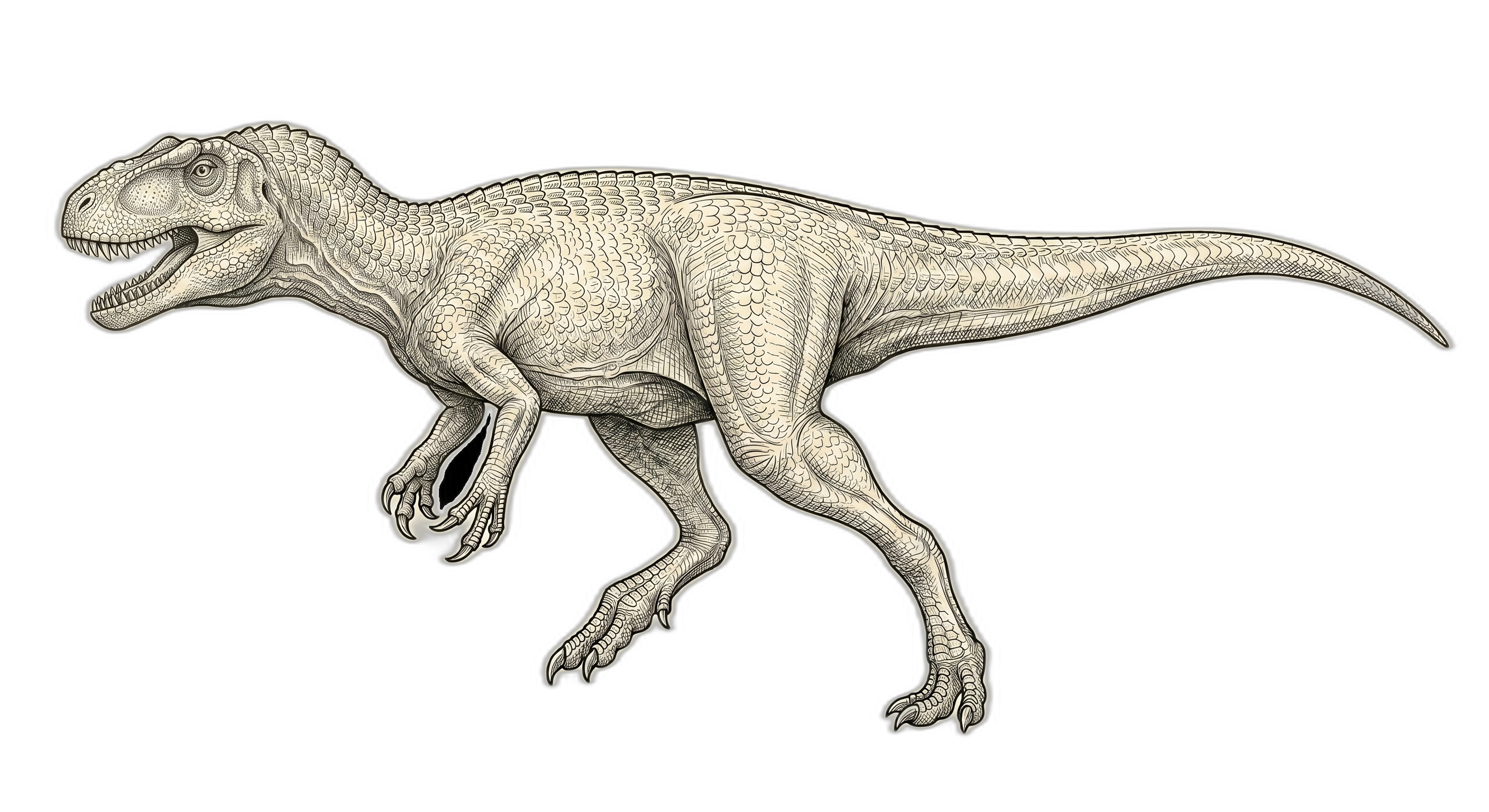
Yangchuanosaurus shangyouensis
Huayangosaurus is known from the same Shaximiao Formation deposits as Yangchuanosaurus.
Stegosaurus
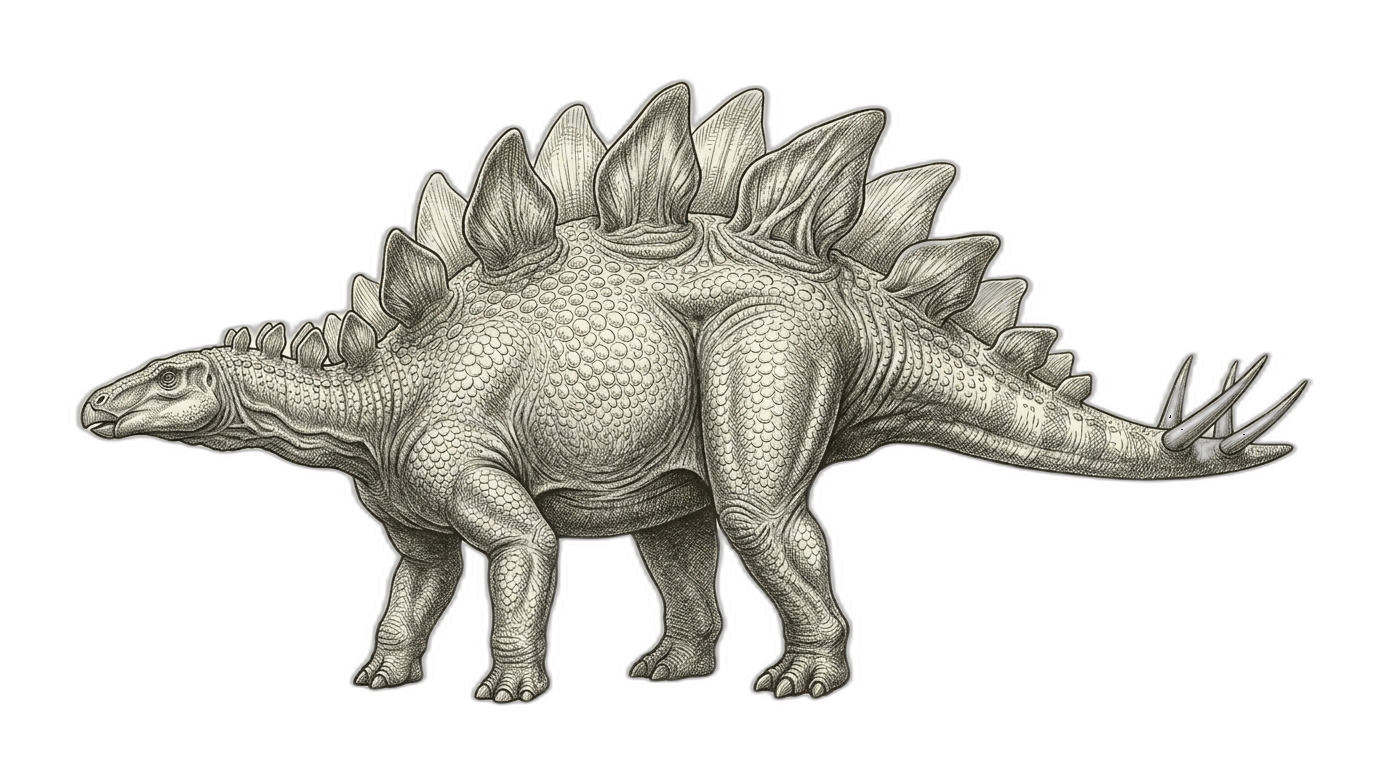
Stegosaurus stenops
Huayangosaurus is one of the earliest and most basal stegosaurs, dating to the Middle Jurassic of China.
Ankylosaurus
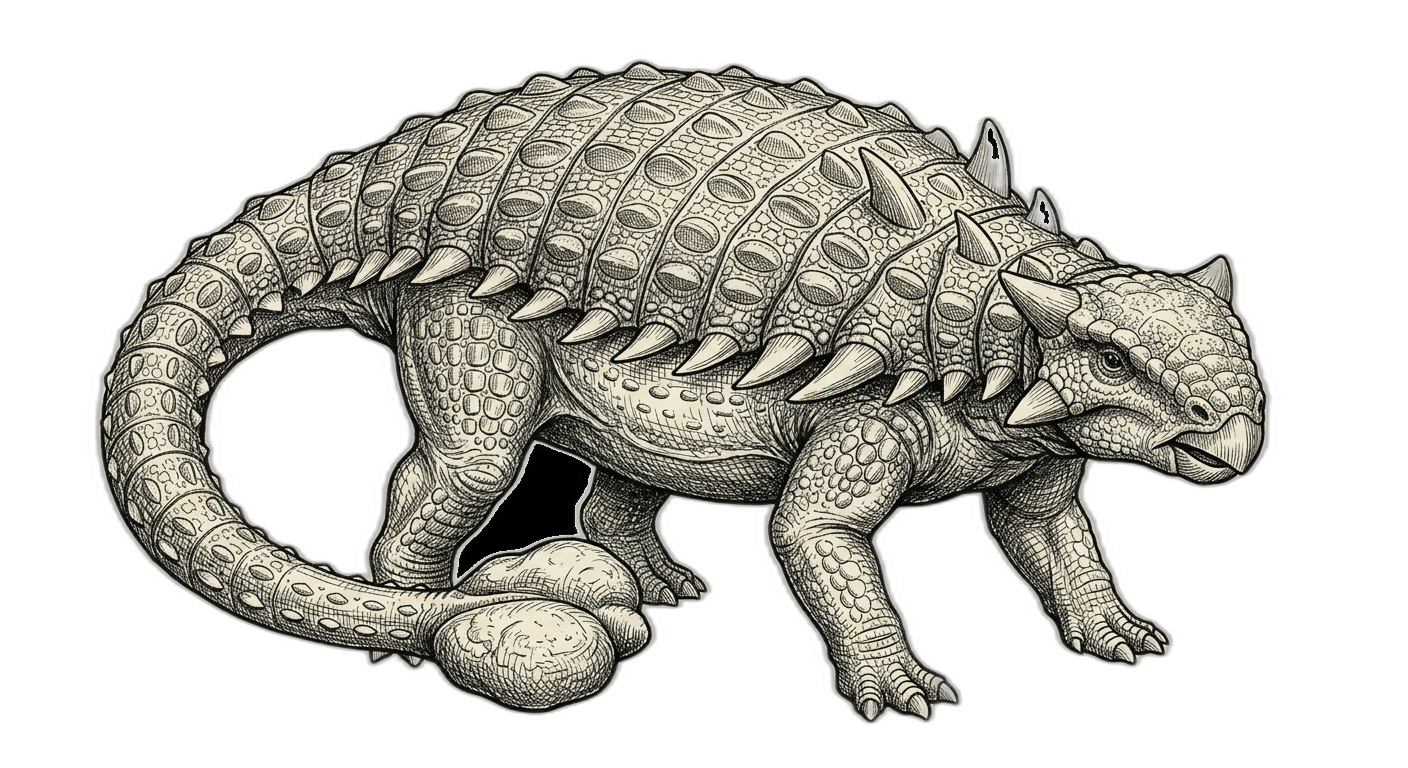
Ankylosaurus magniventris
Huayangosaurus and Ankylosaurus represent parallel evolutionary experiments in armored herbivore defense from different thyreophoran lineages — Stegosauria and Ankylosauria respectively.
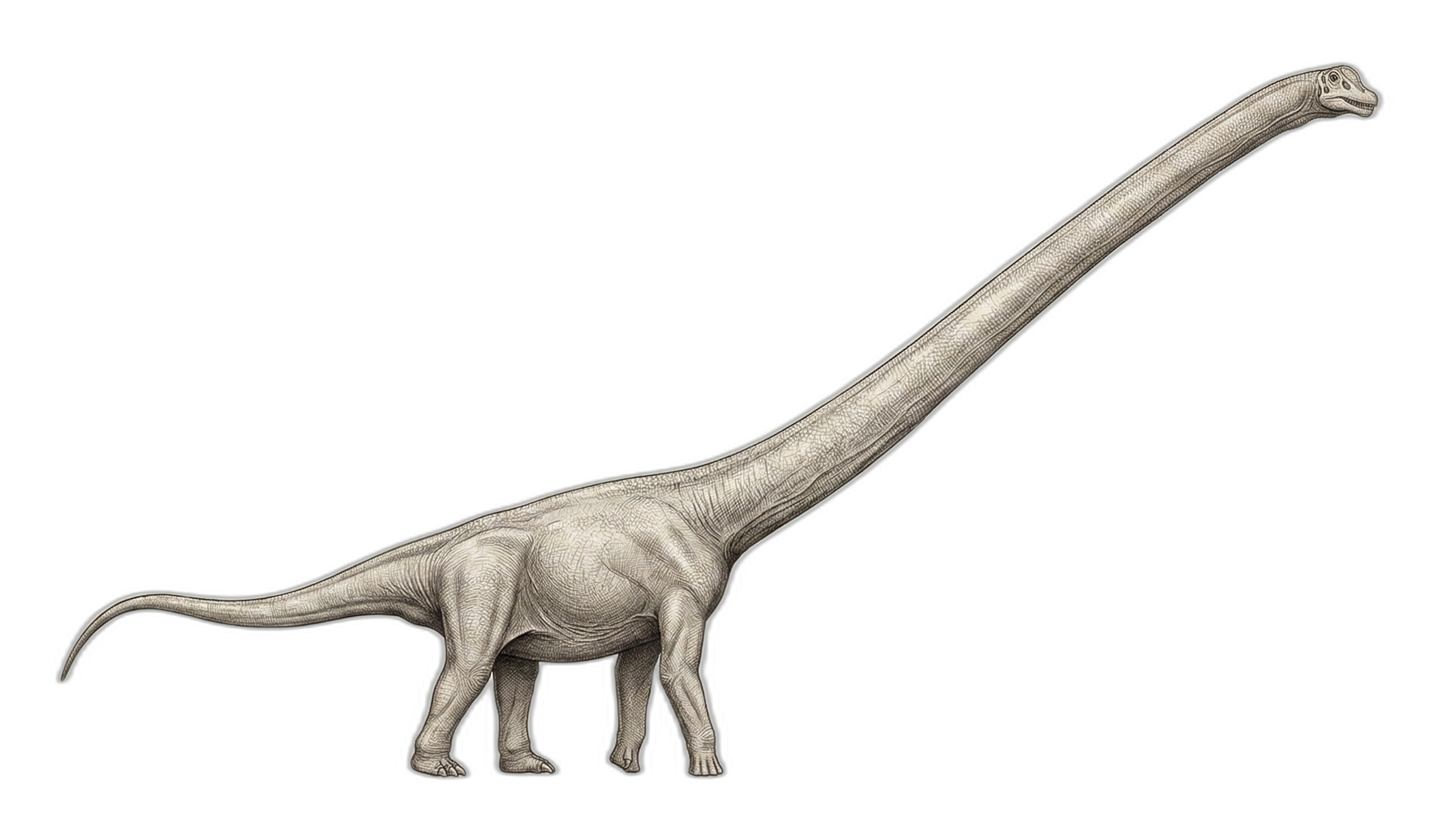
Mamenchisaurus
Mamenchisaurus sinocanadorum
Both Huayangosaurus and Mamenchisaurus are known from the Middle Jurassic Shaximiao Formation of Sichuan Province, China.
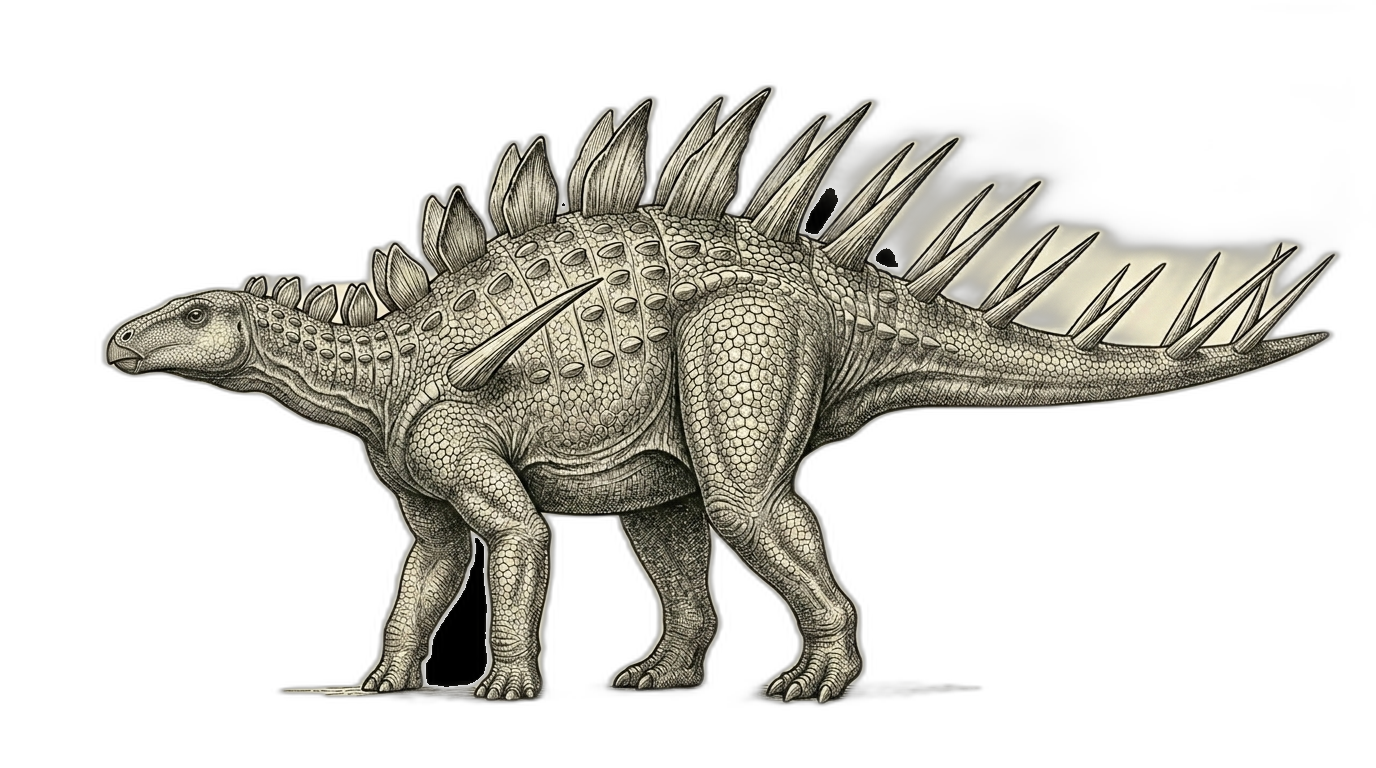
Kentrosaurus
Kentrosaurus aethiopicus
Kentrosaurus from the Late Jurassic of Tanzania represents a more derived stegosaur that evolved after basal forms like Huayangosaurus.
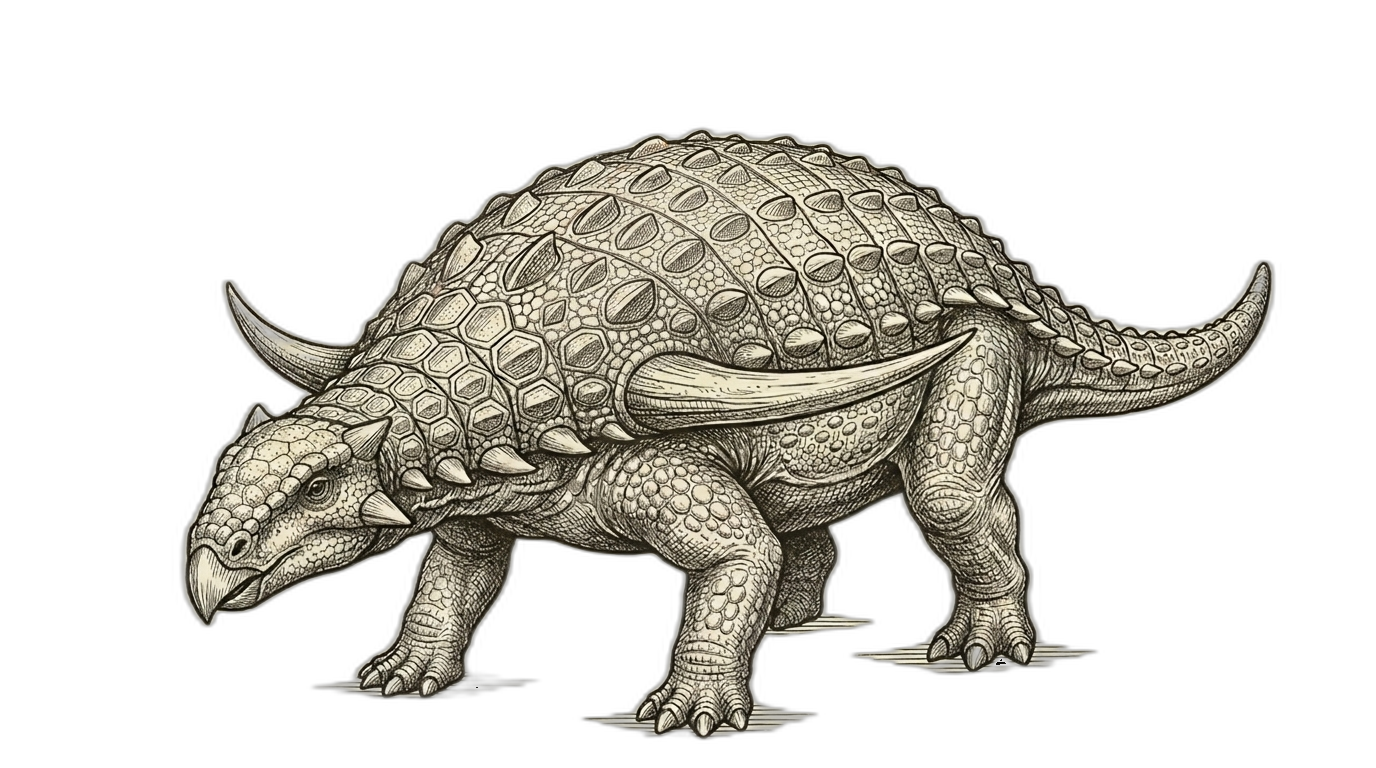
Borealopelta
Borealopelta markmitchelli
Both represent armored thyreophoran dinosaurs that convergently evolved extensive dermal armor for defense.
Sources & Citation
- Length estimates
- Dong et al. 1982; multiple complete specimens
- Height estimates
- Estimated from skeletal reconstructions; Maidment et al. 2008
- Weight estimates
- Estimated from body proportions; various authors
- Speed estimates
- Inferred from limb proportions and stegosaur locomotion studies