About
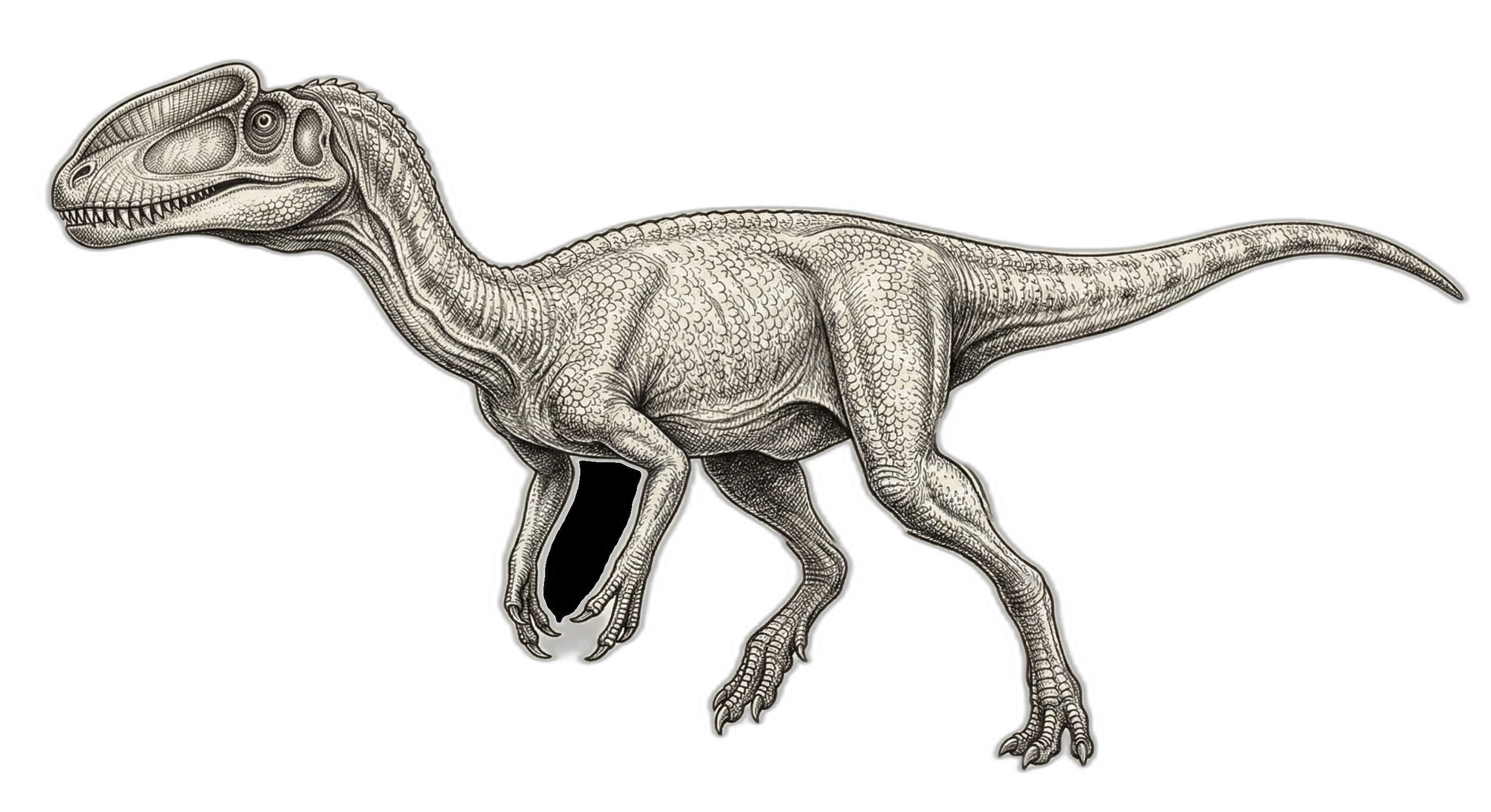
Monolophosaurus was a medium-sized carnivorous dinosaur that prowled what is now northwestern China during the Middle Jurassic period, approximately 168-161 million years ago. Its most striking feature was the prominent single running along the top of its skull, formed by fused nasal bones — a structure so distinctive that it earned the dinosaur its name, meaning "single-crested lizard."
As a tetanuran , Monolophosaurus represents an important branch of the carnivorous dinosaur family tree that would eventually give rise to many later predators. At roughly 5-5.5 meters long and weighing around 475 kilograms, it was a formidable mid-sized predator of its ecosystem. Its sharp teeth and powerful build suggest it was an active hunter, likely preying on the various herbivorous dinosaurs that shared its environment.
The specimen was discovered in the Shishugou Formation of Xinjiang, China, a region that has yielded numerous important Jurassic dinosaur fossils. The species name "jiangi" honors the Junggar Basin where it was found. First described in 1994, Monolophosaurus has helped paleontologists understand the diversity of theropod dinosaurs in Asia during the Middle Jurassic, a period that remains poorly understood compared to later epochs.
The function of its elaborate skull crest remains debated. Some researchers suggest it may have been used for species recognition, during mating rituals, or even sound production — though the exact purpose may never be known with certainty.
Quick Facts
- Scientific name
- Monolophosaurus jiangi
- Group
- Theropod · Tetanurae
- Lived
- Middle Jurassic, 161.5–157.3 million years ago
- Diet
- Carnivore
- Movement
- Walked on two legs
- Fossils found in
- Shishugou Formation, Xinjiang, China
- Discovery credited to
- 1984, Dong Zhiming and team
- Holotype
- IVPP 84019 · Institute of Vertebrate Paleontology and Paleoanthropology, Beijing
- DinoVault record
- DVL-0091
Where Monolophosaurus Roamed
During the Middle Jurassic period, Monolophosaurus roamed the ancient landscapes of what is now northwestern China, a region characterized by lush floodplains and river systems along the margins of the vast Asian landmass. This warm, semi-arid environment featured seasonal wetlands and forested riverbanks that supported a diverse ecosystem of dinosaurs and other prehistoric life.
Keep exploring the vault
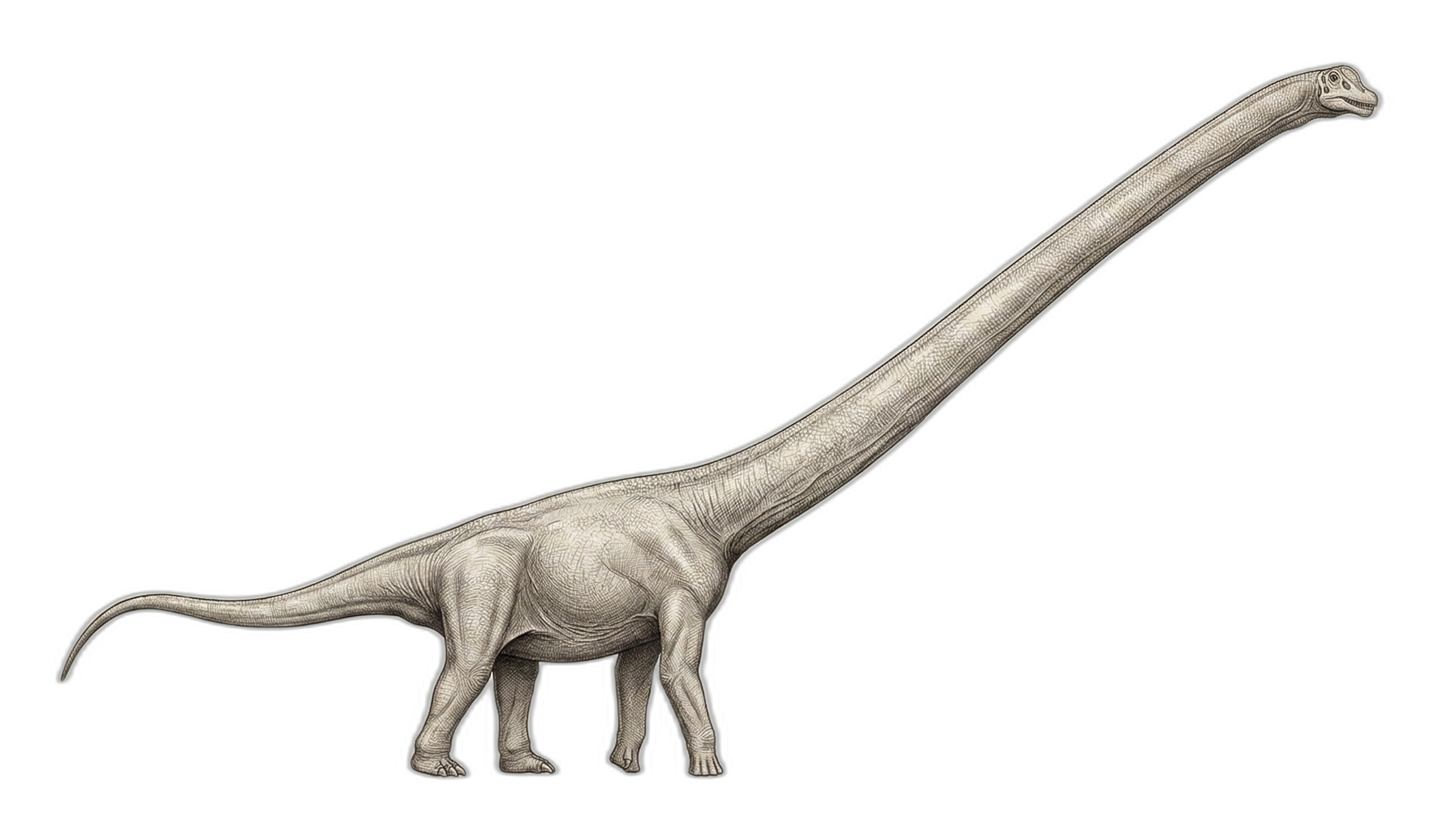
Mamenchisaurus
Mamenchisaurus sinocanadorum
Monolophosaurus and Mamenchisaurus are both known from Middle Jurassic deposits of China.
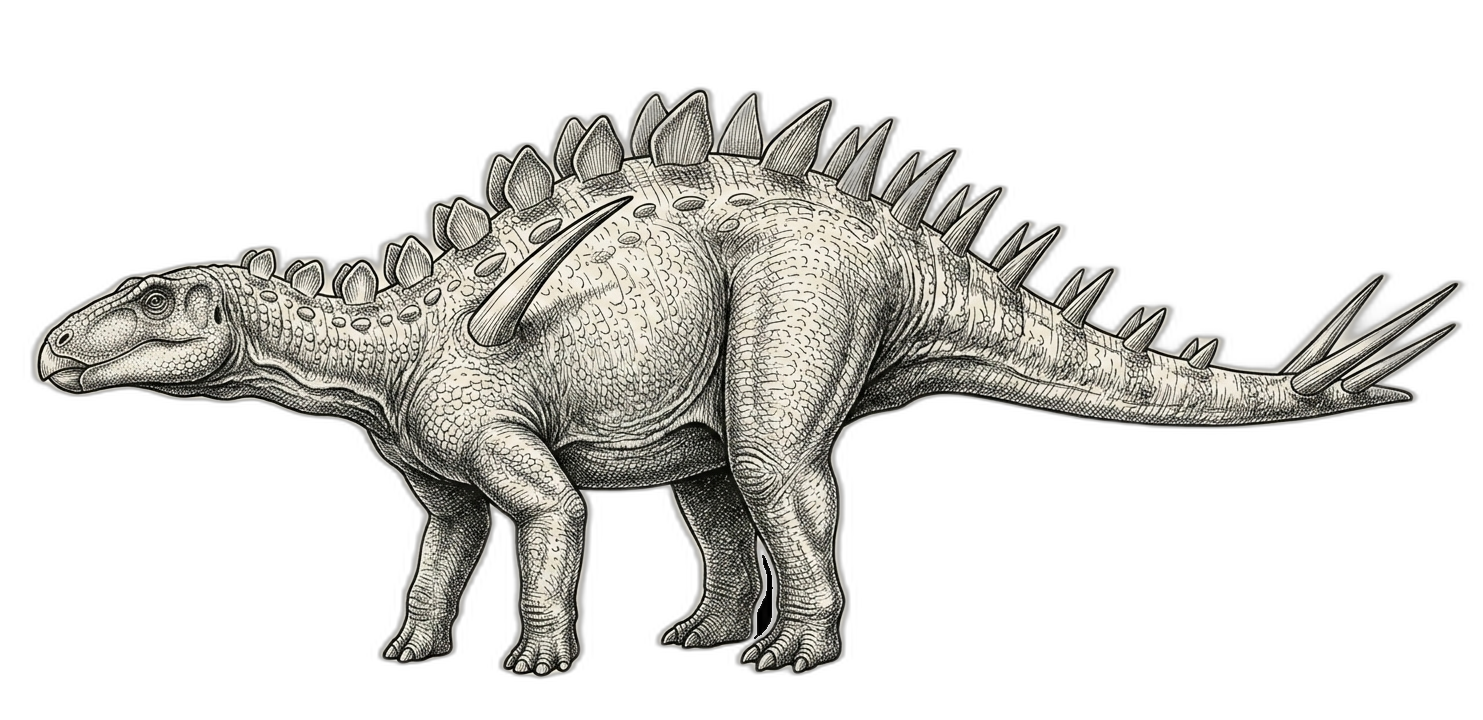
Huayangosaurus
Huayangosaurus taibaii
Huayangosaurus, a small stegosaur (~4m), lived in Middle Jurassic China contemporaneously with Monolophosaurus.
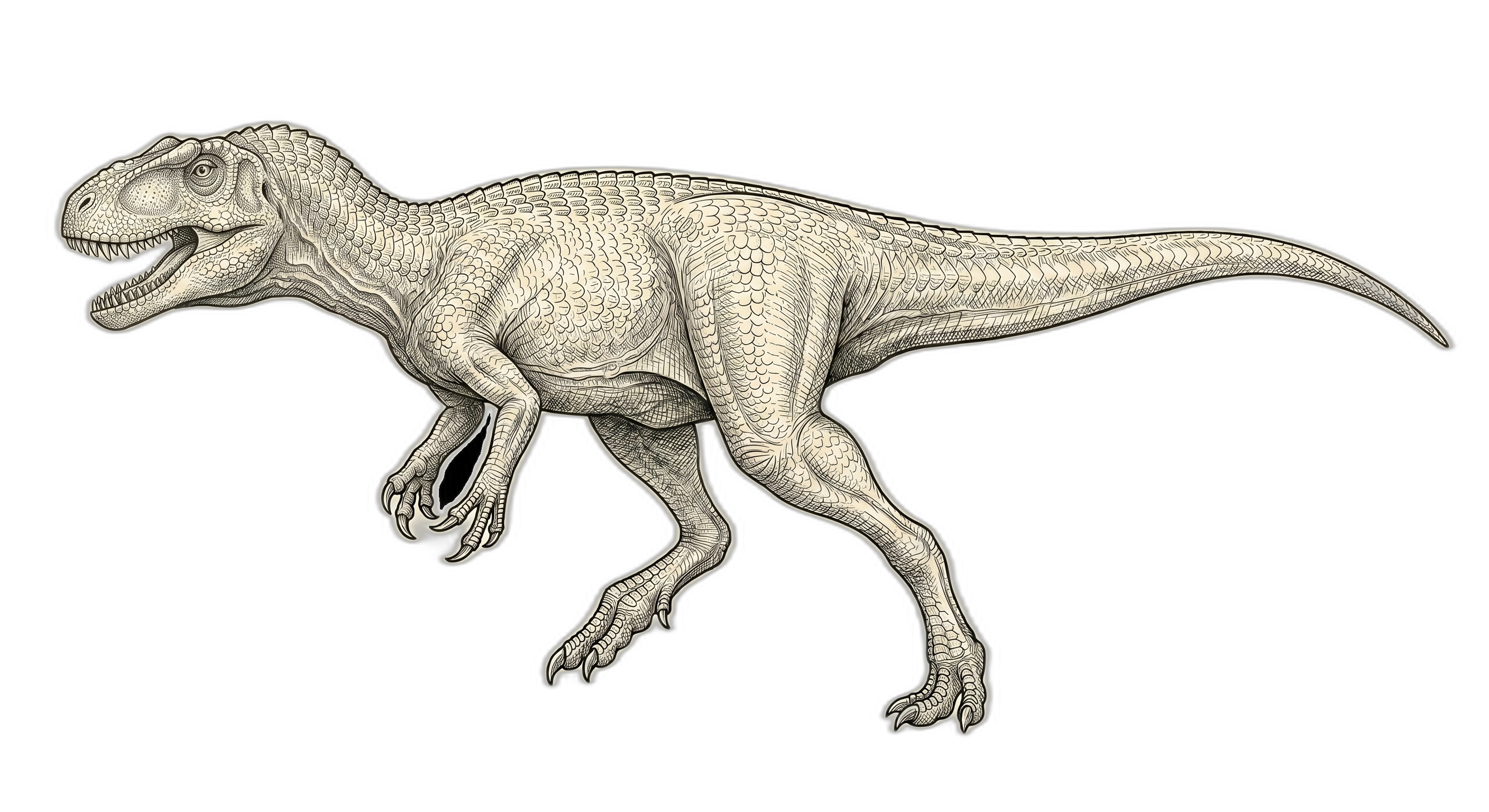
Yangchuanosaurus
Yangchuanosaurus shangyouensis
Monolophosaurus is known from Middle Jurassic deposits in China (Shishugou Formation) and represents a similar-sized carnivorous theropod that may have overlapped temporally with early Yangchuanosaurus populations, competing for similar prey resources.
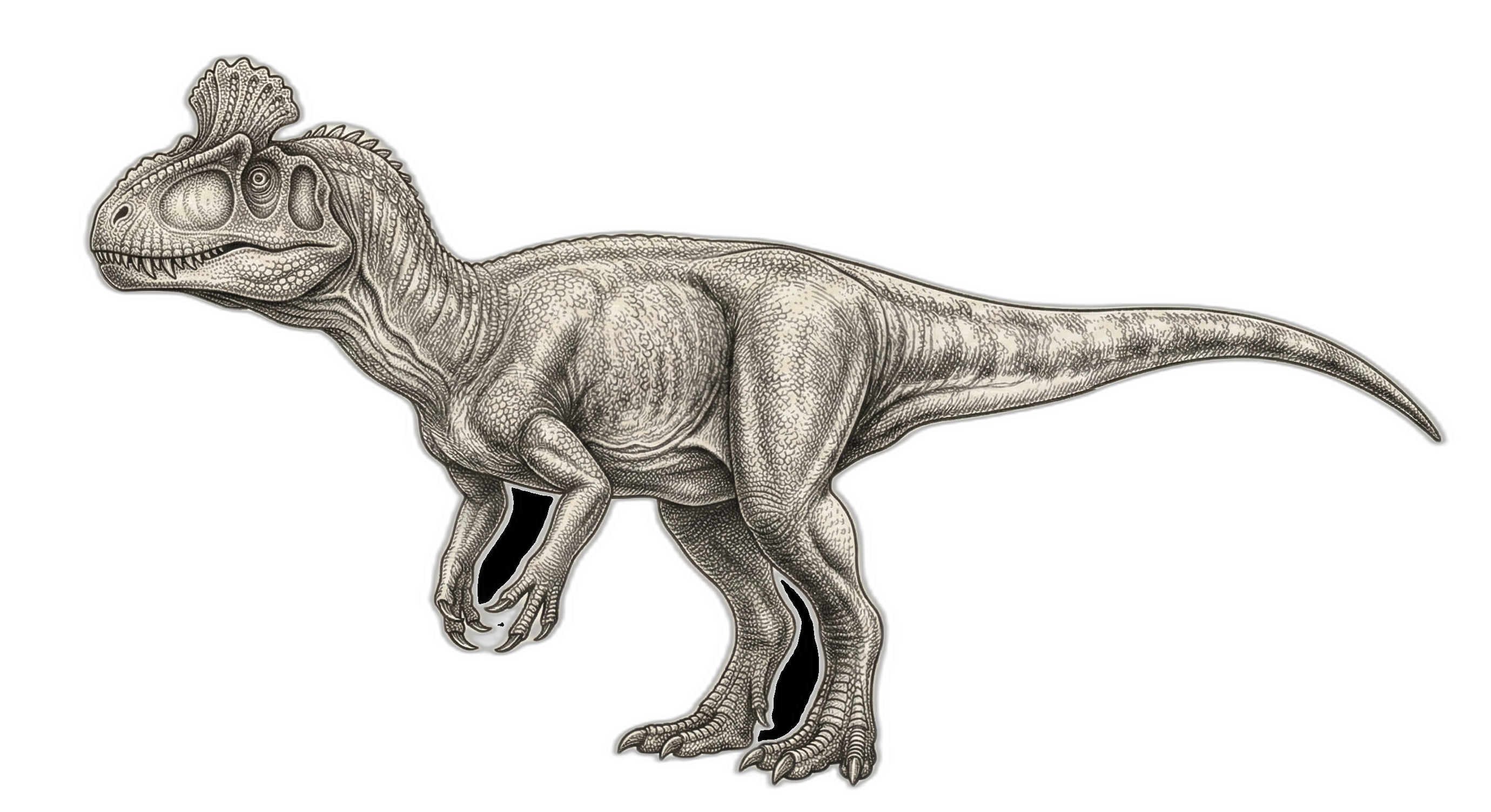
Cryolophosaurus
Cryolophosaurus ellioti
Both Monolophosaurus and Cryolophosaurus are Early-Middle Jurassic theropods that independently evolved prominent cranial crests.
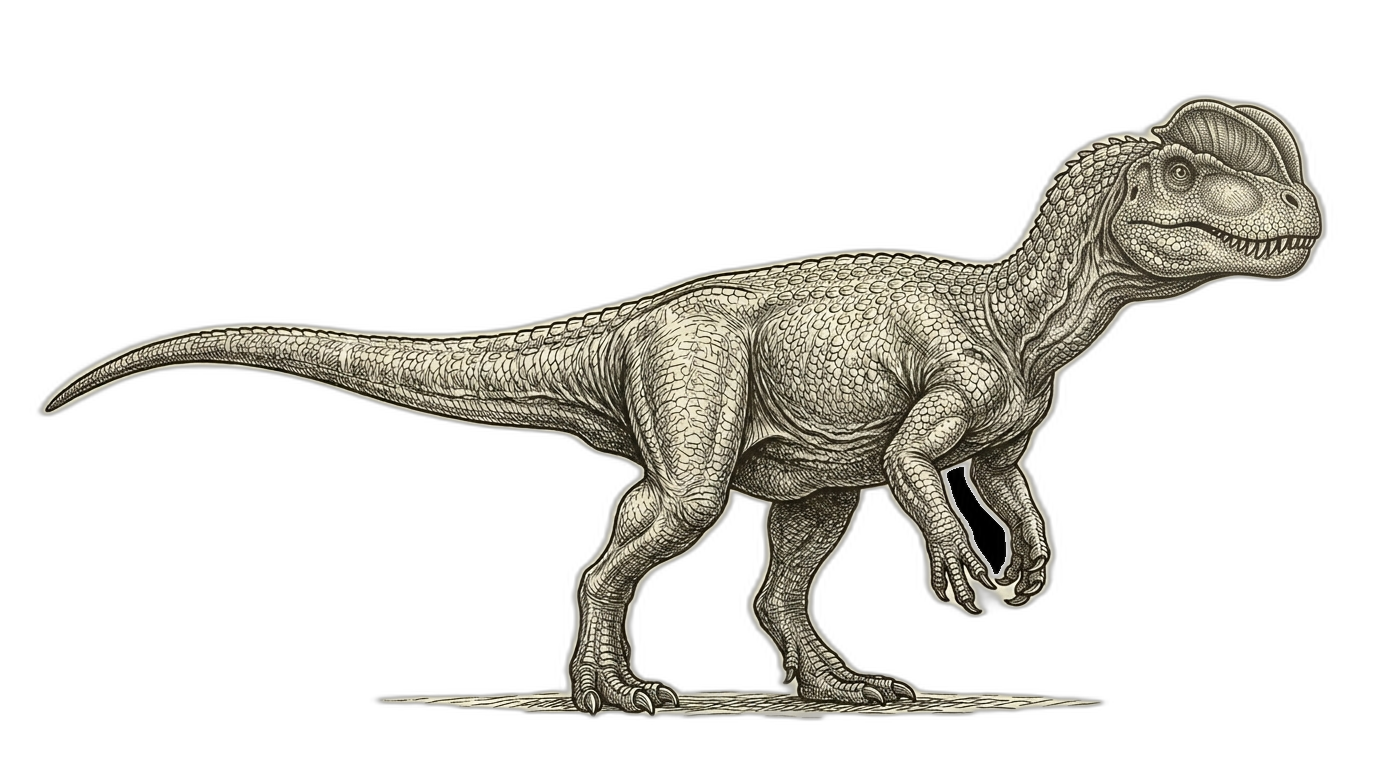
Dilophosaurus
Dilophosaurus wetherilli
Dilophosaurus and Monolophosaurus both evolved distinctive cranial crests as display structures, representing parallel experiments in theropod ornamentation during the Early-Middle Jurassic.
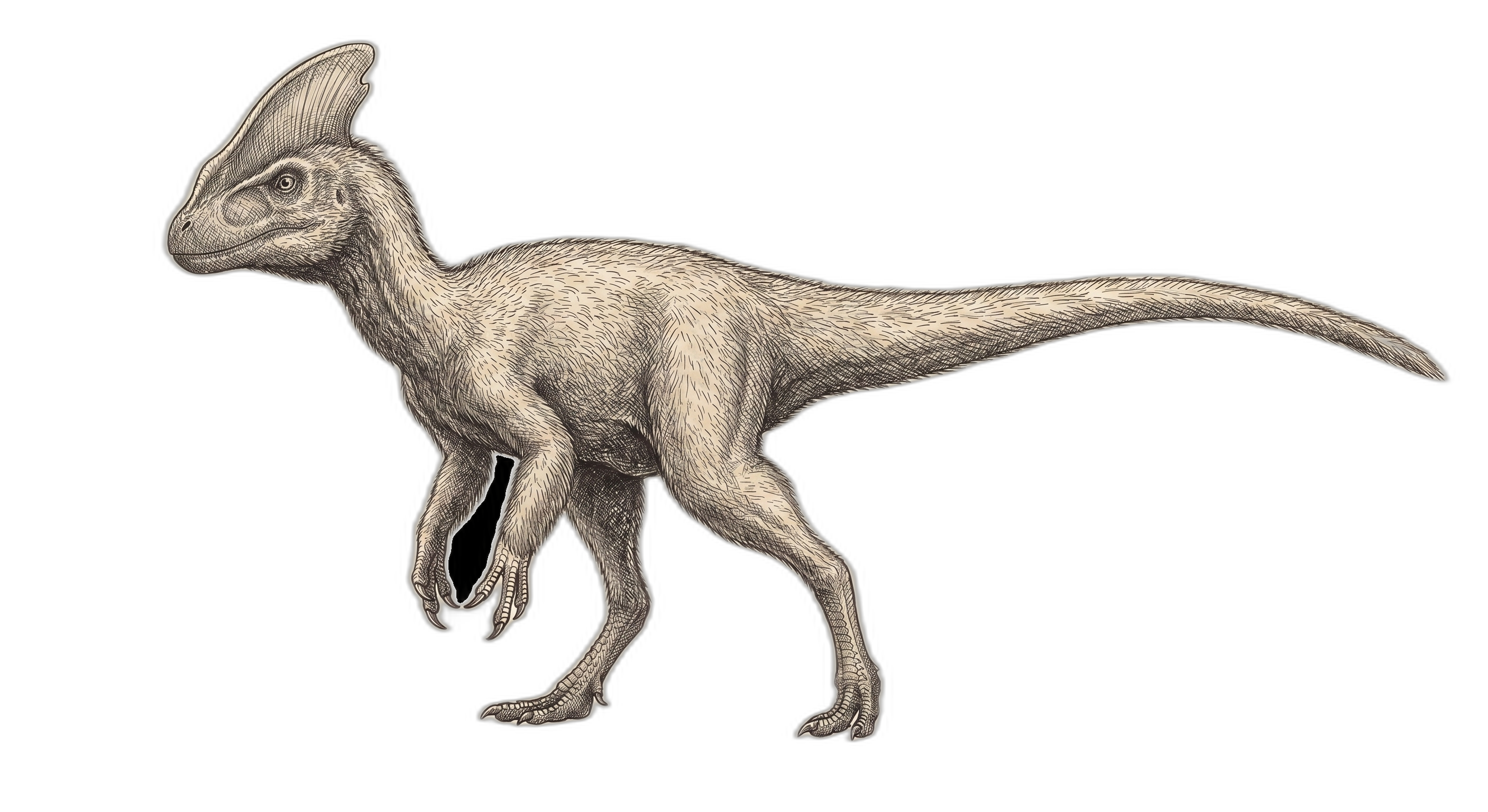
Guanlong
Monolophosaurus is also known from the Middle Jurassic of the Shishugou Formation in China, sharing the same ecosystem with Guanlong.
Sources & Citation
- Length estimates
- Zhao & Currie 1994; based on holotype specimen
- Height estimates
- Estimated from holotype proportions; hip height
- Weight estimates
- Zhao & Currie 1994; Paul 2010 estimates
- Speed estimates
- Inferred from limb proportions of similar-sized theropods