About
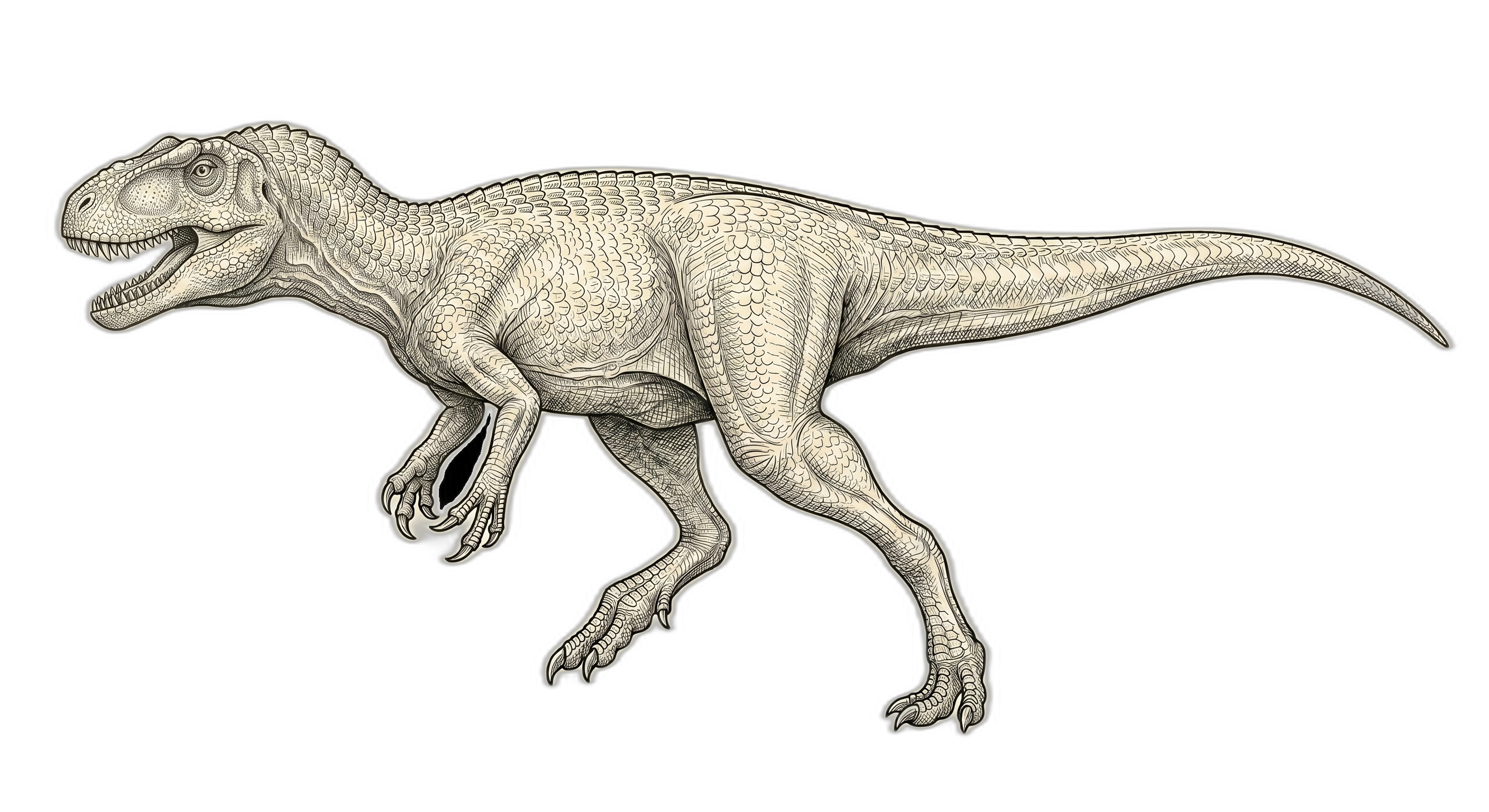
Yangchuanosaurus was the of Late Jurassic China, a formidable that dominated the prehistoric ecosystems of what is now Sichuan Province. Built like a killing machine with a large skull, powerful jaws lined with teeth, and strong three-fingered hands tipped with sharp claws, this carnivore was superbly adapted for taking down large prey. Its body plan was remarkably similar to the famous Allosaurus of North America, though the two evolved separately on different continents.
This predator ruled a remarkable ecosystem preserved in the Upper Shaximiao Formation. It shared its world with some of the most iconic Chinese dinosaurs: the extraordinarily long-necked sauropods Mamenchisaurus and Omeisaurus, along with an array of plated stegosaurs including Tuojiangosaurus and Chungkingosaurus. As the largest carnivore in this environment, adult Yangchuanosaurus likely had no natural predators and could have targeted even the giant sauropods, perhaps hunting in groups or ambushing vulnerable juveniles.
The type specimen was discovered in 1977 during construction work at Yongchuan in Sichuan Province, China, and the dinosaur was named after this locality. The discovery included a remarkably complete skeleton, making Yangchuanosaurus one of the best-known large theropods from Asia. Additional specimens have since been found, helping paleontologists understand the variation within the species.
Yangchuanosaurus belongs to the Metriacanthosauridae, a family of medium-to-large theropods found across Asia and Europe during the Jurassic. One distinctive feature was the low ridge running along its snout and the rugose (rough-textured) bones of its skull, which may have supported some kind of structure or simply strengthened the skull for delivering powerful bites.
Quick Facts
- Scientific name
- Yangchuanosaurus shangyouensis
- Group
- Theropod · Metriacanthosauridae
- Lived
- Late Jurassic, 161.2–154.8 million years ago
- Diet
- Carnivore
- Movement
- Walked on two legs
- Fossils found in
- Shangshaximiao Formation, Sichuan, China
- Discovery credited to
- 1977, Construction workers; described by Dong Zhiming, Zhang Yihong, Li Xuanmin & Zhou Shiwu
- Holotype
- CV 00215
- DinoVault record
- DVL-0147
Where Yangchuanosaurus Roamed
During the Late Jurassic, Yangchuanosaurus shangyouensis roamed the lush floodplains and riverine forests of the Sichuan Basin in what is now south-central China, a region characterized by warm, humid conditions and seasonal wetlands that supported a rich ecosystem of dinosaurs, including the massive sauropods upon which this apex predator likely preyed.
Keep exploring the vault
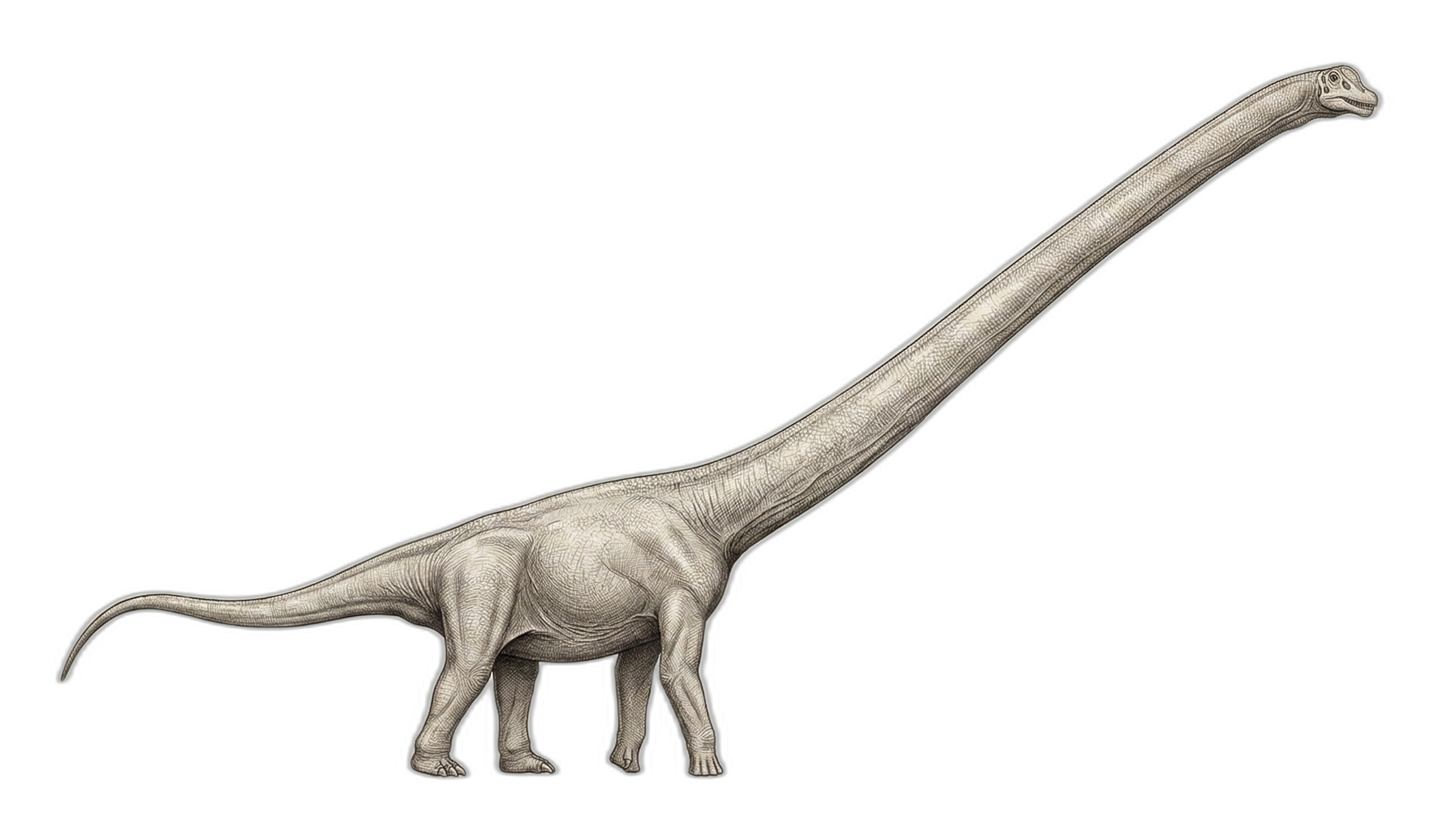
Mamenchisaurus
Mamenchisaurus sinocanadorum
Yangchuanosaurus and Mamenchisaurus are both known from the Upper Shaximiao Formation of China's Sichuan Basin.
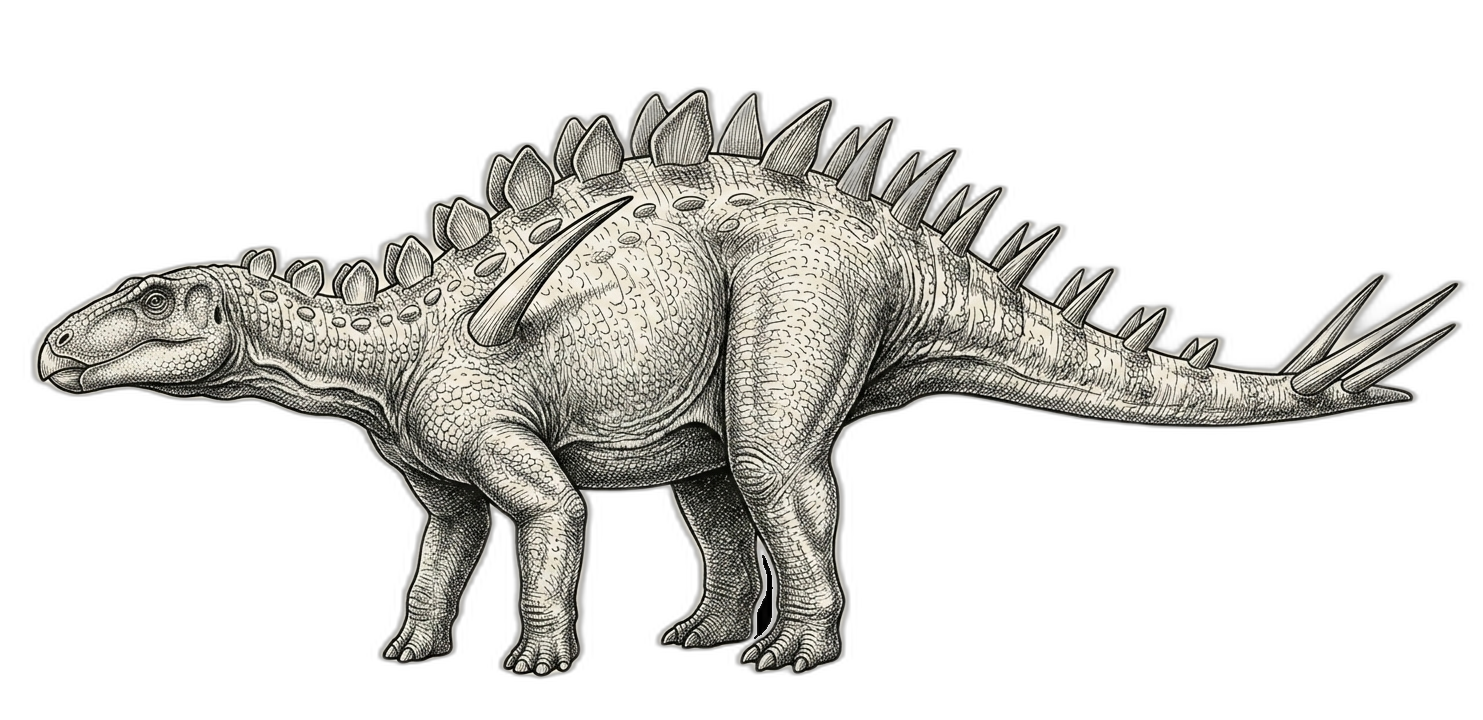
Huayangosaurus
Huayangosaurus taibaii
Huayangosaurus is known from the same Shaximiao Formation deposits as Yangchuanosaurus.
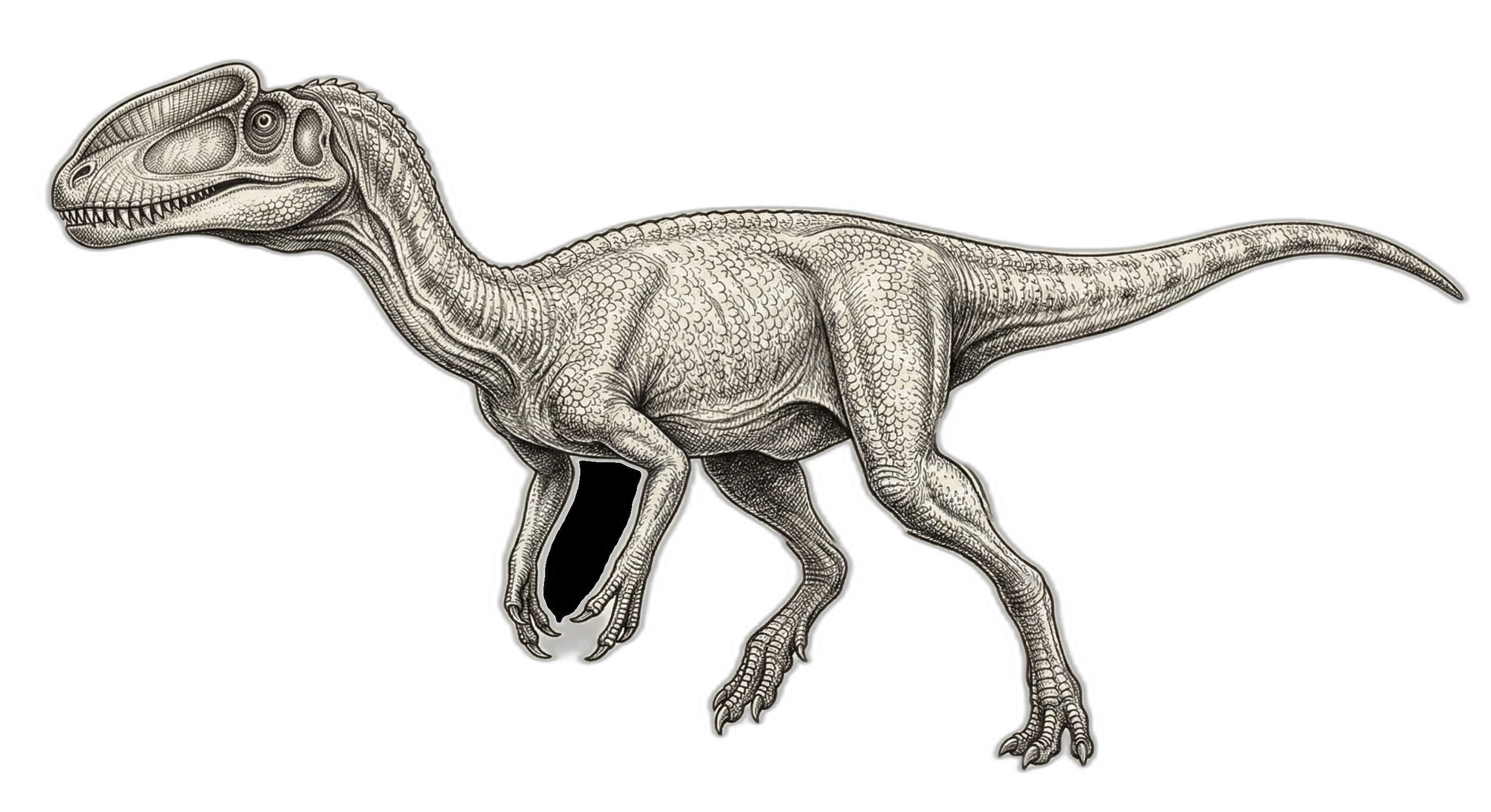
Monolophosaurus
Monolophosaurus jiangi
Monolophosaurus is known from Middle Jurassic deposits in China (Shishugou Formation) and represents a similar-sized carnivorous theropod that may have overlapped temporally with early Yangchuanosaurus populations, competing for similar prey resources.
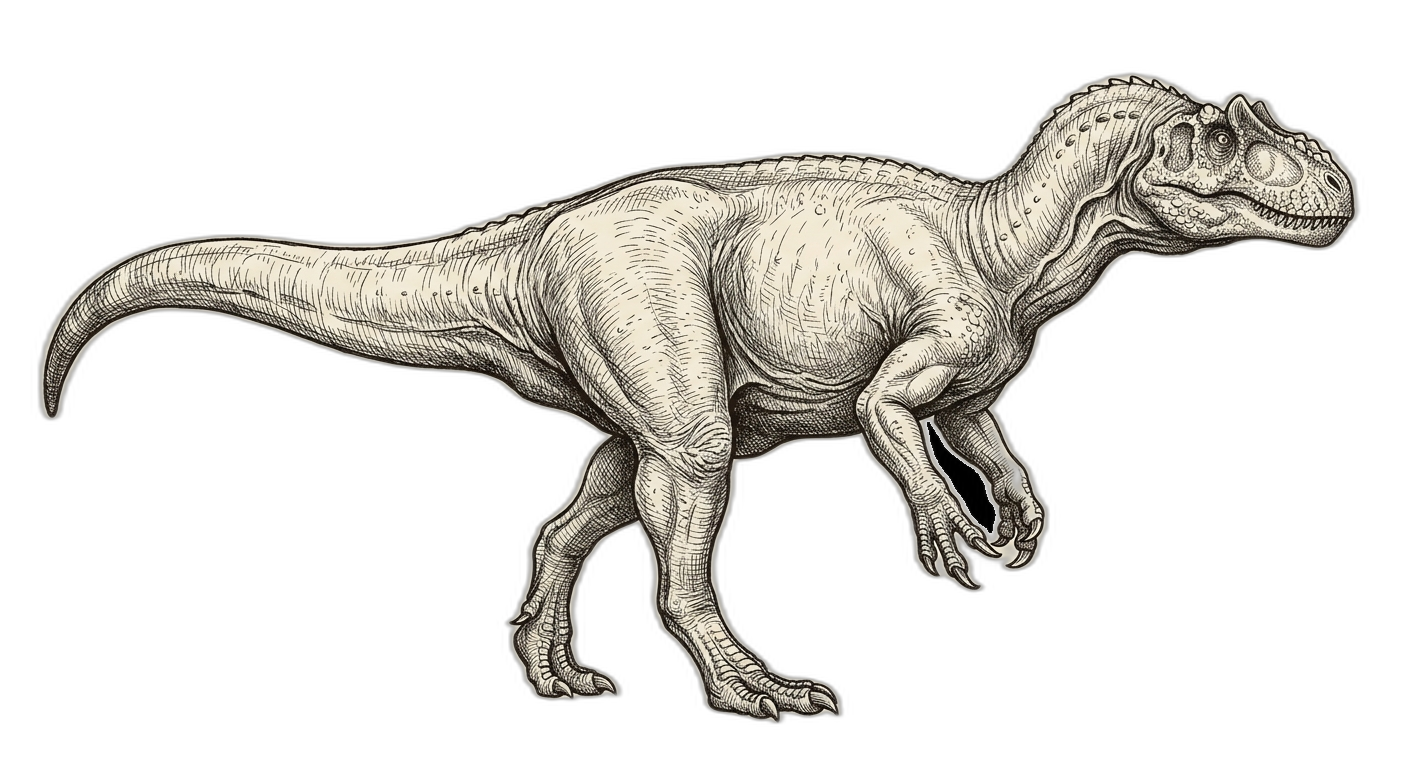
Allosaurus
Allosaurus fragilis
Both Yangchuanosaurus and Allosaurus represent large-bodied allosauroid theropods that independently became apex predators in their respective Late Jurassic ecosystems (China and North America).
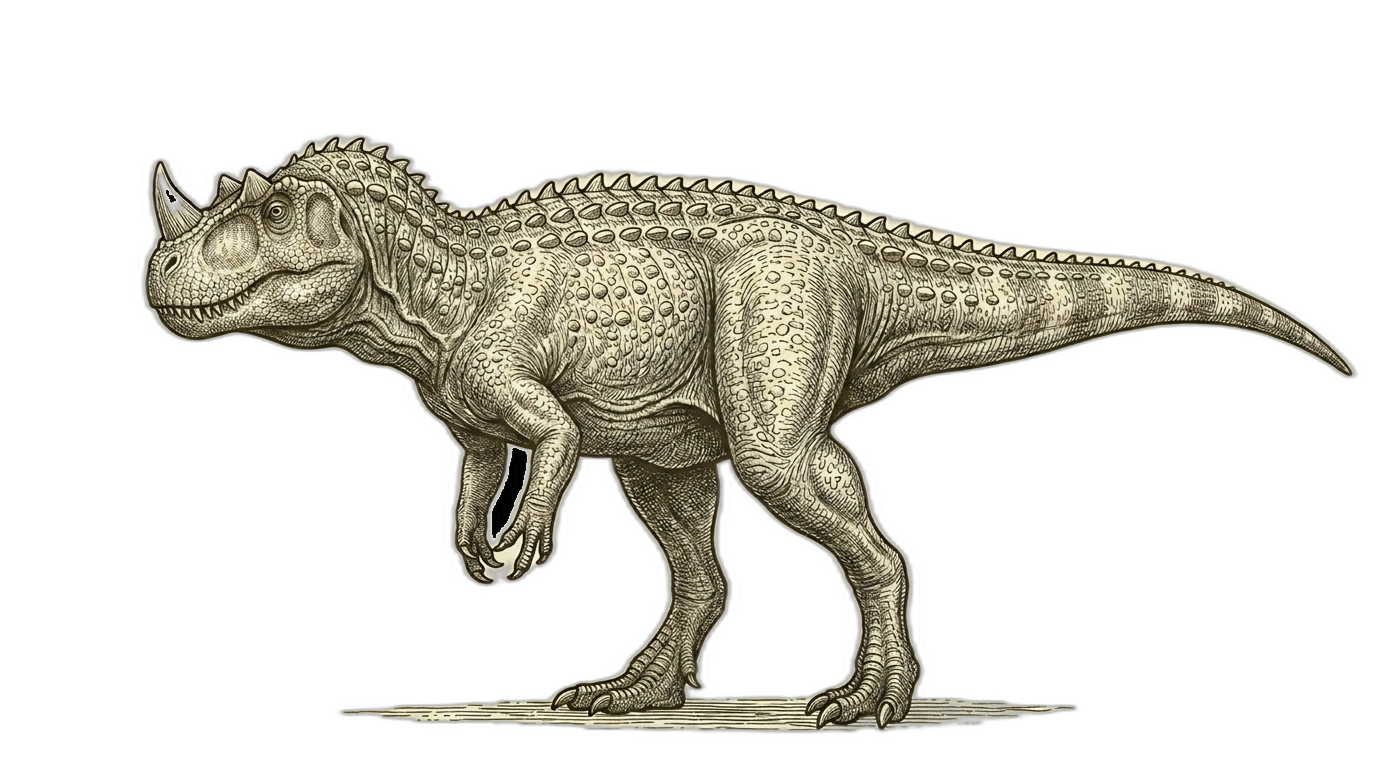
Ceratosaurus
Ceratosaurus nasicornis
Both represent parallel evolution of crested/ornamented large theropods in the Late Jurassic.
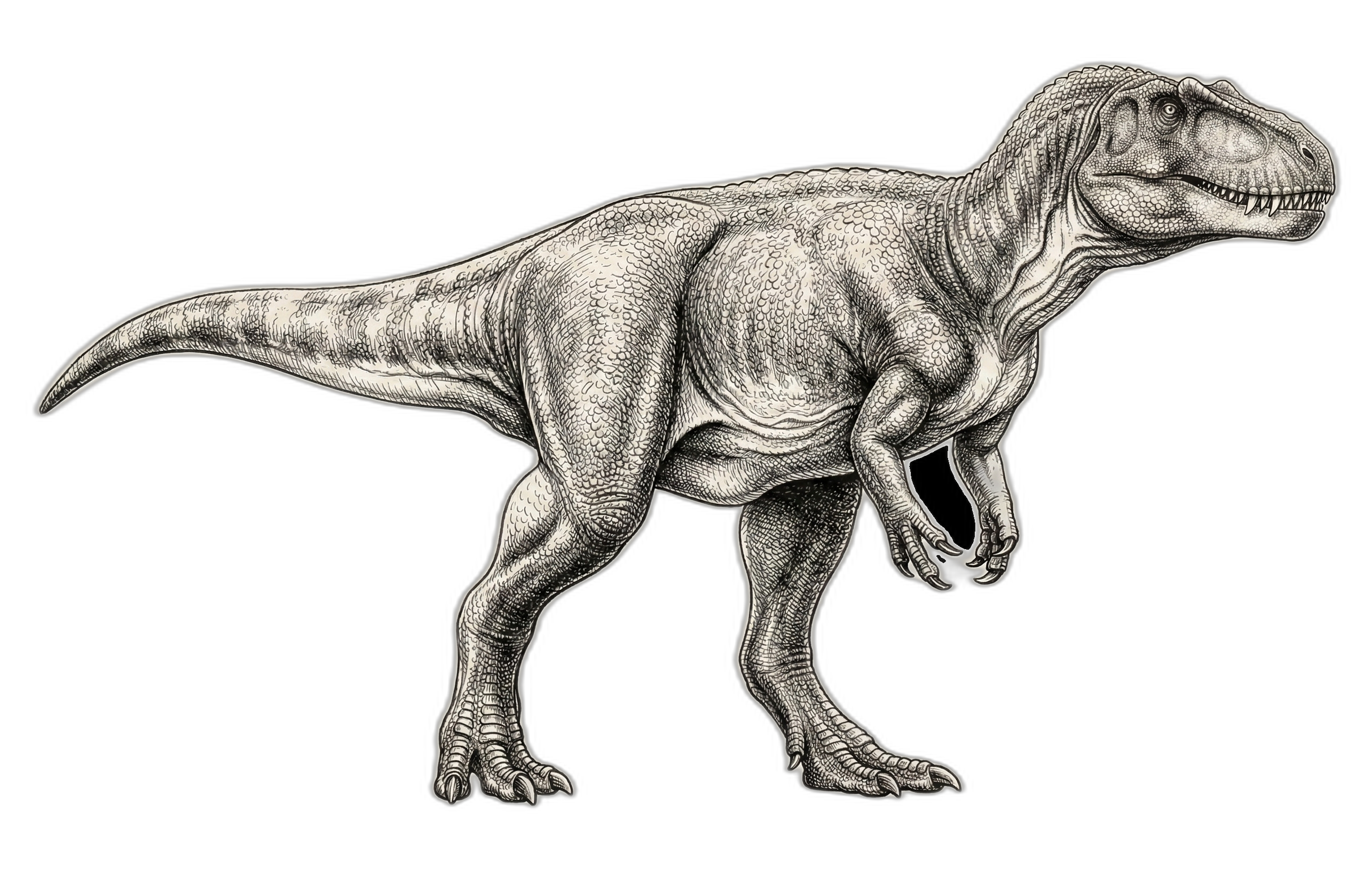
Megalosaurus
Megalosaurus bucklandii
Megalosaurus and Yangchuanosaurus represent the parallel radiation of large-bodied tetanuran theropods during the Middle-Late Jurassic across Laurasia.
Sources & Citation
- Length estimates
- Dong et al. 1978; Carrano et al. 2012; larger estimates from possible second species
- Height estimates
- Estimated from skeletal reconstructions; hip height typical for large allosauroids
- Weight estimates
- Benson et al. 2010; mass estimates vary with length assumptions
- Speed estimates
- Inferred from limb proportions; no direct biomechanical studies