About
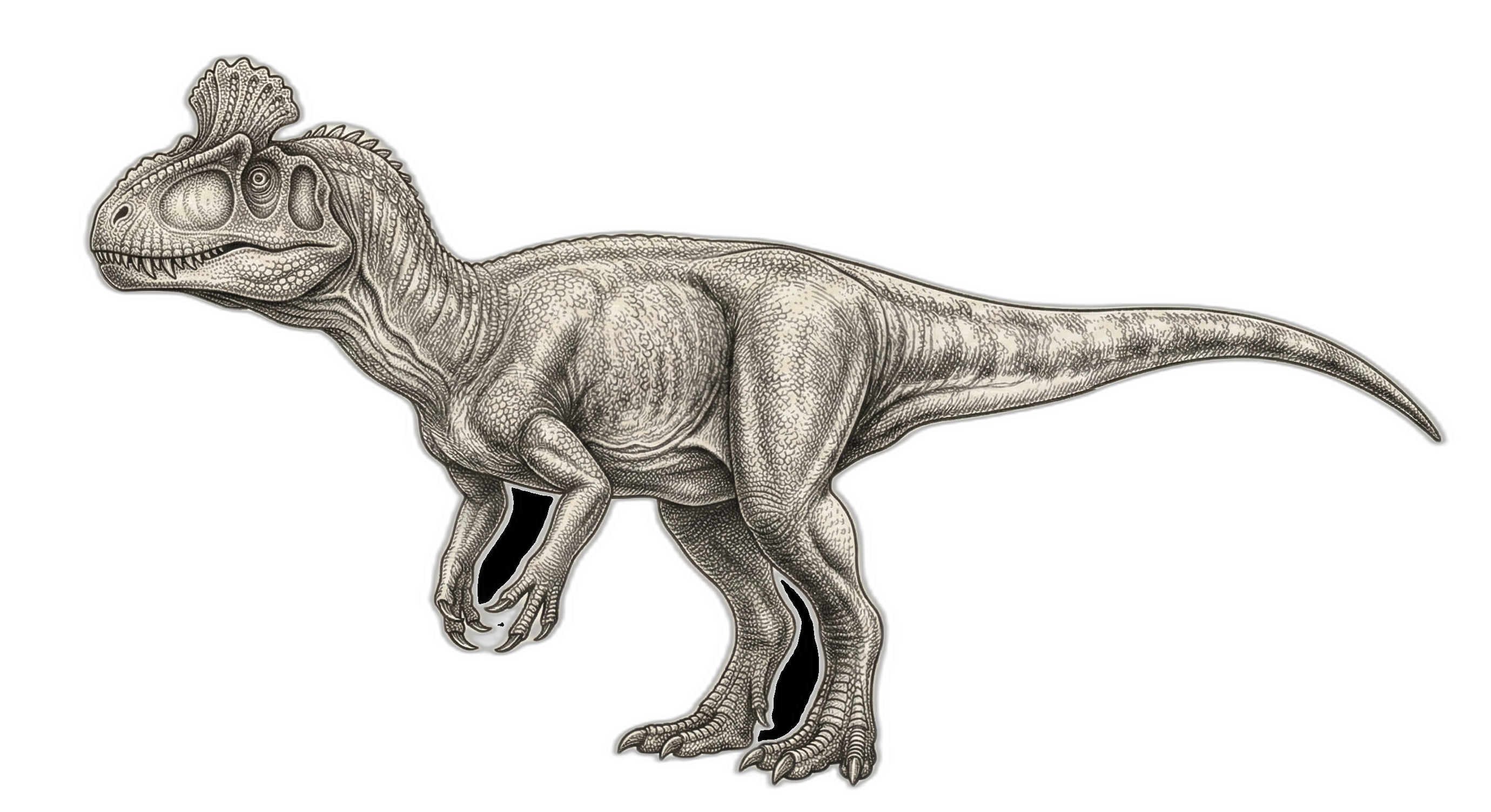
Cryolophosaurus was a large predator that roamed Antarctica during the Early Jurassic, approximately 190 million years ago. Its most distinctive feature was an unusual bony that rose perpendicular to the skull, running side-to-side across the top of its head like a Spanish comb—earning it the nickname 'Elvisaurus' among paleontologists. Unlike the forward-facing crests of later theropods like Dilophosaurus, this unique ornamentation suggests Cryolophosaurus may represent an early experimental branch of theropod evolution.
During the Early Jurassic, Antarctica was positioned closer to the equator and connected to the supercontinent . While still experiencing polar conditions with extended periods of darkness, the region supported lush temperate forests rather than the frozen wasteland we know today. Cryolophosaurus likely hunted prosauropods and other herbivores that browsed these ancient woodlands, making it one of the apex predators of its ecosystem.
The dinosaur was discovered in 1991 by paleontologist William Hammer and his team on Mount Kirkpatrick in the Transantarctic Mountains, at an elevation of over 4,000 meters. The extreme conditions of Antarctic fieldwork made excavation extraordinarily challenging—fossils had to be extracted from frozen rock in sub-zero temperatures with limited working seasons. The species name honors David Elliot, the geologist who first spotted the fossils.
Cryolophosaurus holds the distinction of being one of the first carnivorous dinosaurs discovered in Antarctica and remains one of the largest known theropods from the Early Jurassic period worldwide. The known specimen appears to be a subadult, suggesting fully grown individuals may have been even larger—a tantalizing hint at the formidable predators that once stalked Earth's southernmost continent.
Quick Facts
- Scientific name
- Cryolophosaurus ellioti
- Group
- Theropod · Tetanurae
- Lived
- Early Jurassic, 190.8–182.7 million years ago
- Diet
- Carnivore
- Movement
- Walked on two legs
- Fossils found in
- Hanson Formation, Transantarctic Mountains, Antarctica
- Discovery credited to
- 1991, William Hammer
- Holotype
- FMNH PR1821 · Field Museum of Natural History, Chicago
- DinoVault record
- DVL-0036
Where Cryolophosaurus Roamed
During the Early Jurassic, Cryolophosaurus inhabited a vastly different Antarctica—then part of the supercontinent Gondwana and positioned at much lower latitudes than today, featuring a temperate climate with seasonal forests and river valleys that supported a surprisingly diverse ecosystem far from any polar ice.
Keep exploring the vault
Massospondylus
Massospondylus carinatus
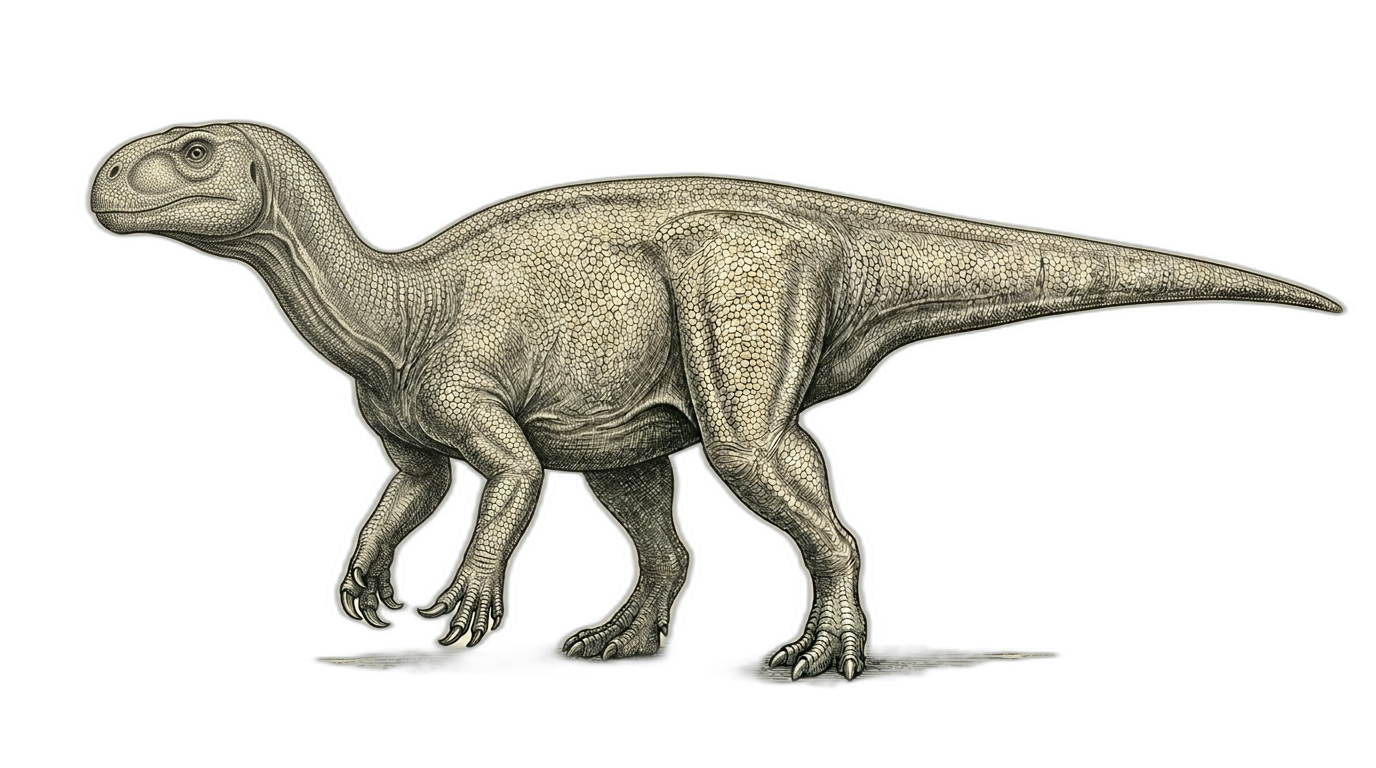
Massospondylus was a common Early Jurassic prosauropod herbivore present in Gondwanan ecosystems.
Coelophysis
Coelophysis bauri
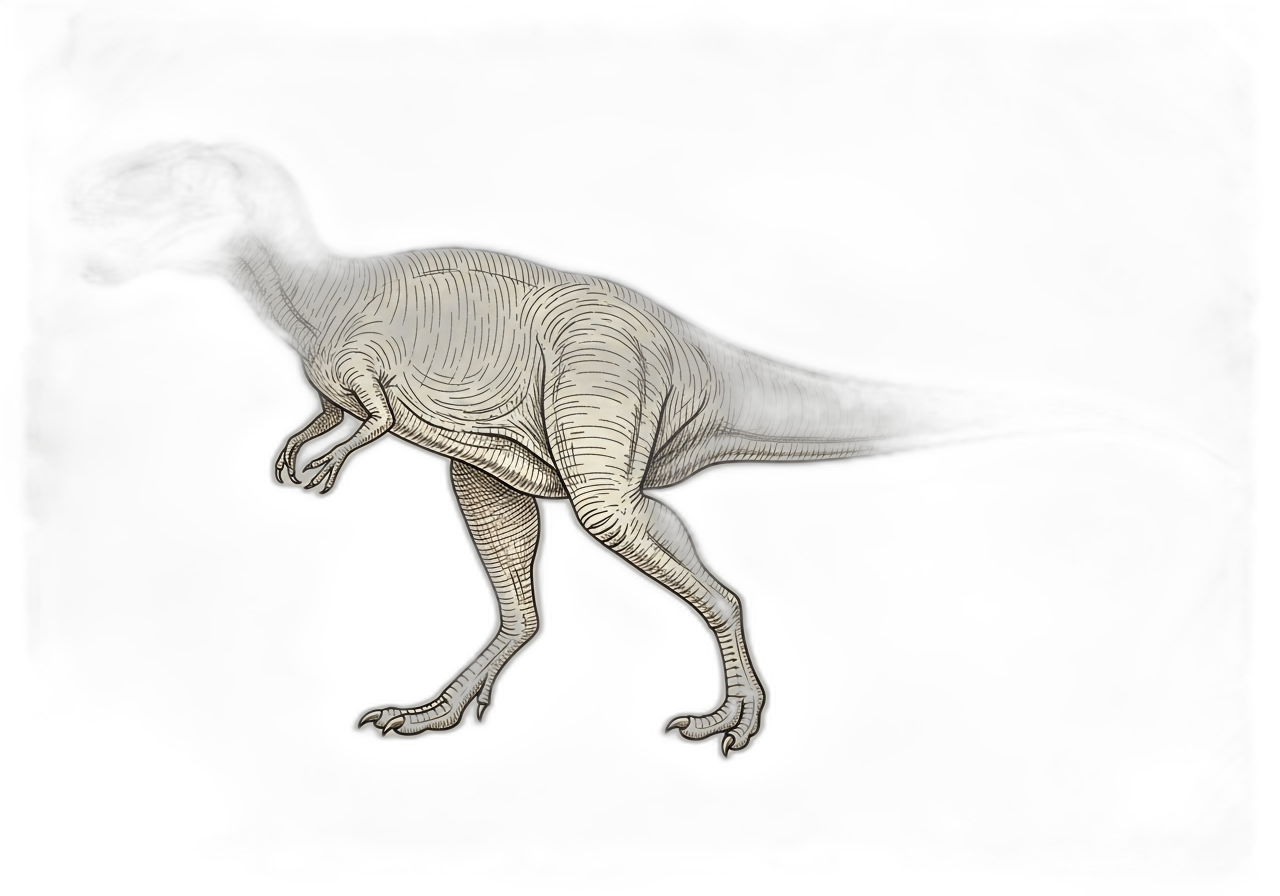
Coelophysis represents the broader coelophysoid radiation of early theropods from the Late Triassic.
Dilophosaurus
Dilophosaurus wetherilli
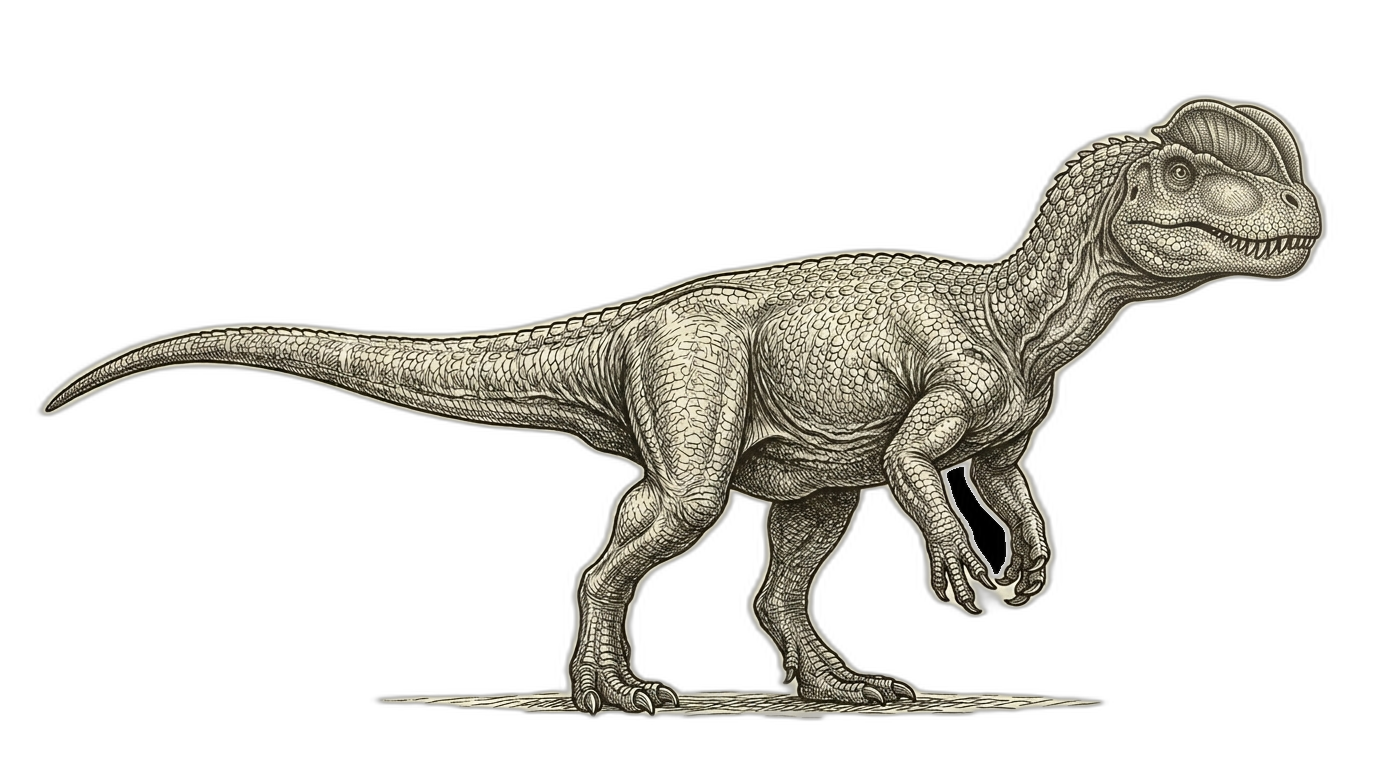
Both Cryolophosaurus and Dilophosaurus are early theropods that independently evolved prominent cranial crests, representing parallel experimentation with head ornamentation likely used for species recognition or display.
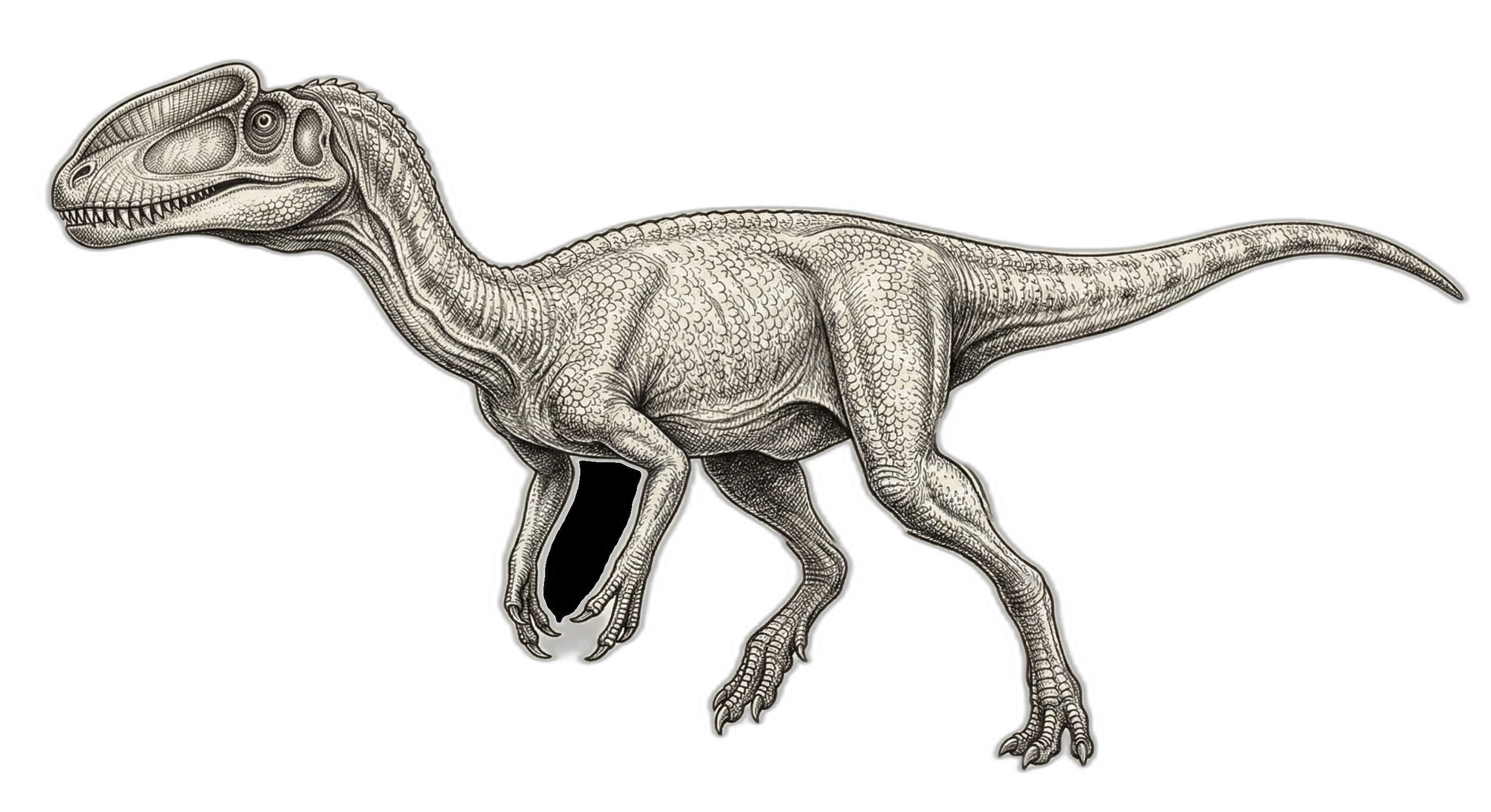
Monolophosaurus
Monolophosaurus jiangi
Both genera are crested theropods that evolved elaborate midline cranial crests independently - Cryolophosaurus with its distinctive transverse 'pompadour' crest and Monolophosaurus with its single median nasal crest.
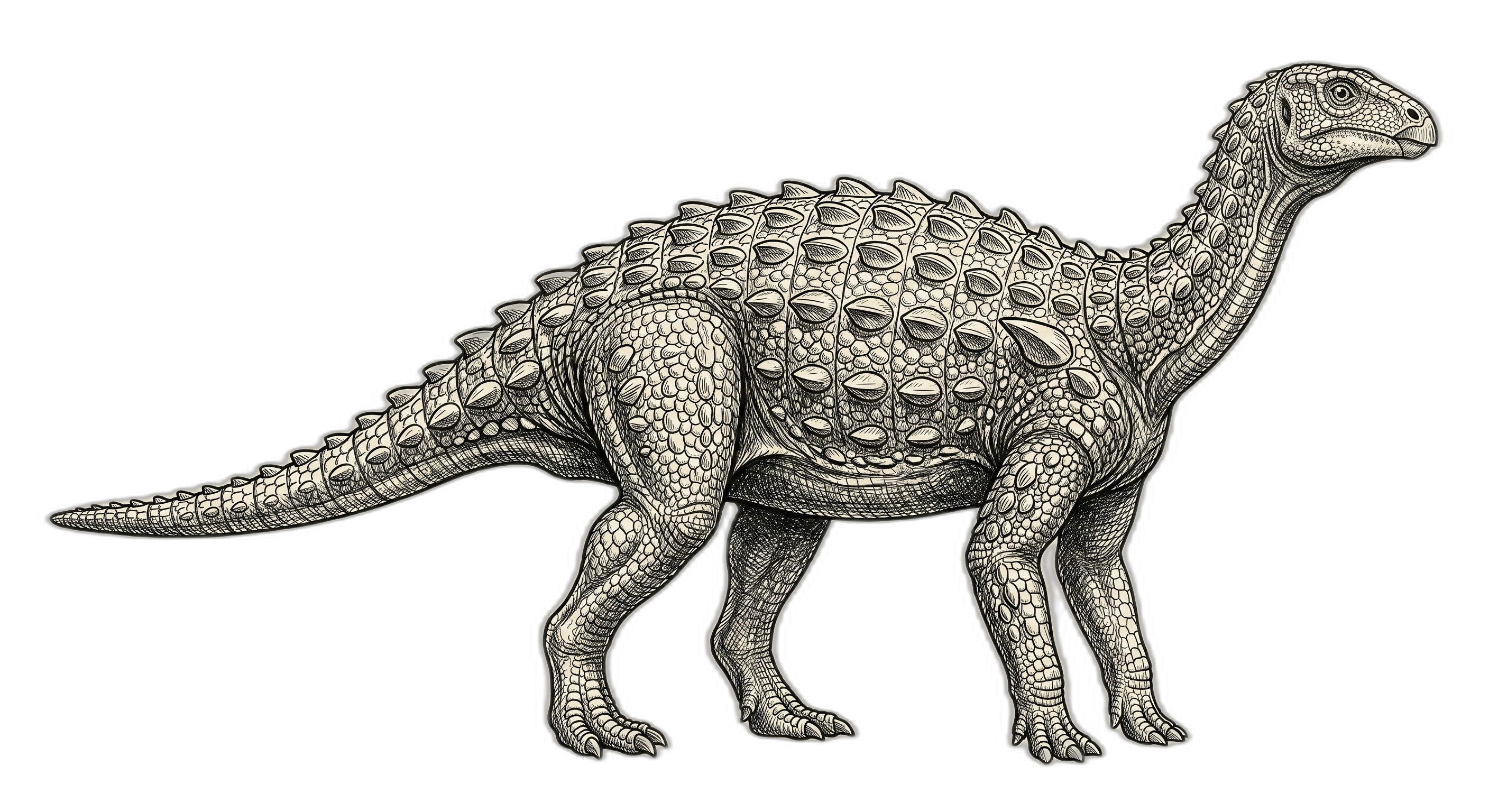
Scelidosaurus
Scelidosaurus harrisonii
Both lived during the Early Jurassic period (around 190 mya).
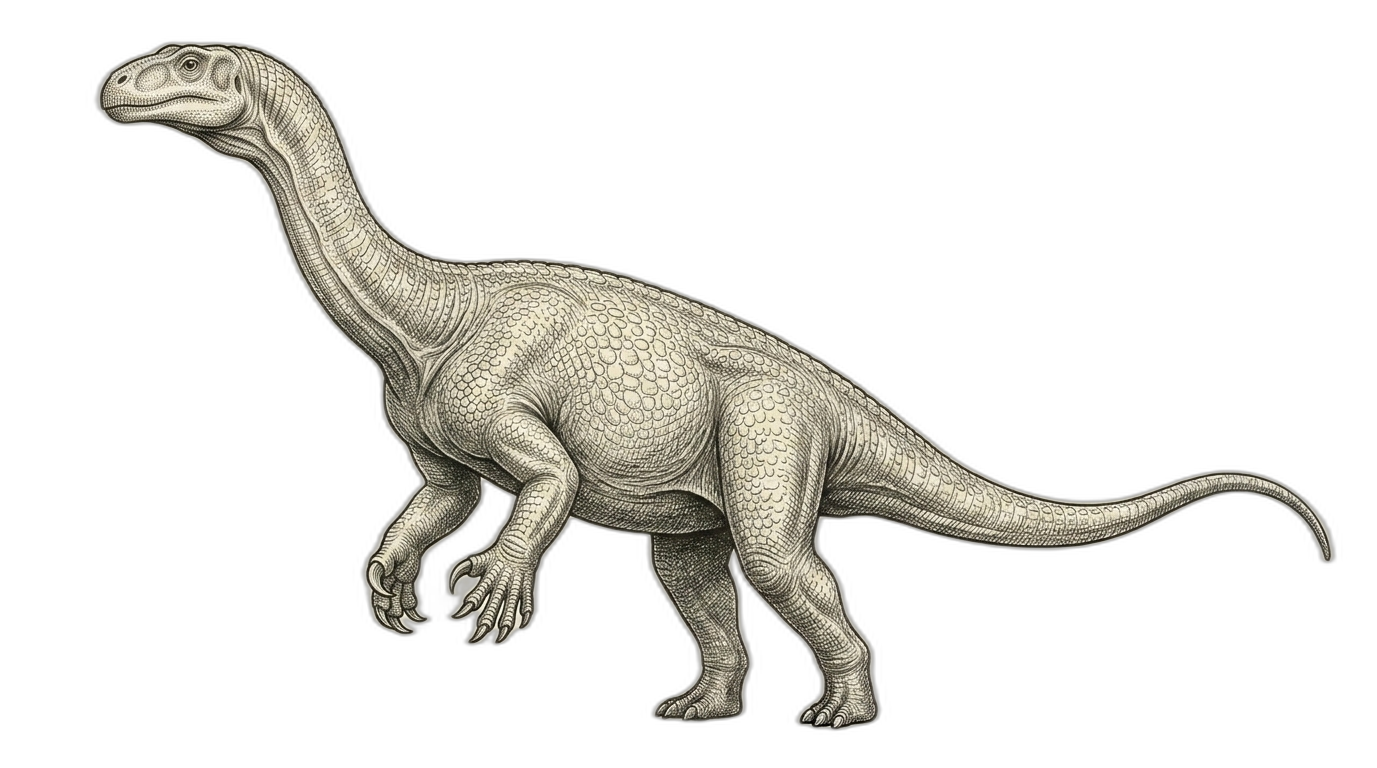
Plateosaurus
Plateosaurus engelhardti
Both represent early experiments in dinosaurian gigantism - Plateosaurus as an early large-bodied herbivore and Cryolophosaurus as one of the earliest large-bodied theropod predators.
Sources & Citation
- Length estimates
- Hammer & Hickerson 1994; Smith et al. 2007 (subadult specimen)
- Height estimates
- Estimated hip height based on limb proportions; Smith et al. 2007
- Weight estimates
- Benson et al. 2012; based on subadult specimen
- Speed estimates
- Inferred from limb proportions and comparison to similar-sized theropods