About
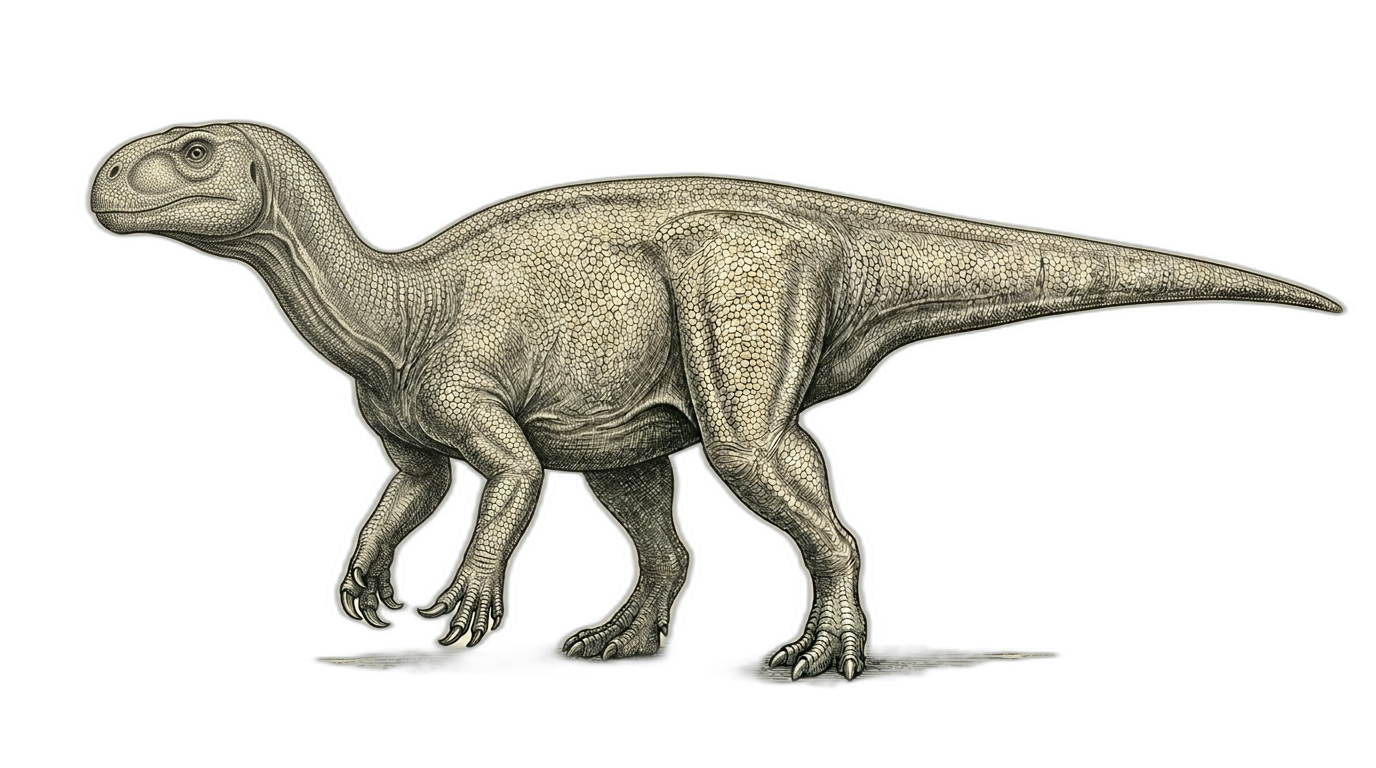
Massospondylus was a medium-sized, early that roamed southern Africa during the Early Jurassic period, roughly 200 to 183 million years ago. With its relatively long neck, small head, and powerful hind legs, it represented an early branch of the dinosaur family tree that would eventually give rise to the giant long-necked sauropods. Adults were primarily , though they may have dropped to all fours while feeding on low vegetation.
This dinosaur holds a special place in paleontological history. Described by the legendary Richard Owen in 1854 — the same scientist who coined the term '' — Massospondylus was among the first dinosaurs ever scientifically named. Its name means 'longer vertebra,' a reference Owen made to what he thought were tail bones but turned out to be neck . Tragically, Owen's original specimens were destroyed during the London Blitz in World War II.
Fortunately, Massospondylus is now one of the best-understood Early Jurassic dinosaurs thanks to an extraordinary abundance of fossils from South Africa, Lesotho, and Zimbabwe. Hundreds of specimens spanning all growth stages have been recovered from formations like the upper Elliot and Clarens. This wealth of material has made Massospondylus so scientifically important that an entire geological biozone is named after it.
Perhaps the most remarkable discovery came from clutches of fossilized eggs containing embryos — the oldest dinosaur embryos ever found. These tiny, unhatched Massospondylus reveal that hatchlings were proportionally different from adults, with large heads and short necks, and likely walked on all fours before becoming bipeds as they matured.
Quick Facts
- Scientific name
- Massospondylus carinatus
- Group
- Sauropodomorph · Massospondylidae
- Lived
- Early Jurassic, 192.9–174.7 million years ago
- Diet
- Herbivore
- Movement
- Facultative_biped
- Fossils found in
- Elliot Formation (Eastern Cape, Free State, KwaZulu-Natal, South Africa, Lesotho)
- Discovery credited to
- 1854, Richard Owen
- Holotype
- BMNH 40721 (destroyed in WWII; neotype designated) · Natural History Museum, London
- DinoVault record
- DVL-0085
Where fossils were found
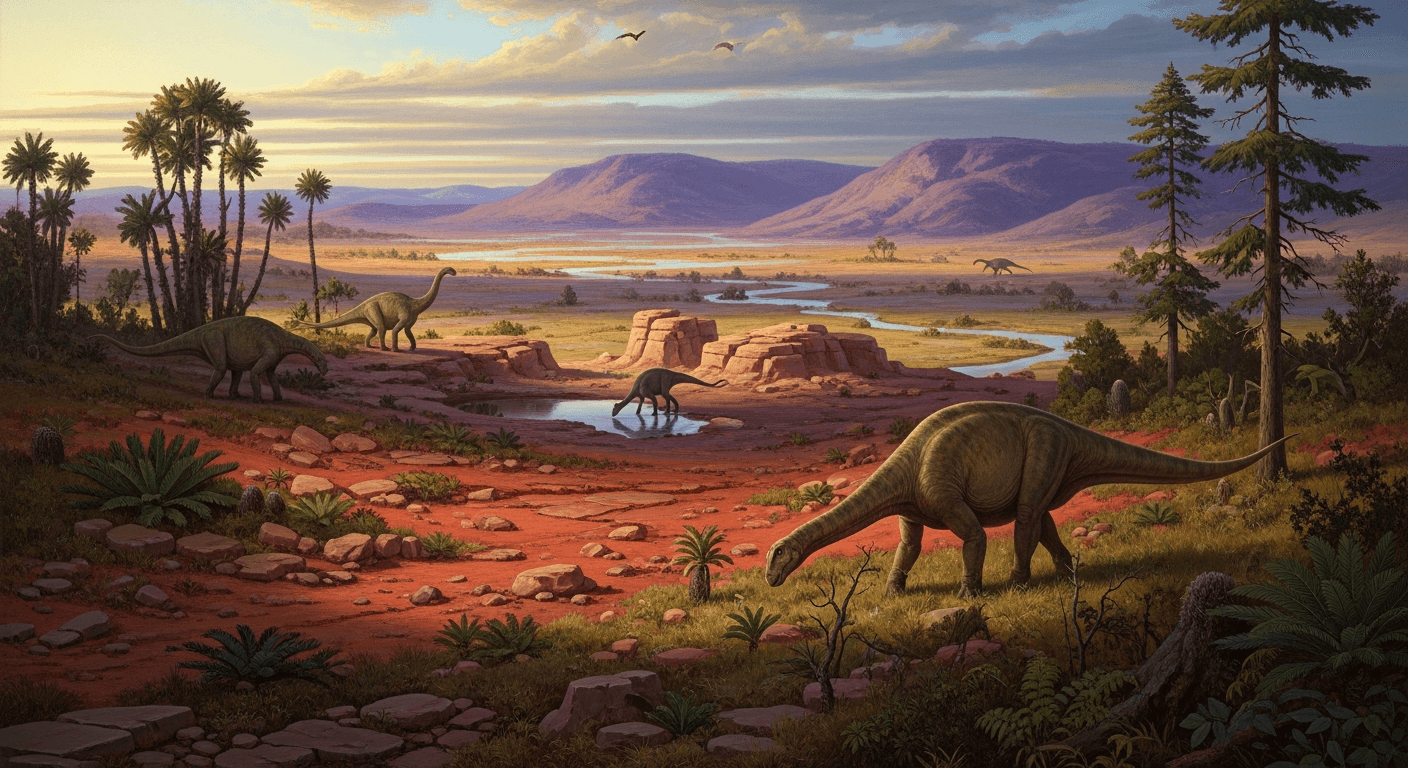
Elliot Formation
Eastern Cape, Free State, KwaZulu-Natal · South Africa, Lesotho
192.9–174.7 million years ago(18.2m year span)
Where Massospondylus Roamed
During the Early Jurassic, Massospondylus carinatus roamed the semi-arid floodplains and river valleys of southern Gondwana, in a region that would become modern-day South Africa, Lesotho, and Zimbabwe. This landscape featured seasonal climates with alternating wet and dry periods, supporting a mix of coniferous forests and fern-dominated undergrowth where these early sauropodomorph dinosaurs thrived alongside diverse reptilian fauna.
Keep exploring the vault
Coelophysis
Coelophysis bauri
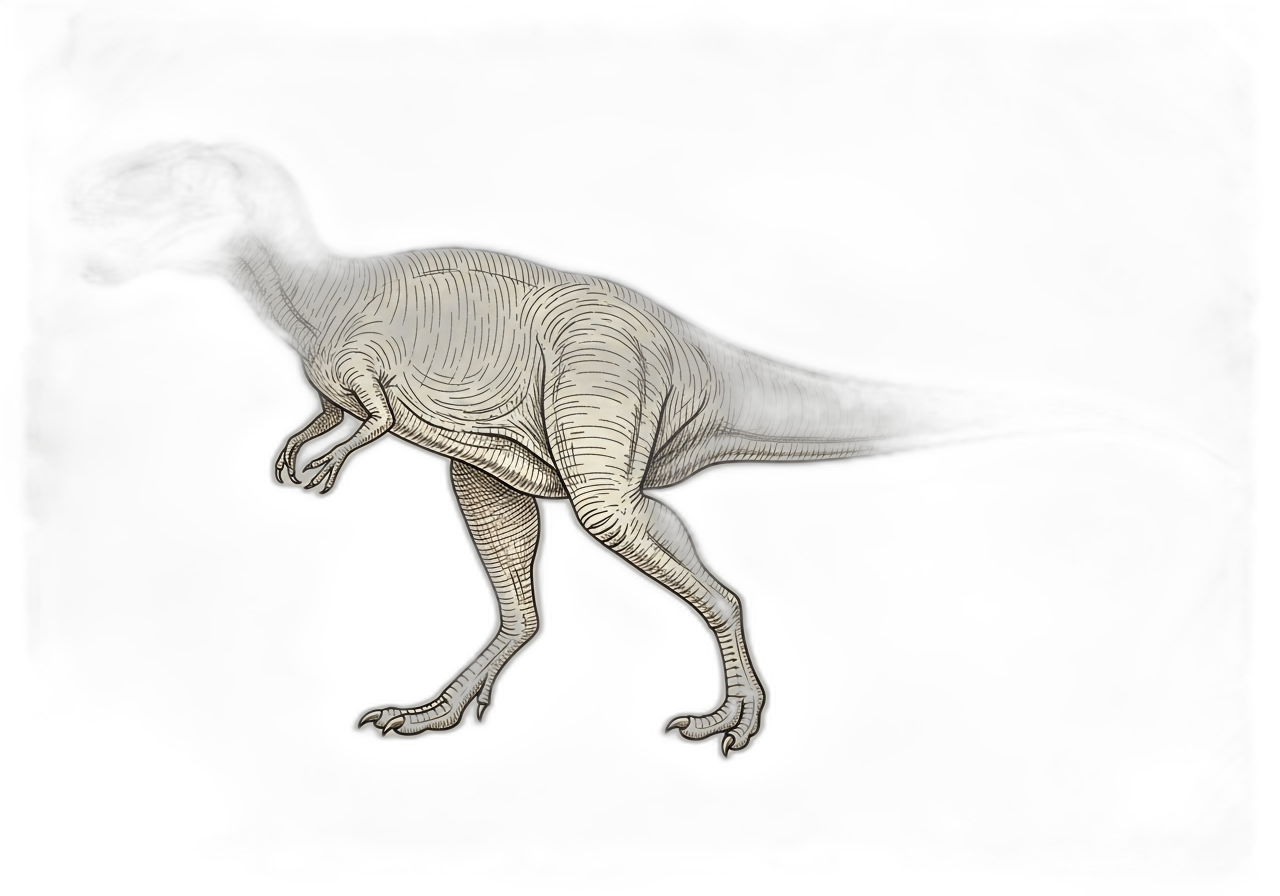
Coelophysis was a swift, agile theropod from the Late Triassic to Early Jurassic that could have preyed on juvenile or sub-adult Massospondylus.
Scelidosaurus
Scelidosaurus harrisonii
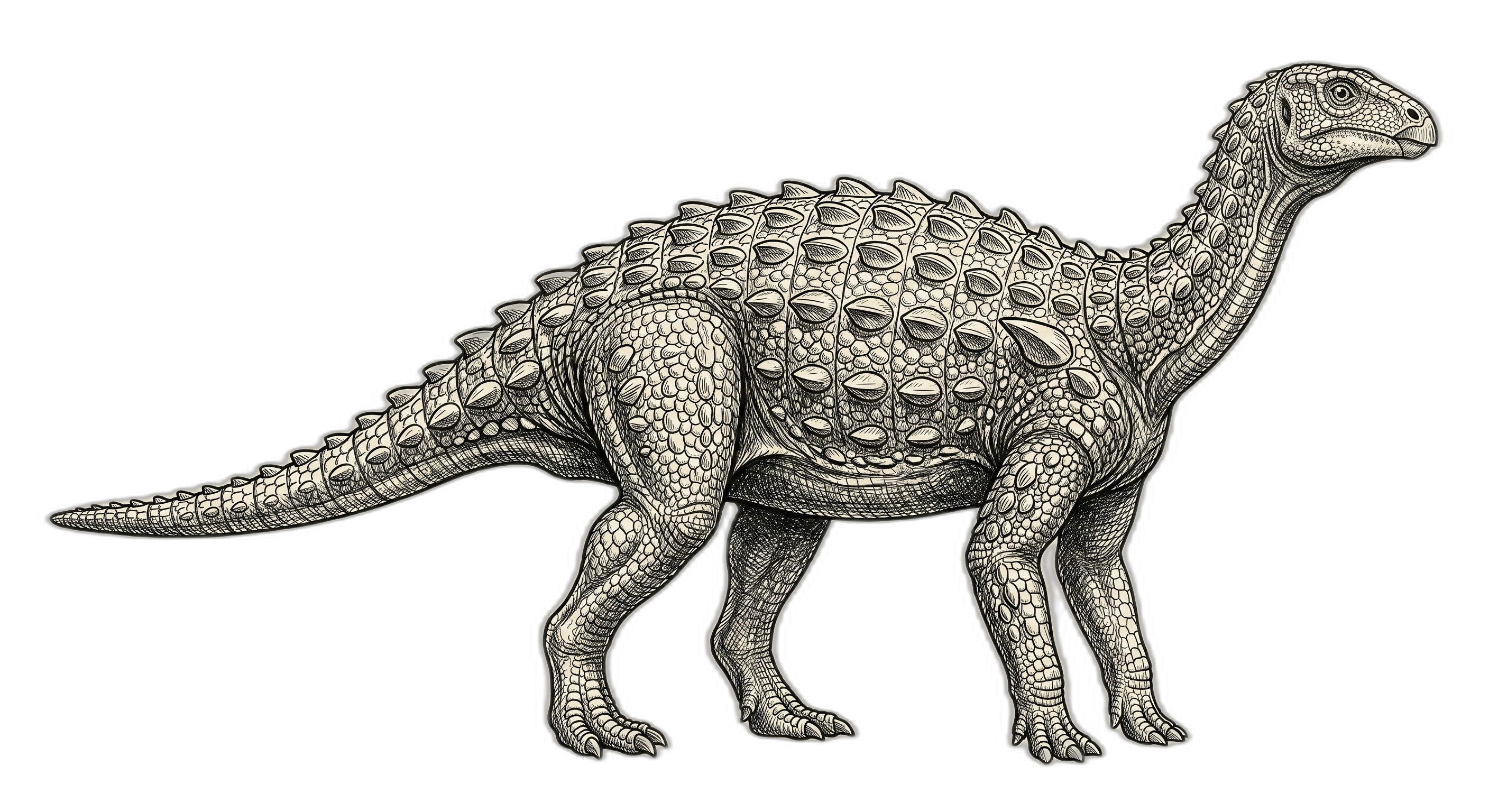
Massospondylus was an Early Jurassic herbivore of similar size range that lived during the same time period.
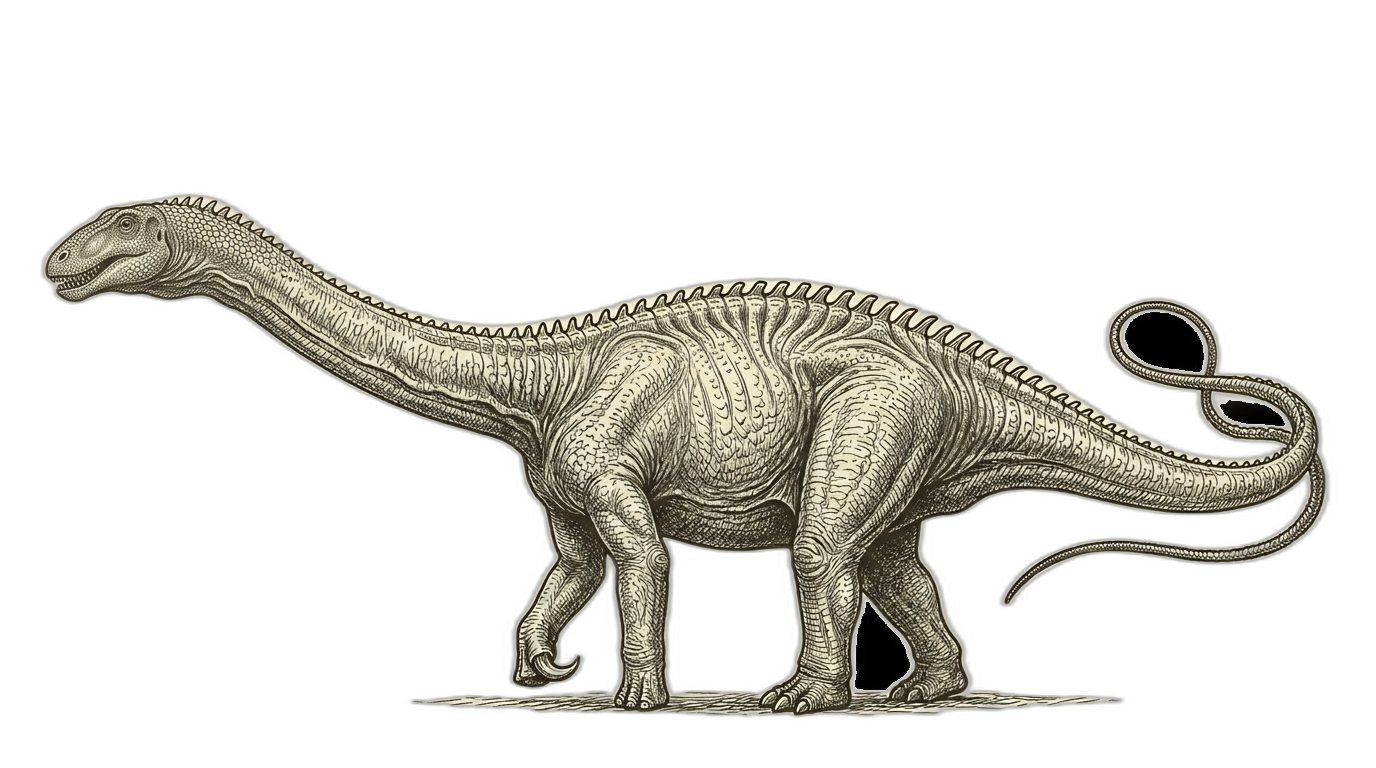
Diplodocus
Diplodocus carnegii
Massospondylus represents an early sauropodomorph body plan that preceded the evolution of true sauropods.
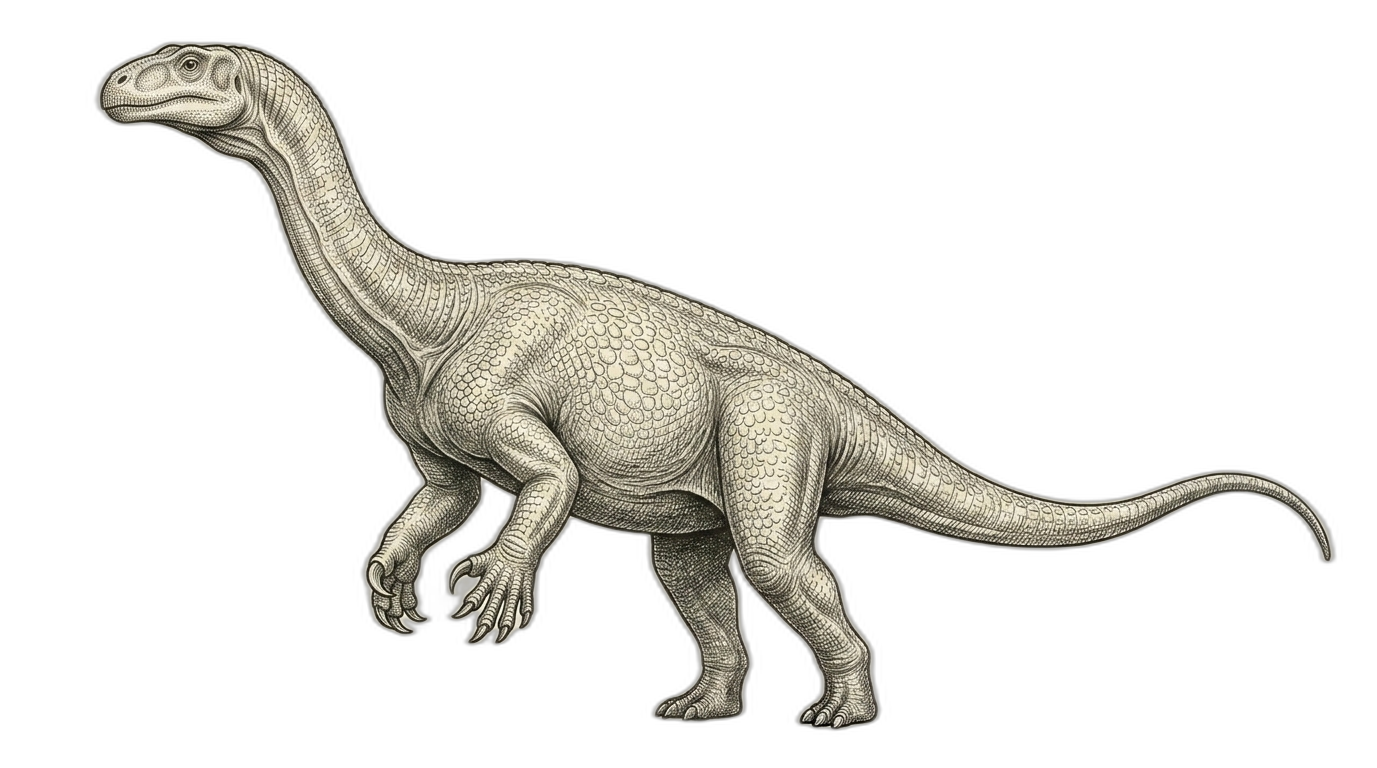
Plateosaurus
Plateosaurus engelhardti
Both are basal sauropodomorphs representing the early radiation of long-necked herbivorous dinosaurs.
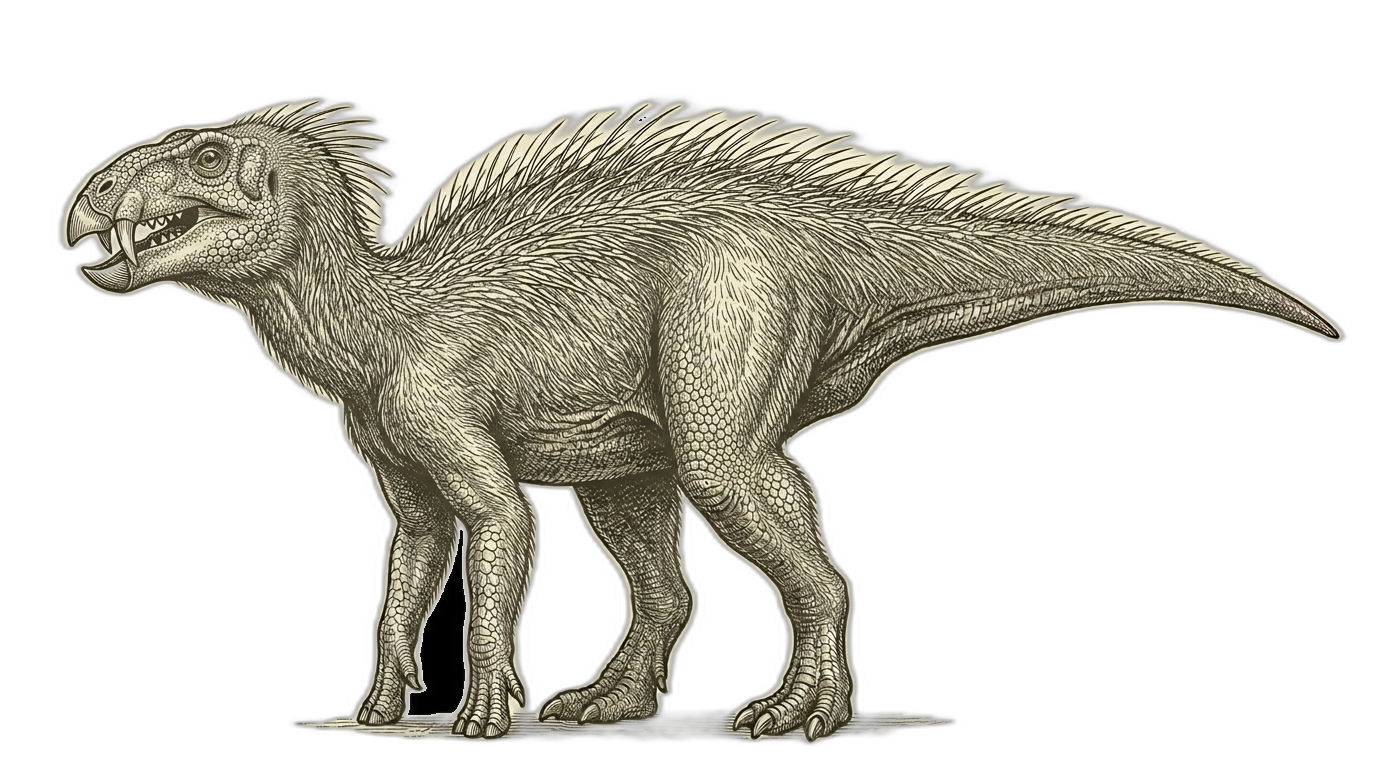
Heterodontosaurus
Heterodontosaurus tucki
Heterodontosaurus is known from the same Early Jurassic deposits of South Africa (Upper Elliot Formation) as Massospondylus, representing contemporaneous herbivores in the same ecosystem.
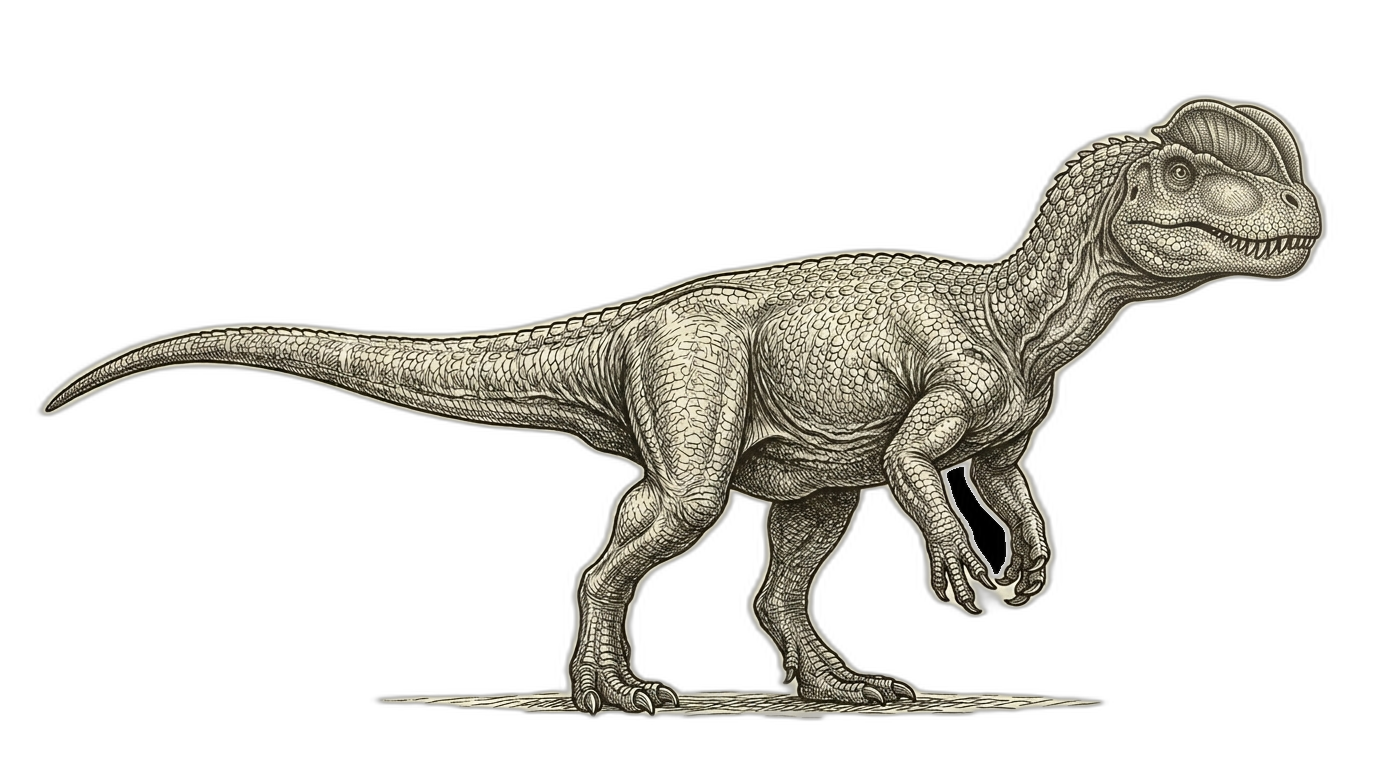
Dilophosaurus
Dilophosaurus wetherilli
Dilophosaurus was a 6-7m Early Jurassic theropod that overlapped temporally with Massospondylus.
Sources & Citation
- Length estimates
- Multiple complete specimens; Barrett 2009; Sues et al. 2004
- Height estimates
- Hip height estimates from complete postcranial material
- Weight estimates
- Seebacher 2001; estimates vary based on body volume reconstructions
- Speed estimates
- Estimates based on limb proportions; no trackway data specific to genus