About
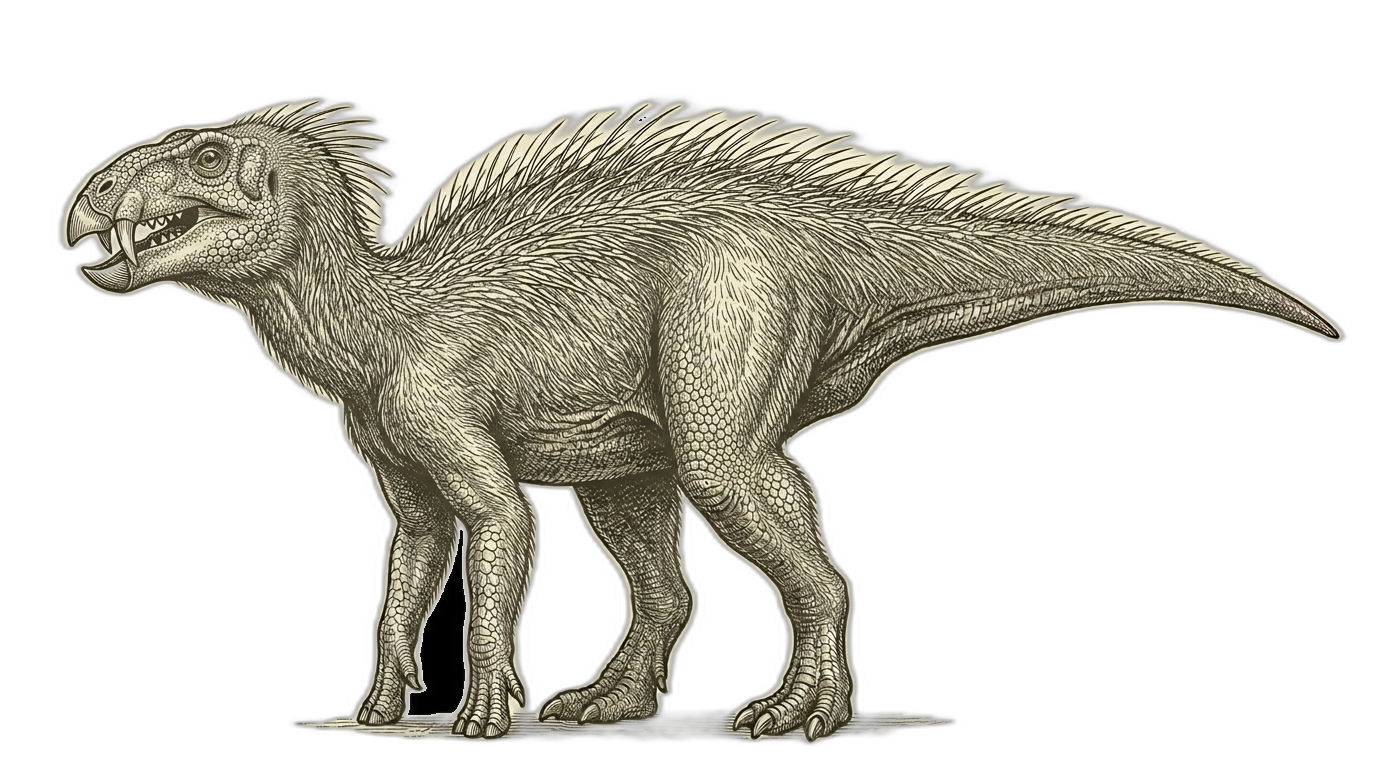
Heterodontosaurus was a small, agile dinosaur that lived in what is now South Africa during the Early Jurassic period, around 200-190 million years ago. What made this little creature truly remarkable was its bizarre dental arrangement: unlike most dinosaurs that had rows of similar teeth, Heterodontosaurus sported three distinct types — small front teeth for nipping vegetation, large canine-like tusks, and cheek teeth for grinding. This unusual combination is reflected in its name, which means 'different toothed lizard.'
Despite its fearsome-looking fangs, Heterodontosaurus was primarily a plant-eater, though some paleontologists suggest it may have occasionally supplemented its diet with insects or small animals. Its muscular jaws and varied dentition suggest it could process tough, fibrous vegetation that other herbivores of its time might have avoided. The prominent tusks may have been used for defense, , or digging for roots and tubers.
The genus was established in 1962 when a skull was discovered in South Africa's Cape Province, with the species name tucki honoring G.C. Tuck, a supporter of the expedition. A major breakthrough came in 1966 when an almost complete skeleton was unearthed, revealing a lightly built, animal with grasping hands and powerful hind legs built for speed.
Heterodontosaurus represents one of the earliest and most primitive members of the Ornithischia, the great dinosaur group that would eventually include giants like Triceratops and Stegosaurus. Some specimens show evidence of quill-like structures, suggesting these small dinosaurs may have been covered in a fuzzy coat — an that would have helped regulate body temperature in the cooler highlands where they lived.
Quick Facts
- Scientific name
- Heterodontosaurus tucki
- Group
- Ornithopod · Heterodontosauridae
- Lived
- Early Jurassic, 201.4–192.9 million years ago
- Diet
- Omnivore
- Movement
- Walked on two legs
- Fossils found in
- Elliot Formation (Eastern Cape, Free State, KwaZulu-Natal, South Africa, Lesotho)
- Discovery credited to
- 1962, Alfred W. Crompton and A.J. Charig
- Holotype
- SAM-PK-K337 · Iziko South African Museum, Cape Town
- DinoVault record
- DVL-0064
Where fossils were found
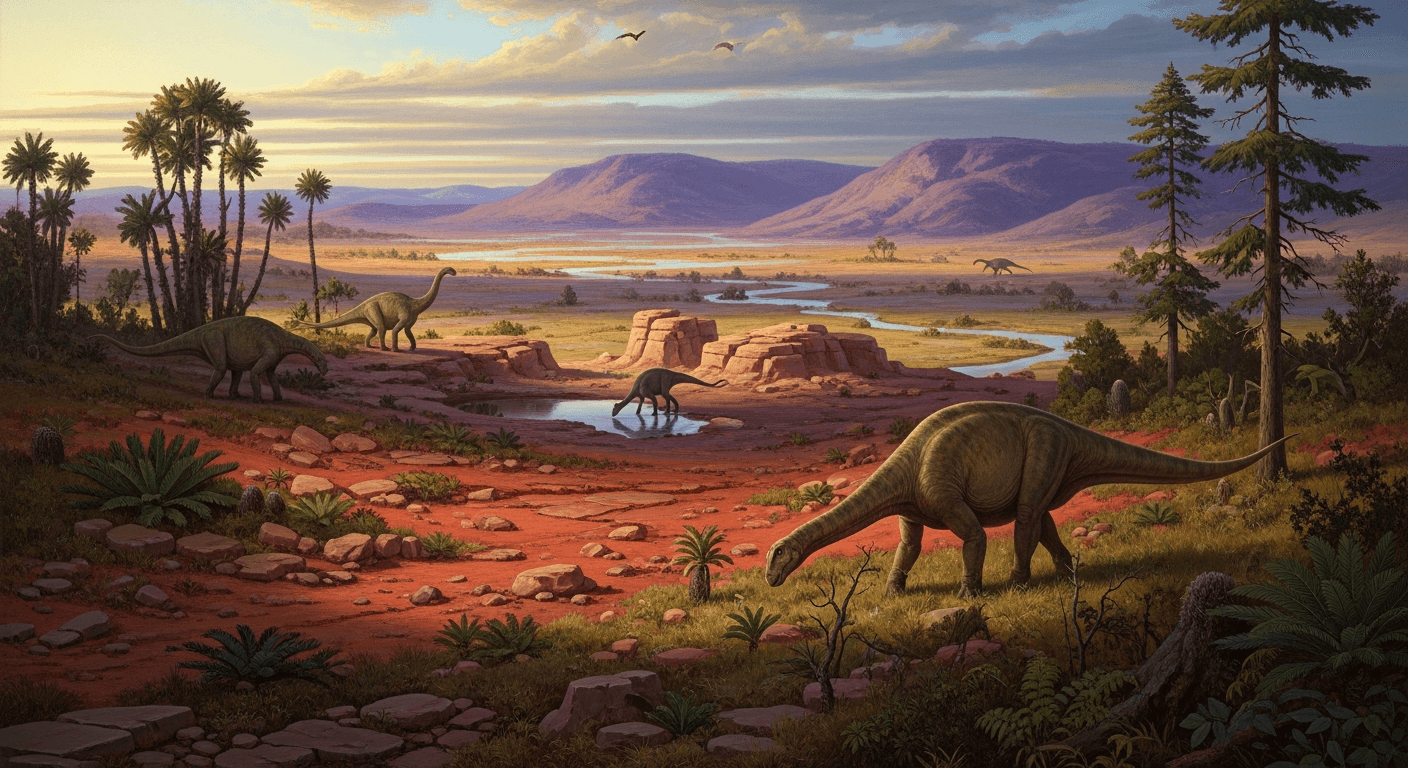
Elliot Formation
Eastern Cape, Free State, KwaZulu-Natal · South Africa, Lesotho
201.4–192.9 million years ago(8.5m year span)
Where Heterodontosaurus Roamed
Heterodontosaurus tucki roamed the semi-arid floodplains and scrublands of southern Gondwana during the Early Jurassic, inhabiting a region that would one day become South Africa's Eastern Cape Province. This small, agile dinosaur lived in a landscape marked by seasonal rivers and sparse vegetation, where the ancient supercontinent's interior experienced pronounced wet and dry cycles beneath warm, subtropical skies.
Keep exploring the vault
Coelophysis
Coelophysis bauri
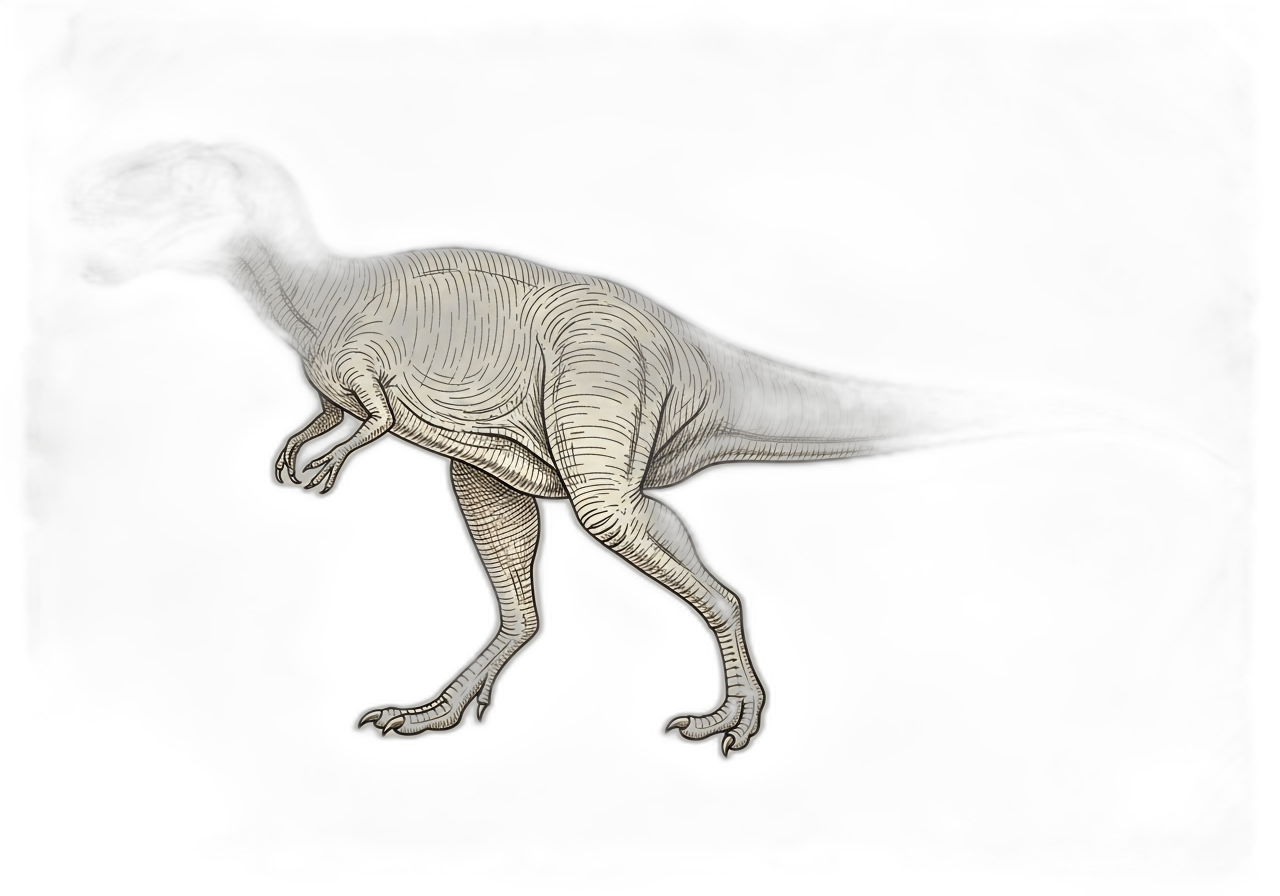
Coelophysis was a small, agile theropod from the Late Triassic to Early Jurassic that would have been an appropriate size predator for the diminutive 3kg Heterodontosaurus.
Dilophosaurus
Dilophosaurus wetherilli
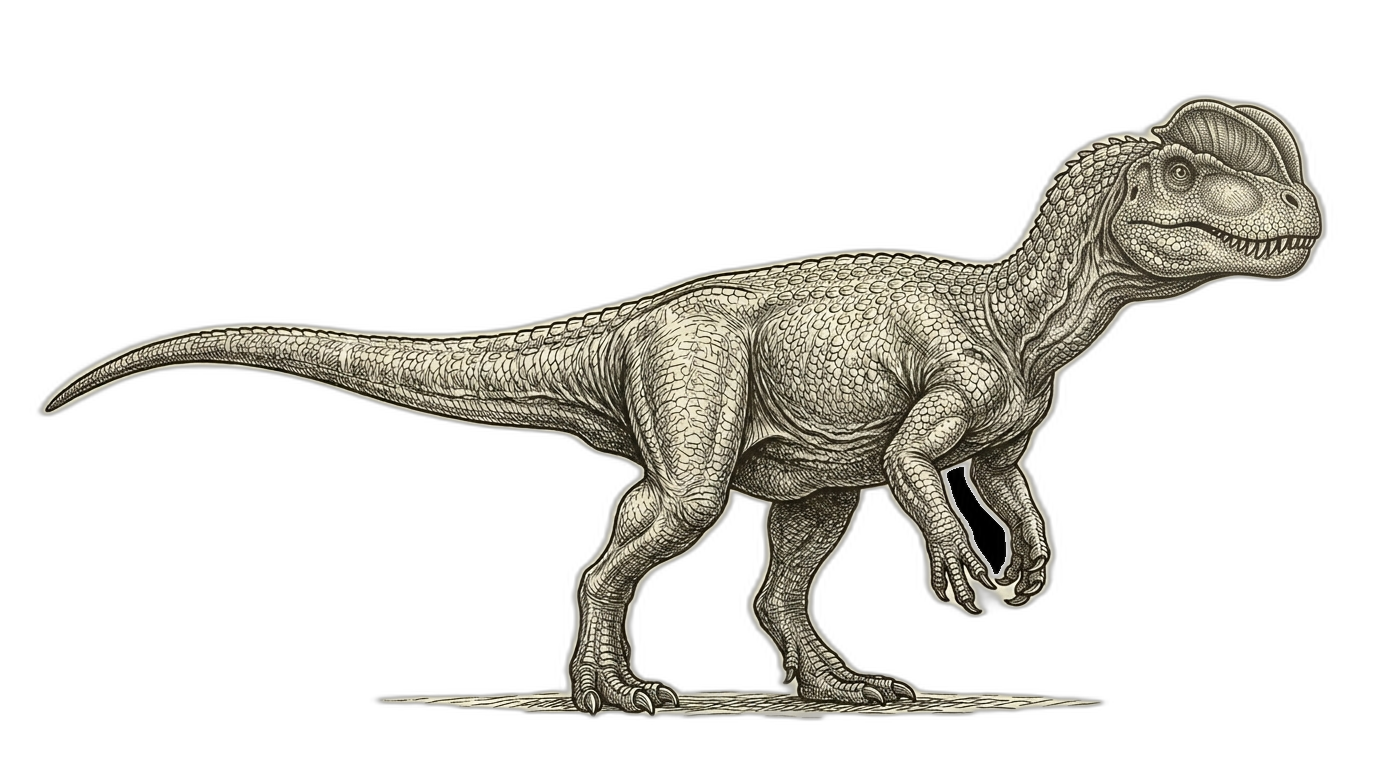
Dilophosaurus was an Early Jurassic theropod predator contemporaneous with Heterodontosaurus.
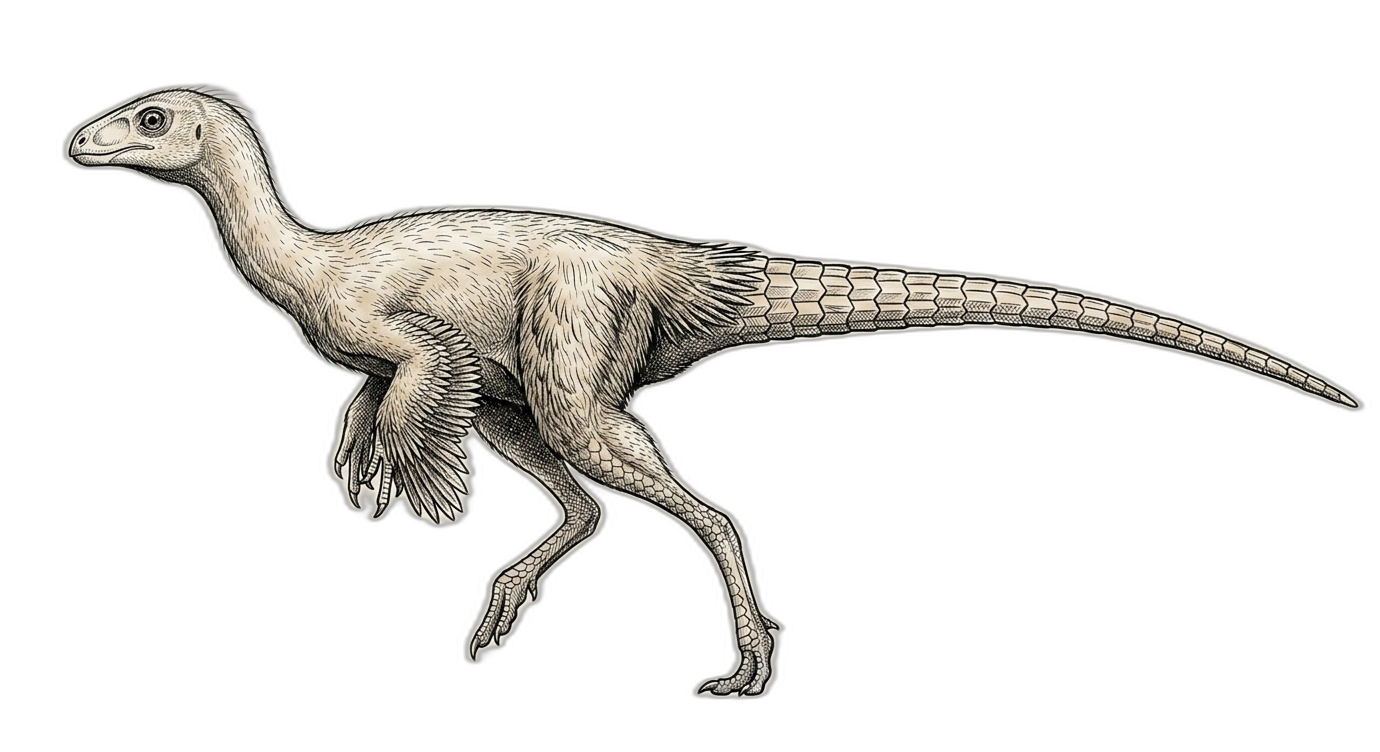
Kulindadromeus
Kulindadromeus zabaikalicus
Both are small-bodied basal ornithischian herbivores of similar size (1-1.5m), representing the same ecological niche of small browsing herbivore in their respective ecosystems.
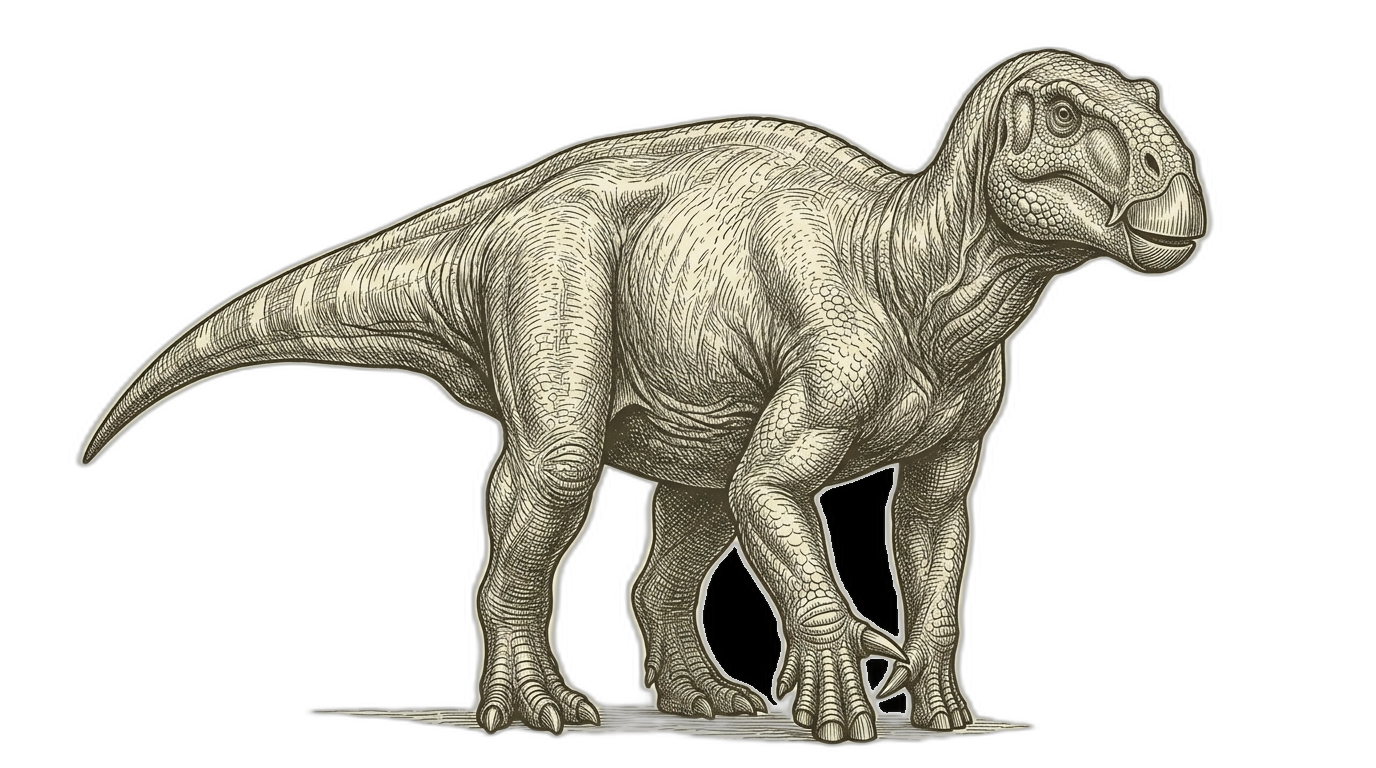
Iguanodon
Iguanodon bernissartensis
Heterodontosauridae are basal ornithopods, and Heterodontosaurus represents an early experiment in ornithischian jaw mechanics and dentition.
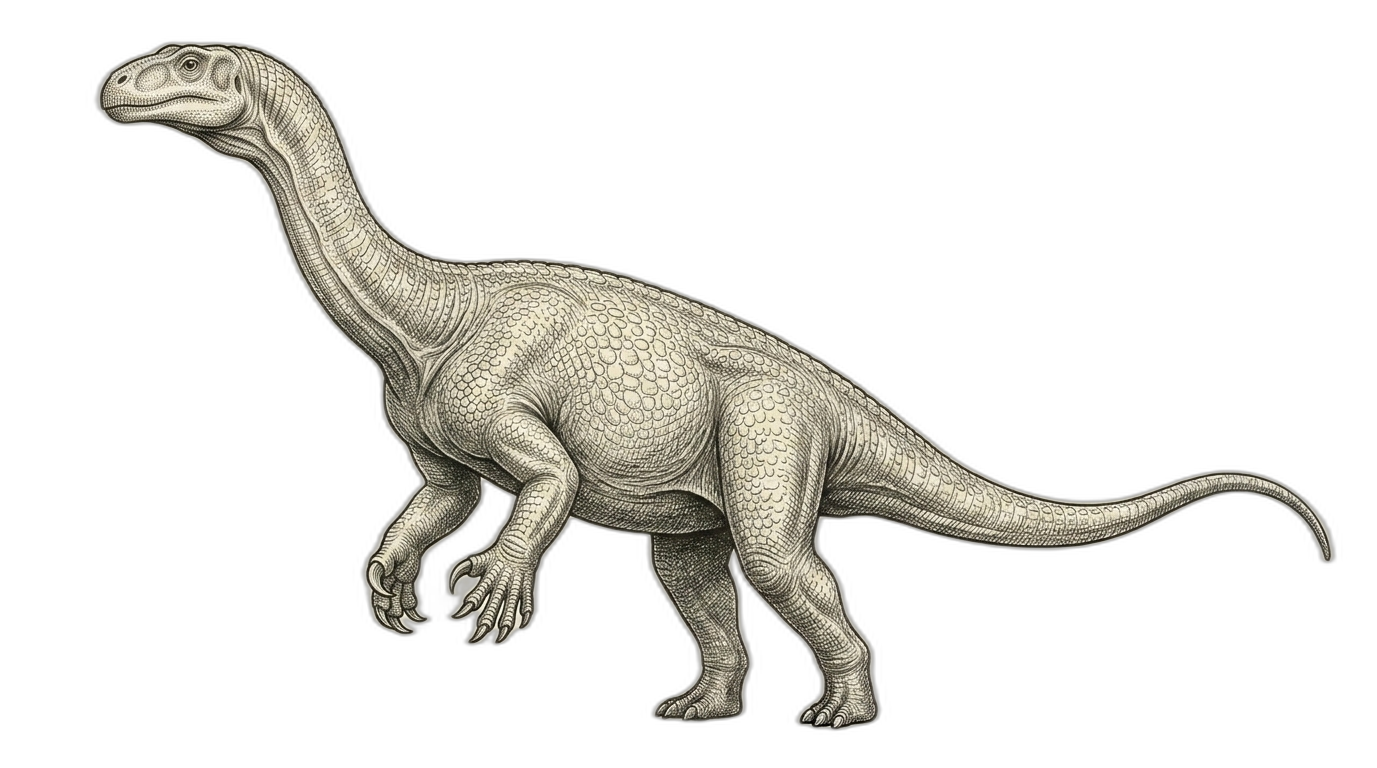
Plateosaurus
Plateosaurus engelhardti
Both Heterodontosaurus and Plateosaurus represent early experiments in herbivory/omnivory among dinosaurs during the Triassic-Jurassic transition.
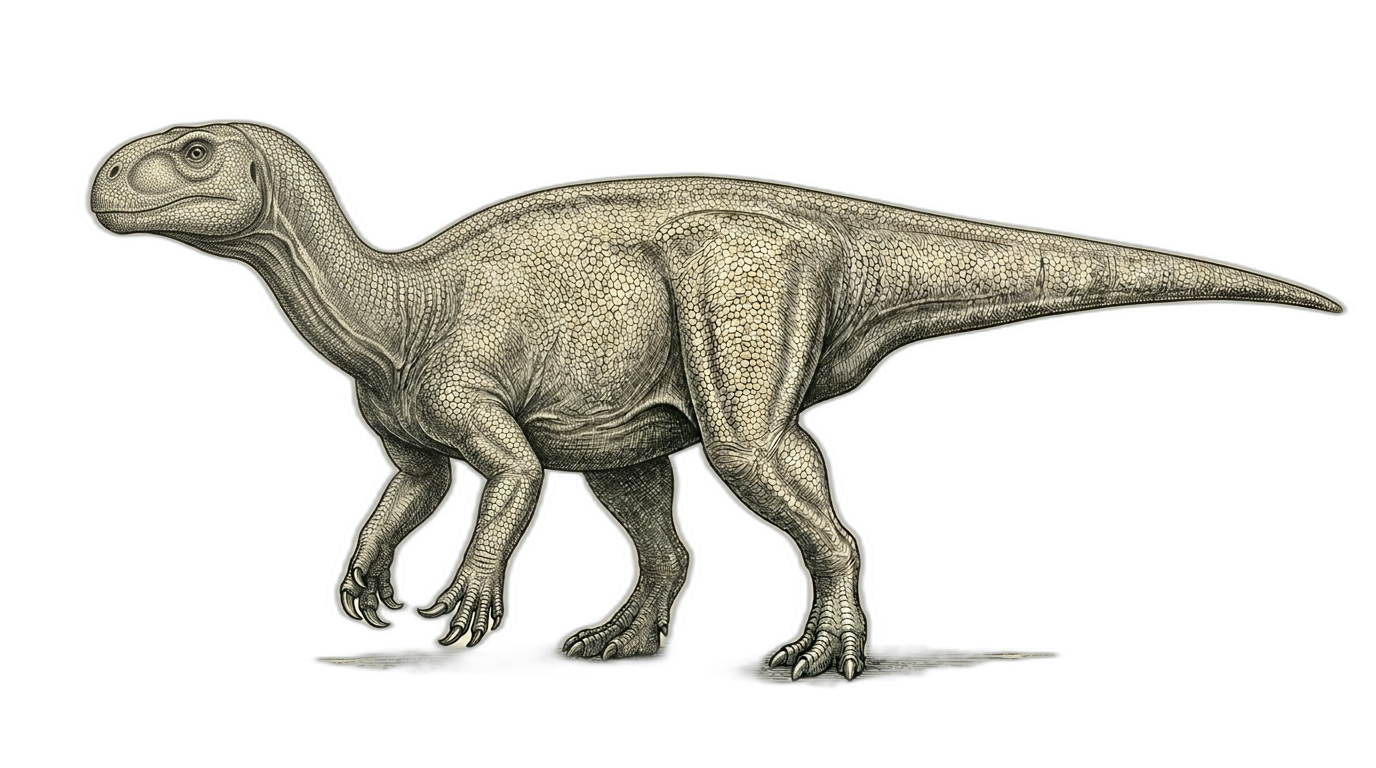
Massospondylus
Massospondylus carinatus
Both Heterodontosaurus and Massospondylus are known from Early Jurassic southern African deposits, particularly the Upper Elliot and Clarens Formations of South Africa.
Sources & Citation
- Length estimates
- Santa Luca 1980; complete skeleton SAM-PK-K1332
- Height estimates
- Santa Luca 1980; measured at hip
- Weight estimates
- Paul 2010; based on skeletal reconstruction
- Speed estimates
- Estimated from limb proportions; no direct evidence