About
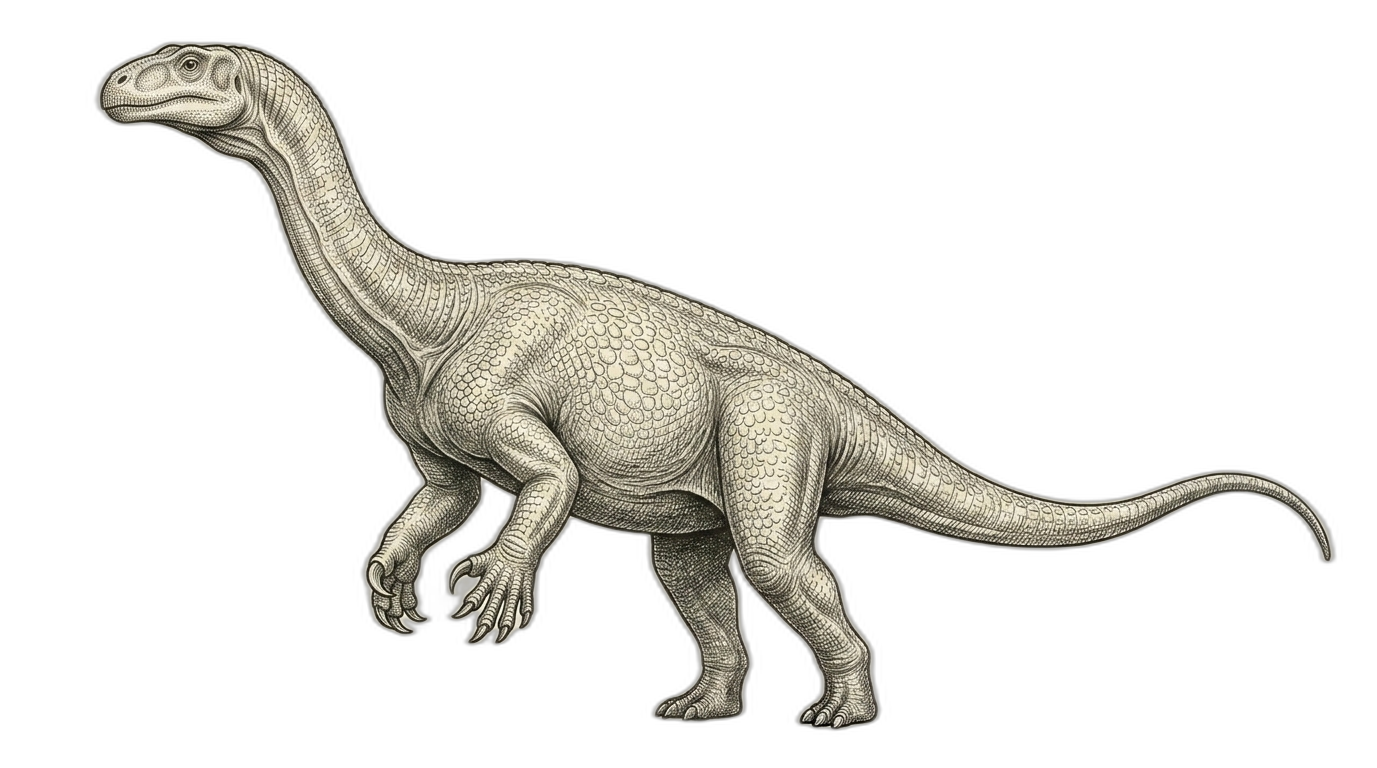
Plateosaurus was one of the earliest large dinosaurs, a pioneering plant-eater that lived during the Late Triassic period around 214 to 204 million years ago. This early —sometimes called a ""—was a crucial stepping stone in dinosaur evolution, foreshadowing the massive long-necked giants that would dominate the Jurassic. With its long neck, small head, and bulky body, Plateosaurus could reach vegetation that smaller herbivores couldn't access, giving it a significant advantage in the ancient European landscapes.
Plateosaurus was likely a biped, meaning it could walk on two legs but may have dropped to all fours when feeding or moving slowly. Its powerful hind legs and large thumb claws suggest it was well-adapted for both locomotion and possibly defense against predators. Studies of bone microstructure have revealed that Plateosaurus had highly variable growth rates—individuals of the same age could differ dramatically in size, much like modern reptiles but unlike most dinosaurs.
The discovery history of Plateosaurus is remarkably rich. First described by Hermann von Meyer in 1837, it was one of the earliest dinosaurs ever scientifically named—predating even the word "dinosaur" itself by five years. Hundreds of specimens have been unearthed across Germany, Switzerland, and France, making it one of the best-known Triassic dinosaurs. The famous Trossingen quarry in Germany alone has yielded over 50 individuals.
One of the most intriguing aspects of Plateosaurus paleontology is the "miring hypothesis." Many specimens appear to have died after becoming trapped in mud, suggesting these dinosaurs may have congregated around water sources during dry seasons—and sometimes met their end in treacherous boggy ground. This preservation bias has given scientists an unusually complete picture of this ancient herbivore's anatomy and growth patterns.
Quick Facts
- Scientific name
- Plateosaurus engelhardti
- Group
- Sauropodomorph · Plateosauridae
- Lived
- Triassic, 227.3–205.7 million years ago
- Diet
- Herbivore
- Movement
- Facultative_biped
- Fossils found in
- Löwenstein Formation (Baden-Württemberg, Bavaria, Germany)
- Discovery credited to
- 1837, Hermann von Meyer
- Holotype
- SMNS 13200 · Staatliches Museum für Naturkunde Stuttgart
- DinoVault record
- DVL-0110
Where fossils were found
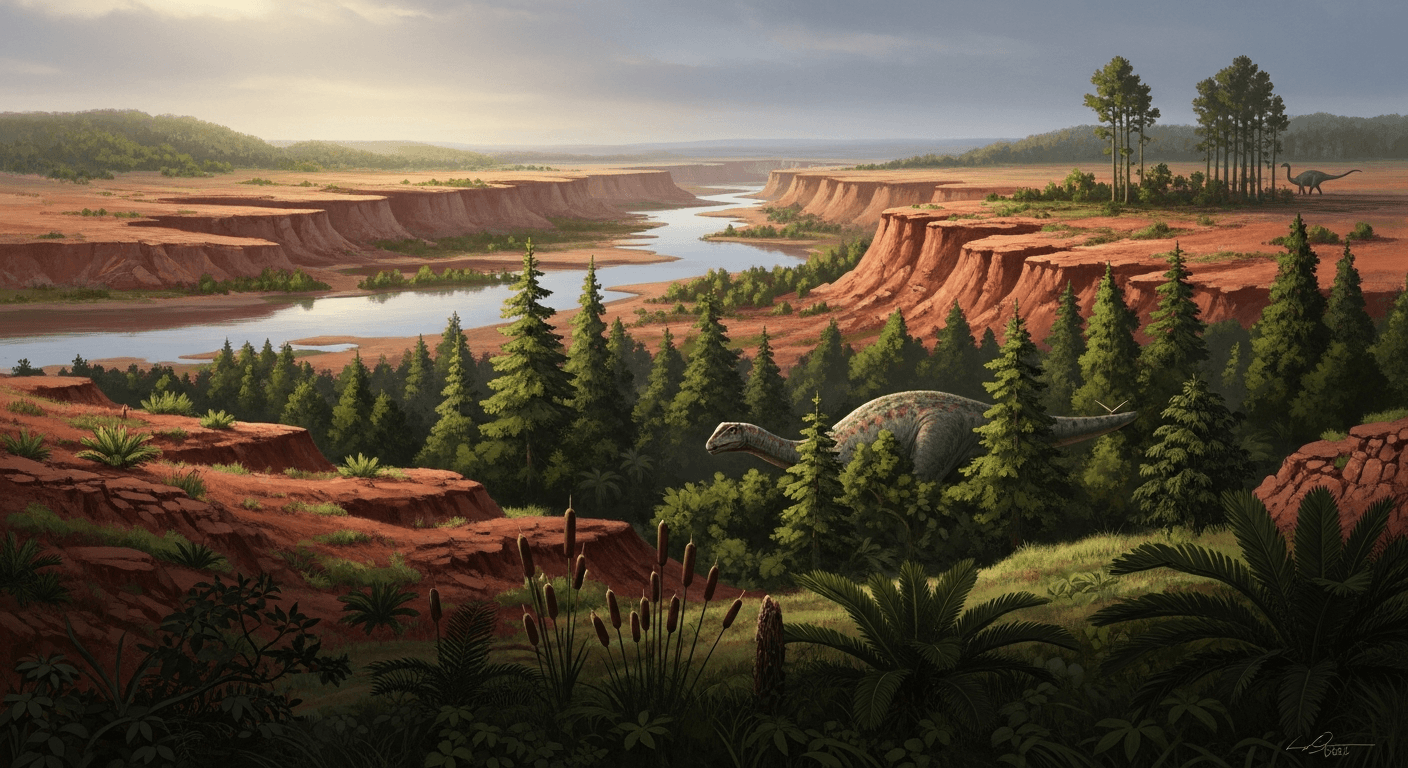
Löwenstein Formation
Baden-Württemberg, Bavaria · Germany
227.3–205.7 million years ago(21.6m year span)
Where Plateosaurus Roamed
During the Late Triassic, Plateosaurus engelhardti roamed the semi-arid floodplains and seasonal river valleys of central Pangaea, in a region that would become modern-day Germany, France, and Switzerland. This landscape lay within the continental interior, characterized by pronounced wet and dry seasons, where periodic droughts sometimes trapped herds of these early giant herbivores in mudflats.
Keep exploring the vault
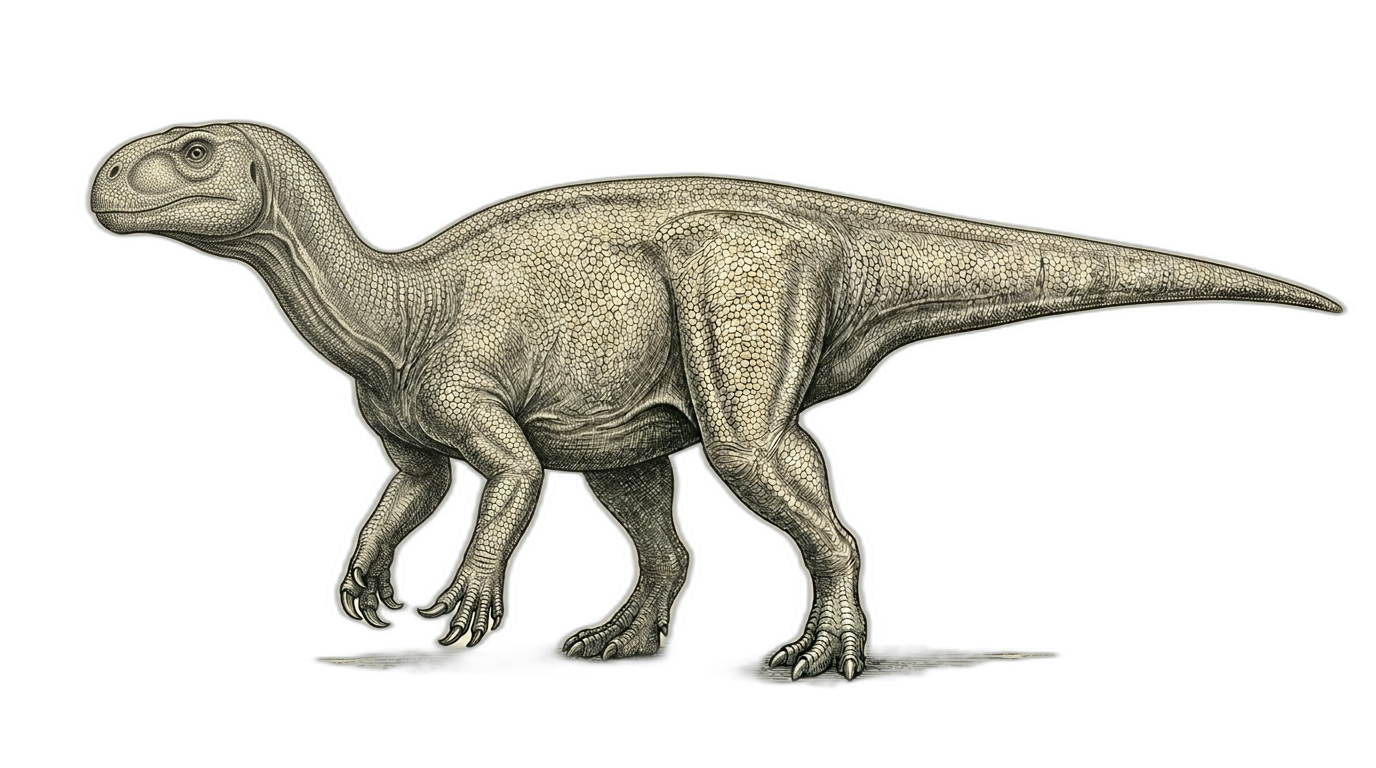
Massospondylus
Massospondylus carinatus
Massospondylus (Early Jurassic, ~200-183 mya) is a later sauropodomorph that shows evolutionary continuity from plateosaurid-grade prosauropods.
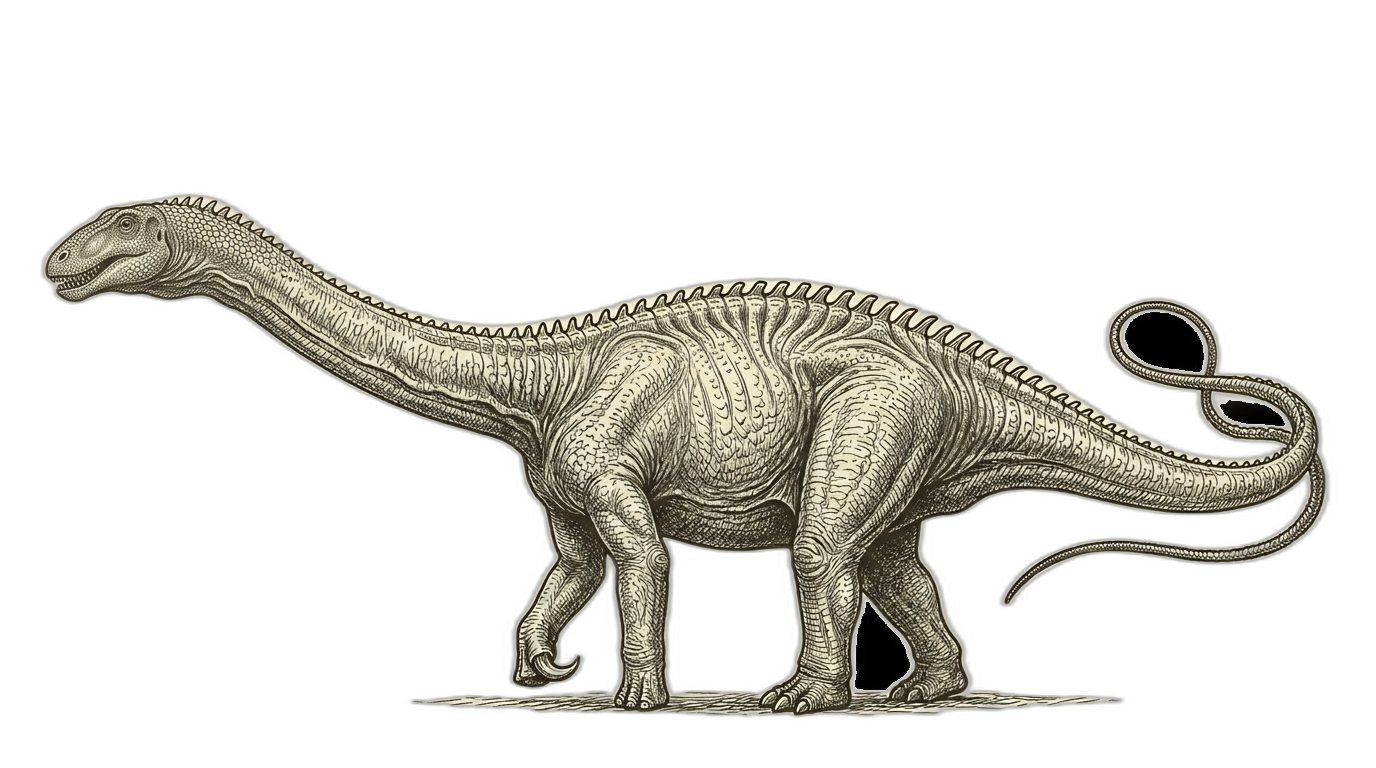
Diplodocus
Diplodocus carnegii
Plateosaurus represents an early experiment in large-bodied herbivory among sauropodomorphs, with facultative bipedality and elongated neck.
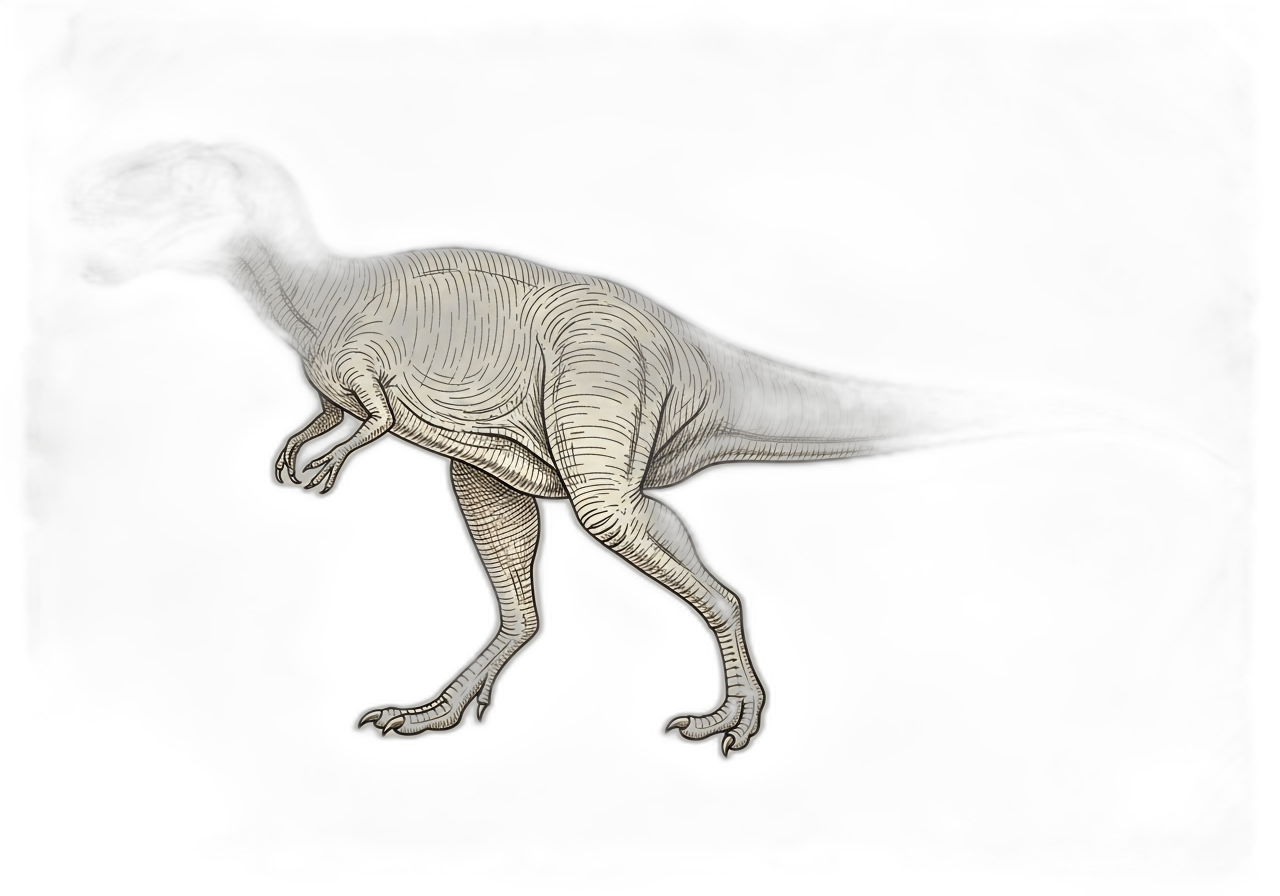
Coelophysis
Coelophysis bauri
Both Coelophysis and Plateosaurus lived during the Late Triassic period (approximately 214-204 mya for Coelophysis, overlapping with Plateosaurus's range).
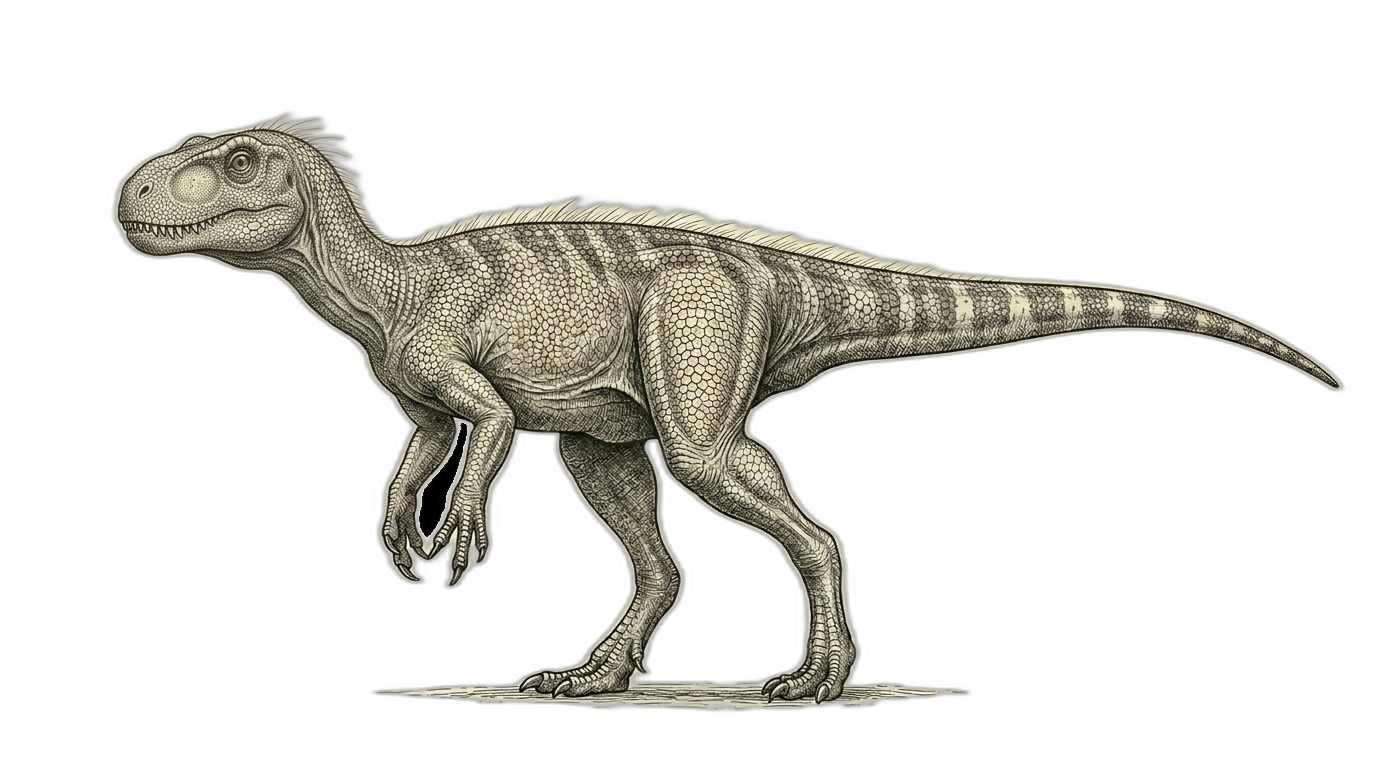
Herrerasaurus
Herrerasaurus ischigualastensis
Herrerasaurus (231-229 mya) slightly predates Plateosaurus but both represent early saurischian dinosaurs from the Triassic.
Sources & Citation
- Length estimates
- Sander & Klein 2005; multiple complete specimens showing high individual variation
- Height estimates
- Multiple complete skeletons; hip height estimates from mounted specimens
- Weight estimates
- Sander 1992; Gunga et al. 2007; wide range reflects individual variation
- Speed estimates
- Biomechanical estimates based on limb proportions; no trackway evidence