About
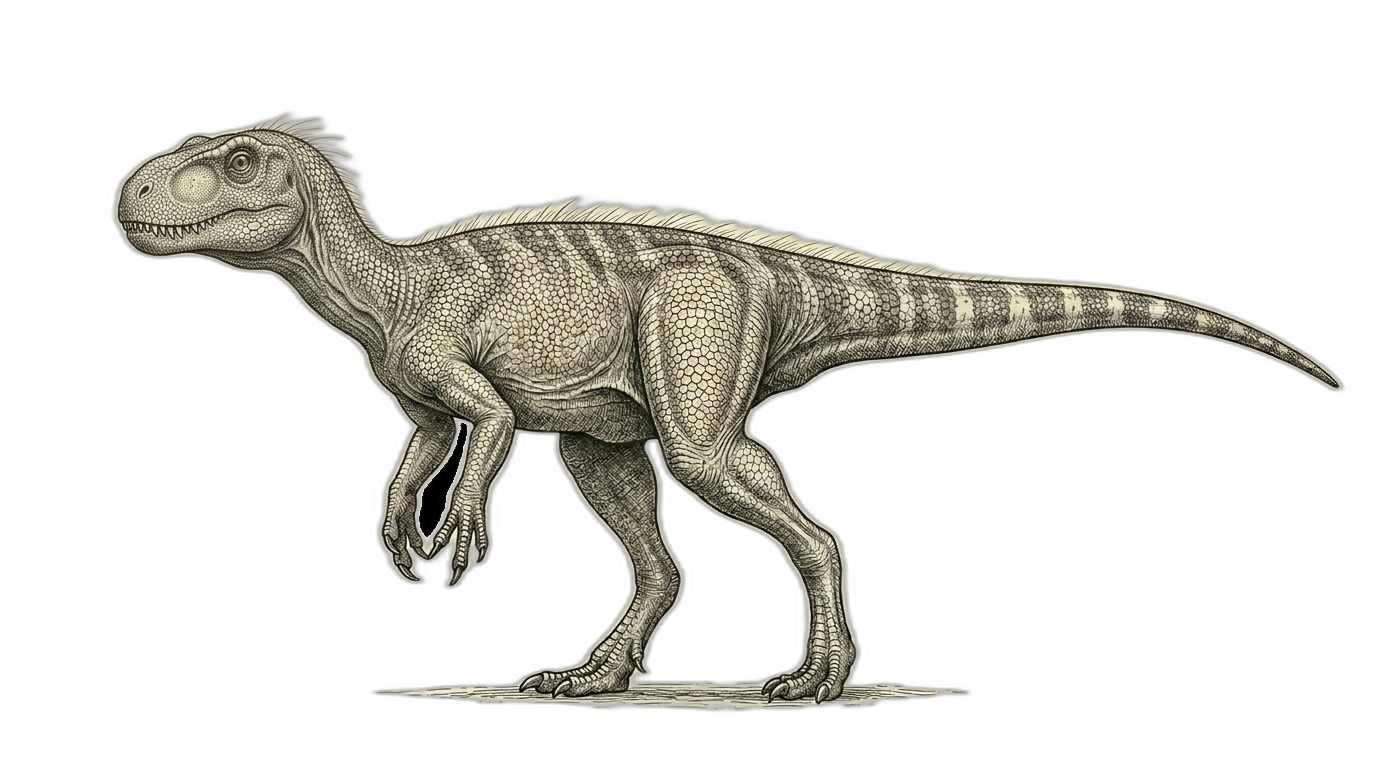
Herrerasaurus represents a crucial window into dinosaur origins. Living approximately 231 million years ago during the Late Triassic, this early -like predator prowled the ancient floodplains of what is now Argentina alongside some of the very first dinosaurs. Its discovery helped reshape our understanding of how dinosaurs evolved and diversified during their earliest days on Earth.
This medium-sized carnivore was built for hunting, with powerful jaws lined with , backward-curving teeth perfect for gripping struggling prey. Its forelimbs were relatively short but equipped with sharp claws, while its long tail provided balance during pursuit. Herrerasaurus likely preyed on smaller reptiles, early mammals, and perhaps even other small dinosaurs sharing its ecosystem—a world where dinosaurs were still newcomers, not yet the dominant land animals they would become.
The first specimen was discovered in 1958 by Victorino Herrera, a rancher working in the Ischigualasto Formation of northwestern Argentina—a region so rich in Triassic fossils it's nicknamed "The Valley of the Moon." Argentine paleontologist Osvaldo Reig formally described the species in 1963. For decades, its exact position on the dinosaur family tree remained controversial, with some scientists questioning whether it was even a true dinosaur.
Modern analysis confirms Herrerasaurus as one of the earliest saurischian dinosaurs, though its precise relationships remain debated. The Ischigualasto Formation has yielded multiple specimens, providing rare insight into an ecosystem where dinosaurs, crocodile-relatives, and mammal ancestors competed for dominance—a competition dinosaurs would eventually win spectacularly.
Quick Facts
- Scientific name
- Herrerasaurus ischigualastensis
- Group
- Early dinosaur · Herrerasauridae
- Lived
- Triassic, 237–227.3 million years ago
- Diet
- Carnivore
- Movement
- Walked on two legs
- Fossils found in
- Ischigualasto Formation (San Juan, Argentina)
- Discovery credited to
- 1958, Victorino Herrera
- Holotype
- PVL 2566 · Instituto Miguel Lillo, Tucumán
- DinoVault record
- DVL-0063
Where fossils were found
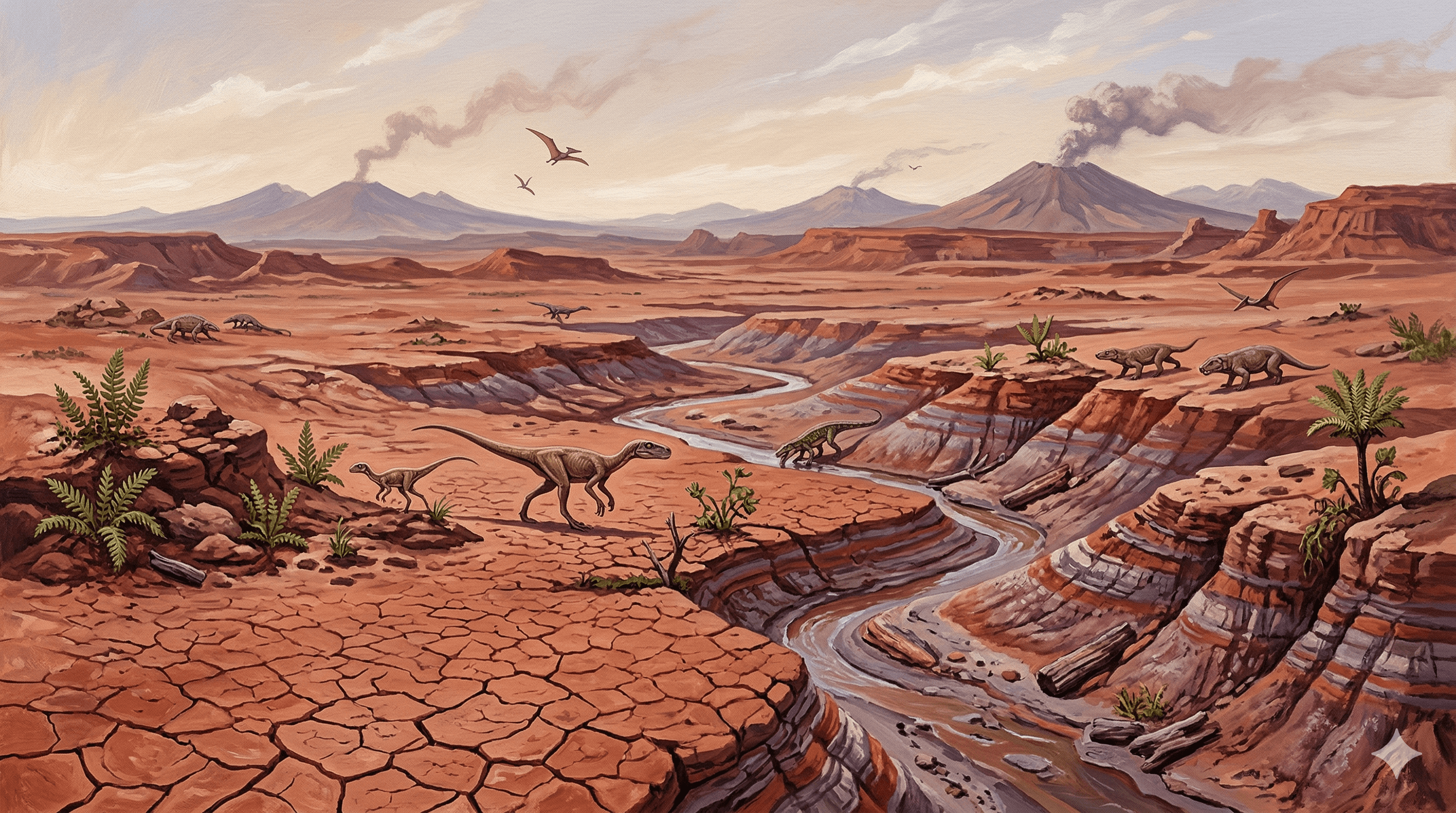
Ischigualasto Formation
San Juan · Argentina
237–227.3 million years ago(9.7m year span)
Where Herrerasaurus Roamed
During the Late Triassic, Herrerasaurus roamed the ancient landscapes of southwestern Gondwana in what is now northwestern Argentina, where the Ischigualasto Formation preserved a semi-arid river valley ecosystem characterized by seasonal monsoons, volcanic ash deposits, and a mosaic of fern prairies and conifer woodlands teeming with early dinosaurs and their archosaur relatives.
Keep exploring the vault
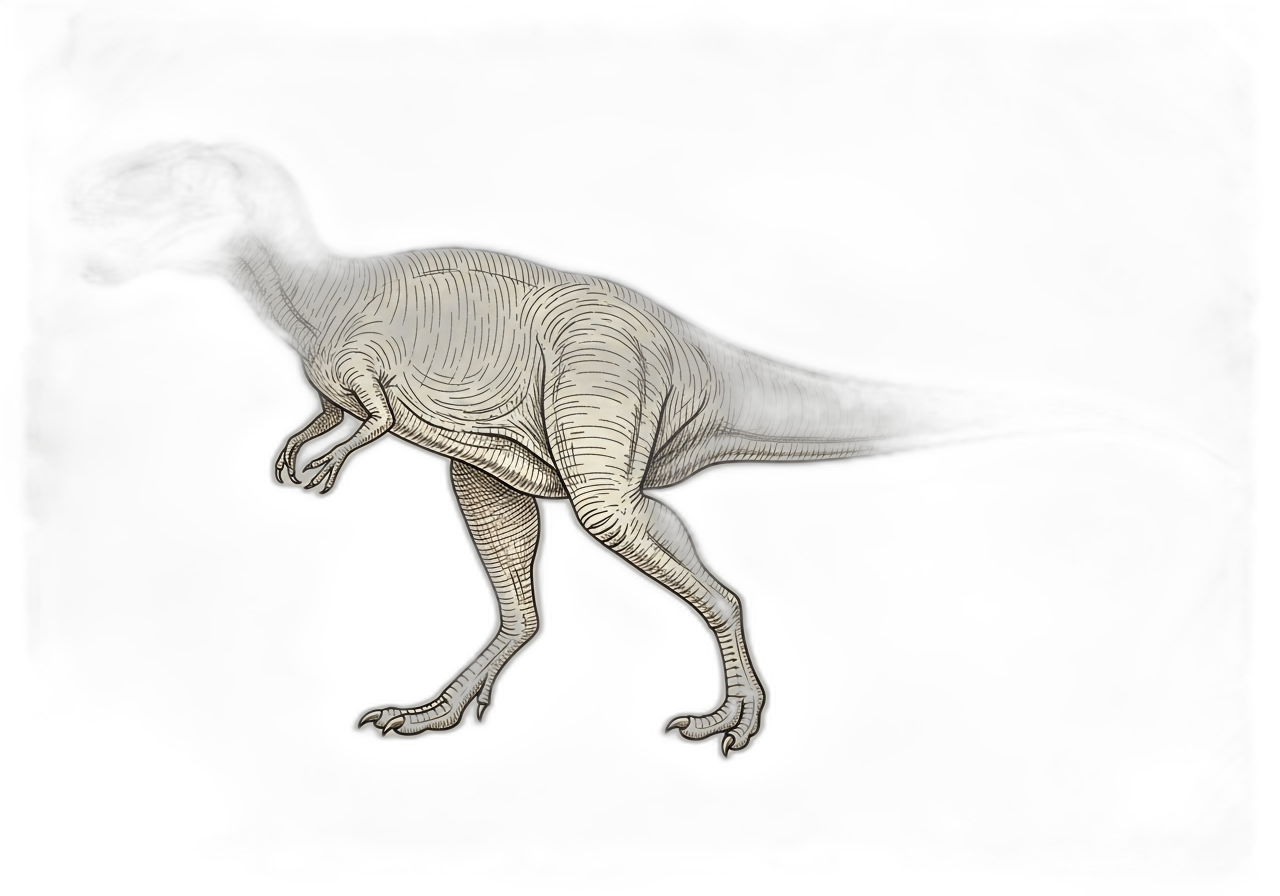
Coelophysis
Coelophysis bauri
Both Herrerasaurus and Coelophysis represent early experiments in theropod body plans during the Late Triassic, with Herrerasaurus being one of the earliest saurischians and Coelophysis showing the more derived coelophysoid form.
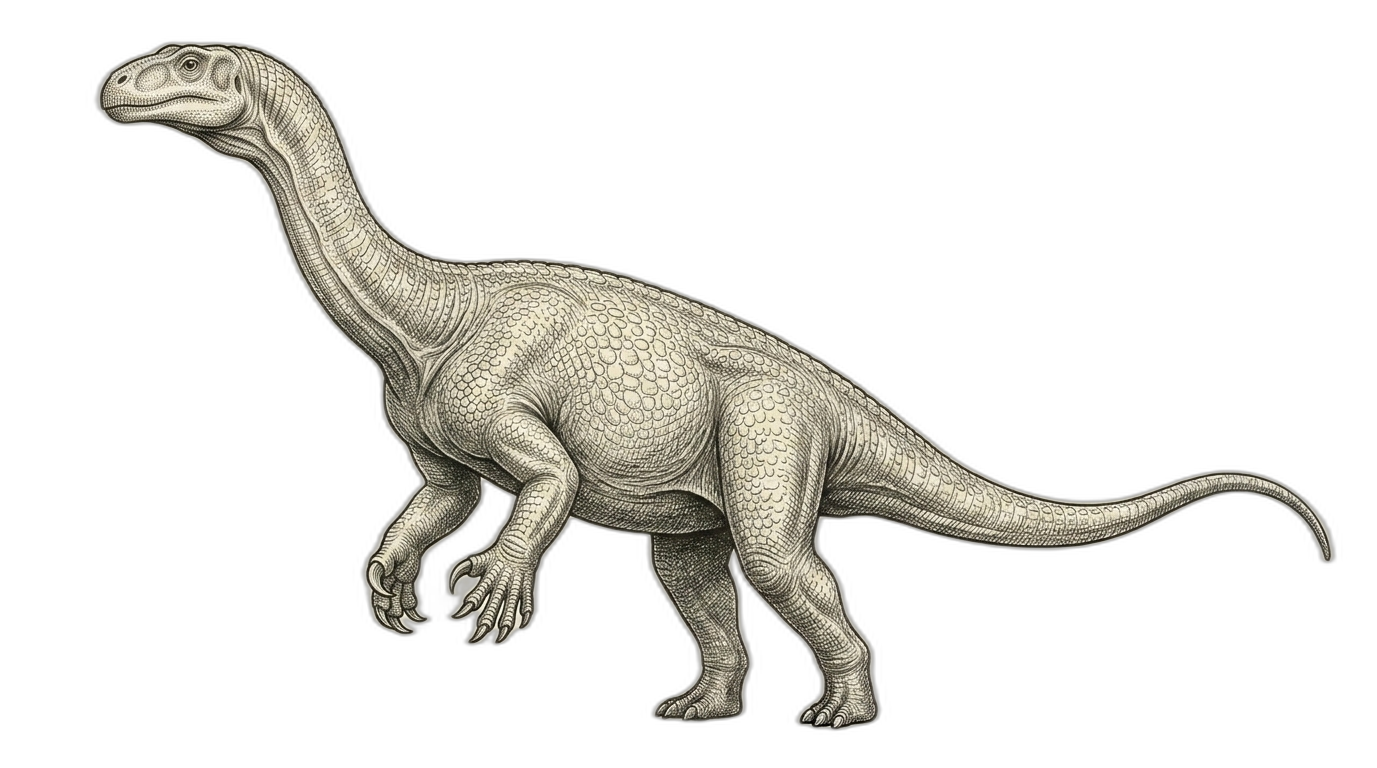
Plateosaurus
Plateosaurus engelhardti
Herrerasaurus and Plateosaurus are both early saurischians from the Late Triassic representing the fundamental split between theropod and sauropodomorph lineages.
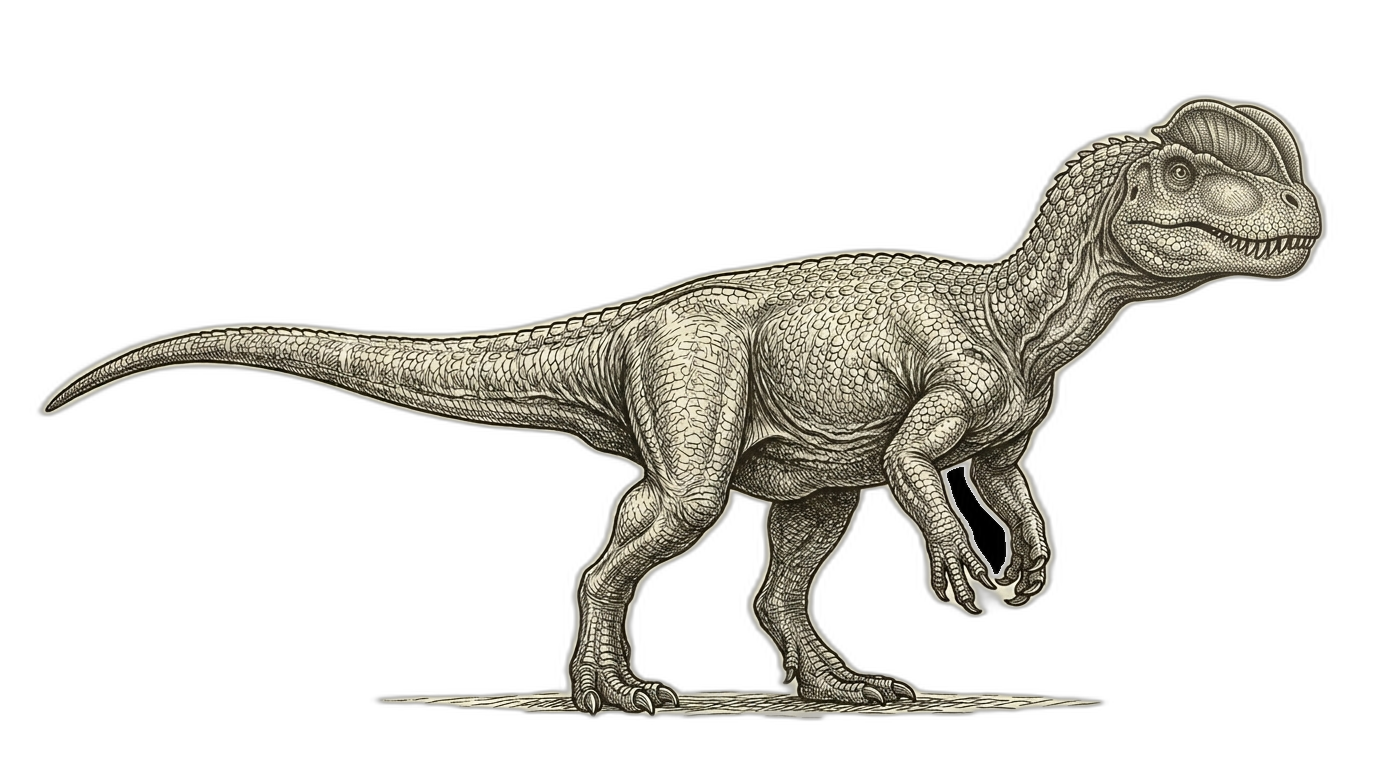
Dilophosaurus
Dilophosaurus wetherilli
Herrerasaurus and Dilophosaurus both represent early theropod experiments in medium-sized predatory niches, with Herrerasaurus in the Late Triassic and Dilophosaurus in the Early Jurassic.
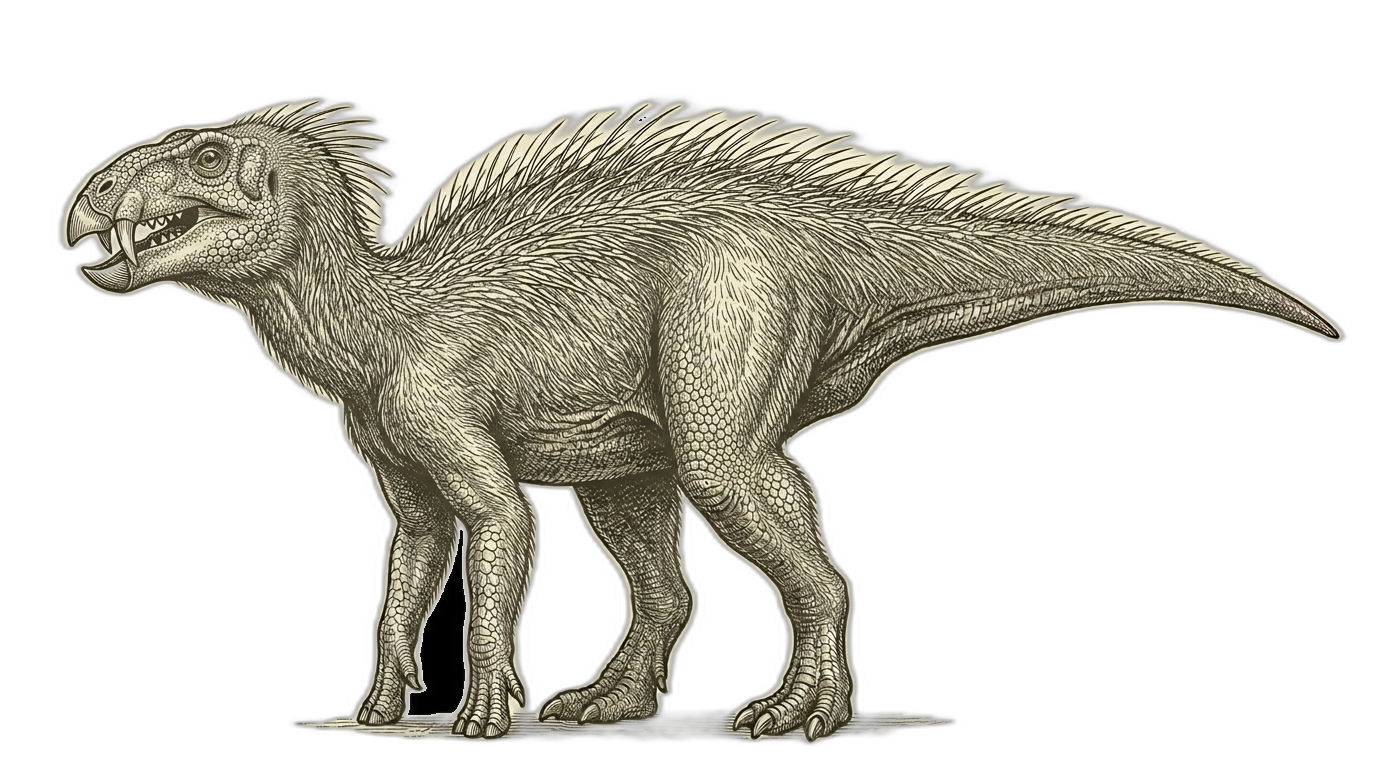
Heterodontosaurus
Heterodontosaurus tucki
Both species represent early experiments in dinosaur diversification during the Late Triassic-Early Jurassic transition.
Sources & Citation
- Length estimates
- Sereno & Novas 1992; largest specimens reach ~6m, average smaller
- Height estimates
- Estimated hip height from limb proportions; Sereno 1993
- Weight estimates
- Paul 2010; mass estimates vary with specimen size
- Speed estimates
- Inferred from hindlimb proportions; no direct trackway evidence