Löwenstein Formation
Baden-Württemberg, Bavaria, Germany
Why It Matters
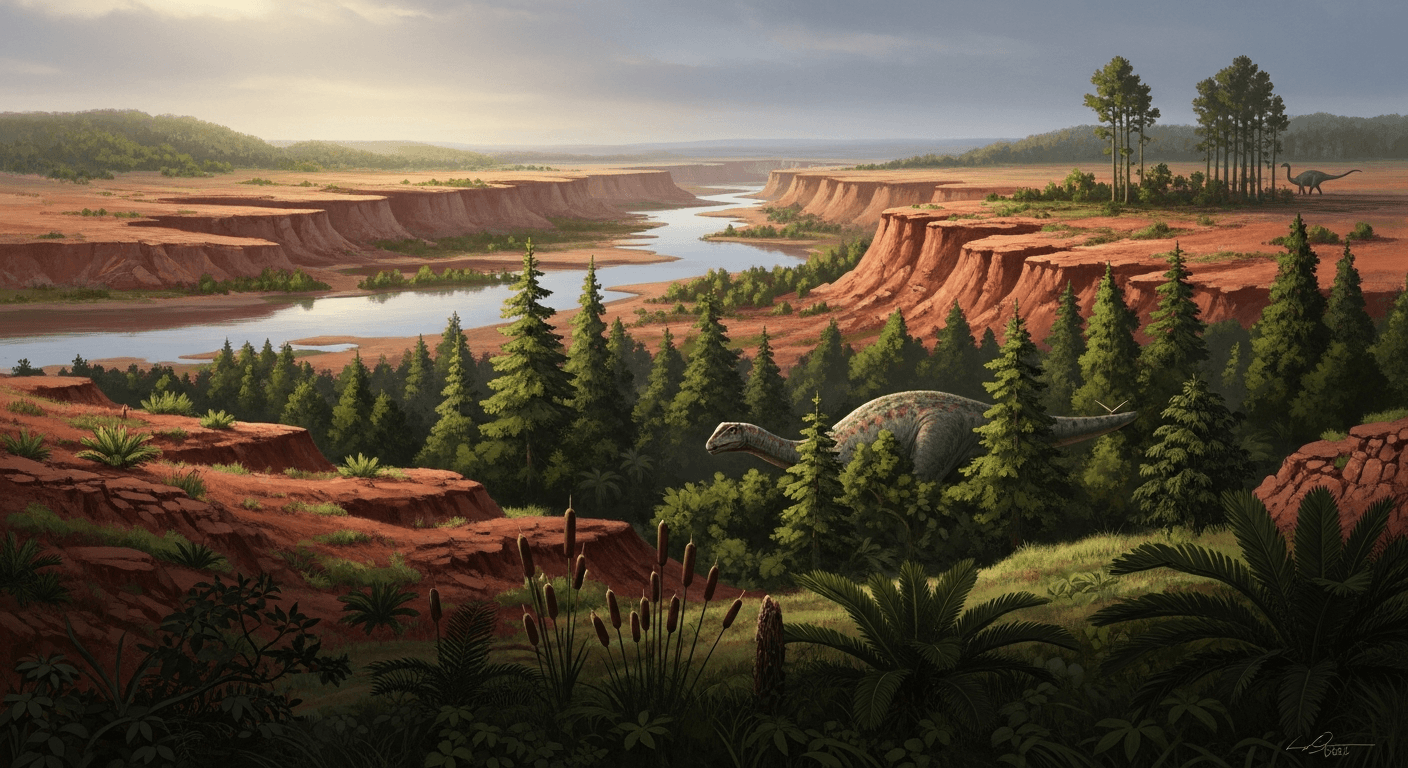
The Löwenstein Formation is one of the most important Late Triassic deposits in Central Europe, yielding abundant remains of Plateosaurus engelhardti. This formation provides critical evidence for early dinosaur evolution and Late Triassic ecosystems in the Germanic Basin.
How Fossils Survived
The formation consists primarily of red to brown mudstones, siltstones, and sandstones deposited in semi-arid and environments. The sediments represent part of the Keuper Group within the Germanic Basin. Preservation occurs mainly through rapid burial in floodplain and channel deposits.
Discovery History
Dinosaur fossils from these strata have been known since the early 19th century, with Plateosaurus described by Hermann von Meyer in 1837. Major excavations occurred at sites like Trossingen in the early 20th century, revealing mass accumulations of Plateosaurus specimens.
Dinosaurs in the Vault
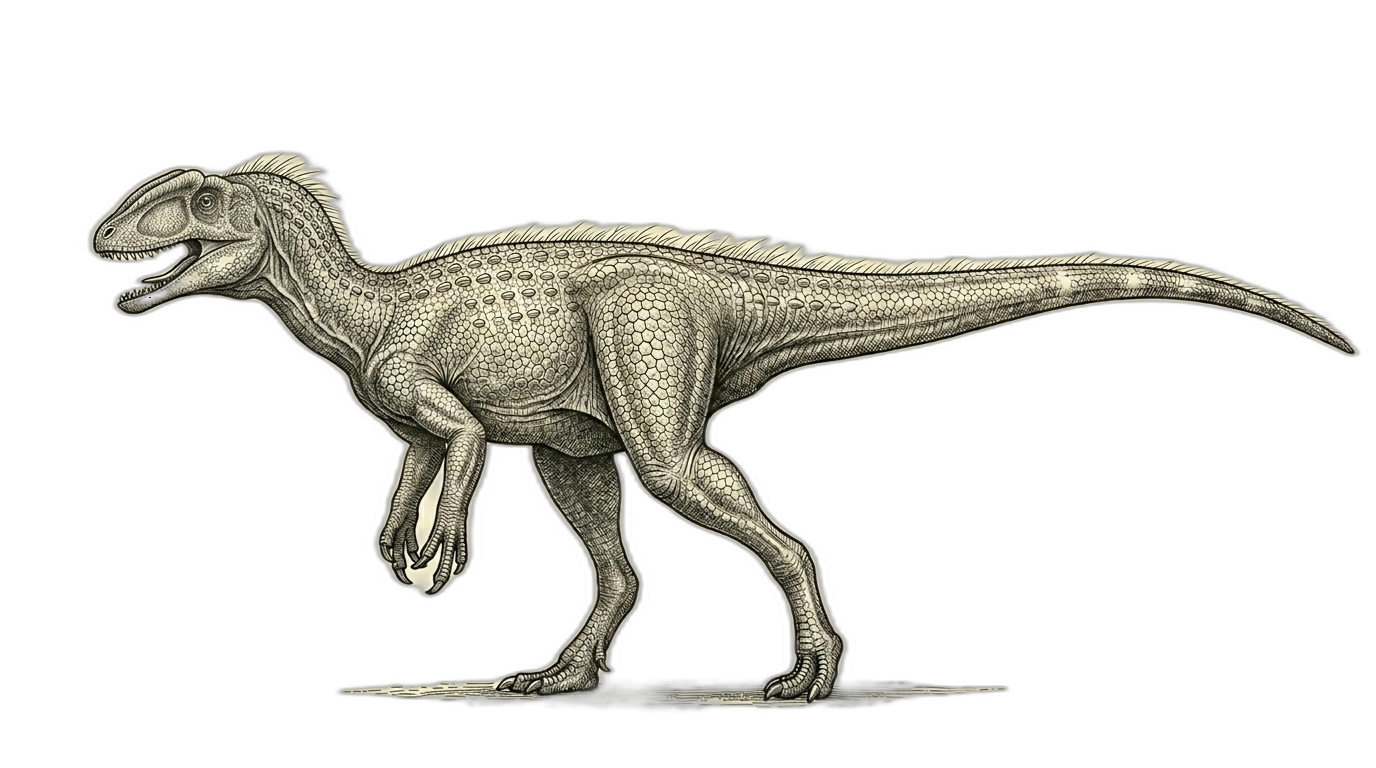
2 species in our database · sorted by size
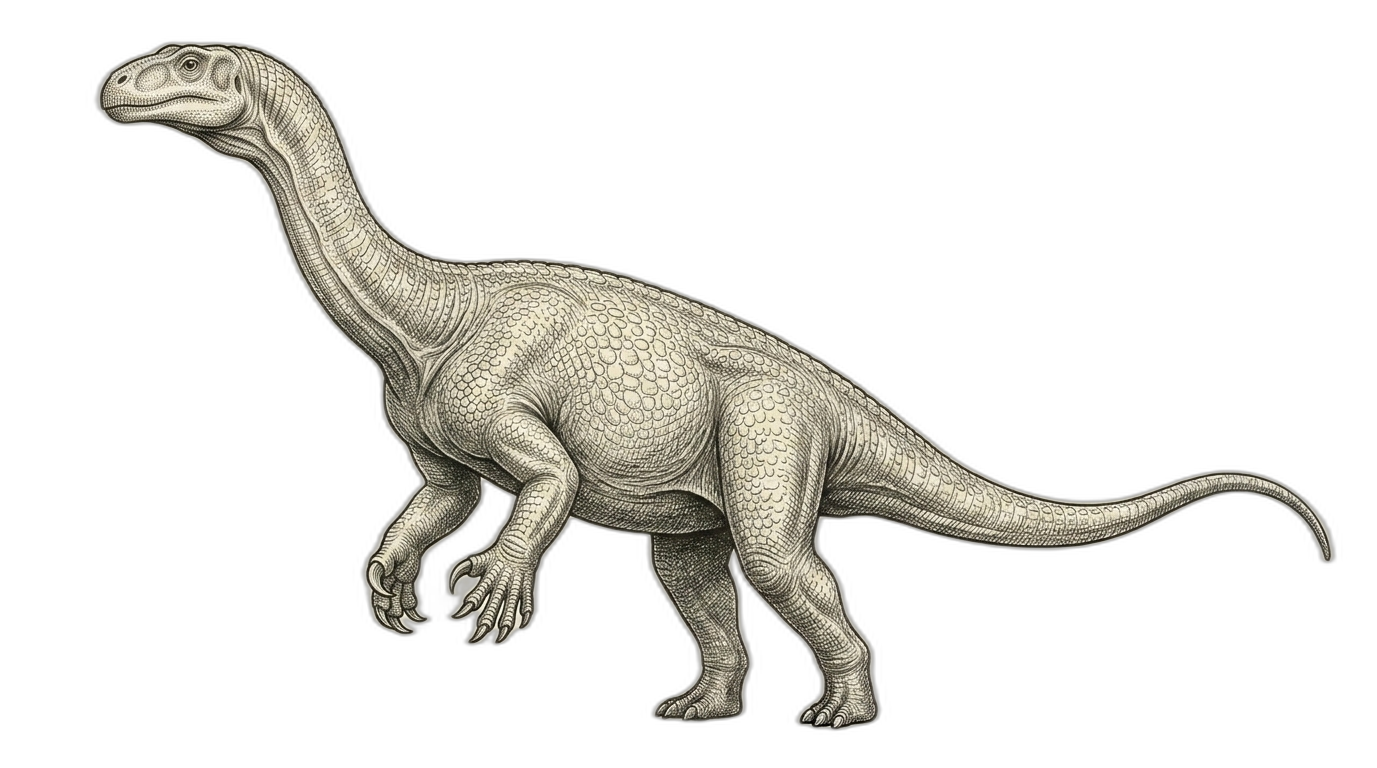
- The Trossingen quarry within this formation yielded over 50 Plateosaurus individuals, one of the largest accumulations of a single dinosaur species in Europe