About
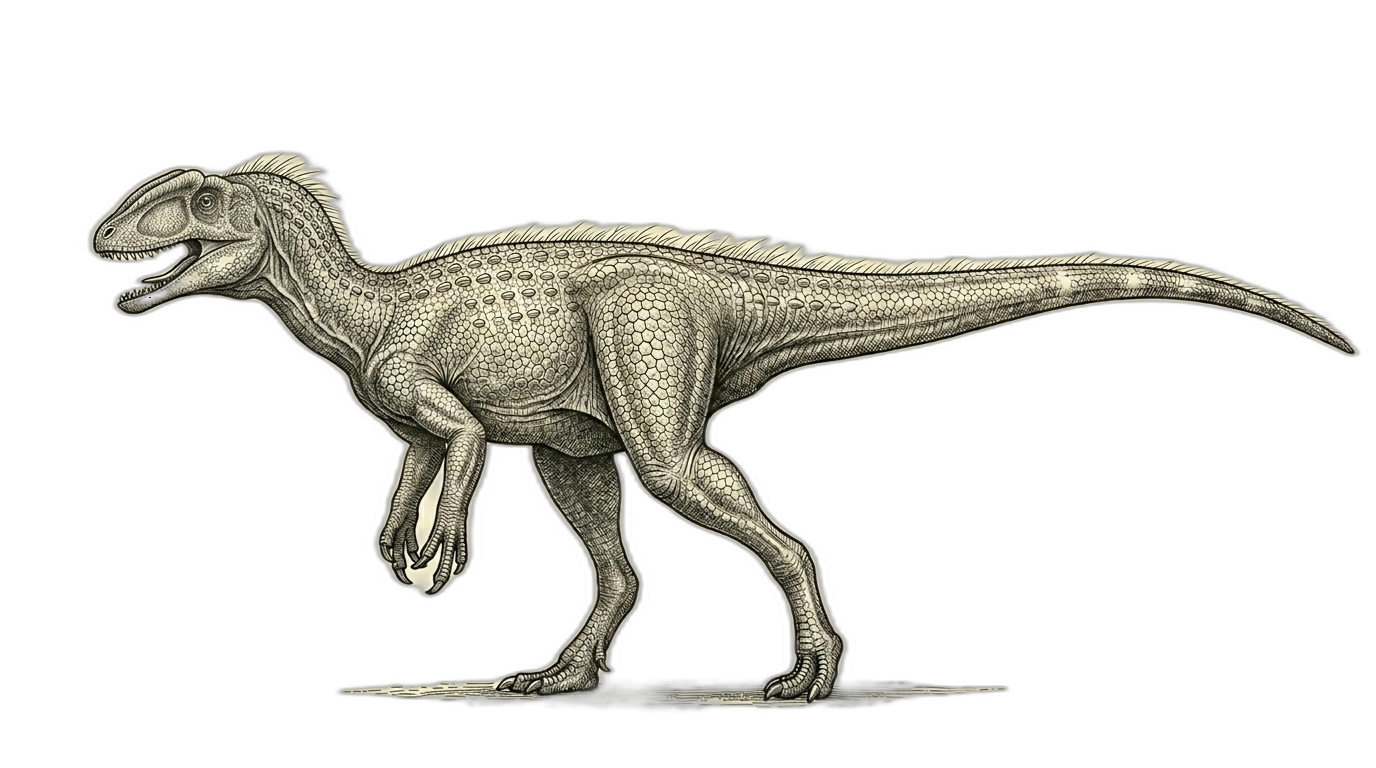
Liliensternus liliensterni prowled the ancient landscapes of Late Triassic Germany approximately 210 million years ago, establishing itself as one of Europe's largest predatory dinosaurs of its era. This agile carnivore stretched up to five meters in length and likely weighed around 130 kilograms, making it a formidable presence in its ecosystem.
The animal's build spoke to speed and predatory efficiency. Long, powerful hind limbs carried its slender frame in a stance, while a counterbalancing tail extended rigidly behind. Its skull, though lightly constructed, housed rows of , blade-like teeth perfectly suited for slicing flesh. Two distinctive parallel crests likely adorned its snout, features that may have served purposes during courtship or species recognition. The forelimbs, though considerably shorter than the legs, bore sharp claws capable of grasping struggling prey.
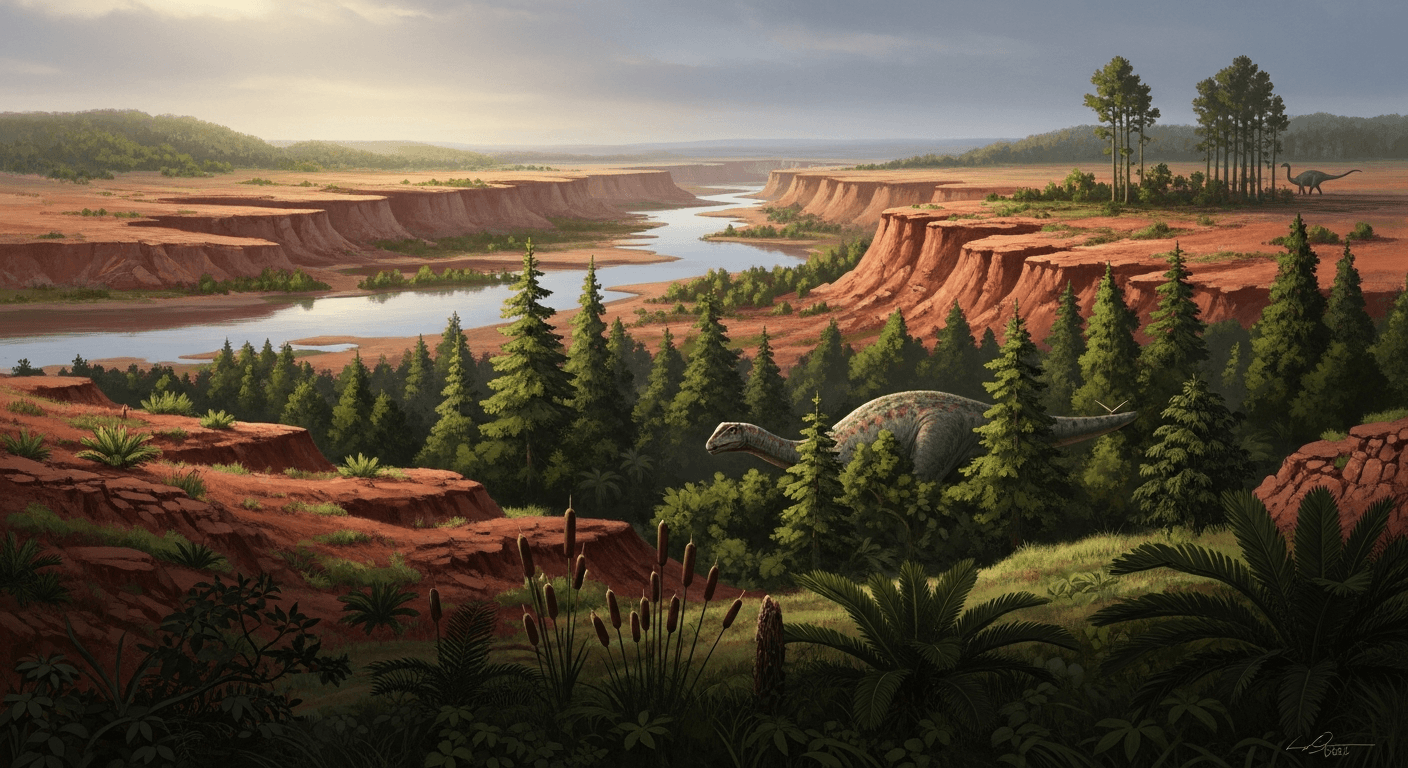
Liliensternus inhabited a world vastly different from modern Europe. The Triassic landscape consisted of semi-arid floodplains punctuated by seasonal waterways, where this predator would have hunted prosauropods and smaller . It shared this environment with early mammals, amphibians, and various archosaurs, occupying the niche before the rise of larger theropods.
The fossils were unearthed near Großen Gleichberg in Thuringia, Germany, during the early twentieth century. The species name honors Hugo Rühle von Lilienstern, a German physician and amateur paleontologist who collected the original specimens. Initially misclassified as a species of Halticosaurus, the dinosaur received its own genus designation in 1984 following careful reexamination.
Scientifically, Liliensternus holds significance as one of the best-preserved large theropods from the European Triassic, offering crucial insights into early dinosaur evolution and the ecological dynamics that preceded the Jurassic explosion of dinosaur diversity.
Quick Facts
- Scientific name
- Liliensternus liliensterni
- Group
- Theropod · Coelophysidae
- Lived
- Triassic, 214–204 million years ago
- Diet
- Carnivore
- Movement
- Walked on two legs
- Fossils found in
- Löwenstein Formation (Baden-Württemberg, Bavaria, Germany)
- Discovery credited to
- 1934, Hugo Rühle von Lilienstern
- Holotype
- MB.R.2175, Museum für Naturkunde Berlin
- DinoVault record
- DVL-0079
Where fossils were found
Löwenstein Formation
Baden-Württemberg, Bavaria · Germany
214–204 million years ago(10m year span)
Where Liliensternus liliensterni Roamed
During the Late Triassic, Liliensternus roamed the ancient landscapes of central Pangaea, in what is now Germany, where seasonal floodplains and river systems carved through a warm, semi-arid environment. This region lay within the continental interior, far from the encroaching Tethys Sea to the east, supporting a diverse ecosystem of early dinosaurs, amphibians, and lush stands of conifers and ferns along waterways.
Keep exploring the vault
Plateosaurus
Plateosaurus engelhardti
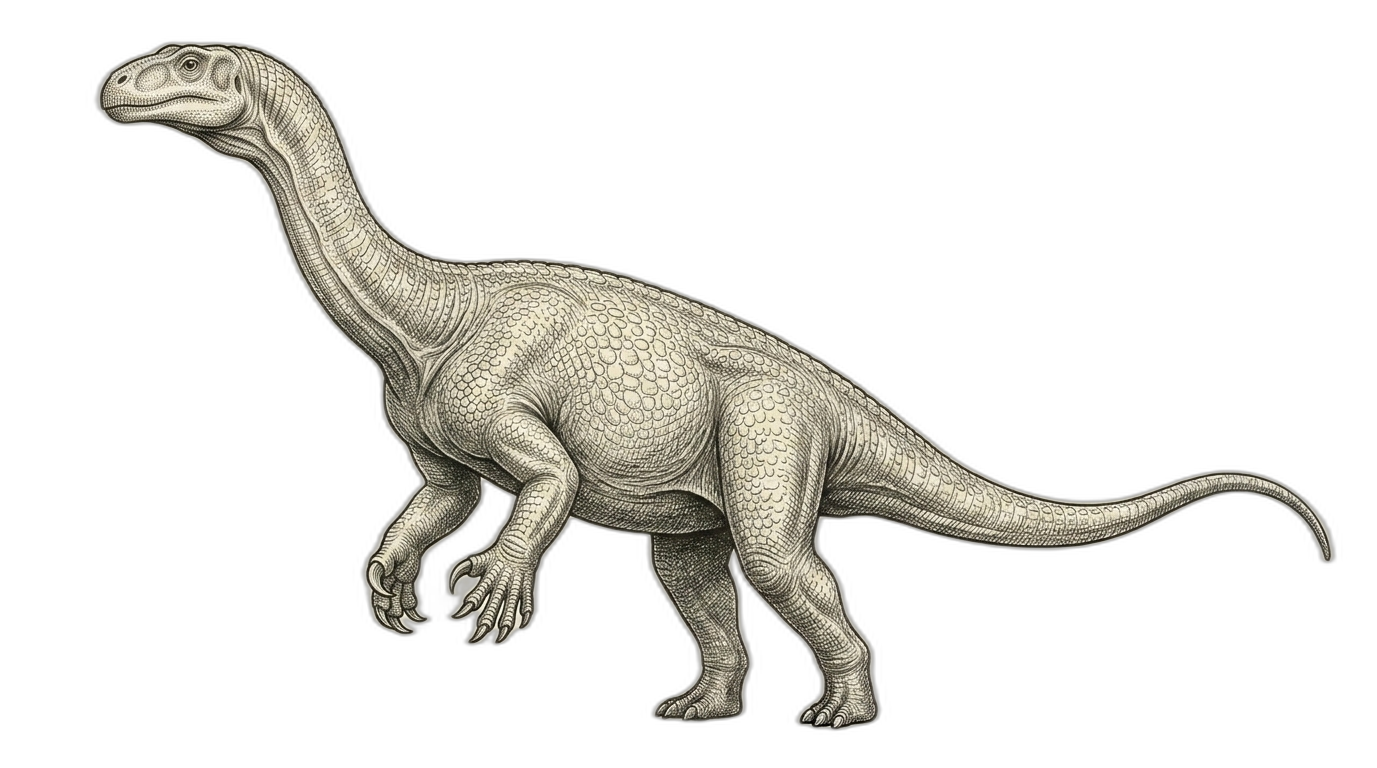
Liliensternus at 7m was one of the largest predators in the Late Triassic Löwenstein Formation, and while adult Plateosaurus at 1000kg would be formidable, juveniles and subadults would have been vulnerable to a large, agile theropod.
Coelophysis
Coelophysis bauri
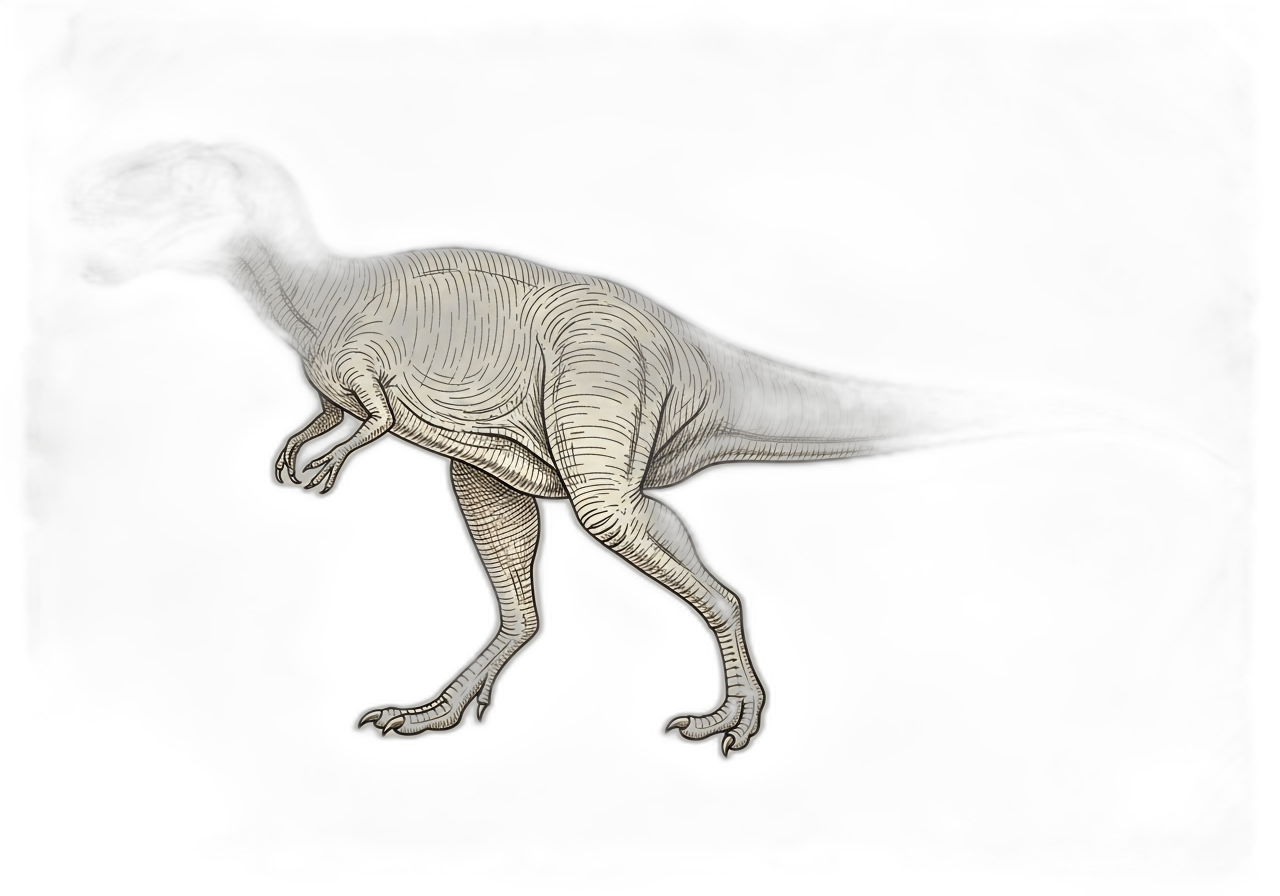
Both are coelophysoid theropods from the Late Triassic, representing similar ecological niches as agile, carnivorous predators.
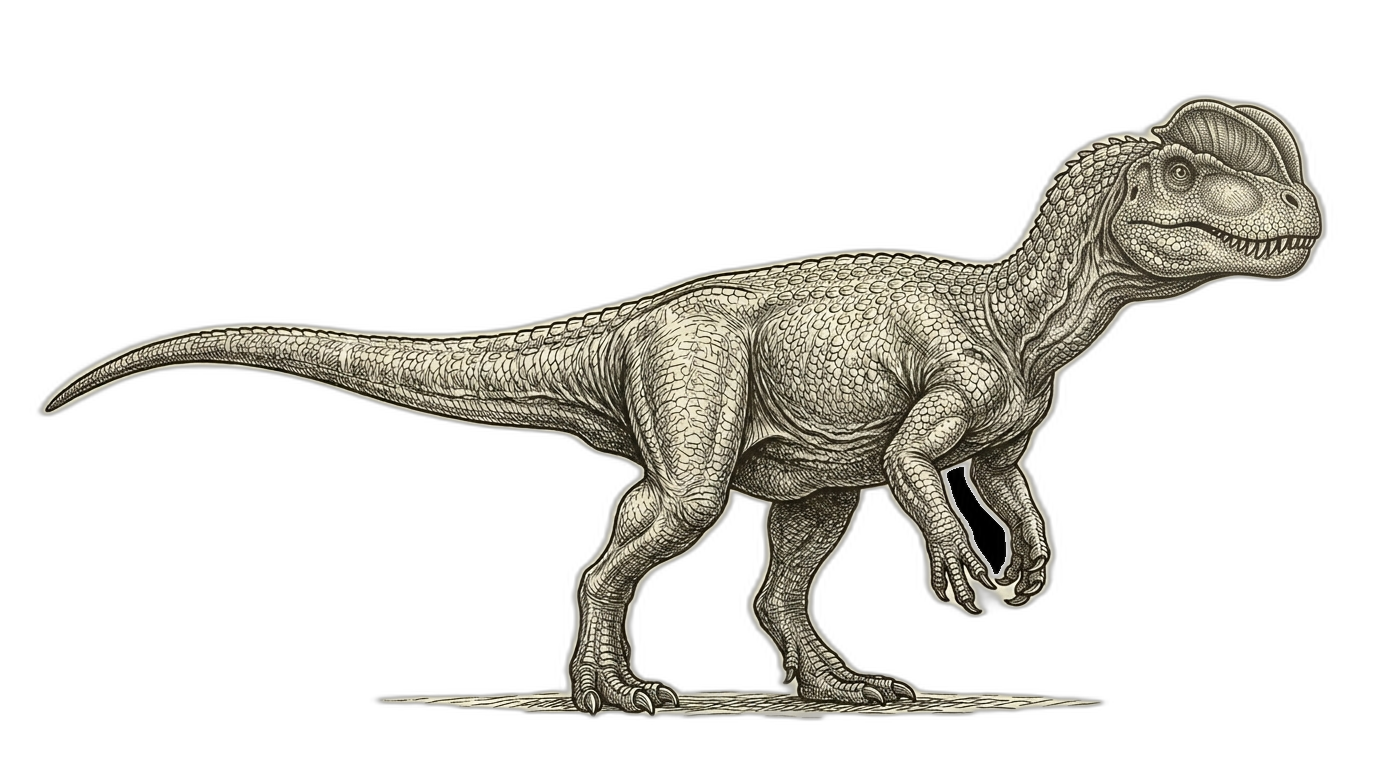
Dilophosaurus
Dilophosaurus wetherilli
Both represent early medium-to-large theropods exploring the apex predator niche in the Late Triassic to Early Jurassic transition.
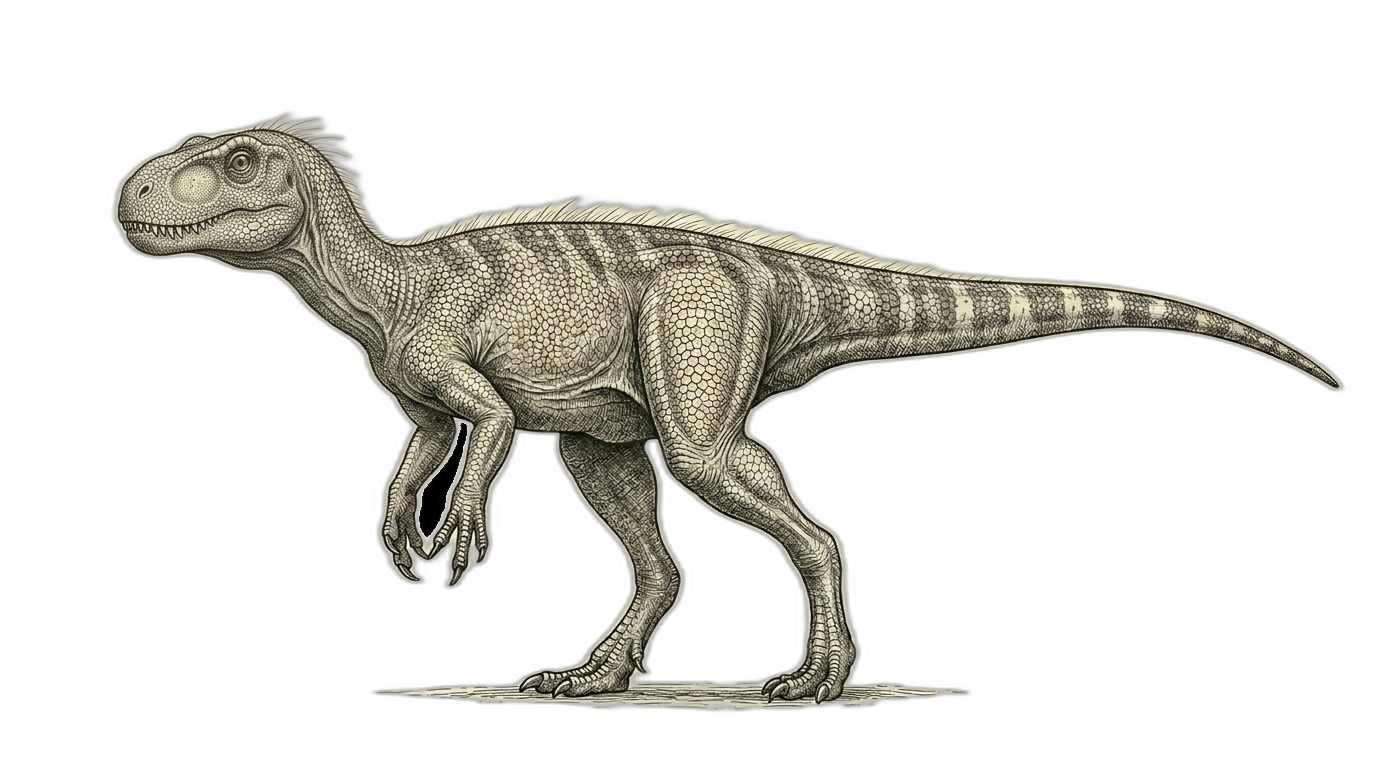
Herrerasaurus
Herrerasaurus ischigualastensis
Both represent Triassic theropods independently evolving the bipedal carnivore body plan in the earliest dinosaur radiations.
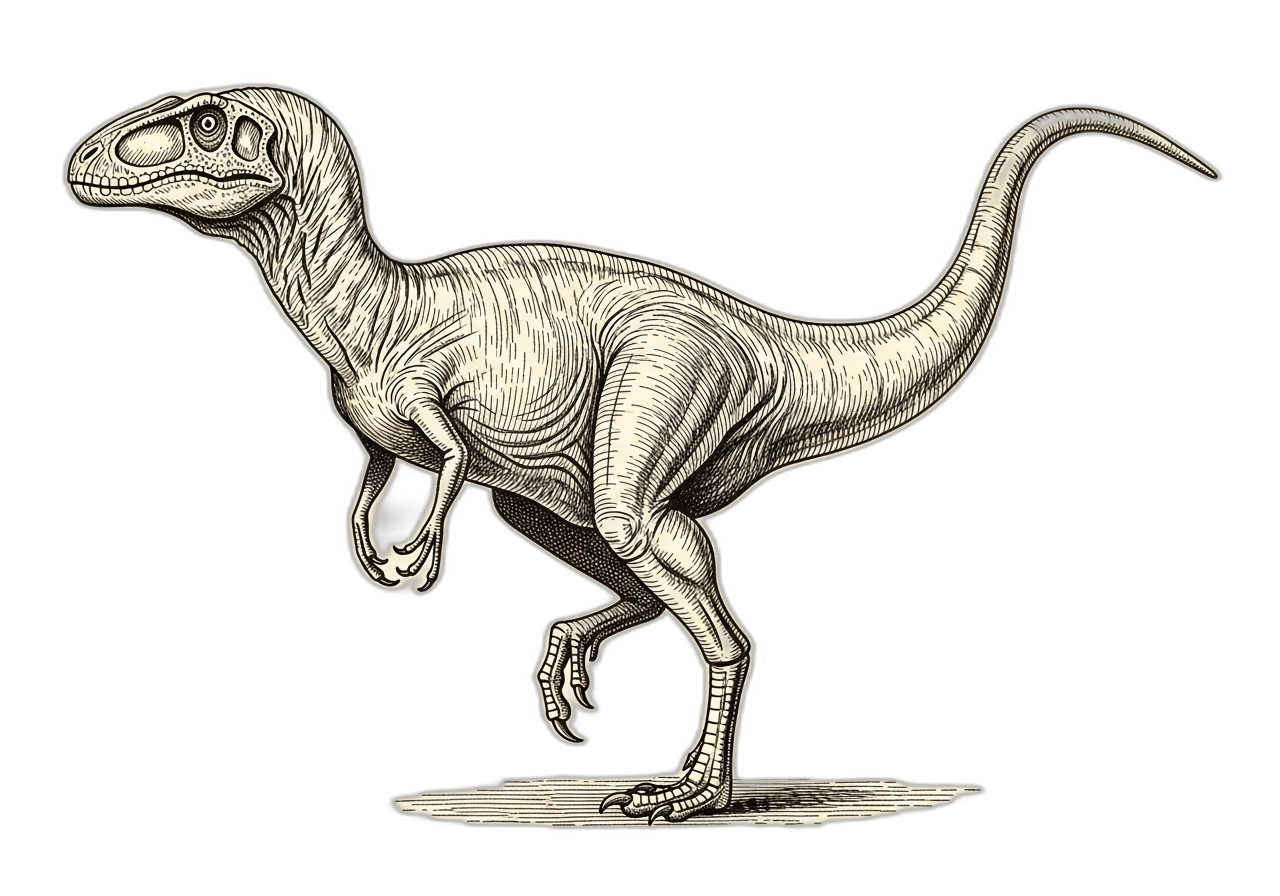
Eodromaeus
Eodromaeus murphi
Both are early theropods from the Late Triassic representing parallel experiments in bipedal carnivory.
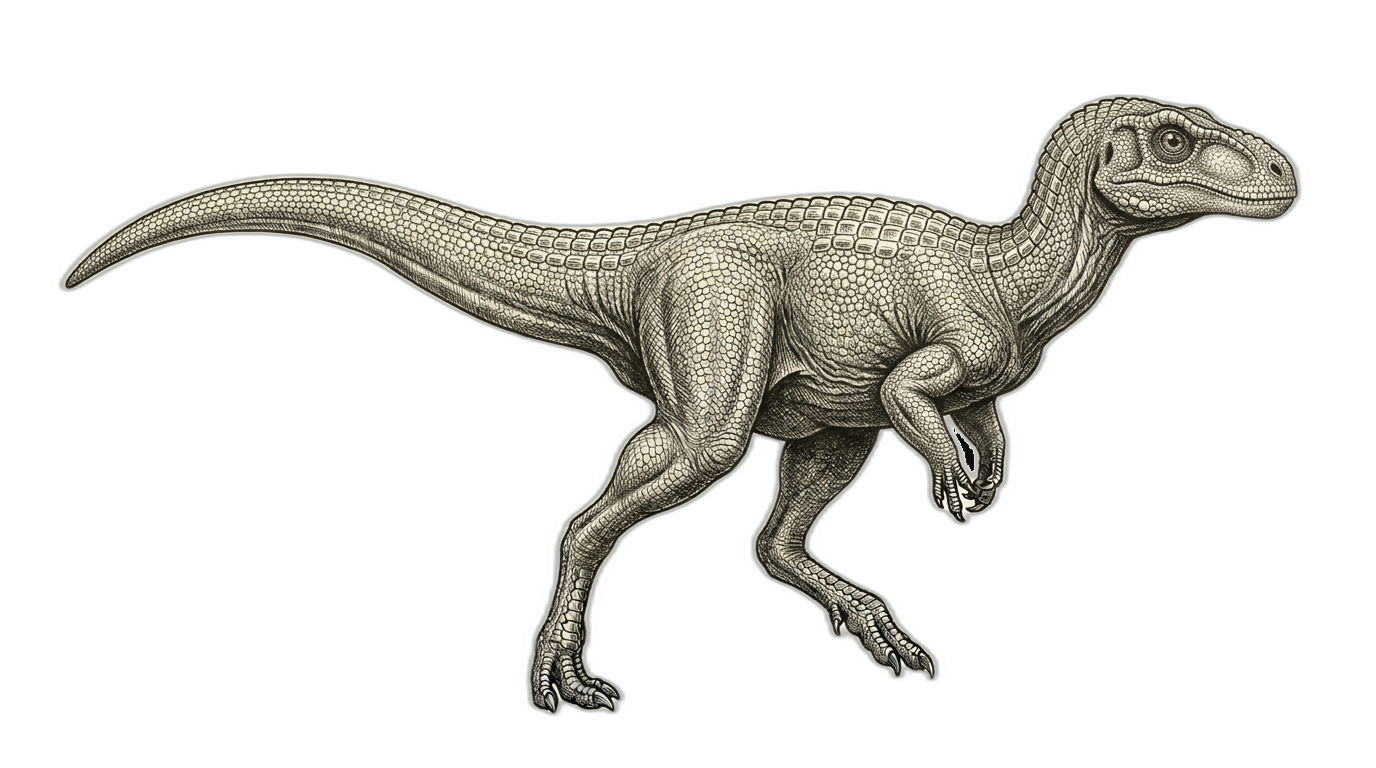
Staurikosaurus
Both are Late Triassic theropods representing parallel experiments in early predatory dinosaur evolution.
Sources & Citation
- Length estimates
- Welles, 1984; Rauhut, 2003
- Height estimates
- Estimated from skeletal proportions
- Weight estimates
- Paul, 1988; estimate based on body proportions
- Speed estimates
- Biomechanical estimate based on limb proportions