About
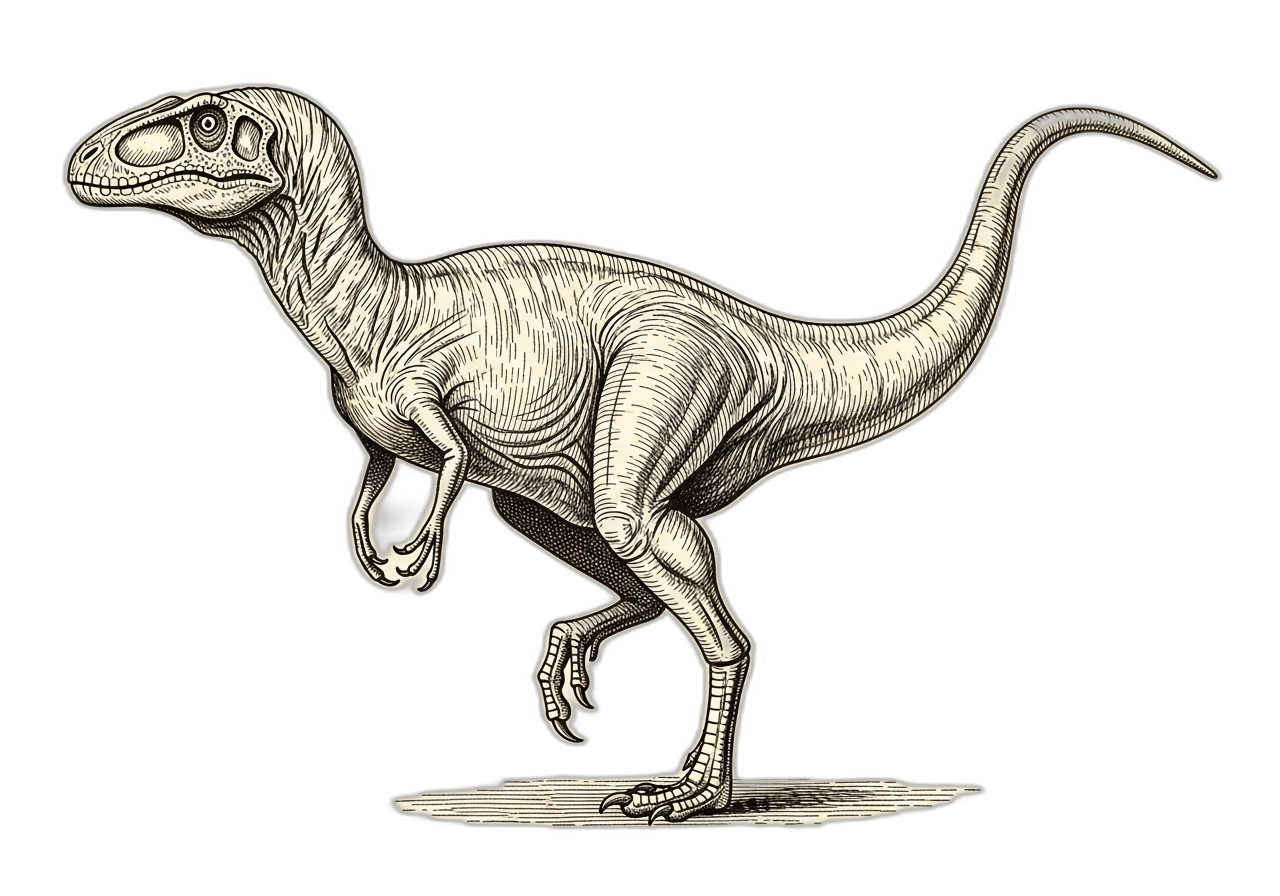
Eodromaeus murphi was a small, agile predator that prowled the ancient landscapes of what is now northwestern Argentina approximately 231 million years ago, during the Late Triassic period. This diminutive dinosaur measured only about 1.2 meters from snout to tail tip and weighed roughly five kilograms—comparable to a modern fox. Its name, meaning "Murphy's dawn runner," honors Paul Murphy, a supporter of the research expeditions that brought this creature to light.
In life, Eodromaeus would have been a swift and nimble hunter, moving exclusively on two slender hind legs with a body built for speed and quick directional changes. Its long tail provided crucial counterbalance as it pursued prey through the semi-arid floodplains of the Ischigualasto Formation, an ecosystem dominated by ferns, primitive conifers, and strange reptilian herbivores. Sharp, curved teeth lined its jaws, perfectly suited for catching insects, small , and other bite-sized prey.
The fossils were discovered in 1996 by a team led by Ricardo Martínez and Paul Sereno in Argentina's Valley of the Moon, though formal scientific description waited until 2011. Remarkably complete specimens revealed an animal poised at the very dawn of dinosaur evolution. Eodromaeus represents one of the earliest known theropods—the lineage that would eventually produce giants like Tyrannosaurus and, fascinatingly, modern birds.
What makes Eodromaeus particularly significant is its position near the base of the dinosaurian family tree. By studying this small predator, scientists gain invaluable insight into what the common ancestors of all later dinosaurs may have looked like. In this humble creature, we glimpse the modest beginnings of a dynasty that would dominate Earth for over 160 million years.
Quick Facts
- Scientific name
- Eodromaeus murphi
- Group
- Theropod · incertae sedis
- Lived
- Triassic, 232–229 million years ago
- Diet
- Carnivore
- Movement
- Walked on two legs
- Fossils found in
- Ischigualasto Formation (San Juan, Argentina)
- Discovery credited to
- 1996, Ricardo Martinez
- Holotype
- PVSJ 562, Museo de Ciencias Naturales, Universidad Nacional de San Juan, Argentina
- DinoVault record
- DVL-0050
Where fossils were found
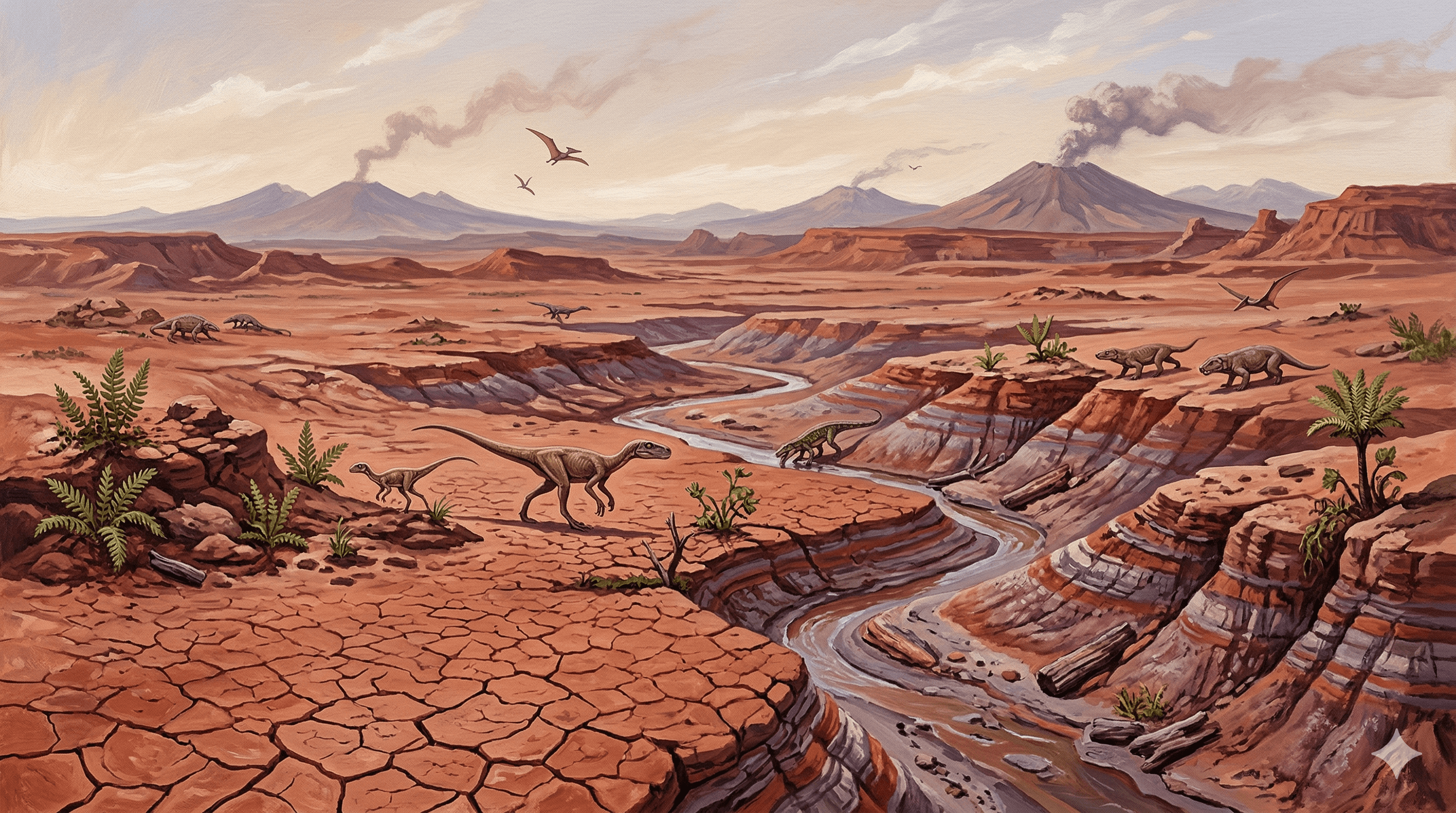
Ischigualasto Formation
San Juan · Argentina
232–229 million years ago(3m year span)
Where Eodromaeus Roamed
Eodromaeus murphi roamed the ancient river valleys of the Ischigualasto Formation in what is now northwestern Argentina, then part of the southwestern reaches of Gondwana. This Late Triassic landscape featured a warm, semi-arid climate with seasonal monsoons, where volcanic ash periodically blanketed floodplains teeming with early dinosaurs, synapsids, and towering conifers.
Keep exploring the vault
Herrerasaurus
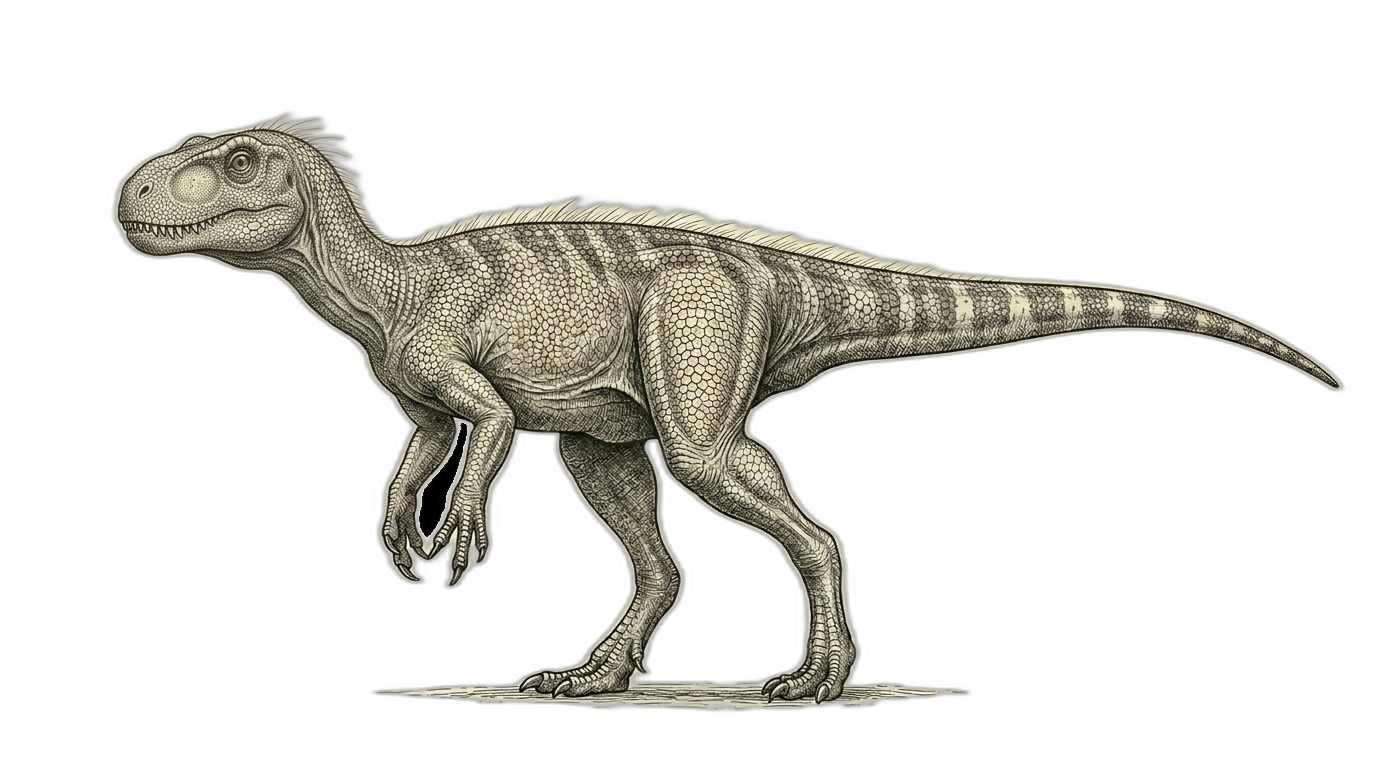
Herrerasaurus ischigualastensis
Herrerasaurus was a 5m, 250kg apex predator in the Ischigualasto Formation, while Eodromaeus was a small 1.2m, 5kg theropod.
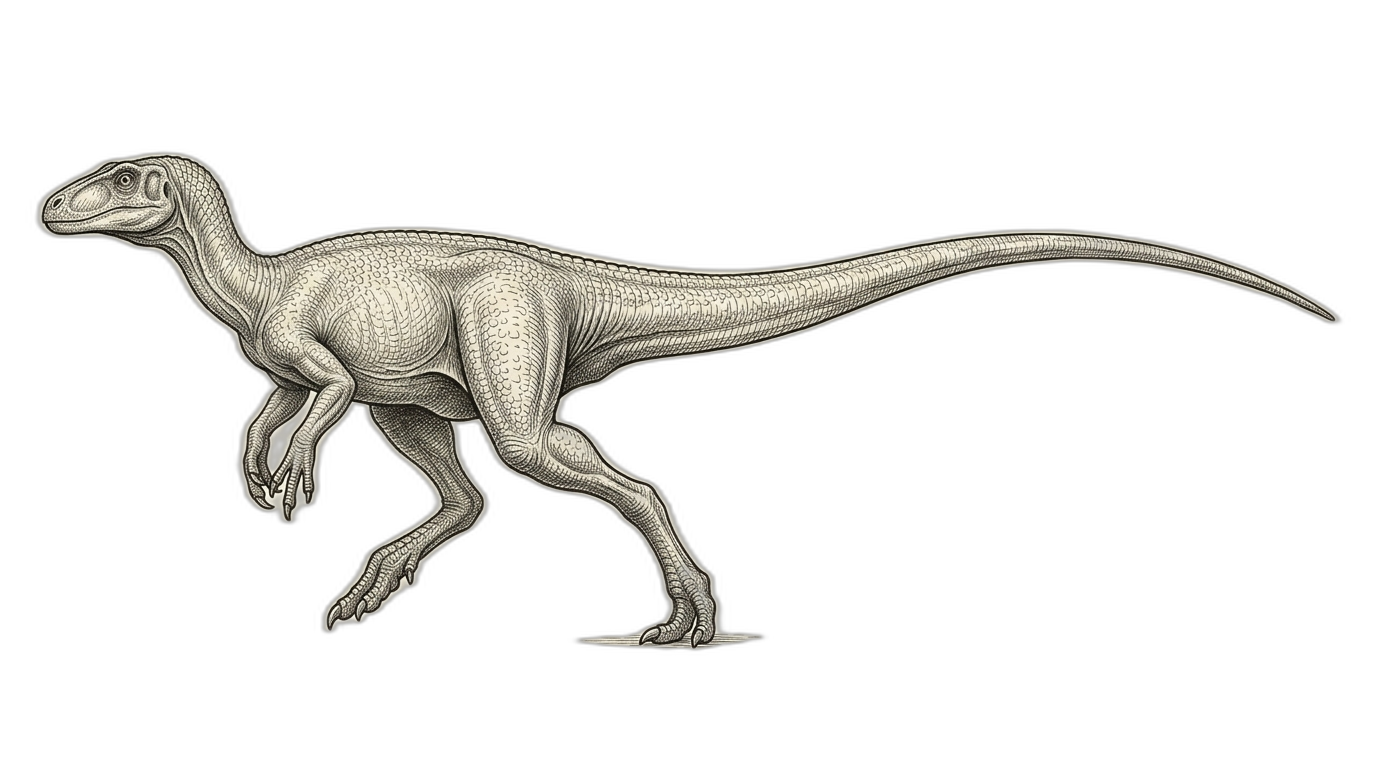
Pisanosaurus
Pisanosaurus was a small 1m, 5kg herbivore sharing the Ischigualasto Formation with Eodromaeus.
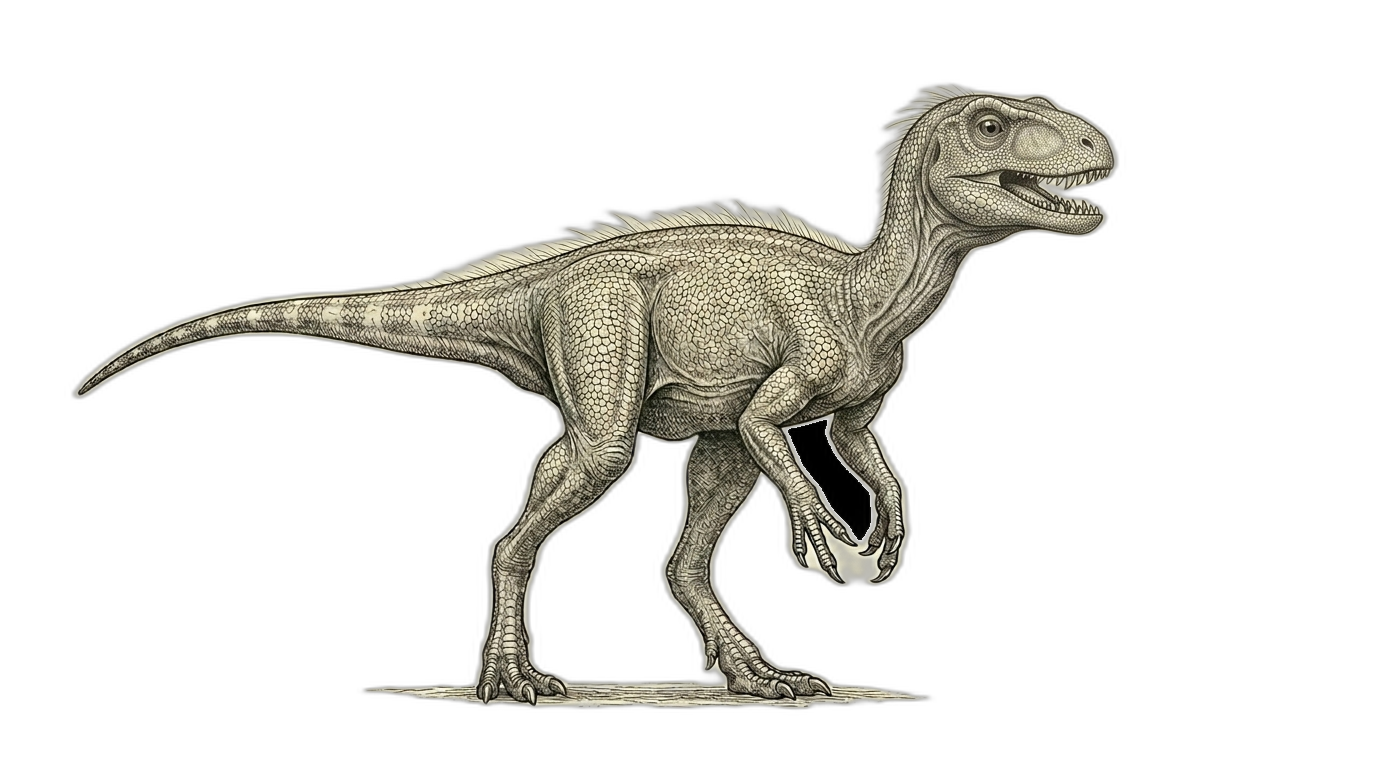
Eoraptor
Both Eodromaeus and Eoraptor were small-bodied basal saurischians from the Ischigualasto Formation with nearly identical body sizes (1-1.2m, 5-10kg).
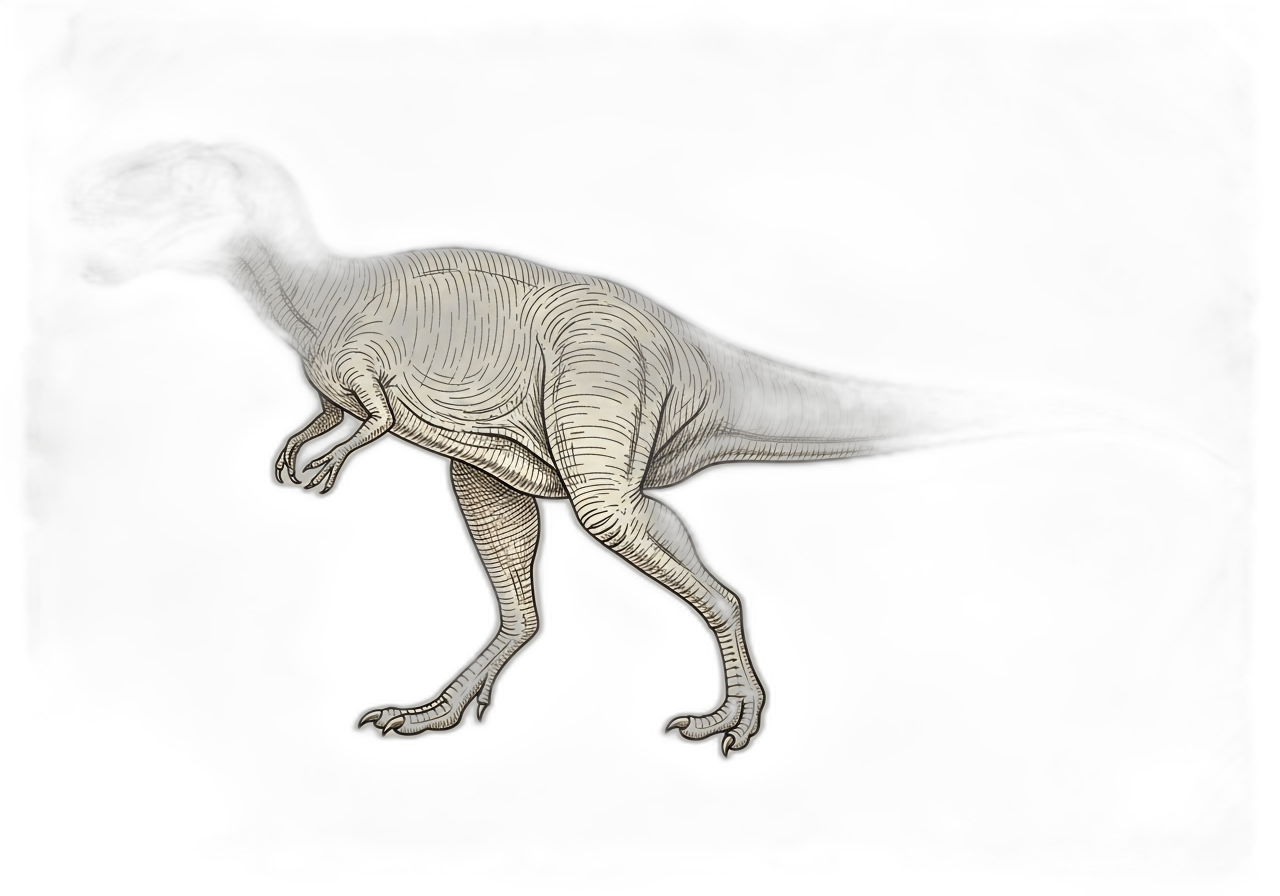
Coelophysis
Coelophysis bauri
Both represent the small, gracile, cursorial theropod body plan that emerged in the Late Triassic.
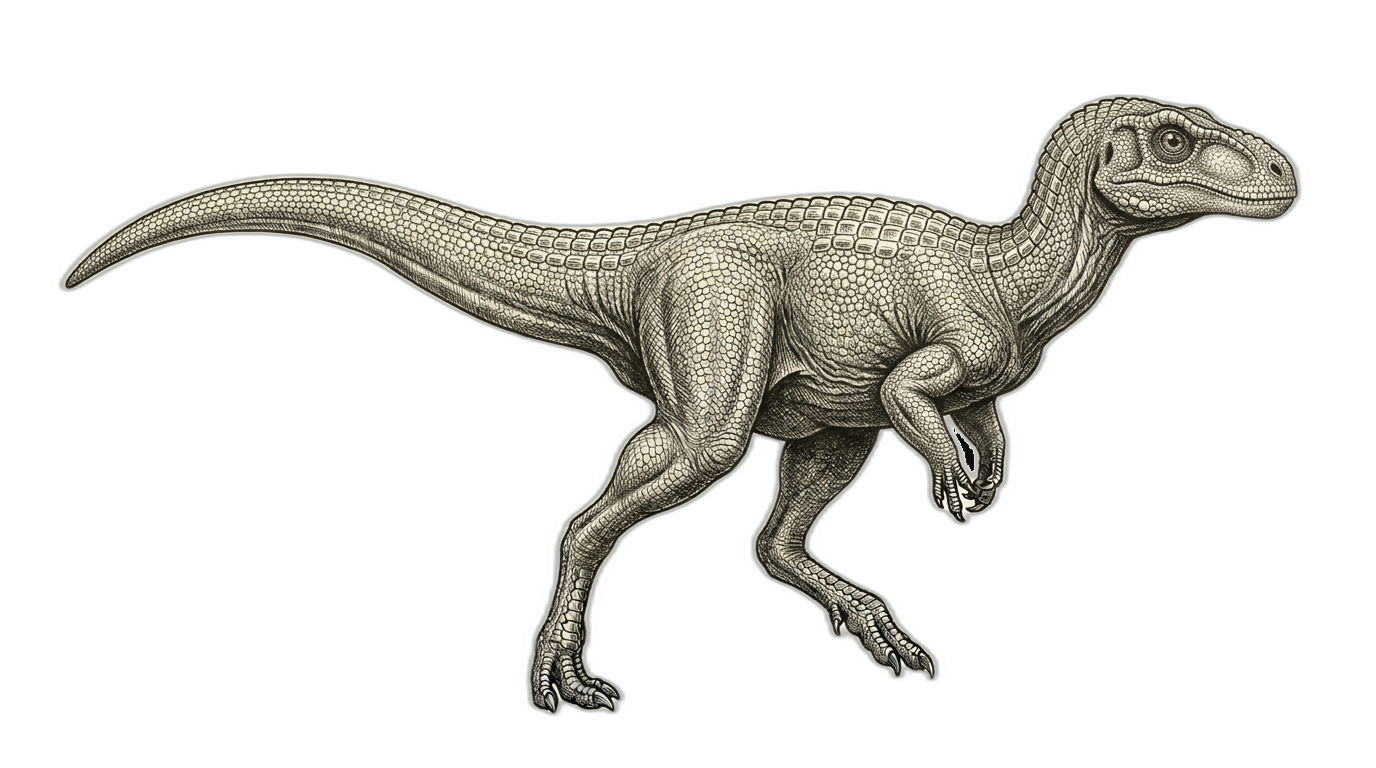
Staurikosaurus
Eodromaeus is from the Ischigualasto Formation of Argentina, the same Late Triassic ecosystem as Staurikosaurus.
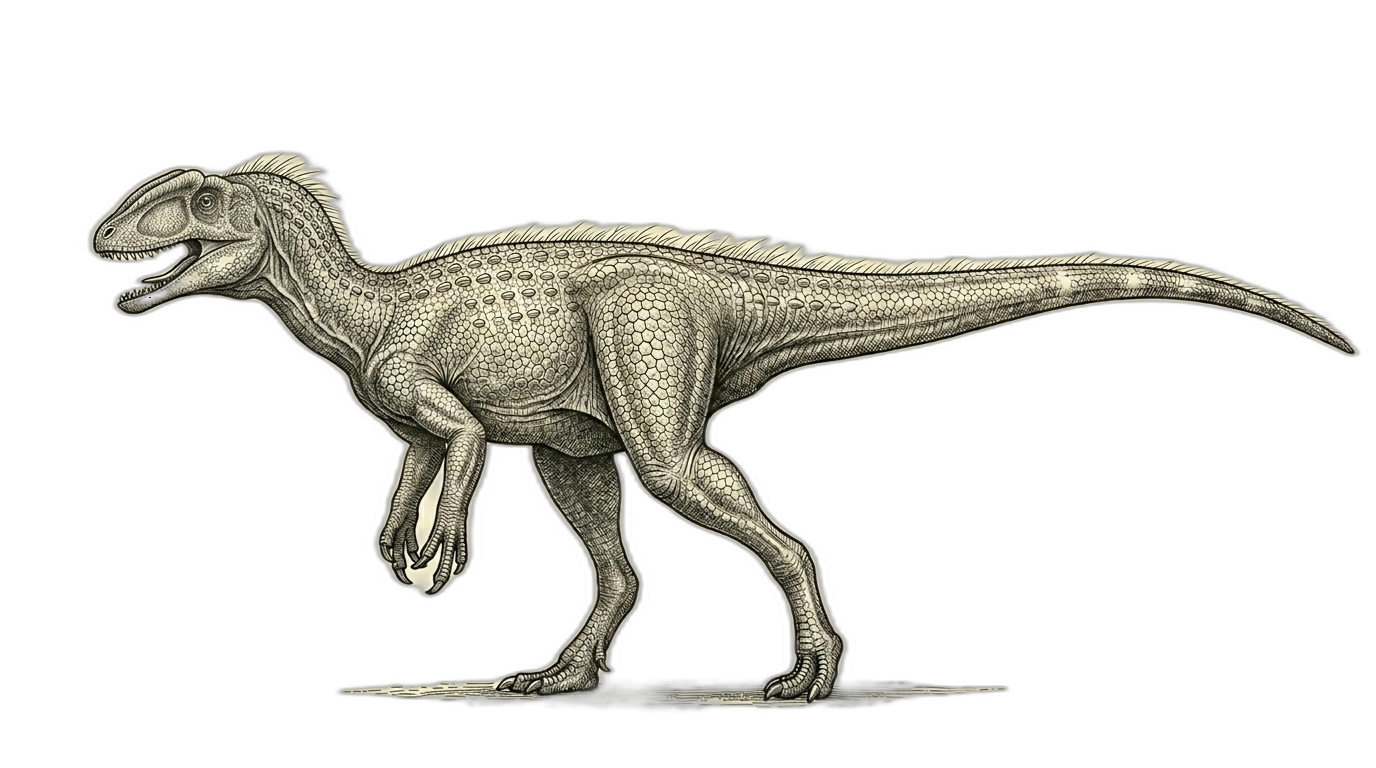
Liliensternus
Both are early theropods from the Late Triassic representing parallel experiments in bipedal carnivory.
Sources & Citation
- Length estimates
- Martinez et al. 2011, Science 331(6014):206-210
- Height estimates
- Estimated from skeletal proportions, Martinez et al. 2011
- Weight estimates
- Martinez et al. 2011, based on body proportions
- Speed estimates
- Biomechanical estimate based on limb proportions