About
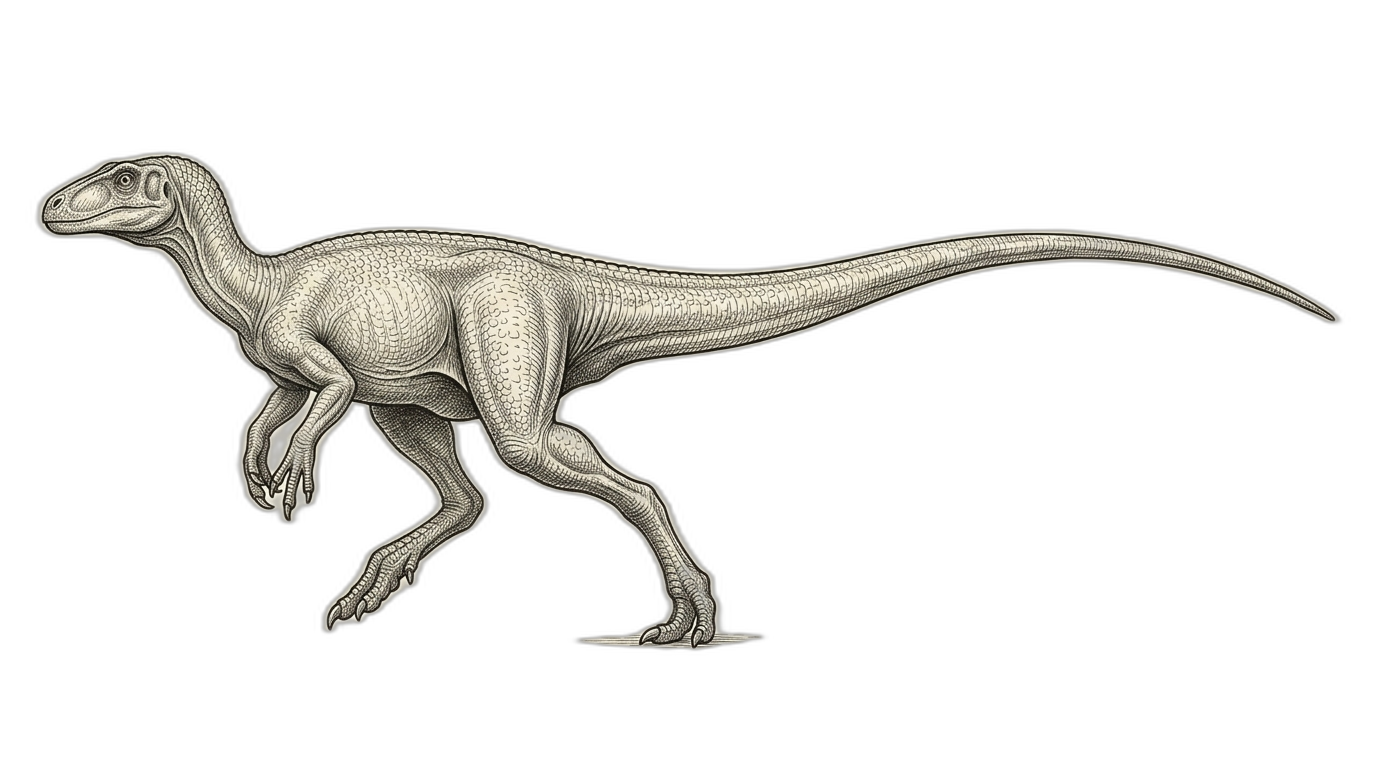
Pisanosaurus mertii stands as one of the most enigmatic pioneers of the dinosaur world, a small herbivore that scurried through the ancient landscapes of what is now Argentina approximately 228 million years ago during the Late Triassic period. This diminutive creature measured barely a meter in length and likely weighed no more than a large house cat, making it one of the earliest and smallest known dinosaurs ever discovered.
In life, Pisanosaurus would have presented a modest yet graceful figure. Its slender frame was built for agility rather than power, with long hindlimbs suggesting it moved primarily on two legs, though it may have dropped to all fours while foraging. Its most distinctive features lay hidden in its mouth—leaf-shaped teeth with edges perfectly adapted for shredding tough Triassic vegetation. Unlike its meat-eating contemporaries, this gentle herbivore possessed the characteristic ornithischian hip structure, with the pubic bone swept backward alongside the ischium.
This ancient plant-eater inhabited the Ischigualasto Formation, a semi-arid environment characterized by seasonal rivers, volcanic activity, and forests of primitive conifers and ferns. It shared this world with early predatory dinosaurs like Herrerasaurus and the crocodile-like archosaurs that dominated Triassic ecosystems.
Argentine paleontologist Rodolfo Casamiquela described Pisanosaurus in 1967, naming it in honor of Juan A. Pisano. The fossils—partial jaw bones, , and limb elements—were unearthed from the same fossil-rich badlands that have yielded numerous Triassic treasures.
What makes Pisanosaurus truly remarkable is its position near the very roots of ornithischian evolution, the lineage that would eventually produce Stegosaurus, Triceratops, and the duck-billed dinosaurs. Though some researchers debate its exact classification, this humble creature offers an irreplaceable window into the dawn of dinosaur diversity.
Quick Facts
- Scientific name
- Pisanosaurus mertii
- Group
- Ornithopod · uncertain
- Lived
- Triassic, 231–225 million years ago
- Diet
- Herbivore
- Movement
- Walked on two legs
- Fossils found in
- Ischigualasto Formation (San Juan, Argentina)
- Discovery credited to
- 1962, Galileo Juan Scaglia
- Holotype
- PVL 2577, Museo de La Plata (partial skeleton including jaw fragments, vertebrae, and limb elements)
- DinoVault record
- DVL-0109
Where fossils were found
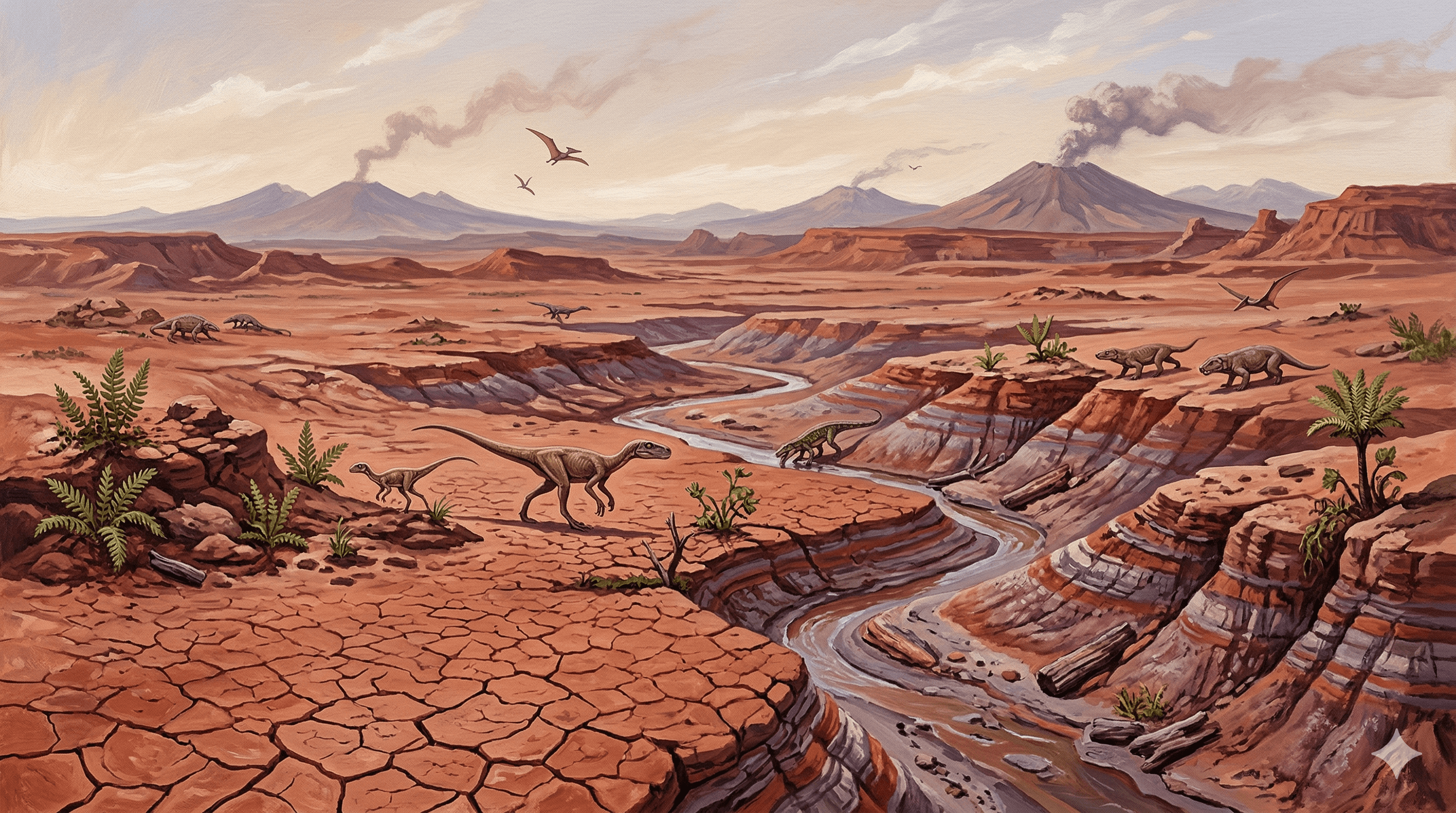
Ischigualasto Formation
San Juan · Argentina
231–225 million years ago(6m year span)
Where Pisanosaurus mertii Roamed
During the Late Triassic, Pisanosaurus mertii inhabited the Ischigualasto Formation of what is now northwestern Argentina, then part of the southwestern margin of Gondwana. This ancient landscape featured a warm, seasonally humid climate with volcanic highlands, braided river systems, and forested floodplains dotted with towering conifers and ferns.
Keep exploring the vault
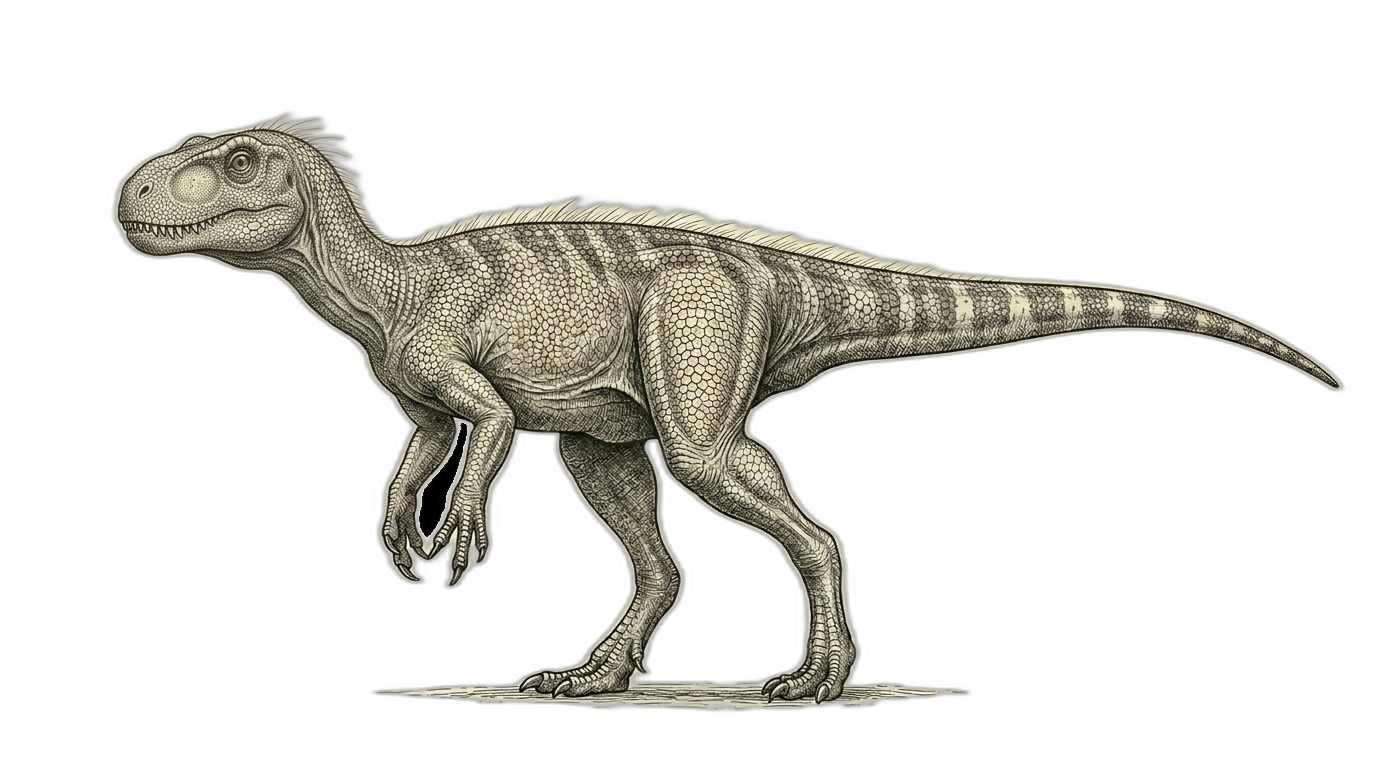
Herrerasaurus
Herrerasaurus ischigualastensis
Herrerasaurus was a 5m, 250kg carnivore sharing the Ischigualasto Formation with the small 1m, 5kg Pisanosaurus.
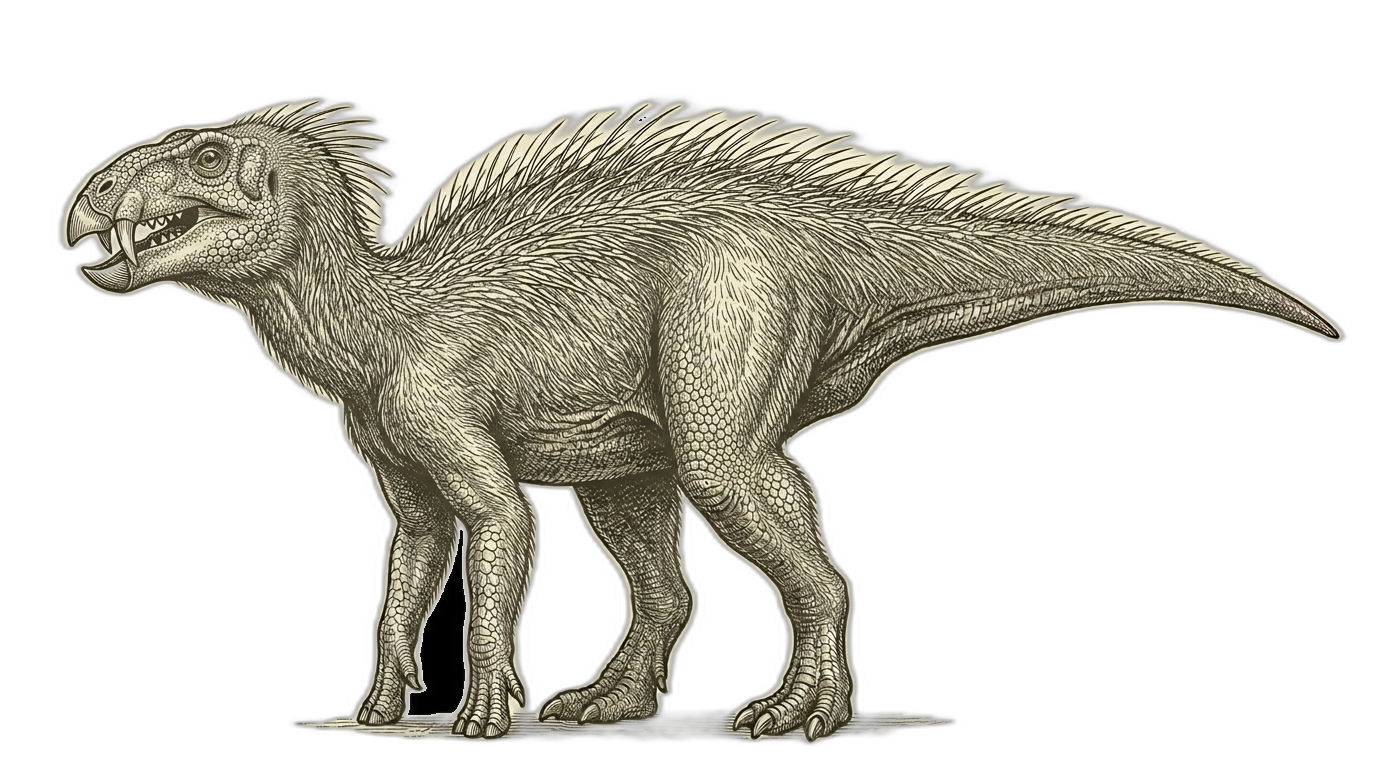
Heterodontosaurus
Heterodontosaurus tucki
Both Pisanosaurus and Heterodontosaurus represent early experiments in ornithischian herbivory.
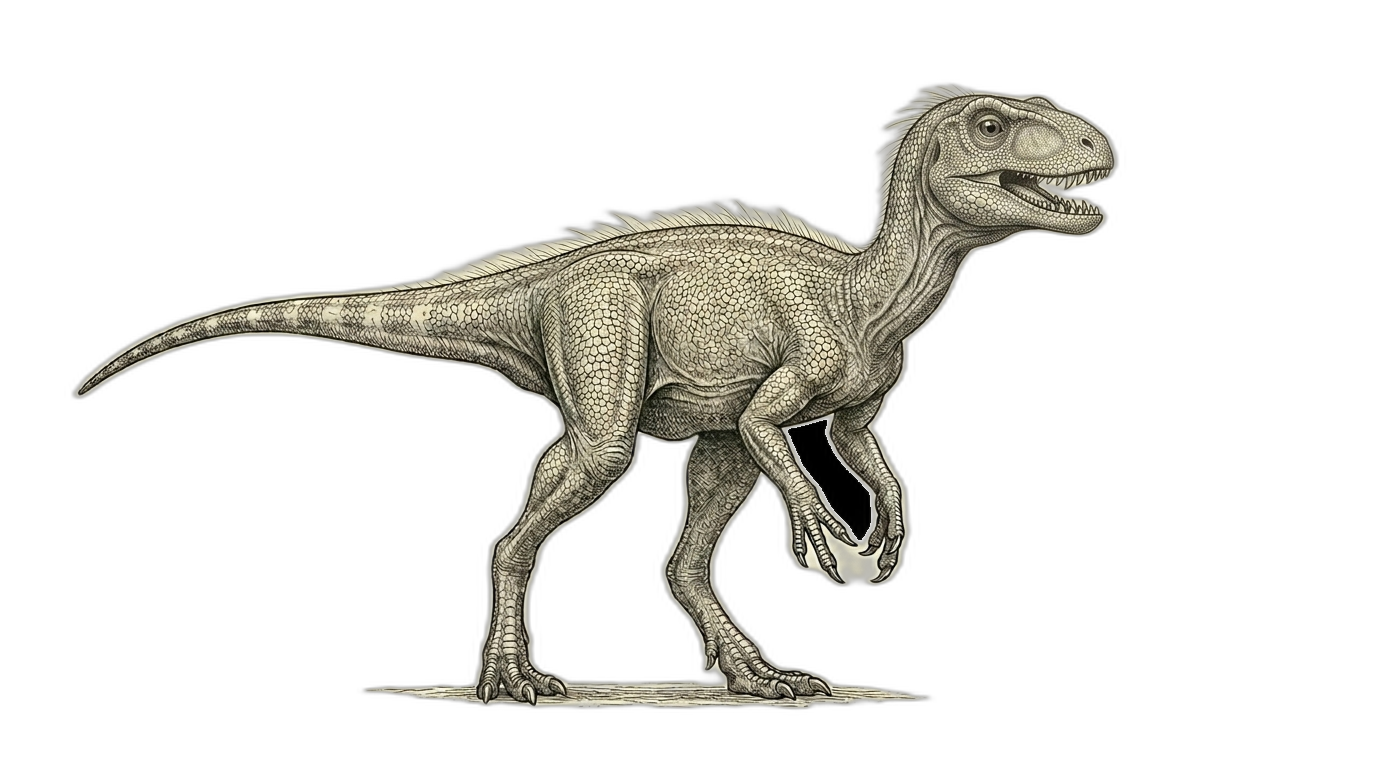
Eoraptor
Both Eoraptor and Pisanosaurus are found in the Ischigualasto Formation and represent the earliest diversification of dinosaur lineages.
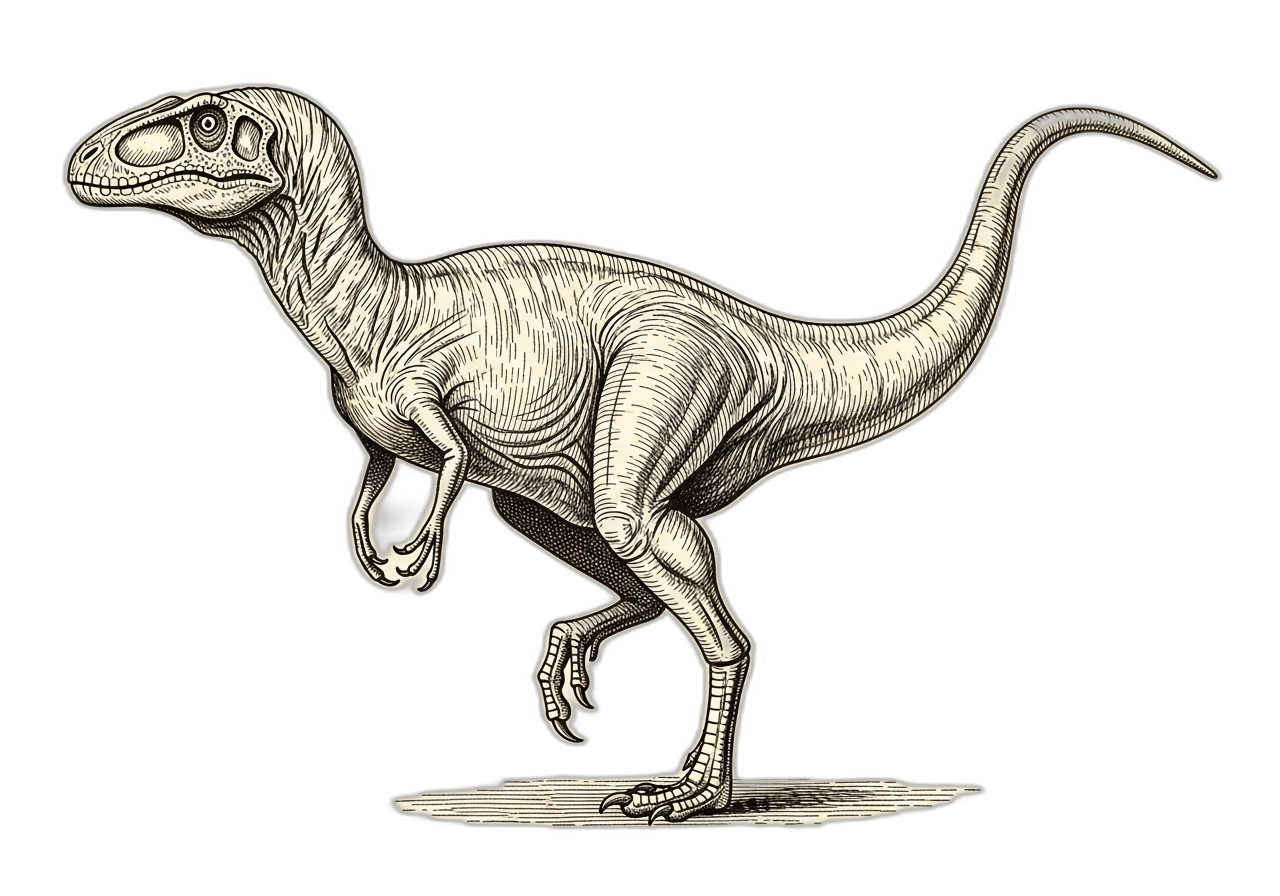
Eodromaeus
Eodromaeus murphi
Eodromaeus was a small carnivorous theropod (1.2m, 5kg) from the same Ischigualasto Formation.
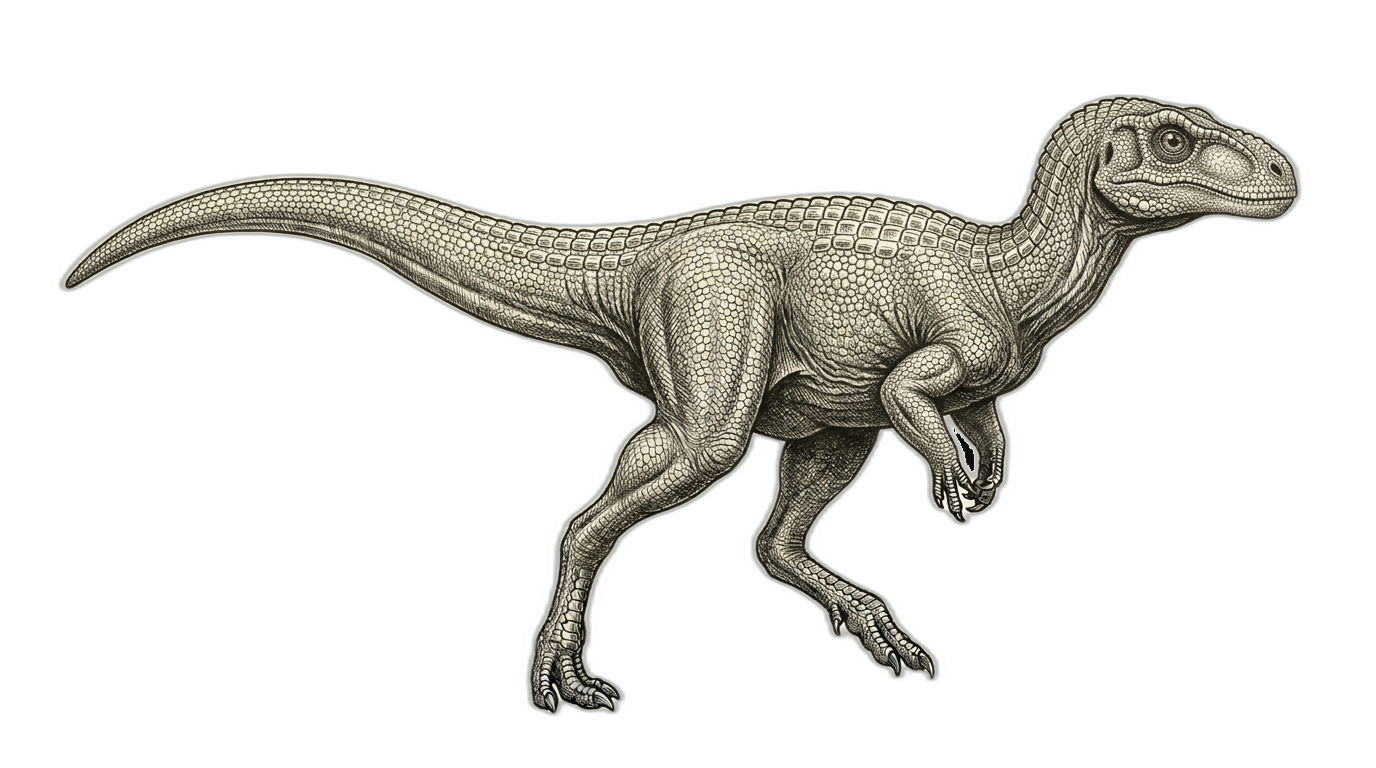
Staurikosaurus
Pisanosaurus was a small (~1m) early ornithischian from the Ischigualasto Formation of Argentina, contemporaneous with early South American theropods.
Sources & Citation
- Length estimates
- Casamiquela 1967; Bonaparte 1976 - fragmentary material makes size estimates uncertain
- Height estimates
- Estimated from fragmentary postcranial elements; Bonaparte 1976
- Weight estimates
- Estimated based on body length; highly uncertain due to incomplete remains
- Speed estimates
- Biomechanical estimate based on hindlimb proportions suggesting cursorial ability