About
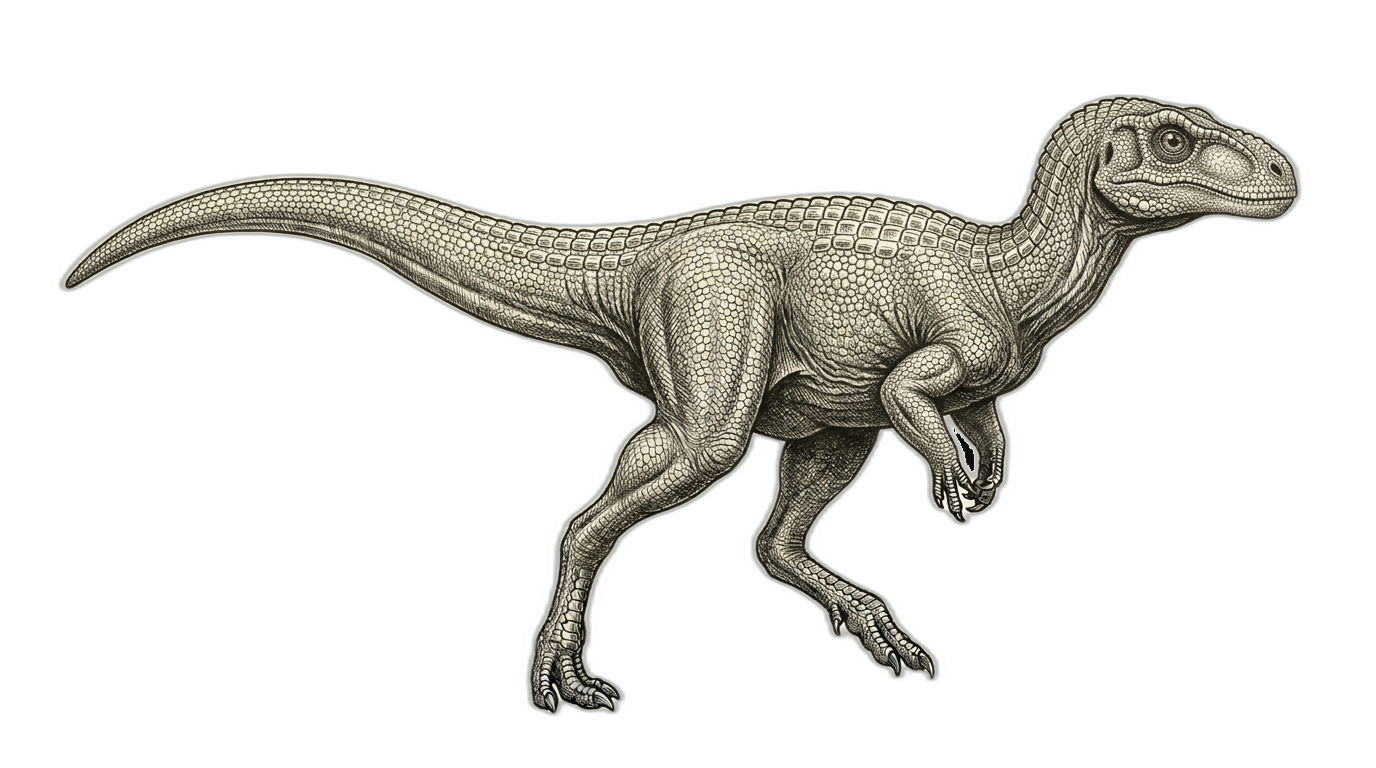
Staurikosaurus pricei stands as one of the earliest dinosaurs ever to walk the Earth, prowling the ancient landscapes of what is now southern Brazil approximately 233 million years ago during the Late Triassic period. This remarkable predator offers us a precious window into the dawn of dinosaur evolution, when these creatures were just beginning their eventual rise to global dominance.
In life, Staurikosaurus was a modestly sized but formidable hunter, measuring roughly two meters from snout to tail tip and weighing perhaps thirty kilograms. Its body was lightly built and agile, perfectly adapted for swift pursuit of prey. The animal moved exclusively on two legs, with powerful hindlimbs propelling it forward while a long, stiffened tail provided crucial counterbalance during rapid movements and sudden turns. Its forelimbs were considerably shorter but remained functional for grasping struggling prey.
The skull was narrow and equipped with sharp, teeth—unmistakable tools of a carnivorous lifestyle. Those keen jaws likely snapped at small reptiles, early mammals, and various other creatures sharing its world. Staurikosaurus inhabited a warm, semi-arid environment characterized by seasonal rainfall, where it competed alongside other early archosaurs in a rapidly changing ecosystem.
Discovery of this species came in 1936, when fossils emerged from the Santa Maria Formation's red sandstones. Brazilian paleontologist Llewellyn Ivor Price collected the specimen, and American scientist Edwin Colbert formally described it in 1970, honoring Price in the species name. The generic name, meaning "Southern Cross lizard," references the constellation visible from Brazilian skies.
What makes Staurikosaurus scientifically invaluable is its primitive anatomy, preserving features that would later transform dramatically in its descendants. Studying this early dinosaur helps researchers understand how the great dinosaur lineages first diverged and what characteristics defined these animals at their humble origins.
Quick Facts
- Scientific name
- Staurikosaurus pricei
- Group
- Early dinosaur · Herrerasauridae
- Lived
- Triassic, 233.23–231.4 million years ago
- Diet
- Carnivore
- Movement
- Walked on two legs
- Discovery credited to
- 1936, Llewellyn Ivor Price
- Holotype
- MCZ 1669, Museum of Comparative Zoology, Harvard University
- DinoVault record
- DVL-0129
Where Staurikosaurus pricei Roamed
During the Late Triassic, Staurikosaurus pricei roamed the southern reaches of Gondwana in what is now Brazil, inhabiting a warm, semi-arid landscape characterized by seasonal monsoons and river systems that carved through the ancient Santa Maria Formation's floodplains and conifer-dotted uplands.
Keep exploring the vault
Pisanosaurus
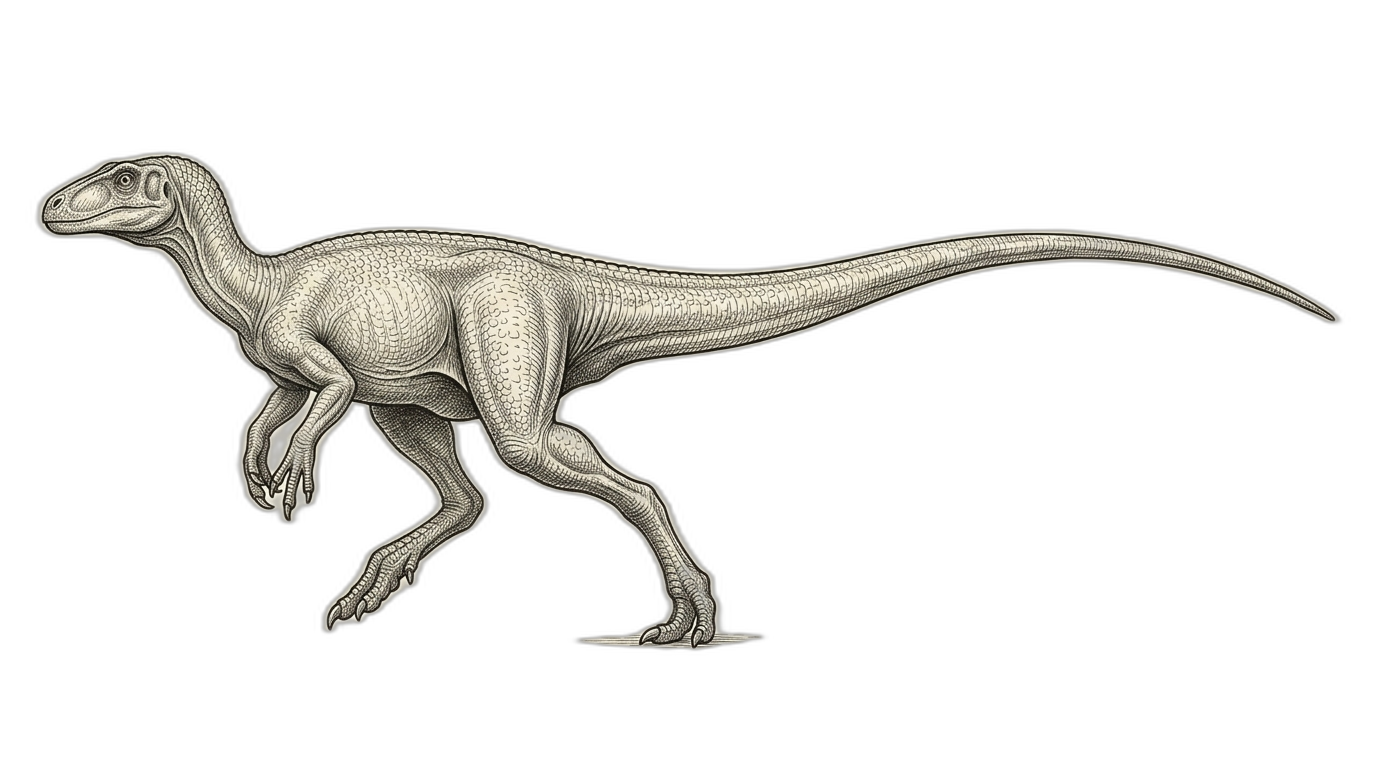
Pisanosaurus was a small (~1m) early ornithischian from the Ischigualasto Formation of Argentina, contemporaneous with early South American theropods.
Herrerasaurus
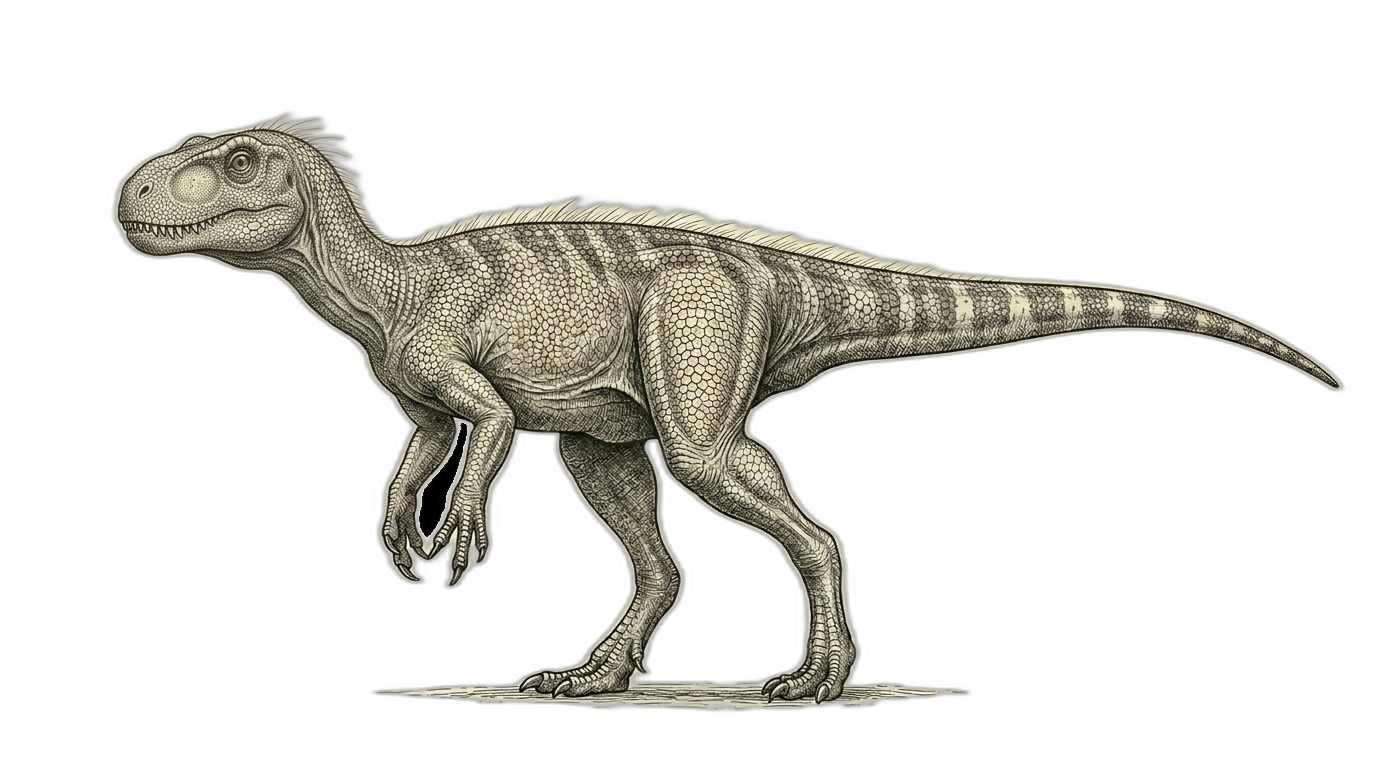
Herrerasaurus ischigualastensis
Staurikosaurus and Herrerasaurus are both herrerasaurid theropods from the Late Triassic of South America, though Herrerasaurus was significantly larger (3-6m vs 2.25m).
Coelophysis
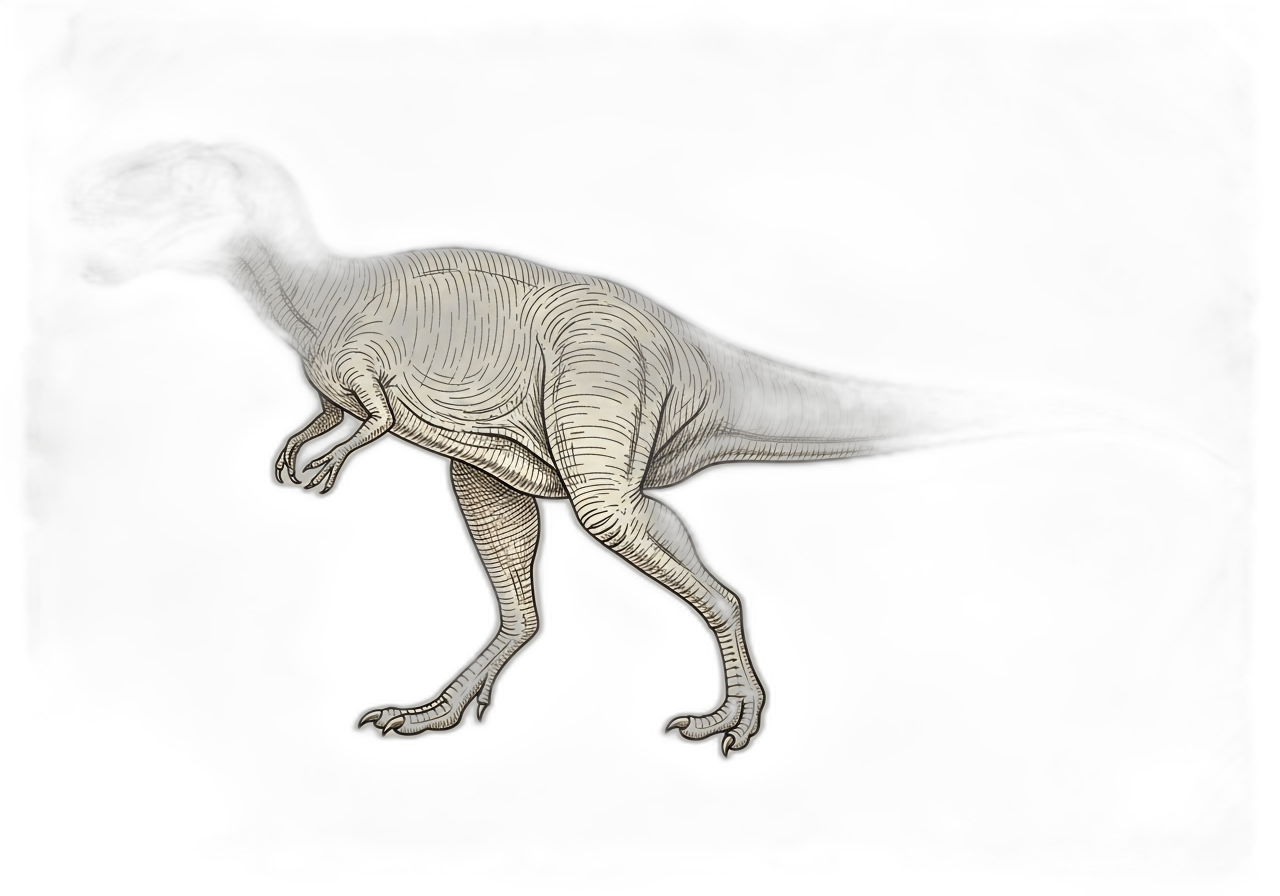
Coelophysis bauri
Both Staurikosaurus and Coelophysis represent early, lightly-built theropods from the Late Triassic exploring the cursorial predator niche.
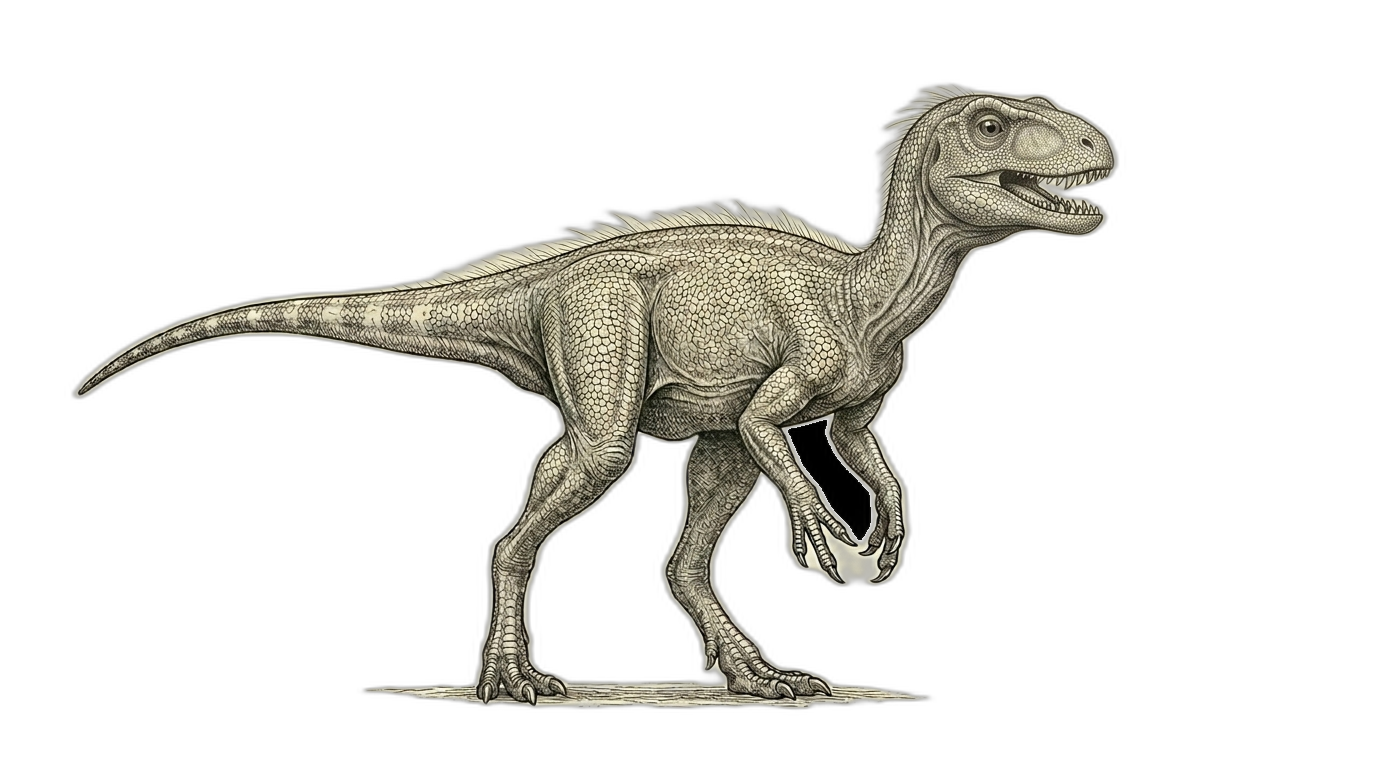
Eoraptor
Both Staurikosaurus and Eoraptor are early saurischian dinosaurs from the Late Triassic of South America (Ischigualasto Formation region), with similar small body sizes (~1-2m) and likely overlapping diets as opportunistic predators of small vertebrates and insects.
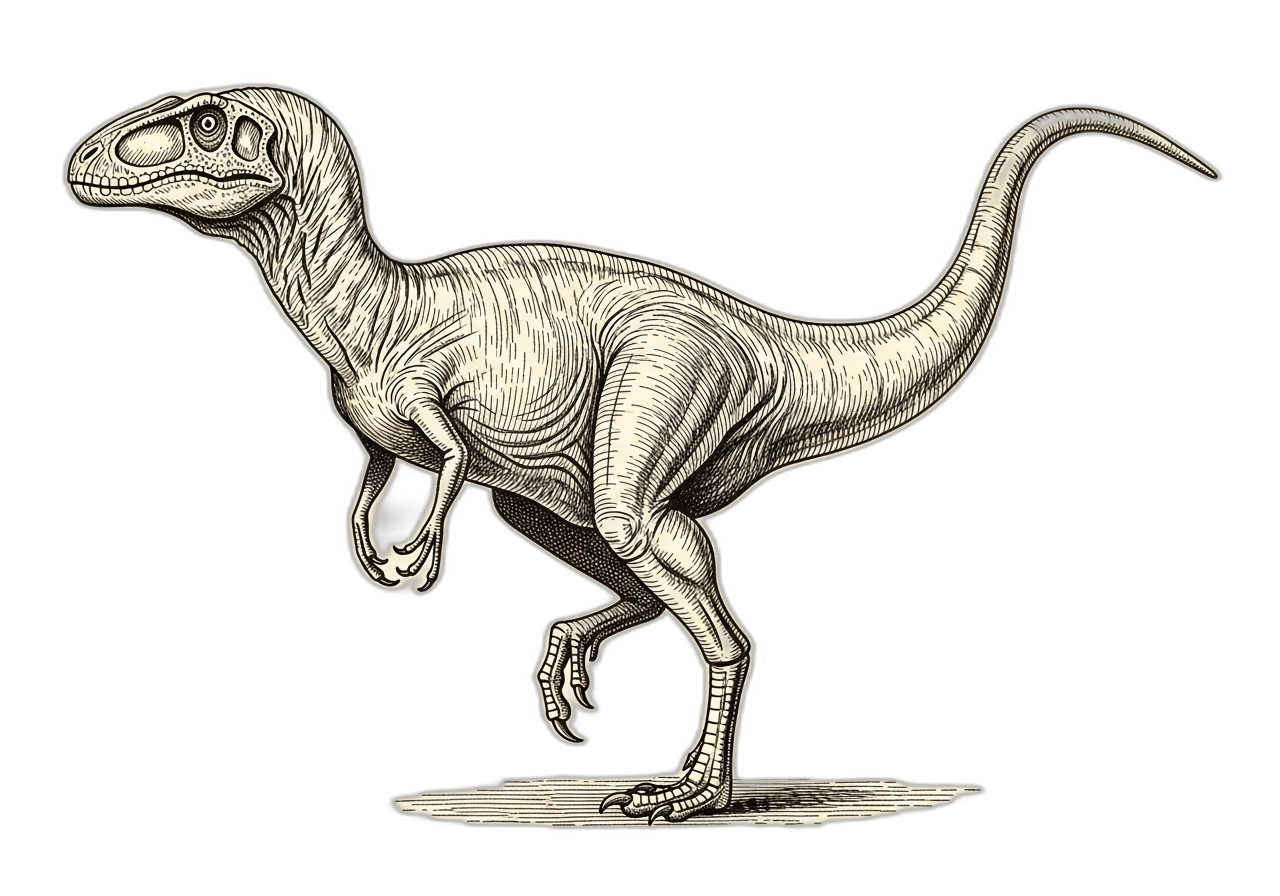
Eodromaeus
Eodromaeus murphi
Eodromaeus is from the Ischigualasto Formation of Argentina, the same Late Triassic ecosystem as Staurikosaurus.
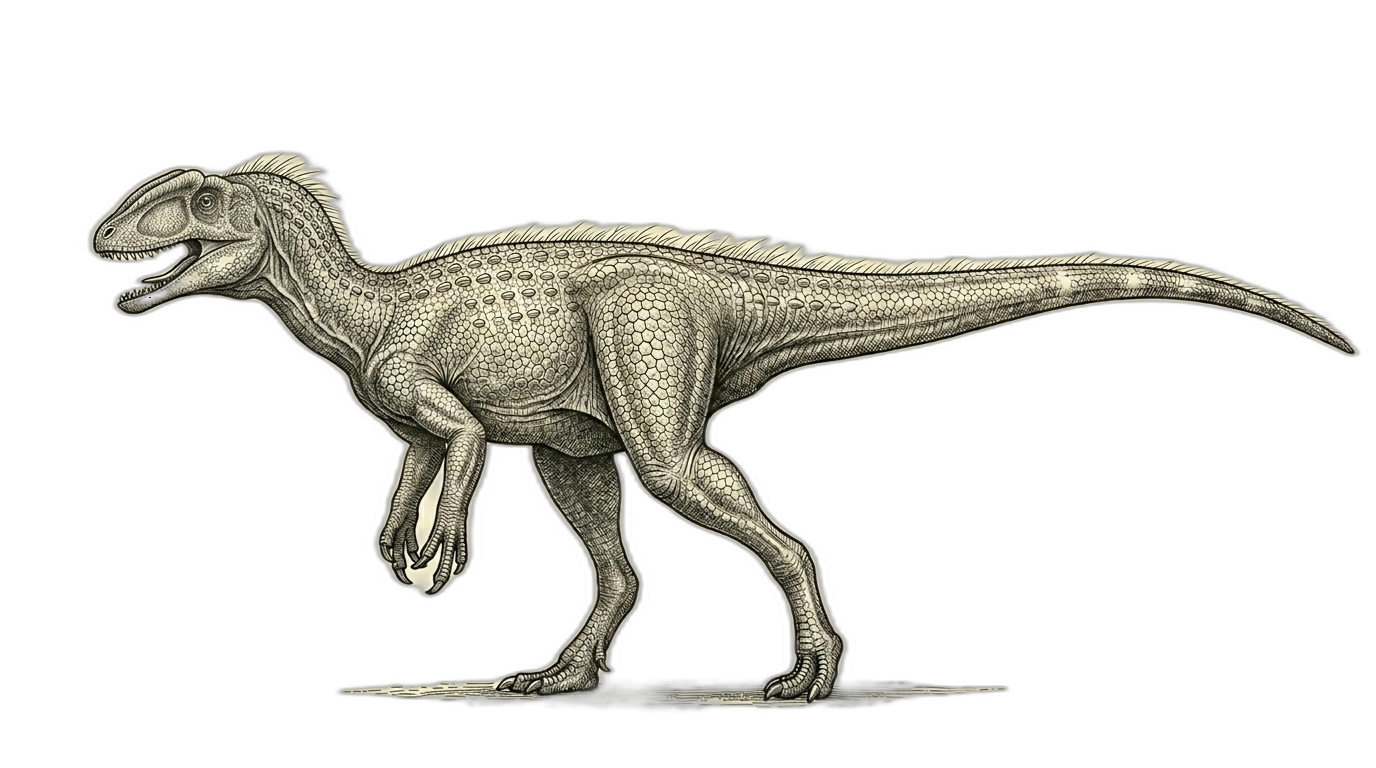
Liliensternus
Both are Late Triassic theropods representing parallel experiments in early predatory dinosaur evolution.
Sources & Citation
- Length estimates
- Bittencourt & Kellner (2009), Osteology of Staurikosaurus pricei
- Height estimates
- Estimated from skeletal proportions; Colbert (1970)
- Weight estimates
- Bittencourt & Kellner (2009)
- Speed estimates
- Biomechanical estimate based on hindlimb proportions