Elliot Formation
Eastern Cape, Free State, KwaZulu-Natal, South Africa, Lesotho
Why It Matters
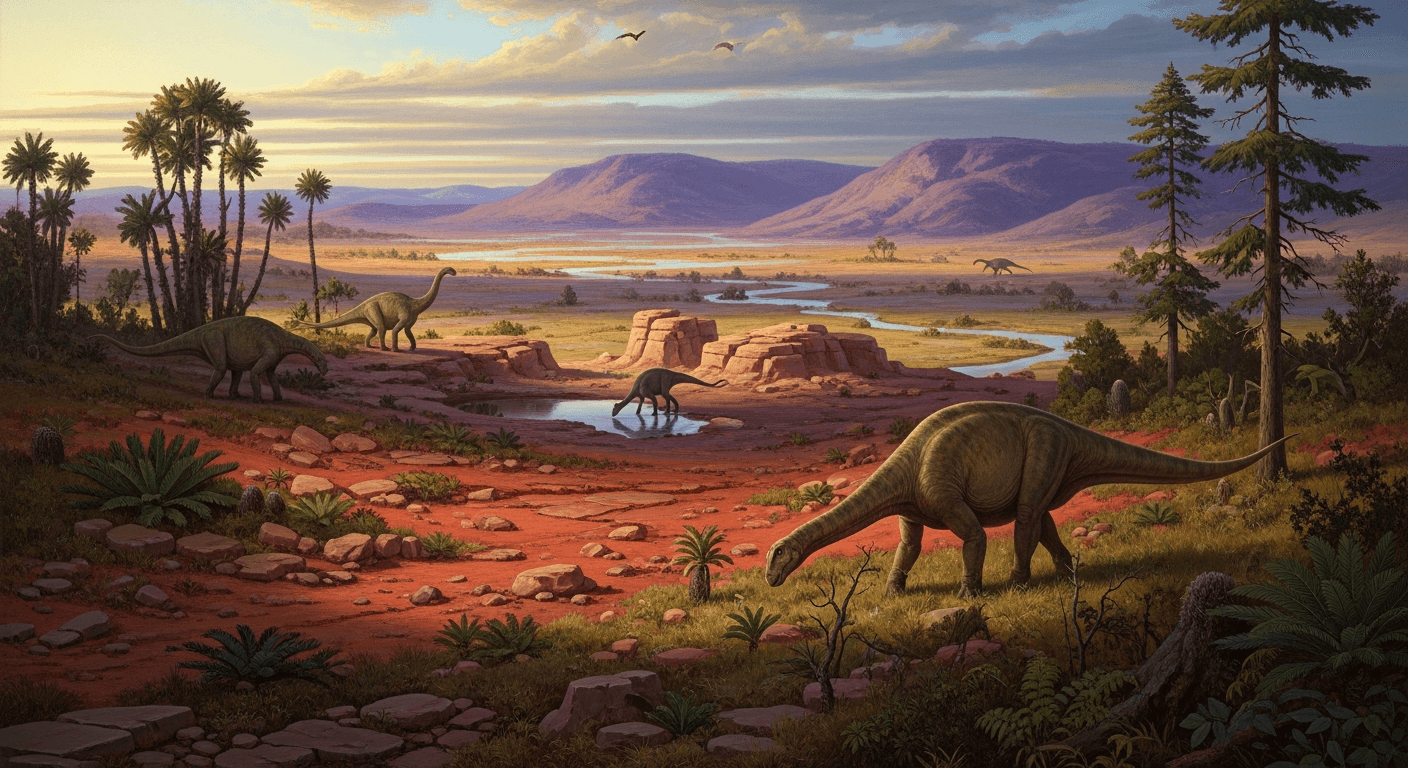
The Elliot Formation is one of the most important dinosaur-bearing units in Africa, preserving a critical Late Triassic to Early Jurassic . It documents the transition from the Triassic to Jurassic periods and contains a wider diversity of 30+ early dinosaurs including Heterodontosaurus and Massospondylus. The formation provides key evidence for understanding early and evolution in .
How Fossils Survived
The Elliot Formation consists predominantly of red and purple mudstones with subordinate sandstones, representing a semi-arid floodplain and ephemeral river system environment. These continental sediments were deposited in the Karoo Basin. Fossils are typically preserved in mudstone and fine-grained sandstone units, often as or associated skeletons.
Discovery History
Fossil discoveries from the Elliot Formation date back to the mid-19th century, with systematic excavations increasing throughout the 20th century. Major contributions came from South African institutions including the Bernard Price Institute and Albany Museum. Recent work has yielded numerous new species and important embryonic dinosaur material from sites like the Rooidraai locality.
Dinosaurs in the Vault
3 species in our database · sorted by size
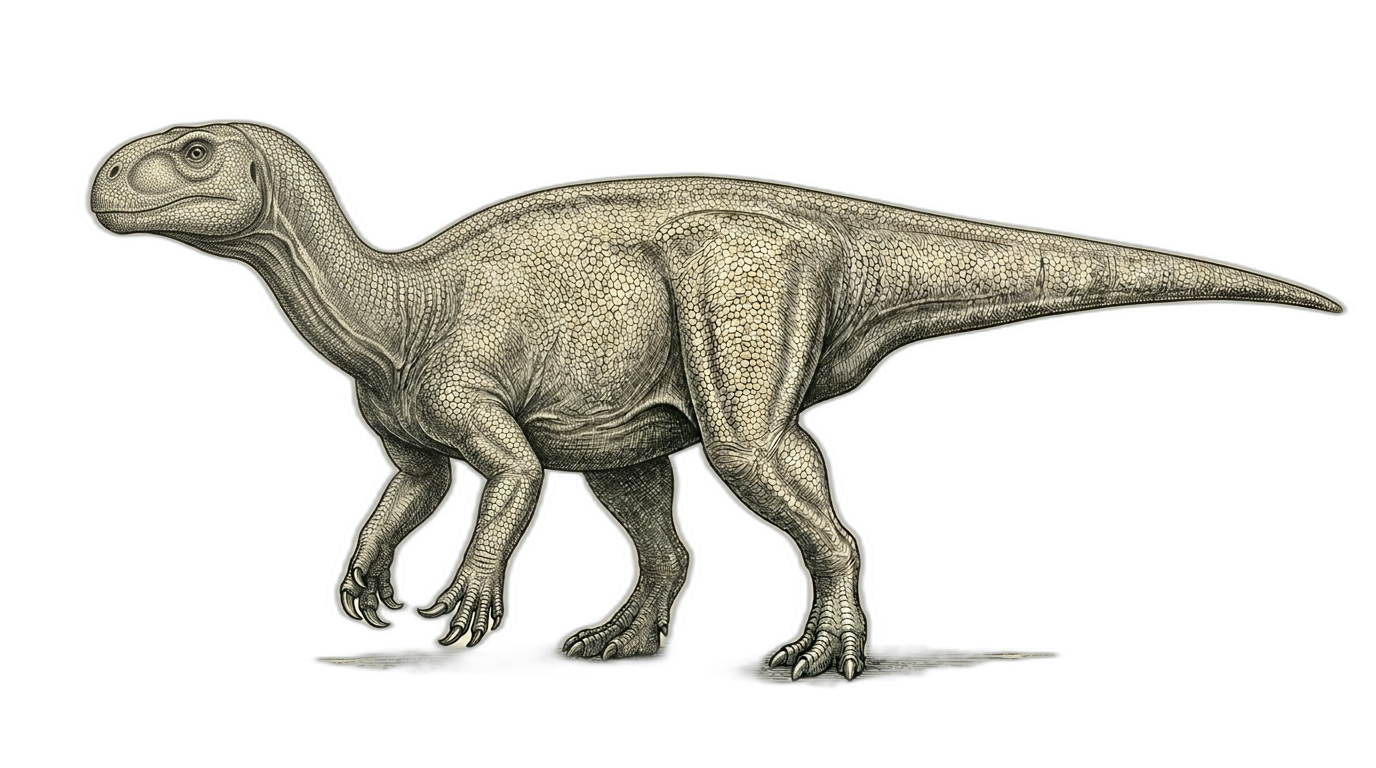
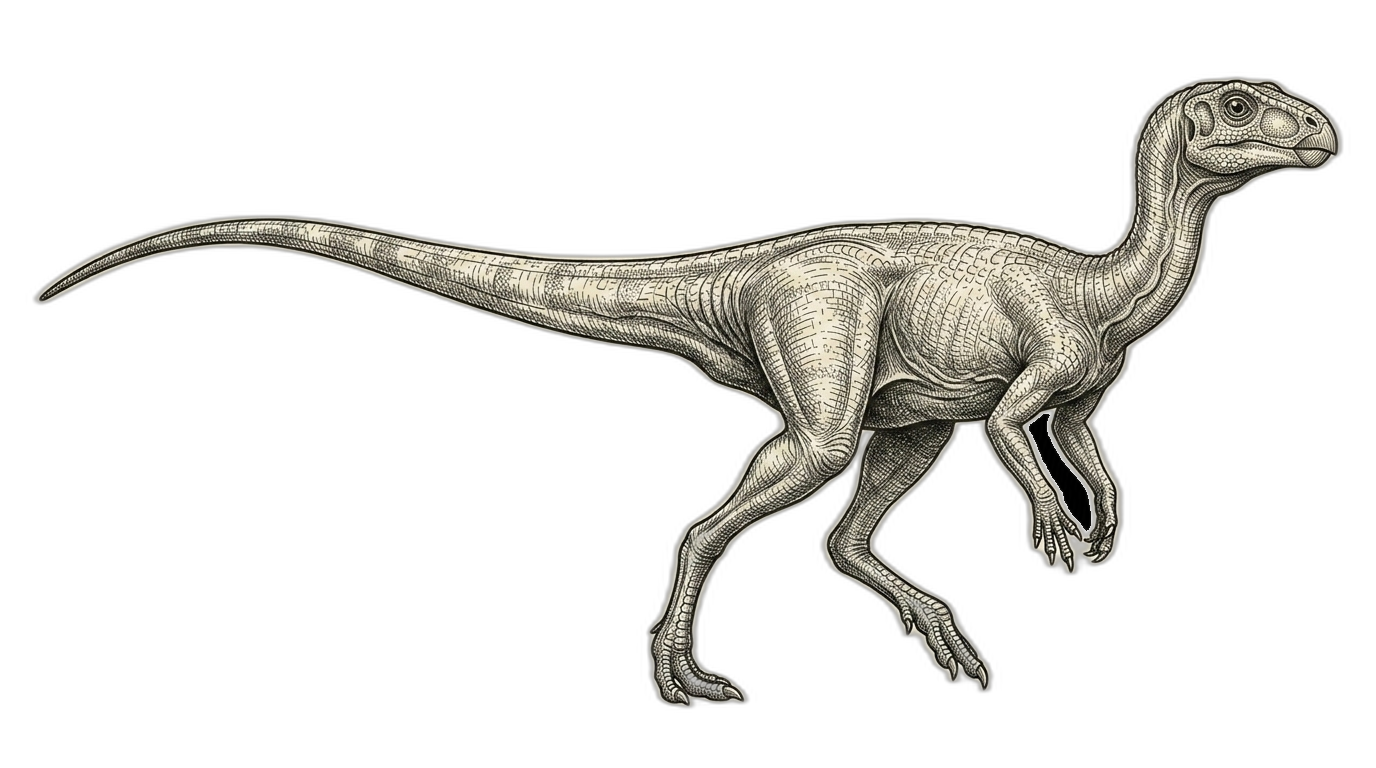
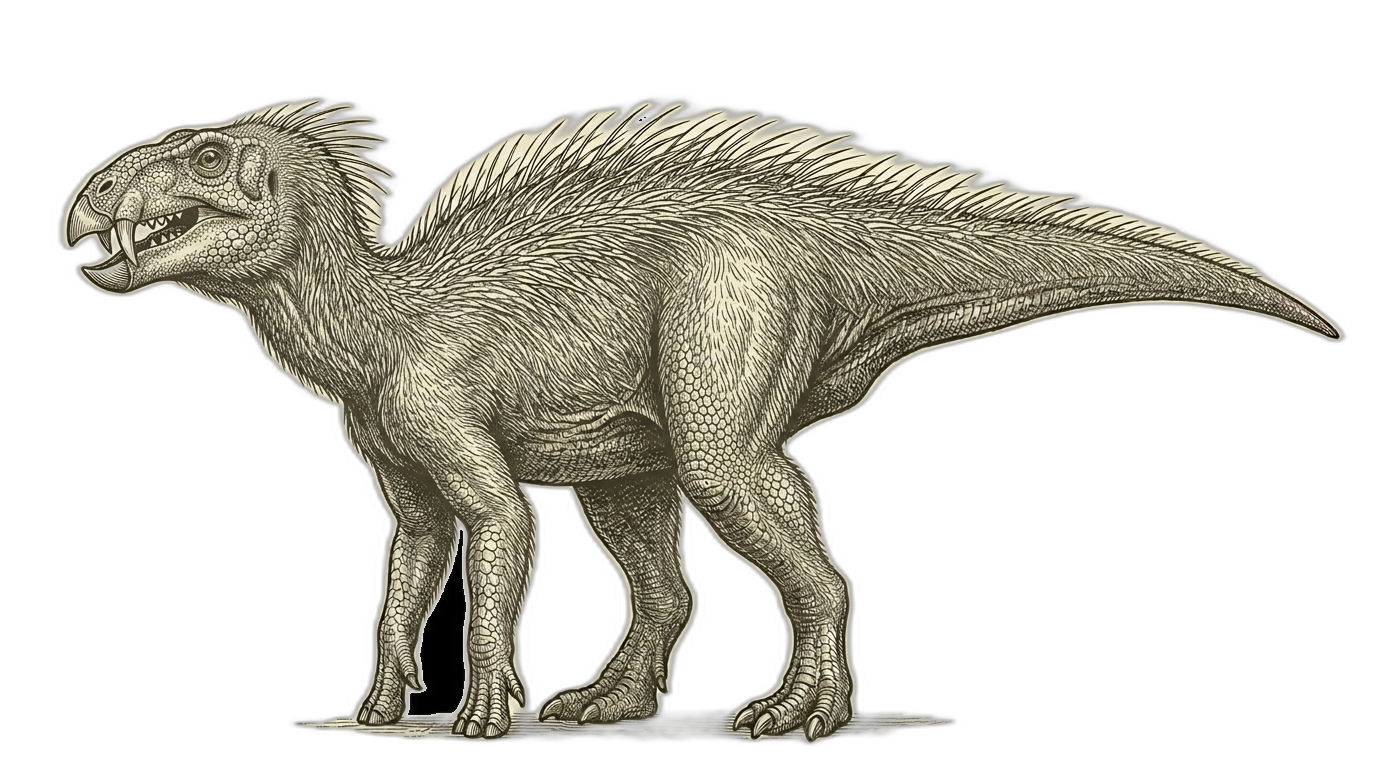
- The formation has produced some of the oldest known dinosaur embryos, including Massospondylus embryos from nests dated to approximately 190 million years ago