About
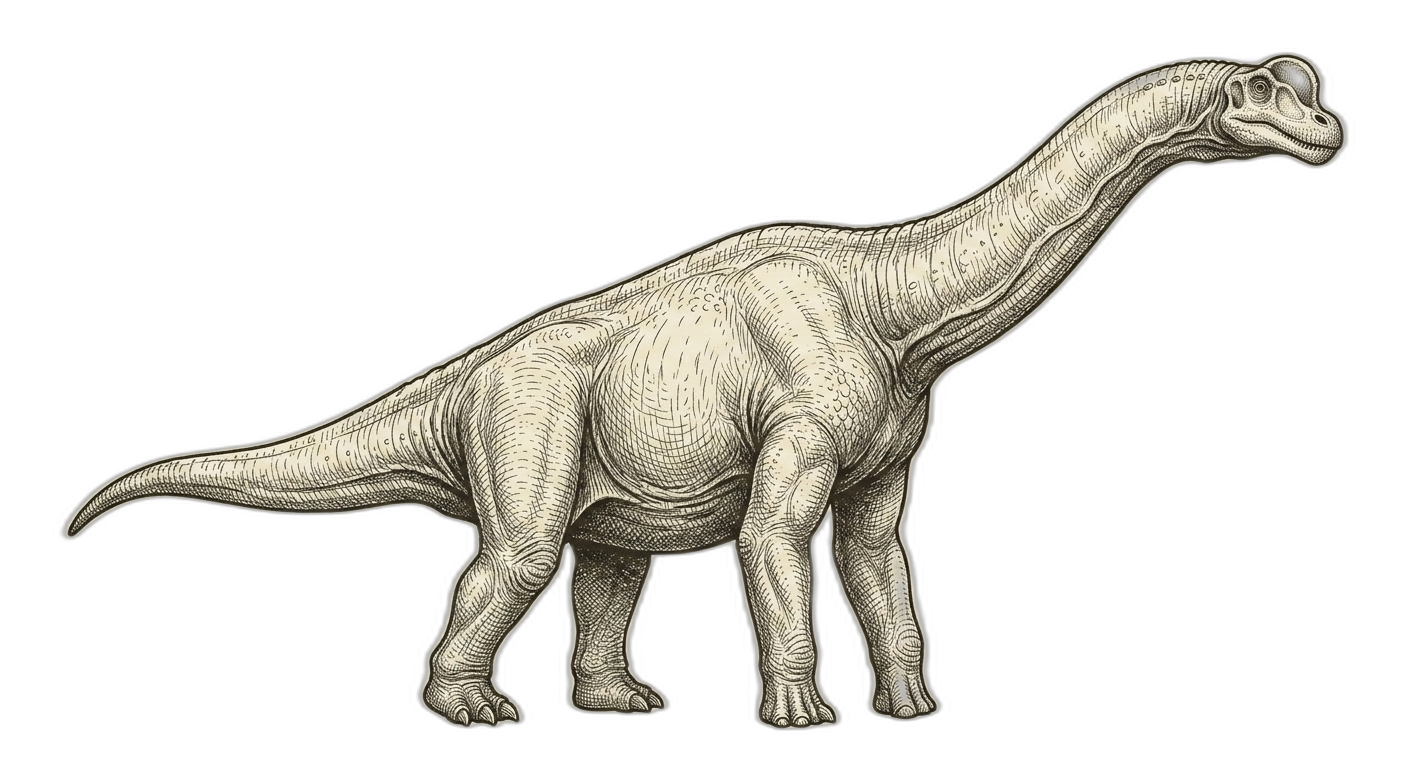
Brachiosaurus was built differently from most other giant sauropods. While animals like Diplodocus held their necks roughly horizontal, Brachiosaurus had front legs longer than its hind legs — like a giraffe — giving it a permanently upward-sloping posture and allowing it to browse at extreme heights. At full stretch, its head could reach nearly 13 meters off the ground.
For decades, scientists thought Brachiosaurus must have lived in water to support its enormous weight — the buoyancy hypothesis. We now know this was wrong. Its leg bones were fully capable of supporting it on land, and its nostrils and lungs were adapted for breathing, not aquatic wading.
Brachiosaurus and the other Morrison Formation giants were ecological engineers on a vast scale. A herd of animals this size would have dramatically reshaped the landscape — knocking down trees, creating clearings, and opening up habitats for smaller animals.
Interestingly, the dinosaur you see in many museum mounts labeled 'Brachiosaurus' is actually Giraffatitan brancai — a closely related African species once thought to be the same animal. The two lived on the same continent before began to split.
Quick Facts
- Scientific name
- Brachiosaurus altithorax
- Group
- Sauropodomorph · Brachiosauridae
- Lived
- Late Jurassic, 154.8–143.1 million years ago
- Diet
- Herbivore
- Movement
- Walked on four legs
- Fossils found in
- Morrison Formation (United States)
- Discovery credited to
- 1900, Elmer Riggs
- Holotype
- FMNH P 25107 · Field Museum of Natural History, Chicago
- DinoVault record
- DVL-0019
Where fossils were found
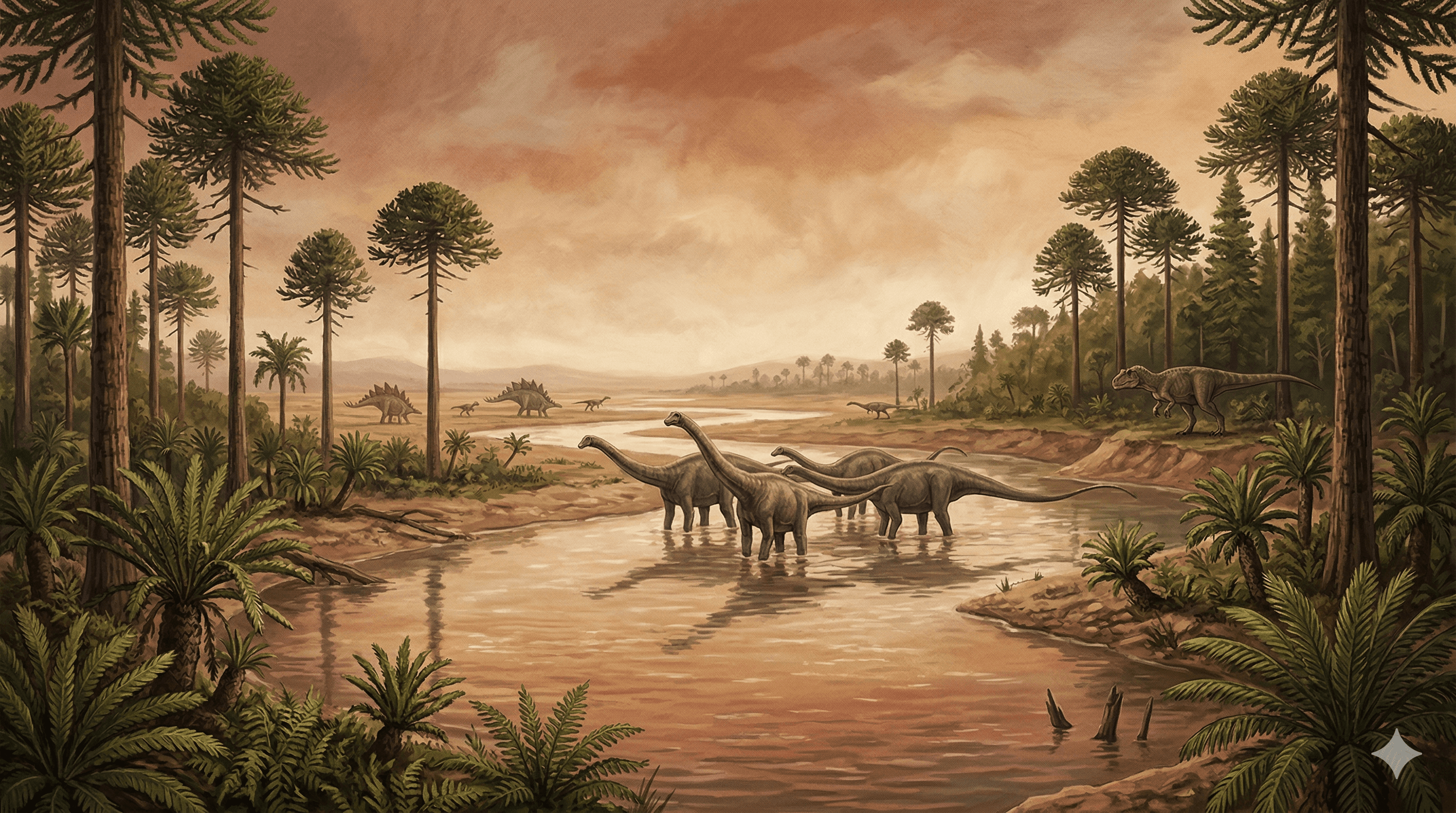
Morrison Formation
Colorado, Utah, Wyoming, Montana +6 more · United States
154.8–143.1 million years ago(11.7m year span)
Where Brachiosaurus Roamed
During the Late Jurassic, Brachiosaurus altithorax roamed the semi-arid floodplains of what is now the Morrison Formation in western North America, a vast landscape of meandering rivers, seasonal wetlands, and conifer-dotted savannas stretching across the interior of Laurasia. This region lay far from the advancing waters of the nascent Western Interior Seaway, offering a warm, subtropical climate with pronounced dry seasons that shaped one of the richest dinosaur ecosystems ever discovered.
Keep exploring the vault
Allosaurus
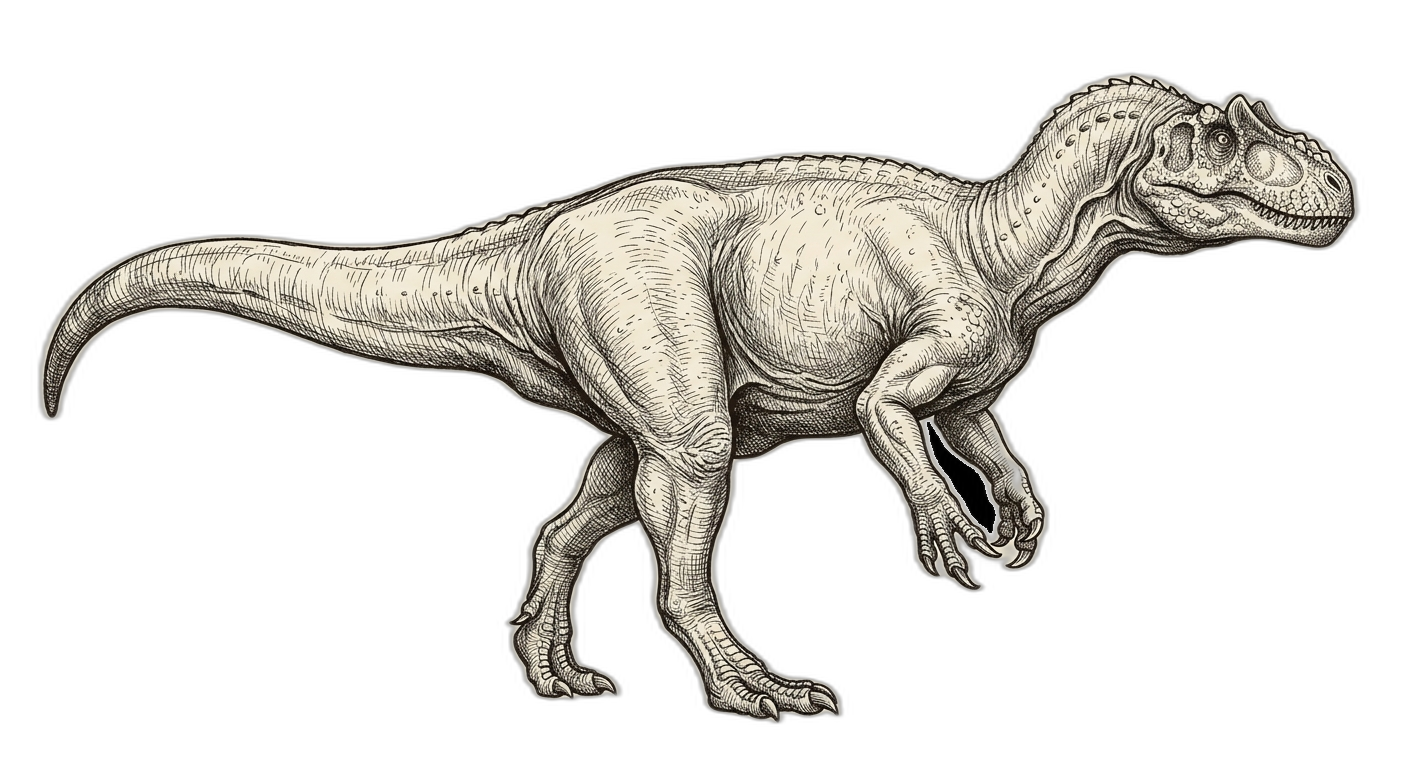
Allosaurus fragilis
Allosaurus was the apex predator of the Morrison Formation and likely hunted sauropods.
Diplodocus
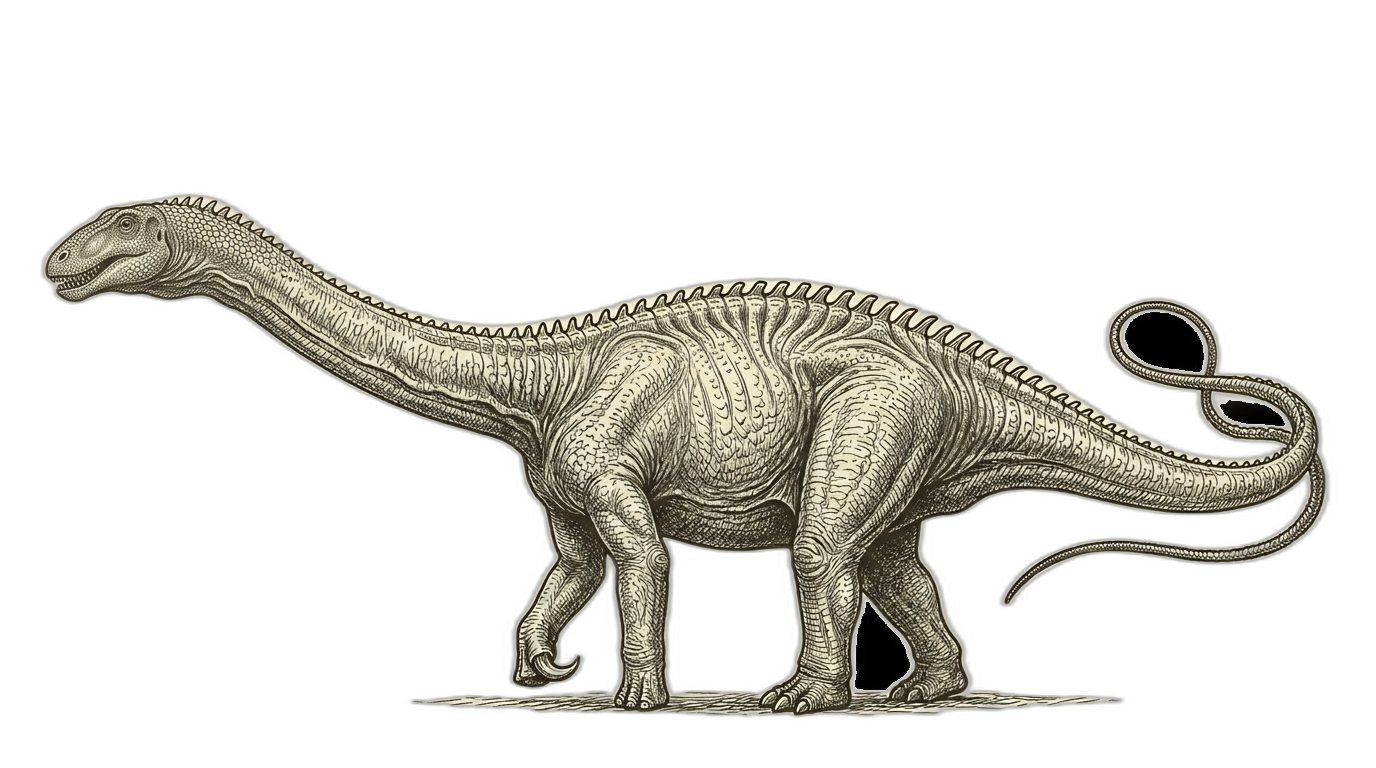
Diplodocus carnegii
Both were massive sauropod herbivores in the Morrison Formation.
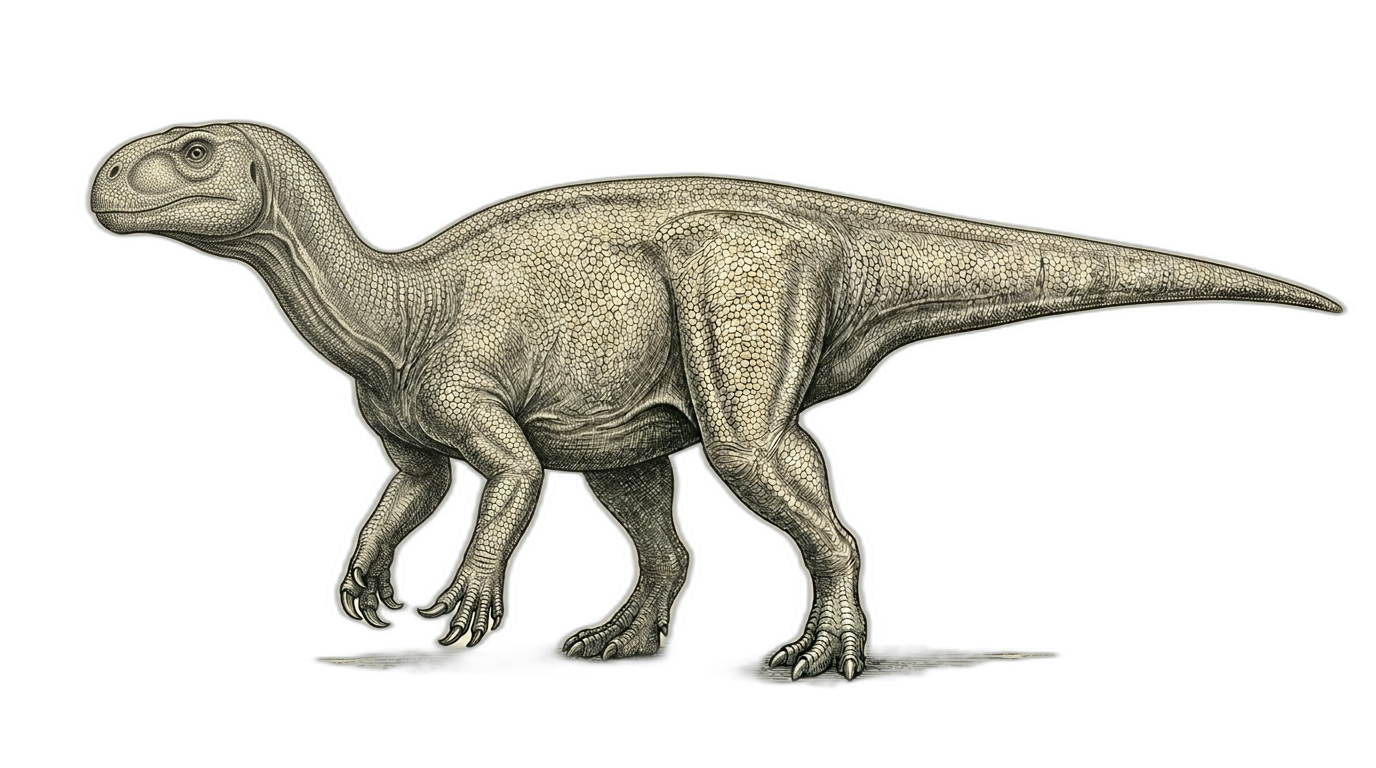
Massospondylus
Massospondylus carinatus
Early sauropodomorphs like Massospondylus represent the ancestral body plan from which all later sauropods descended.
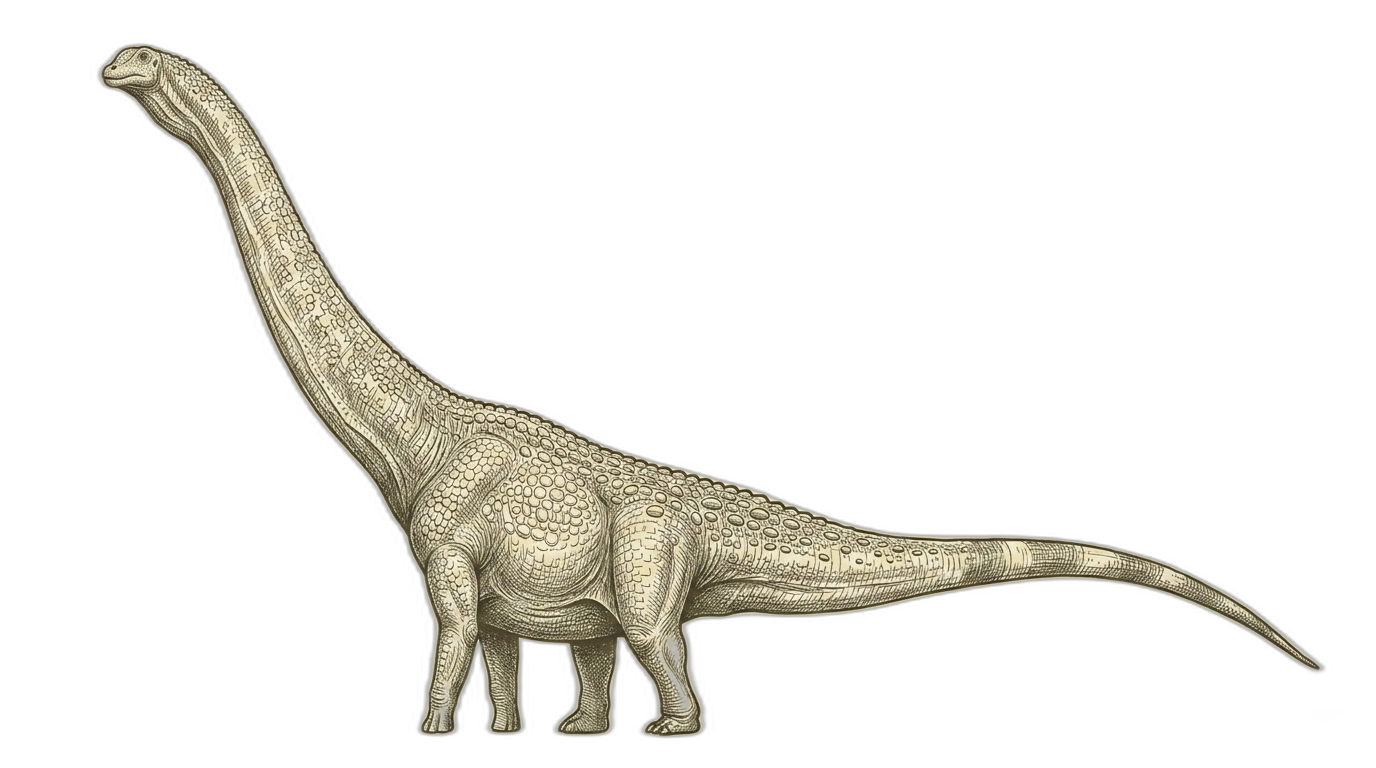
Patagotitan
Both represent the evolutionary drive toward extreme gigantism in sauropods, though from different lineages and time periods.
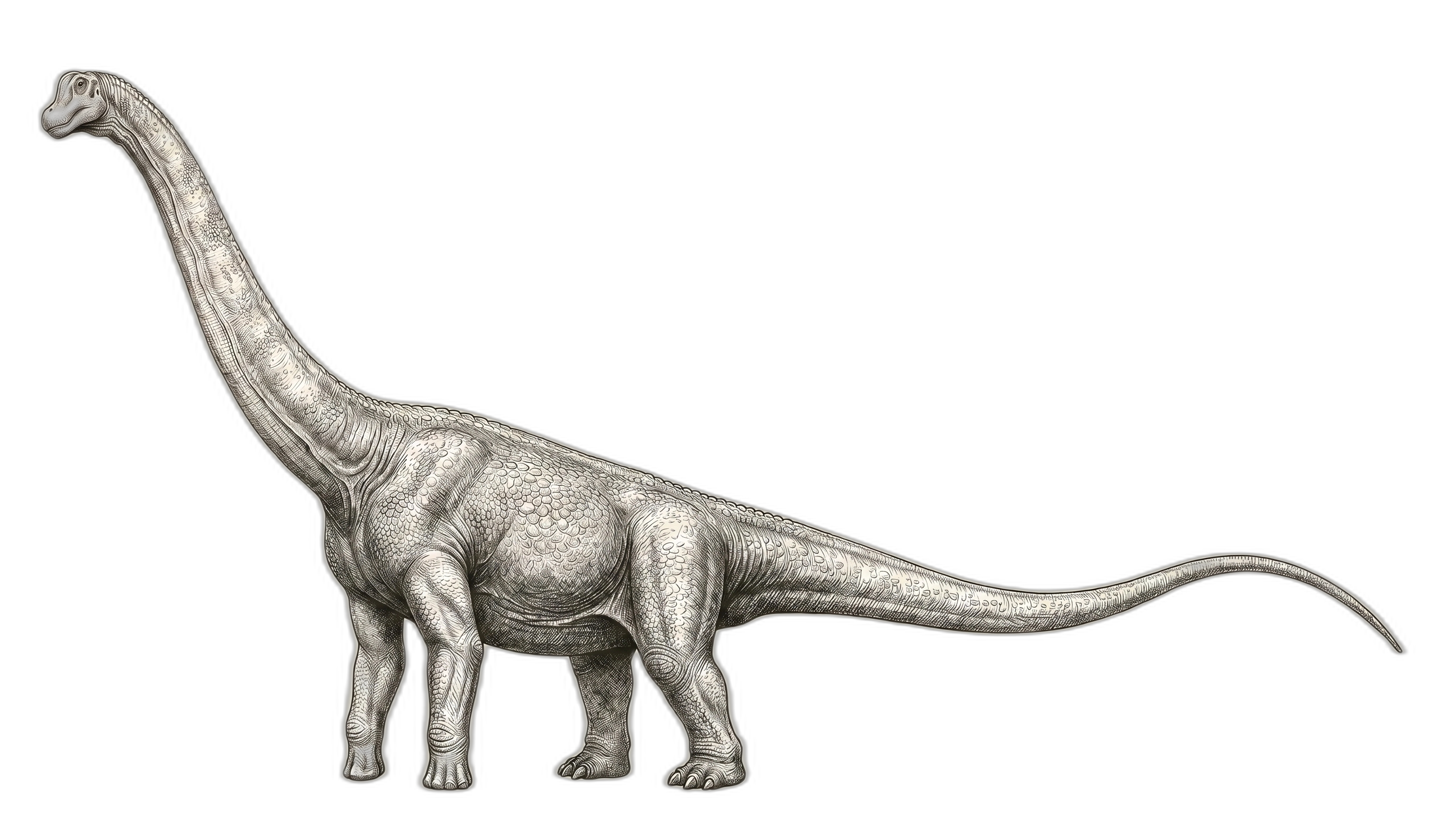
Sauroposeidon
Sauroposeidon proteles
Same family: Brachiosauridae
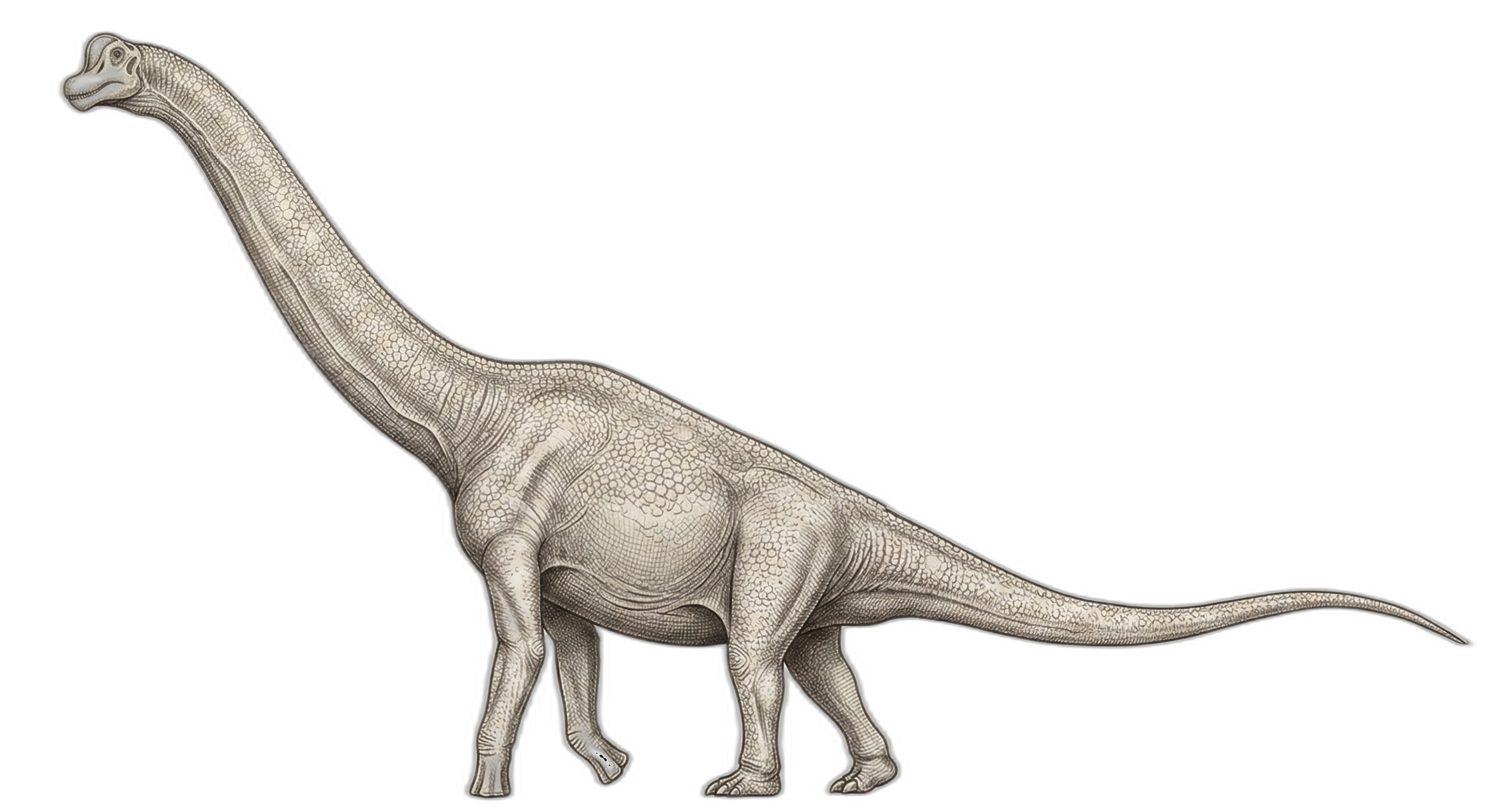
Giraffatitan
Giraffatitan brancai
Same family: Brachiosauridae
Sources & Citation
- Length estimates
- Estimated from partial skeleton; front limbs notably longer than hind limbs
- Height estimates
- Head height estimated from neck posture models
- Weight estimates
- Wide range due to incomplete fossil material and varying body density assumptions