About
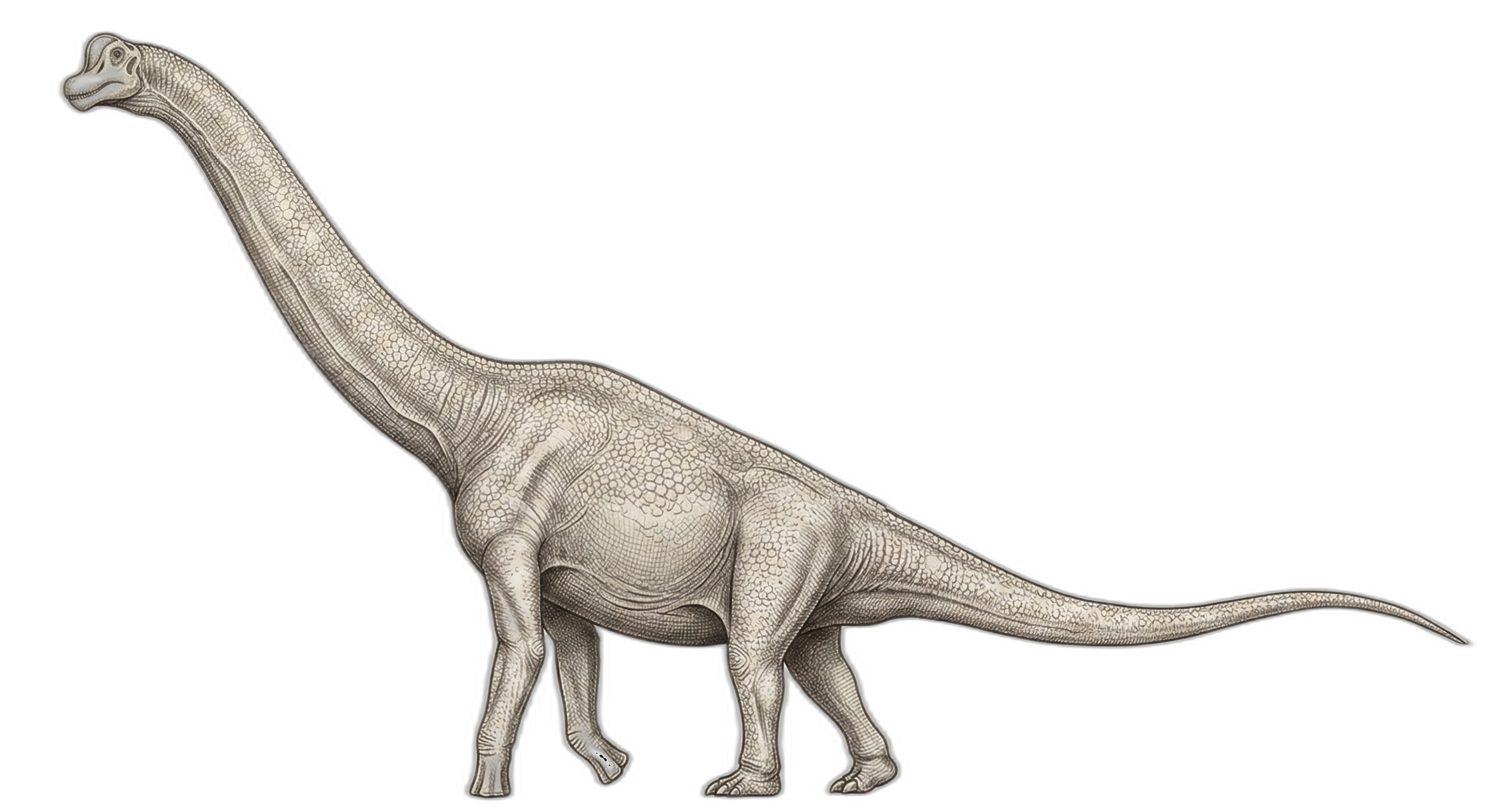
Giraffatitan was a colossal dinosaur that roamed the coastal floodplains of what is now Tanzania during the Late Jurassic, roughly 150 million years ago. With its remarkably long neck held high and its front legs longer than its rear legs, this animal could browse treetops that were utterly unreachable to other herbivores of its time. Its body plan was perfectly adapted for high-browsing, essentially filling the ecological role of a super-sized giraffe.
For nearly a century, Giraffatitan was considered an African species of the North American Brachiosaurus, until detailed studies revealed the two were actually quite different animals. In 2009, paleontologist Michael Taylor formally separated them, establishing Giraffatitan as its own genus. The key differences include a more arched skull, differently proportioned , and distinct features of the limb bones — differences significant enough to represent millions of years of separate evolution on different continents.
The discovery of Giraffatitan is one of paleontology's great adventure stories. German expeditions to Tendaguru Hill in German East Africa (now Tanzania) between 1909 and 1913 recovered hundreds of tons of fossil bones, transported by thousands of local workers across 65 kilometers of wilderness to the coast. The mounted skeleton in Berlin's Museum für Naturkunde remains the tallest mounted dinosaur skeleton in the world.
Perhaps most remarkably, Giraffatitan's heart would have needed to generate enormous blood pressure to pump blood up that towering neck to its brain — a cardiovascular challenge that has fascinated scientists studying how such extreme body plans could function.
Quick Facts
- Scientific name
- Giraffatitan brancai
- Group
- Sauropodomorph · Brachiosauridae
- Lived
- Late Jurassic, 154.8–150.8 million years ago
- Diet
- Herbivore
- Movement
- Walked on four legs
- Fossils found in
- Tendaguru Formation (Lindi, Tanzania)
- Discovery credited to
- 1909, Werner Janensch (described; expedition led by Eberhard Fraas initially)
- Holotype
- MB.R.2181 (formerly HMN SII) · Museum für Naturkunde, Berlin
- DinoVault record
- DVL-0059
Where fossils were found
Tendaguru Formation
Lindi · Tanzania
154.8–150.8 million years ago(4m year span)
Where Giraffatitan Roamed
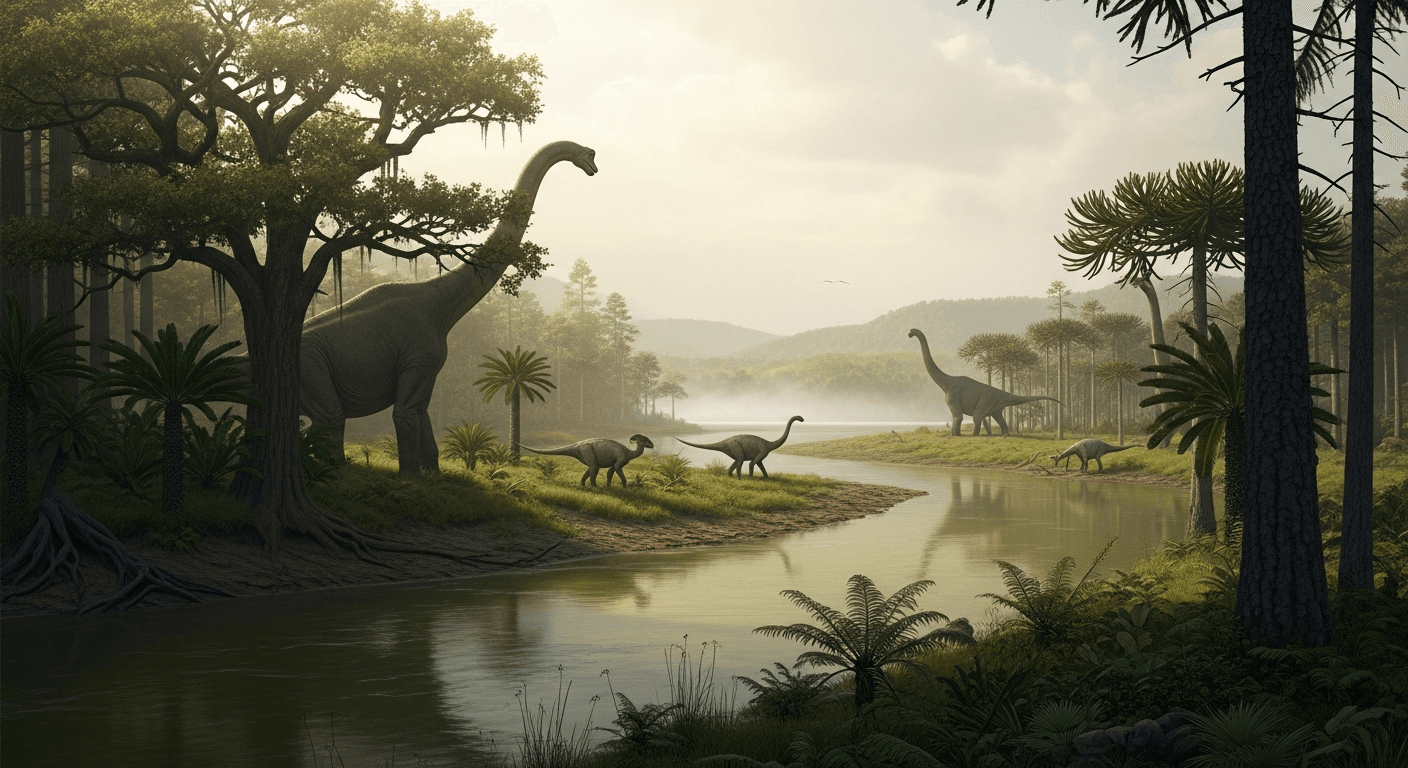
During the Late Jurassic, Giraffatitan brancai roamed the Tendaguru region of what is now Tanzania, then part of the fragmenting supercontinent Gondwana along the southeastern coast of Africa. This lush, semi-arid coastal plain bordered the young Indian Ocean, featuring seasonal rivers, conifer-dotted woodlands, and cycad thickets that supported one of the most diverse dinosaur faunas ever discovered.
Keep exploring the vault
Allosaurus
Allosaurus fragilis
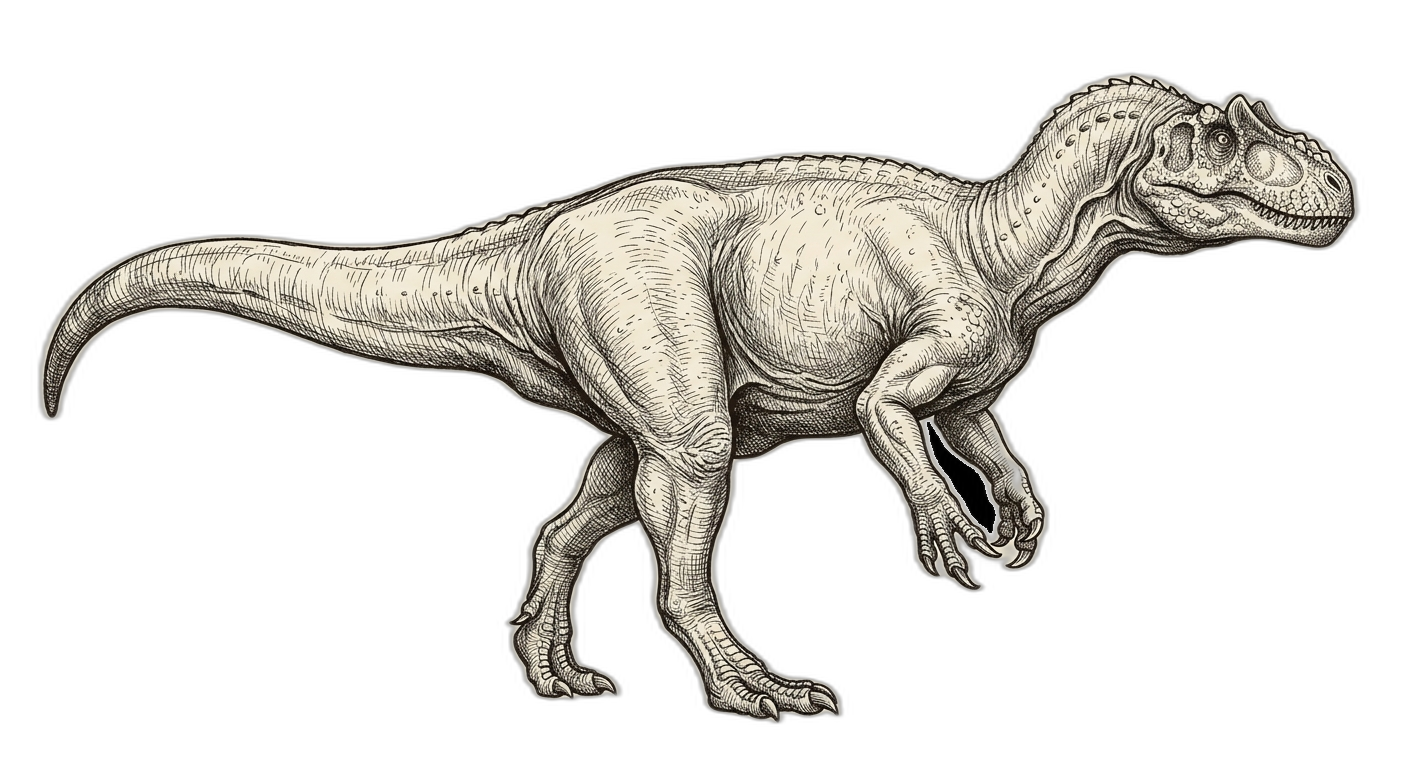
Allosaurus-type theropods are known from Tendaguru-equivalent deposits.
Diplodocus
Diplodocus carnegii
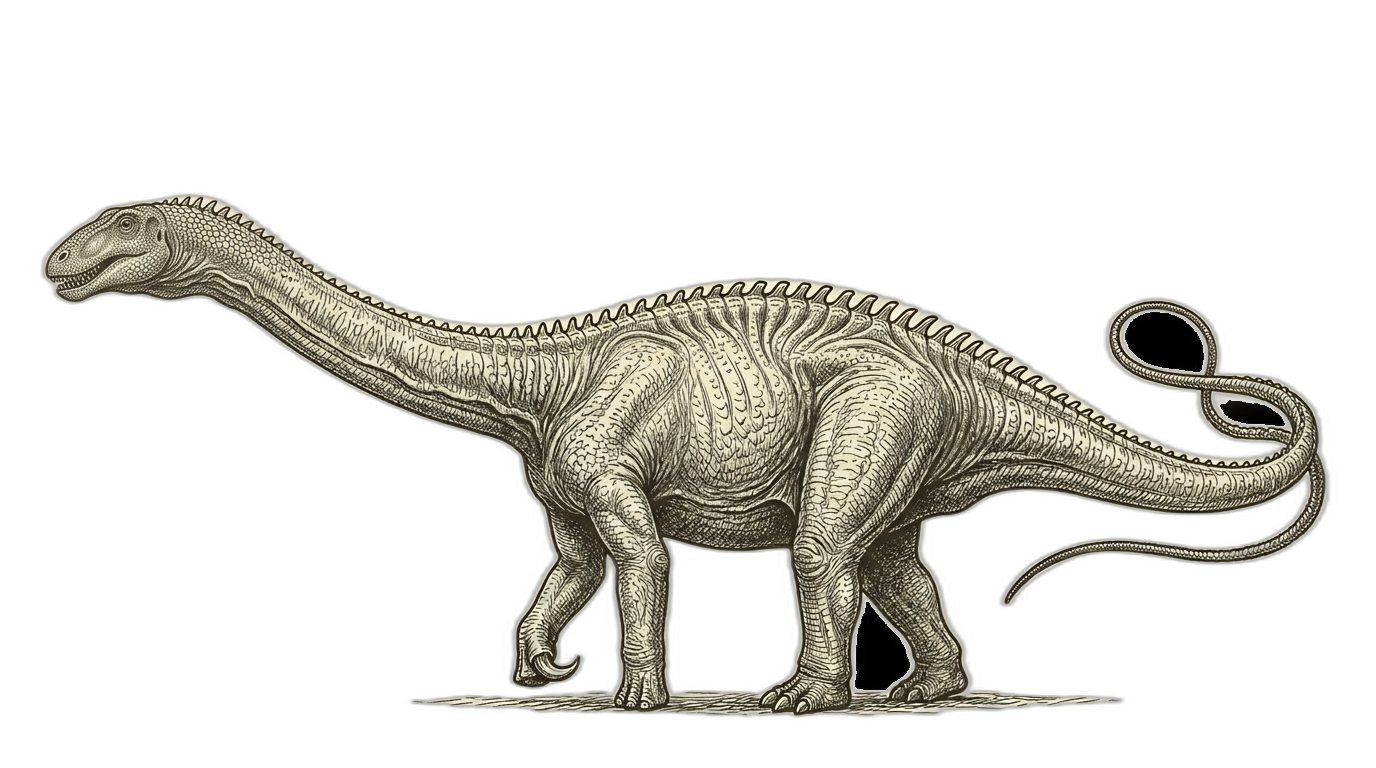
Though from different formations, diplodocids and brachiosaurids coexisted in Late Jurassic ecosystems globally; their different neck orientations (horizontal vs. vertical) suggest niche partitioning, but both competed for overall plant resources in similar temporal windows.
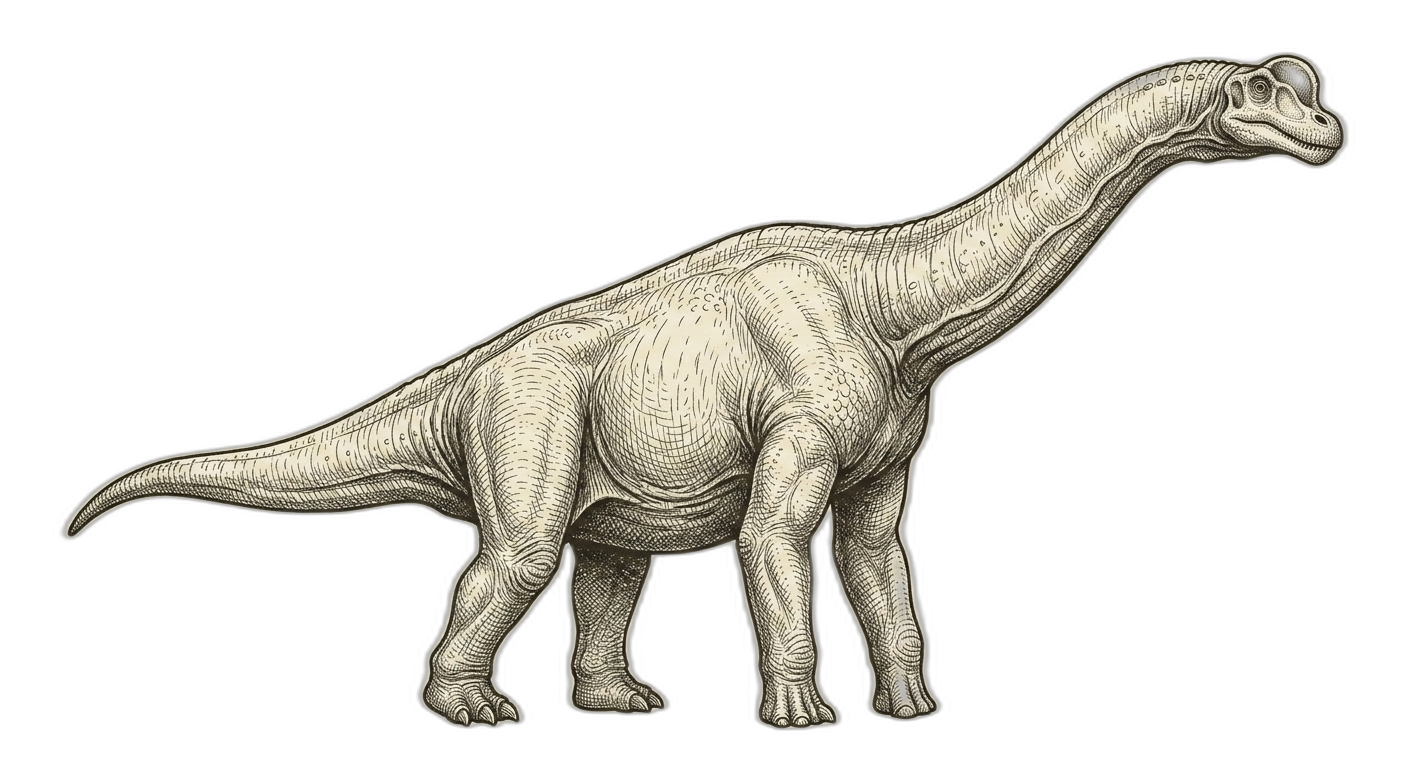
Brachiosaurus
Brachiosaurus altithorax
Giraffatitan and Brachiosaurus represent the same macronarian body plan optimized for high browsing — elongated forelimbs, vertical necks, and elevated heads — with Brachiosaurus in North America and Giraffatitan in Africa during the Late Jurassic, demonstrating parallel success of this ecological strategy across continents.
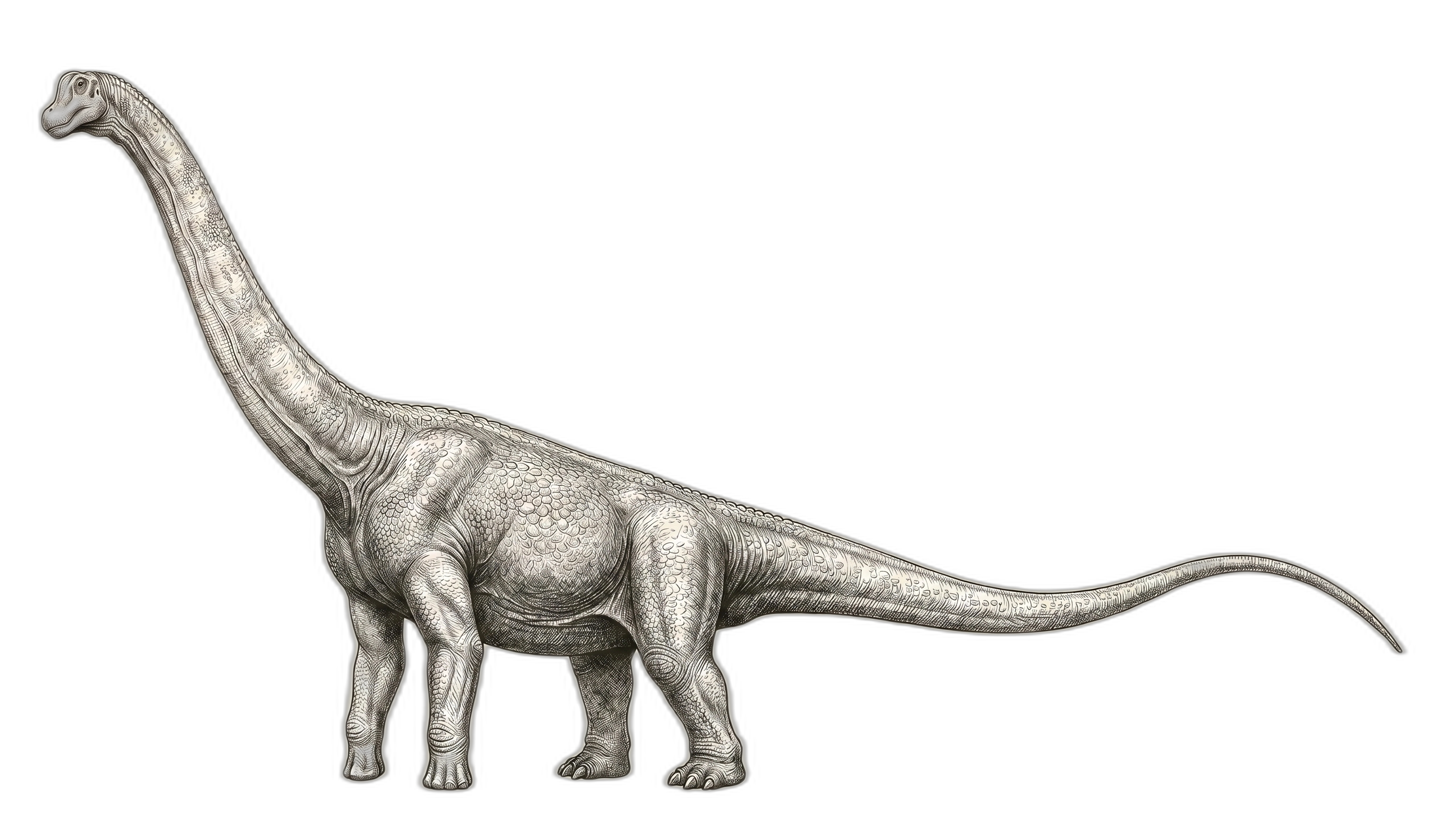
Sauroposeidon
Sauroposeidon proteles
Same family: Brachiosauridae
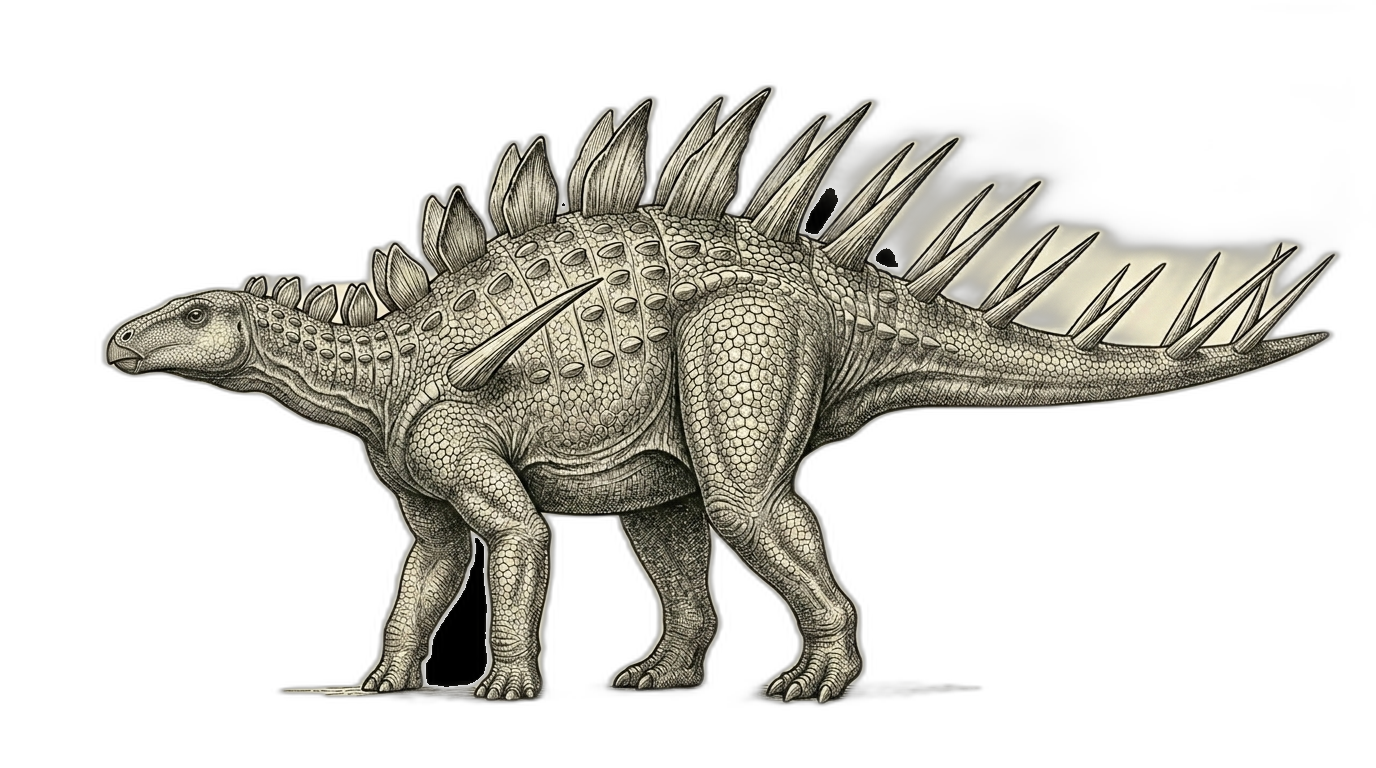
Kentrosaurus
Kentrosaurus aethiopicus
Both Giraffatitan and Kentrosaurus are well-documented from the Tendaguru Formation of Tanzania, with numerous specimens found in close association, indicating they shared the same Late Jurassic ecosystem.
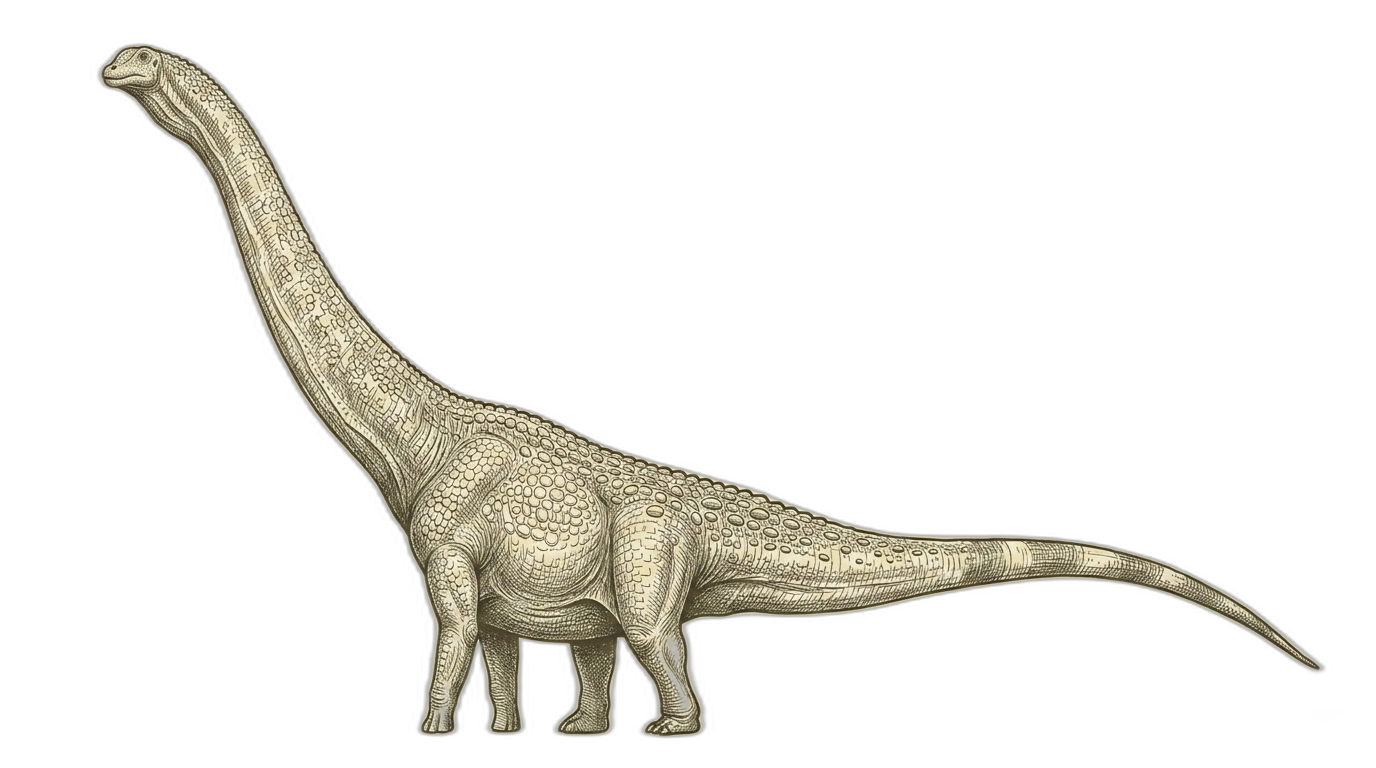
Patagotitan
Both represent independent titanosauriform lineages that achieved extreme gigantism (35+ tons), exploring the upper limits of terrestrial body size through similar adaptations in skeletal pneumaticity and columnar limbs, though separated by ~30 million years.
Sources & Citation
- Length estimates
- Taylor 2009; Janensch 1950; based on relatively complete Berlin specimen
- Height estimates
- Shoulder height from mounted Berlin specimen (MB.R.2181); total height with neck ~12-13m
- Weight estimates
- Benson et al. 2014; mass estimates vary significantly by methodology
- Speed estimates
- Estimated from trackway studies and biomechanical modeling; Henderson 2006