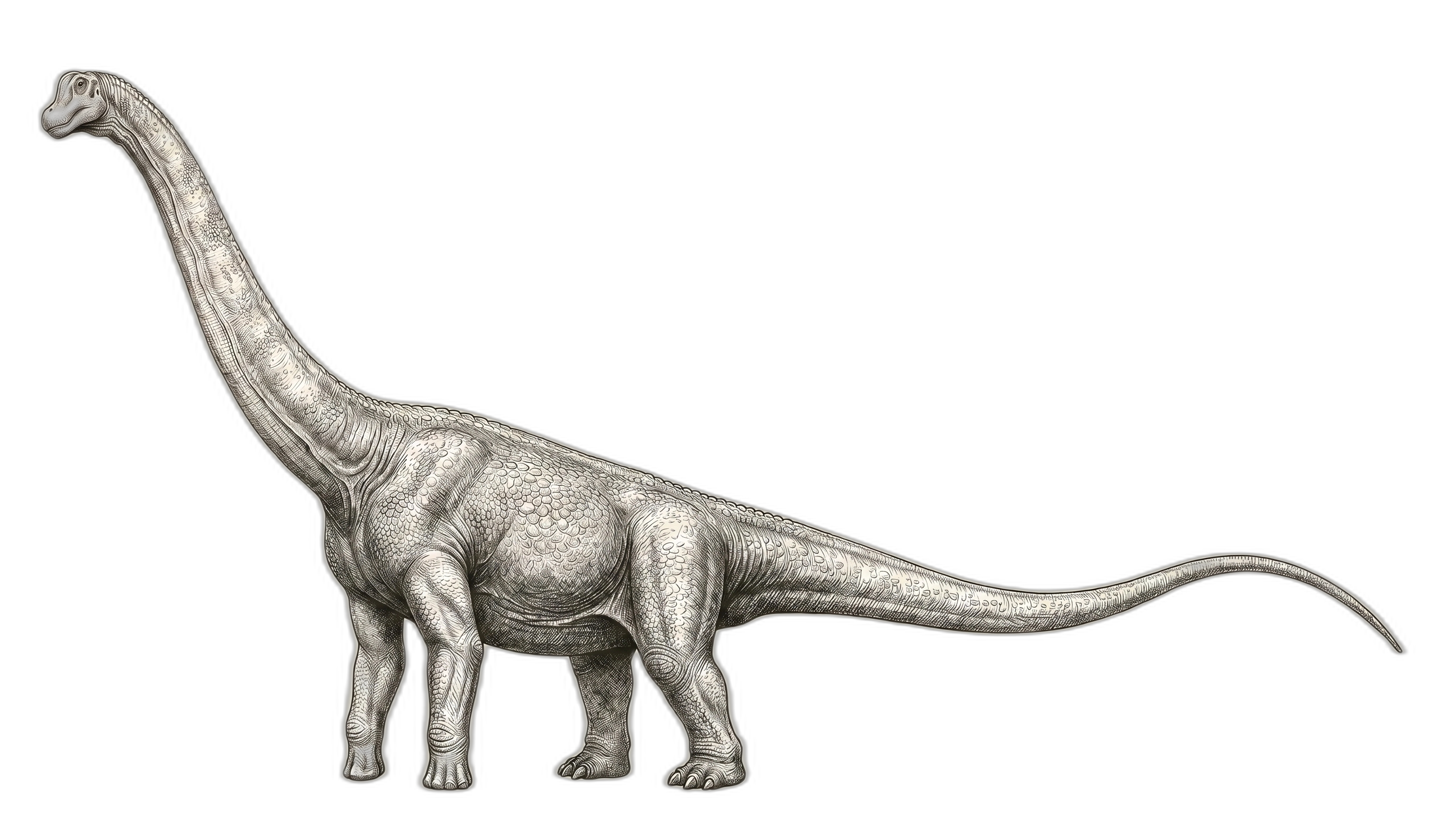
About
Sauroposeidon was a colossal dinosaur that roamed what is now the southern United States during the Early Cretaceous period, approximately 110-100 million years ago. Its name, meaning "lizard earthquake god" (after Poseidon, the Greek god of earthquakes), reflects the tremors this massive creature must have caused with every step. As one of the last giant brachiosaur-like sauropods in North America, it represents the twilight of a lineage that had dominated Jurassic landscapes.
This enormous herbivore possessed an extraordinarily long neck, with individual cervical measuring over a meter in length—among the longest of any known dinosaur. Like its relatives, Sauroposeidon was built for high browsing, capable of reaching vegetation that no other animal could access. Its front legs were longer than its hind legs, giving it a distinctive upward-sloping profile that further extended its feeding range into the forest canopy.
The first Sauroposeidon fossils were discovered in 1994 in rural Oklahoma by dog-walking prison inmates working on a chain gang, though the bones initially sat unstudied for years. When paleontologist Richard Cifelli and his team finally examined the massive neck vertebrae in 1999, they realized they had found something extraordinary. The species was formally named in 2000, and additional material including a with multiple individuals has since been found in Texas and Wyoming.
Sauroposeidon's discovery helped reshape our understanding of Cretaceous ecosystems in North America, proving that giant sauropods persisted on this continent long after their supposed decline. Trackways attributed to this dinosaur suggest it lived in herds and traversed coastal floodplains, leaving footprints that would have been large enough to bathe in.
Quick Facts
- Scientific name
- Sauroposeidon proteles
- Group
- Sauropodomorph · Titanosauria
- Lived
- Early Cretaceous, 113.2–93.9 million years ago
- Diet
- Herbivore
- Movement
- Walked on four legs
- Fossils found in
- Antlers Formation (Oklahoma, Texas, United States)
- Discovery credited to
- 1994, Richard Cifelli (formal description team leader)
- Holotype
- OMNH 53062 · Sam Noble Oklahoma Museum of Natural History, Norman
- DinoVault record
- DVL-0121
Where fossils were found
Antlers Formation
Oklahoma, Texas · United States
113.2–93.9 million years ago(19.3m year span)
Where Sauroposeidon Roamed
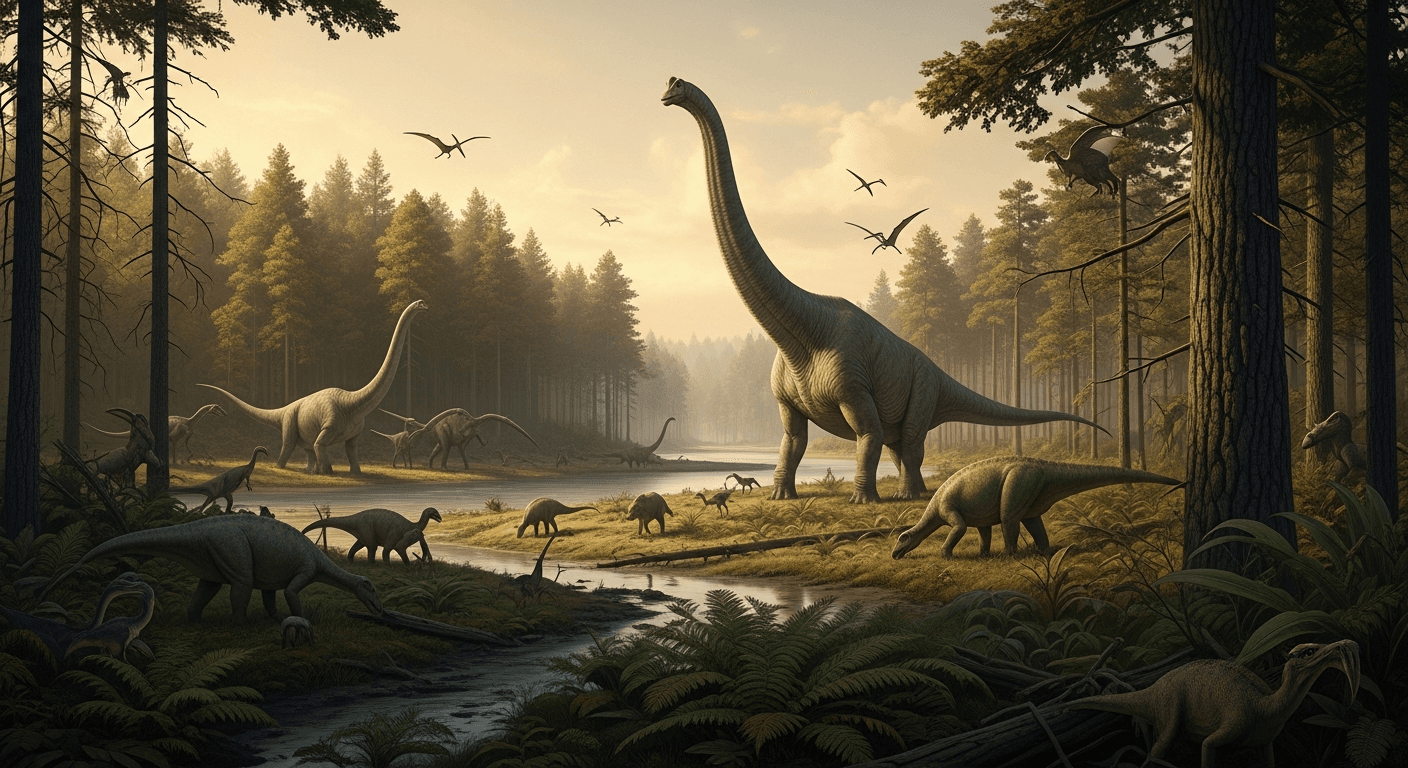
During the Early Cretaceous, Sauroposeidon roamed the coastal plains and river deltas along the southern margin of North America, where the encroaching Western Interior Seaway was beginning to divide the continent. This warm, humid environment featured lush floodplains dotted with towering conifers and ferns, providing ample vegetation for these massive sauropods to sustain their enormous bodies.
Keep exploring the vault
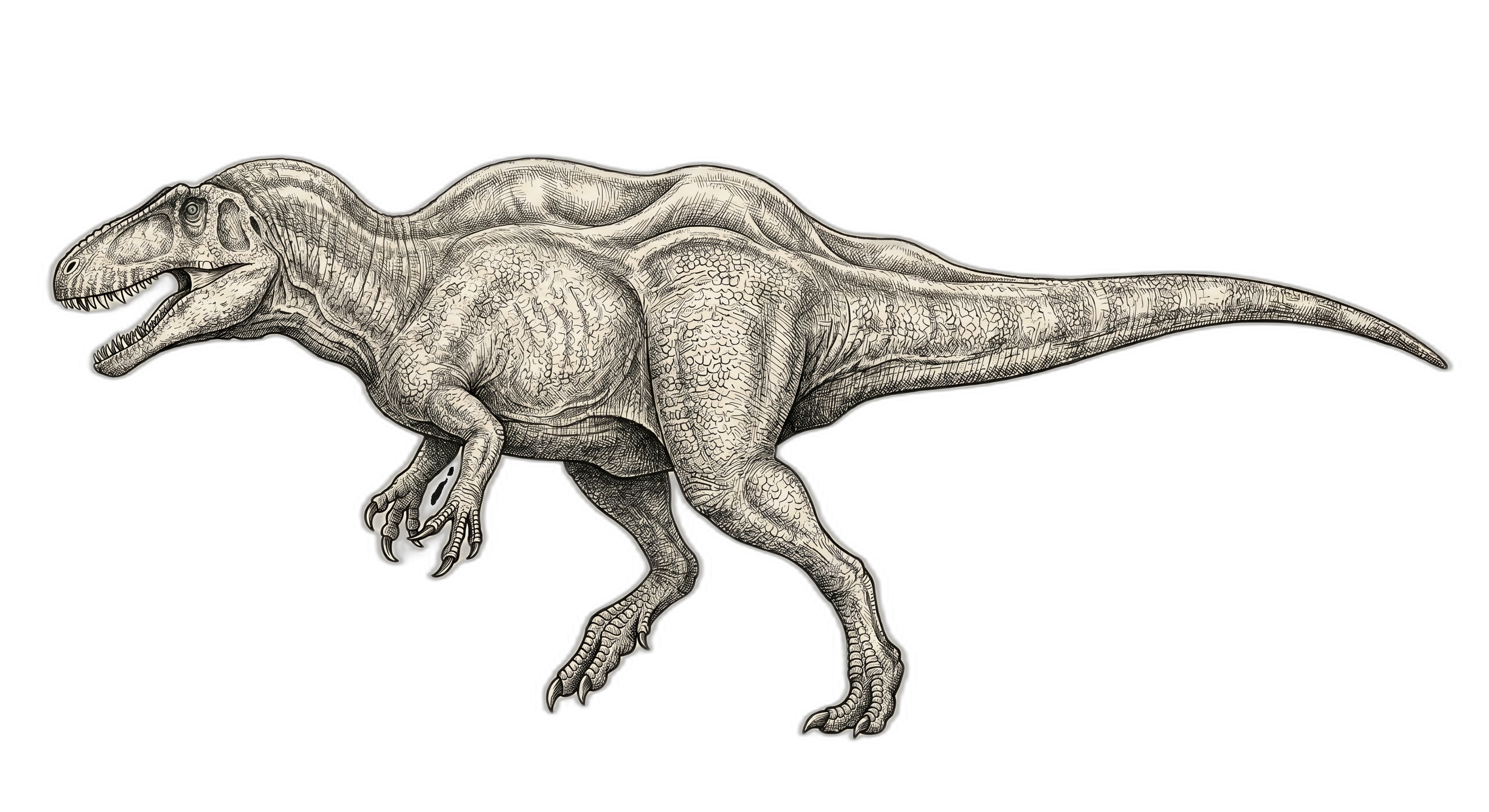
Acrocanthosaurus
Acrocanthosaurus atokensis
Acrocanthosaurus trackways in Texas (Glen Rose Formation) are found alongside massive sauropod tracks, and the Twin Mountains/Antlers Formations of Oklahoma and Texas preserve both species.
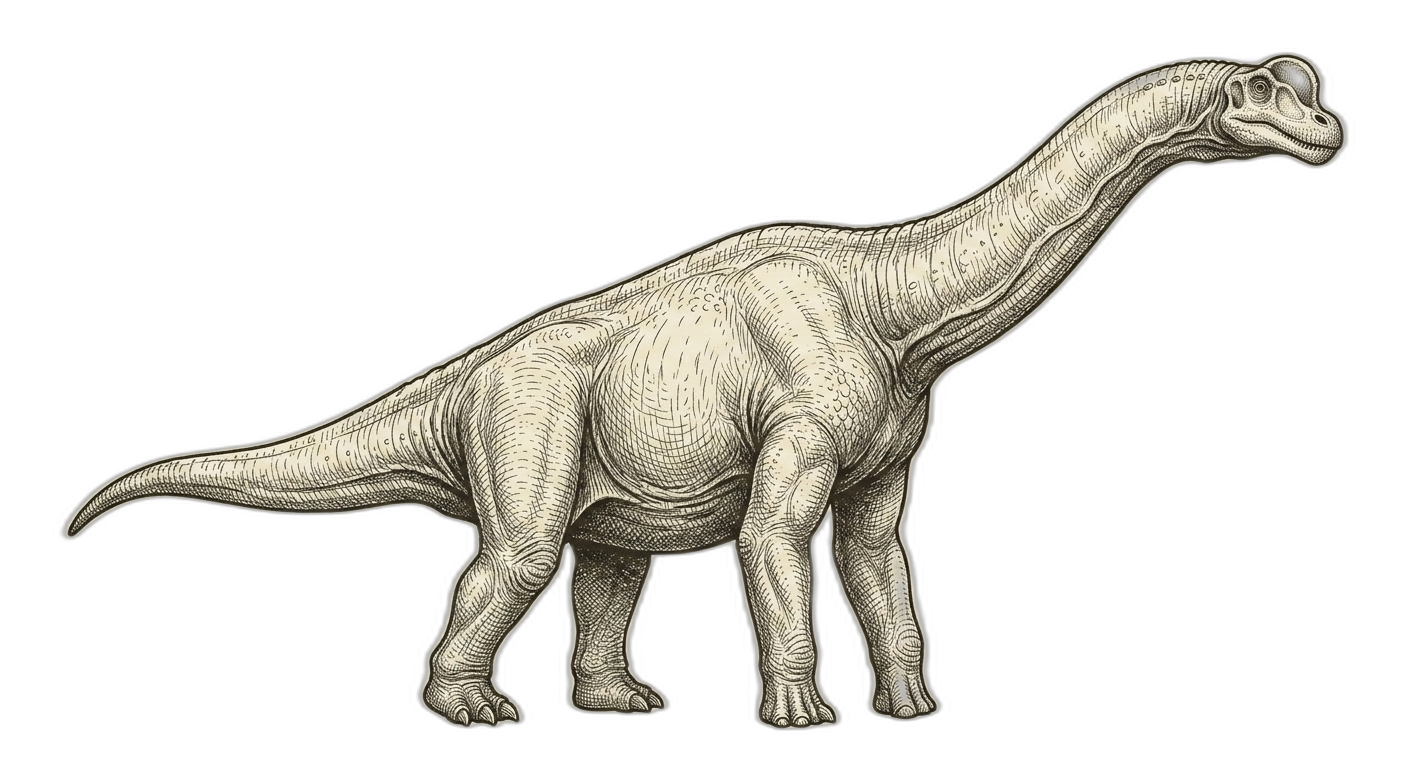
Brachiosaurus
Brachiosaurus altithorax
Sauroposeidon is classified within Brachiosauridae and shows strong morphological similarities to Brachiosaurus, with elongated cervical vertebrae representing an evolutionary continuation of the brachiosaur body plan.
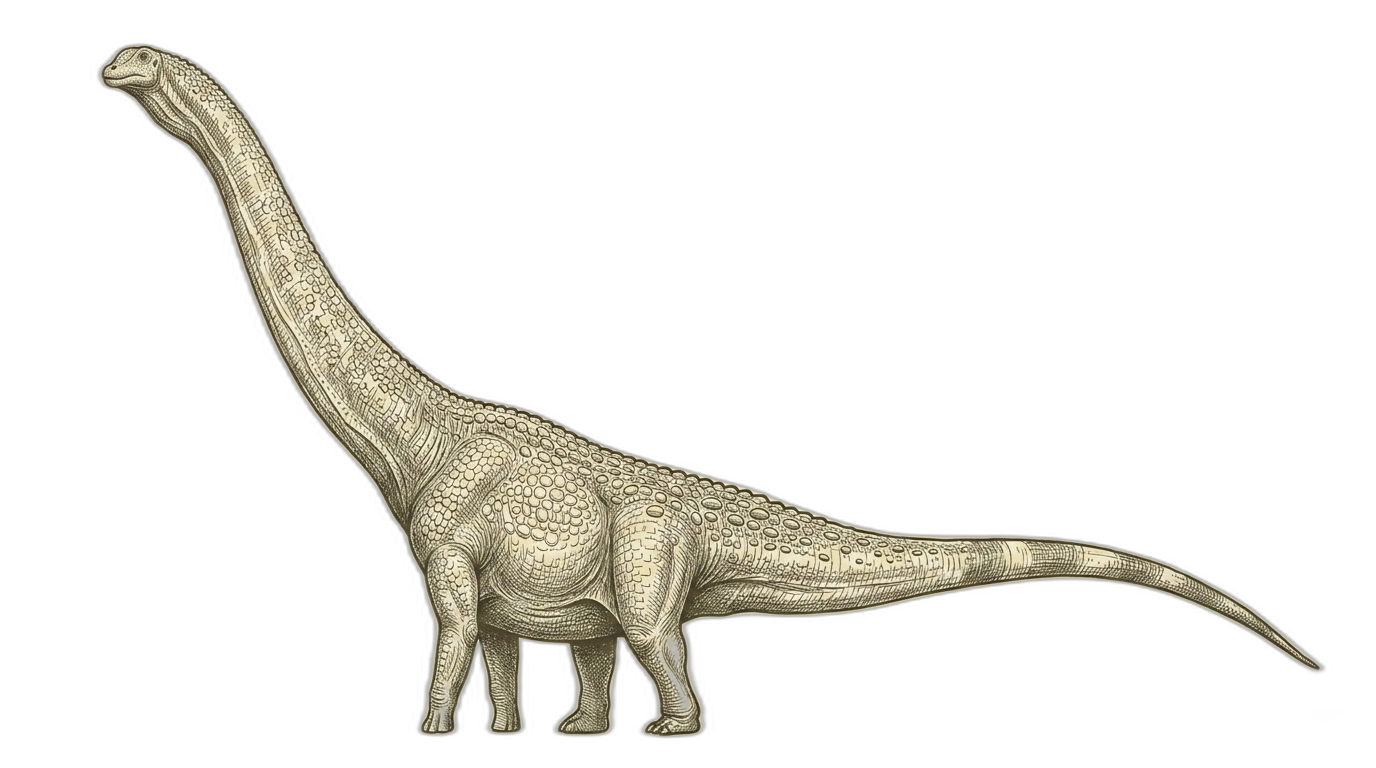
Patagotitan
Both represent titanosauriform sauropods that independently pushed the upper limits of terrestrial body size, with Sauroposeidon reaching ~50 tons in Early Cretaceous North America and Patagotitan reaching ~70 tons in Late Cretaceous South America.
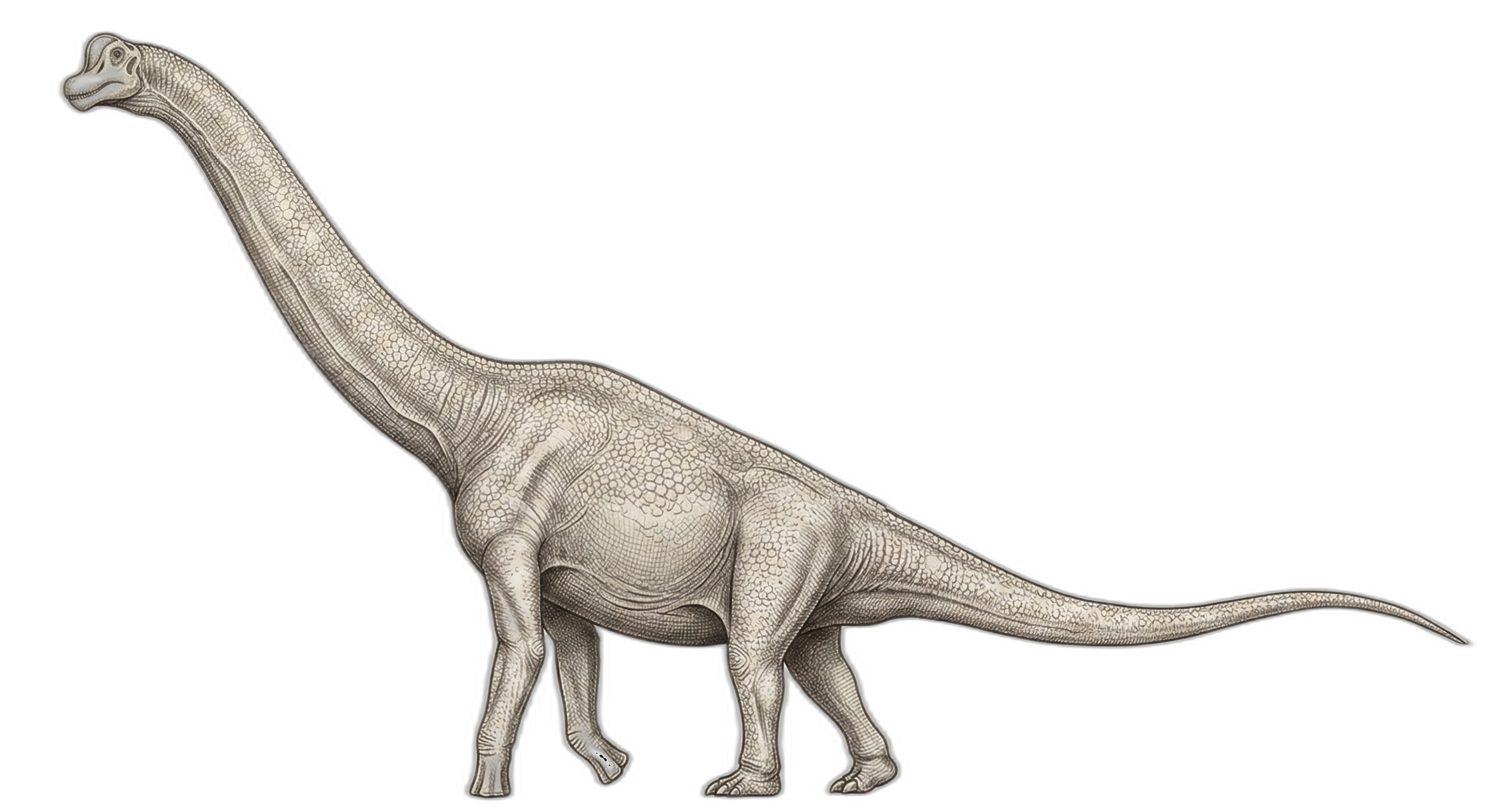
Giraffatitan
Giraffatitan brancai
Same family: Brachiosauridae
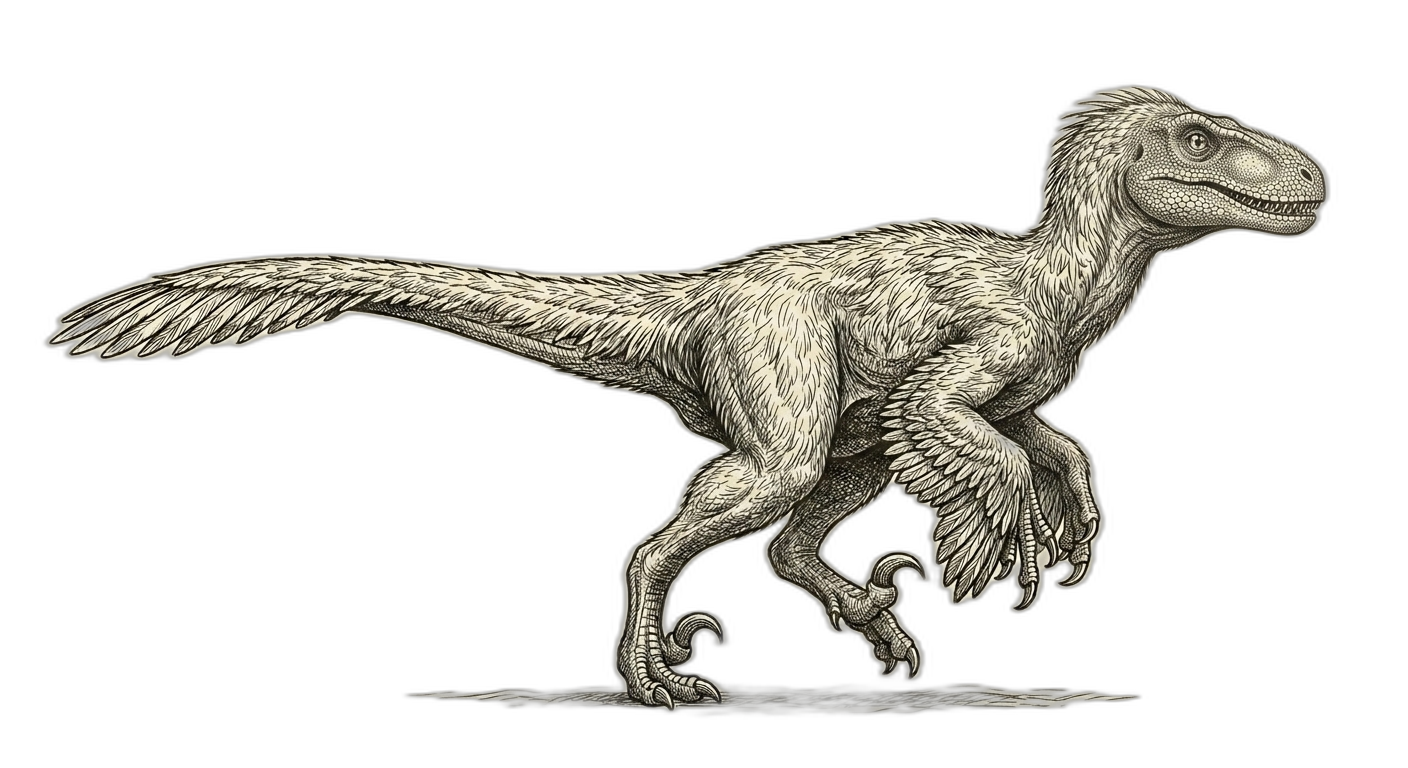
Deinonychus
Deinonychus antirrhopus
Deinonychus fossils are known from the Antlers Formation and Cloverly Formation of Early Cretaceous North America, the same temporal and geographic range as Sauroposeidon.
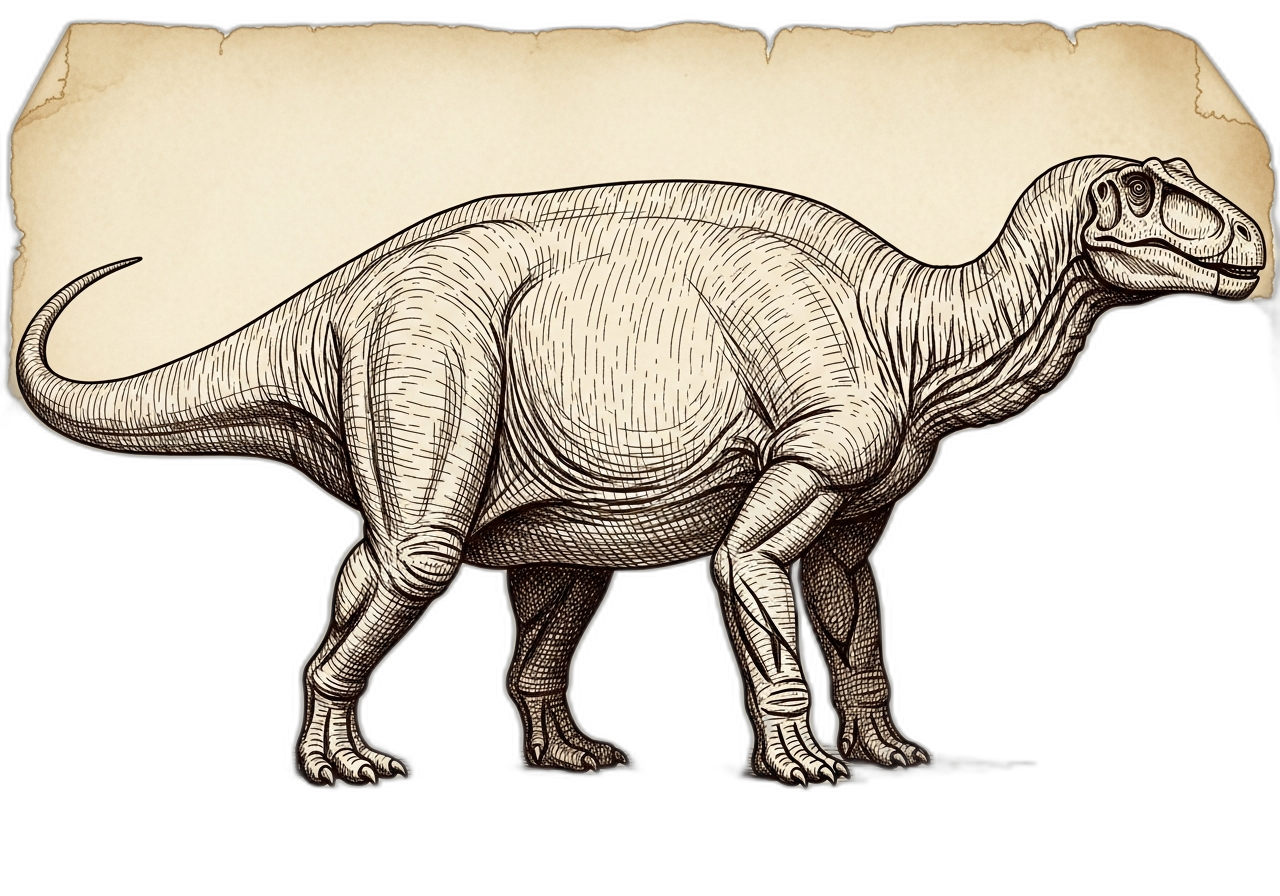
Argentinosaurus
Argentinosaurus huinculensis
Both Sauroposeidon and Argentinosaurus represent parallel experiments in sauropod gigantism during the Cretaceous, evolving massive body sizes independently in different titanosauriform lineages on separate continents (North America vs South America).
Sources & Citation
- Length estimates
- Wedel et al. 2000; estimates based on scaling from cervical vertebrae
- Height estimates
- Wedel et al. 2000; shoulder height estimated from brachiosaur proportions
- Weight estimates
- Wedel et al. 2000; mass estimates highly uncertain due to incomplete material
- Speed estimates
- General sauropod locomotion estimates; Alexander 1976 methodology