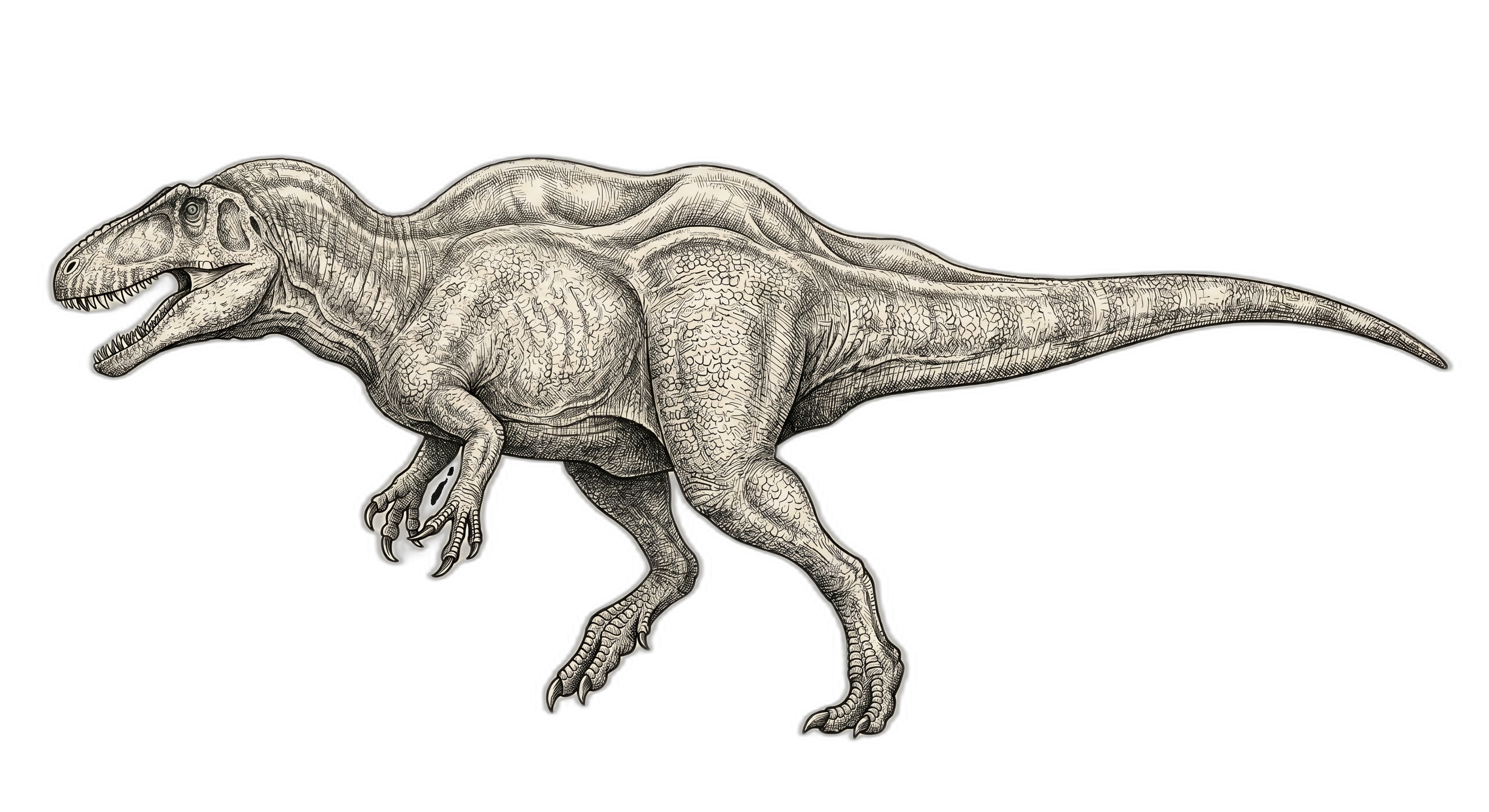
About
Acrocanthosaurus was one of the largest and most fearsome predators to ever stalk North America. This massive roamed the continent during the Early Cretaceous, roughly 113 to 110 million years ago, making it the dominant land predator of its time—tens of millions of years before Tyrannosaurus rex would evolve. Its name, meaning "high-spined lizard," refers to the tall along its that likely supported a thick muscular ridge or low running from neck to tail.
As a member of the family—the "shark-toothed lizards"—Acrocanthosaurus possessed blade-like teeth designed for slicing through flesh rather than crushing bone. Its skull alone measured over four feet long, and its relatively large arms ending in three-fingered hands with massive claws made it a more versatile hunter than later tyrannosaurs. Evidence suggests it may have hunted the giant sauropods like Sauroposeidon that shared its environment.
The first Acrocanthosaurus remains were discovered in Atoka County, Oklahoma in the 1940s by J. Willis Stovall and Wann Langston Jr., who formally described and named the species in 1950. The most complete specimen, nicknamed "Fran," was discovered in Texas in 1990 and is now displayed at the North Carolina Museum of Natural Sciences. evidence from the famous Glen Rose Formation in Texas may preserve an Acrocanthosaurus pursuing a , offering a rare glimpse into predator-prey dynamics.
Remarkably, Acrocanthosaurus achieved a continent-wide distribution, with fossils found from Wyoming and Oklahoma in the west to Maryland in the east—suggesting this was highly adaptable and successful across diverse Early Cretaceous ecosystems.
Quick Facts
- Scientific name
- Acrocanthosaurus atokensis
- Group
- Theropod · Carcharodontosauridae
- Lived
- Early Cretaceous, 145–100 million years ago
- Diet
- Carnivore
- Movement
- Walked on two legs
- Discovery credited to
- 1950, J. Willis Stovall and Wann Langston Jr.
- Holotype
- OMNH 10146 · Sam Noble Oklahoma Museum of Natural History, Norman
- DinoVault record
- DVL-0002
Where Acrocanthosaurus Roamed
During the Early Cretaceous, *Acrocanthosaurus atokensis* roamed the coastal plains and river deltas of what is now the south-central United States, prowling a warm, humid landscape where lush fern prairies and conifer forests bordered the nascent Gulf of Mexico before the Western Interior Seaway would later divide North America.
Keep exploring the vault
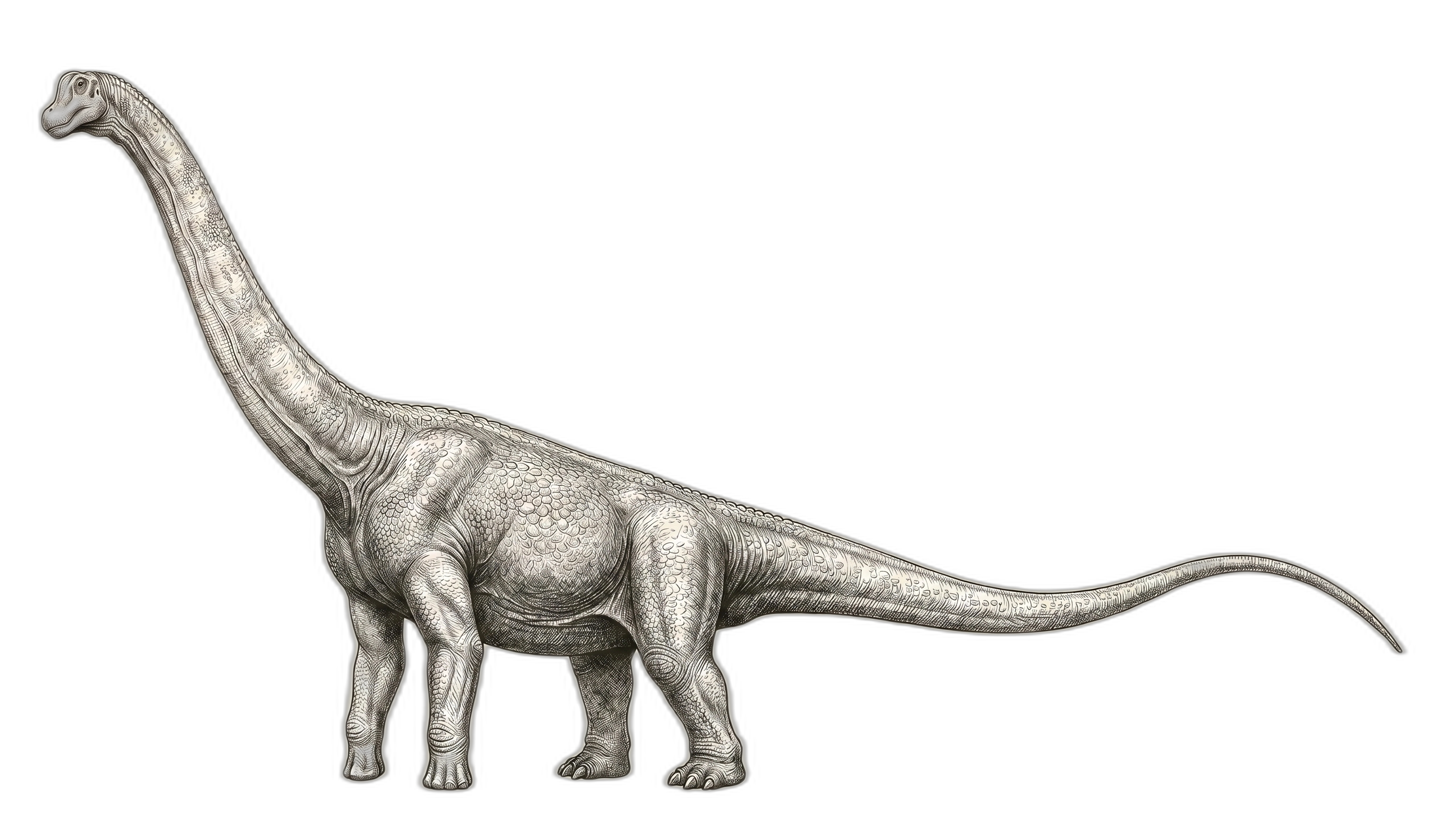
Sauroposeidon
Sauroposeidon proteles
Acrocanthosaurus trackways in Texas (Glen Rose Formation) are found alongside massive sauropod tracks, and the Twin Mountains/Antlers Formations of Oklahoma and Texas preserve both species.
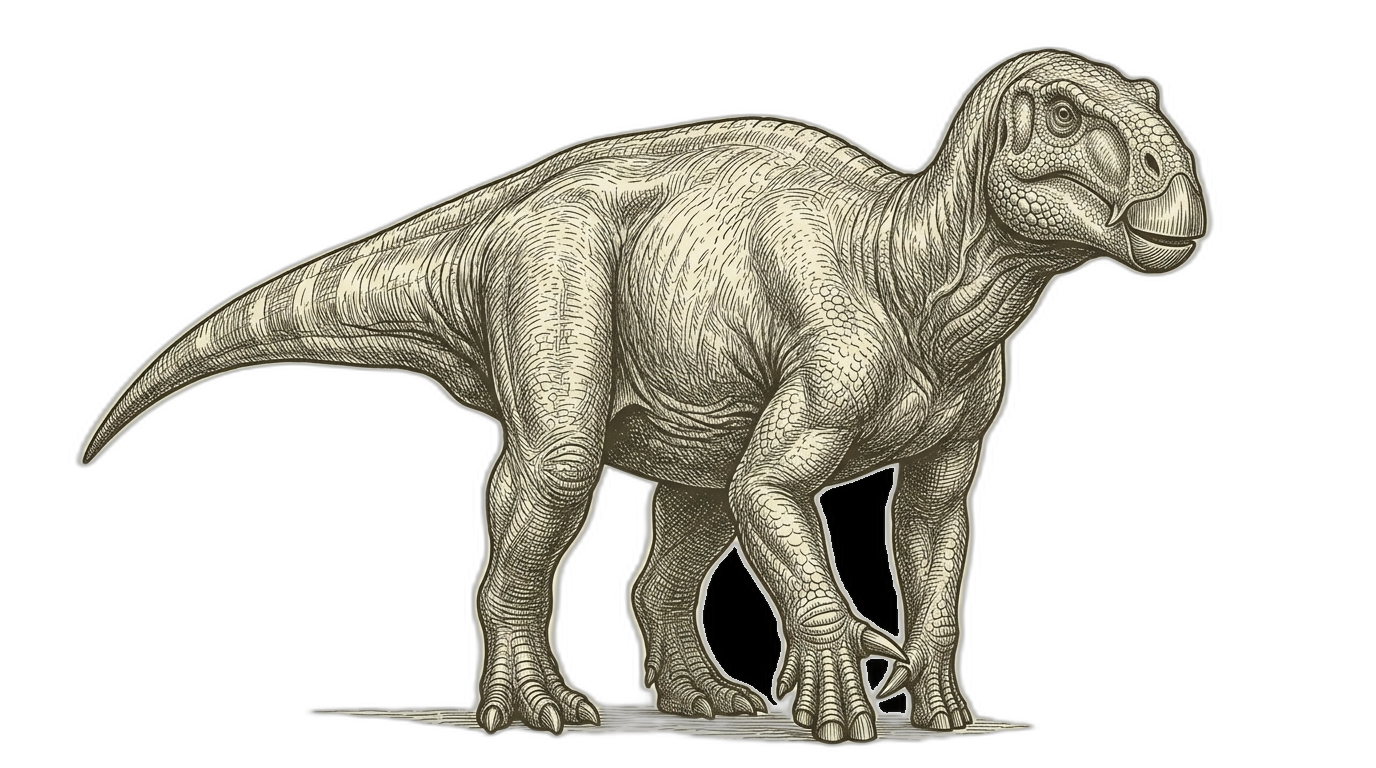
Iguanodon
Iguanodon bernissartensis
Large ornithopods similar to Iguanodon (such as Tenontosaurus) were common prey in Acrocanthosaurus's ecosystem.
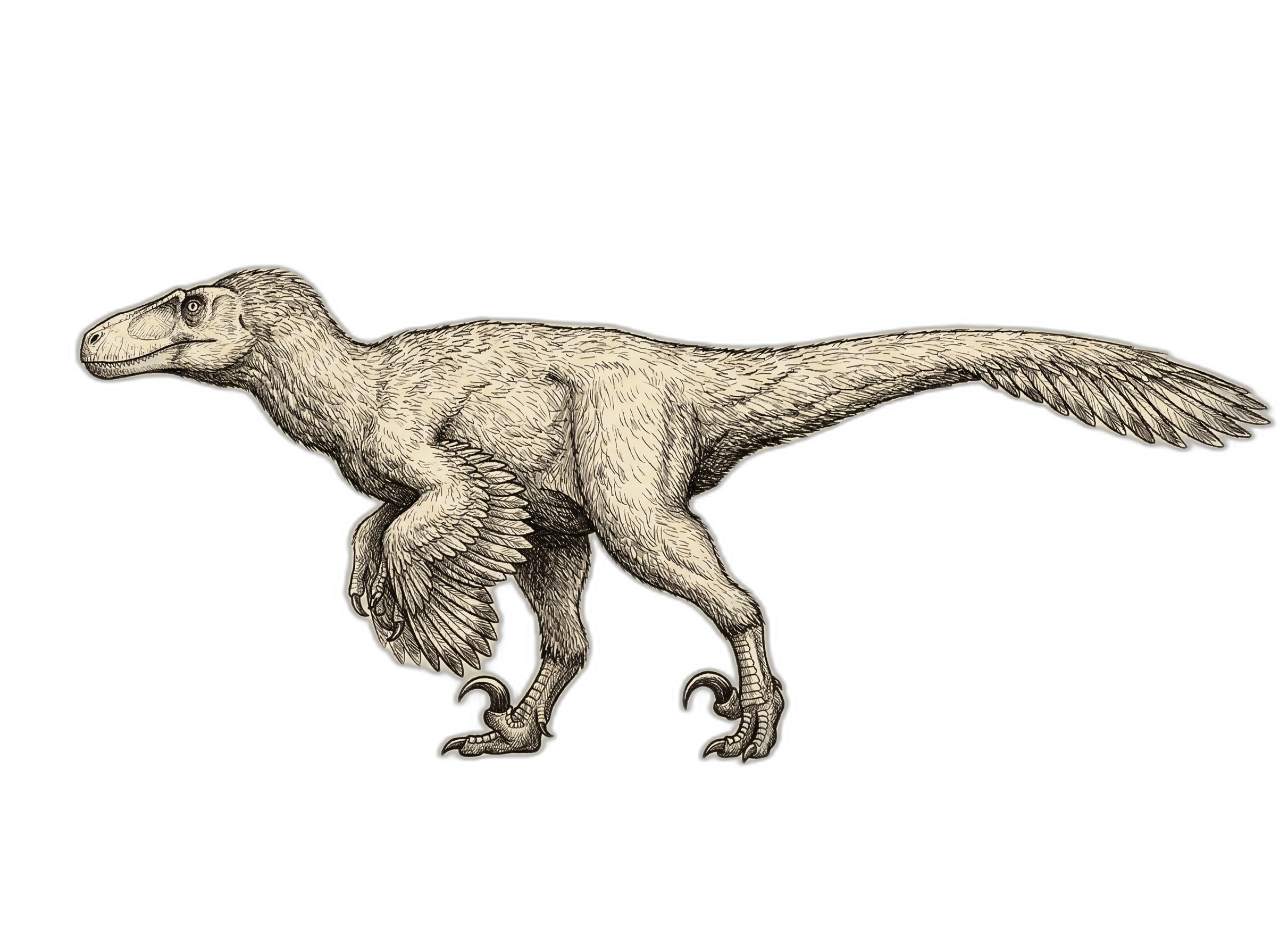
Utahraptor
Utahraptor ostrommaysorum
Both large theropods lived in Early Cretaceous North America with temporal overlap.
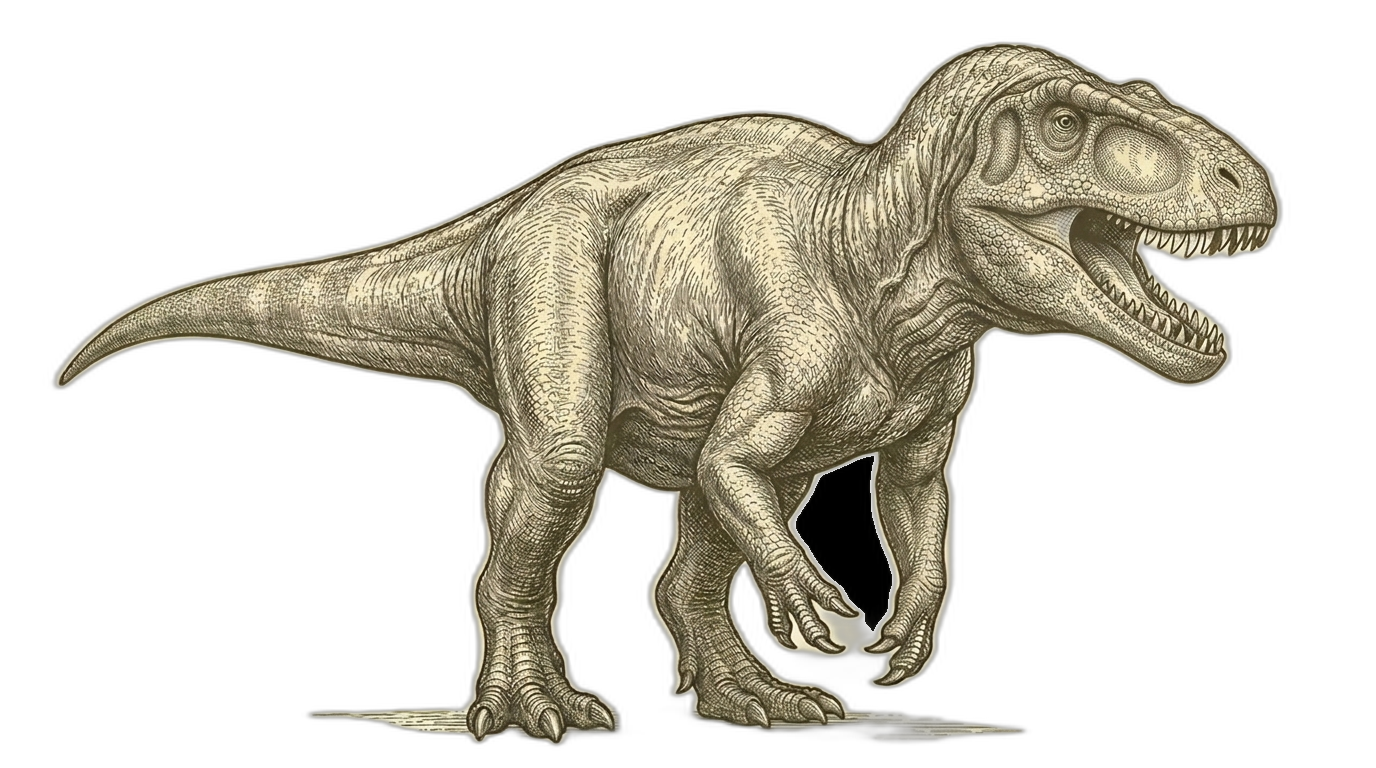
Carcharodontosaurus
Carcharodontosaurus saharicus
As carcharodontosaurid relatives, both evolved similar massive body plans and skull structures for hunting large sauropods on different continents (North America vs Africa), demonstrating convergent apex predator adaptations within the same family.
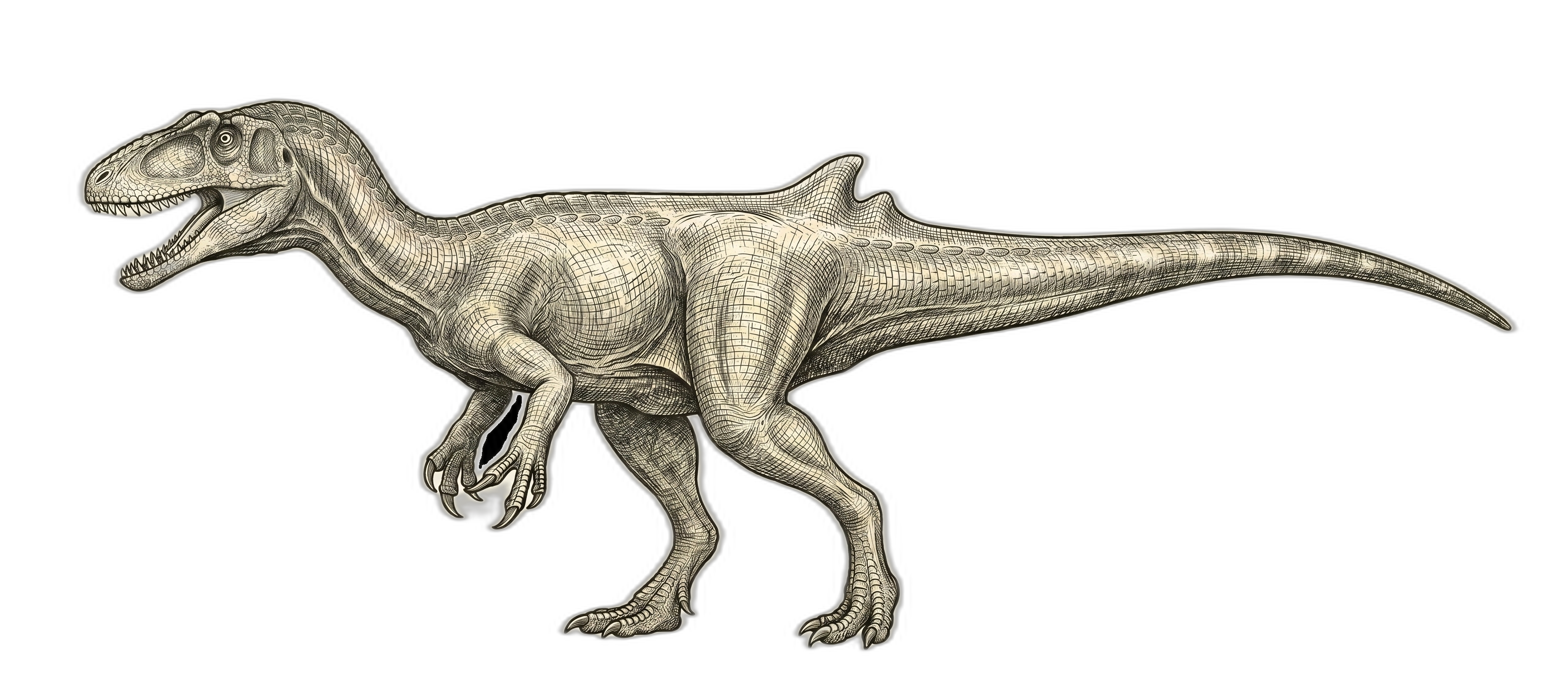
Concavenator
Concavenator corcovatus
Same family: Carcharodontosauridae
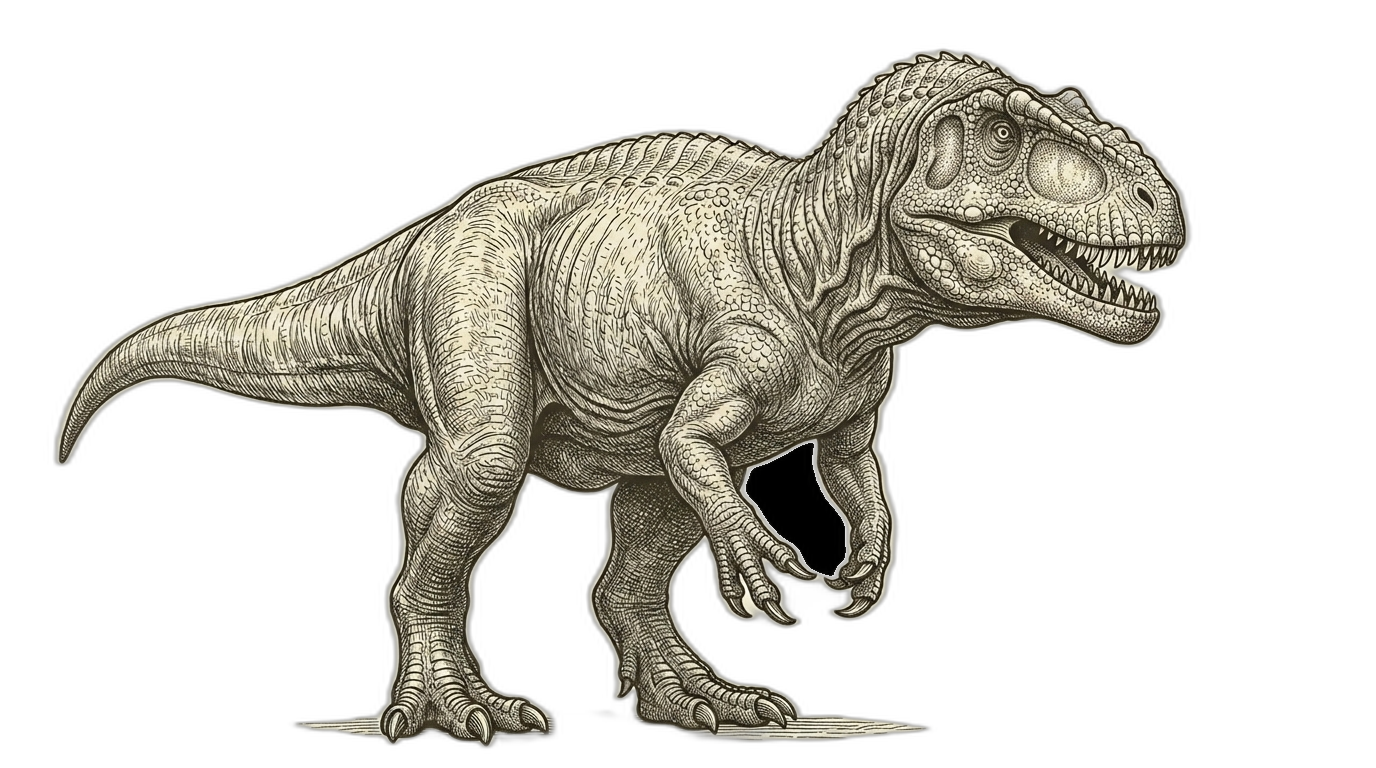
Giganotosaurus
Giganotosaurus carolinii
Both are carcharodontosaurids that independently evolved into apex predators on separate continents (North America and South America) during the Cretaceous, representing parallel gigantism within the same family lineage.
Sources & Citation
- Length estimates
- Currie & Carpenter 2000; multiple specimens including NCSM 14345 'Fran'
- Height estimates
- Estimated hip height based on Currie & Carpenter 2000
- Weight estimates
- Bates et al. 2009; volumetric estimates vary considerably
- Speed estimates
- Estimated from trackway analysis and limb proportions; highly speculative