About
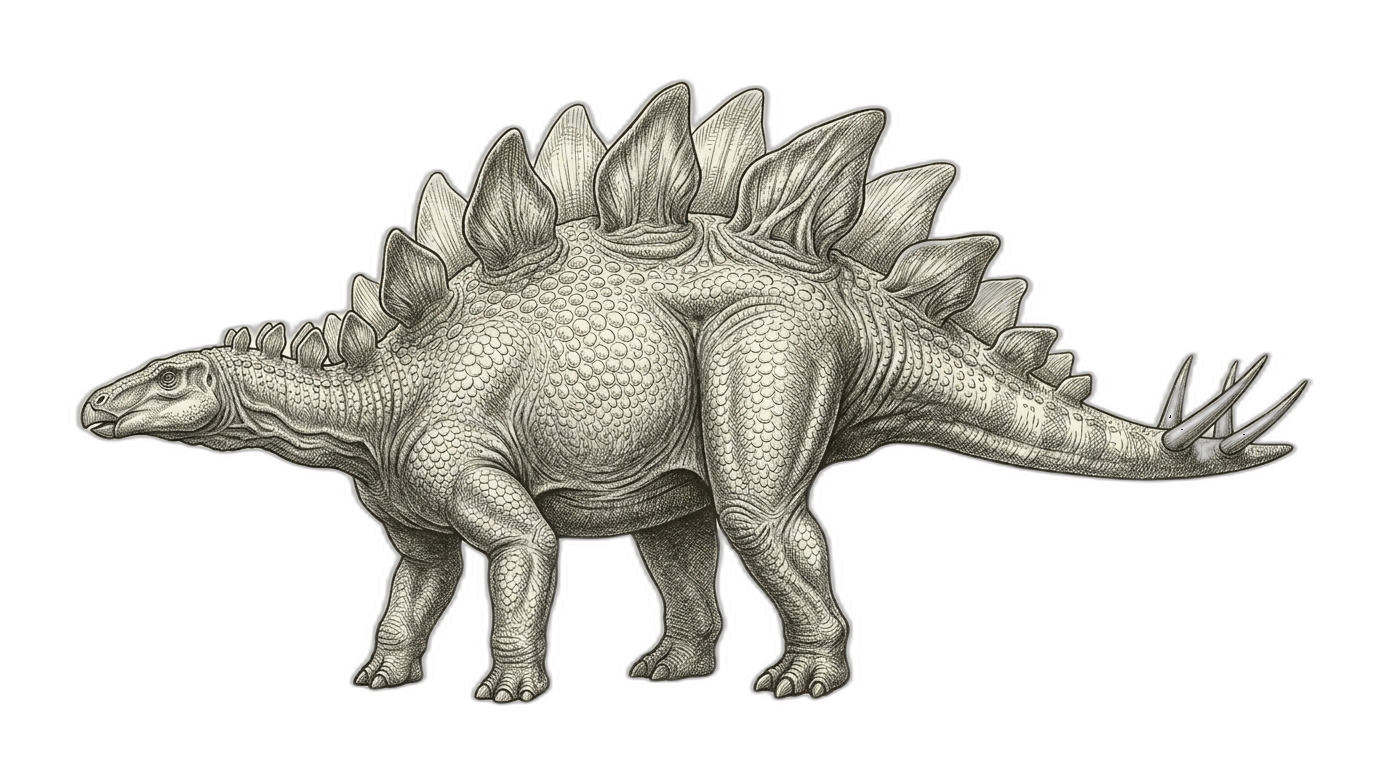
Stegosaurus is one of the most recognizable dinosaurs ever discovered, and also one of the most misunderstood. Those dramatic back plates weren't armor — they were too fragile and poorly positioned to deflect a blow. Instead, they were likely used for temperature regulation and , flushing with blood to signal mood or attract mates.
The tail, however, was a serious weapon. The four spikes at the tip — called a 'thagomizer' (a term coined by a cartoonist and adopted by paleontologists) — could swing with tremendous force. Allosaurus bones have been found with puncture wounds matching Stegosaurus tail spikes exactly.
For years, Stegosaurus was thought to have a tiny brain — and its is indeed small, roughly the size of a walnut. An early theory proposed a 'second brain' in the hip region to control the hindquarters. We now know this was a glycogen body, not neural tissue — but the myth of Stegosaurus as the dumbest dinosaur persists.
Stegosaurus shared the Morrison Formation ecosystem with Allosaurus, Brachiosaurus, Diplodocus, and Apatosaurus — a remarkably rich Late Jurassic world.
Quick Facts
- Scientific name
- Stegosaurus stenops
- Group
- Armored dinosaur · Stegosauridae
- Lived
- Late Jurassic, 149.2–143.1 million years ago
- Diet
- Herbivore
- Movement
- Walked on four legs
- Fossils found in
- Morrison Formation (United States)
- Discovery credited to
- 1877, Othniel Charles Marsh
- Holotype
- YPM 1850 · Yale Peabody Museum, New Haven
- DinoVault record
- DVL-0130
Where fossils were found
Morrison Formation
Colorado, Utah, Wyoming, Montana +6 more · United States
149.2–143.1 million years ago(6.1m year span)
Where Stegosaurus Roamed
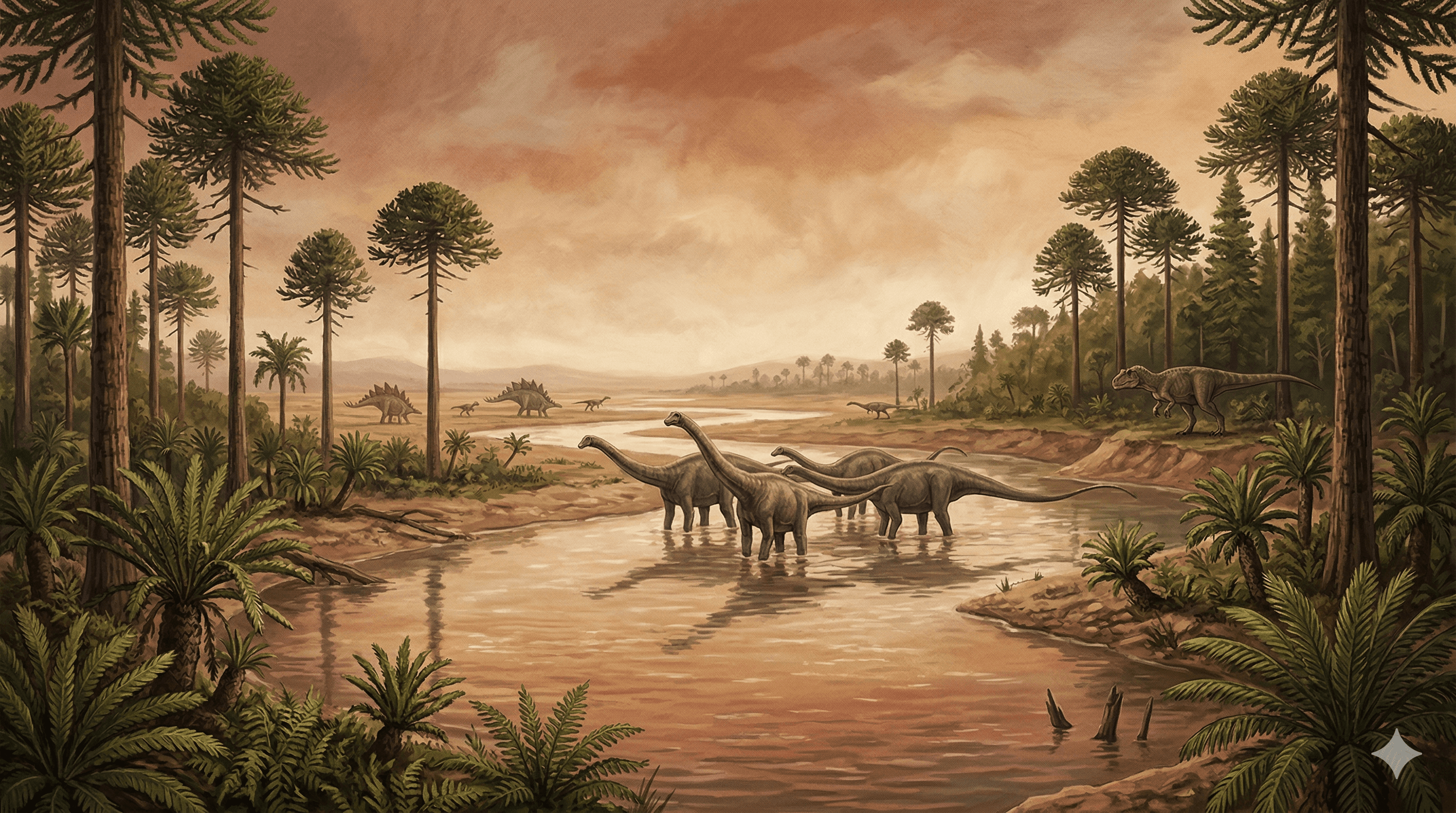
During the Late Jurassic, *Stegosaurus stenops* roamed the semi-arid floodplains and riverine forests of the Morrison Formation in western North America, a vast alluvial basin stretching from present-day Montana to New Mexico. This ancient landscape featured seasonal wetlands, conifer-dominated woodlands, and meandering river systems that supported a remarkable diversity of dinosaurian megafauna beneath warm, subtropical skies.
Keep exploring the vault
Allosaurus
Allosaurus fragilis
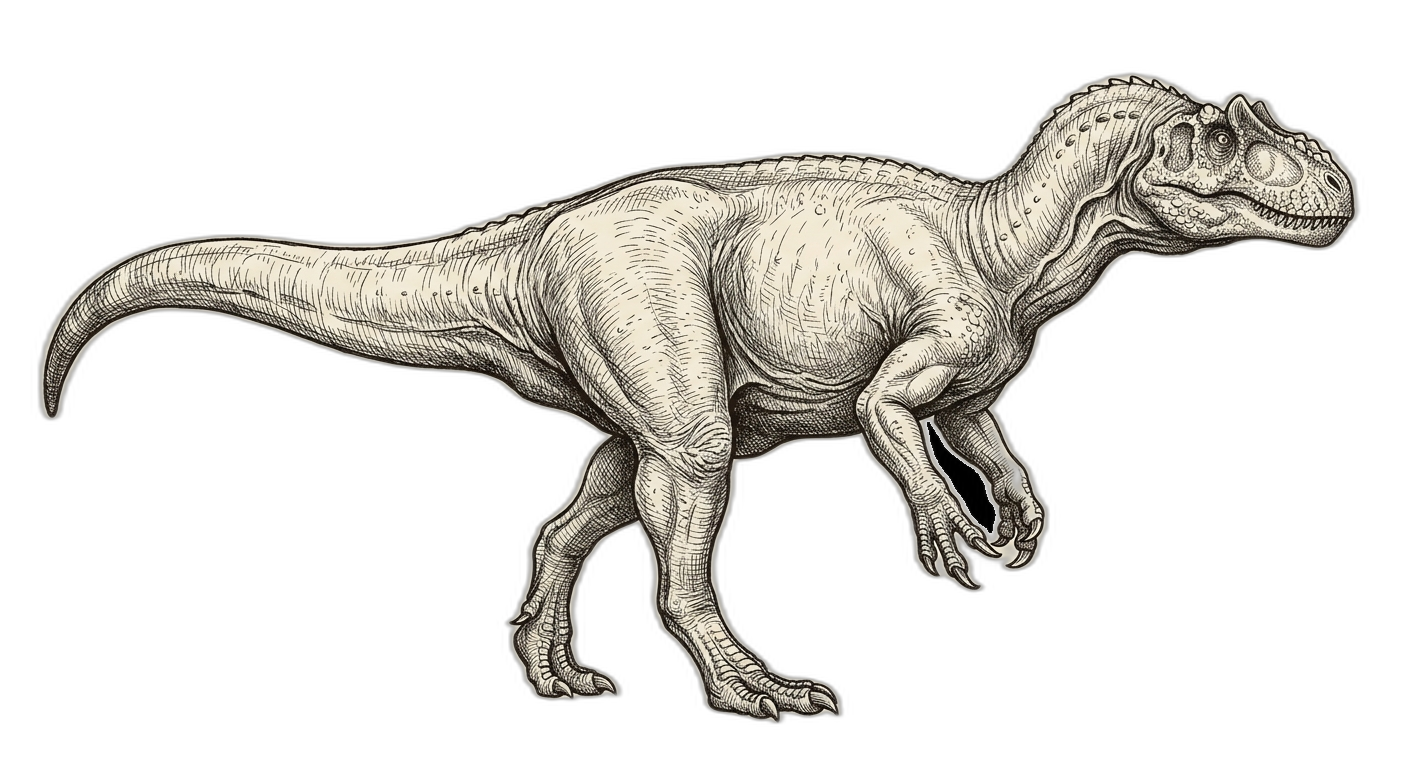
Multiple Stegosaurus specimens from the Morrison Formation show theropod bite marks consistent with Allosaurus dentition.
Diplodocus
Diplodocus carnegii
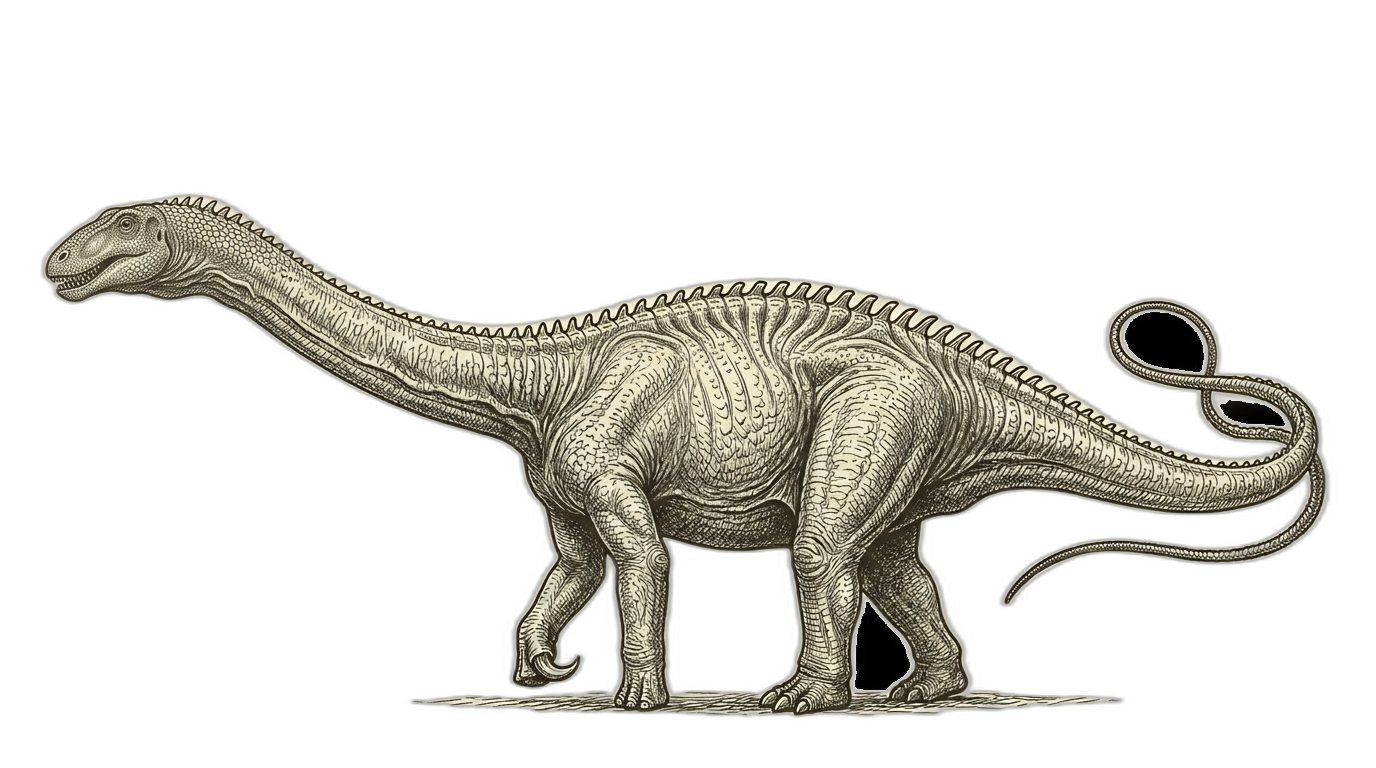
Both herbivores occupied the Morrison Formation simultaneously.
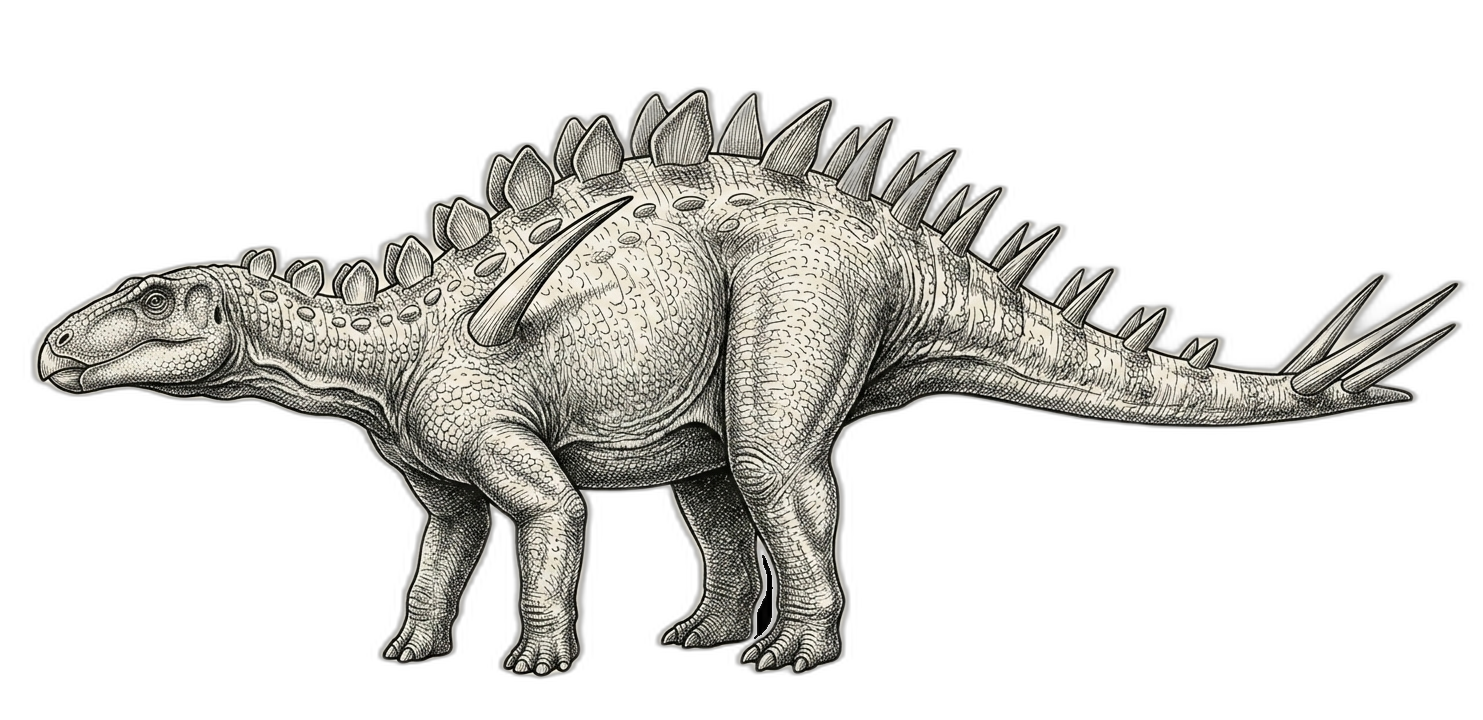
Huayangosaurus
Huayangosaurus taibaii
Huayangosaurus is one of the earliest and most basal stegosaurs, dating to the Middle Jurassic of China.
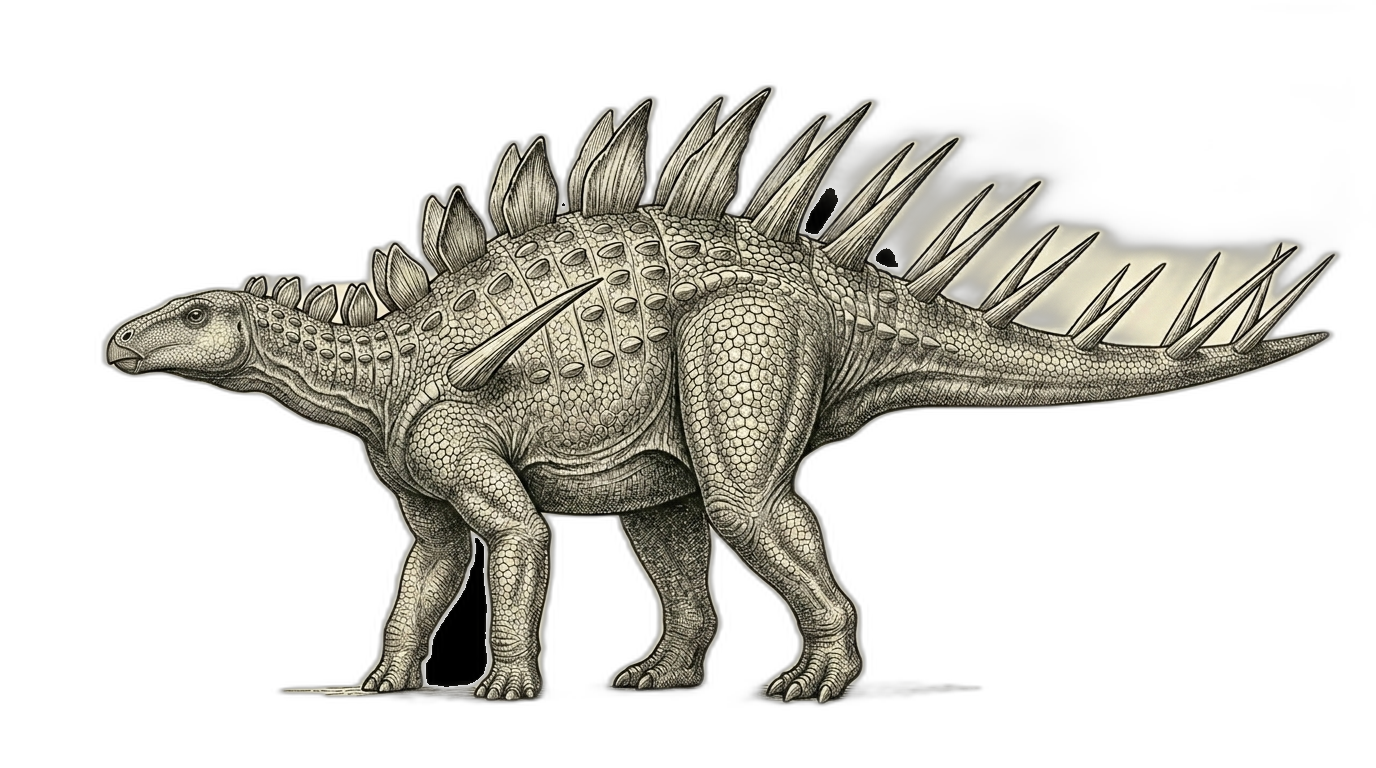
Kentrosaurus
Kentrosaurus aethiopicus
Both are stegosaurids that independently refined the plate-and-spike body plan on different continents — Stegosaurus in North America and Kentrosaurus in Africa (Tendaguru Formation).
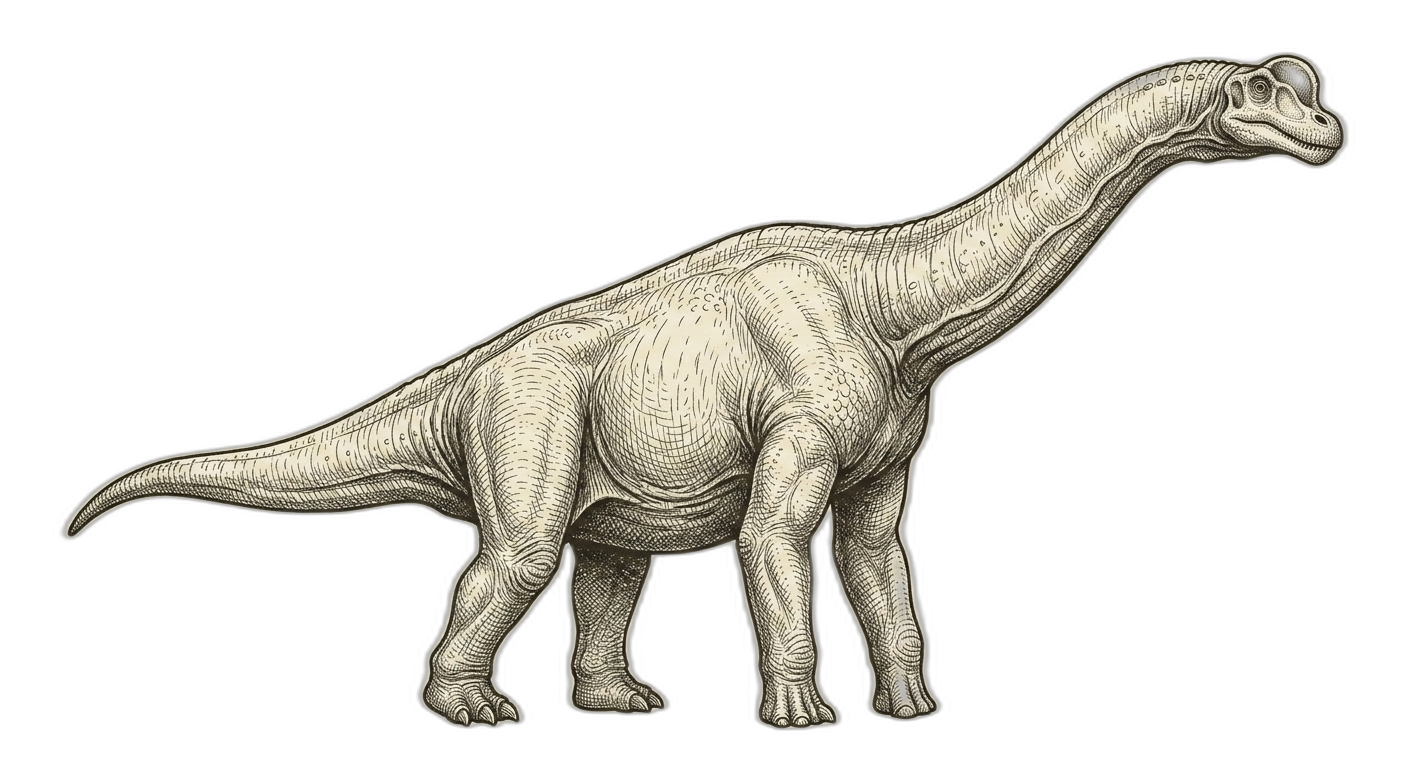
Brachiosaurus
Brachiosaurus altithorax
Both inhabited the Morrison Formation floodplains and forests.
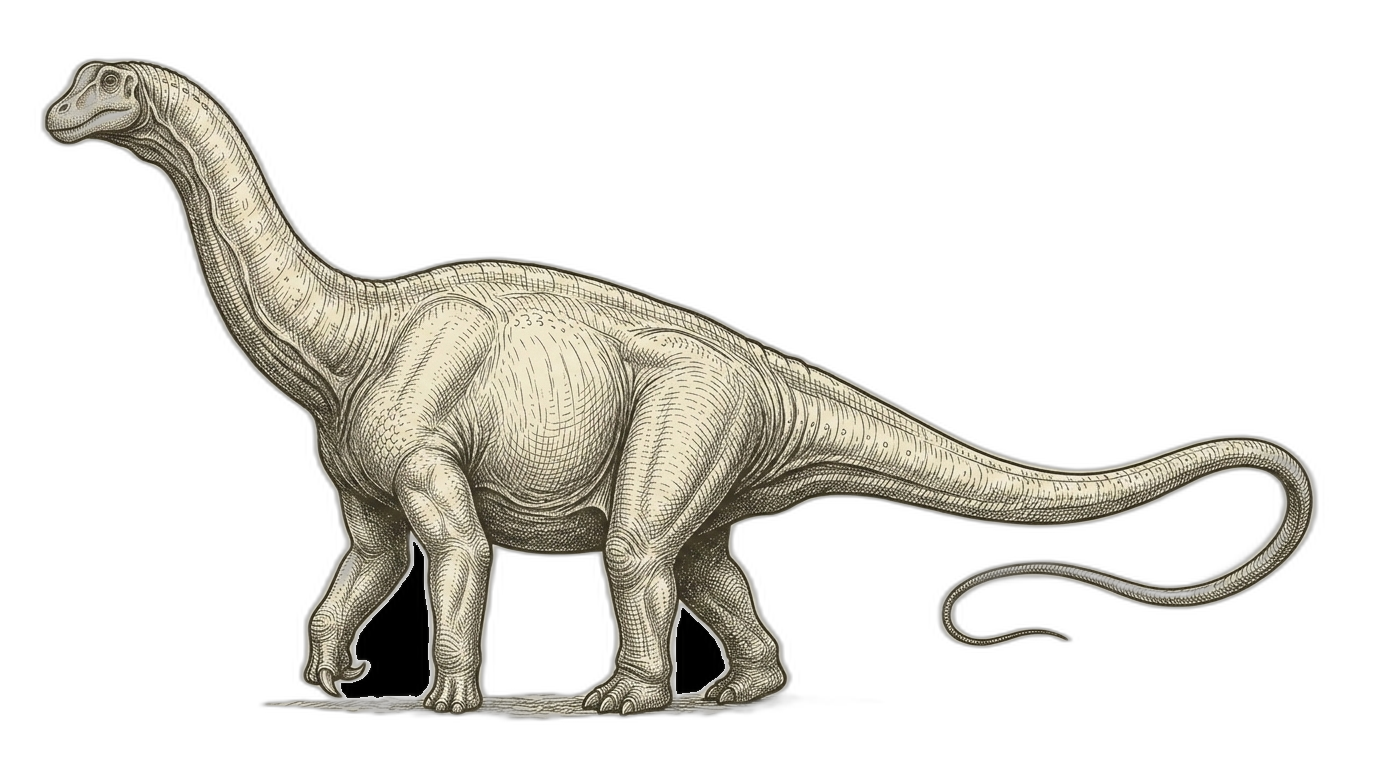
Brontosaurus
Brontosaurus excelsus
Both abundant herbivores in the Morrison Formation, frequently found in the same quarries.
Sources & Citation
- Length estimates
- Multiple Morrison Formation specimens
- Height estimates
- Measured at hip
- Weight estimates
- Various mass estimates; wide range due to body shape uncertainty