About
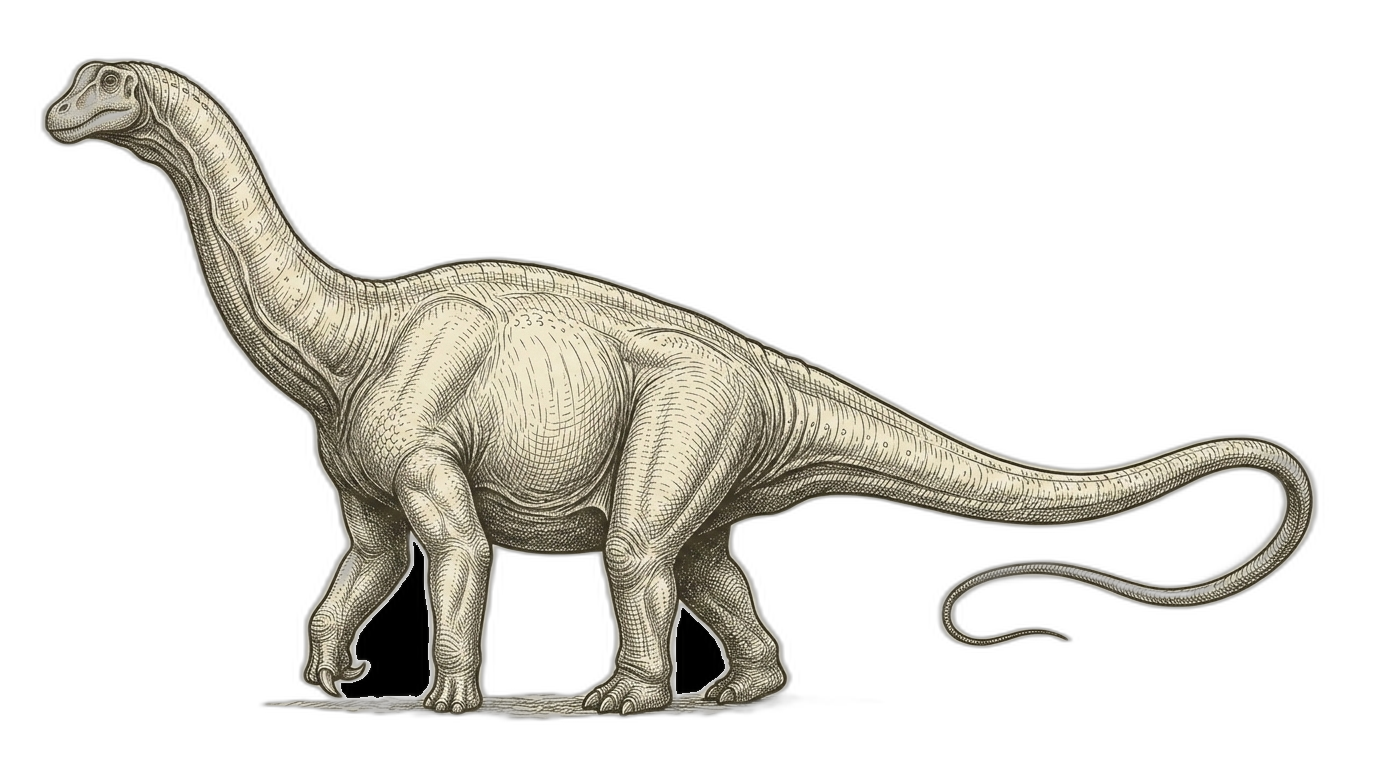
Brontosaurus excelsus stands among the most iconic dinosaurs ever discovered, a magnificent giant that roamed western North America during the Late Jurassic period, approximately 150 million years ago. This colossal stretched up to 22 meters in length and weighed an estimated 15 tons, its massive frame supported by four pillar-like legs that left deep impressions across ancient floodplains.
The animal's most striking feature was its remarkably long neck, comprising fifteen elongated that allowed it to sweep vast feeding arcs through conifer forests and fern prairies. Its small, blunt head housed peg-like teeth perfectly adapted for stripping vegetation rather than chewing. A muscular, whip-like tail extended behind, likely serving as both counterbalance and defensive weapon against predators like Allosaurus.
Brontosaurus moved with deliberate, elephantine grace, its columnar limbs positioned directly beneath its body to support tremendous weight. Evidence suggests these animals traveled in herds, their collective movement shaping the Morrison Formation landscape they inhabited—a semi-arid environment dotted with seasonal rivers, cycad groves, and towering araucarian trees.
The species' scientific history is fascinatingly turbulent. Othniel Charles Marsh first described Brontosaurus in 1879 during the famous Bone Wars, but by 1903, scientists declared it merely a species of Apatosaurus, seemingly erasing the beloved name from validity. For over a century, Brontosaurus existed only in popular imagination and outdated museum labels. Then, in 2015, detailed anatomical analysis resurrected the genus, revealing subtle but significant skeletal differences that justified its independent status.
This resurrection transformed Brontosaurus into a symbol of how scientific understanding evolves. Few dinosaurs capture public imagination so completely—the "thunder lizard" remains synonymous with the age of giants itself.
Quick Facts
- Scientific name
- Brontosaurus excelsus
- Group
- Sauropodomorph · Diplodocidae
- Lived
- Late Jurassic, 154–150 million years ago
- Diet
- Herbivore
- Movement
- Walked on four legs
- Fossils found in
- Morrison Formation (United States)
- Discovery credited to
- 1879, Othniel Charles Marsh
- Holotype
- YPM 1980, Yale Peabody Museum of Natural History
- DinoVault record
- DVL-0021
Where fossils were found
Morrison Formation
Colorado, Utah, Wyoming, Montana +6 more · United States
154–150 million years ago(4m year span)
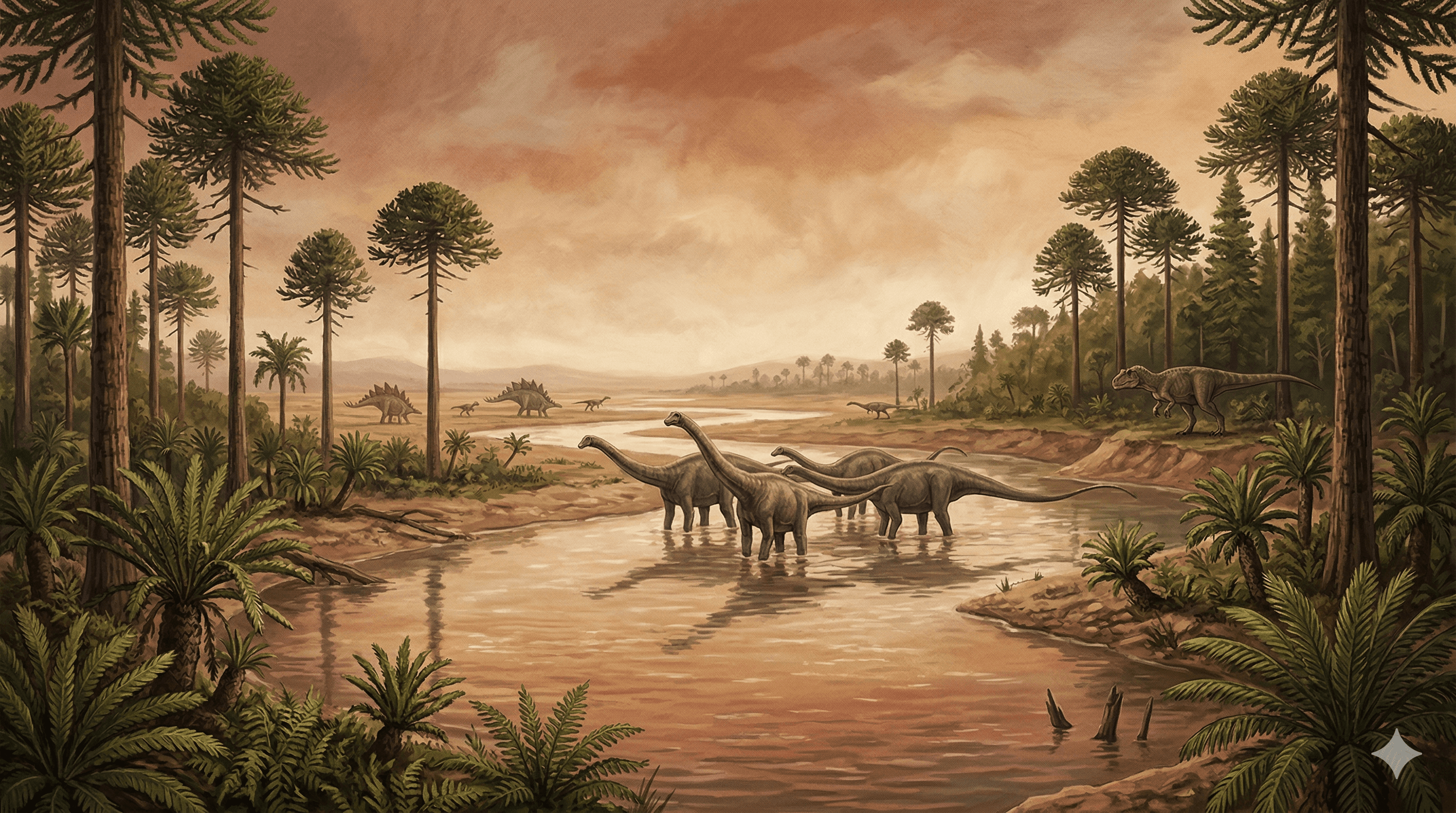
Where Brontosaurus Roamed
During the Late Jurassic, *Brontosaurus excelsus* roamed the semi-arid floodplains of the Morrison Formation in western Laurasia, where seasonal rivers carved through a landscape dominated by ferns, cycads, and towering conifers beneath a warm, subtropical climate.
Keep exploring the vault
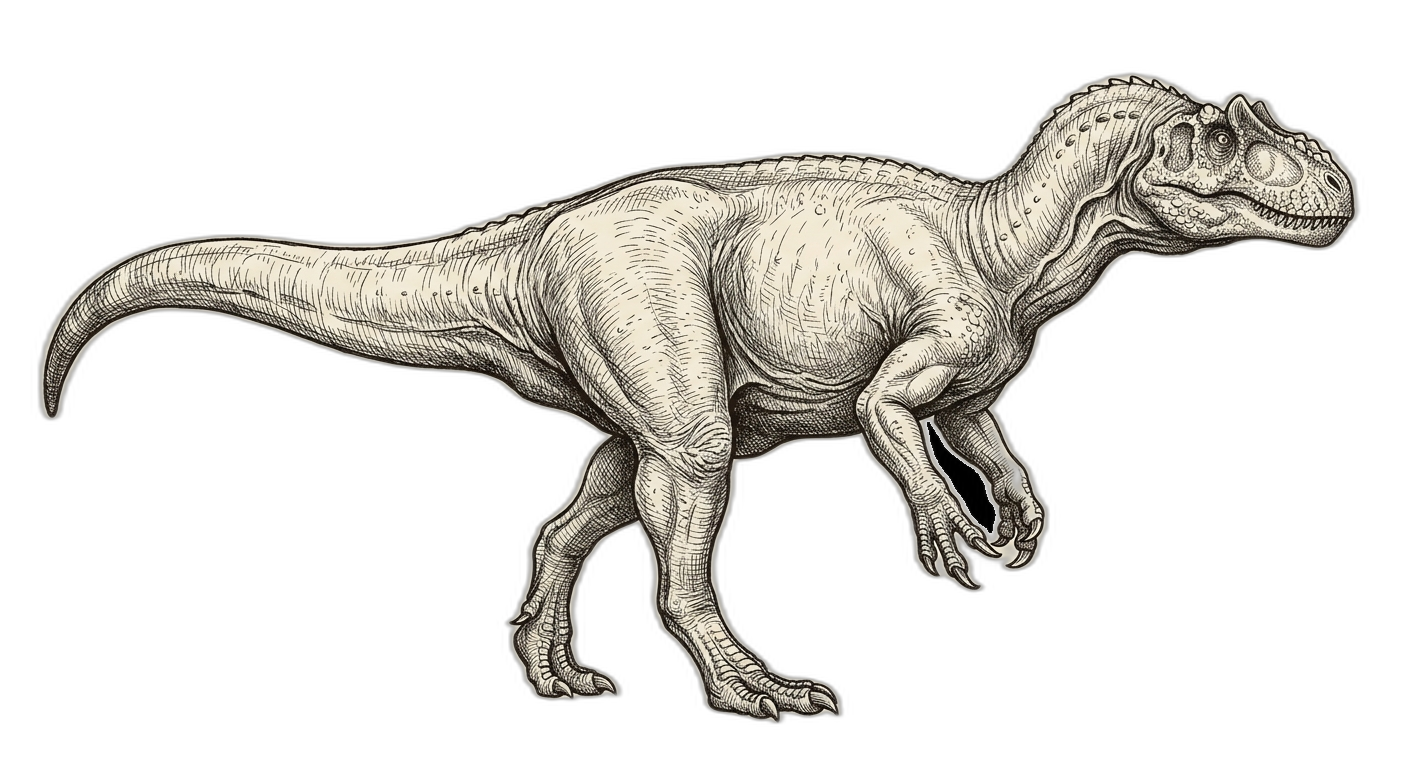
Allosaurus
Allosaurus fragilis
Allosaurus bite marks have been found on sauropod bones from the Morrison Formation, and Allosaurus was the apex predator of the ecosystem.
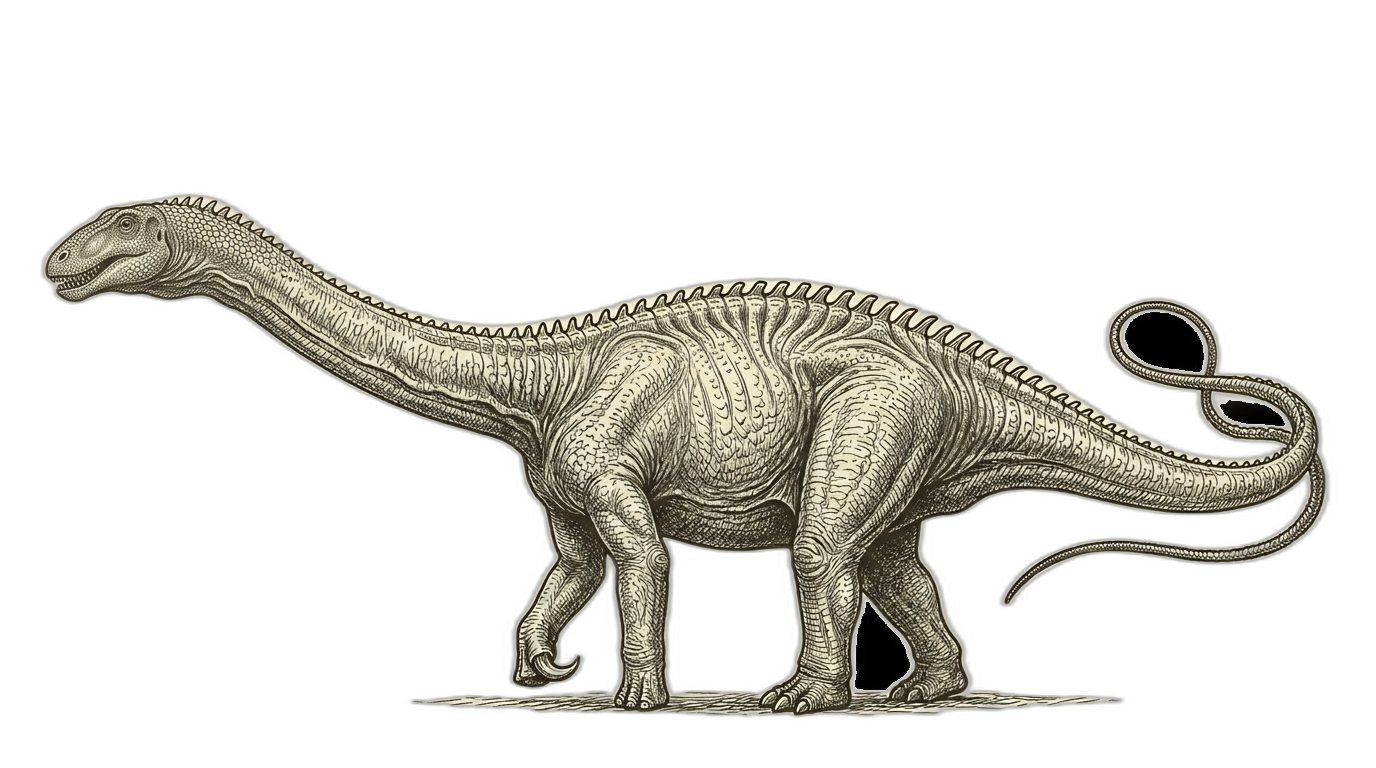
Diplodocus
Diplodocus carnegii
Both are diplodocid sauropods from the Morrison Formation with similar body plans and browsing strategies.
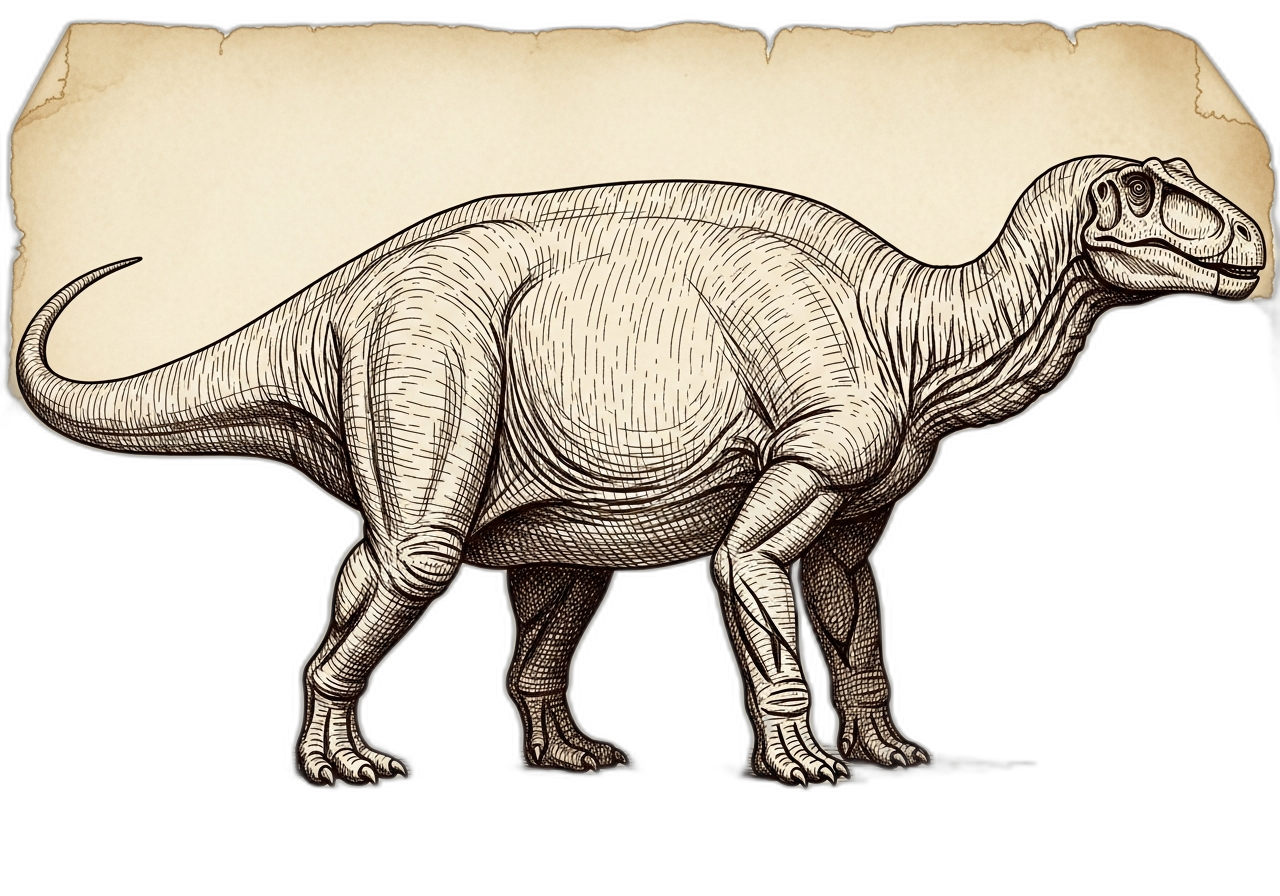
Argentinosaurus
Argentinosaurus huinculensis
Both represent the sauropod evolutionary experiment in extreme gigantism, though from different lineages (Diplodocidae vs Titanosauria) and time periods.
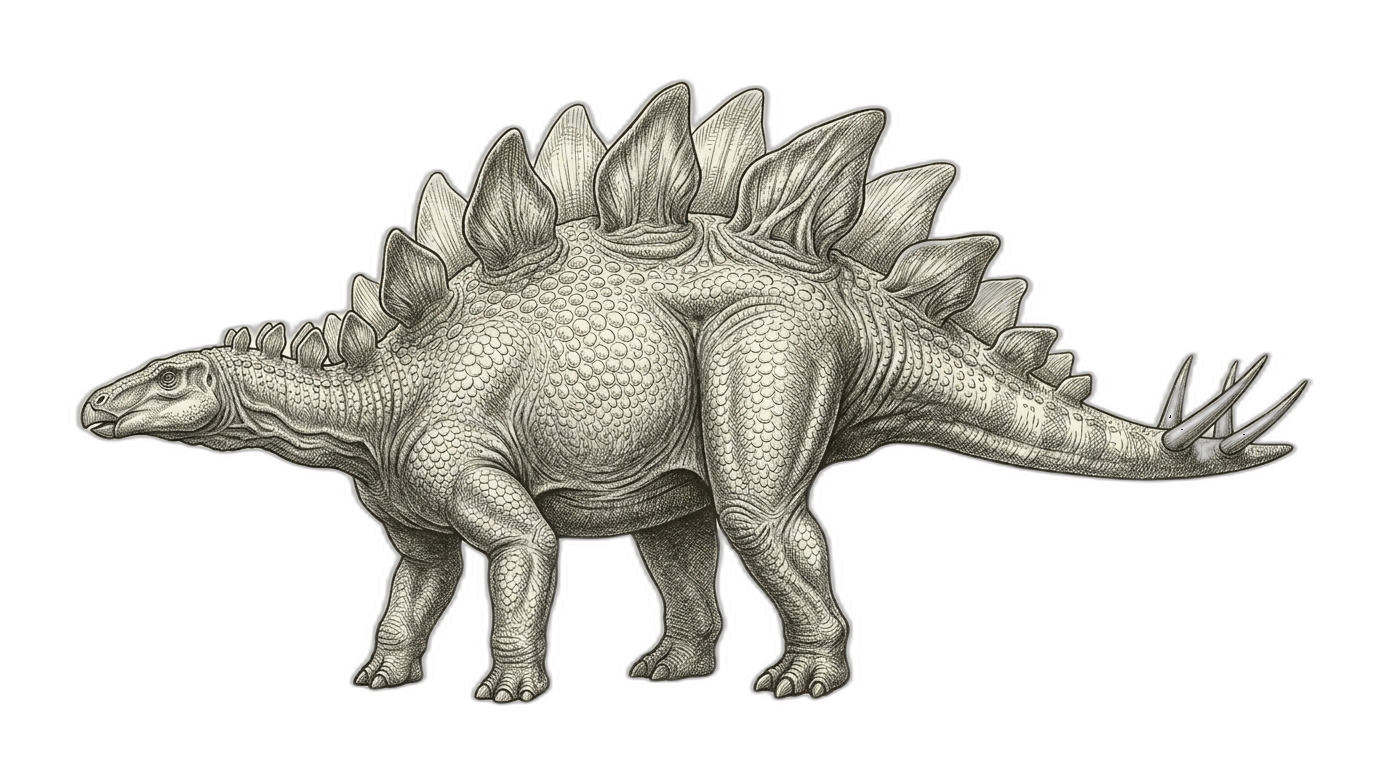
Stegosaurus
Stegosaurus stenops
Both abundant herbivores in the Morrison Formation, frequently found in the same quarries.
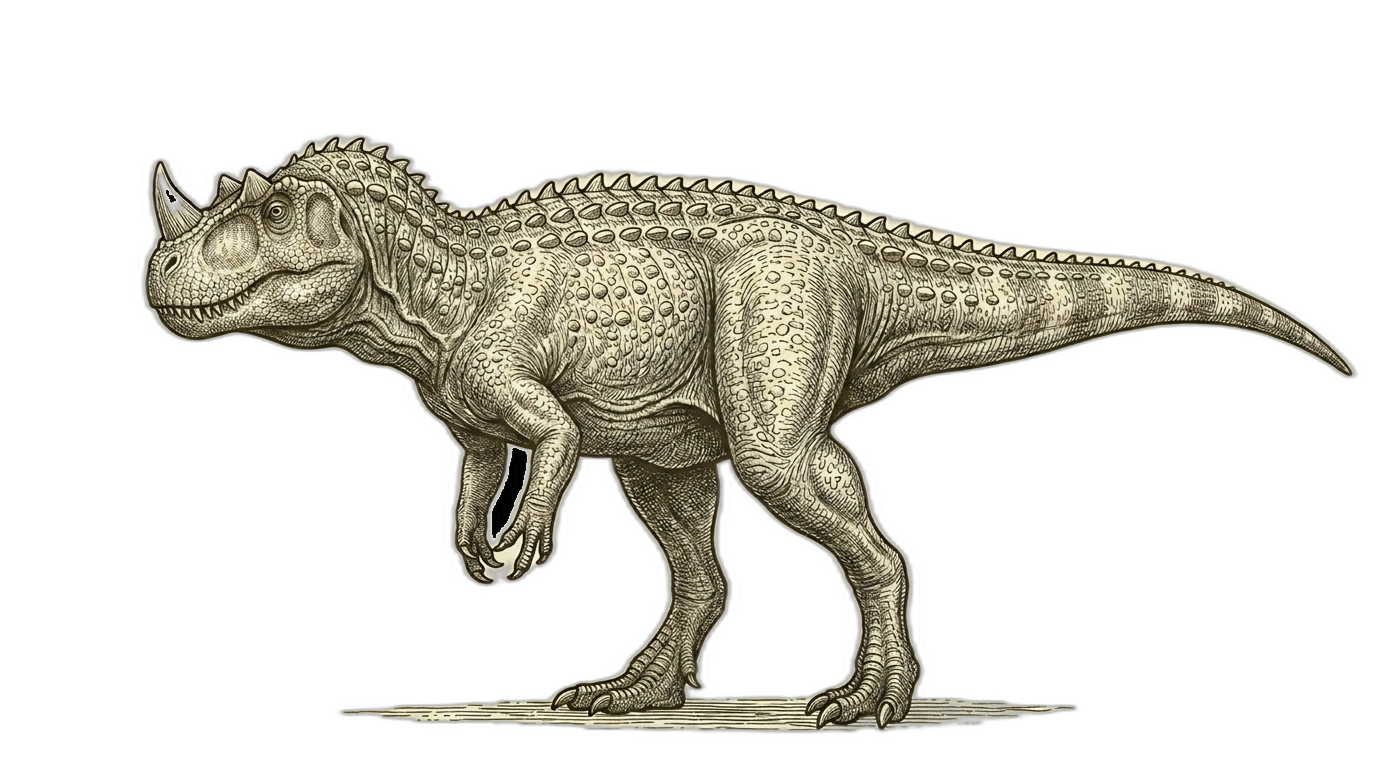
Ceratosaurus
Ceratosaurus nasicornis
Ceratosaurus was a mid-sized theropod in the Morrison Formation that likely opportunistically scavenged or preyed upon juvenile sauropods.
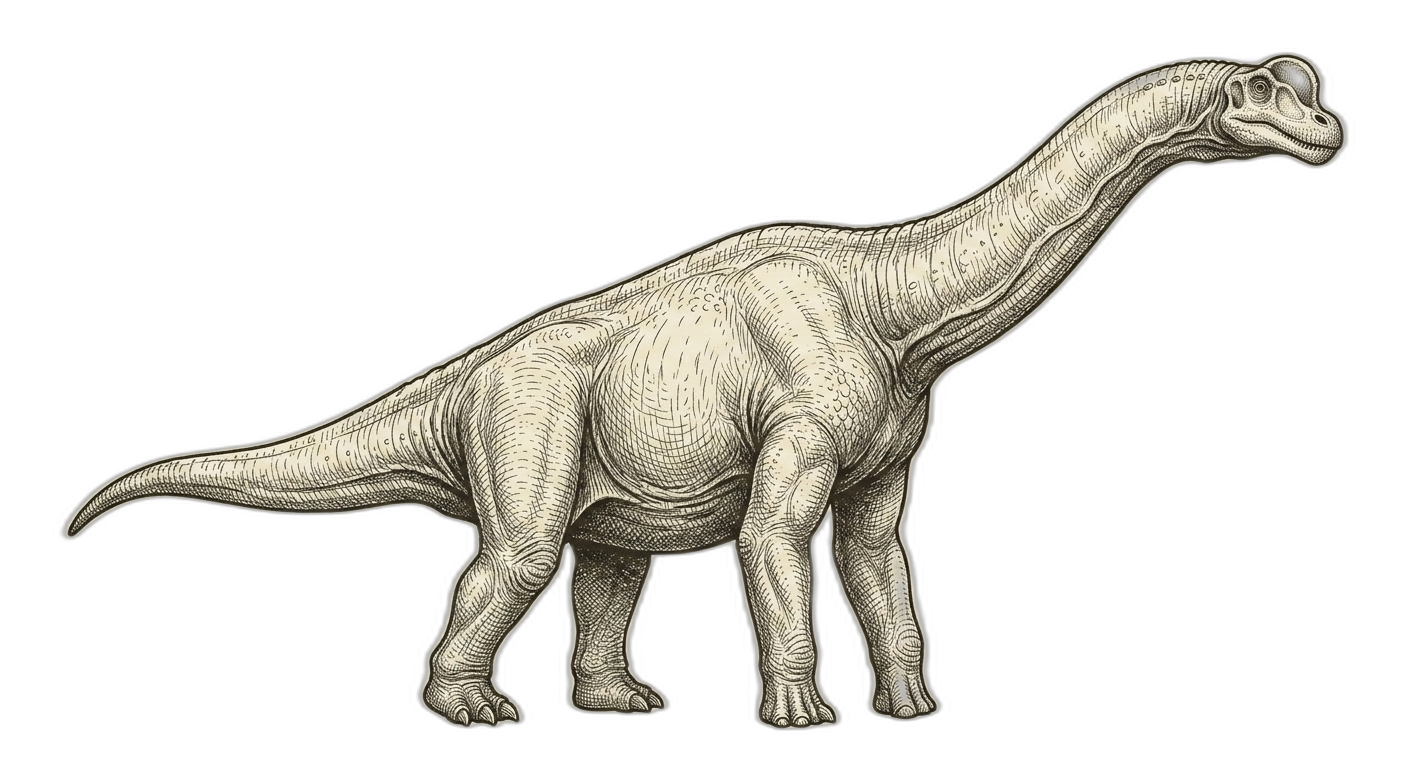
Brachiosaurus
Brachiosaurus altithorax
Both massive herbivores in the Morrison Formation.
Sources & Citation
- Length estimates
- Tschopp, Mateus & Benson (2015), PeerJ
- Height estimates
- Estimated from skeletal reconstructions; Foster (2007), Jurassic West
- Weight estimates
- Campione & Evans (2012), BMC Biology; mass estimates for diplodocids
- Speed estimates
- Biomechanical estimates for large sauropods; Alexander (1989)