About
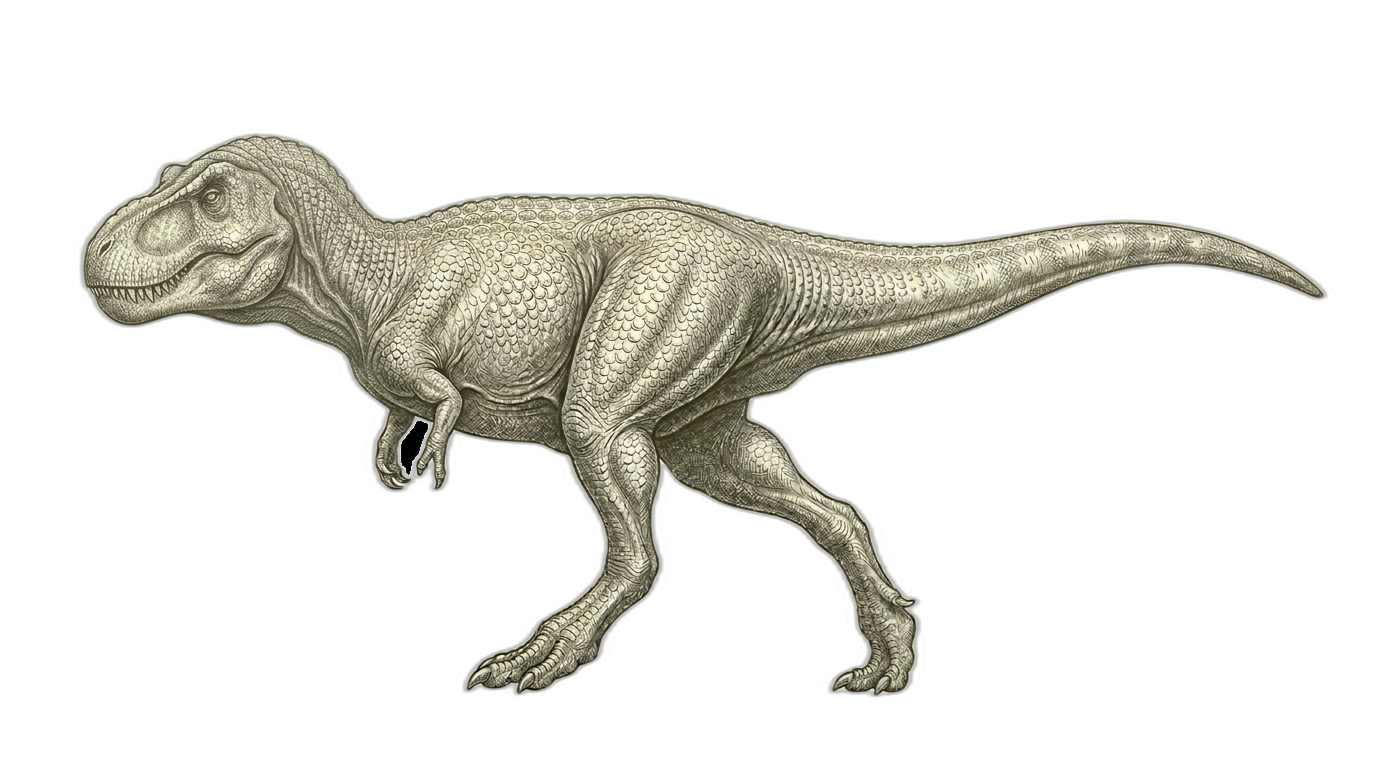
Few animals in the history of life have captured human imagination like Tyrannosaurus rex. With a skull over 1.5 meters long packed with banana-sized teeth, T-Rex was the of its world — and it knew it.
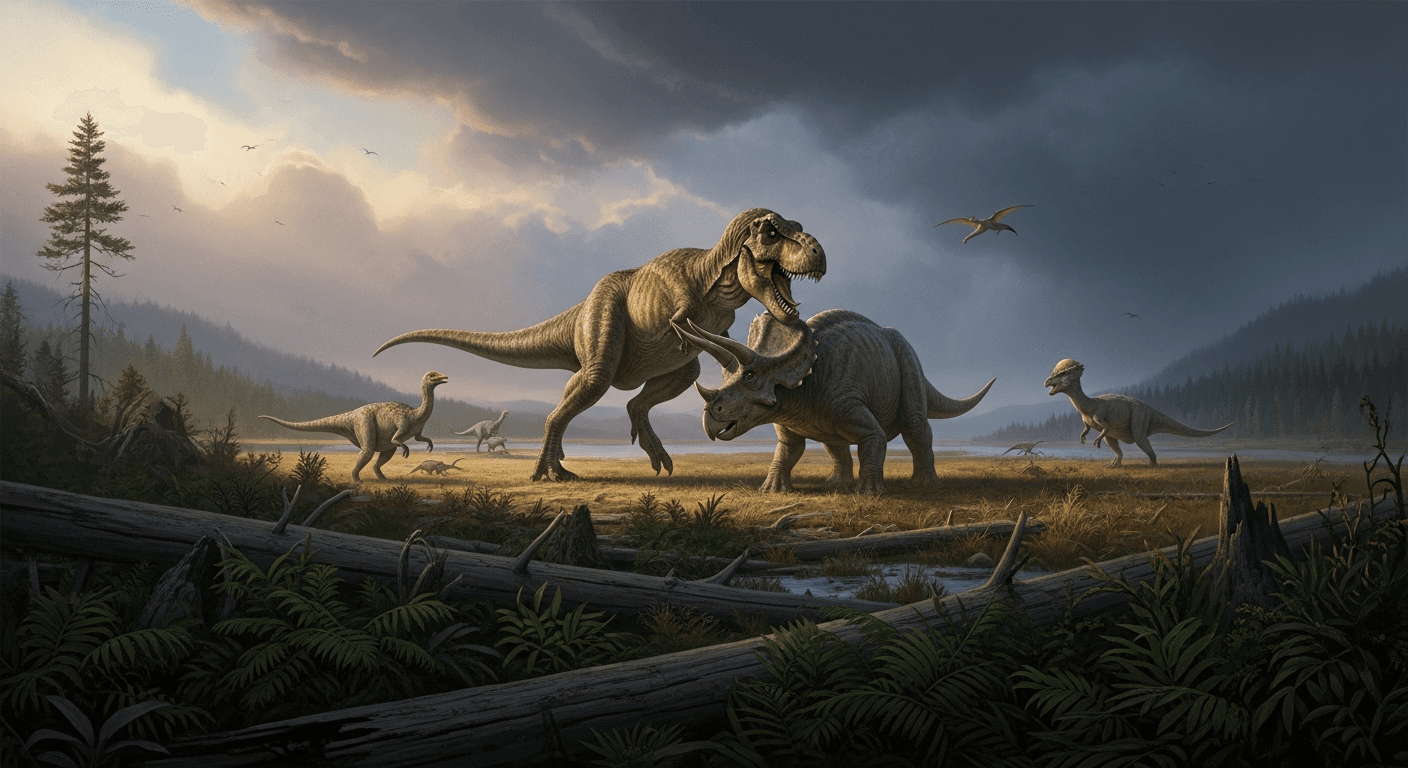
For decades, scientists debated whether T-Rex was an active hunter or a . The answer, it turns out, is both. Bite marks found on Triceratops bones show healed injuries — meaning the prey survived the attack — settling the question: T-Rex hunted live prey.
Its famous tiny arms weren't or useless. Recent research suggests they may have been used to grip struggling prey at close range, or during mating. Each arm could curl roughly 180 kilograms.
T-Rex almost certainly had some form of feathering, at least during early life stages — close relatives like Yutyrannus were fully feathered. Whether adults retained feathers or had scaly skin (like the impressions found with some specimens) is still debated.
The largest known individual, nicknamed 'Scotty,' lived in what is now Saskatchewan and is estimated to have weighed over 8,800 kg — making it the heaviest land predator on record.
Quick Facts
- Scientific name
- Tyrannosaurus rex
- Also known as
- T-Rex
- Group
- Tyrannosaur · Tyrannosauridae
- Lived
- Late Cretaceous, 72.2–66 million years ago
- Diet
- Carnivore
- Movement
- Walked on two legs
- Fossils found in
- Hell Creek Formation and Lance Formation (Montana, North Dakota, South Dakota, Wyoming, United States)
- Discovery credited to
- 1902, Barnum Brown
- Holotype
- AMNH 973 · American Museum of Natural History, New York
- DinoVault record
- DVL-0142
Where fossils were found
Hell Creek Formation
+1 more formation
Montana, North Dakota, South Dakota, Wyoming · United States
72.2–66 million years ago(6.2m year span)
Where T-Rex Roamed
Keep exploring the vault
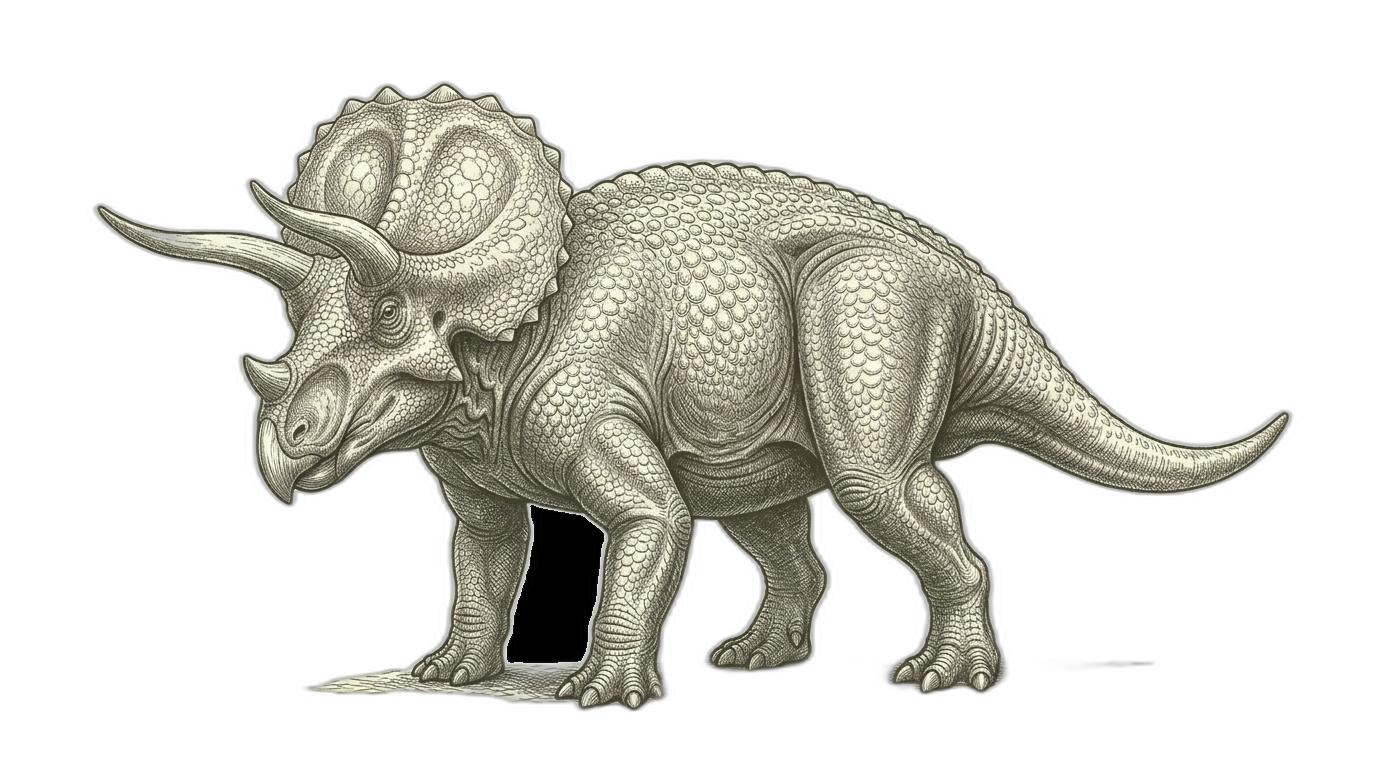
Triceratops
Triceratops horridus
Multiple Triceratops fossils from Hell Creek and Lance formations show T. rex bite marks on frill and horn cores.
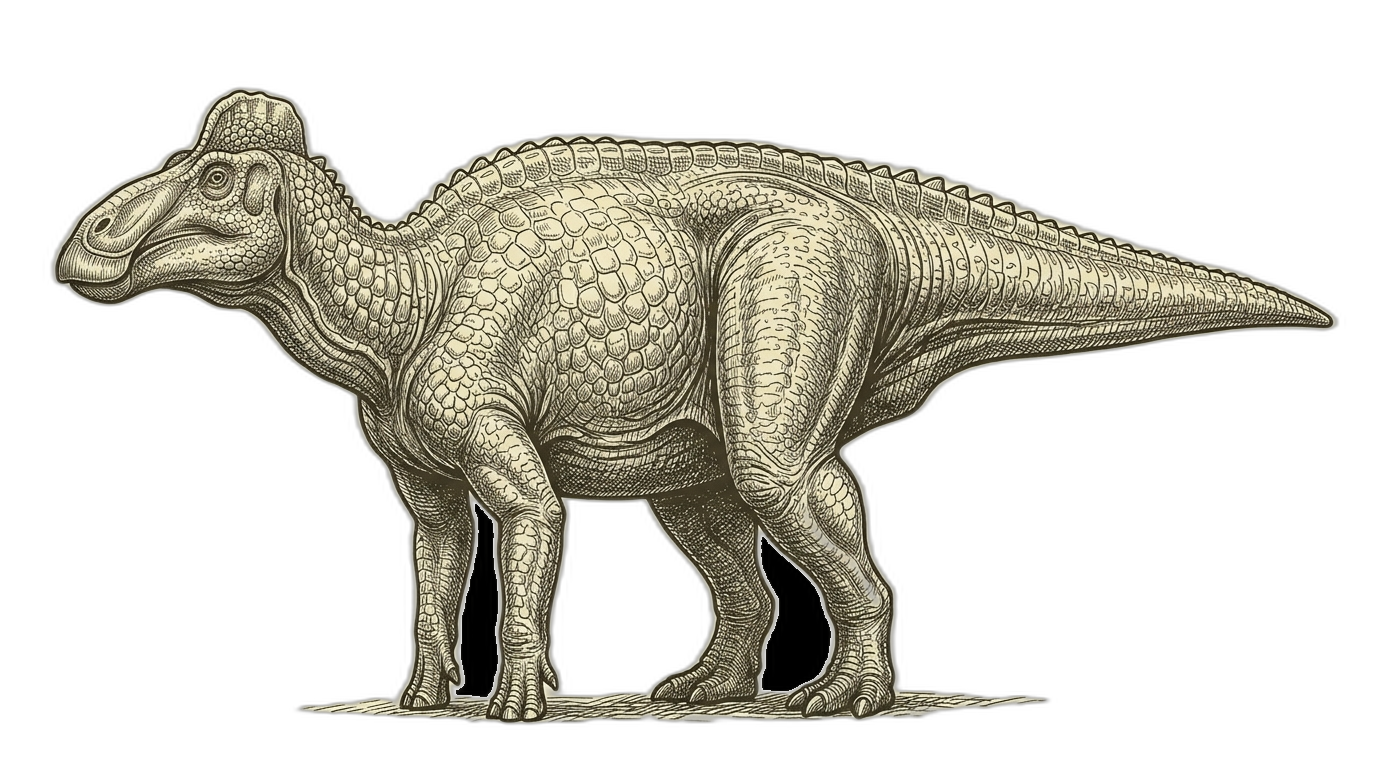
Edmontosaurus
Edmontosaurus regalis
Edmontosaurus tail vertebrae from the Hell Creek Formation show healed T. rex bite marks, demonstrating predation on living animals.
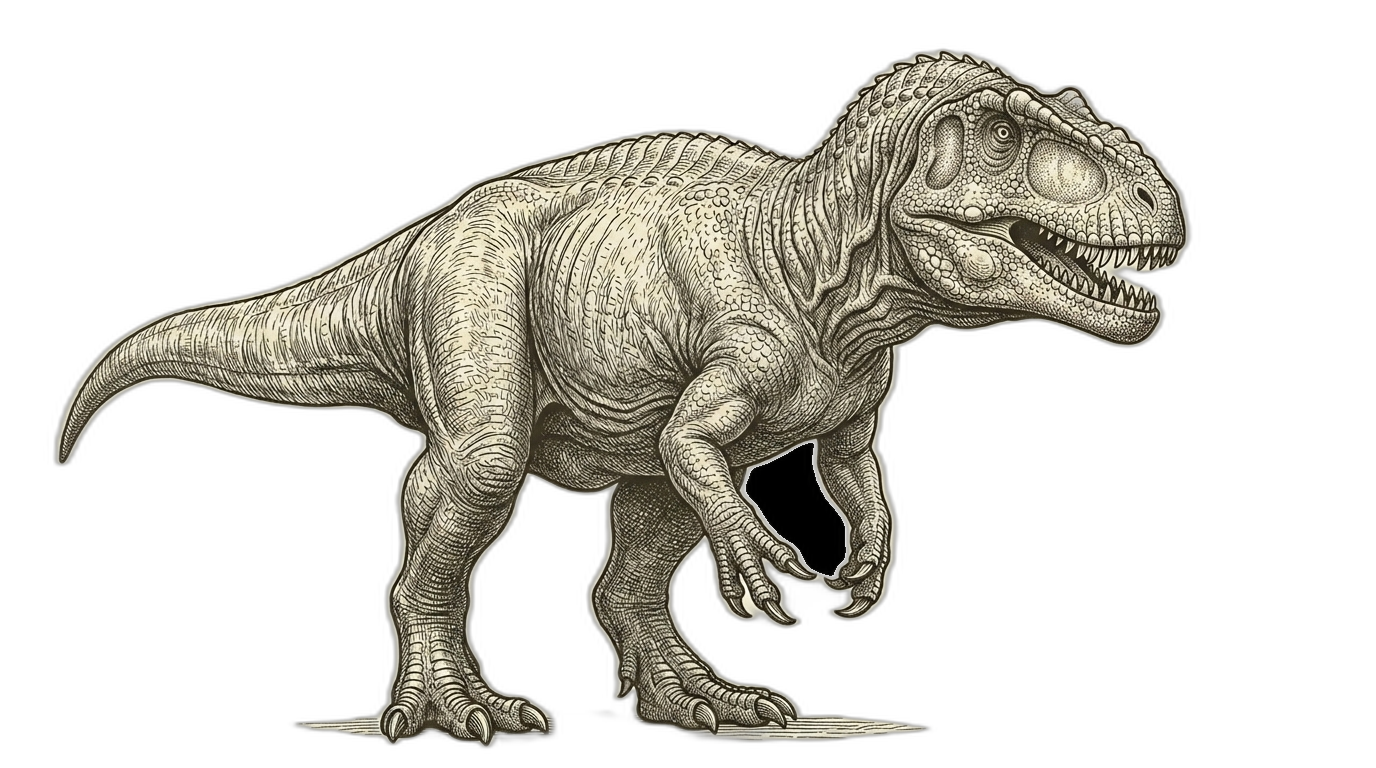
Giganotosaurus
Giganotosaurus carolinii
Both represent independent evolution of giant apex theropod predators — Giganotosaurus from Carcharodontosauridae in South America (Cenomanian, ~97 mya) and T. rex from Tyrannosauridae in North America (Maastrichtian, ~68 mya).
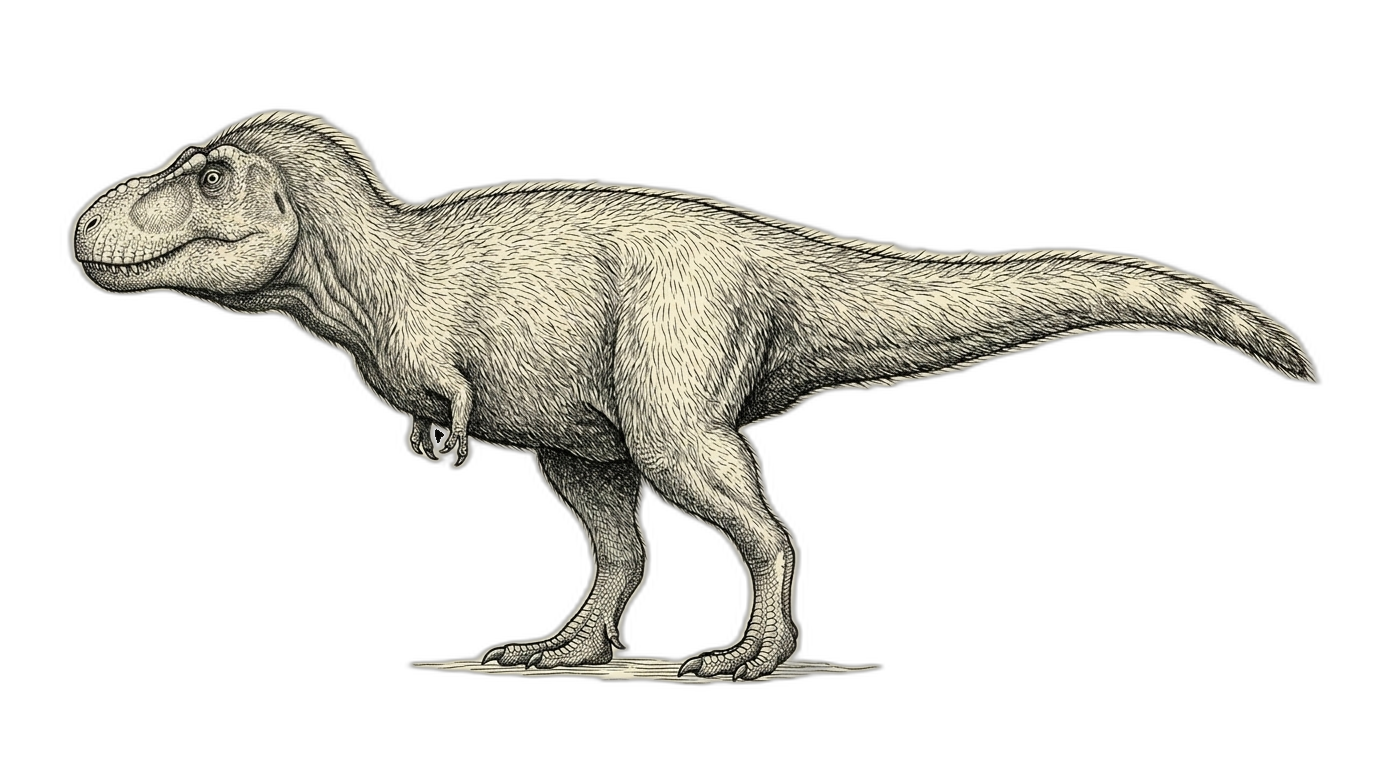
Nanuqsaurus
Nanuqsaurus hoglundi
Same family: Tyrannosauridae
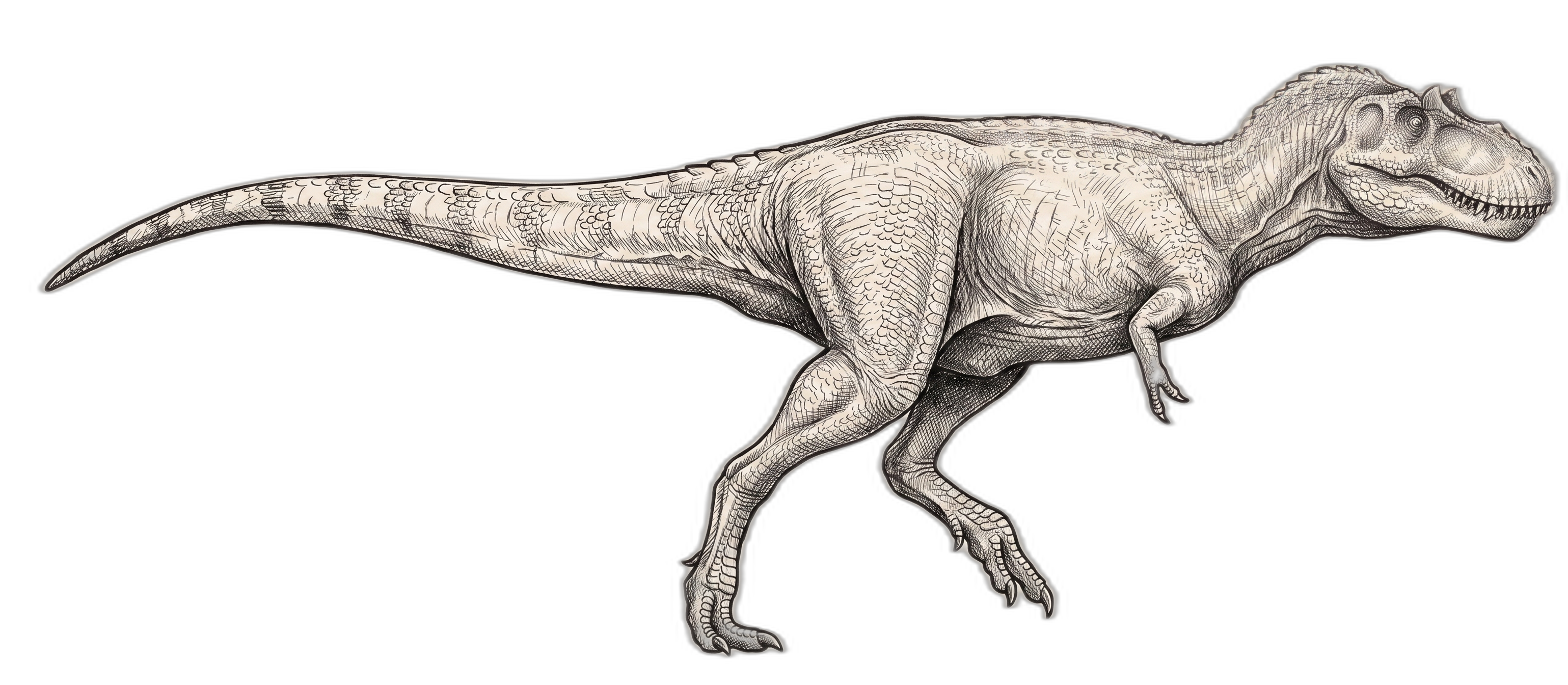
Gorgosaurus
Gorgosaurus libratus
Same family: Tyrannosauridae
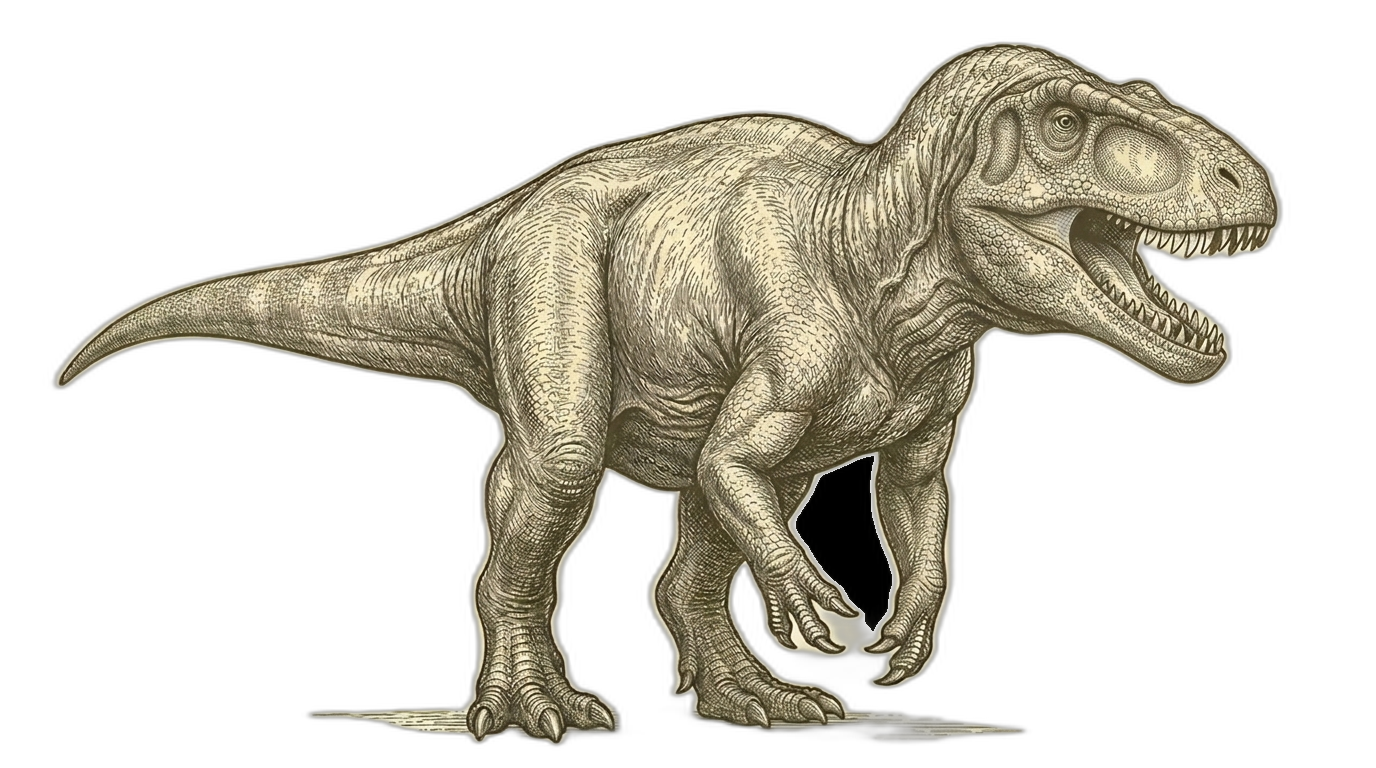
Carcharodontosaurus
Carcharodontosaurus saharicus
Parallel evolution of giant theropod apex predators on different continents — Carcharodontosaurus in Africa and T. rex in North America.
Sources & Citation
- Length estimates
- Multiple specimens including Sue (FMNH PR 2081) and Scotty
- Height estimates
- Measured at hip from multiple specimens
- Weight estimates
- Estimates vary significantly by method; 8,400 kg (Hutchinson 2011) to 14,000 kg (Persons 2019)
- Speed estimates
- Biomechanical modeling; top speed disputed