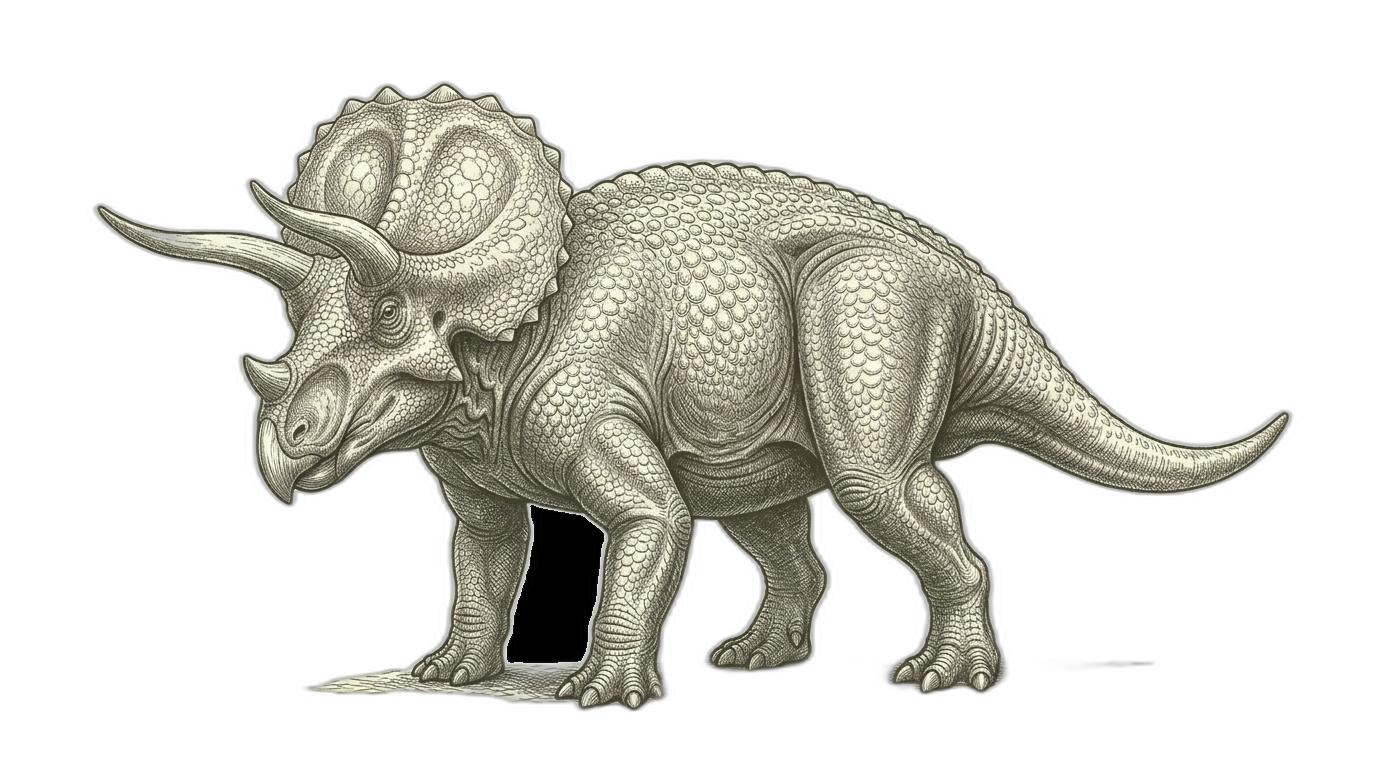
About
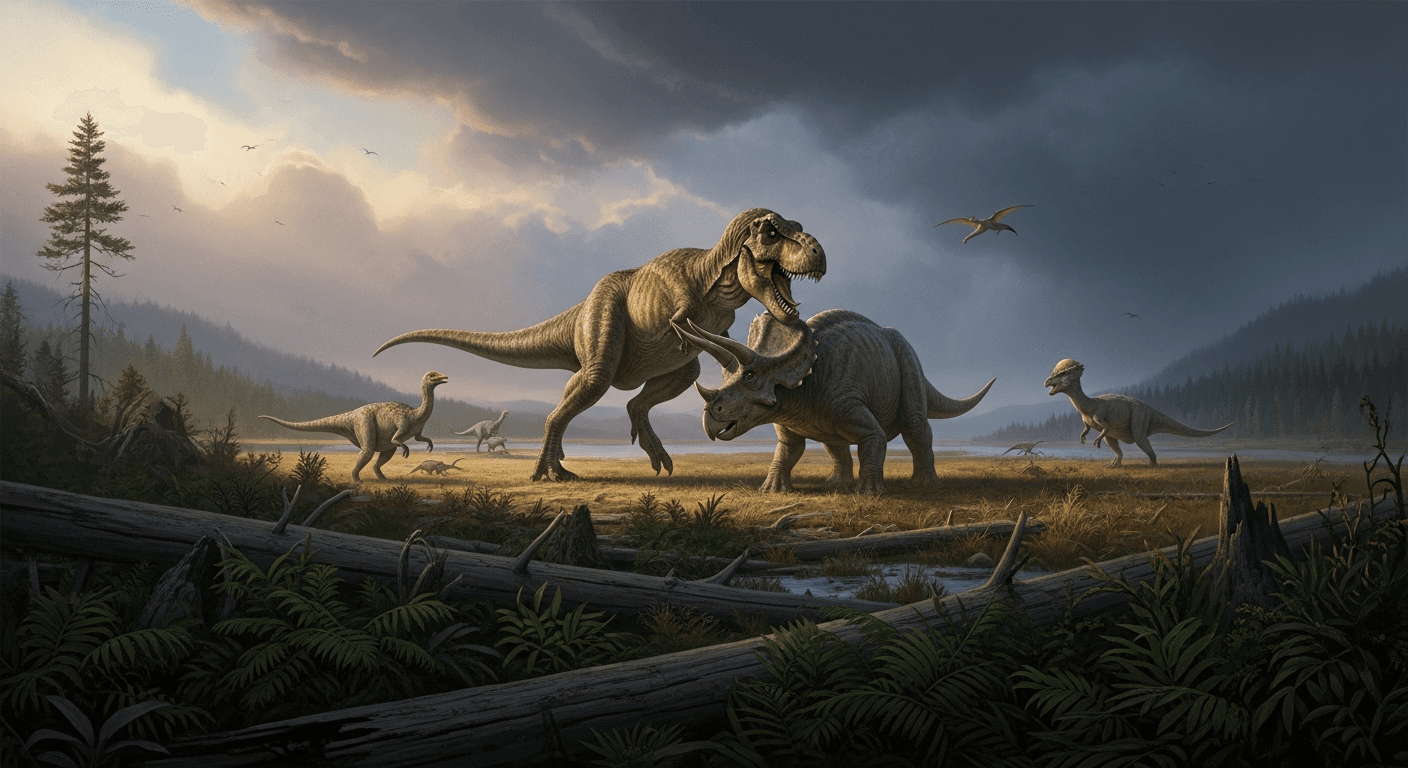
Triceratops is one of the last dinosaurs — it lived right up to the Chicxulub asteroid impact 66 million years ago, sharing its world with Tyrannosaurus rex. The two almost certainly encountered each other, and the evidence is written in bone: Triceratops frills and horns have been found with T-Rex bite marks, and at least one Triceratops hip bone shows healed puncture wounds — meaning it survived a T-Rex attack.
The three horns weren't just for fighting predators. Triceratops horns and frills show an enormous range of variation between individuals, suggesting they were also used for species recognition, dominance displays, and attracting mates — much like antlers in modern deer.
For years, paleontologists debated whether a closely related dinosaur called Torosaurus was actually an adult Triceratops. The of Torosaurus has large openings that Triceratops lacks. The current evidence suggests they are indeed separate species, but the debate isn't fully settled.
Triceratops was remarkably common. More Triceratops fossils have been found than any other large Late Cretaceous dinosaur — it may have been the most abundant large herbivore of its time.
Quick Facts
- Scientific name
- Triceratops horridus
- Group
- Ceratopsian · Ceratopsidae
- Lived
- Late Cretaceous, 72.2–66 million years ago
- Diet
- Herbivore
- Movement
- Walked on four legs
- Fossils found in
- Hell Creek Formation and Lance Formation (Montana, North Dakota, South Dakota, Wyoming, United States)
- Discovery credited to
- 1889, John Bell Hatcher
- Holotype
- YPM 1820 · Yale Peabody Museum, New Haven
- DinoVault record
- DVL-0138
Where fossils were found
Hell Creek Formation
+1 more formation
Montana, North Dakota, South Dakota, Wyoming · United States
72.2–66 million years ago(6.2m year span)
Where Triceratops Roamed
During the late Cretaceous period, *Triceratops horridus* roamed the coastal plains and river valleys of Laramidia, an island continent formed by the Western Interior Seaway that divided North America from the Gulf of Mexico to the Arctic Ocean. This warm, subtropical landscape featured lush forests of conifers, ferns, and flowering plants, providing abundant forage for these massive ceratopsians in what is now the western United States and Canada.
Keep exploring the vault
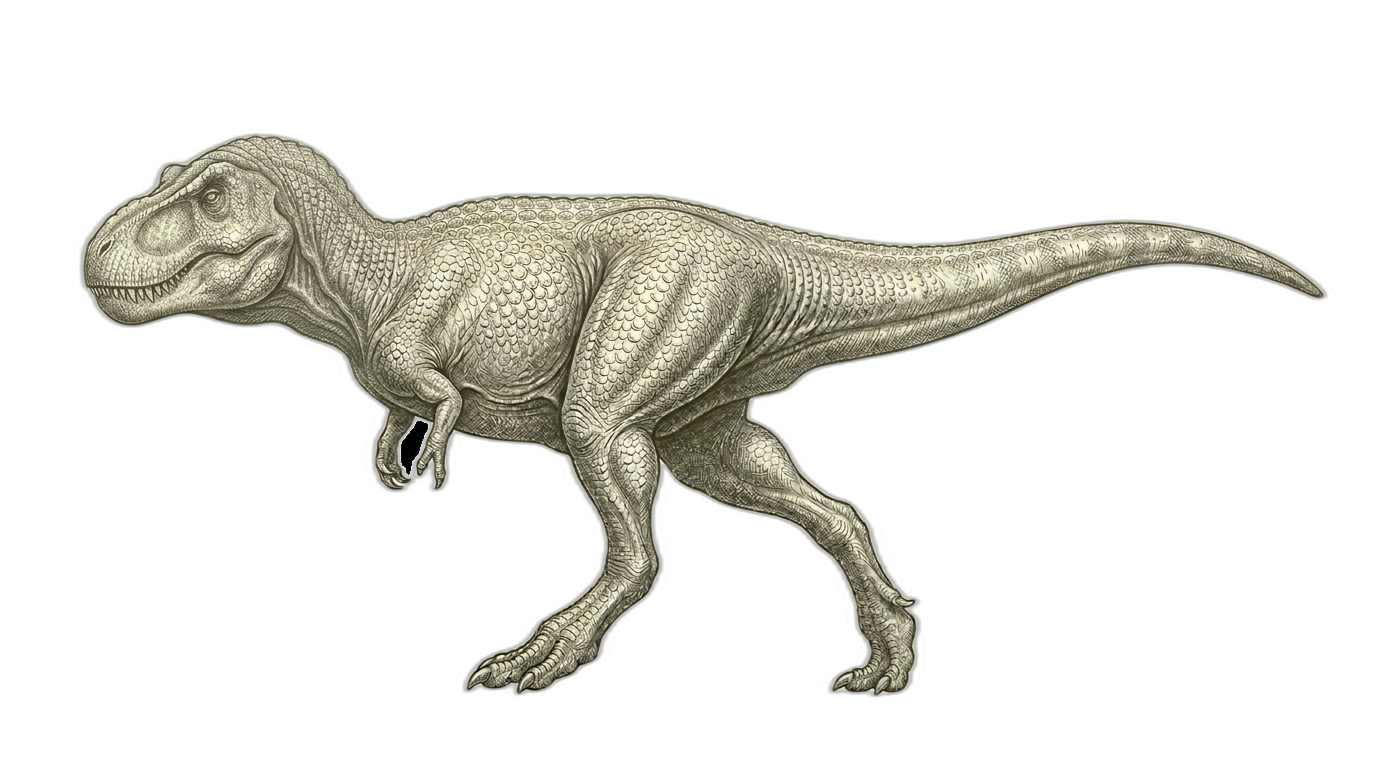
T-Rex
Tyrannosaurus rex
Multiple Triceratops specimens show healed bite marks matching T. rex tooth spacing on frill and squamosal bones, and shed T. rex teeth have been found associated with Triceratops carcasses.
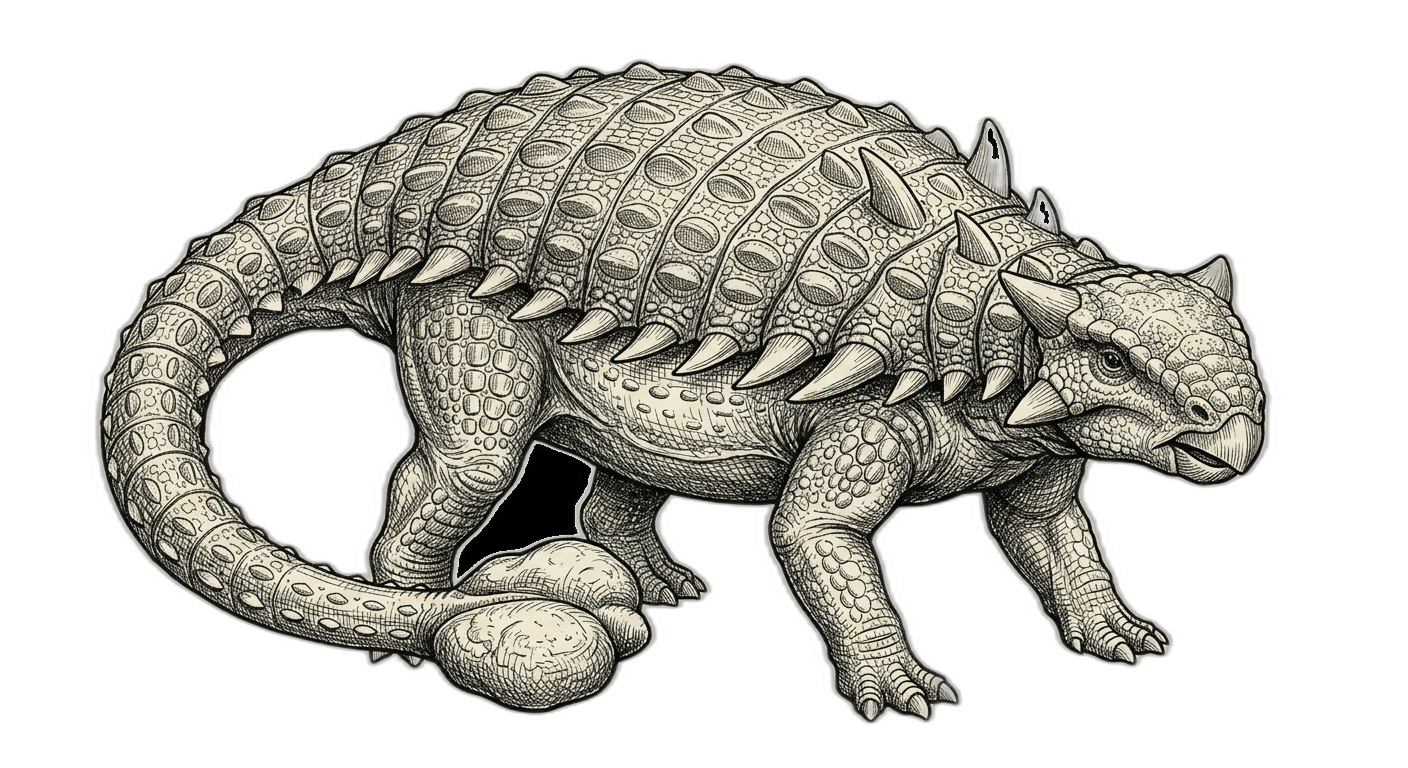
Ankylosaurus
Ankylosaurus magniventris
Both were large-bodied herbivores in the Hell Creek Formation competing for low-growing vegetation.
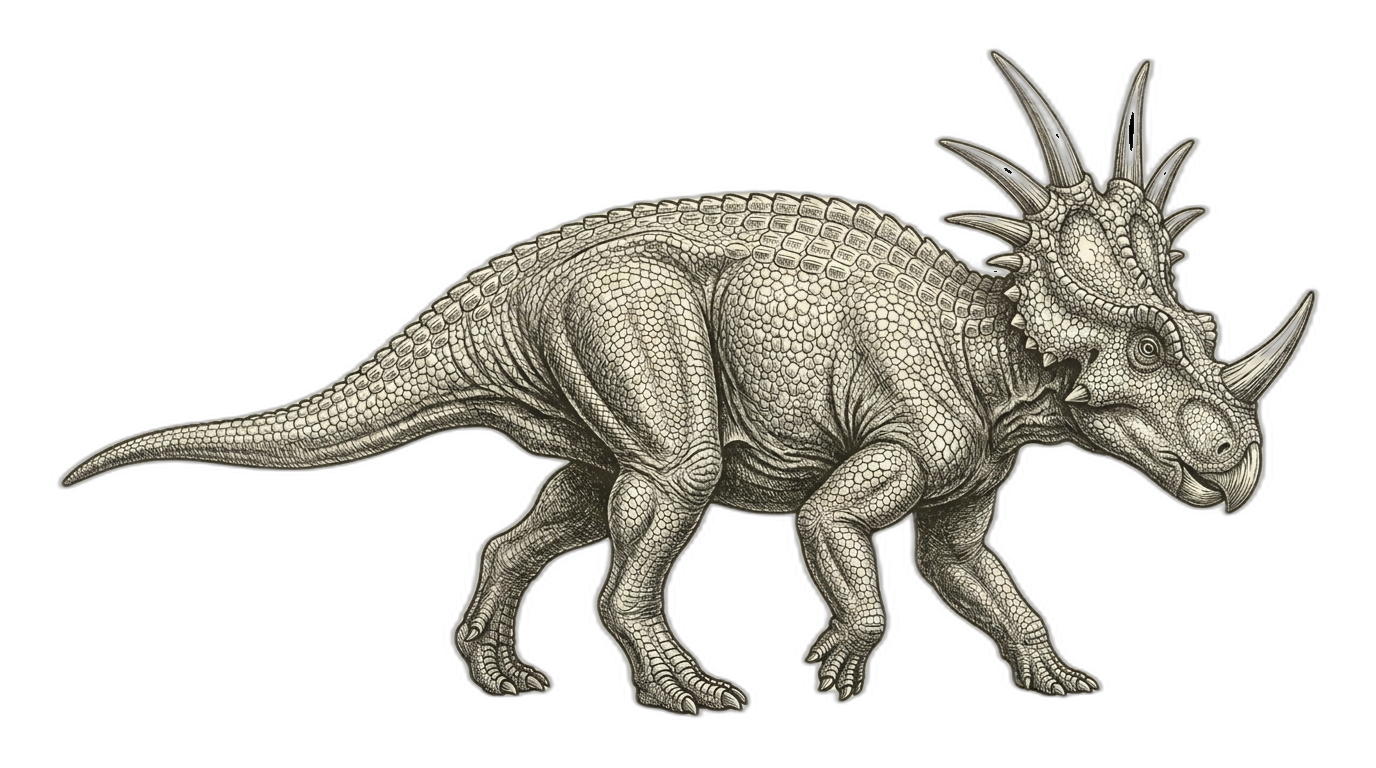
Styracosaurus
Styracosaurus albertensis
Fellow centrosaurine-grade ceratopsids that evolved elaborate but different frill ornamentation — Styracosaurus with long frill spikes, Triceratops with solid frill and prominent brow horns.
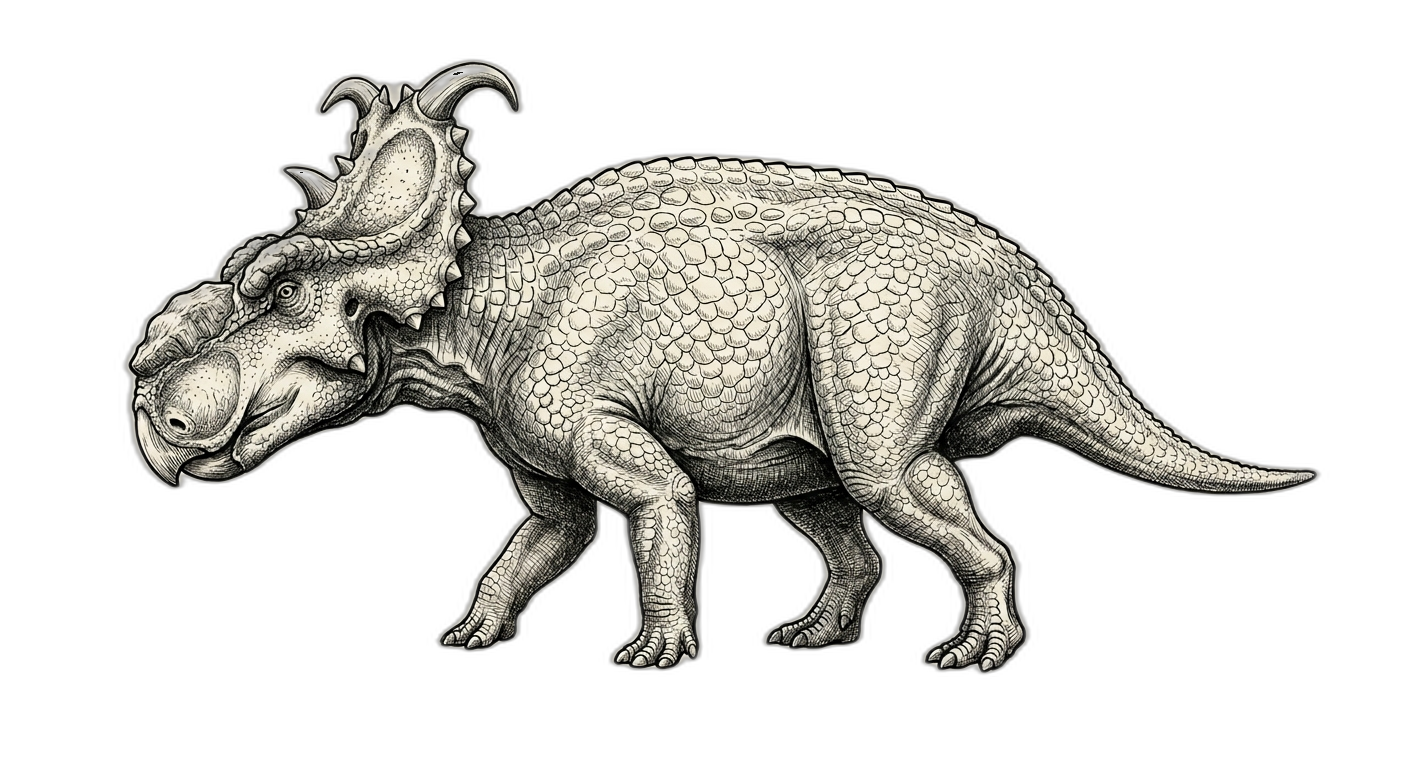
Pachyrhinosaurus
Pachyrhinosaurus canadensis
Same family: Ceratopsidae
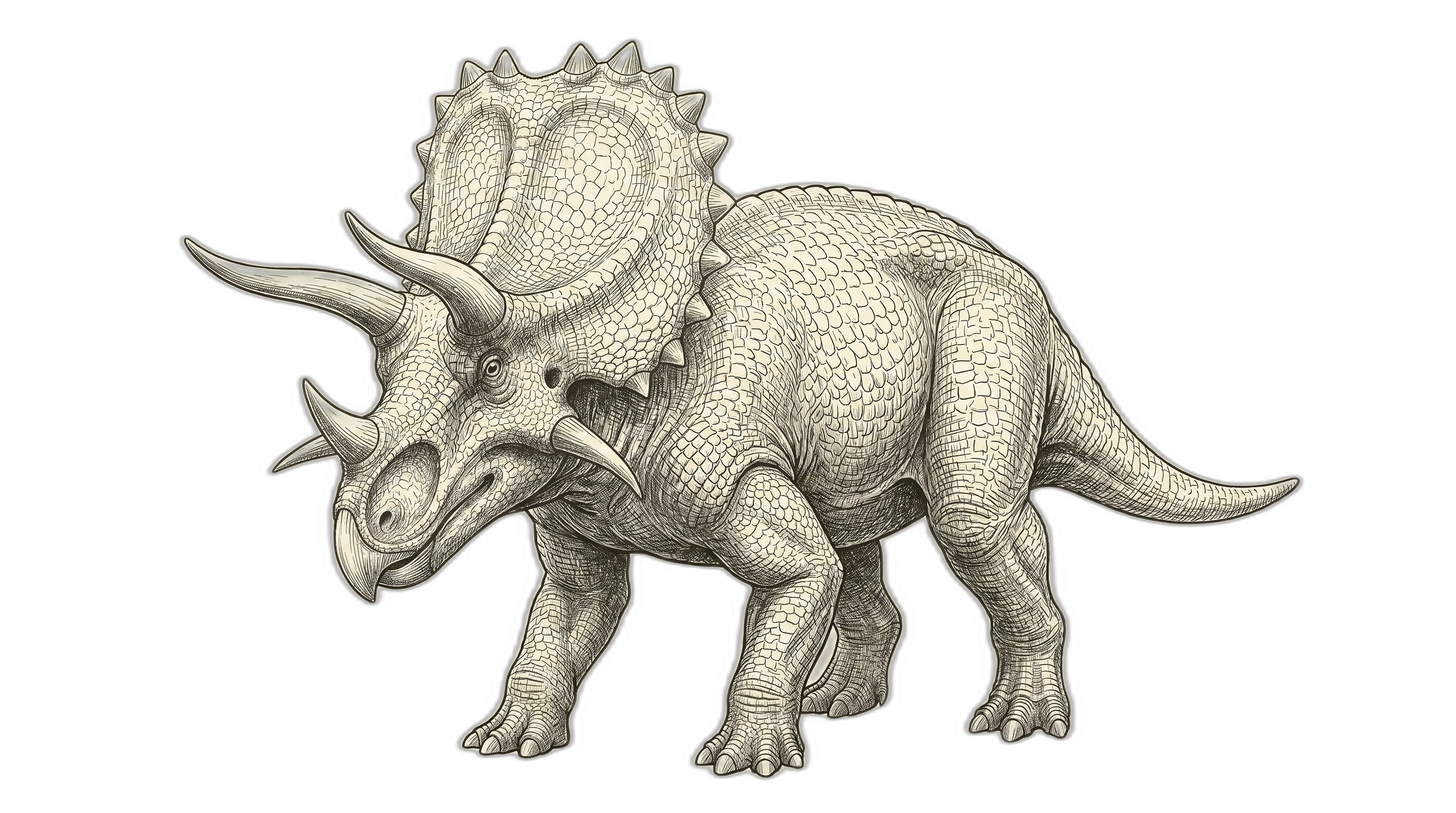
Pentaceratops
Pentaceratops sternbergii
Same family: Ceratopsidae
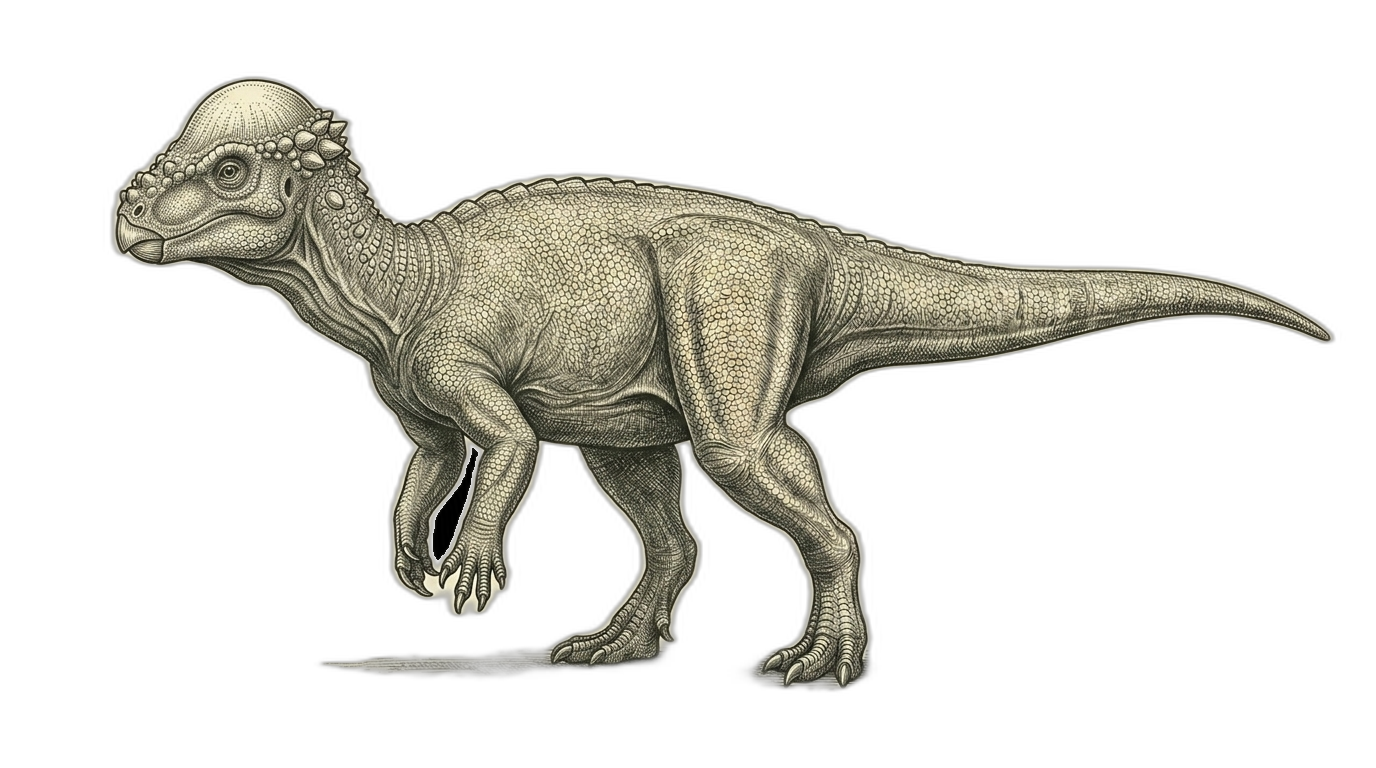
Pachycephalosaurus
Pachycephalosaurus wyomingensis
Co-occurs in both Hell Creek and Lance formations.
Sources & Citation
- Length estimates
- Multiple Hell Creek Formation specimens
- Height estimates
- Measured at shoulder
- Weight estimates
- Various mass estimates; wide range reflects body condition variation