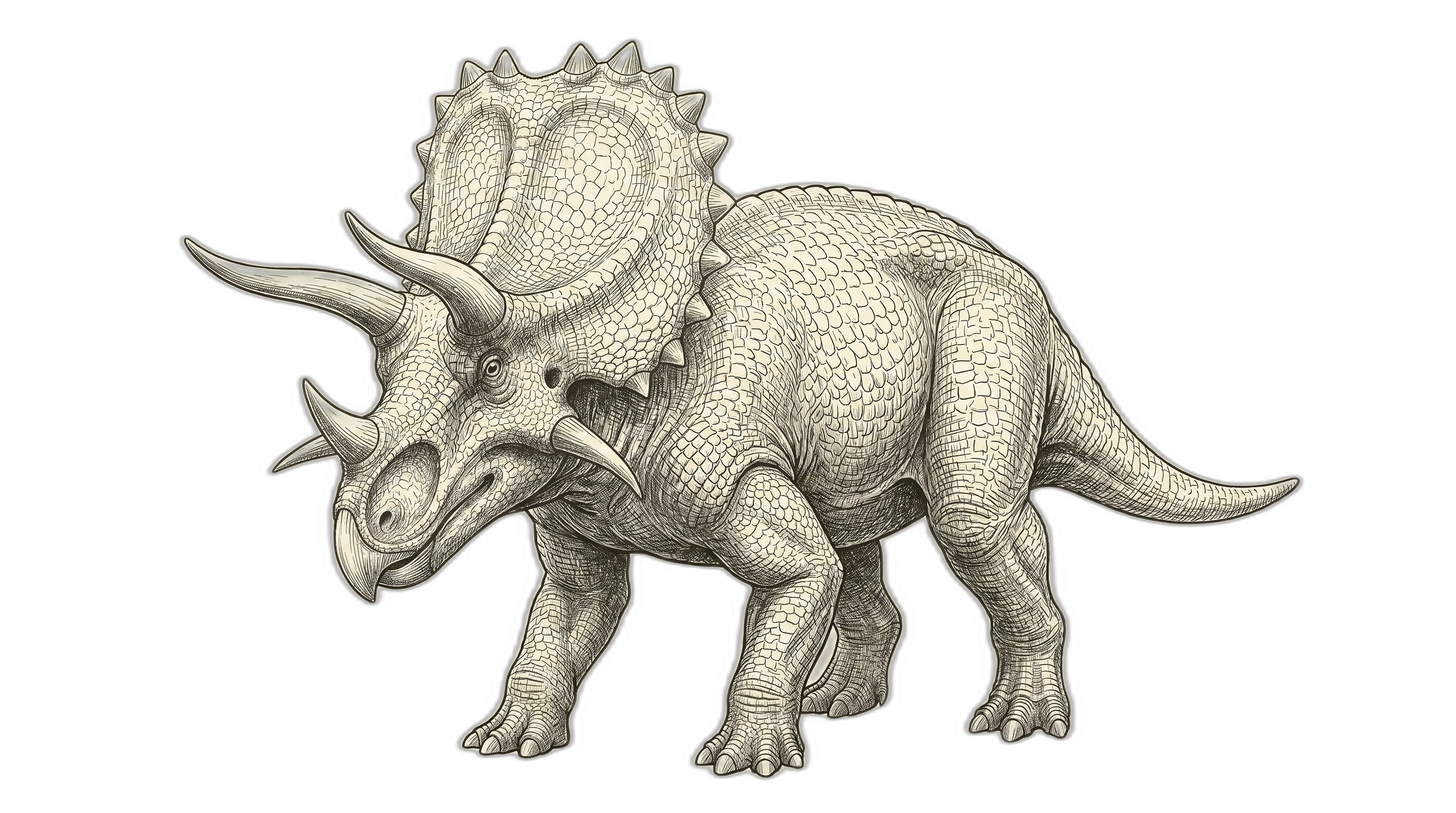
About
Pentaceratops was a large ceratopsid dinosaur that roamed the forests and floodplains of Late Cretaceous New Mexico between 76 and 73 million years ago. This impressive herbivore possessed one of the largest skulls of any land animal ever discovered, with its enormous extending dramatically backward from its head. Like its famous cousin Triceratops, it had three genuine horns — one on its snout and two above its eyes — but its name derives from the prominent pointed jugal bones (cheekbones) that projected outward, giving the appearance of two additional horns.
The first Pentaceratops fossils were discovered in 1921 by Charles H. Sternberg in the San Juan Basin of New Mexico, and the genus was formally named by Henry Fairfield Osborn in 1923. The species name honors the Sternberg family, legendary fossil hunters who contributed enormously to North American paleontology. Since then, about a dozen skulls and partial skeletons have been recovered, primarily from the Kirtland Formation, giving scientists an unusually complete picture of this animal's anatomy.
Pentaceratops was a formidable plant-eater, using its parrot-like beak to crop tough vegetation and its batteries of shearing teeth to process fibrous plants. Its massive frill, adorned with triangular bony projections called epoccipitals along the edges, likely served multiple functions: species recognition, for attracting mates, and possibly . The frill was relatively thin with large openings (fenestrae), suggesting display was more important than defense.
One particularly fascinating chapter in Pentaceratops research involves a specimen once thought to be an exceptionally large individual. This giant was later reclassified as its own genus, Titanoceratops, in 2011, demonstrating how ongoing scientific investigation can reshape our understanding of dinosaur diversity. The San Juan Basin continues to yield ceratopsid fossils, revealing a surprisingly diverse community of horned dinosaurs that lived alongside each other in prehistoric New Mexico.
Quick Facts
- Scientific name
- Pentaceratops sternbergii
- Group
- Ceratopsian · Ceratopsidae
- Lived
- Late Cretaceous, 75.6–74 million years ago
- Diet
- Herbivore
- Movement
- Walked on four legs
- Fossils found in
- Fruitland / Kirtland Formation, New Mexico, USA
- Discovery credited to
- 1923, Charles H. Sternberg
- Holotype
- AMNH 6325 · American Museum of Natural History, New York
- DinoVault record
- DVL-0108
Where Pentaceratops Roamed
Pentaceratops sternbergii roamed the lush coastal plains of Laramidia, a narrow island continent bounded by the vast Western Interior Seaway to the east, where subtropical forests and meandering river systems supported a diverse ecosystem of dinosaurs, crocodilians, and early mammals beneath warm, humid skies.
Keep exploring the vault
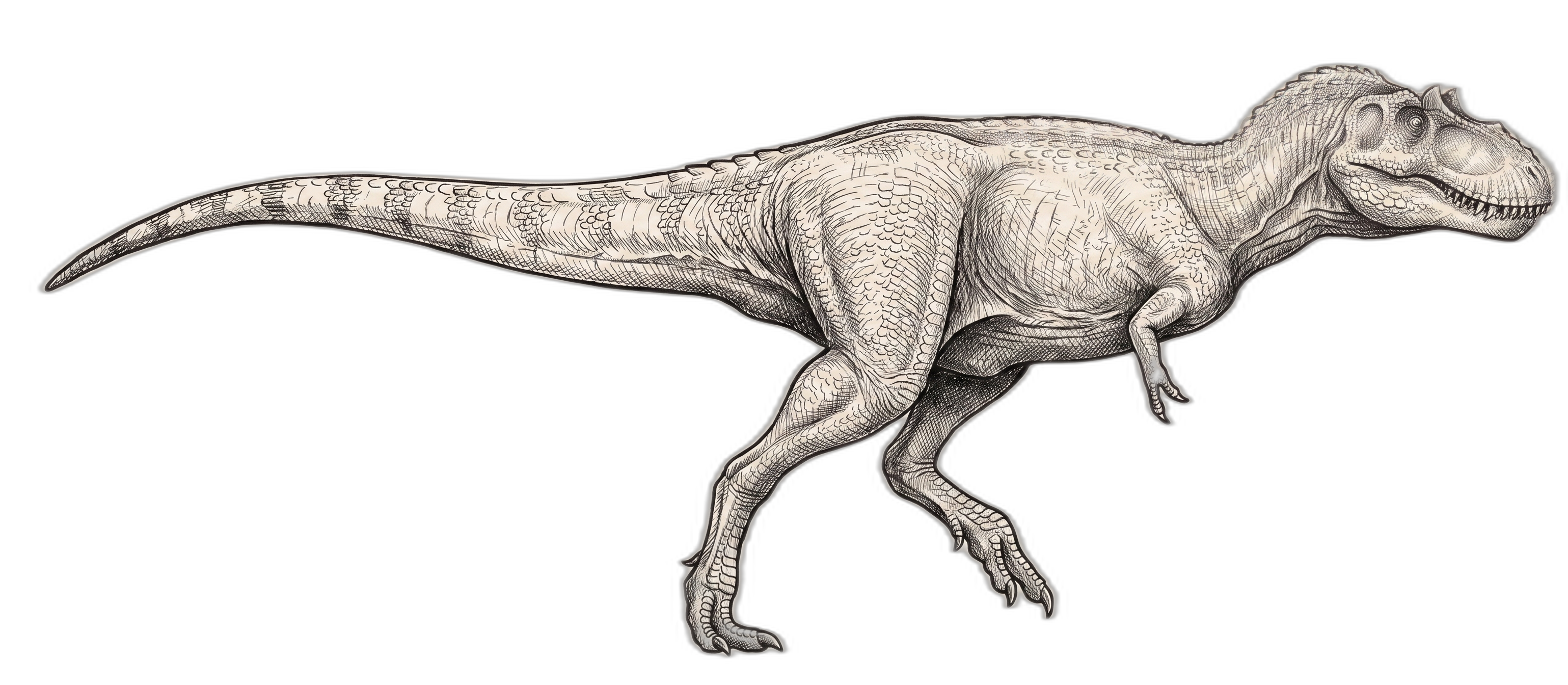
Gorgosaurus
Gorgosaurus libratus
Gorgosaurus was a large tyrannosaurid predator from the Late Cretaceous of North America (77-74 mya), temporally overlapping with Pentaceratops.
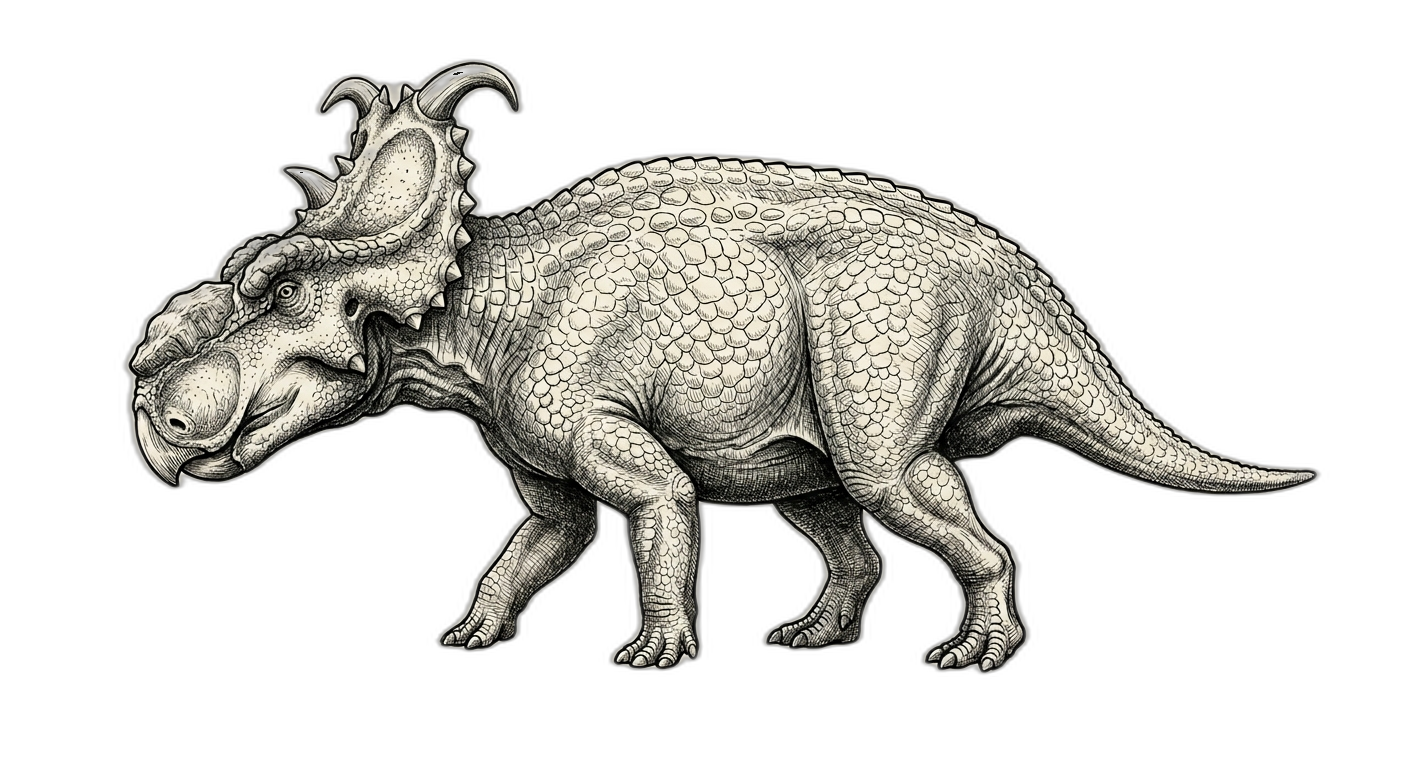
Pachyrhinosaurus
Pachyrhinosaurus canadensis
Both are large ceratopsid herbivores from the Late Cretaceous of North America with similar body plans and dietary requirements.
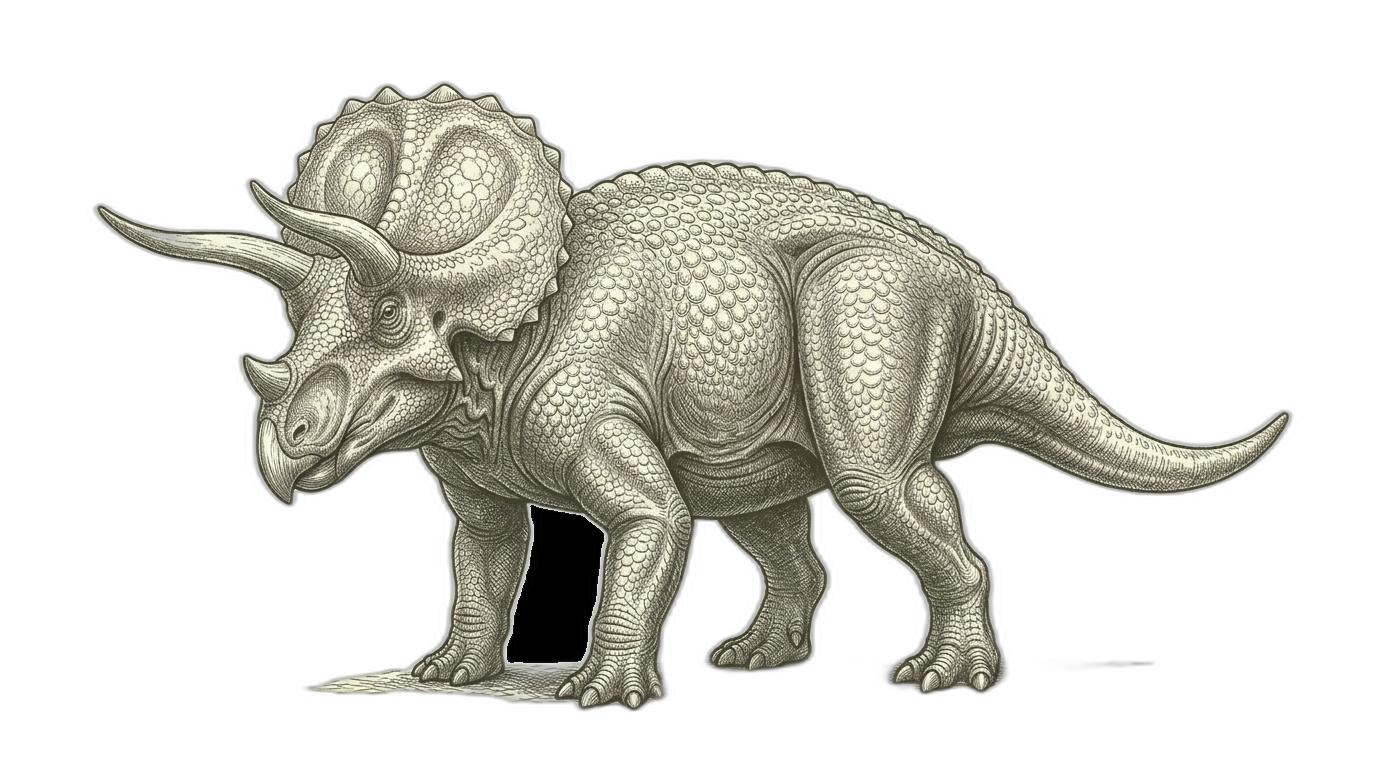
Triceratops
Triceratops horridus
Both are chasmosaurine ceratopsids that independently evolved elaborate frill ornamentation and large brow horns.
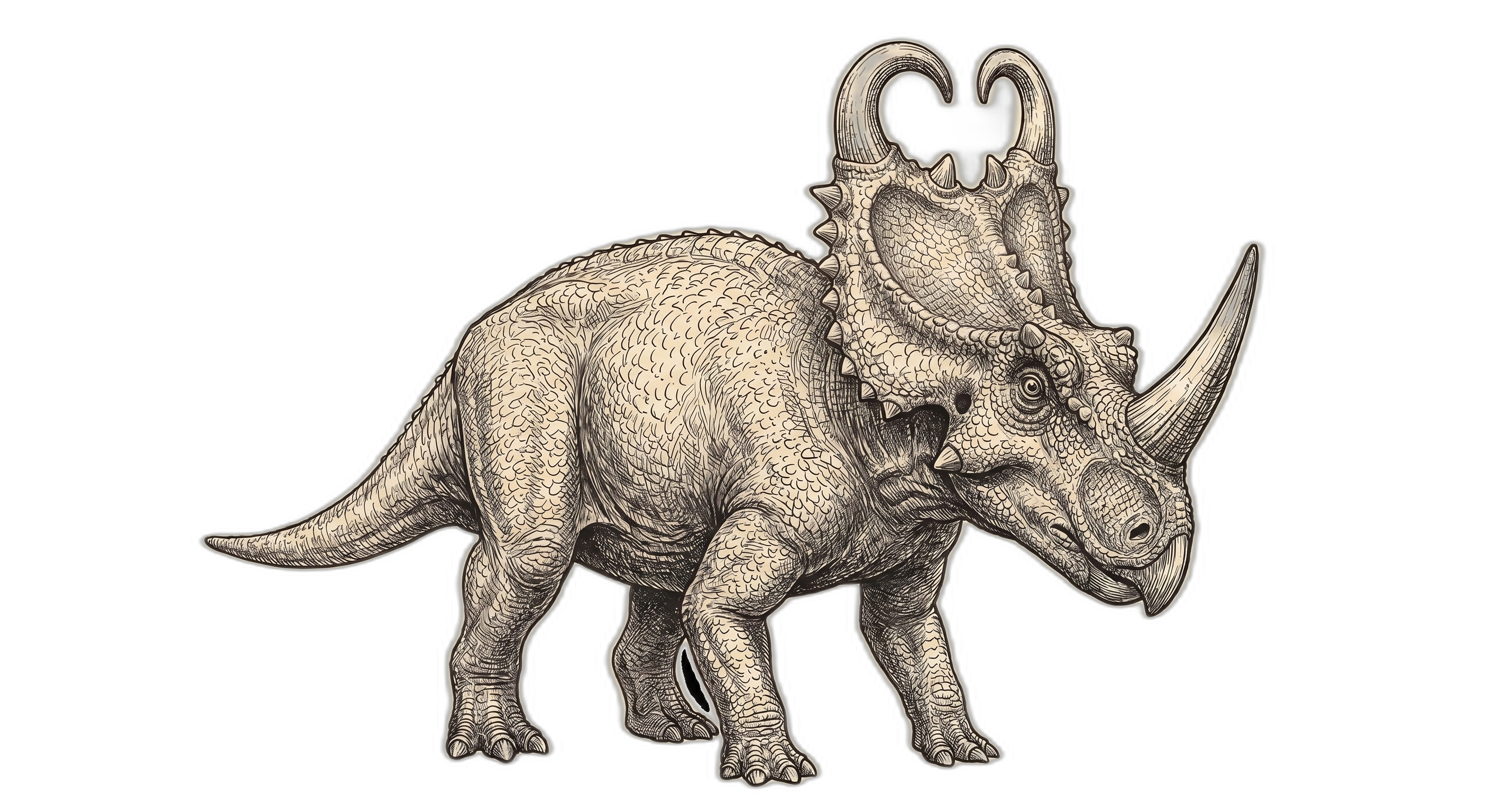
Centrosaurus
Centrosaurus apertus
Same family: Ceratopsidae
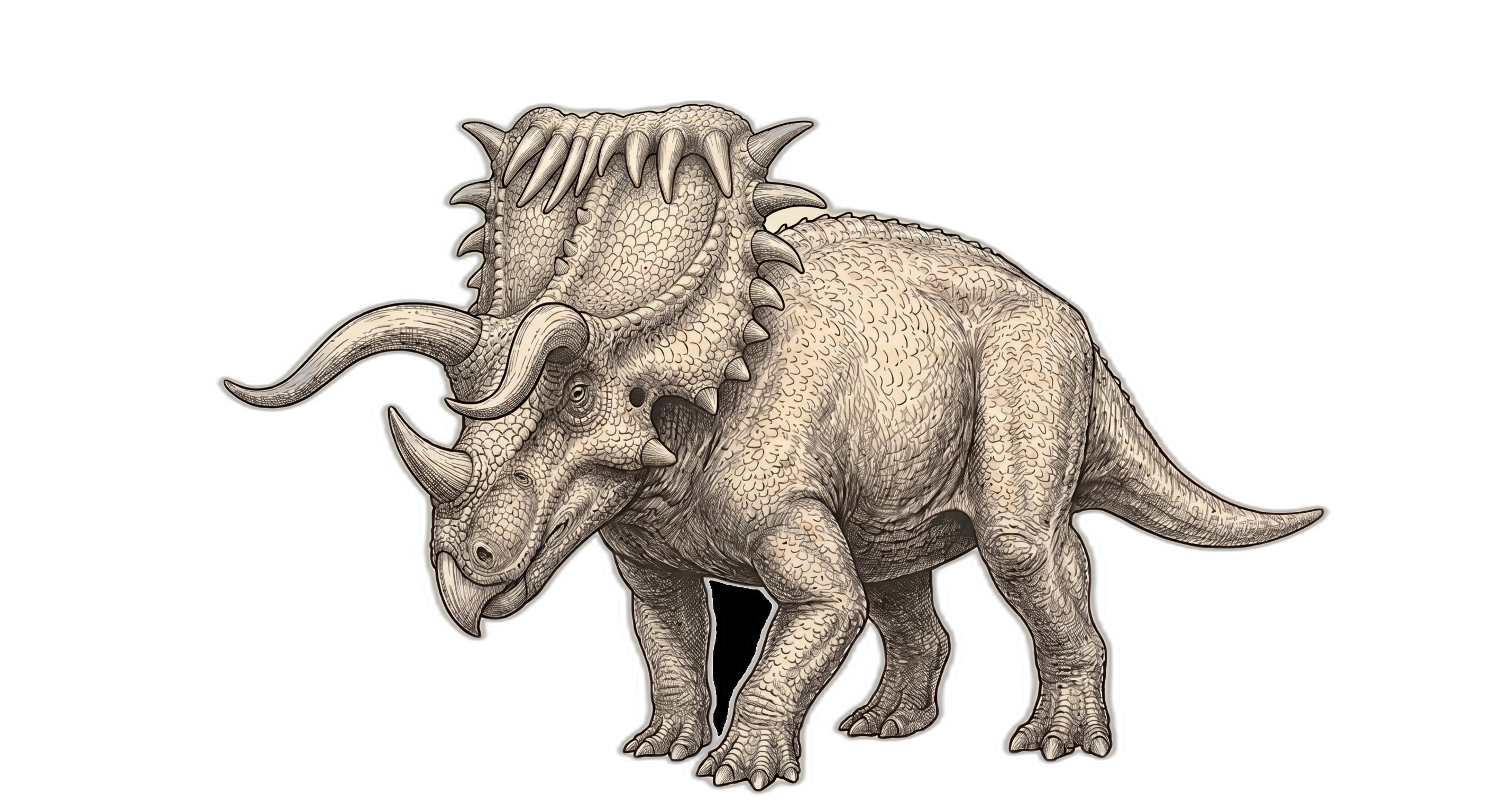
Kosmoceratops
Kosmoceratops richardsoni
Same family: Ceratopsidae
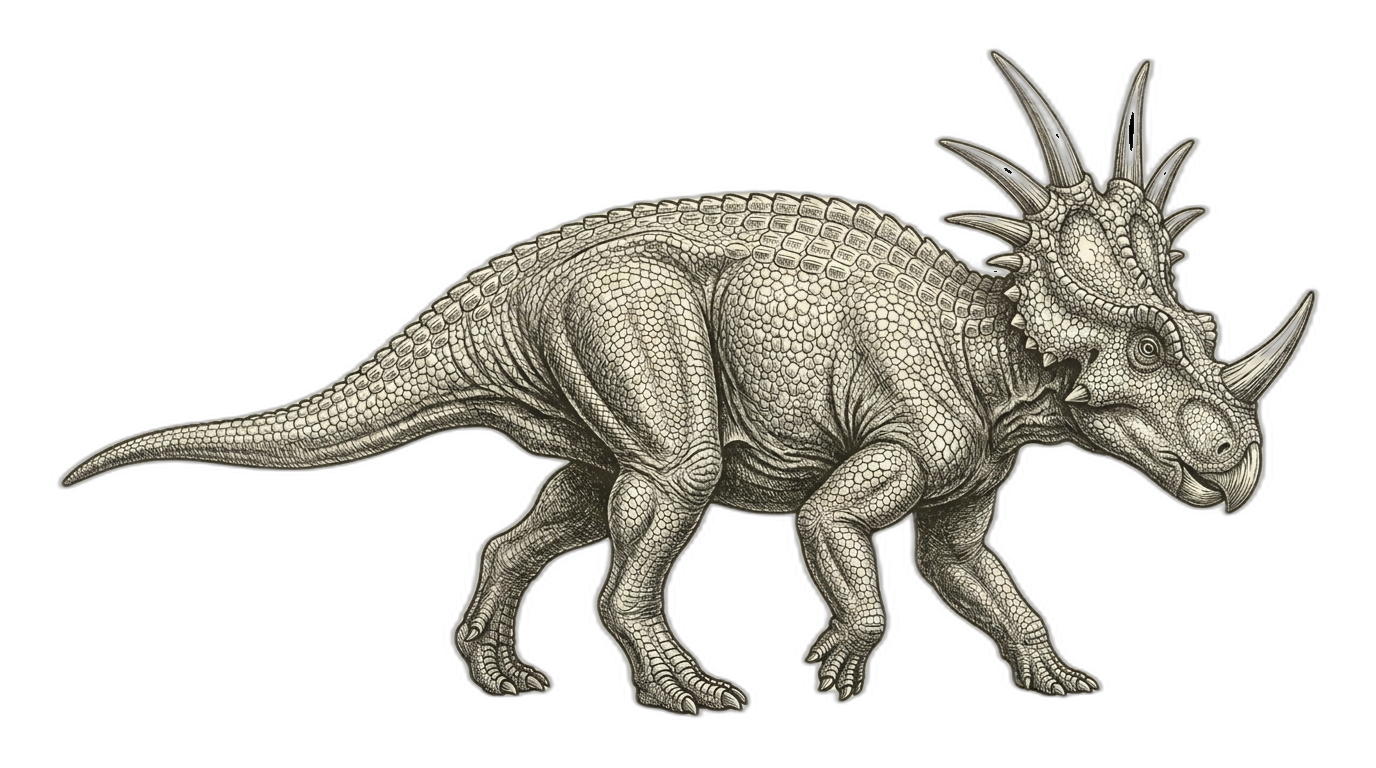
Styracosaurus
Styracosaurus albertensis
Styracosaurus (75.5-74.5 mya) was a contemporary ceratopsid from the Late Cretaceous of North America, representing similar ecological role as a large horned herbivore.
Sources & Citation
- Length estimates
- Dodson et al. 2004; Lehman 1998; based on multiple partial skeletons
- Height estimates
- Estimated shoulder height based on limb proportions; Lehman 1998
- Weight estimates
- Paul 2010; Anderson et al. 1985 scaling methods
- Speed estimates
- Estimated based on ceratopsid limb proportions; Alexander 1989 locomotion models