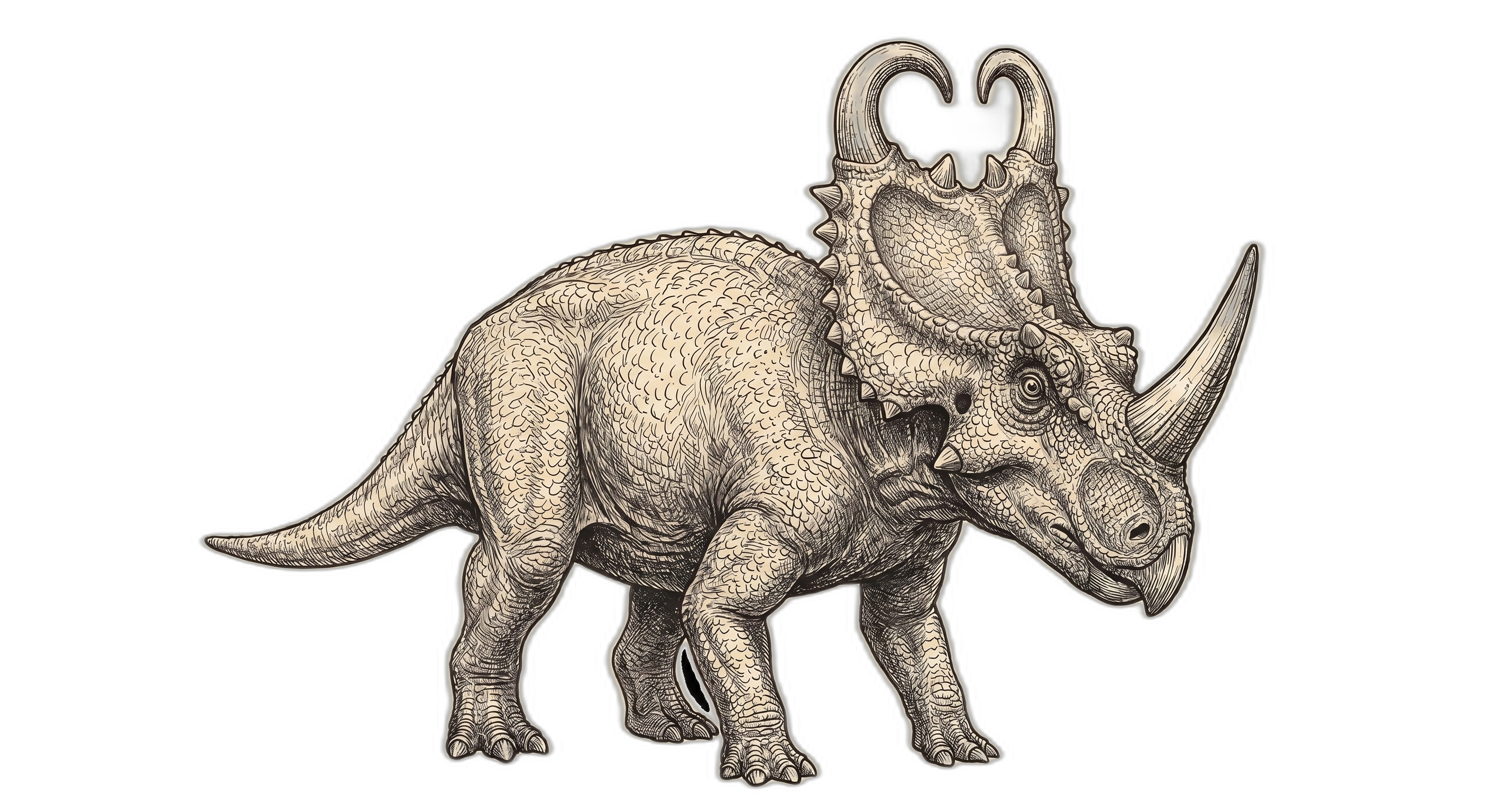
About
Centrosaurus was a medium-sized dinosaur that roamed the coastal plains of Late Cretaceous Alberta around 76 million years ago. Distinguished by a single large nasal horn and an elaborate decorated with distinctive hooked hornlets, this herbivore was built for a life of constant grazing and social interaction. Its parrot-like beak was perfectly adapted for cropping tough vegetation, while batteries of teeth processed plant material with remarkable efficiency.
What makes Centrosaurus truly remarkable is the extraordinary evidence it left behind of its social behavior. The Dinosaur Park Formation contains multiple bonebeds preserving thousands of Centrosaurus individuals together — catastrophic mass death assemblages that tell a dramatic story. Paleontologists interpret these sites as evidence that vast herds attempted to cross flooded rivers during seasonal migrations, with many animals drowning in the turbulent waters.
The genus was named by Lawrence Lambe in 1904, with the name meaning "pointed lizard" in reference to the small hornlets adorning its frill (not the nasal horn, as often assumed). The species name "apertus" means "open," referring to the large fenestrae (openings) in its frill. Over the decades, several other species were assigned to Centrosaurus, but most have since been reclassified into other genera, leaving C. apertus as the sole valid species.
Centrosaurus demonstrates remarkable individual variation in its horn and frill ornamentation, suggesting these features may have served social and functions beyond simple defense. Some specimens show evidence of healed injuries, indicating these animals survived encounters with predators like Gorgosaurus that shared their ecosystem.
Quick Facts
- Scientific name
- Centrosaurus apertus
- Group
- Ceratopsian · Ceratopsidae
- Lived
- Late Cretaceous, 100–66 million years ago
- Diet
- Herbivore
- Movement
- Walked on four legs
- Fossils found in
- Dinosaur Park Formation (Alberta, Canada)
- Discovery credited to
- 1904, Lawrence Lambe
- Holotype
- NMC 971 · Canadian Museum of Nature, Ottawa
- DinoVault record
- DVL-0028
Where fossils were found
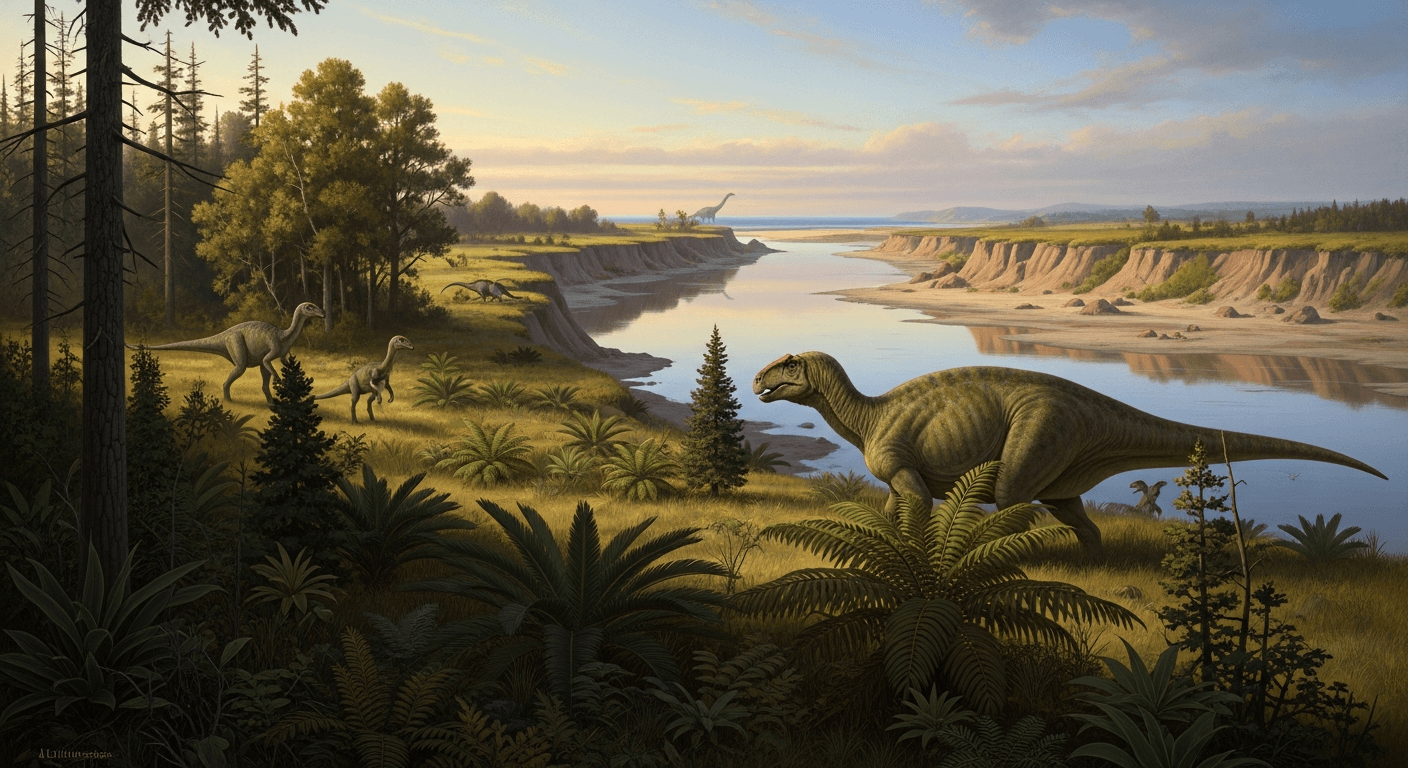
Dinosaur Park Formation
Alberta · Canada
100–66 million years ago(34m year span)
Where Centrosaurus Roamed
Centrosaurus apertus roamed the coastal lowlands of Laramidia, a narrow island continent flanked by the Western Interior Seaway that divided North America during the Late Cretaceous. This subtropical realm featured lush floodplains, meandering rivers, and dense vegetation that supported vast herds of these horned dinosaurs across what is now Alberta, Canada.
Keep exploring the vault
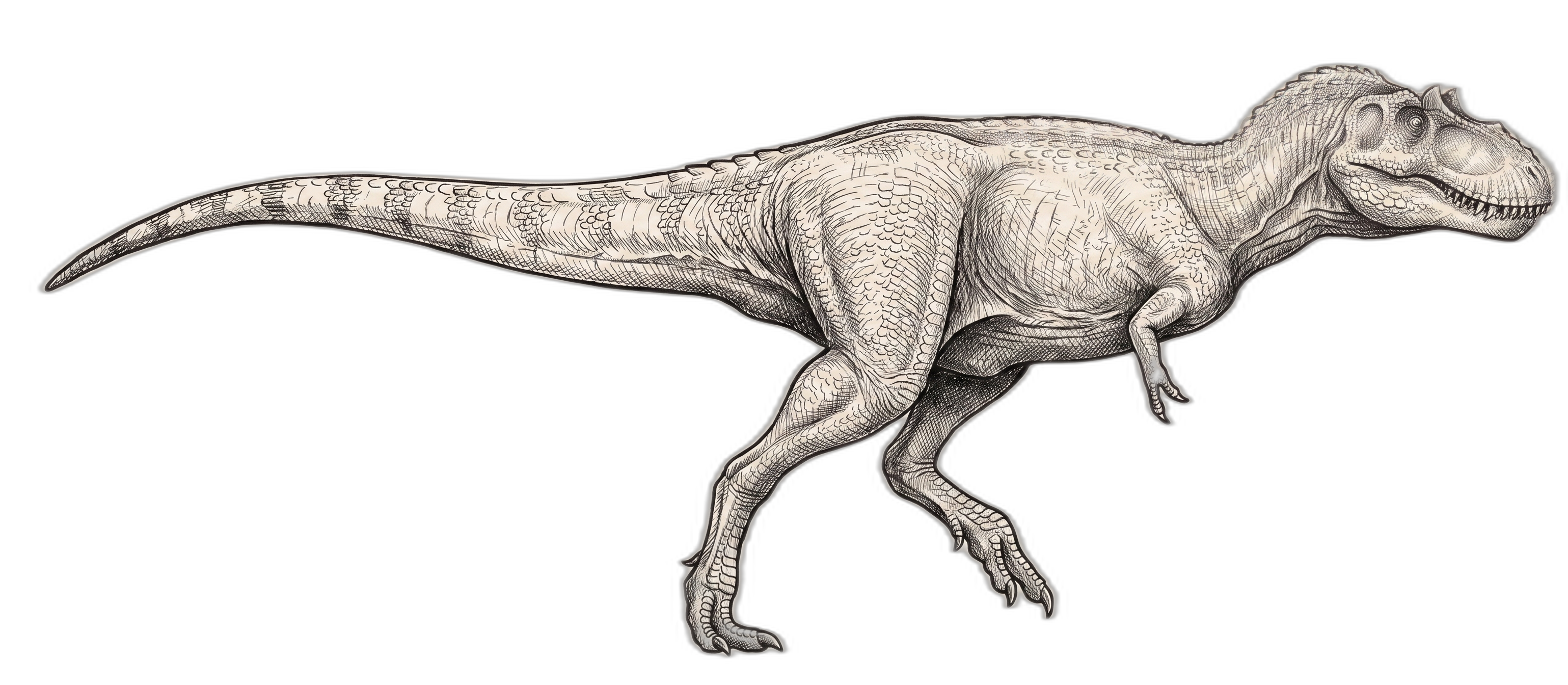
Gorgosaurus
Gorgosaurus libratus
Gorgosaurus was the apex predator of the Dinosaur Park Formation and at 8.5m and 2500kg would have been capable of taking down adult Centrosaurus.
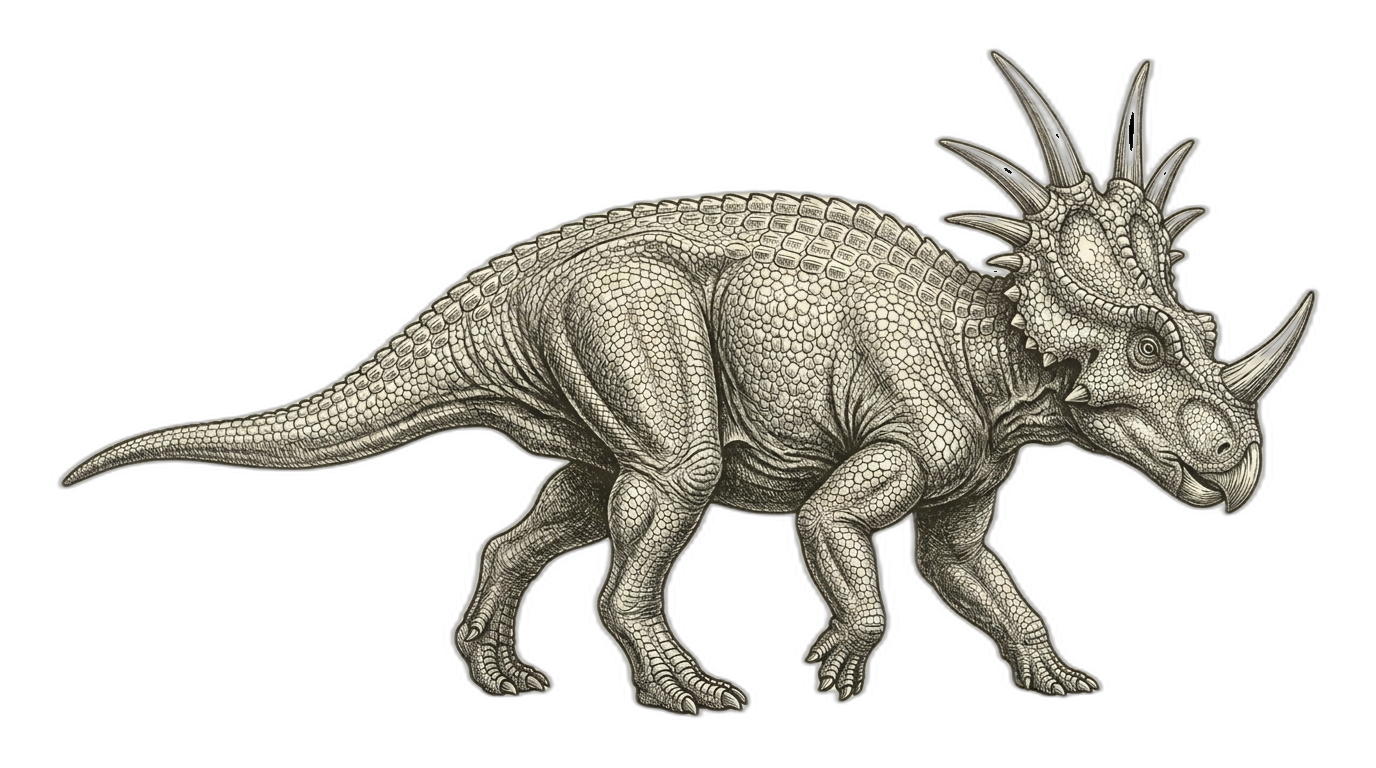
Styracosaurus
Styracosaurus albertensis
Both ceratopsids from the same Dinosaur Park Formation with nearly identical body sizes (5.5m, ~2500-2700kg).
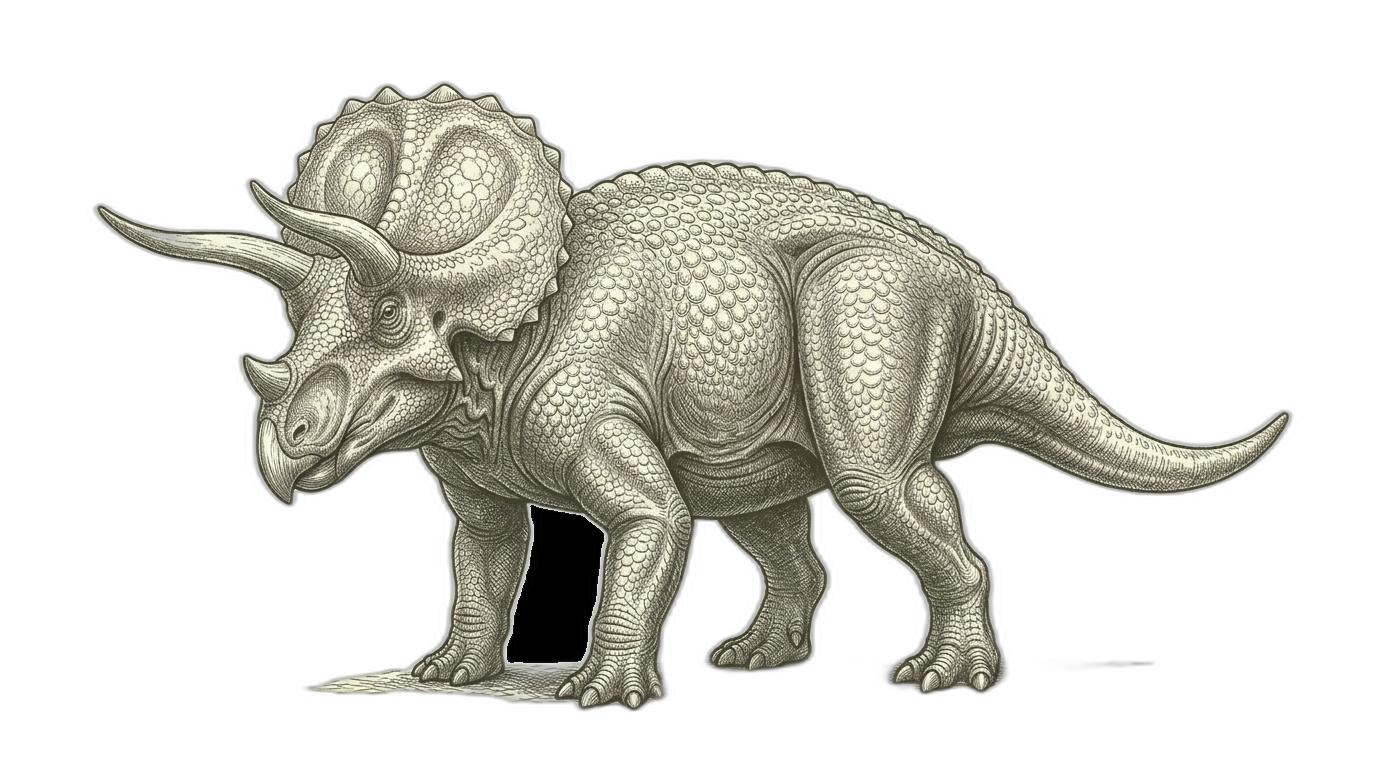
Triceratops
Triceratops horridus
Both ceratopsids developed elaborate nasal and brow horn arrangements and neck frills independently within the family.
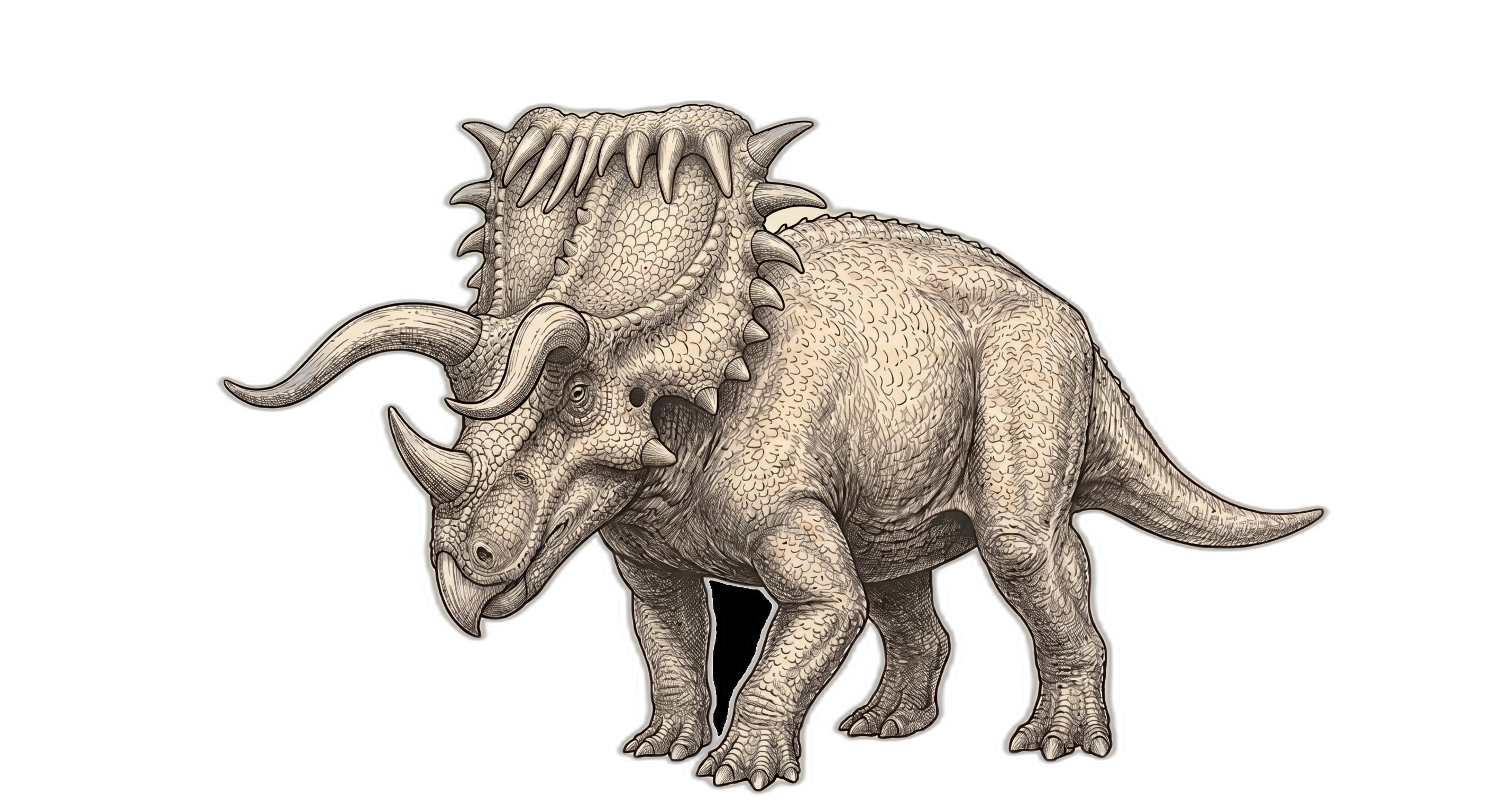
Kosmoceratops
Kosmoceratops richardsoni
Same family: Ceratopsidae
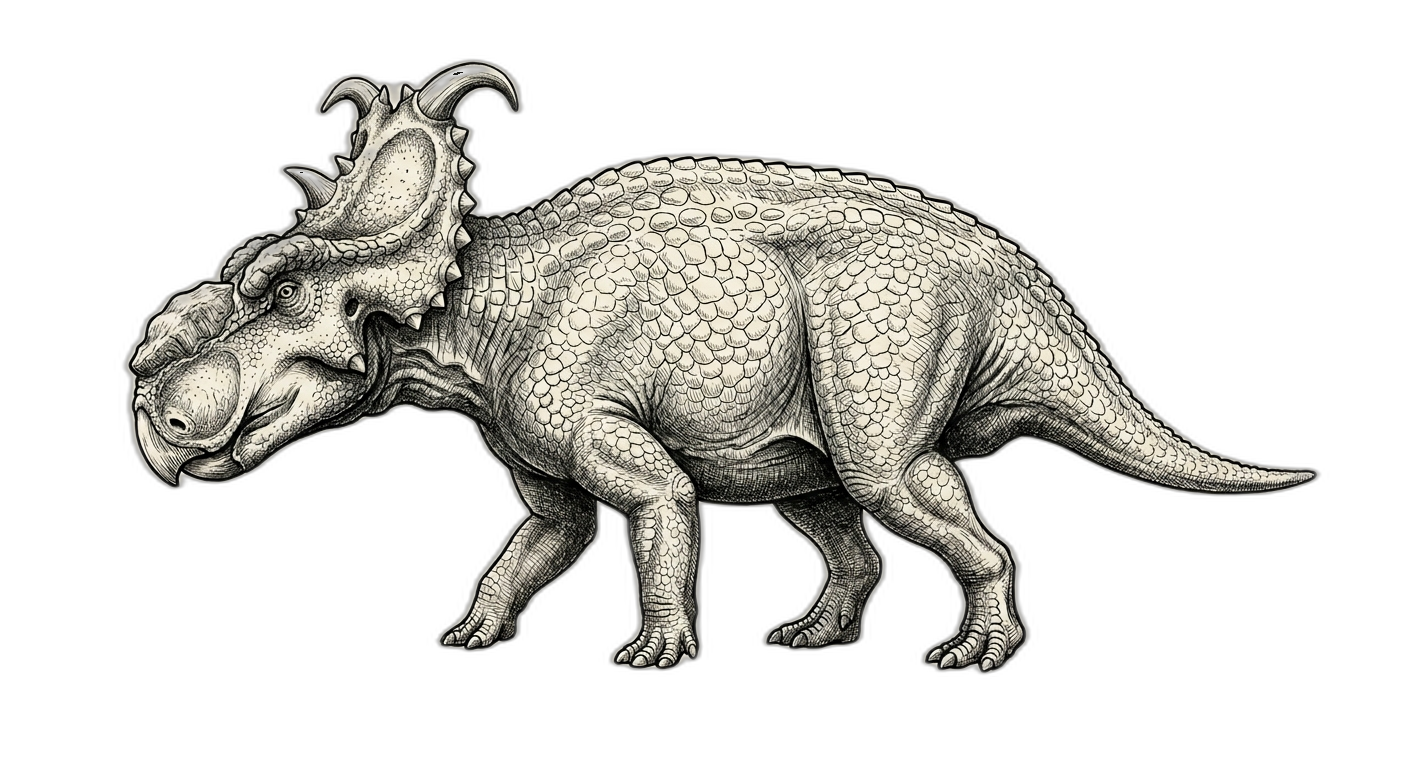
Pachyrhinosaurus
Pachyrhinosaurus canadensis
Same family: Ceratopsidae
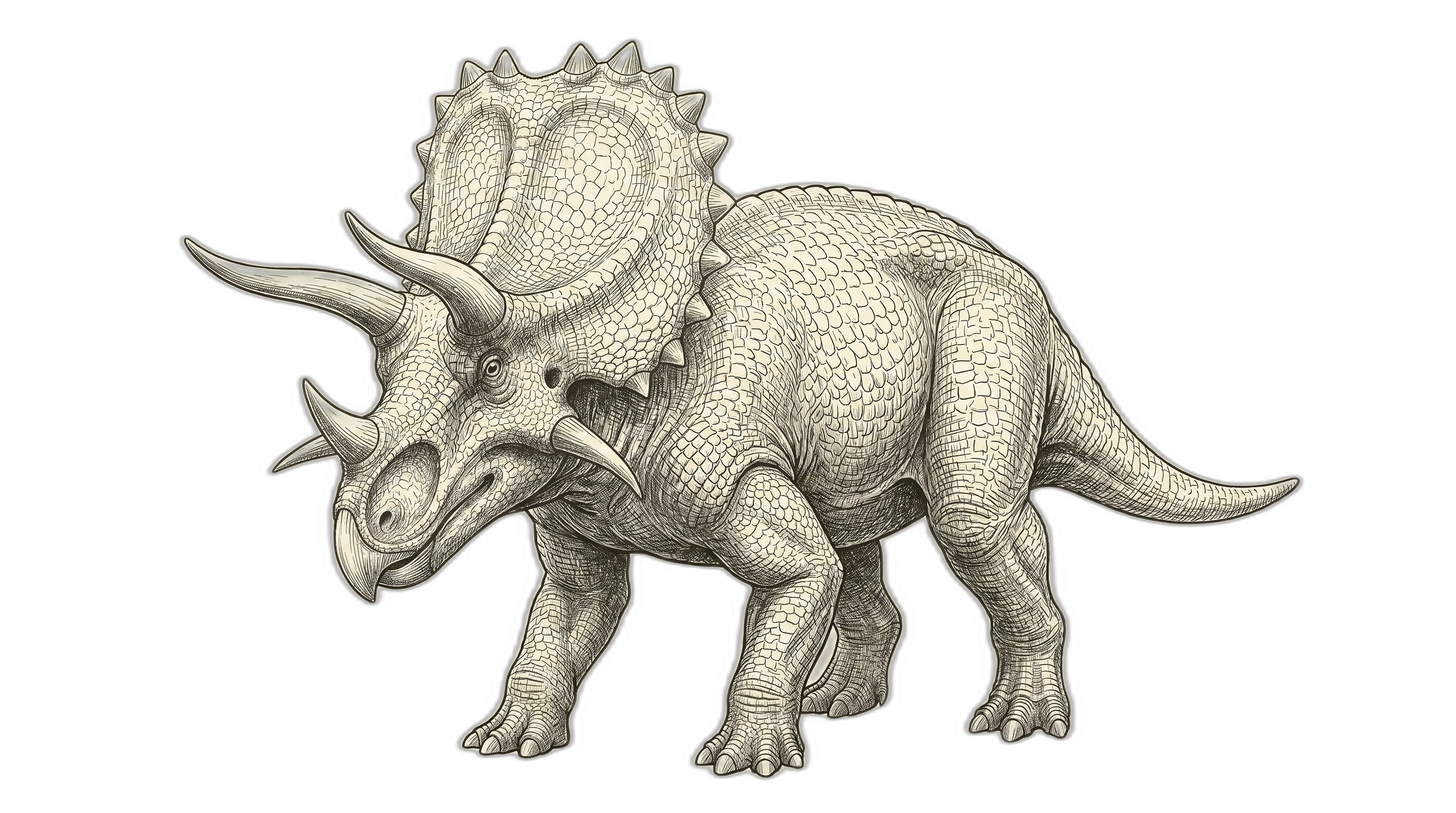
Pentaceratops
Pentaceratops sternbergii
Same family: Ceratopsidae
Sources & Citation
- Length estimates
- Ryan & Evans 2005; numerous complete specimens from bonebeds
- Height estimates
- Skeletal reconstructions from multiple specimens; shoulder height
- Weight estimates
- Paul 2010; estimates based on skeletal dimensions
- Speed estimates
- Biomechanical estimates for ceratopsids; extrapolated from limb proportions