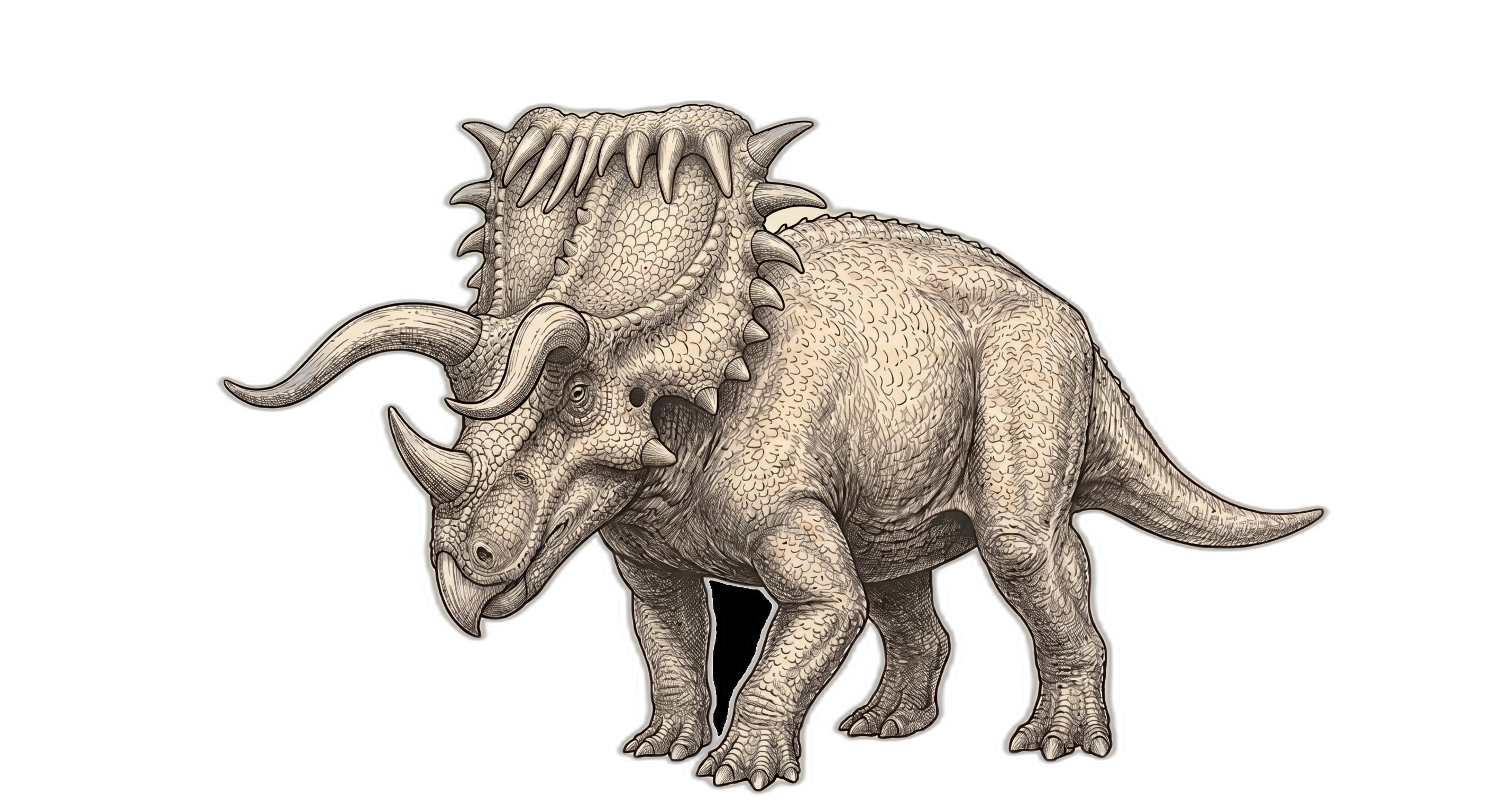
About
Kosmoceratops richardsoni was a medium-sized dinosaur that lived approximately 76 million years ago in what is now southern Utah. Its name, meaning "ornate horned face," is well-earned: this dinosaur sported an astonishing array of 15 horns and horn-like structures on its skull, including a distinctive row of ten hooks curving forward and downward along the 's edge. This elaborate headgear made Kosmoceratops the most ornamented dinosaur ever discovered.
Like other ceratopsids, Kosmoceratops was a herbivore with a massive head, parrot-like beak, and rows of shearing teeth designed for processing tough vegetation. It inhabited the lost continent of Laramidia — the western landmass that formed when a shallow seaway split North America during the Late Cretaceous. The lush, swampy environment of Laramidia's southern reaches supported a unique ecosystem where Kosmoceratops lived alongside tyrannosaurs, hadrosaurs, and other distinctive dinosaurs.
The specimen was discovered between 2006 and 2007 by volunteer collector Scott Richardson in the Kaiparowits Formation within Utah's Grand Staircase–Escalante National Monument. The find included an adult skull and partial postcranial skeleton, along with remains from subadult individuals. Paleontologists Scott Sampson and colleagues formally described and named the species in 2010, honoring Richardson for his discovery.
The elaborate frill ornamentation of Kosmoceratops almost certainly served a function, likely for species recognition and mate attraction rather than defense. The forward-curving frill hooks would have been largely ornamental, creating an impressive visual display when viewed from the front — essentially a Cretaceous billboard advertising fitness to potential mates.
Quick Facts
- Scientific name
- Kosmoceratops richardsoni
- Group
- Ceratopsian · Ceratopsidae
- Lived
- Late Cretaceous, 100–66 million years ago
- Diet
- Herbivore
- Movement
- Walked on four legs
- Fossils found in
- Kaiparowits Formation (Utah, United States)
- Discovery credited to
- 2006, Scott Richardson
- Holotype
- UMNH VP 17000 · Natural History Museum of Utah, Salt Lake City
- DinoVault record
- DVL-0073
Where fossils were found
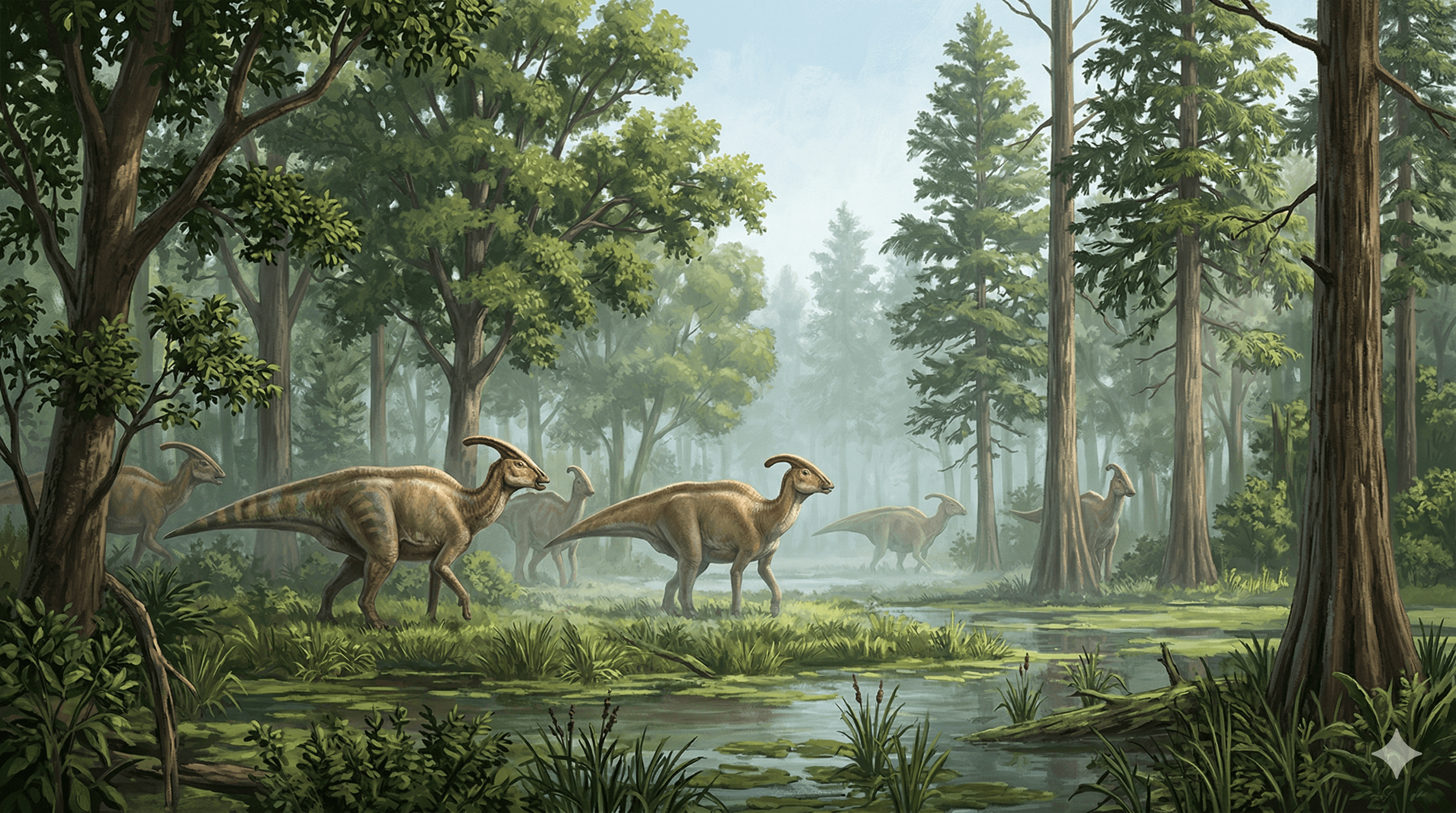
Kaiparowits Formation
Utah · United States
100–66 million years ago(34m year span)
Where Kosmoceratops Roamed
Kosmoceratops richardsoni inhabited the lush, subtropical forests of Laramidia, a narrow island continent formed along the western shore of the vast Western Interior Seaway that divided North America during the Late Cretaceous. This warm, humid coastal lowland teemed with ferns, flowering plants, and towering conifers, creating a rich ecosystem where elaborate-horned ceratopsians thrived alongside tyrannosaurs and hadrosaurs.
Keep exploring the vault
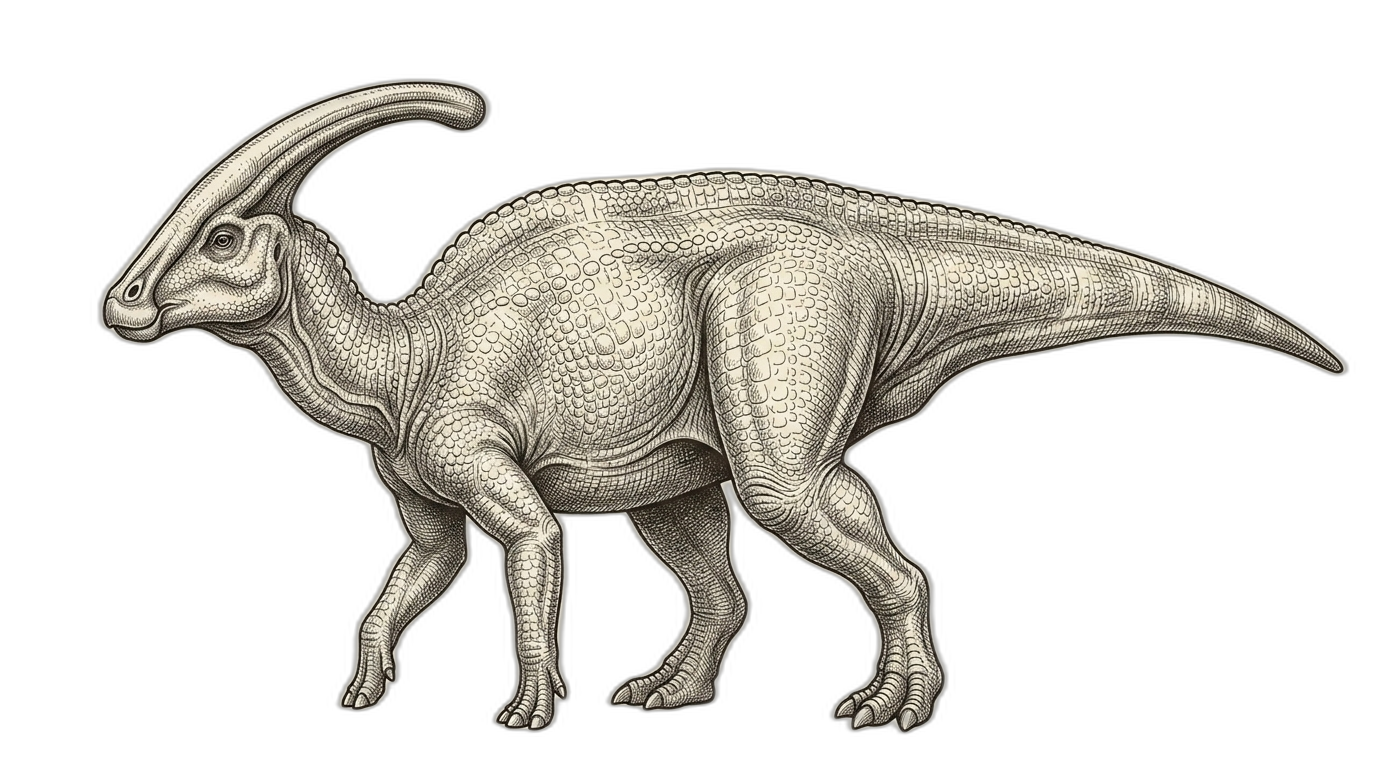
Parasaurolophus
Both large-bodied herbivores from the Kaiparowits Formation would have competed for browse in the lush, wet floodplain environment.
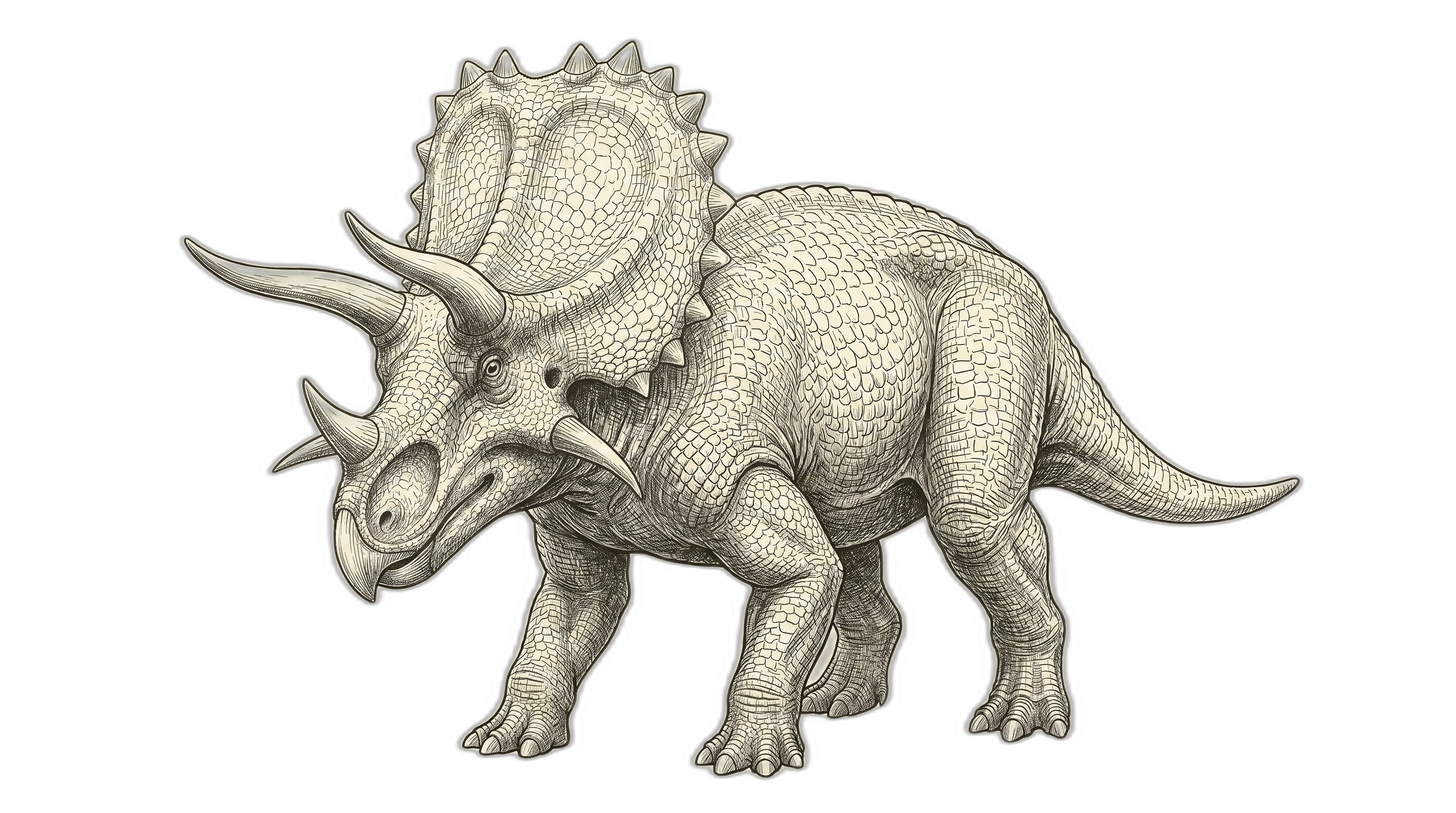
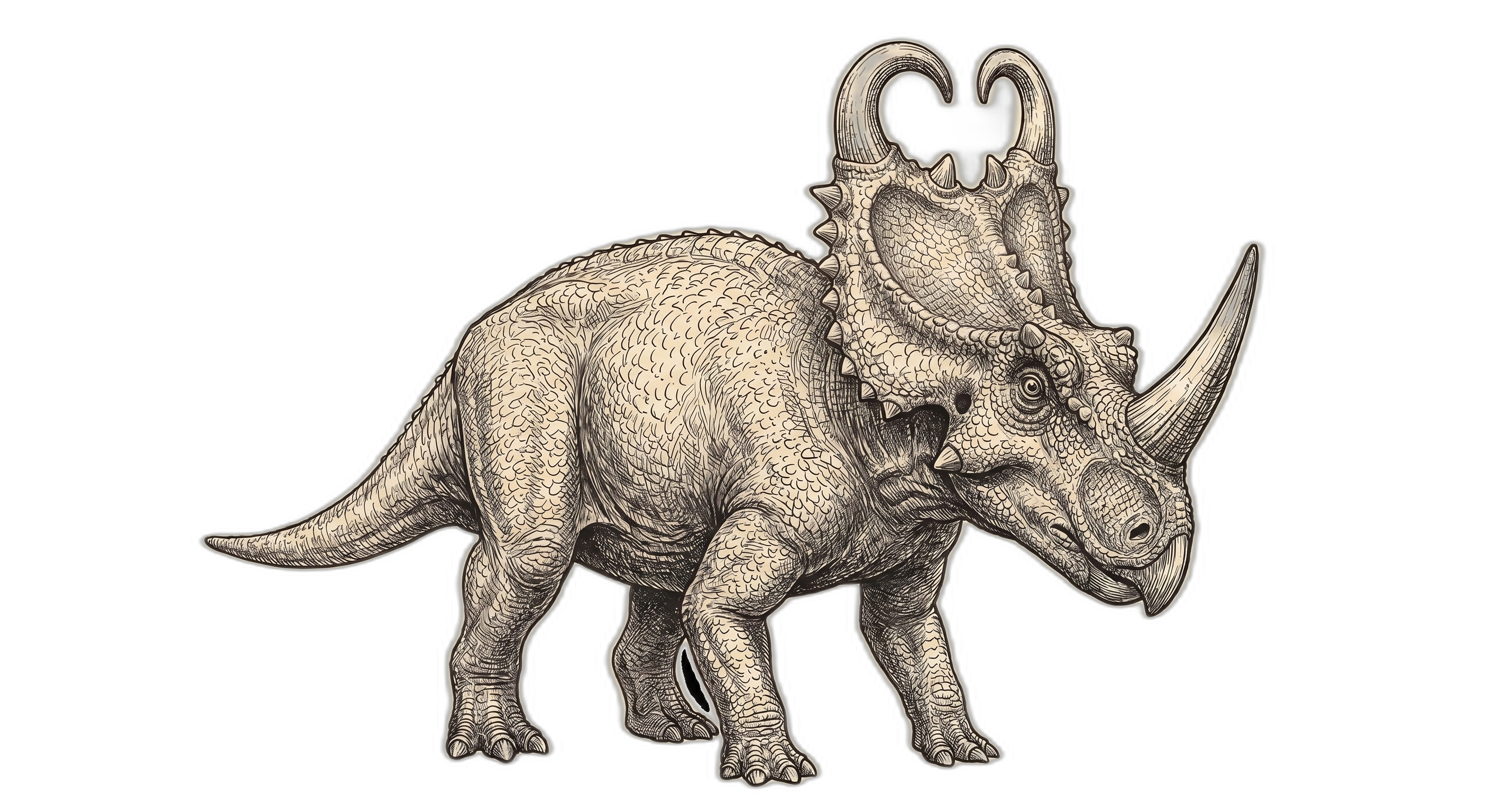
Pentaceratops
Pentaceratops sternbergii
Both chasmosaurine ceratopsids from the Western Interior showing convergent elaboration of frill ornamentation.
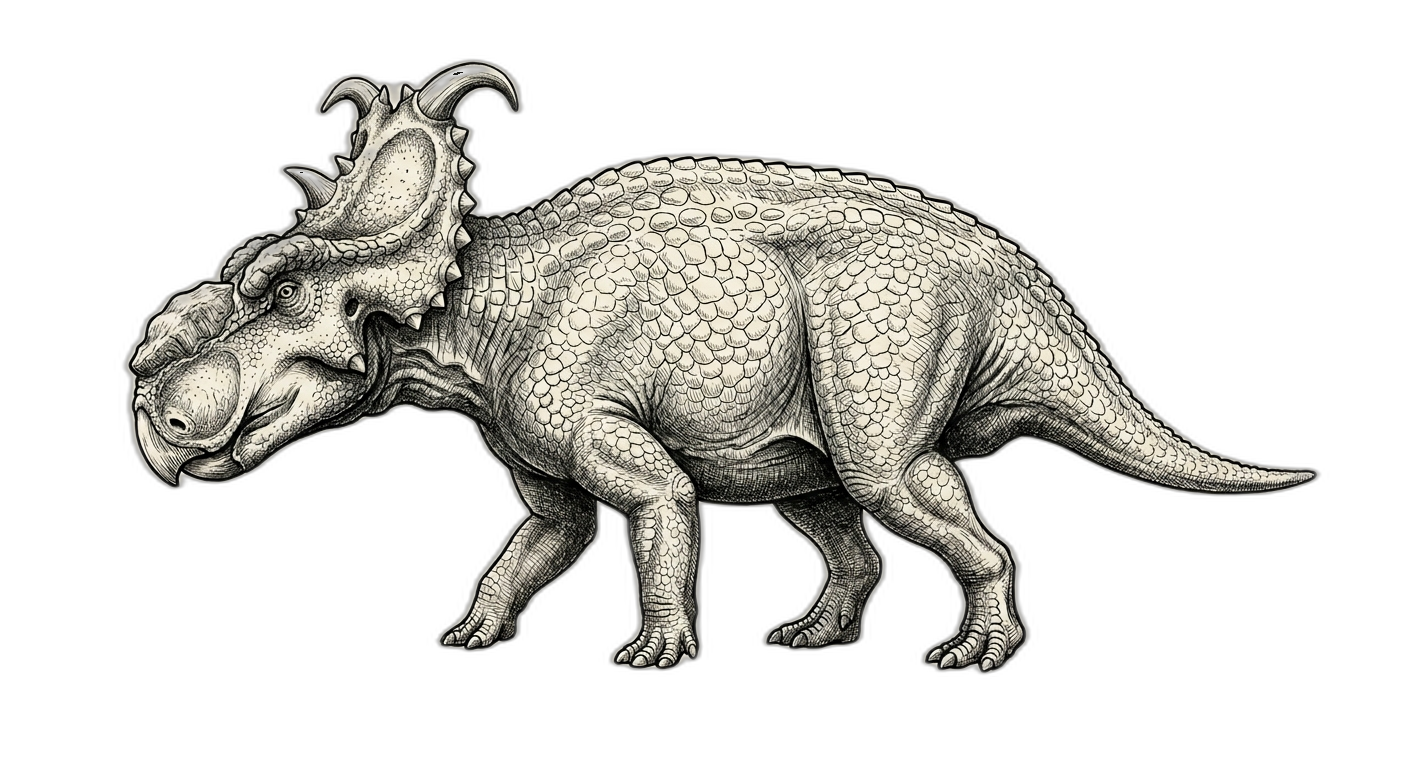
Centrosaurus
Centrosaurus apertus
Same family: Ceratopsidae
Pachyrhinosaurus
Pachyrhinosaurus canadensis
Same family: Ceratopsidae
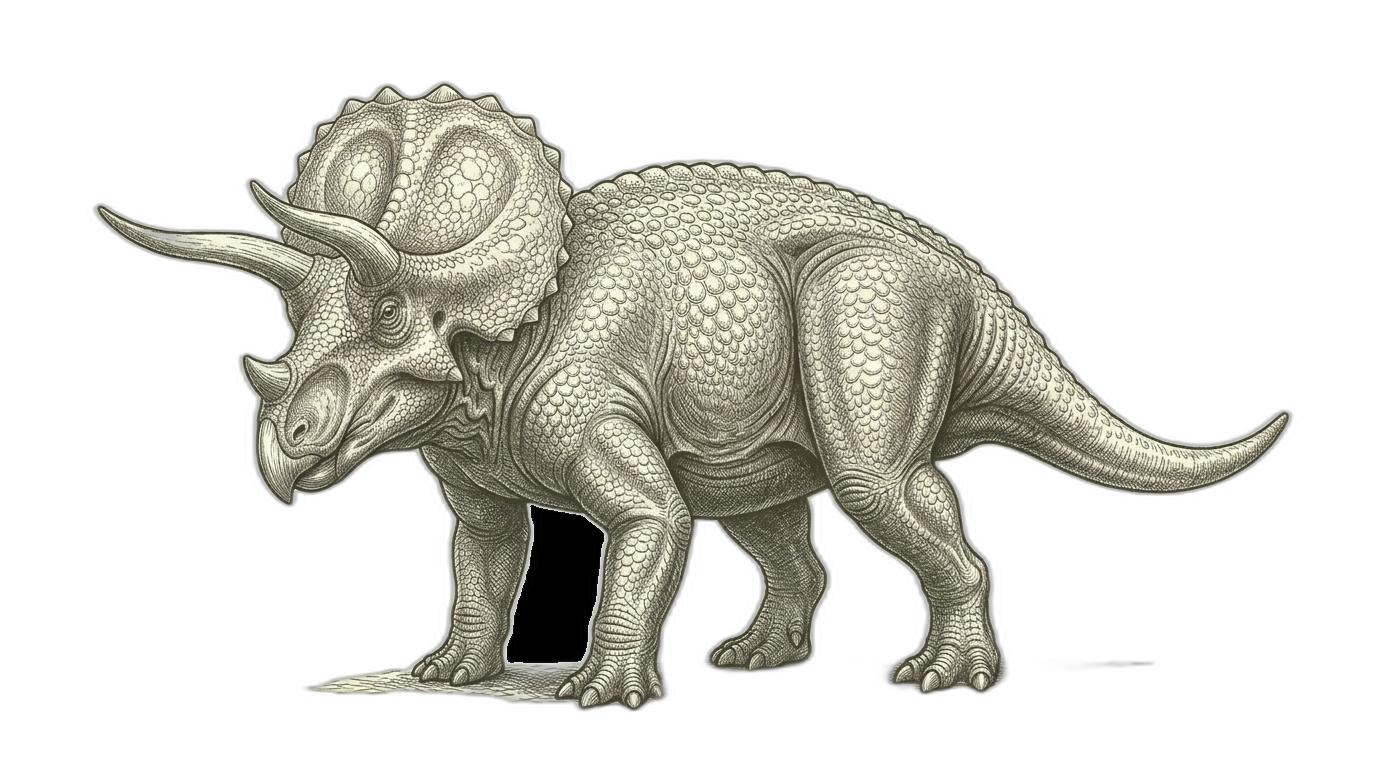
Triceratops
Triceratops horridus
Both ceratopsids represent the chasmosaurine radiation exploring elaborate frill ornamentation.
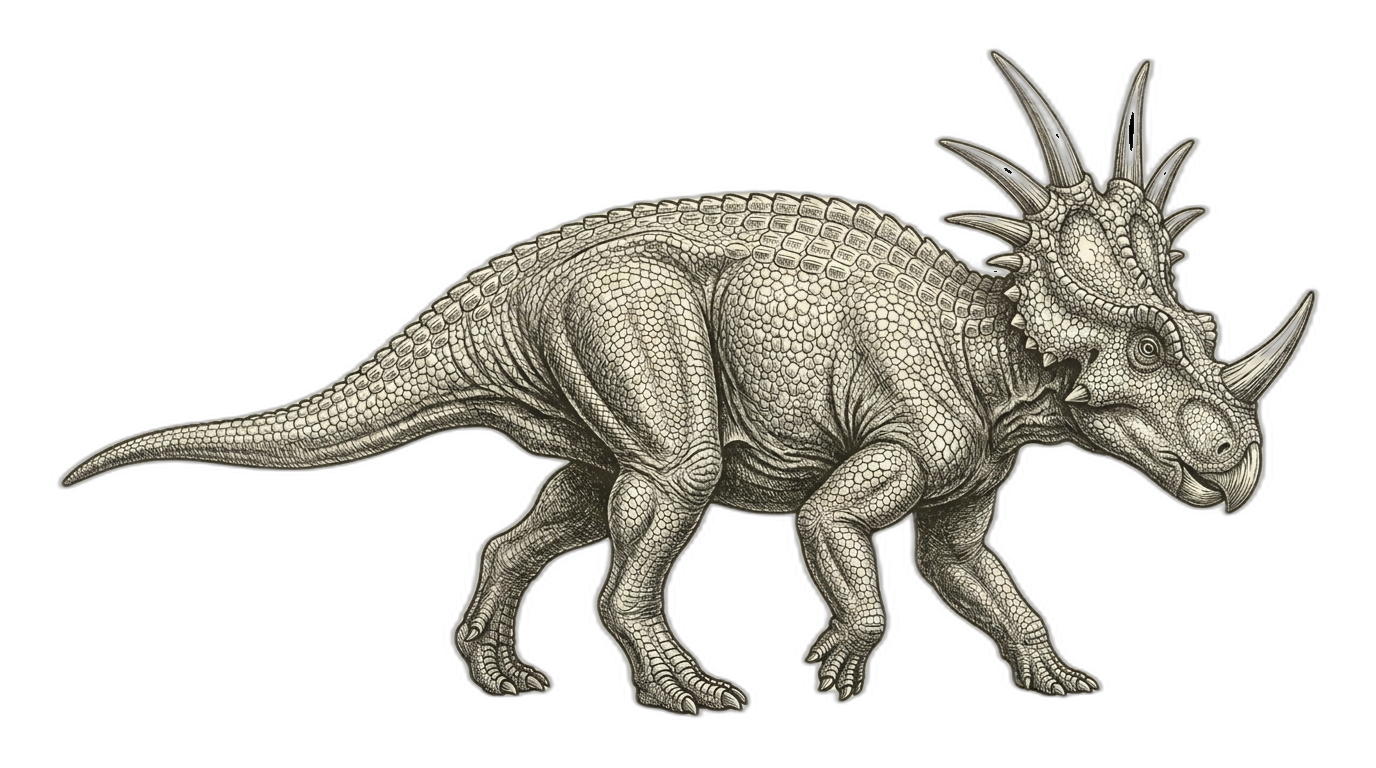
Styracosaurus
Styracosaurus albertensis
Though a centrosaurine rather than chasmosaurine, Styracosaurus independently developed elaborate frill spikes, showing parallel evolution of cranial ornamentation within Ceratopsidae — different subfamily, same evolutionary theme of display elaboration.
Sources & Citation
- Length estimates
- Sampson et al. 2010; based on holotype specimen
- Height estimates
- Estimated from skeletal proportions; Sampson et al. 2010
- Weight estimates
- Estimated from body proportions; comparable ceratopsids
- Speed estimates
- Inferred from ceratopsid locomotion studies