About
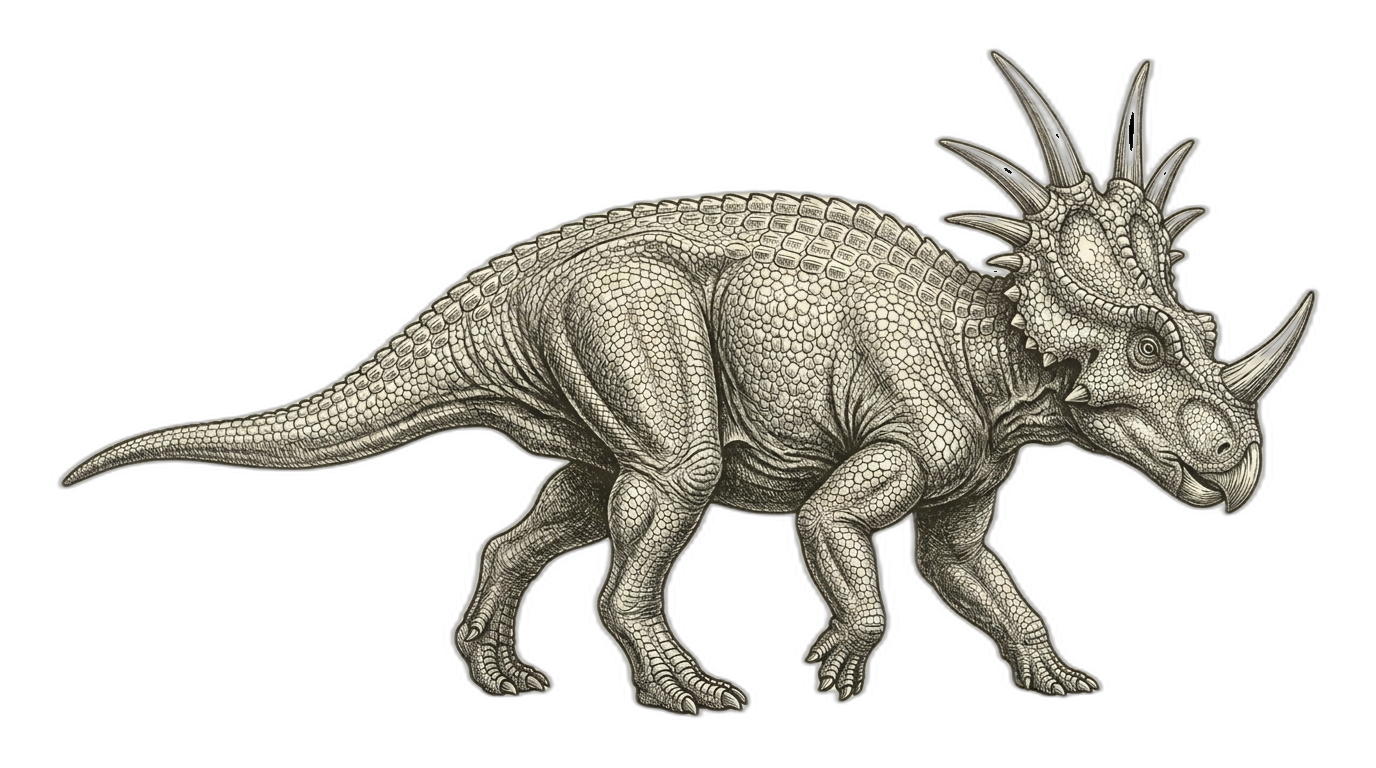
Styracosaurus was a spectacular dinosaur that roamed the plains of what is now Alberta, Canada, approximately 75 million years ago during the Late Cretaceous period. This medium-sized herbivore is instantly recognizable by its elaborate skull ornamentation: four to six long spikes projecting backward from its neck , a pair of smaller horns on its cheeks, and a formidable nose horn that could reach up to 60 centimeters in length. The overall effect would have been both beautiful and intimidating.
Discovered in 1913 by paleontologist Lawrence Lambe in the Dinosaur Park Formation of Alberta, Styracosaurus quickly became one of the most iconic ceratopsians known to science. Lambe named it for the Greek word "styrax" meaning spike, perfectly capturing its most dramatic feature. The specimen and subsequent discoveries have given scientists a reasonably complete picture of this animal's anatomy, though debates continue about exactly how many spike variations existed within the species.
Like other ceratopsians, Styracosaurus was built for a life of low browsing, with a powerful beak for cropping tough vegetation and rows of shearing teeth for processing plant material. It walked on four sturdy legs, with the front limbs slightly shorter than the rear, giving it a distinctive posture. These animals likely lived in herds, as suggested by discoveries containing multiple individuals.
The function of those spectacular frill spikes remains a paleontological puzzle. While defense against predators like Gorgosaurus seems logical, the spikes pointed backward rather than forward, limiting their protective value. Modern researchers increasingly favor the hypothesis that these elaborate structures served primarily for species recognition and sexual — the Cretaceous equivalent of a peacock's tail, signaling fitness and identity to potential mates and rivals.
Quick Facts
- Scientific name
- Styracosaurus albertensis
- Group
- Ceratopsian · Ceratopsidae
- Lived
- Late Cretaceous, 83.6–72.2 million years ago
- Diet
- Herbivore
- Movement
- Walked on four legs
- Fossils found in
- Dinosaur Park Formation (Alberta, Canada)
- Discovery credited to
- 1913, Lawrence Lambe
- Holotype
- CMN 344 · Canadian Museum of Nature, Ottawa
- DinoVault record
- DVL-0132
Where fossils were found
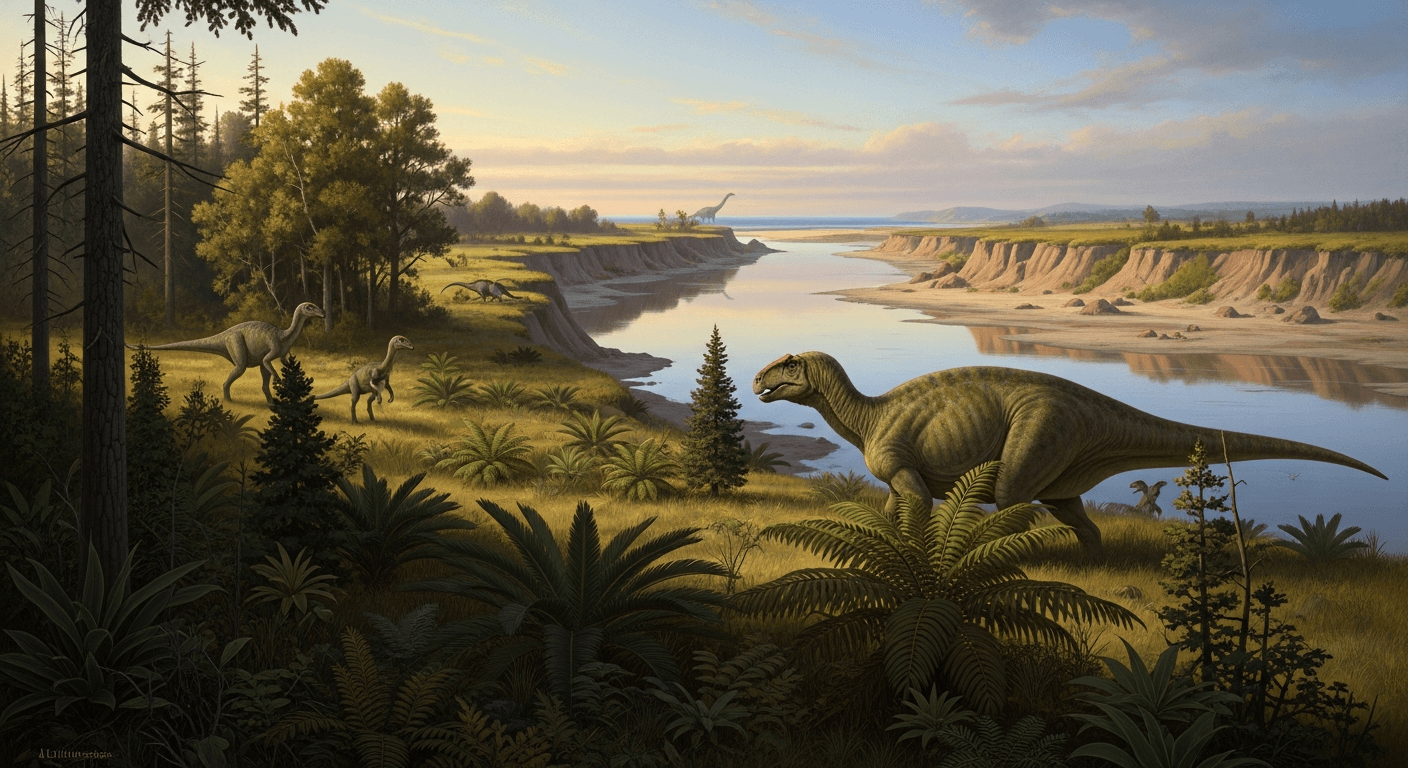
Dinosaur Park Formation
Alberta · Canada
83.6–72.2 million years ago(11.4m year span)
Where Styracosaurus Roamed
Styracosaurus albertensis roamed the lush coastal plains of Laramidia, a narrow island continent flanked by the Western Interior Seaway that divided North America during the Late Cretaceous. This warm, humid subtropical environment featured meandering rivers, dense fern understories, and towering conifer forests that provided abundant forage for herds of these spectacular horned dinosaurs.
Keep exploring the vault
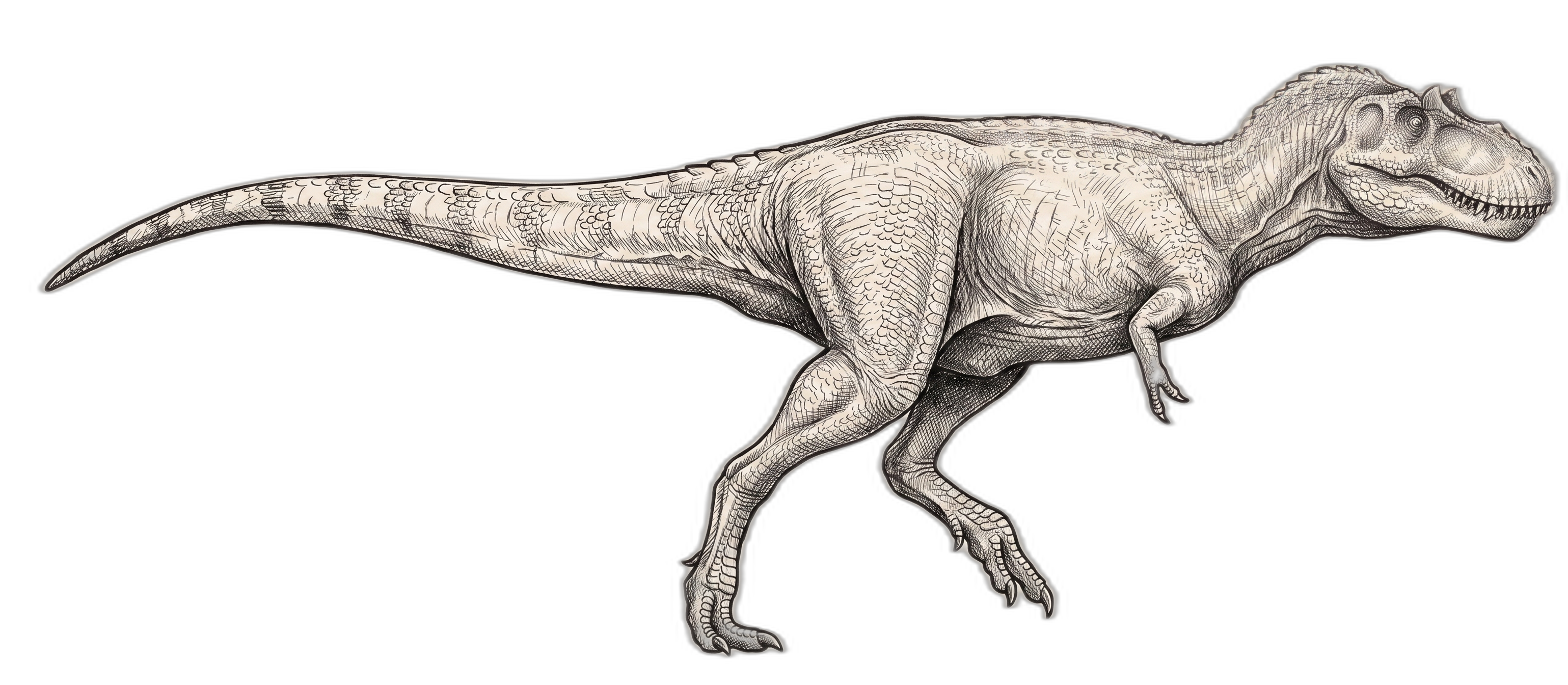
Gorgosaurus
Gorgosaurus libratus
Styracosaurus co-occurs with Gorgosaurus in the Dinosaur Park Formation.
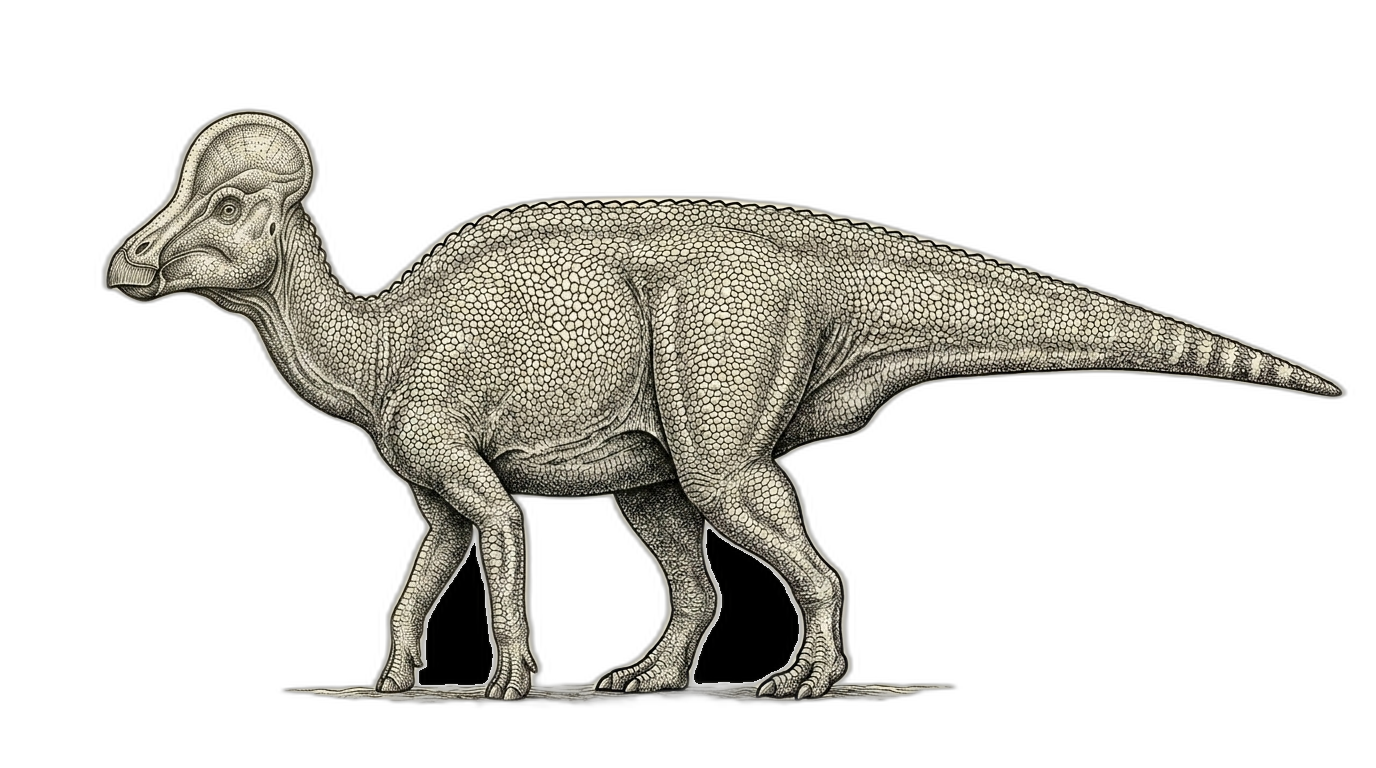
Corythosaurus
Corythosaurus casuarius
Both herbivores from the Dinosaur Park Formation with overlapping size ranges (2700kg vs 3800kg).
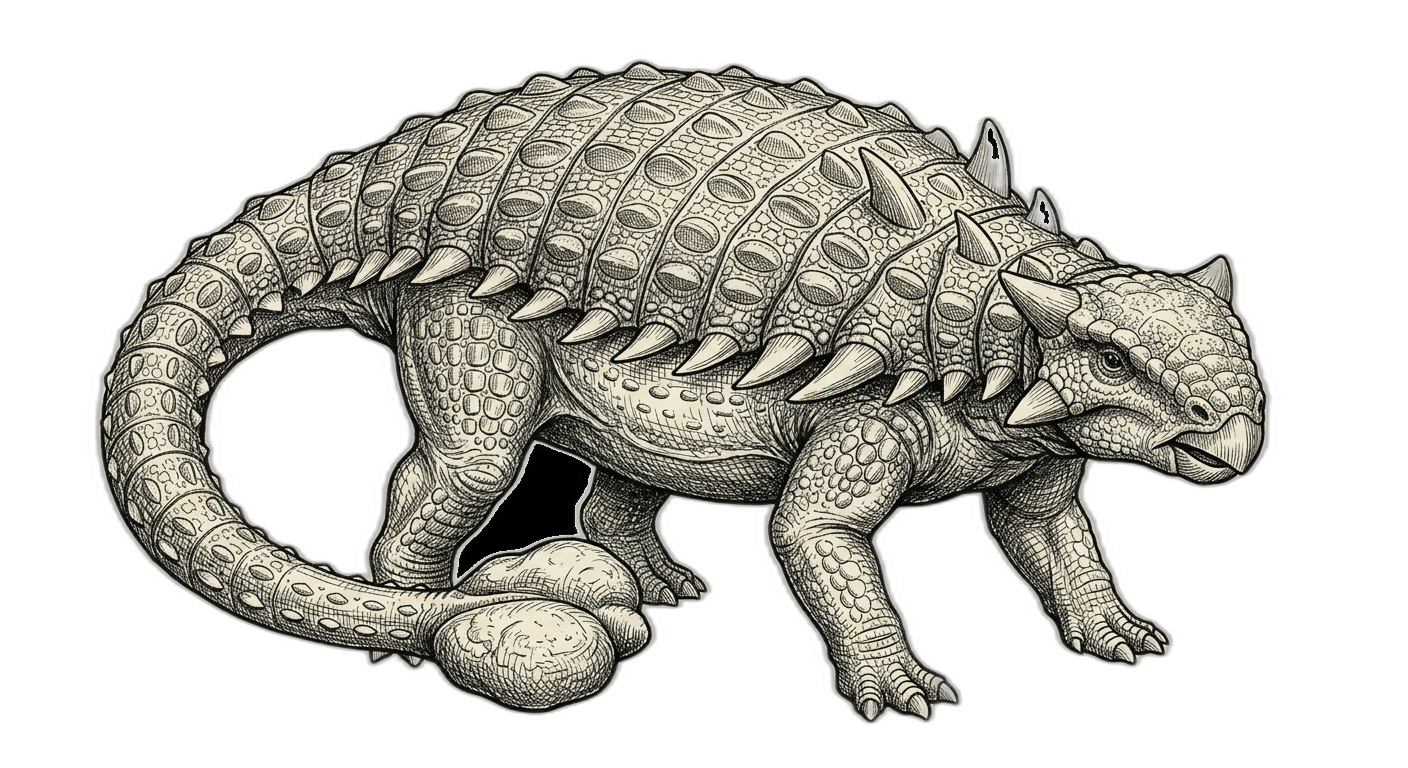
Ankylosaurus
Ankylosaurus magniventris
Both represent heavily-armored ornithischian herbivores that independently evolved elaborate defensive structures.
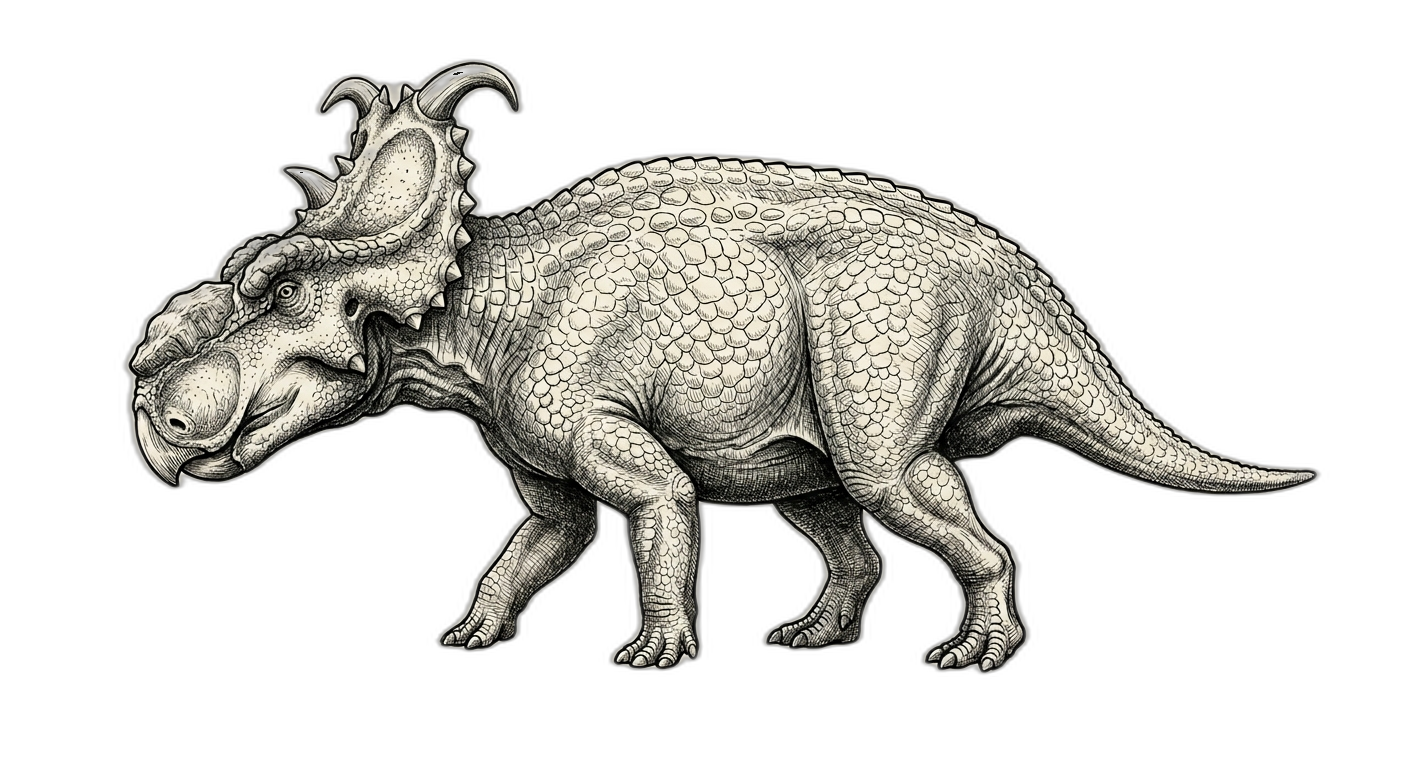
Pachyrhinosaurus
Pachyrhinosaurus canadensis
Same family: Ceratopsidae
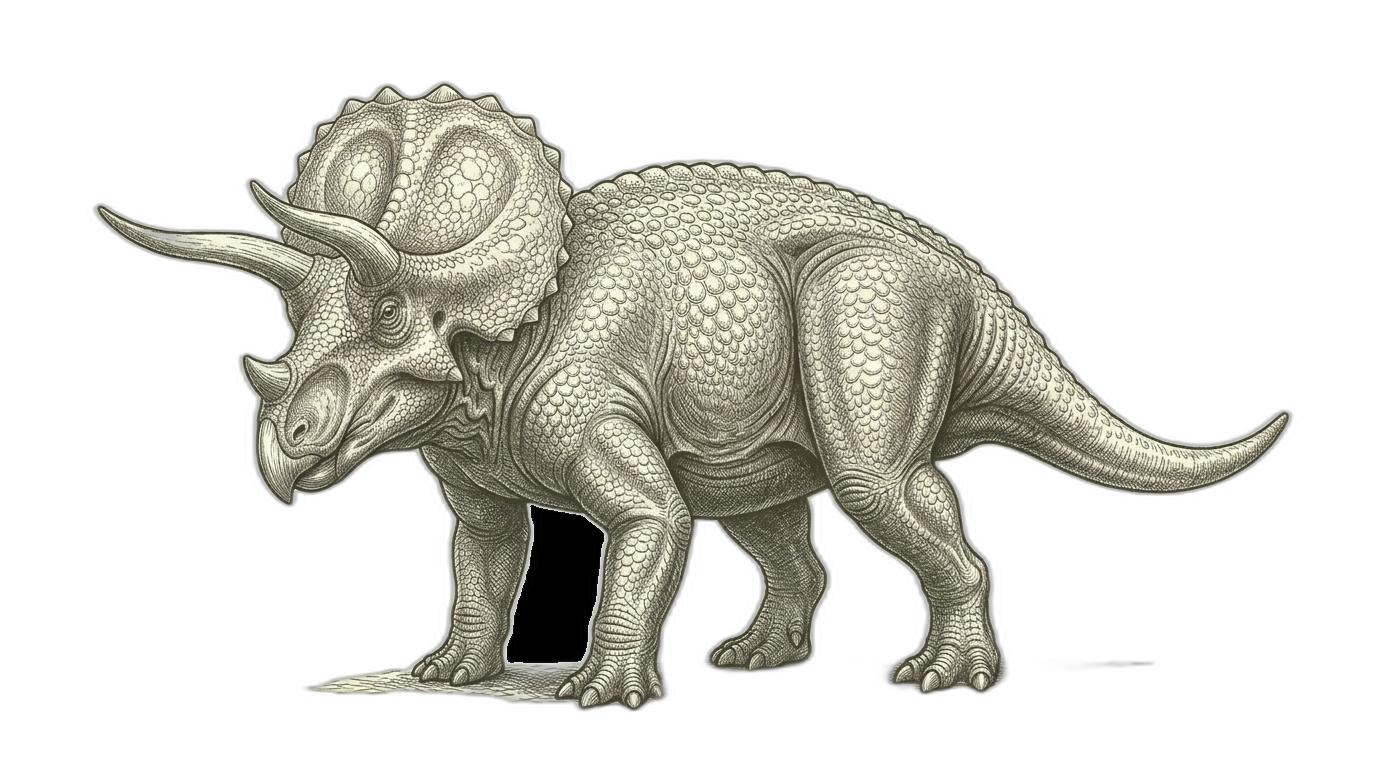
Triceratops
Triceratops horridus
Same family: Ceratopsidae
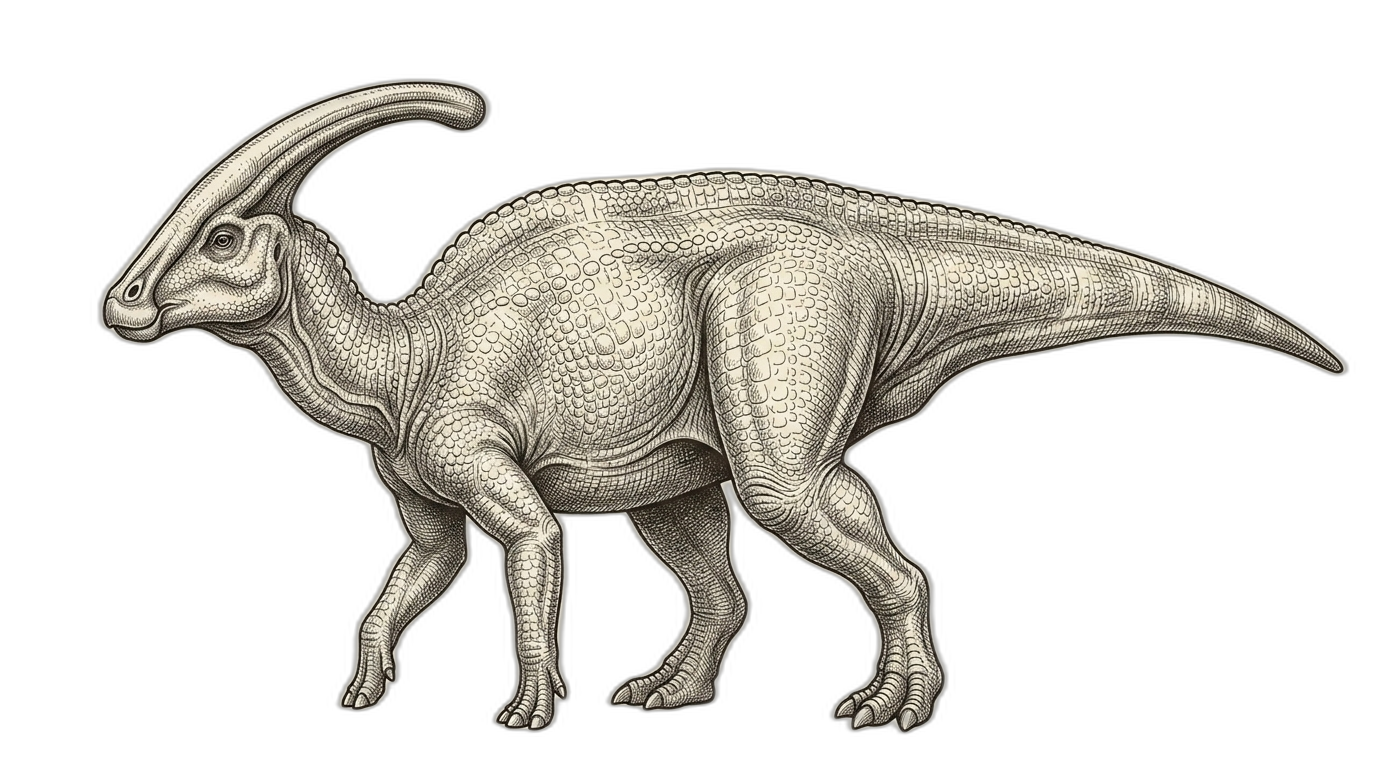
Parasaurolophus
Both are iconic Dinosaur Park Formation herbivores representing dramatically different evolutionary solutions to similar ecological challenges.
Sources & Citation
- Length estimates
- Dodson 1996; Ryan et al. 2007; multiple well-preserved specimens
- Height estimates
- Estimated shoulder height based on limb proportions; Paul 2010
- Weight estimates
- Paul 2010; Anderson et al. 1985 scaling equations
- Speed estimates
- Estimated from ceratopsian limb proportions; Paul 2010