About
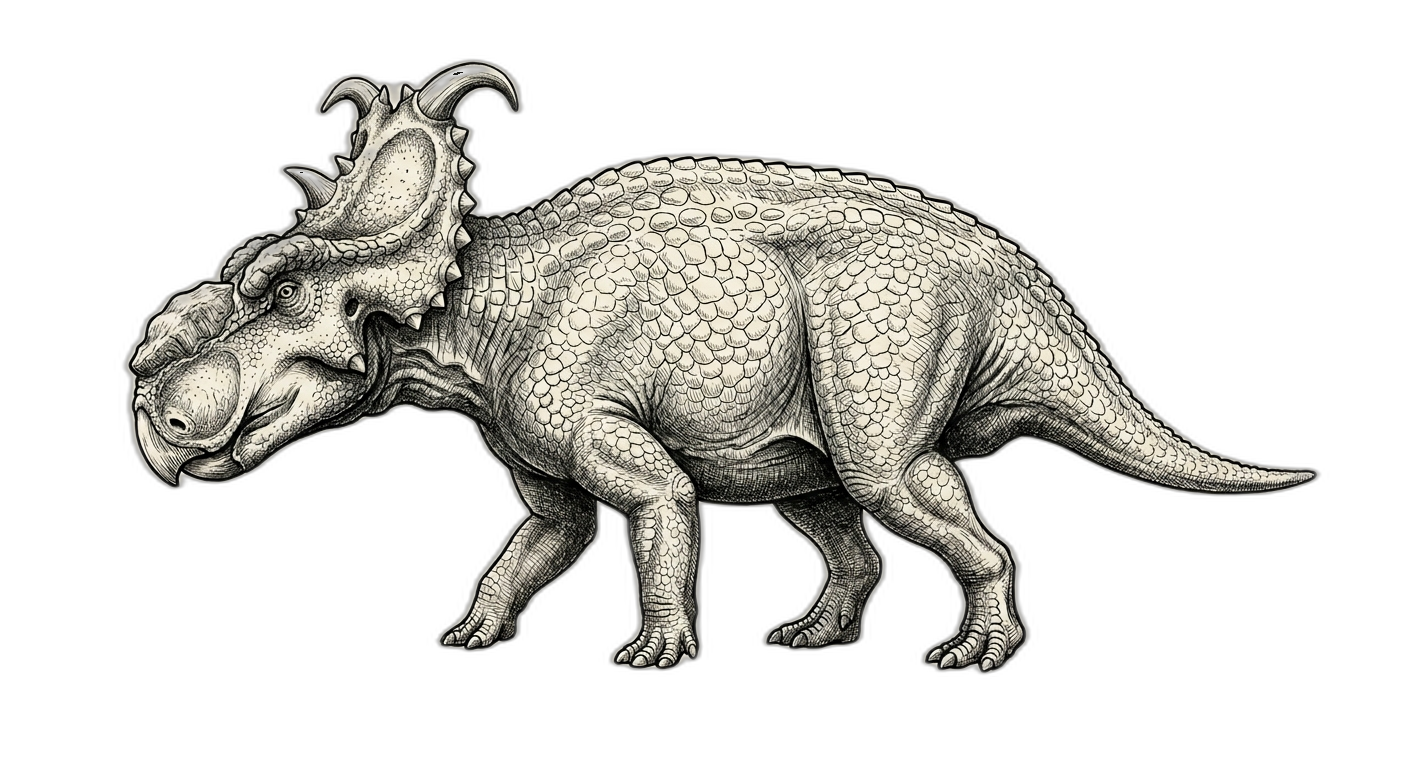
Pachyrhinosaurus was one of the most unusual ceratopsians of the Late Cretaceous, distinguished by its remarkable lack of typical nose horns. Instead of the sharp horns seen in relatives like Triceratops, Pachyrhinosaurus bore thick, flattened bosses of bone on its nose and above its eyes — essentially rough, padded platforms that may have been used for shoving matches with rivals or intimidating predators.
This heavily-built herbivore roamed what is now Alberta, Canada, and Alaska approximately 73 to 69 million years ago. Like other ceratopsians, it likely lived in herds and spent its days cropping low-growing vegetation with its parrot-like beak. The elaborate at the back of its skull, adorned with various horns and projections depending on species, probably served for species recognition and .
The first Pachyrhinosaurus fossils were discovered by legendary Canadian paleontologist Charles M. Sternberg in 1946 along the Red Deer River in Alberta. He formally named the genus in 1950, but the specimens remained relatively obscure for decades. It wasn't until the 1980s, when massive bonebeds containing dozens of individuals were excavated, that scientists could truly appreciate this dinosaur's anatomy and behavior.
The Alaskan specimens are particularly fascinating — they represent some of the northernmost dinosaurs ever found, suggesting Pachyrhinosaurus could tolerate cool, dark polar winters. Whether they migrated seasonally or endured months of darkness remains one of paleontology's intriguing mysteries.
Quick Facts
- Scientific name
- Pachyrhinosaurus canadensis
- Group
- Ceratopsian · Ceratopsidae
- Lived
- Late Cretaceous, 83.6–66 million years ago
- Diet
- Herbivore
- Movement
- Walked on four legs
- Fossils found in
- Horseshoe Canyon Formation (Alberta, Canada)
- Discovery credited to
- 1946, Charles M. Sternberg
- Holotype
- NMC 8867 · Canadian Museum of Nature, Ottawa
- DinoVault record
- DVL-0104
Where fossils were found
Horseshoe Canyon Formation
Alberta · Canada
83.6–66 million years ago(17.6m year span)
Where Pachyrhinosaurus Roamed
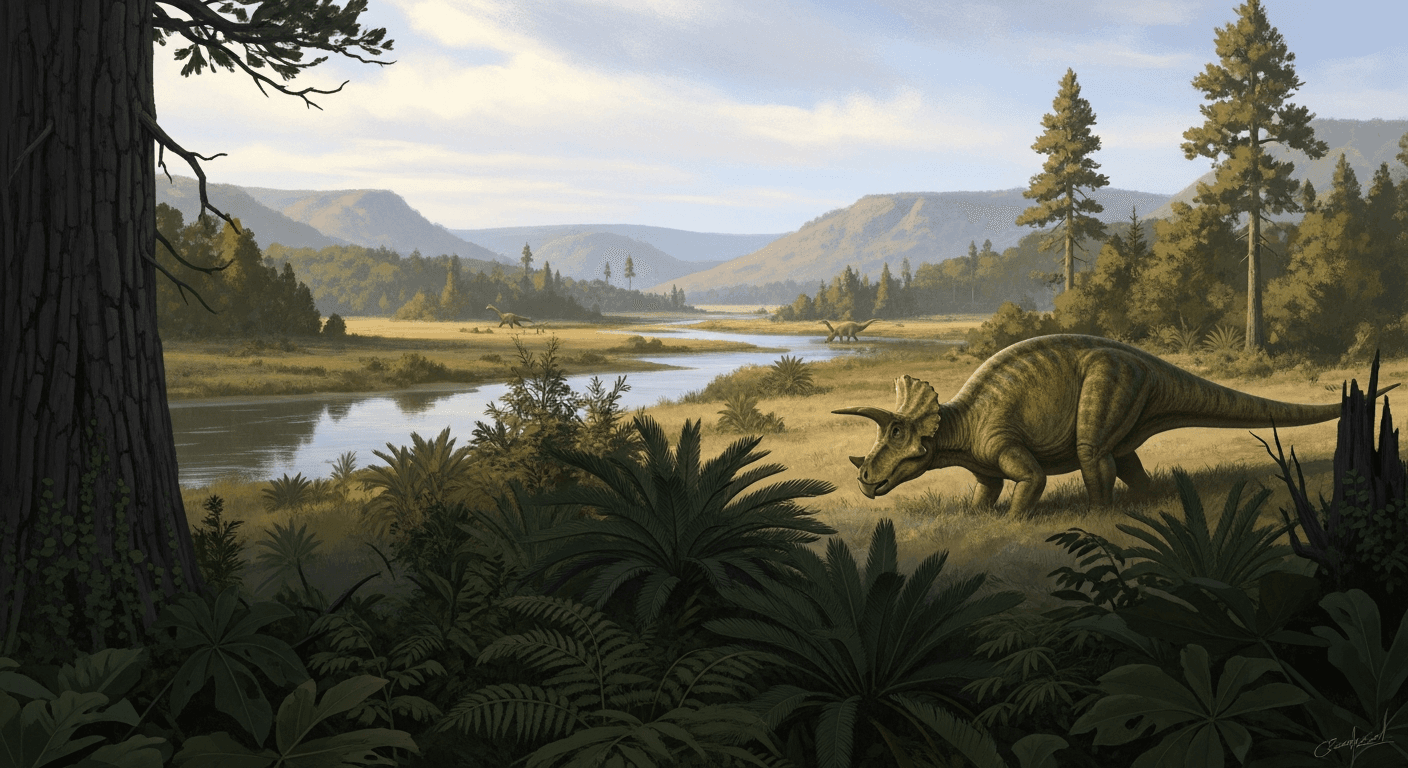
During the Late Cretaceous, approximately 75 million years ago, Pachyrhinosaurus canadensis roamed the lush coastal plains of Laramidia, a narrow island continent bordered by the Western Interior Seaway to the east and rising mountain ranges to the west. This warm, humid environment featured extensive river systems, dense coniferous forests, and seasonal wetlands that supported a remarkable diversity of dinosaur life across what is now Alberta, Canada.
Keep exploring the vault
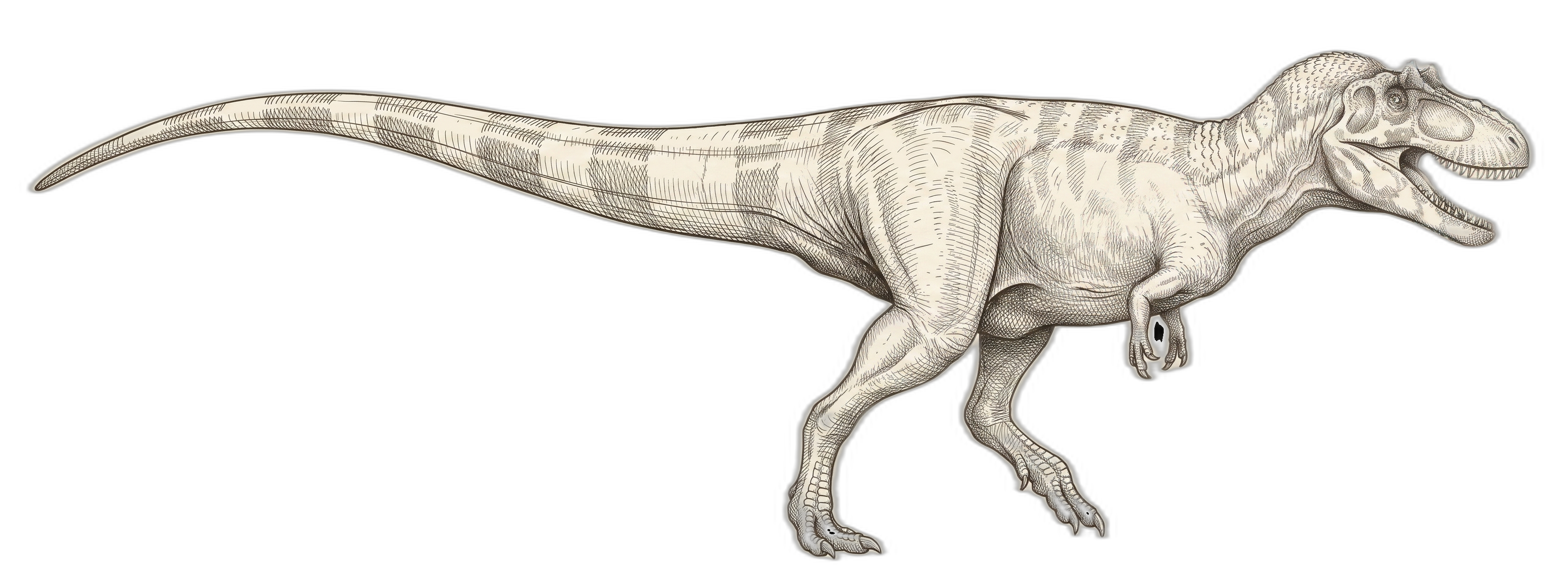
Albertosaurus
Albertosaurus sarcophagus
Pachyrhinosaurus canadensis co-occurs with Albertosaurus in the Horseshoe Canyon Formation.
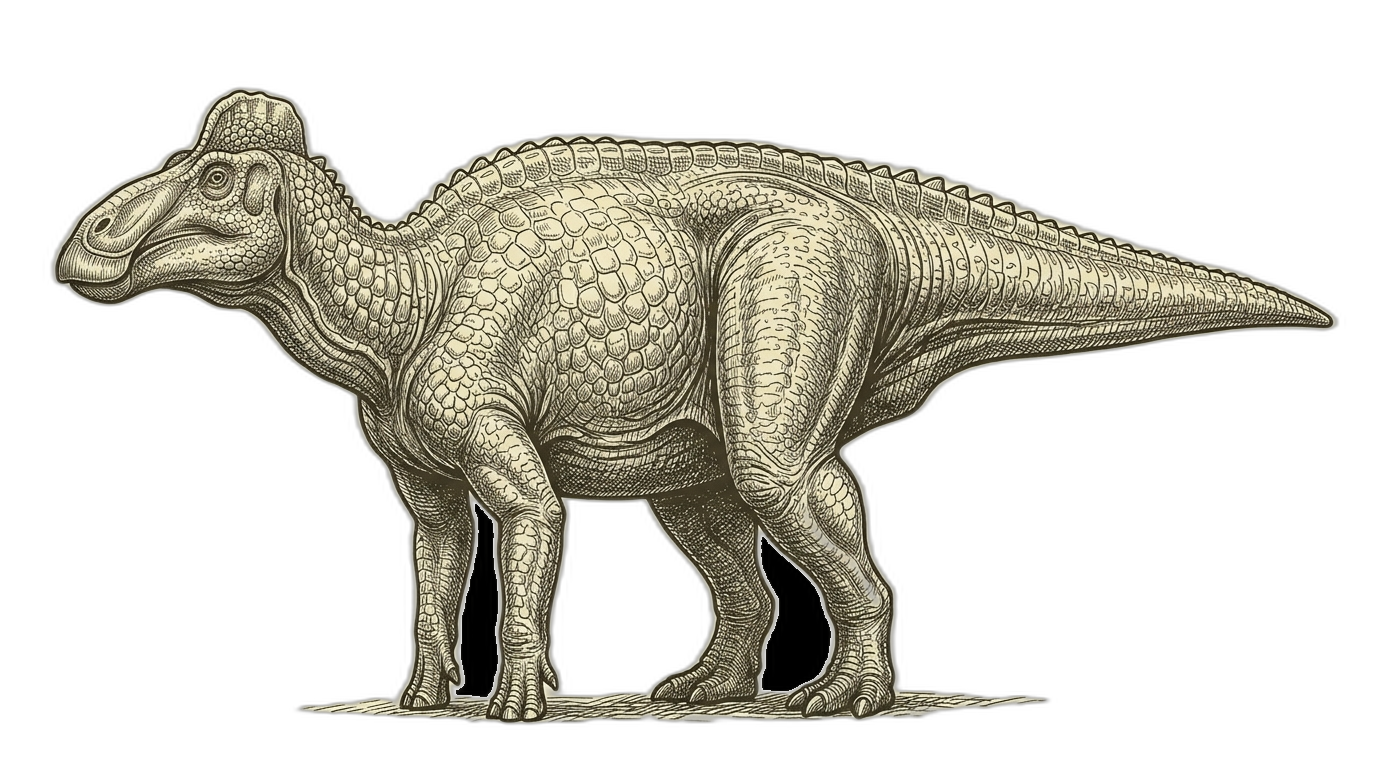
Edmontosaurus
Edmontosaurus regalis
Both large-bodied herbivores from the Horseshoe Canyon Formation, Pachyrhinosaurus (2500kg) and Edmontosaurus (4000kg) would have competed for similar low to mid-level browse.
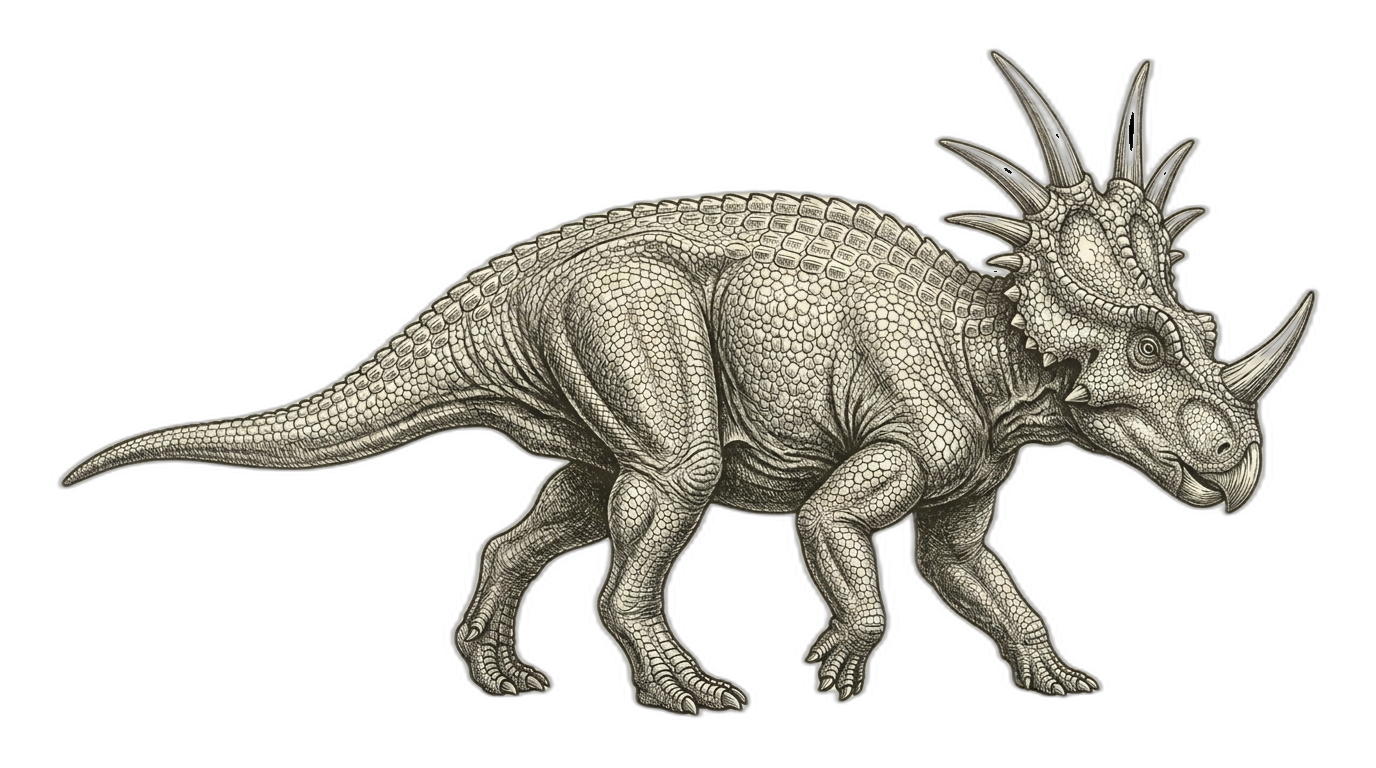
Styracosaurus
Styracosaurus albertensis
Both centrosaurine ceratopsids that independently evolved elaborate nasal ornamentation, but through different pathways: Styracosaurus developed a long nasal horn with dramatic frill spikes, while Pachyrhinosaurus evolved a unique bony boss instead of a horn.
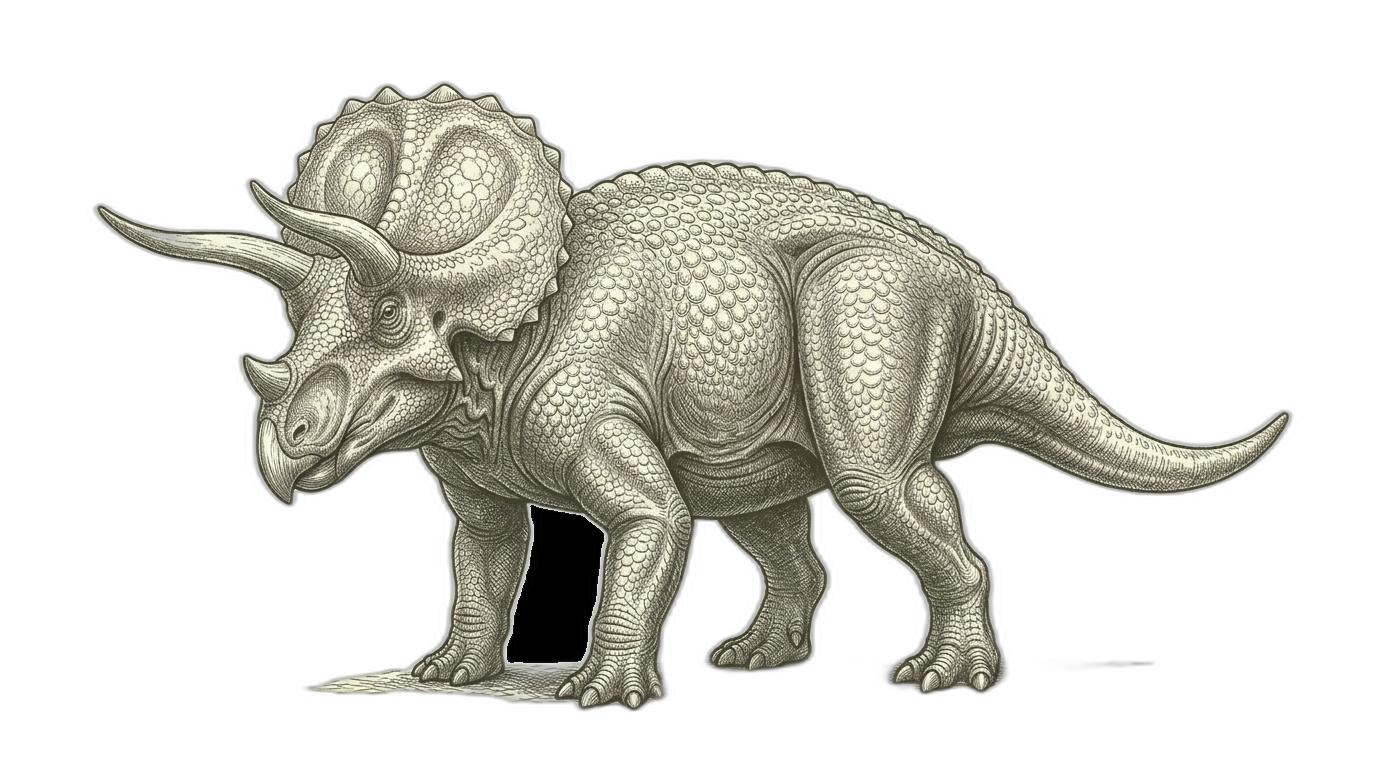
Triceratops
Triceratops horridus
Same family: Ceratopsidae
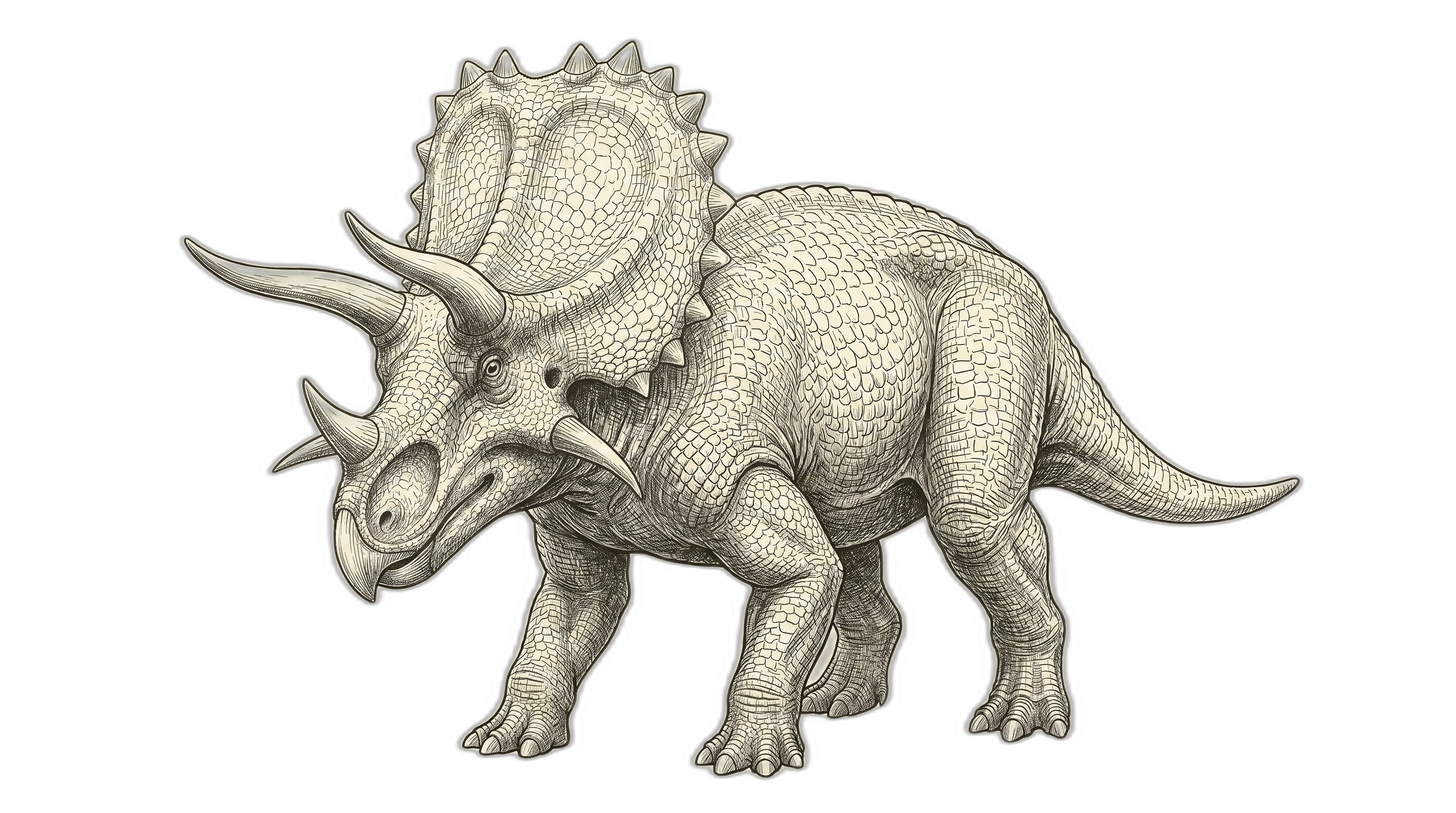
Pentaceratops
Pentaceratops sternbergii
Same family: Ceratopsidae
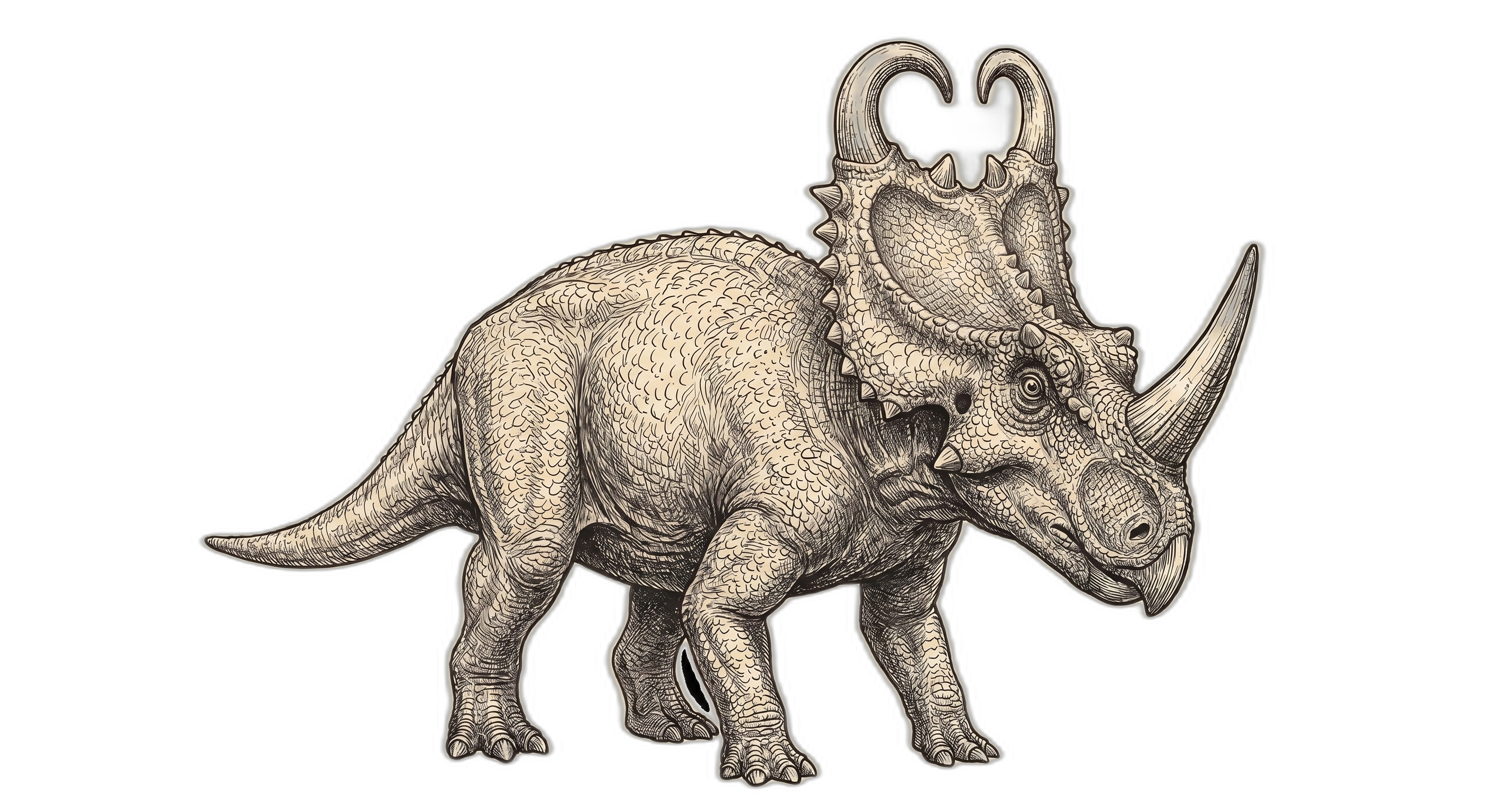
Centrosaurus
Centrosaurus apertus
Same family: Ceratopsidae
Sources & Citation
- Length estimates
- Currie et al. 2008; based on multiple partial skulls and postcranial elements
- Height estimates
- Estimated shoulder height from postcranial proportions; Currie et al. 2008
- Weight estimates
- Estimates based on ceratopsid body proportions; Paul 2010
- Speed estimates
- Extrapolated from ceratopsid limb proportions; no direct evidence