About
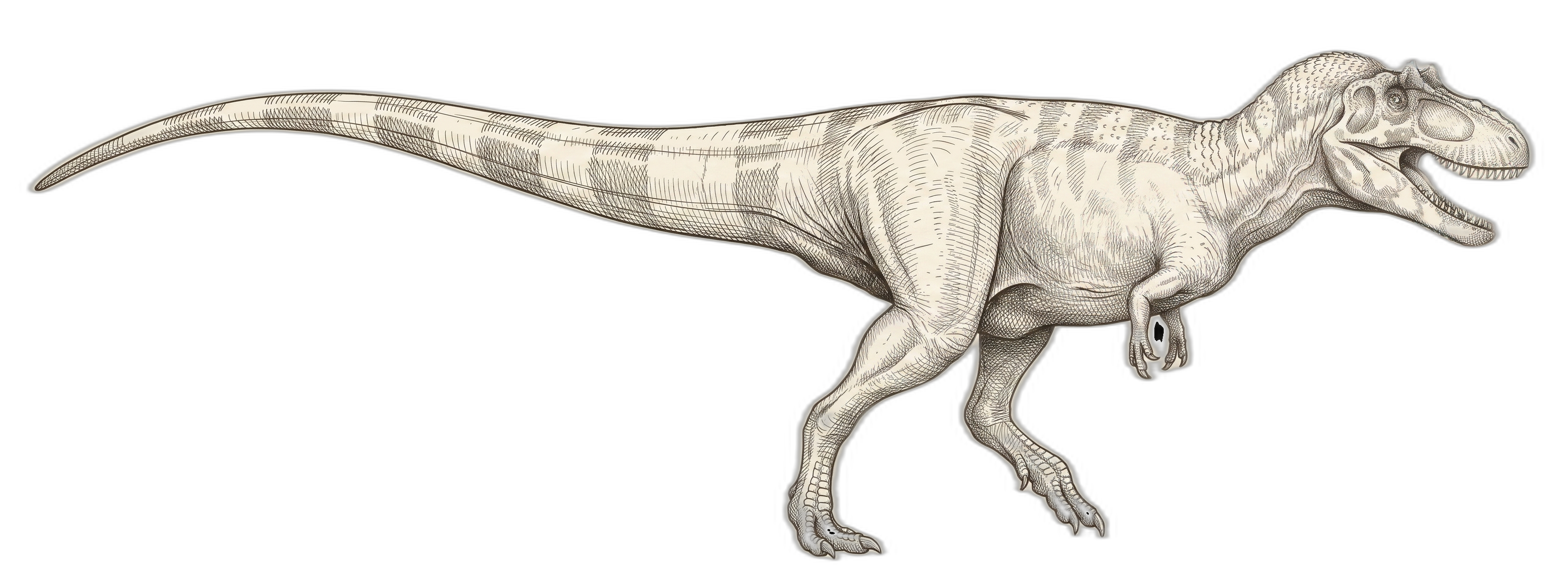
Albertosaurus was a formidable tyrannosaurid that prowled the forests and floodplains of what is now Alberta, Canada, approximately 71 million years ago during the Late Cretaceous. Though smaller than its famous relative Tyrannosaurus rex, this 9-meter carnivore was the of its ecosystem, equipped with powerful jaws lined with teeth designed for slicing through flesh and crushing bone.
What makes Albertosaurus particularly fascinating to paleontologists is the discovery of a bonebed containing remains of at least 22 individuals of varying ages. Found at Dry Island Buffalo Jump Provincial Park, this mass death assemblage has fueled intense debate about whether these tyrannosaurs hunted cooperatively in packs—a behavior rarely associated with large theropod dinosaurs. Some scientists argue the evidence suggests social hunting, while others propose the animals simply congregated near a water source during a drought.
The first Albertosaurus fossils were discovered in 1884 by Joseph Burr Tyrrell, a geologist who would later have Alberta's famous Royal Tyrrell Museum named in his honor. The species was formally described and named by Henry Fairfield Osborn in 1905, with the species name "sarcophagus" meaning "flesh-eater" in reference to its carnivorous lifestyle.
Biomechanical studies suggest Albertosaurus may have been built for speed compared to the more heavily-built T. rex. Its proportionally longer legs relative to body mass indicate it could have been a pursuit predator, potentially capable of running down hadrosaurs and other prey that shared its environment. This combination of speed, power, and possibly social behavior made Albertosaurus one of the most effective predators of the Late Cretaceous.
Quick Facts
- Scientific name
- Albertosaurus sarcophagus
- Group
- Tyrannosaur · Tyrannosauridae
- Lived
- Late Cretaceous, 70–68 million years ago
- Diet
- Carnivore
- Movement
- Walked on two legs
- Fossils found in
- Horseshoe Canyon Formation (Alberta, Canada)
- Discovery credited to
- 1884, Joseph Burr Tyrrell
- Holotype
- CMN 5600 · Canadian Museum of Nature, Ottawa
- DinoVault record
- DVL-0003
Where fossils were found
Horseshoe Canyon Formation
Alberta · Canada
70–68 million years ago(2m year span)
Where Albertosaurus Roamed
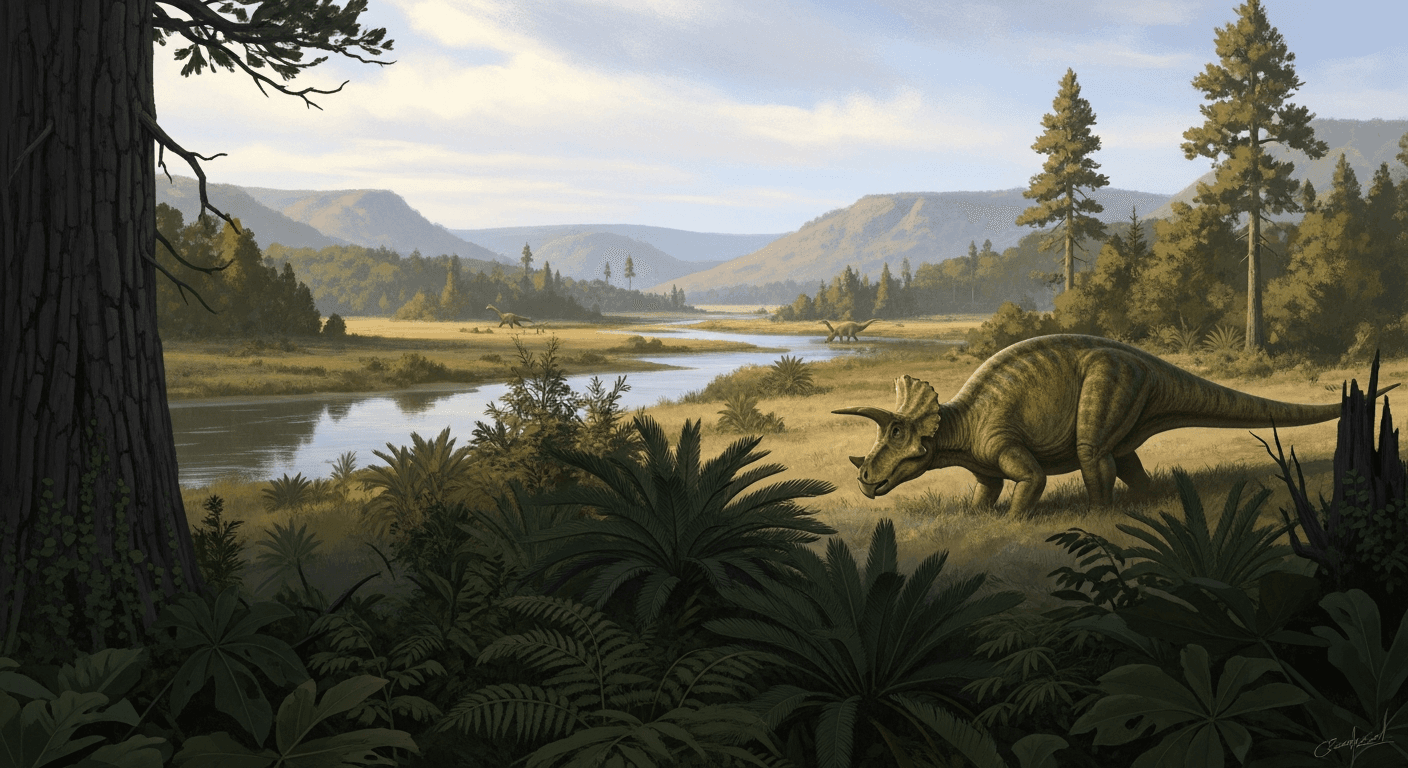
During the late Cretaceous period, Albertosaurus sarcophagus prowled the coastal plains and river deltas of Laramidia, a narrow island continent bordered by the Western Interior Seaway to the east. This warm, humid environment featured lush forests of conifers and flowering plants, where this apex predator hunted among meandering river systems that drained into the retreating inland sea.
Keep exploring the vault
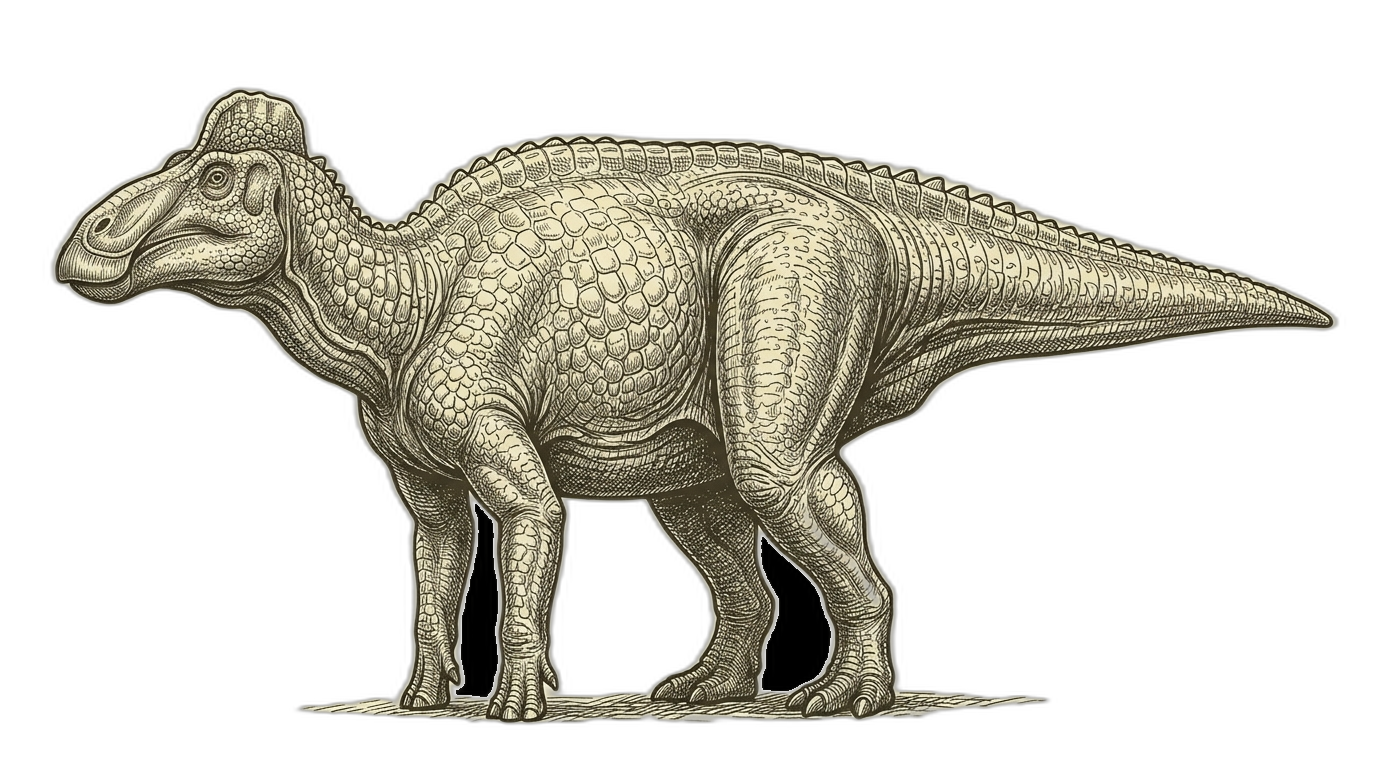
Edmontosaurus
Edmontosaurus regalis
Edmontosaurus was a large, abundant hadrosaurid in the Horseshoe Canyon Formation.
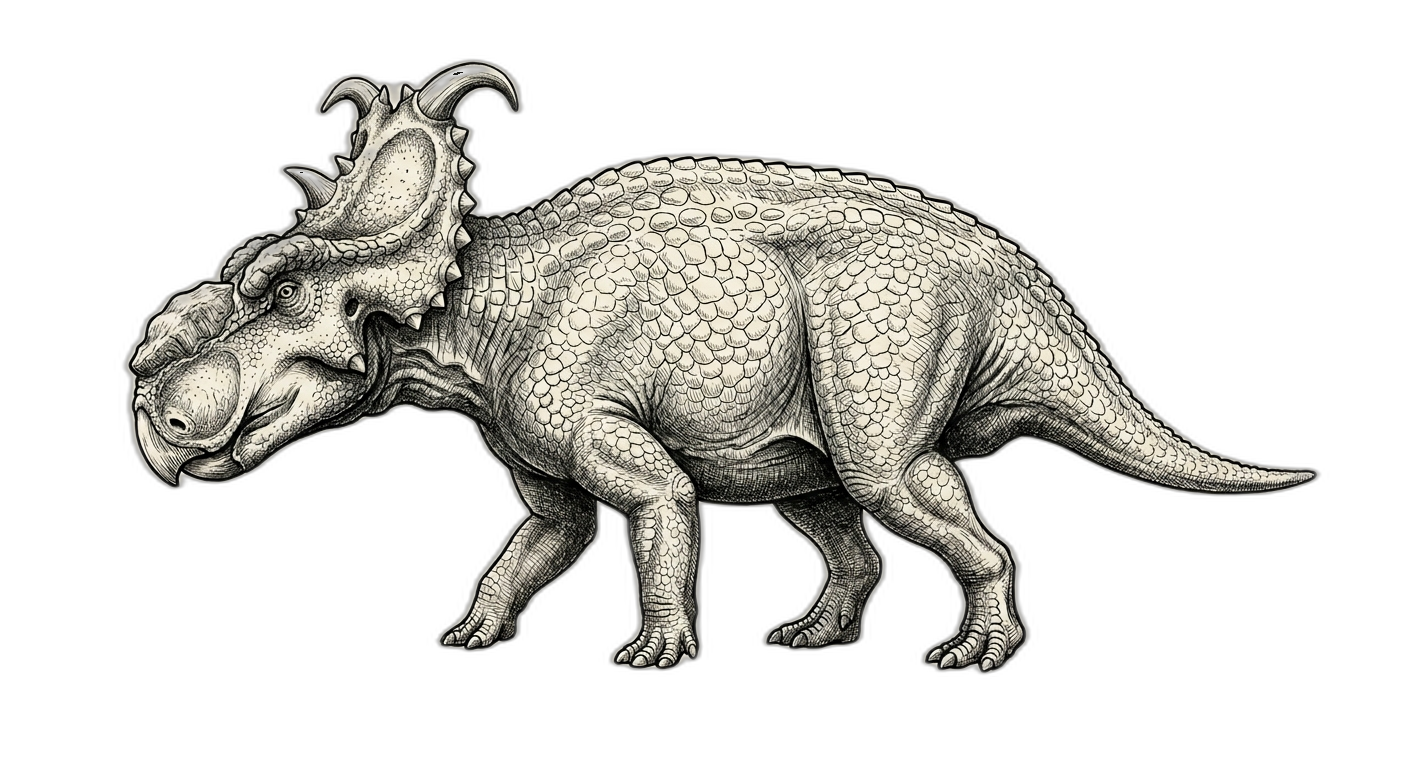
Pachyrhinosaurus
Pachyrhinosaurus canadensis
Pachyrhinosaurus canadensis co-occurs with Albertosaurus in the Horseshoe Canyon Formation.
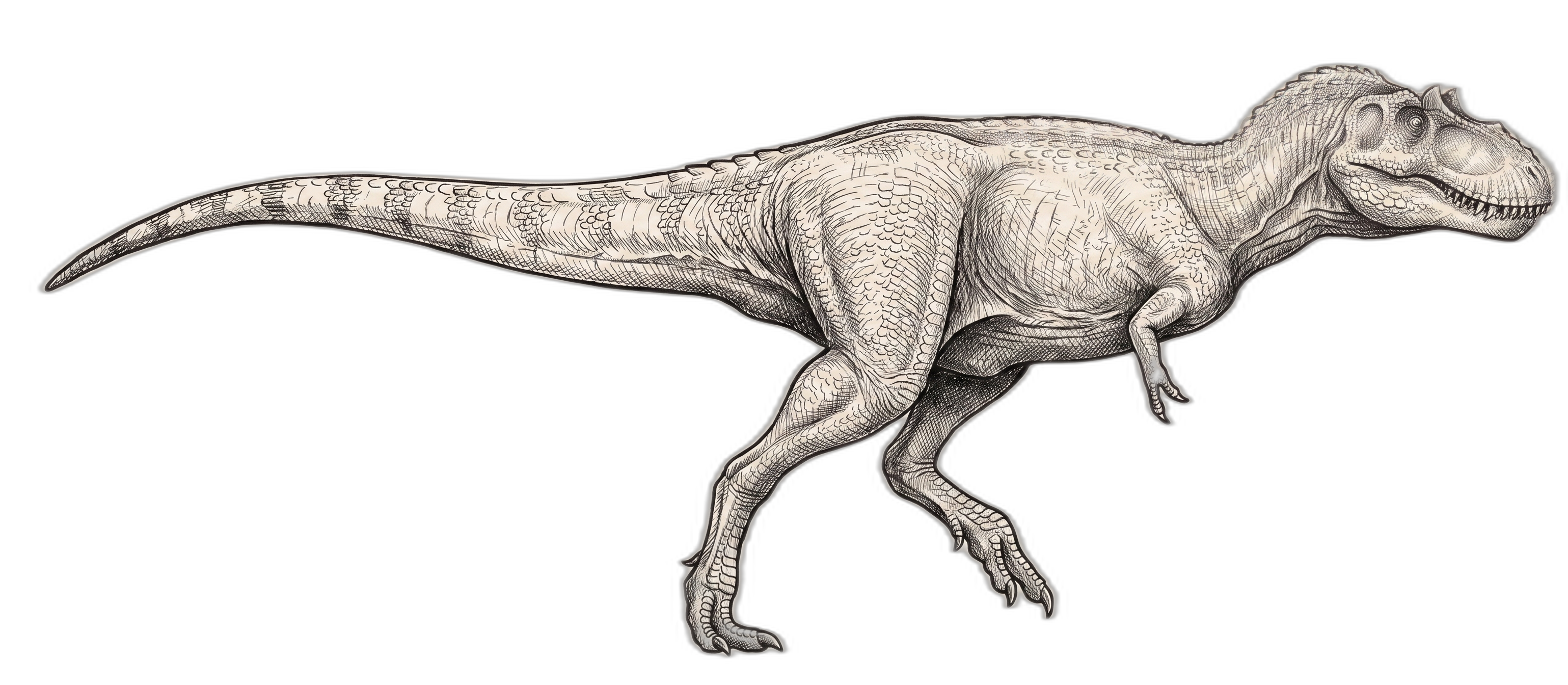
Gorgosaurus
Gorgosaurus libratus
Gorgosaurus libratus was a closely related tyrannosaurid from the slightly older Dinosaur Park Formation in Alberta.
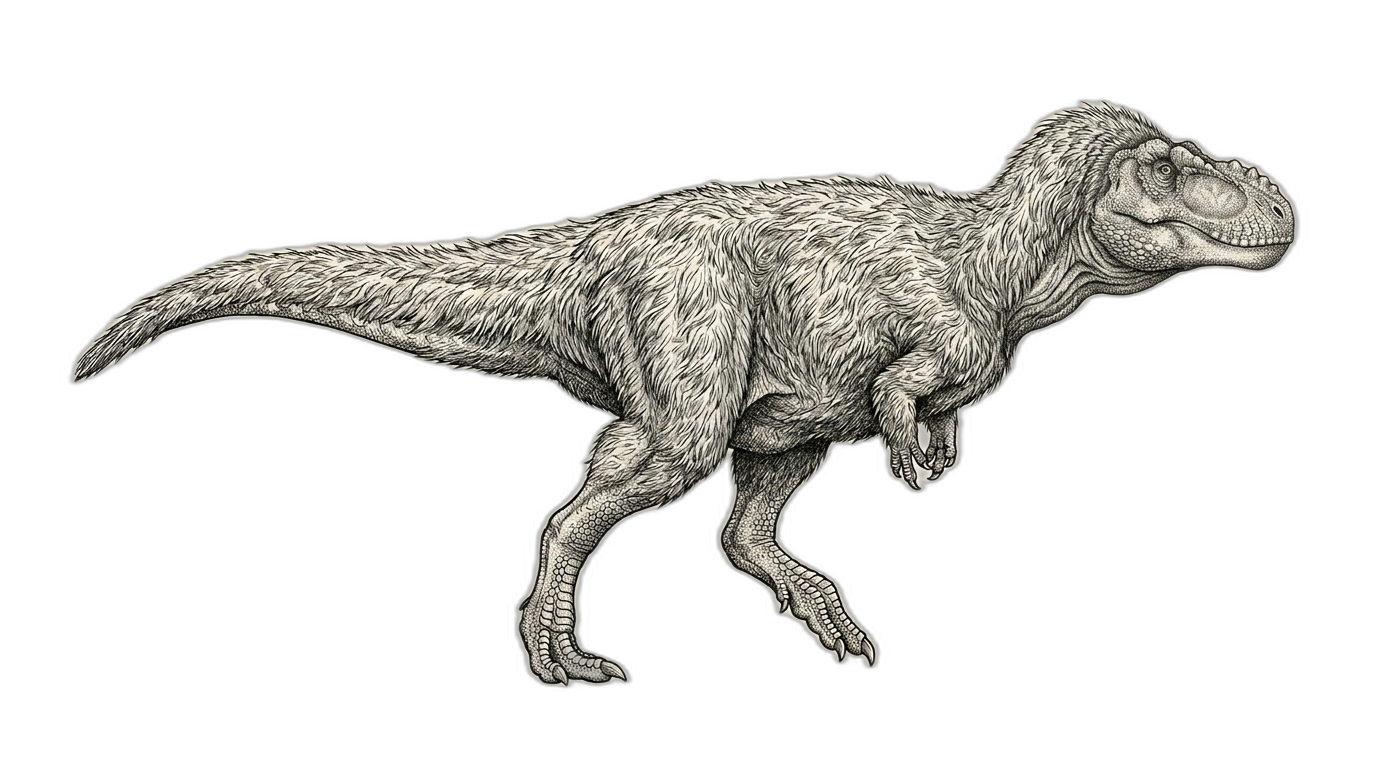
Yutyrannus
Yutyrannus huali
Both are large tyrannosauroids that independently demonstrate the tyrannosaur body plan's success across different times and environments.
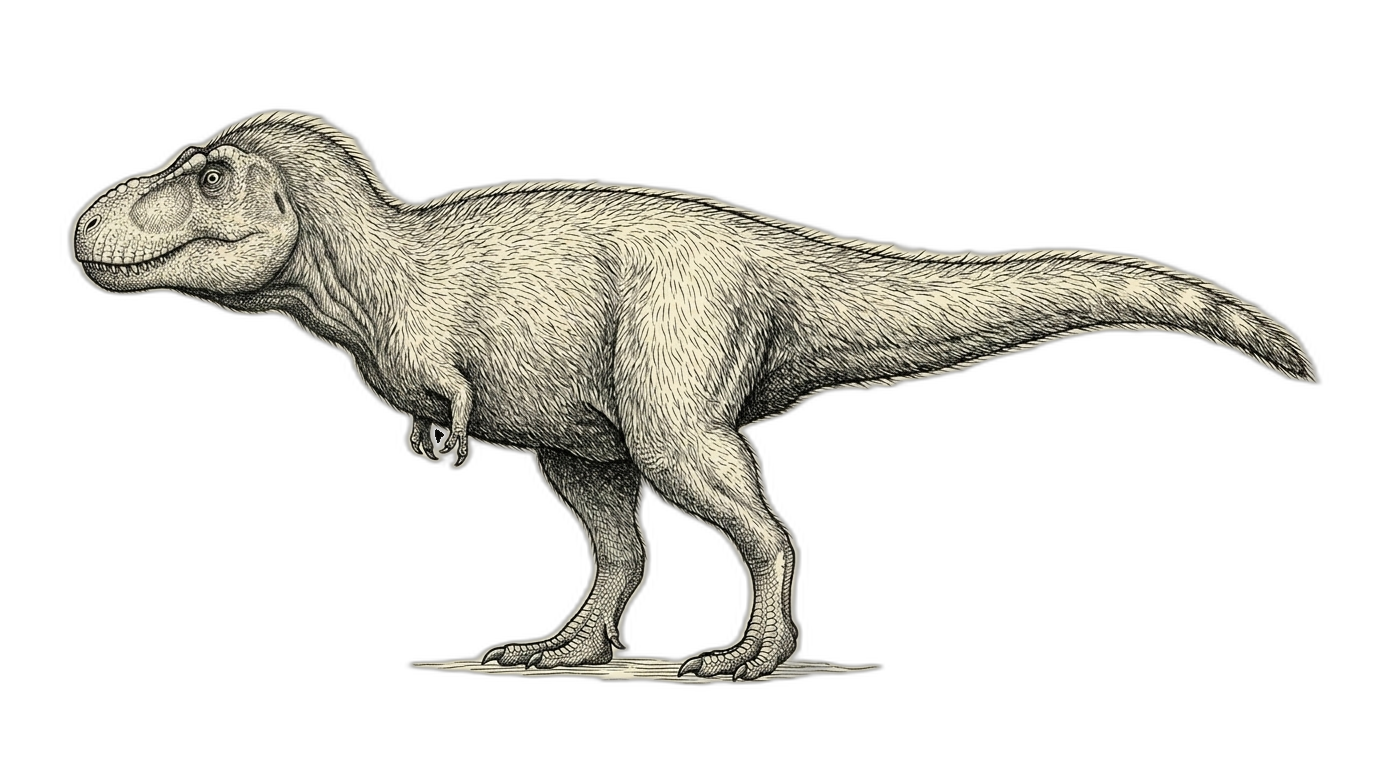
Nanuqsaurus
Nanuqsaurus hoglundi
Same family: Tyrannosauridae
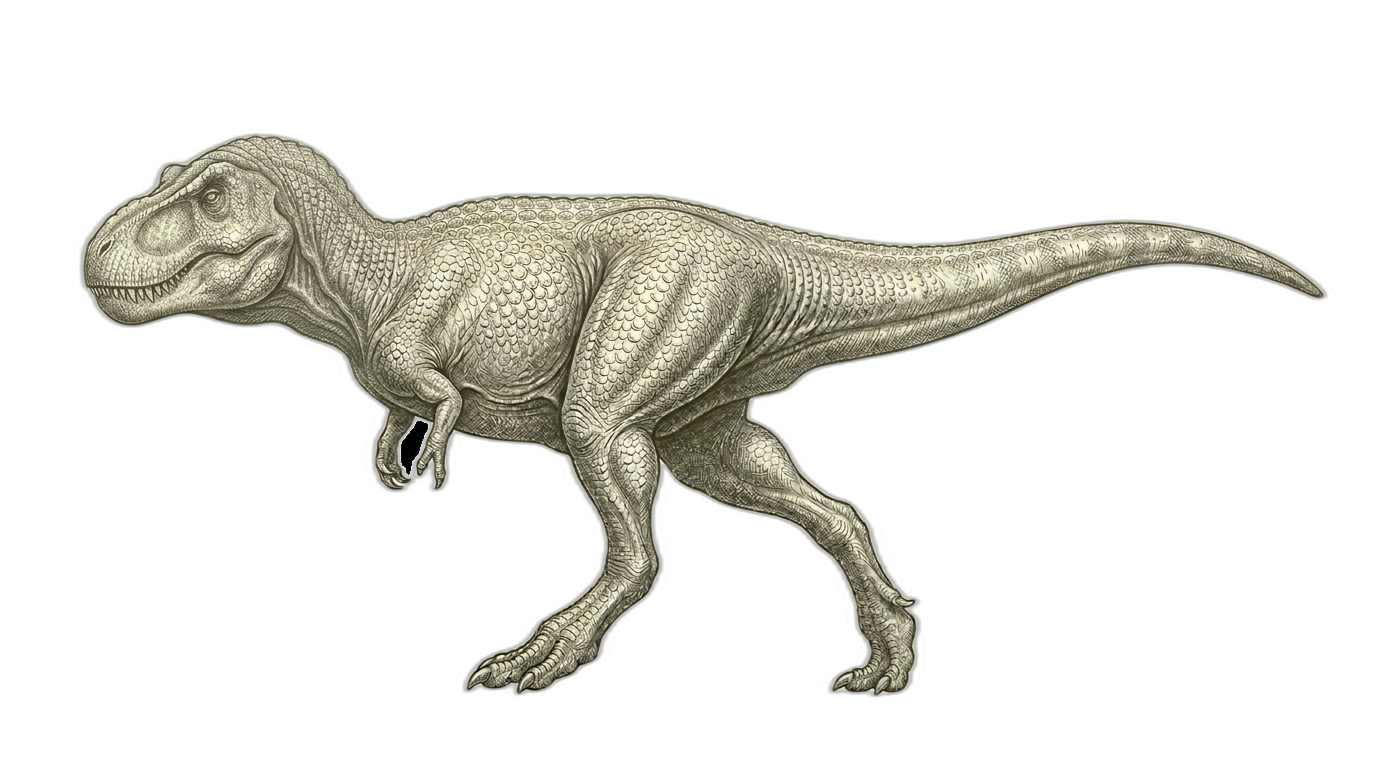
T-Rex
Tyrannosaurus rex
Same family: Tyrannosauridae
Sources & Citation
- Length estimates
- Currie 2003; Russell 1970; multiple adult specimens
- Height estimates
- Reconstructions based on skeletal proportions; Currie 2003
- Weight estimates
- Erickson et al. 2004; mass estimates vary by methodology
- Speed estimates
- Biomechanical estimates; Persons & Currie 2016