About
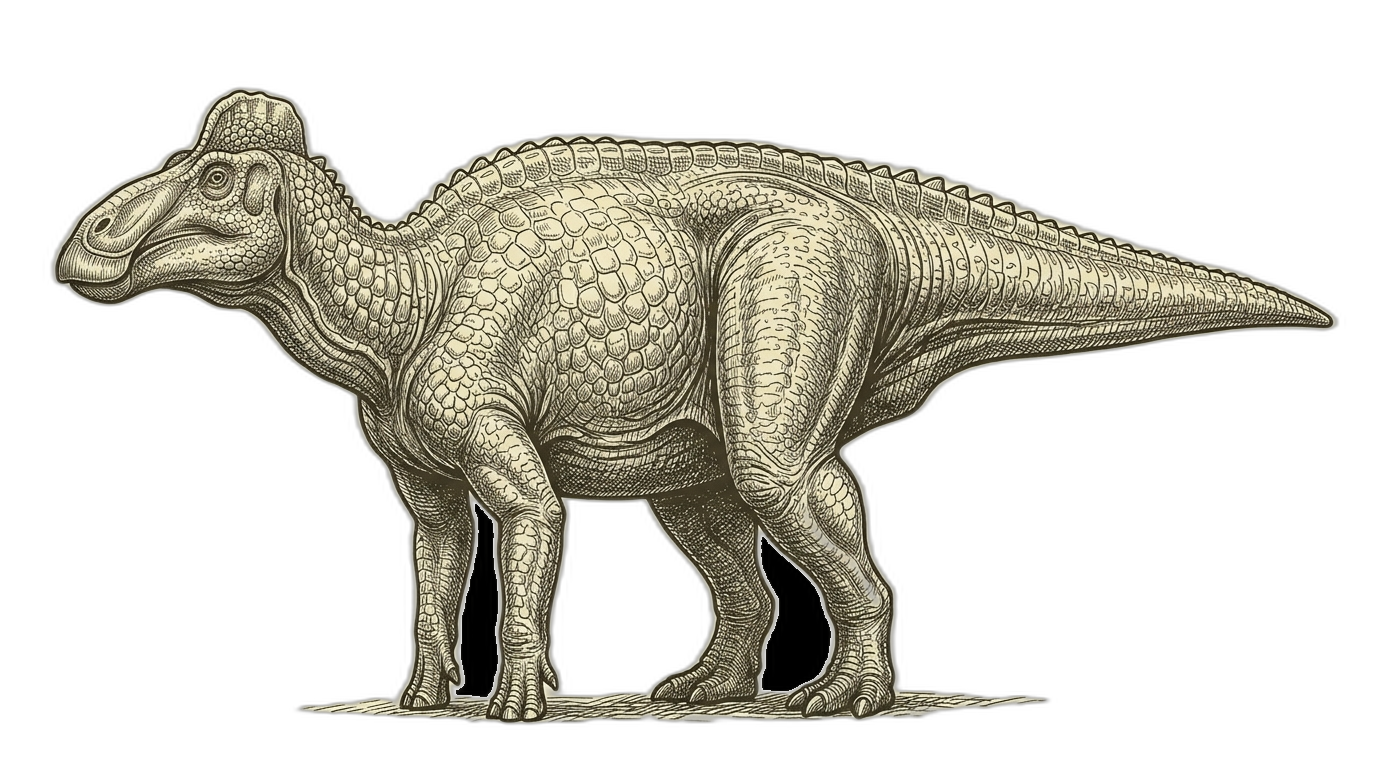
Edmontosaurus regalis was one of the largest and most successful dinosaurs of the Late Cretaceous, a gentle giant that browsed the coastal plains and forests of western North America around 73 million years ago. As a member of the 'flat-headed' hadrosaurines, it lacked the elaborate hollow crests of its cousins, instead relying on its massive body size and likely complex social behaviors for survival in a world dominated by tyrannosaurs.
This species was named by Lawrence Lambe in 1917 based on fossils discovered in the Horseshoe Canyon Formation near Edmonton, Alberta—hence its name, which means 'Edmonton lizard.' The species name 'regalis' means 'royal,' a fitting title for such an impressive animal. Edmontosaurus regalis represents the earlier-occurring species of the genus, predating its famous relative E. annectens by several million years.
Edmontosaurus regalis possessed a sophisticated containing hundreds of tightly packed teeth designed for grinding tough vegetation. Its broad, duck-like bill was covered in a sheath that helped it crop plants efficiently. Evidence suggests these animals lived in large herds, providing safety in numbers against predators like Gorgosaurus and Daspletosaurus that shared their ecosystem.
Remarkably, some E. regalis specimens preserve exquisite skin impressions revealing a pebbly texture of non-overlapping scales. Even more surprisingly, a 2013 study revealed that at least some individuals sported a fleshy comb or 'cock's comb' on top of their heads—a soft tissue structure that would never have been predicted from bones alone, revolutionizing our understanding of hadrosaurid appearance.
Quick Facts
- Scientific name
- Edmontosaurus regalis
- Group
- Ornithopod · Hadrosauridae
- Lived
- Late Cretaceous, 83.6–66 million years ago
- Diet
- Herbivore
- Movement
- Facultative_biped
- Fossils found in
- Horseshoe Canyon Formation (Alberta, Canada)
- Discovery credited to
- 1917, Lawrence Lambe
- Holotype
- NMC 2288 · Canadian Museum of Nature, Ottawa
- DinoVault record
- DVL-0048
Where fossils were found
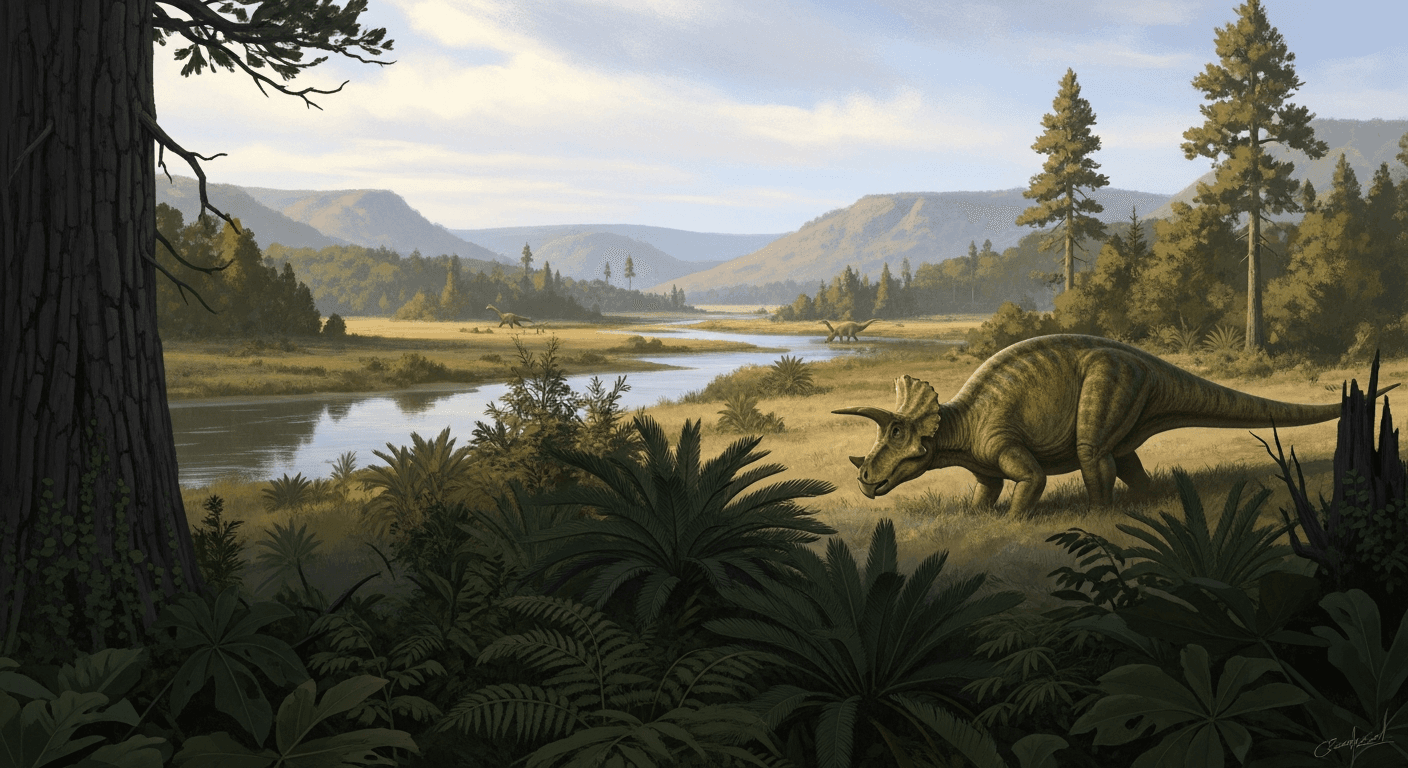
Horseshoe Canyon Formation
Alberta · Canada
83.6–66 million years ago(17.6m year span)
Where Edmontosaurus Roamed
During the Late Cretaceous, Edmontosaurus regalis roamed the lush coastal plains of Laramidia, a narrow island continent bordered by the vast Western Interior Seaway to the east and rising mountain ranges to the west. This warm, humid environment supported extensive forests and river deltas where massive herds of these duck-billed dinosaurs thrived alongside tyrannosaurs and ceratopsians.
Keep exploring the vault
T-Rex
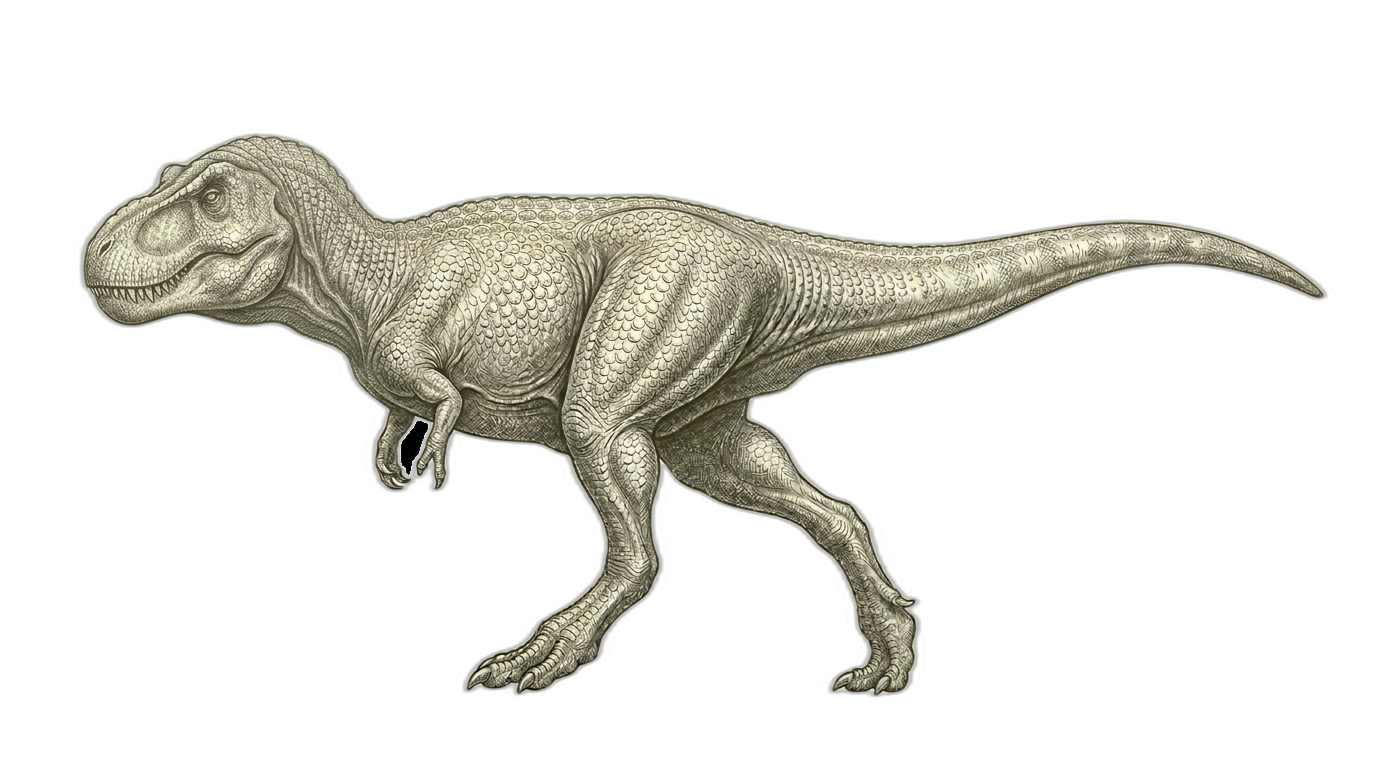
Tyrannosaurus rex
Multiple Edmontosaurus specimens show healed bite marks matching Tyrannosaurus tooth spacing, including a famous tail vertebra with T. rex bite damage that healed, proving predator-prey interaction.
Pachyrhinosaurus
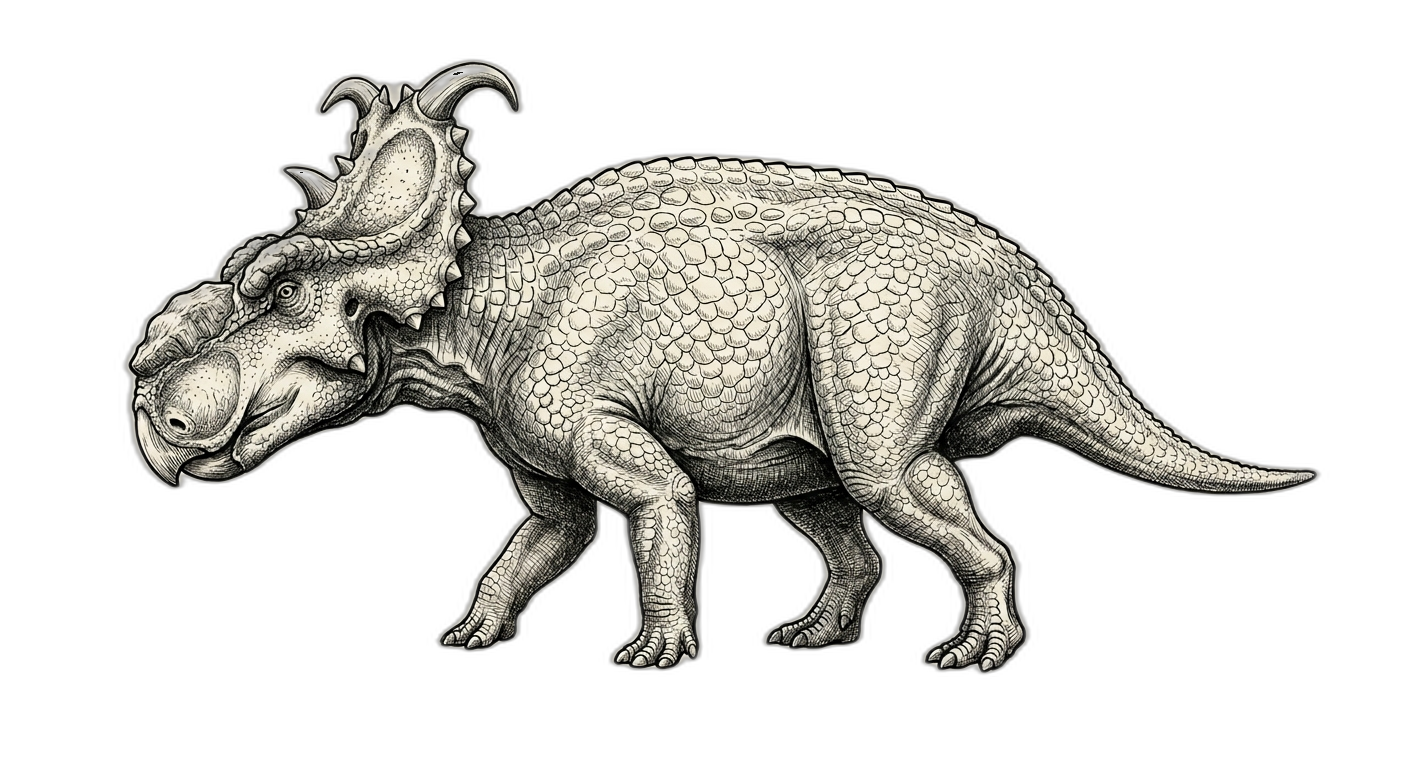
Pachyrhinosaurus canadensis
Both large-bodied herbivores co-occur in the Horseshoe Canyon Formation of Alberta.
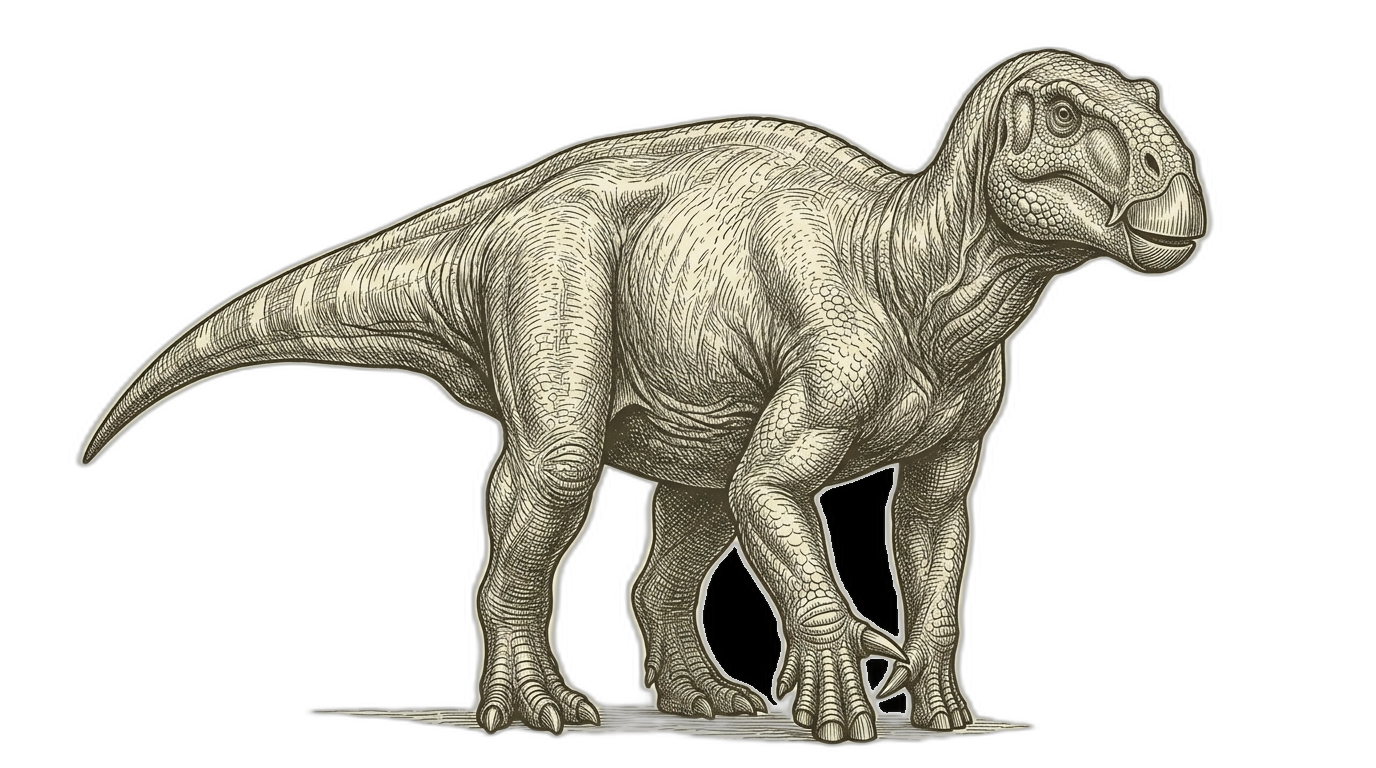
Iguanodon
Iguanodon bernissartensis
Iguanodon represents a basal iguanodontian from which hadrosaurids like Edmontosaurus evolved.
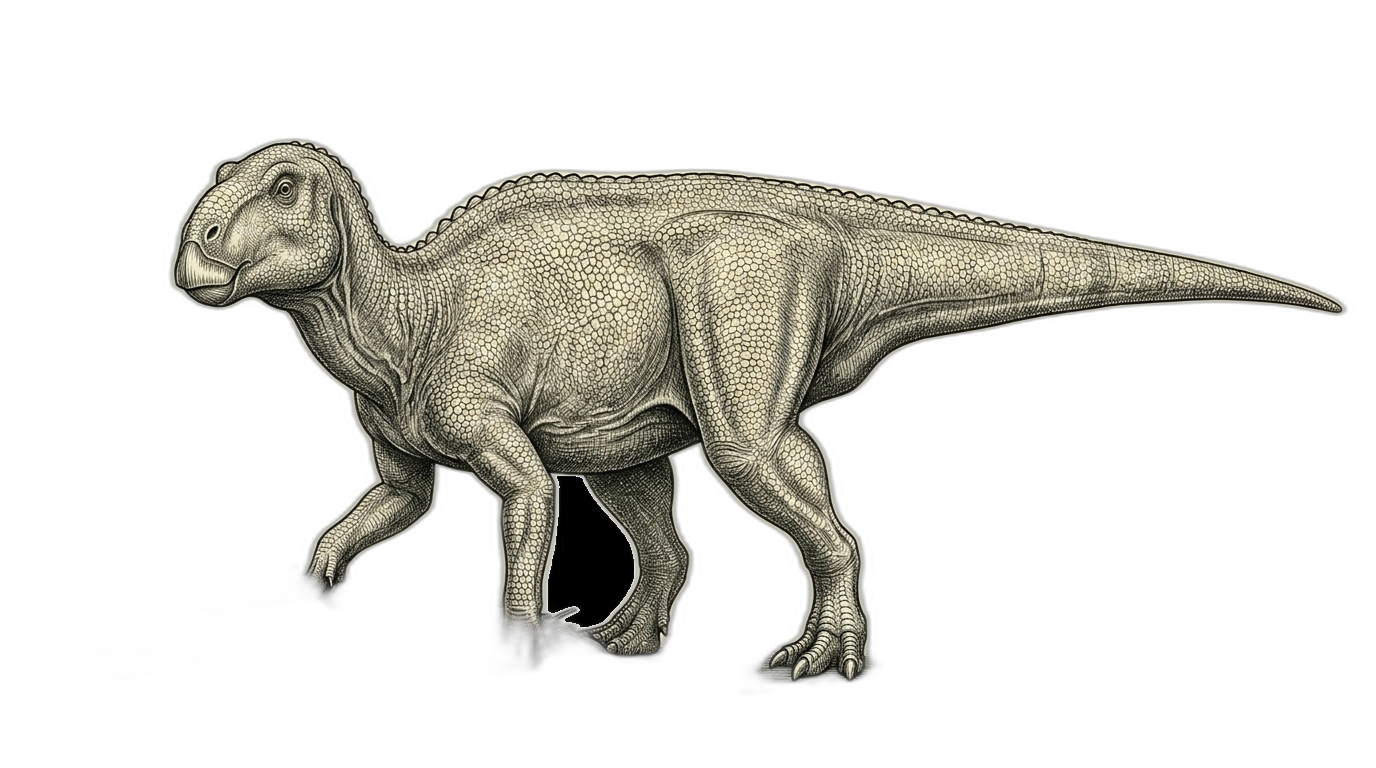
Maiasaura
Maiasaura peeblesorum
Both are hadrosaurids that independently developed large herd-based social structures with evidence of colonial nesting and parental care.
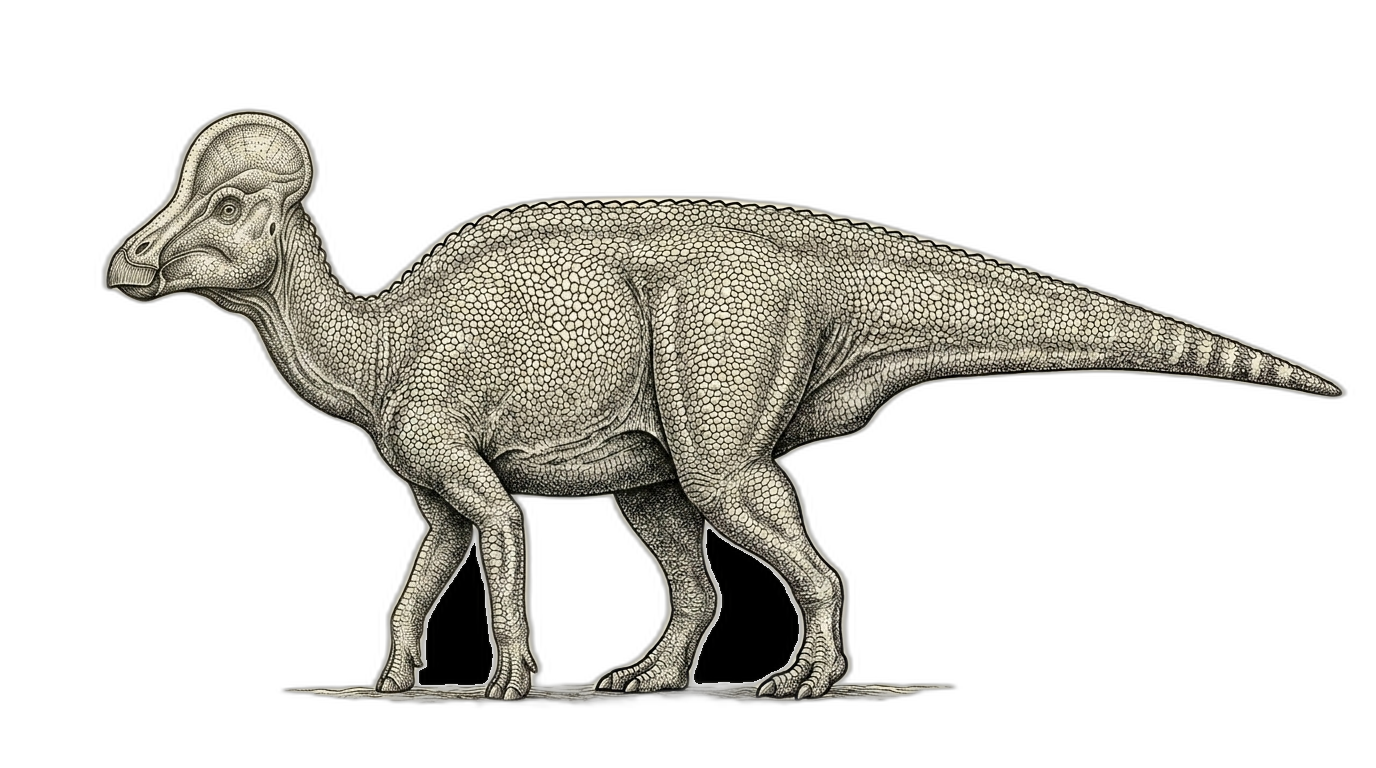
Corythosaurus
Corythosaurus casuarius
Same family: Hadrosauridae
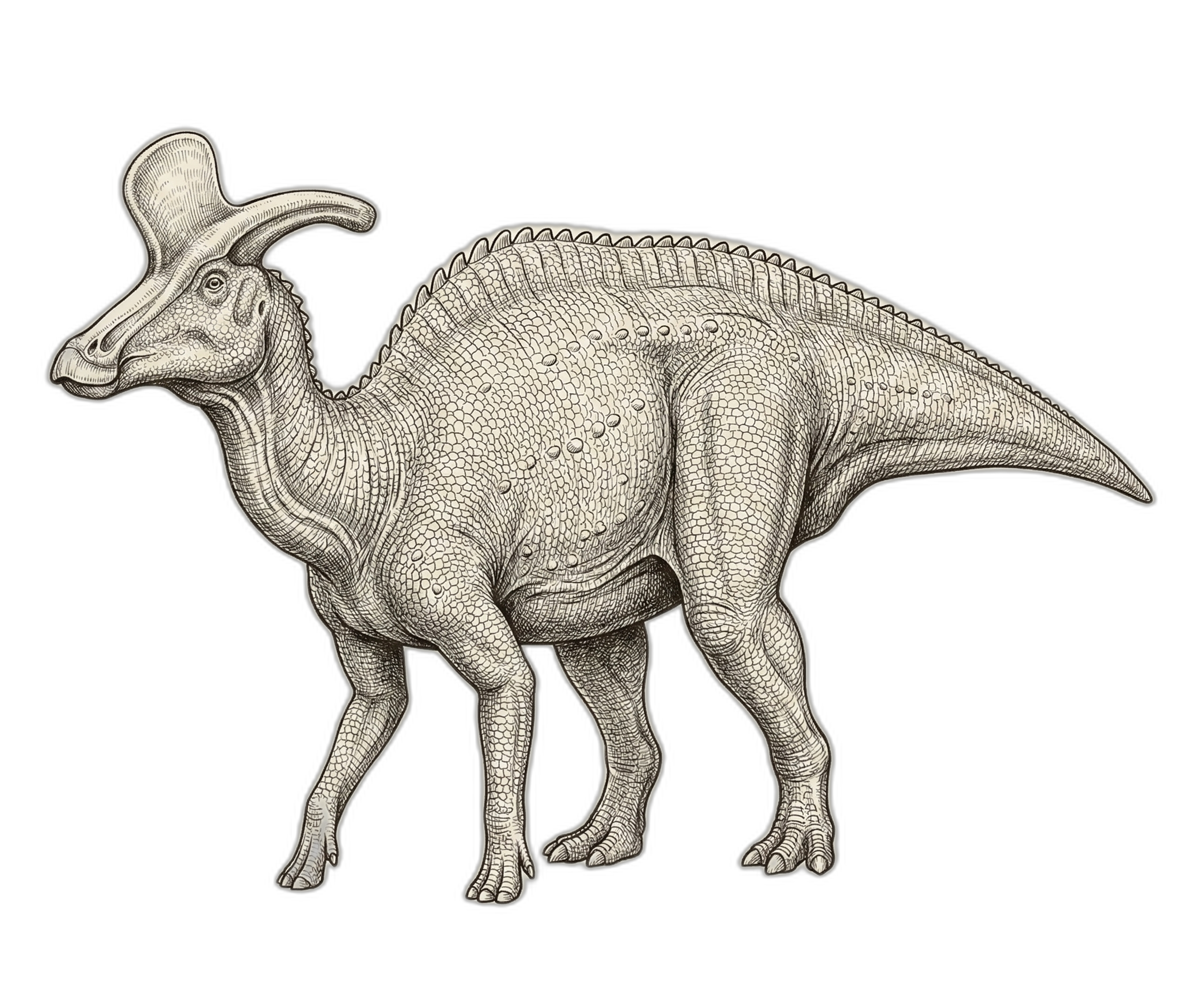
Lambeosaurus
Lambeosaurus lambei
Same family: Hadrosauridae
Sources & Citation
- Length estimates
- Campione & Evans 2011; multiple complete specimens
- Height estimates
- Based on skeletal reconstructions; hip height
- Weight estimates
- Campione & Evans 2012; body mass estimates from limb scaling
- Speed estimates
- Biomechanical estimates; Sellers et al. 2009 hadrosaurid locomotion studies