About
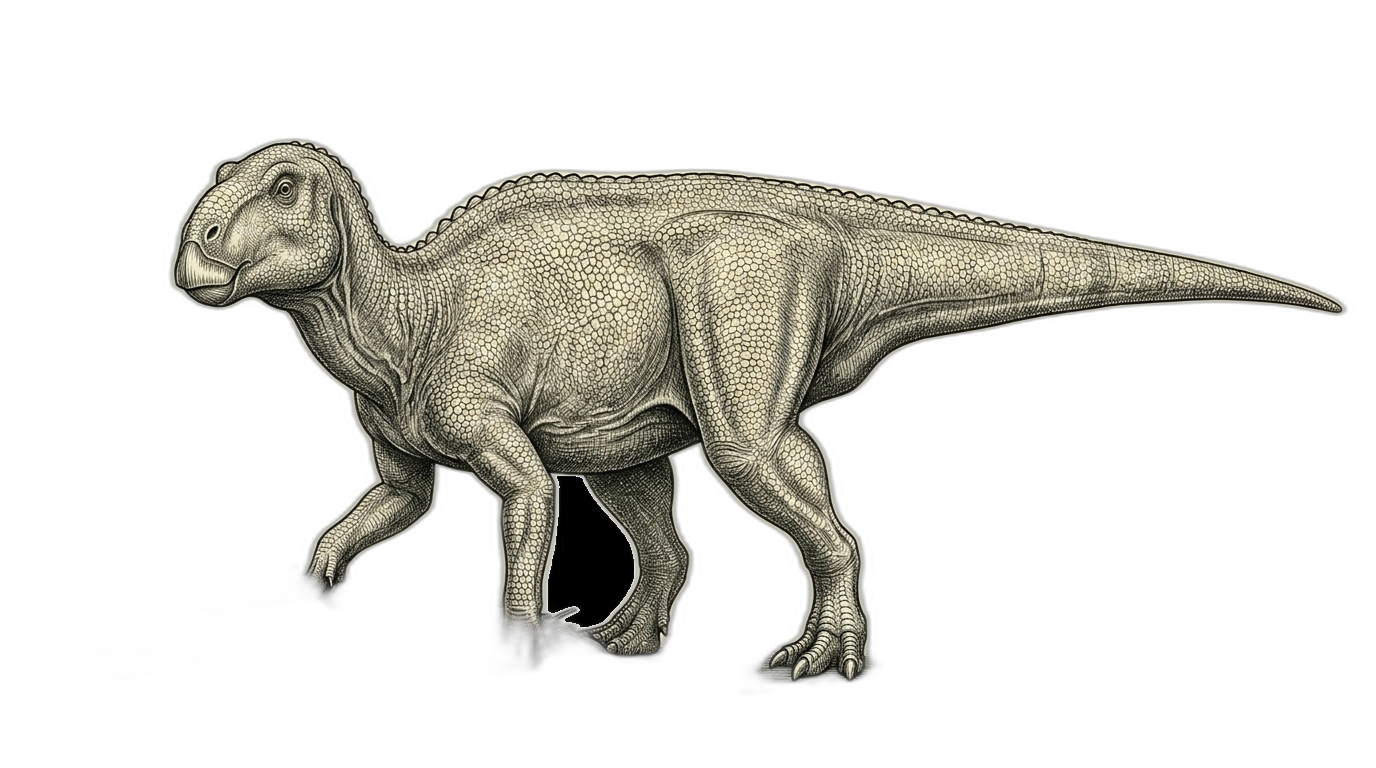
Maiasaura was a large dinosaur that roamed the coastal plains of what is now Montana and Alberta during the Late Cretaceous, roughly 76-80 million years ago. Growing up to 9 meters long, these duck-billed herbivores traveled in massive herds that may have numbered in the thousands, leaving behind one of the most spectacular fossil assemblages ever discovered.
The discovery of Maiasaura in 1978 by paleontologist Jack Horner and amateur fossil hunter Marion Brandvold fundamentally changed our understanding of dinosaur behavior. At a site called Egg Mountain in Montana, they found nesting colonies containing eggs, embryos, juveniles, and adults — evidence that these dinosaurs returned to the same nesting grounds year after year and cared for their young until they were large enough to leave the nest. The babies' leg bones weren't fully developed at hatching, meaning they couldn't walk well and depended on parental care.
Maiasaura fed on low-growing vegetation using its distinctive duck-like bill to crop plants, then processed them with hundreds of tightly packed teeth arranged in dental batteries. These teeth were continuously replaced throughout life, allowing efficient grinding of tough plant material. Bone analysis suggests these dinosaurs grew remarkably fast — reaching near-adult size in about eight years.
In 1985, Maiasaura became Montana's official state fossil, and in 1996, a piece of Maiasaura bone was carried into space aboard the Space Shuttle, making it one of the few dinosaurs to leave Earth — even if only as a fossil.
Quick Facts
- Scientific name
- Maiasaura peeblesorum
- Group
- Ornithopod · Hadrosauridae
- Lived
- Late Cretaceous, 83.6–72.2 million years ago
- Diet
- Herbivore
- Movement
- Facultative_biped
- Fossils found in
- Two Medicine Formation (Montana, United States)
- Discovery credited to
- 1978, Jack Horner and Marion Brandvold
- Holotype
- YPM-PU 22405 · Yale Peabody Museum (Princeton collection), New Haven
- DinoVault record
- DVL-0082
Where fossils were found
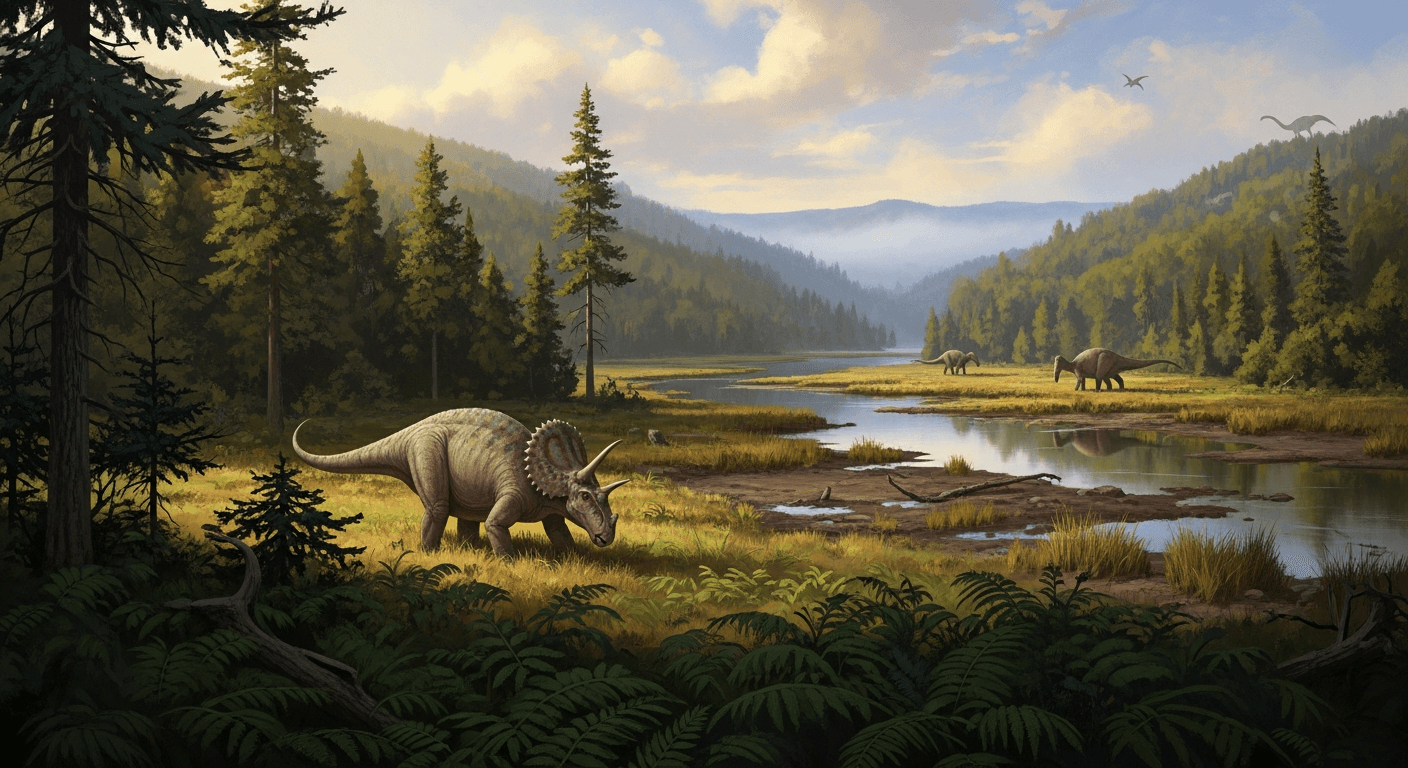
Two Medicine Formation
Montana · United States
83.6–72.2 million years ago(11.4m year span)
Where Maiasaura Roamed
During the Late Cretaceous, *Maiasaura peeblesorum* inhabited the western shores of the Western Interior Seaway in what is now Montana, where vast coastal plains and river deltas supported lush vegetation beneath a warm, humid climate. This dynamic landscape of floodplains and nesting grounds lay along the eastern margin of Laramidia, the island continent that formed the western portion of North America.
Keep exploring the vault
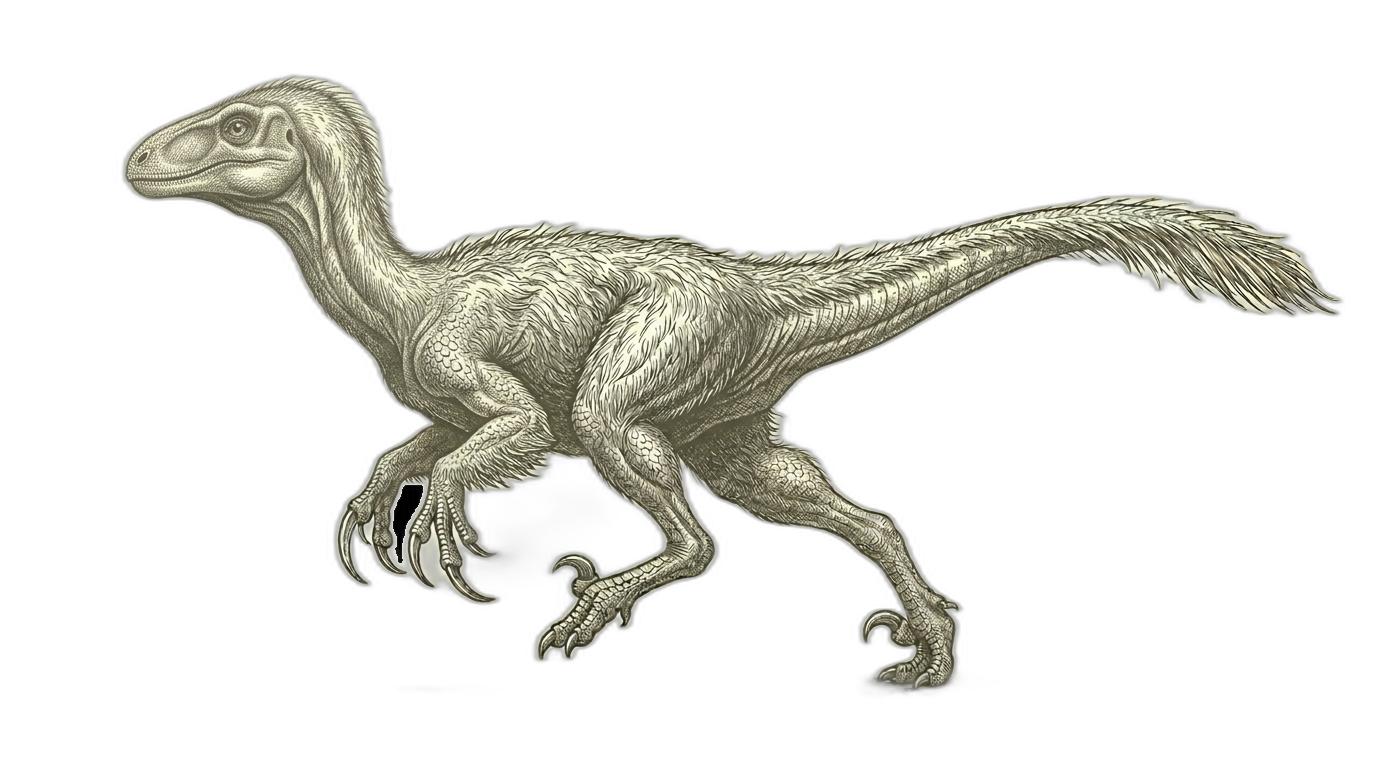
Troodon
Troodon formosus
Troodon teeth have been found in association with Maiasaura nesting sites in the Two Medicine Formation, suggesting Troodon preyed on eggs and juveniles.
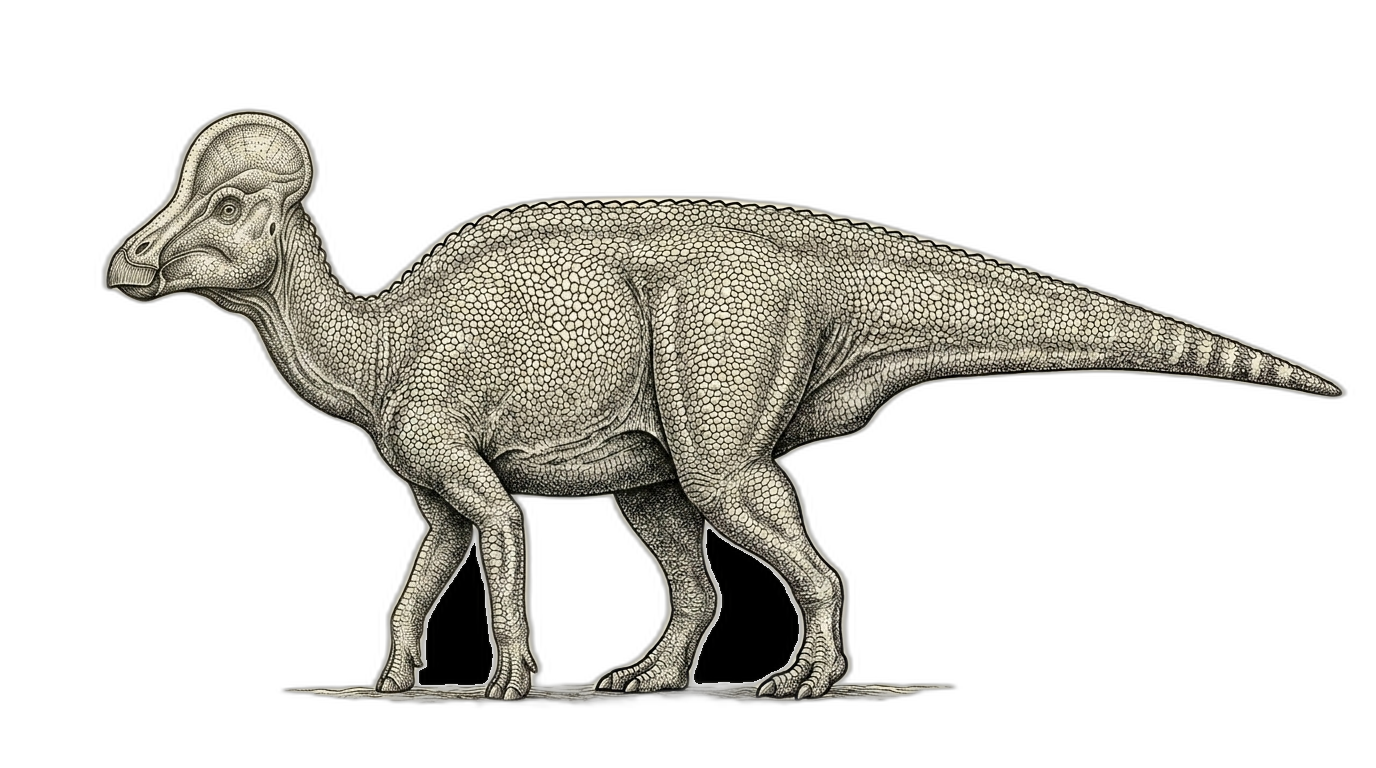
Corythosaurus
Corythosaurus casuarius
Both are large hadrosaurids of similar size (8.5-9m) sharing the Two Medicine Formation.
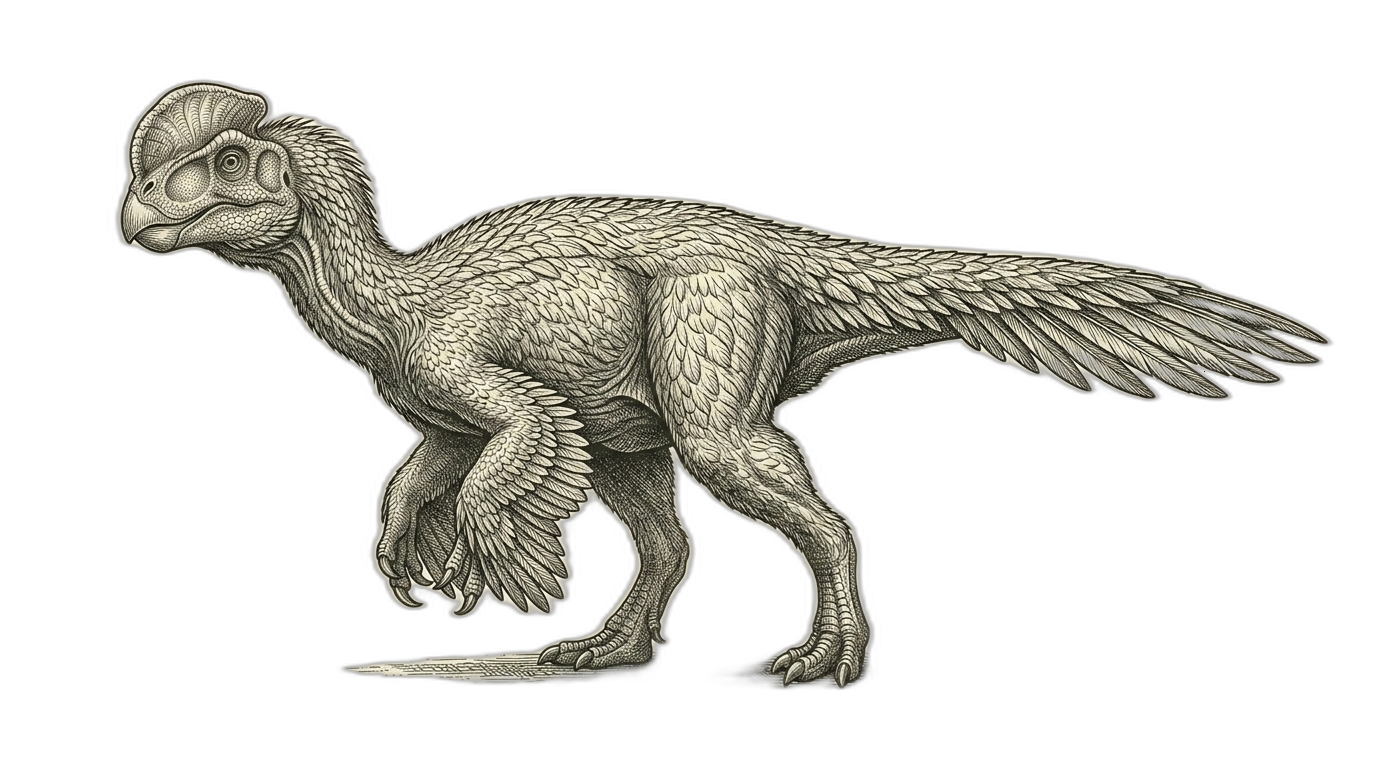
Oviraptor
Oviraptor philoceratops
Both Maiasaura and Oviraptor represent parallel evolution of sophisticated parental care behavior in dinosaurs.
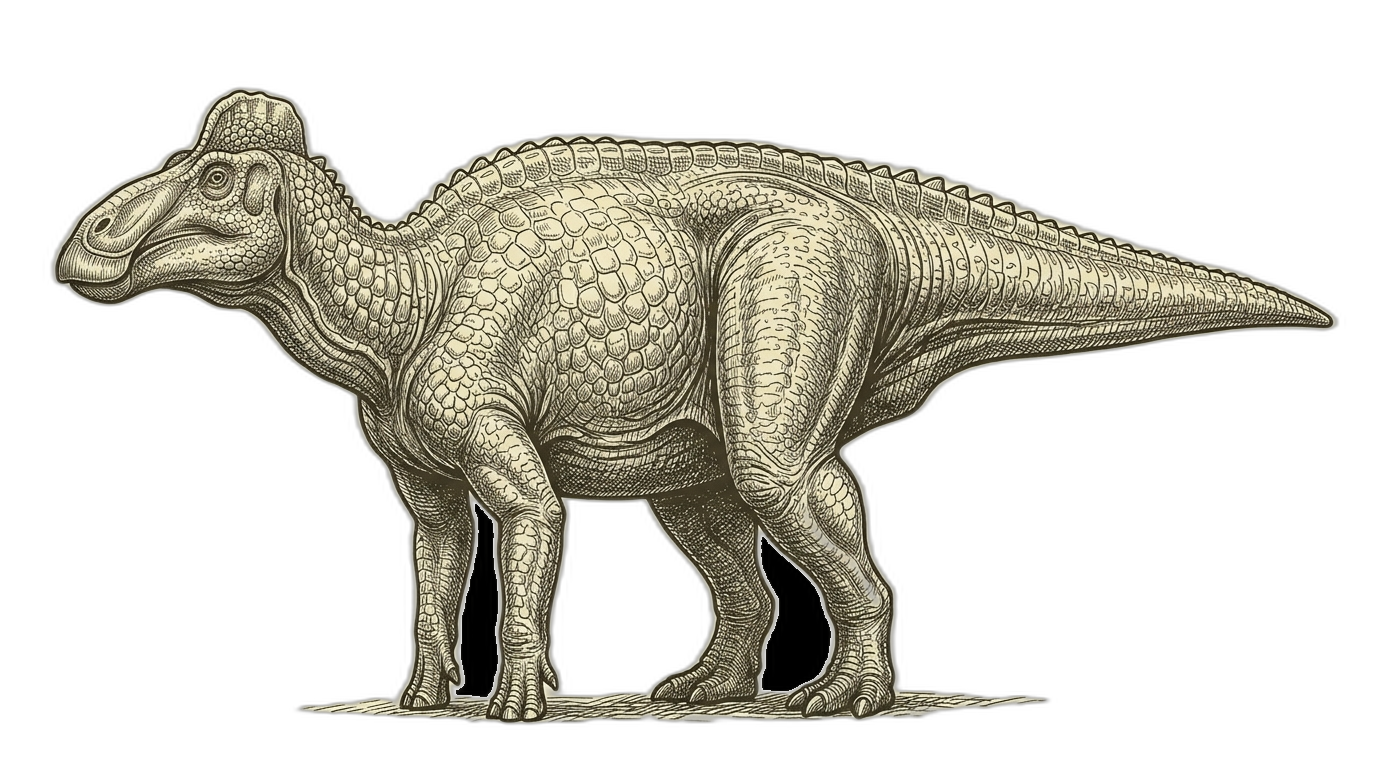
Edmontosaurus
Edmontosaurus regalis
Same family: Hadrosauridae
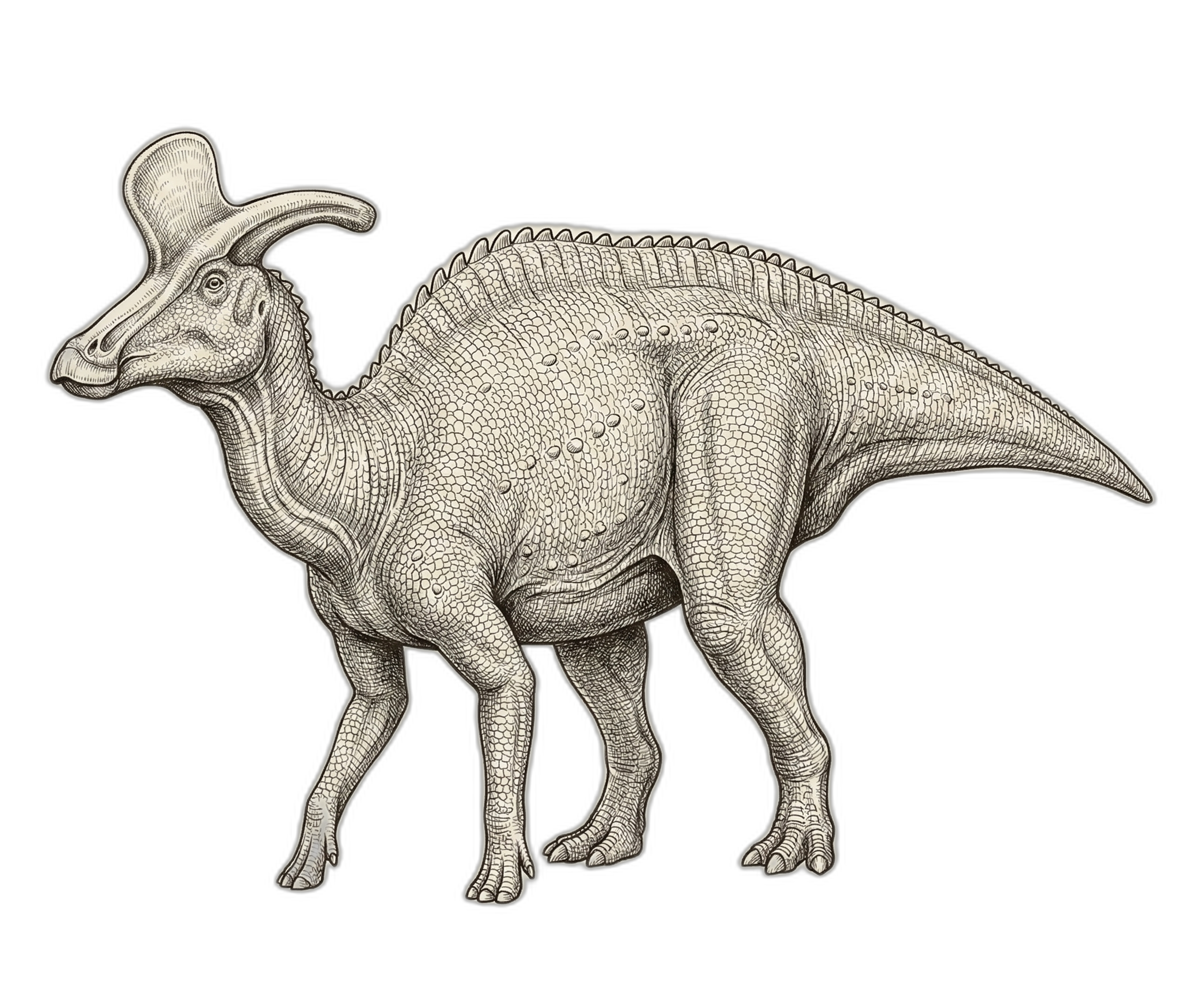
Lambeosaurus
Lambeosaurus lambei
Same family: Hadrosauridae
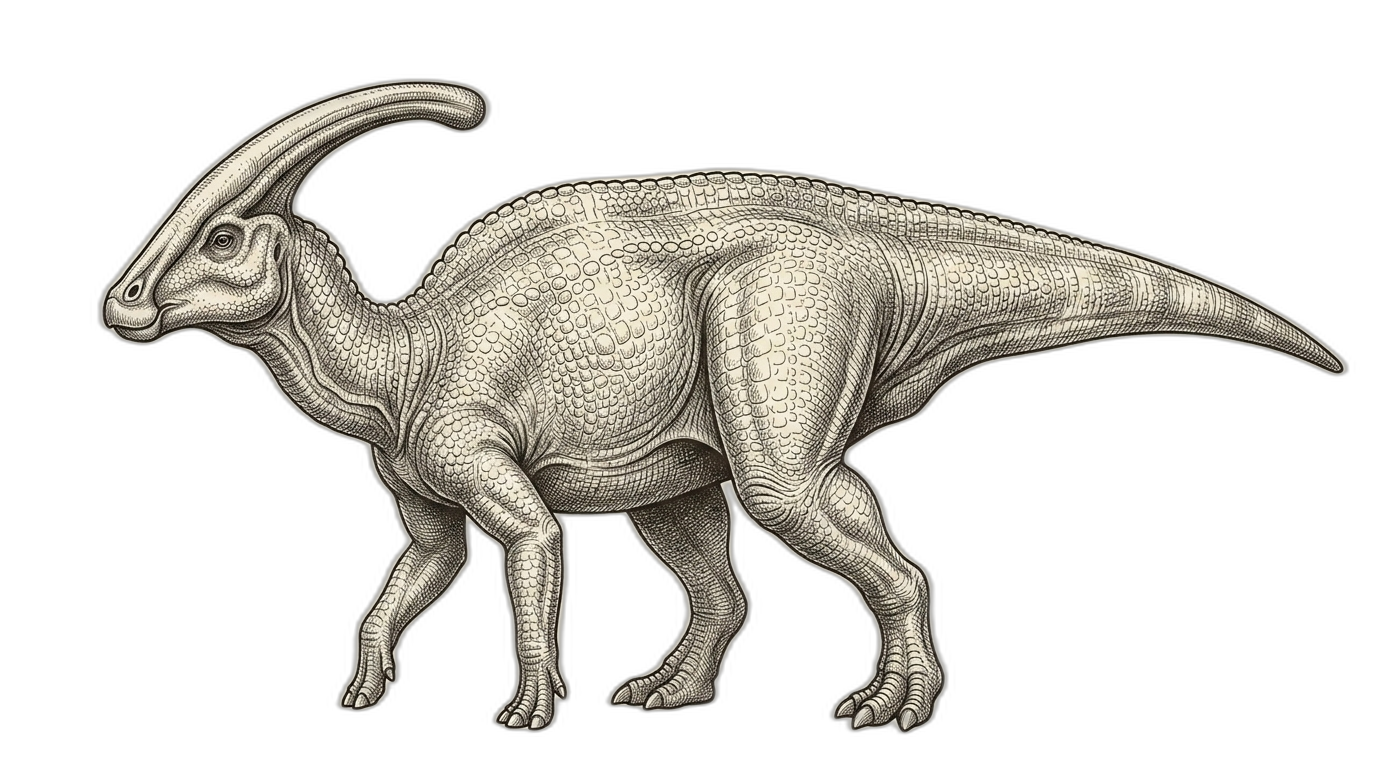
Parasaurolophus
Same family: Hadrosauridae
Sources & Citation
- Length estimates
- Horner & Makela 1979; Horner et al. 2000; based on multiple adult specimens
- Height estimates
- Estimated hip height from skeletal reconstructions; Paul 2010
- Weight estimates
- Paul 2010; Campione & Evans 2012 scaling methods
- Speed estimates
- Estimates based on hadrosaurid limb proportions; speculative