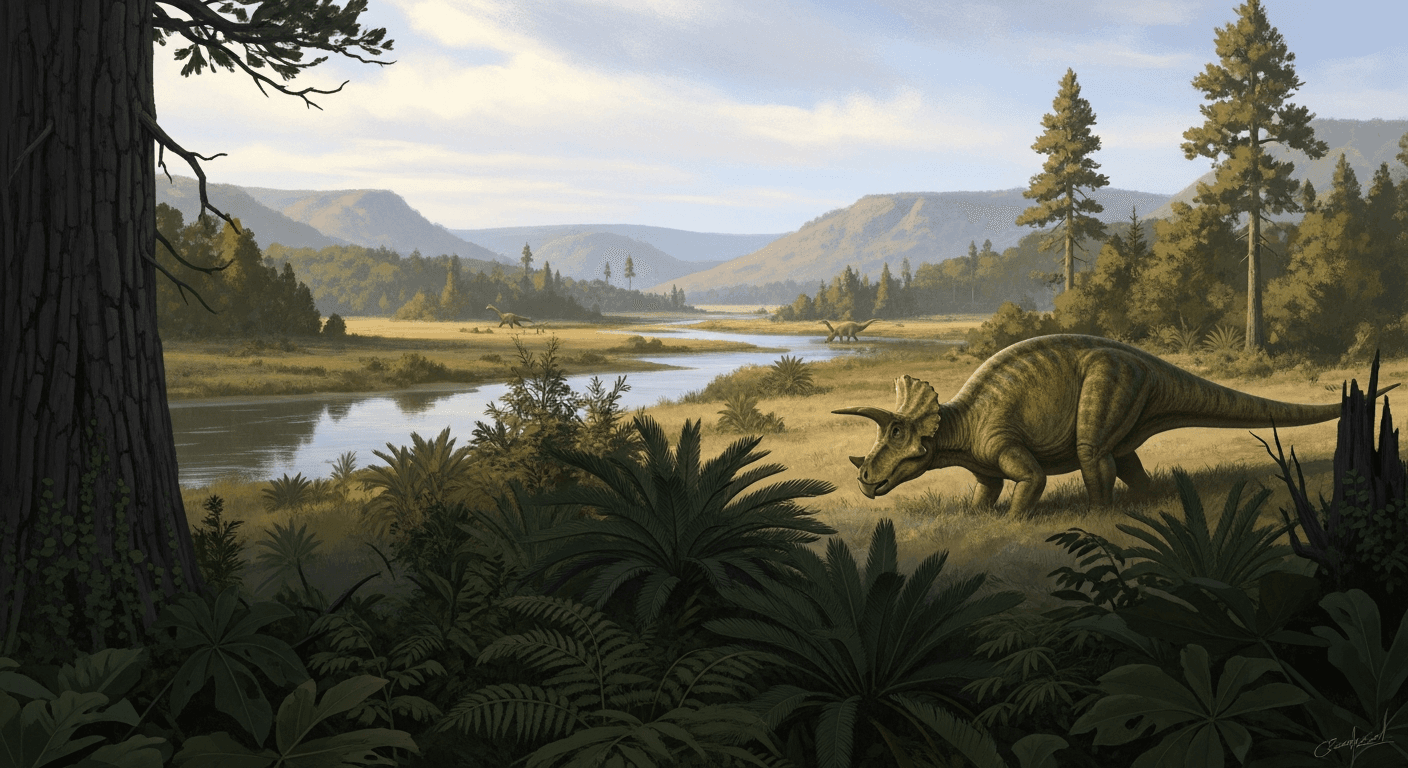
Horseshoe Canyon Formation
Alberta, Canada
Why It Matters
The Horseshoe Canyon Formation captures a distinct Late Cretaceous ecosystem slightly older than the Hell Creek , preserving hadrosaurs, ceratopsians, and tyrannosaurs that represent the generation of dinosaurs immediately before the final extinction. Edmontosaurus and Pachyrhinosaurus are its most characteristic species. Comparing Horseshoe Canyon faunas with Hell Creek assemblages reveals how dinosaur communities changed in the final 8 million years before the extinction — a key dataset in the debate over whether dinosaurs were already declining before the asteroid struck.
How Fossils Survived
Deposited as coastal plain sediments along the western margin of the retreating Western Interior Seaway, the formation preserves a mosaic of river channels, floodplains, and swampy lowlands. A distinctive feature of the Horseshoe Canyon environment is the presence of coal seams, indicating that extensive peat-forming swamps existed in the region. The beds are spectacularly exposed in the dramatic river valleys and coulees of central Alberta.
Discovery History
Joseph Burr Tyrrell — the geologist for whom the Royal Tyrrell Museum is named — discovered the first specimens in the Horseshoe Canyon outcrops along the Red Deer River in 1884 while mapping the region for the Geological Survey of Canada. His discovery of an Albertosaurus skull was the first large dinosaur found in Canada. The region has been continuously collected since the early 20th century.
Dinosaurs in the Vault
7 species in our database · sorted by size
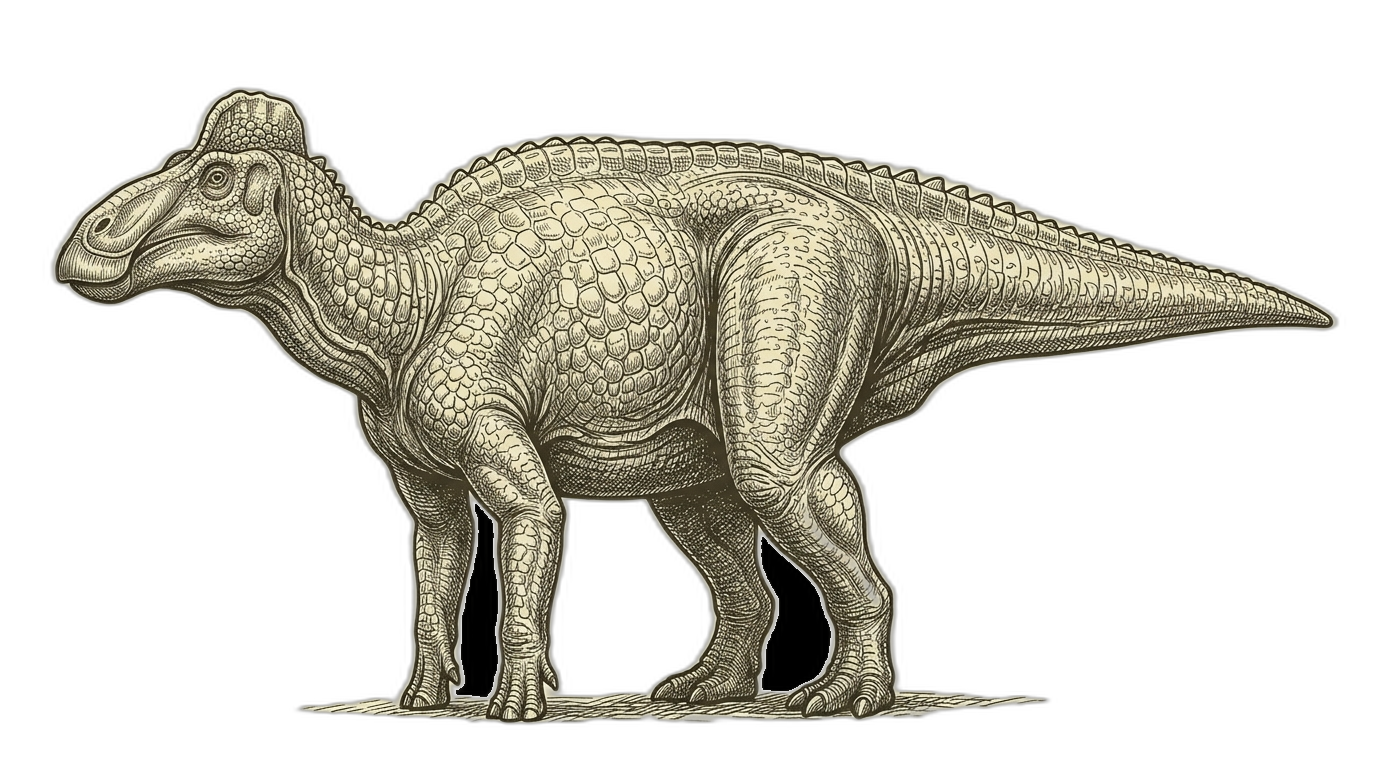
Edmontosaurus
🌿Edmontosaurus regalis
9m · 4.0t
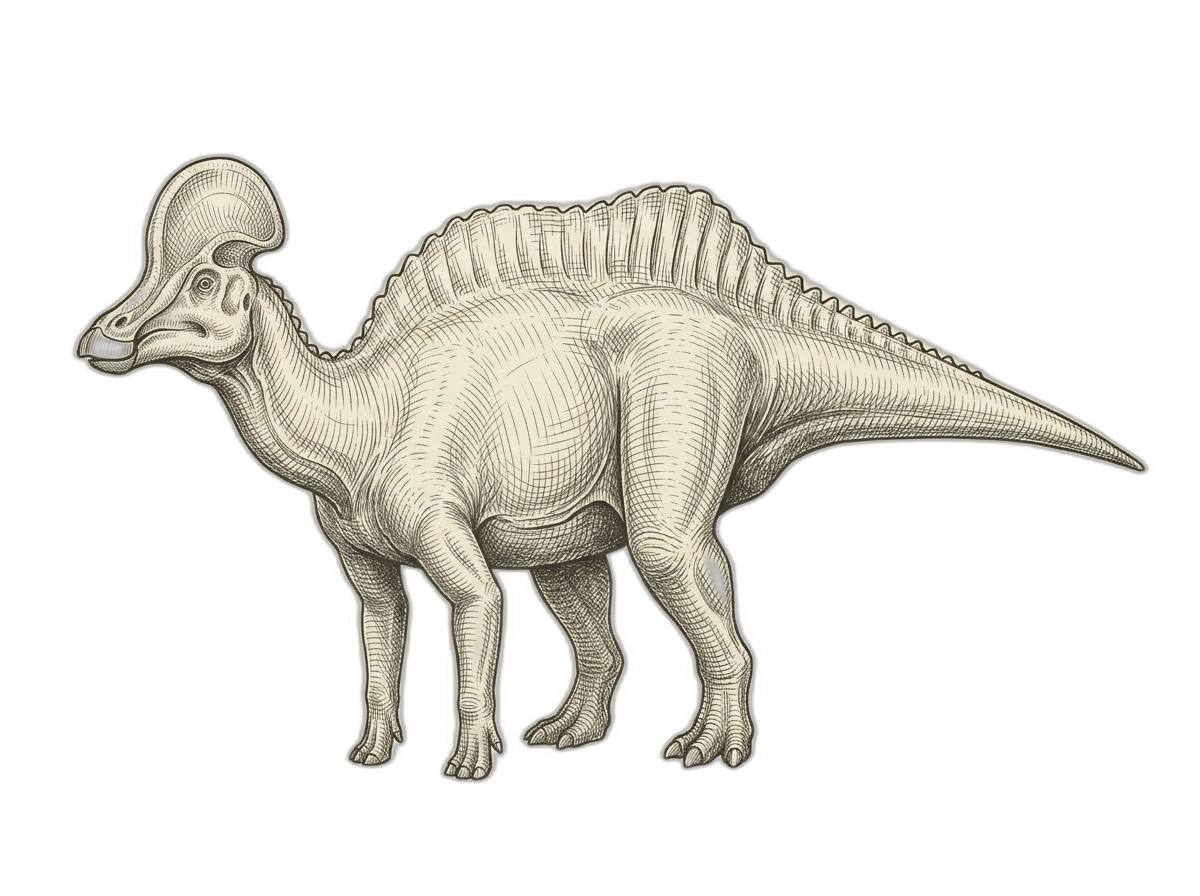
Hypacrosaurus
🌿Hypacrosaurus altispinus
9m · 4.0t
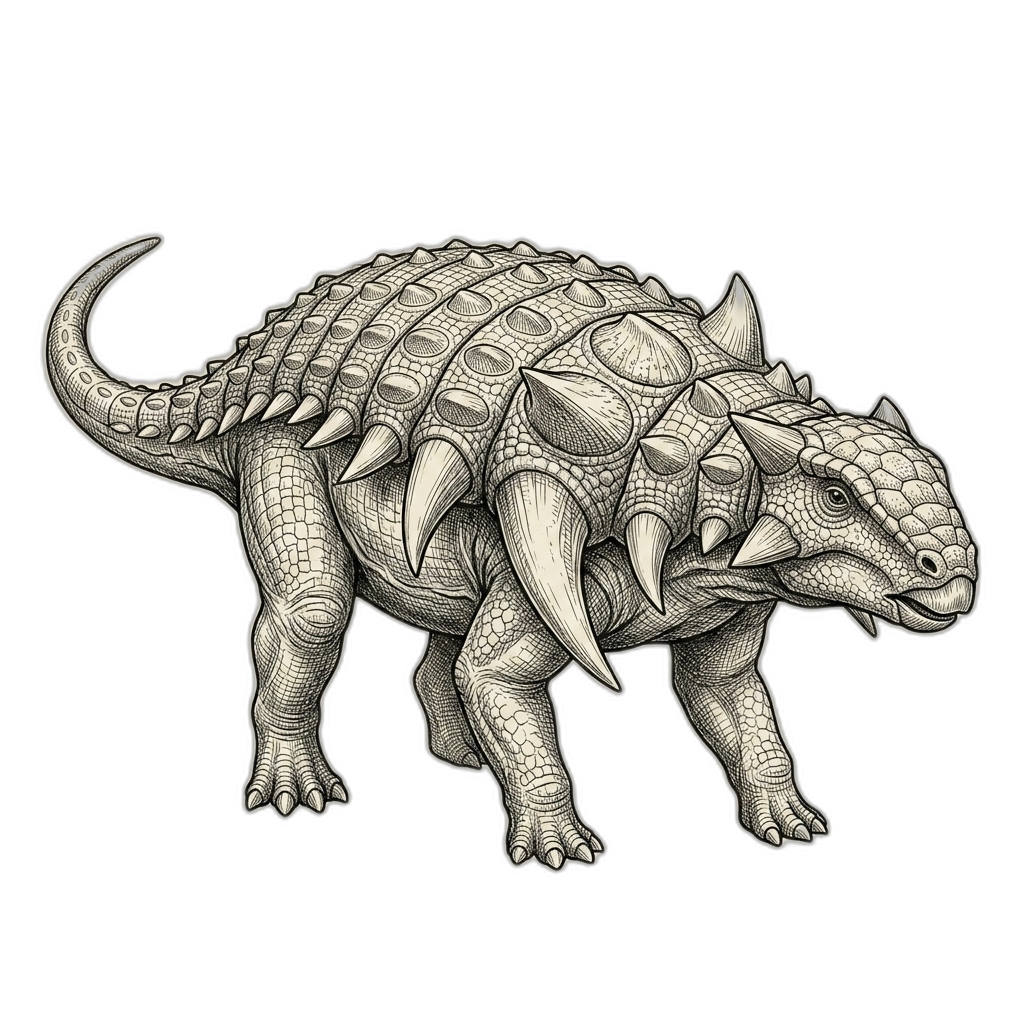
Edmontonia
🌿Edmontonia rugosidens
6.6m · 3.0t
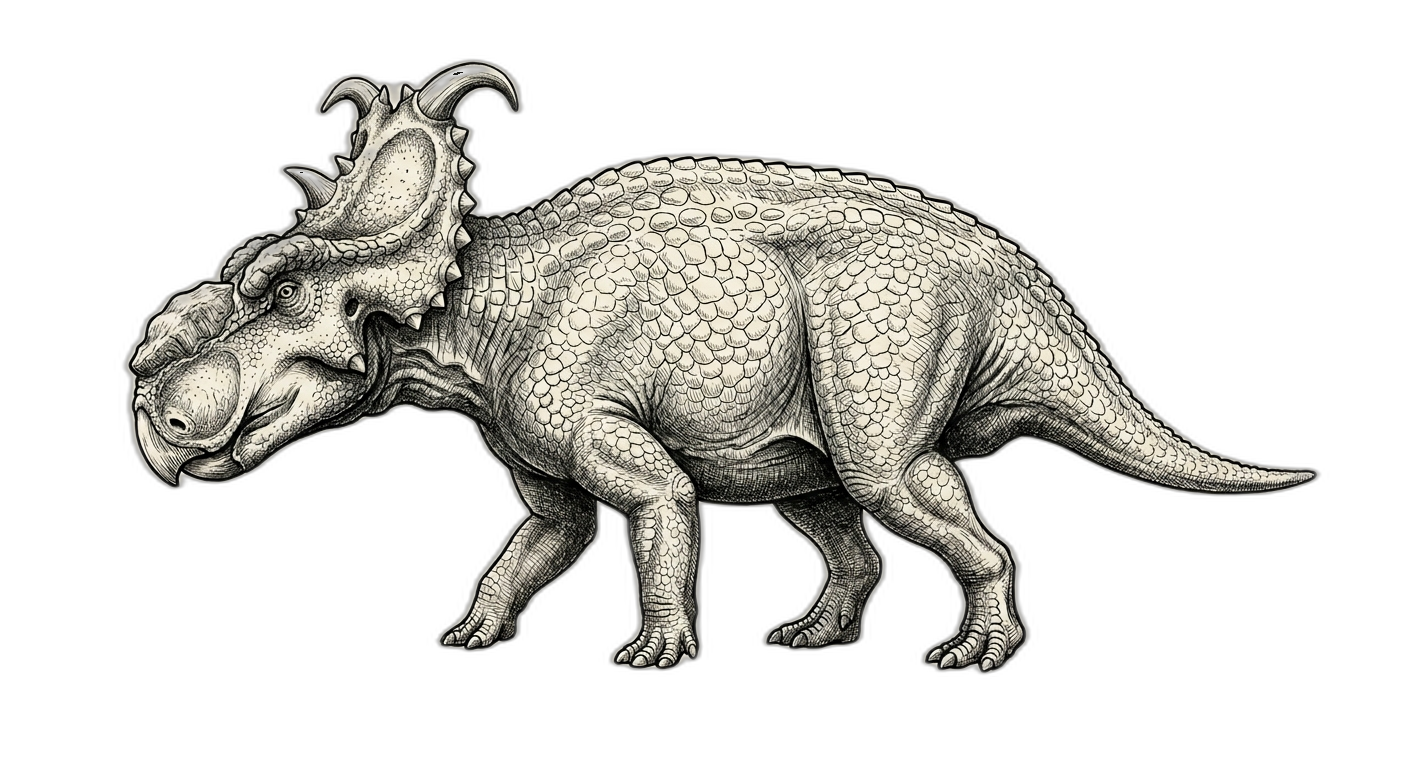
Pachyrhinosaurus
🌿Pachyrhinosaurus canadensis
6m · 2.5t
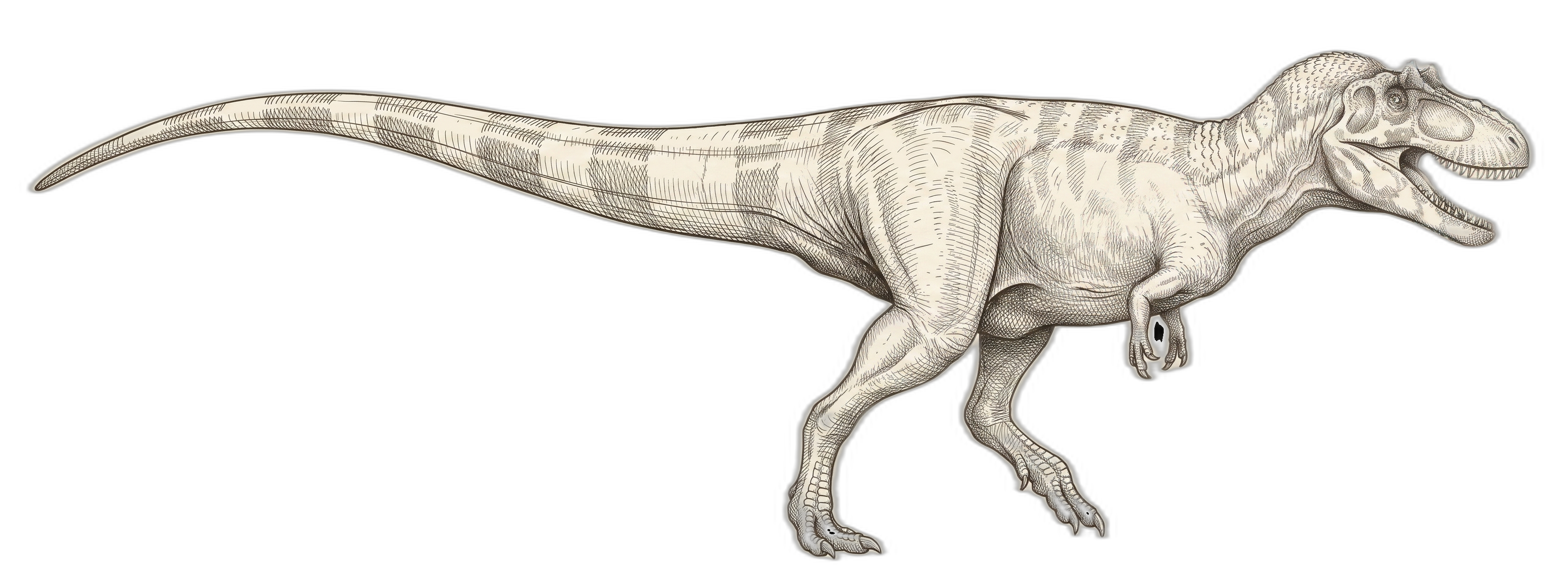
Albertosaurus
🥩Albertosaurus sarcophagus
9m · 1.8t
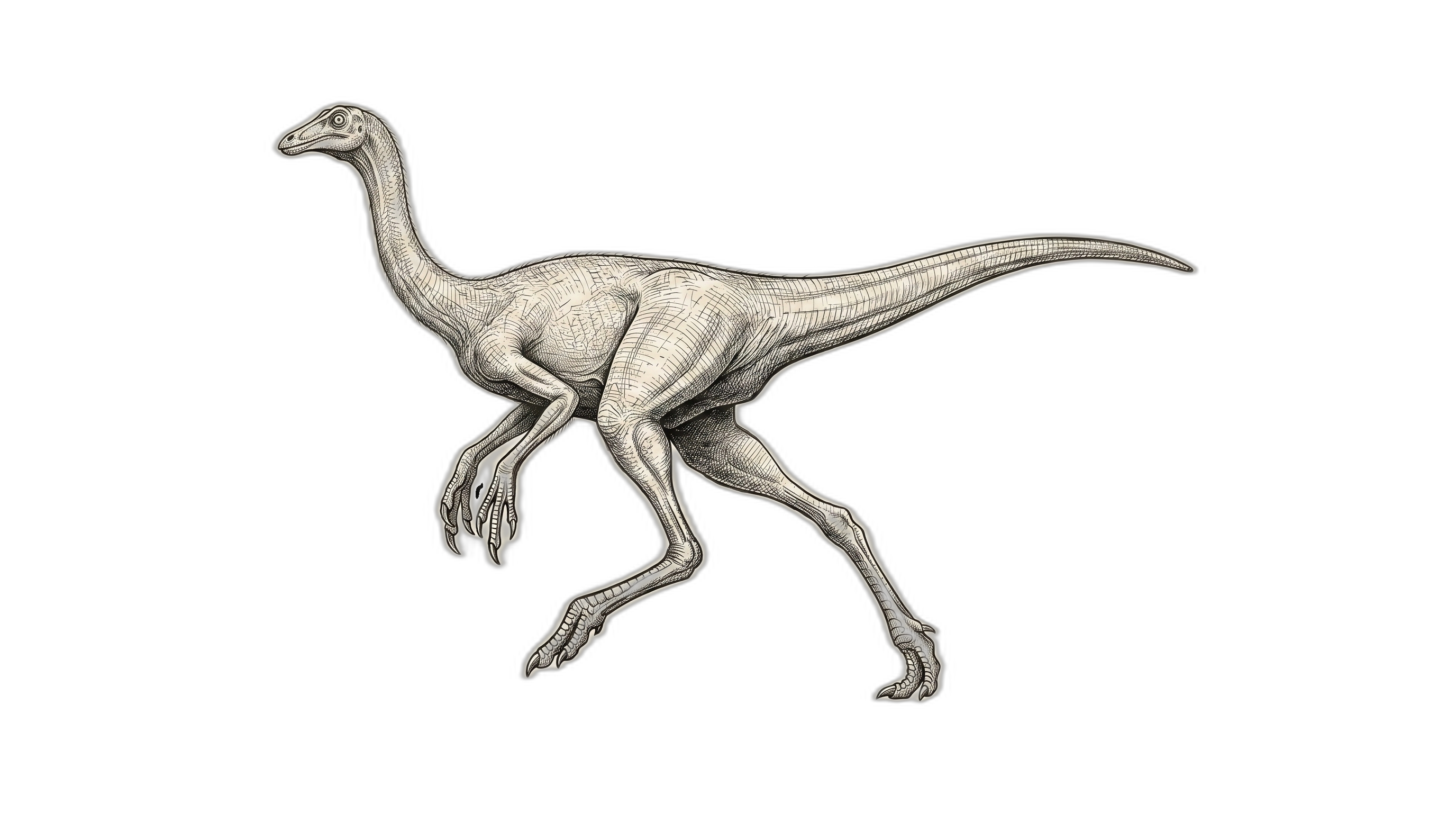
Ornithomimus
🍽️Ornithomimus edmontonicus
3.8m · 0.2t
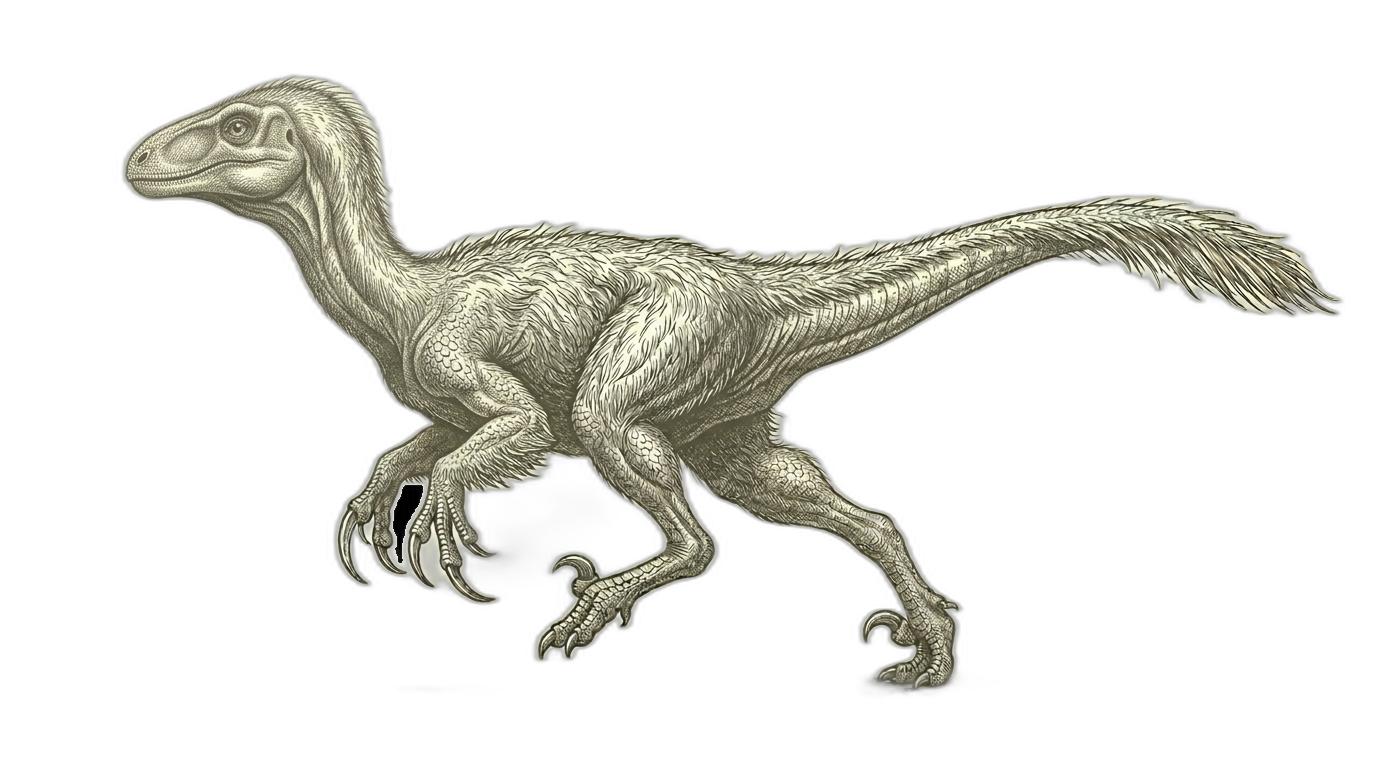
Troodon
🥩Troodon formosus
2.4m · 0.1t
- Pachyrhinosaurus, found in the Horseshoe Canyon Formation, had a massive bony boss (lump) on its face instead of a horn — a feature so unusual that early researchers thought they had found a pathological specimen.