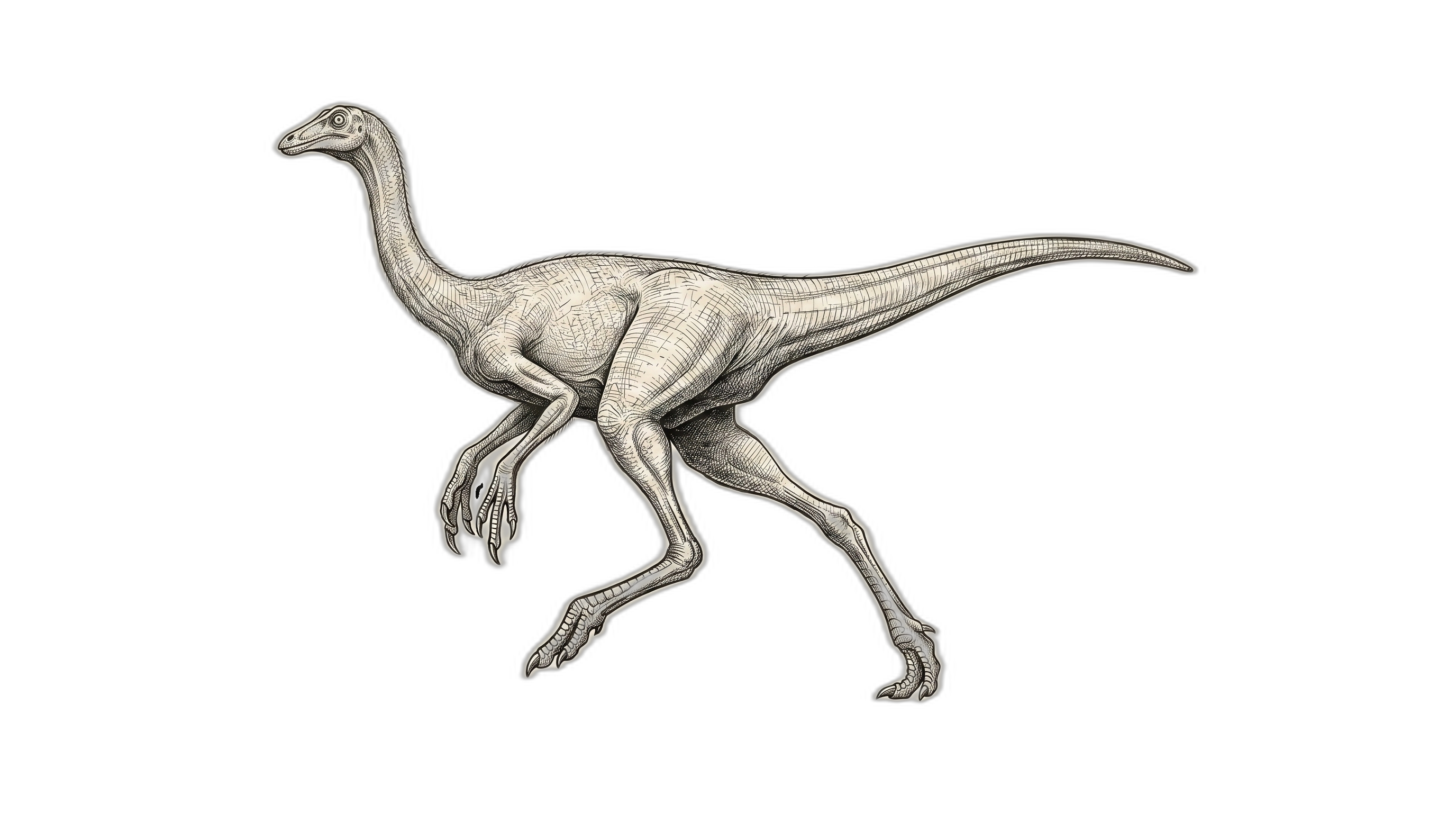
About
Ornithomimus edmontonicus was a graceful, ostrich-like dinosaur that roamed the river plains and forests of Late Cretaceous Alberta around 70-66 million years ago. Standing roughly as tall as a modern ostrich but considerably longer, this had a small head, large eyes, a toothless beak, and remarkably long legs built for speed. Its proportions—long shins, compact feet, and a counterbalancing tail—made it one of the swiftest dinosaurs of its era.
The species was named in 1933 by Canadian paleontologist William Parks based on specimens from the Edmonton Formation (now known as the Horseshoe Canyon Formation) in Alberta. The name Ornithomimus means "bird mimic," a fitting description given its uncanny resemblance to modern ratites like ostriches and emus. O. edmontonicus is one of the best-known species, with multiple specimens providing good insight into its anatomy.
One of the most remarkable discoveries about Ornithomimus came in 2012, when specimens from Alberta revealed preserved feather structures. Adults showed wing-like feathered forelimbs similar to ostriches, while juveniles lacked these elaborate arm feathers—suggesting the wing feathers may have played a role in or rather than flight or insulation alone.
The diet of Ornithomimus remains debated. Its toothless beak could have been used for plucking plants, catching small animals, or gathering eggs and insects—likely making it an opportunistic omnivore. Some researchers have noted similarities to modern omnivorous birds, suggesting it may have exploited whatever food sources were seasonally available.
Quick Facts
- Scientific name
- Ornithomimus edmontonicus
- Group
- Theropod · Ornithomimidae
- Lived
- Late Cretaceous, 76.5–74.8 million years ago
- Diet
- Omnivore
- Movement
- Walked on two legs
- Fossils found in
- Horseshoe Canyon Formation and Dinosaur Park Formation (Alberta, Canada)
- Discovery credited to
- 1933, William Parks
- Holotype
- ROM 851 · Royal Ontario Museum, Toronto
- DinoVault record
- DVL-0100
Where fossils were found
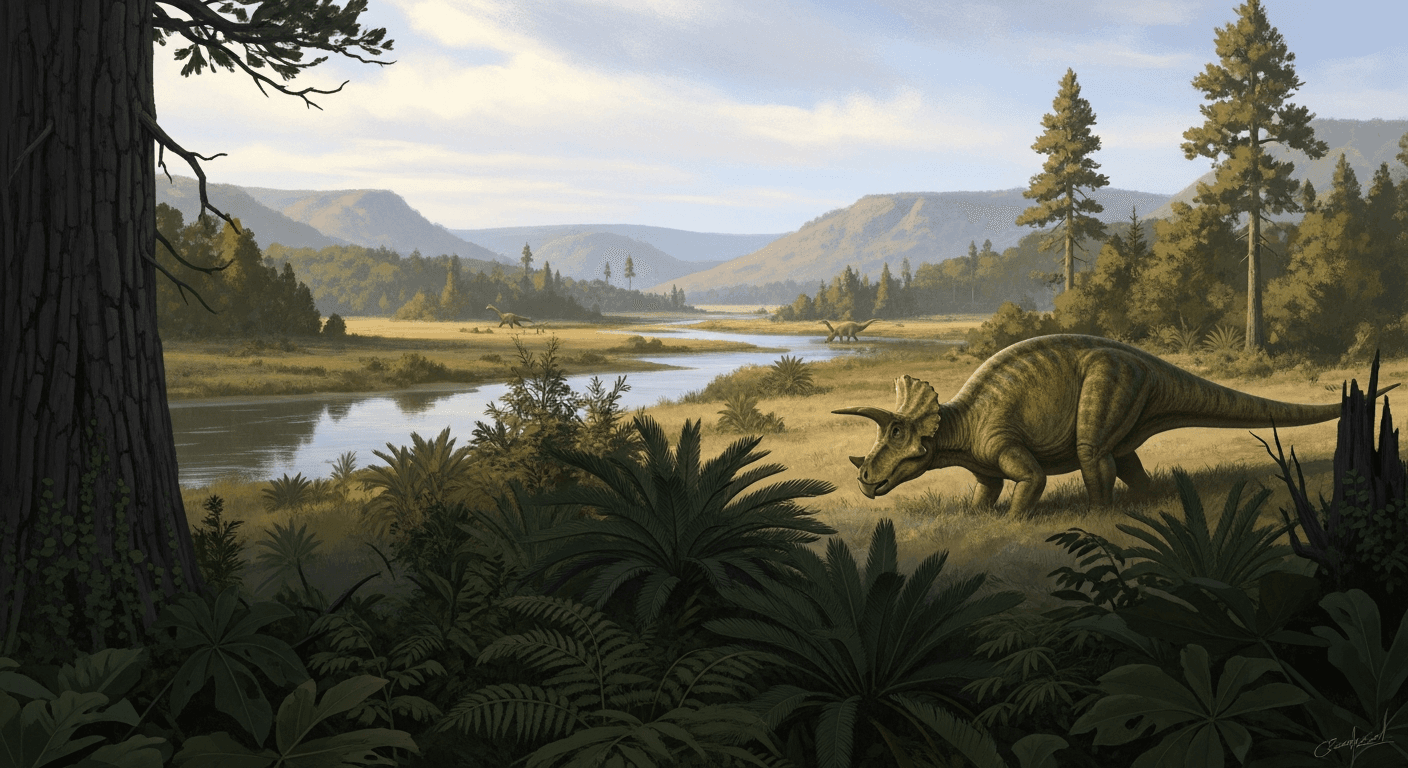
Horseshoe Canyon Formation
+1 more formation
Alberta · Canada
76.5–74.8 million years ago(1.7m year span)
Where Ornithomimus Roamed
During the Late Cretaceous, *Ornithomimus edmontonicus* roamed the coastal plains of western North America, where the vast Western Interior Seaway divided the continent and created lush, subtropical lowlands teeming with diverse flora and fauna. This warm, humid environment featured meandering rivers, dense coniferous forests, and rich floodplains that supported a remarkable array of dinosaur species.
Keep exploring the vault
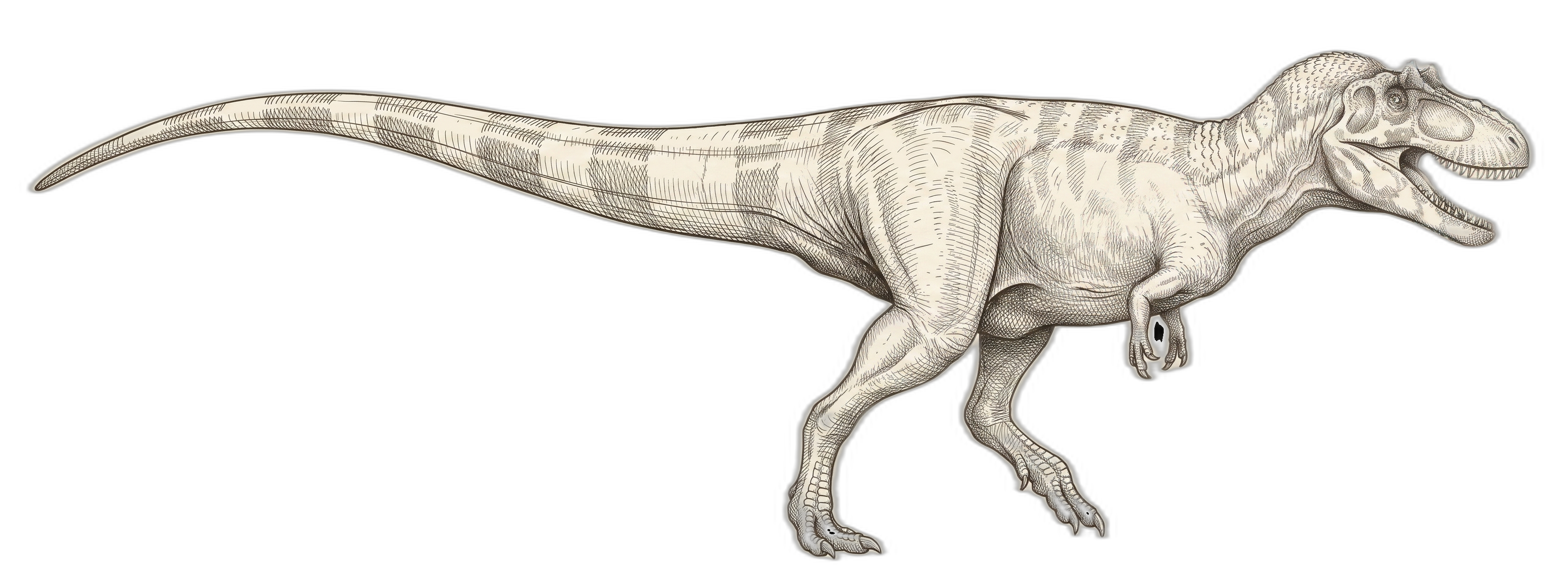
Albertosaurus
Albertosaurus sarcophagus
Albertosaurus was the apex predator of the Horseshoe Canyon Formation where Ornithomimus is abundant.
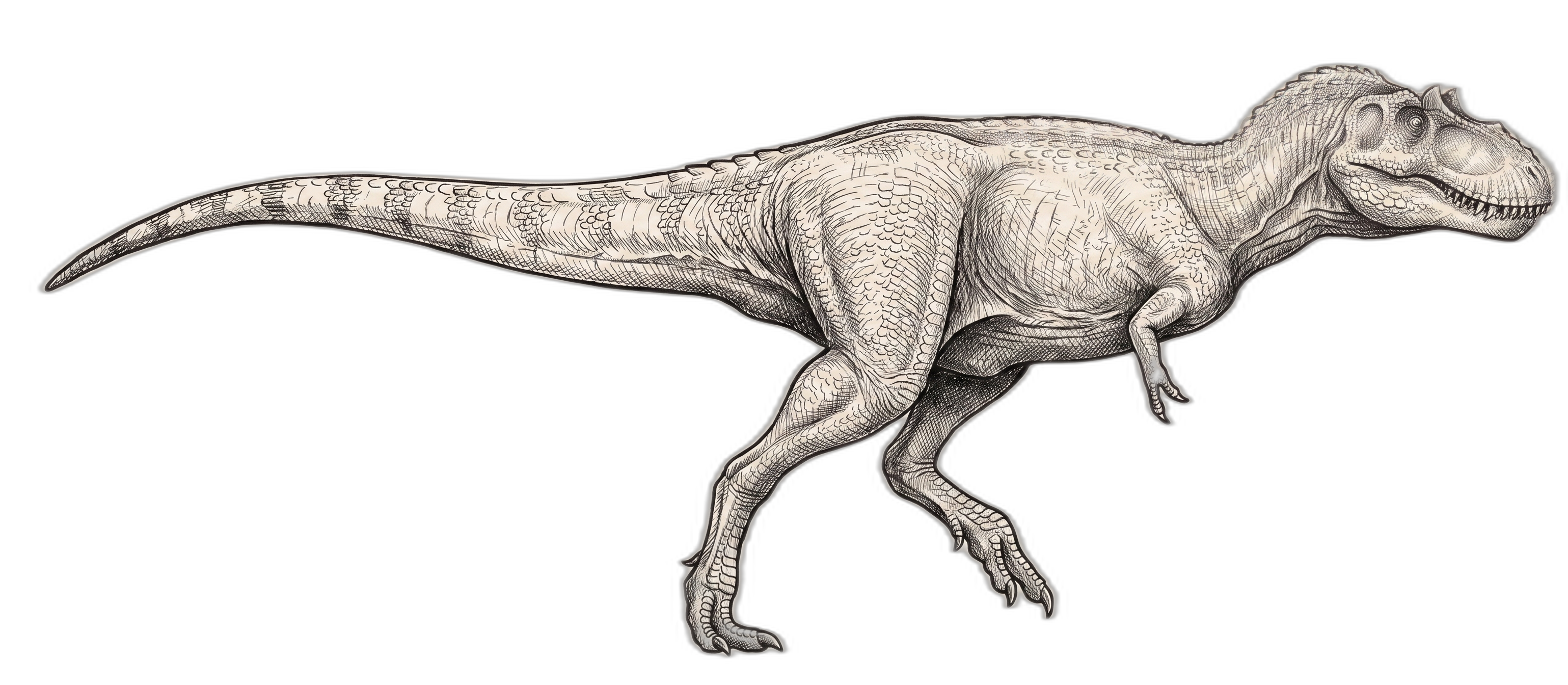
Gorgosaurus
Gorgosaurus libratus
Gorgosaurus was the dominant large theropod predator in the Dinosaur Park Formation where Ornithomimus edmontonicus also occurs.
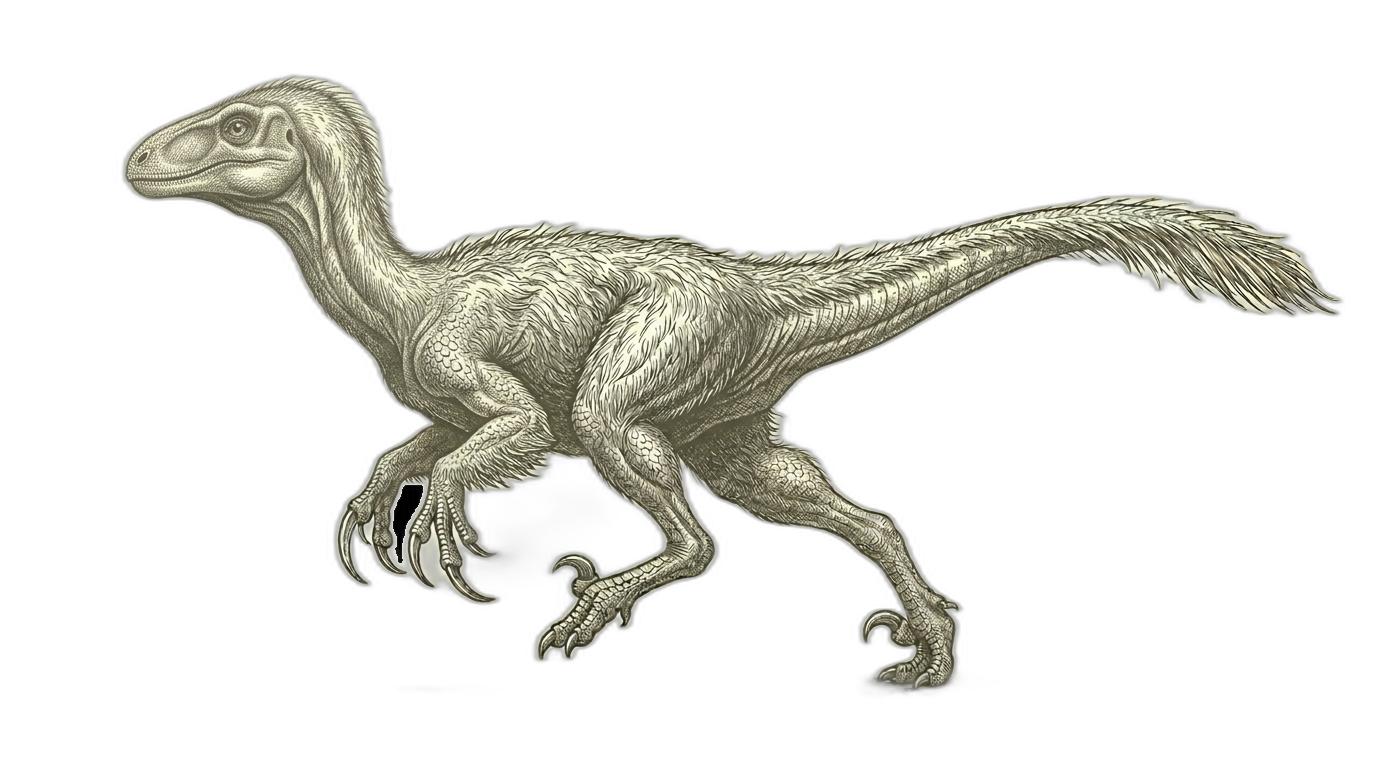
Troodon
Troodon formosus
Both species co-occur in the Dinosaur Park and Horseshoe Canyon formations.
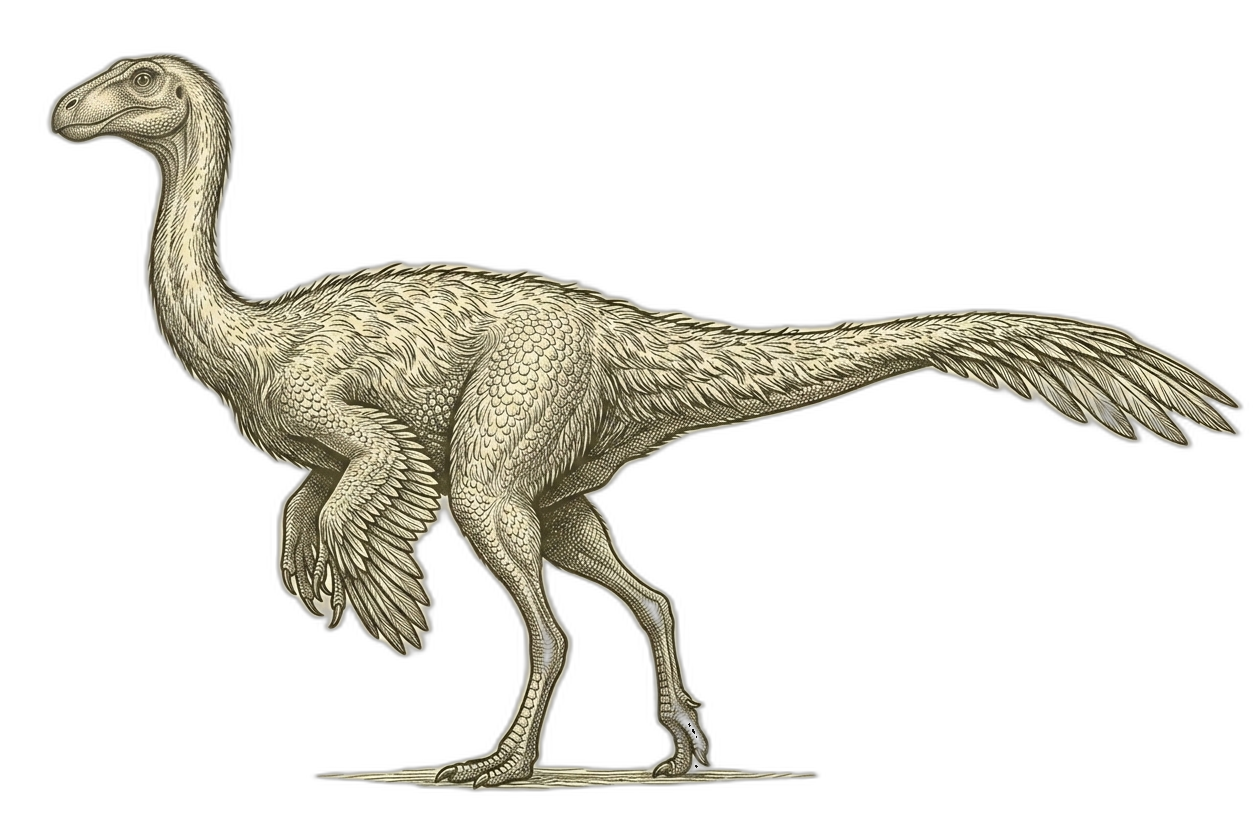
Gallimimus
Gallimimus bullatus
Both are ornithomimids that independently evolved similar body plans optimized for cursorial locomotion, with elongated necks, toothless beaks, and omnivorous diets.
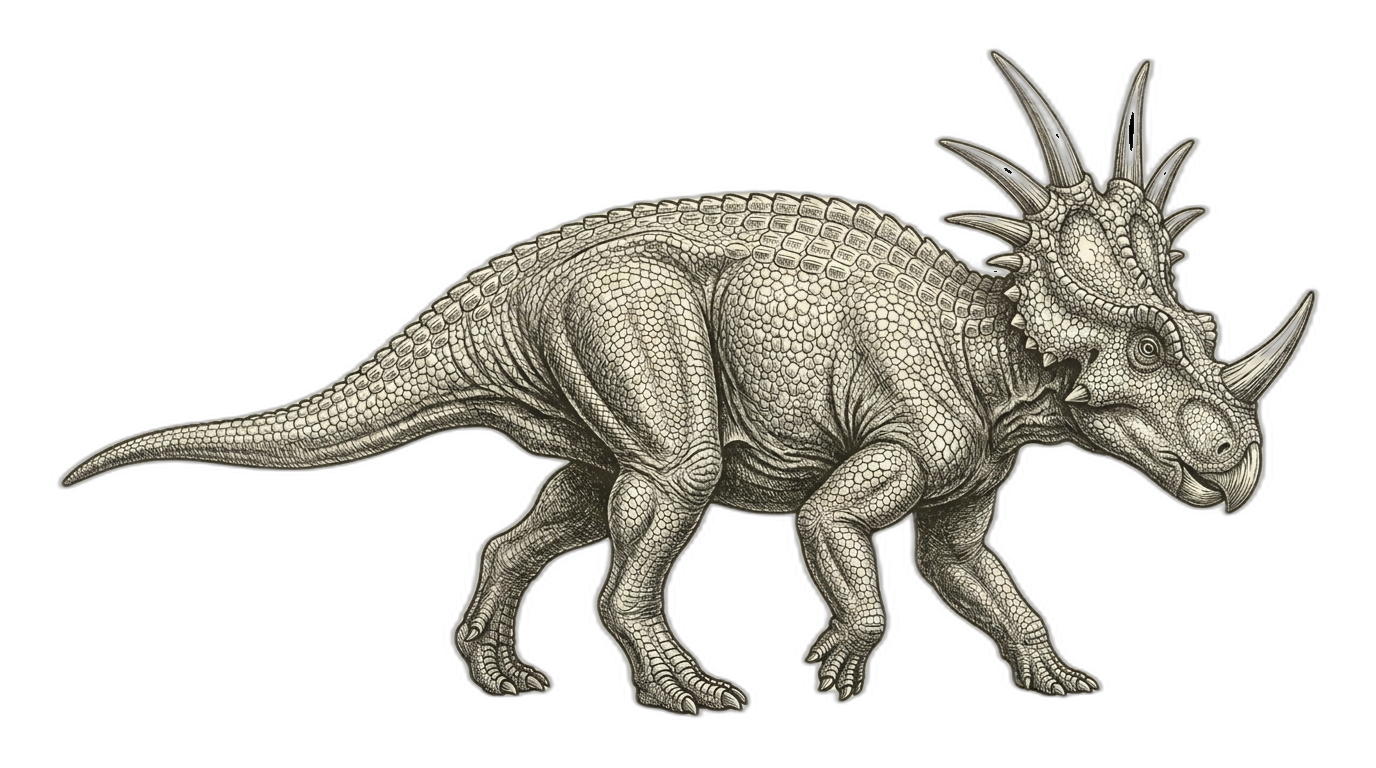
Styracosaurus
Styracosaurus albertensis
Both species co-occur in the Dinosaur Park Formation.
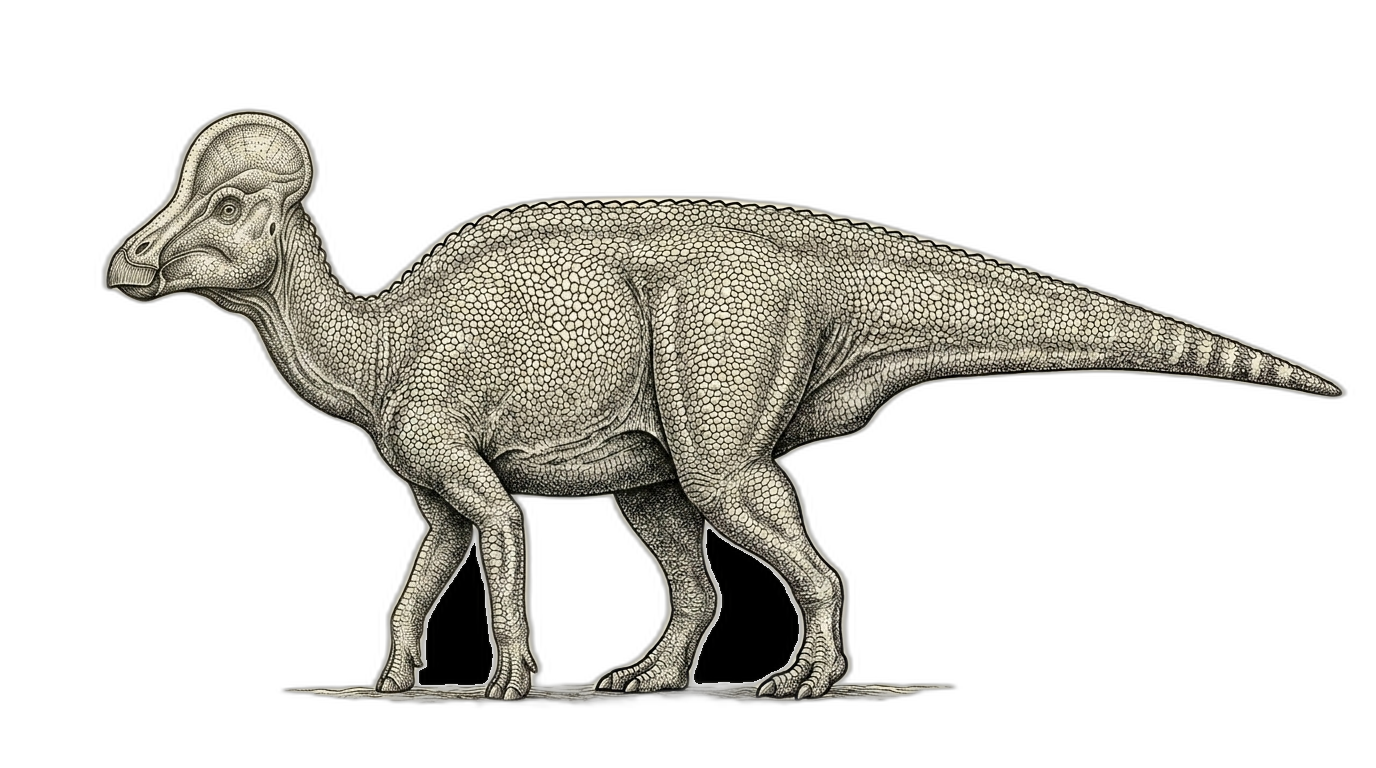
Corythosaurus
Corythosaurus casuarius
Both species are common in the Dinosaur Park Formation.
Sources & Citation
- Length estimates
- Russell 1972; multiple complete specimens from Alberta
- Height estimates
- Russell 1972; measured at hip from articulated specimens
- Weight estimates
- Paul 2010; mass estimates from skeletal reconstructions
- Speed estimates
- Hutchinson 2004; biomechanical analyses of ornithomimid limb proportions